
Active· since Jun 28, 2026
- 78
- days running
- 0
- relaunches
- 2,993
- EU reach
Ad copy
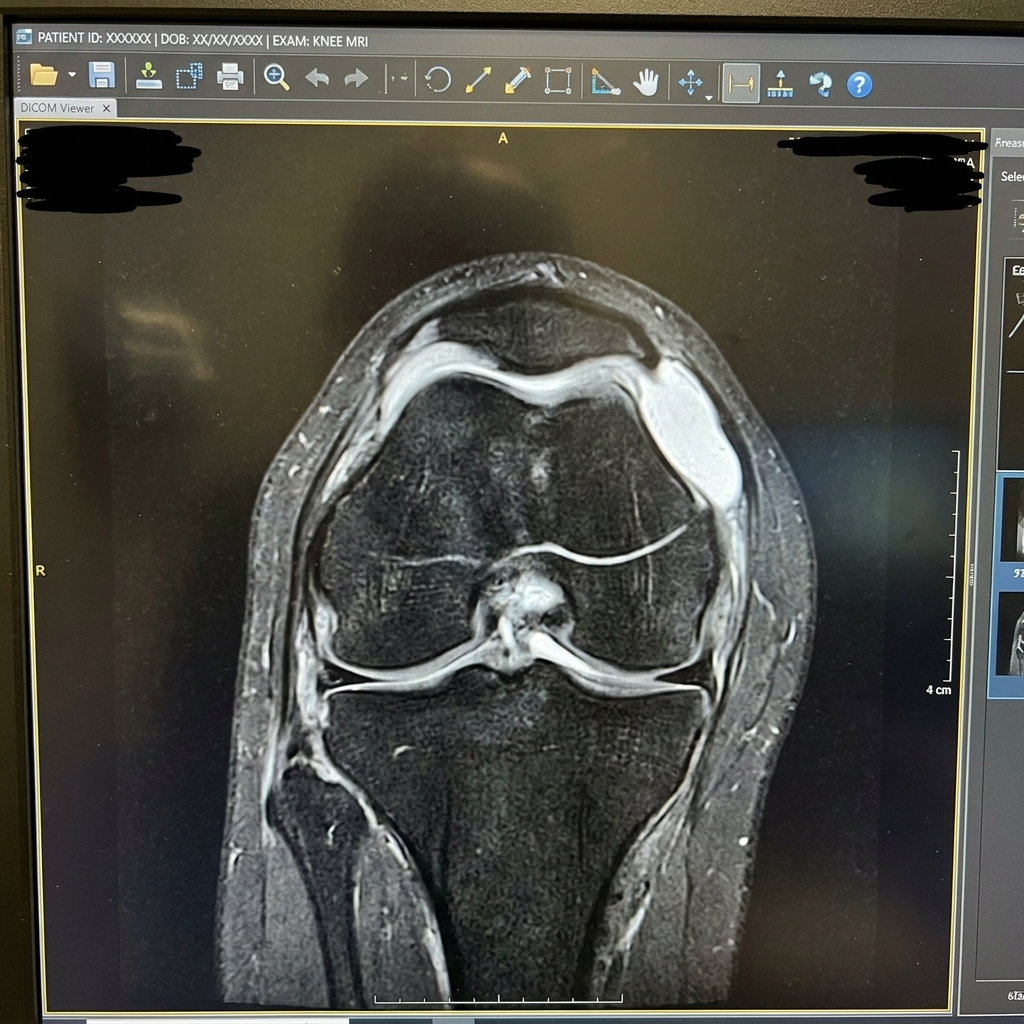
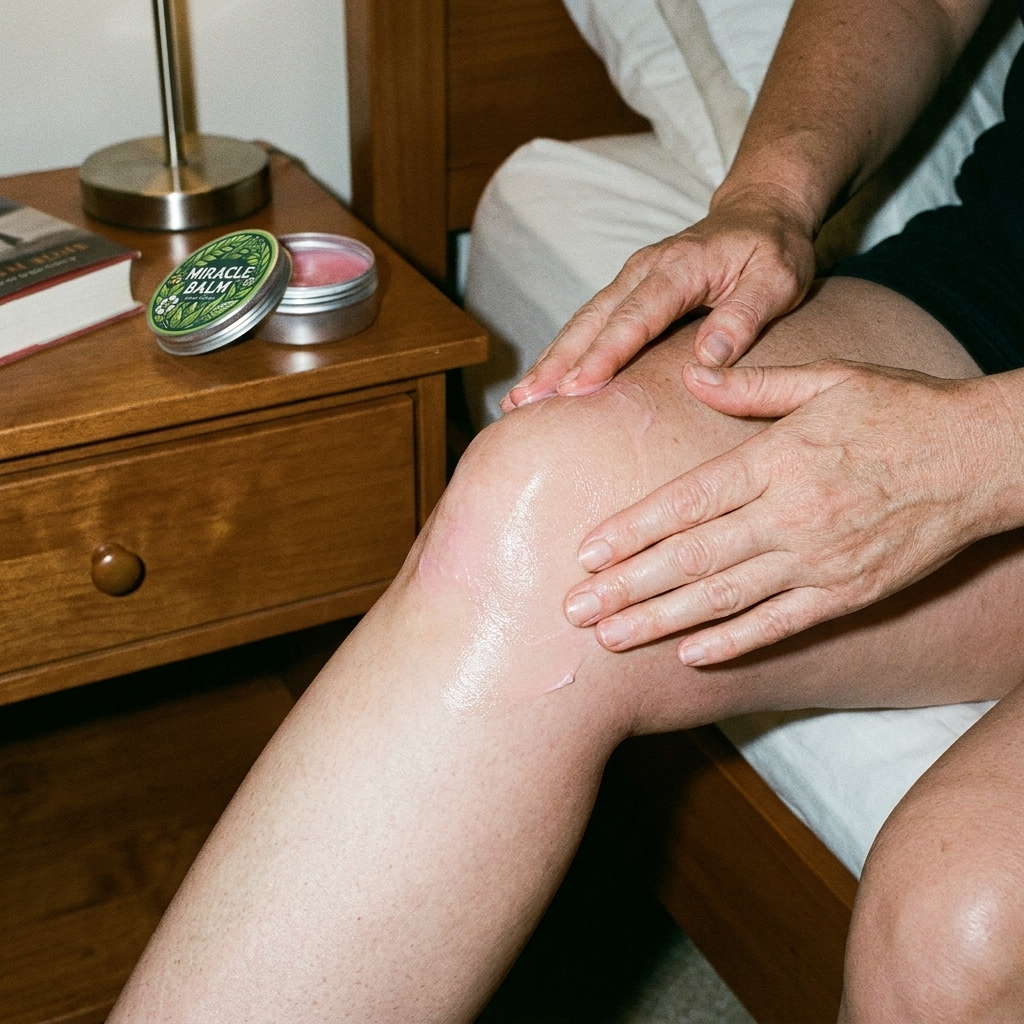
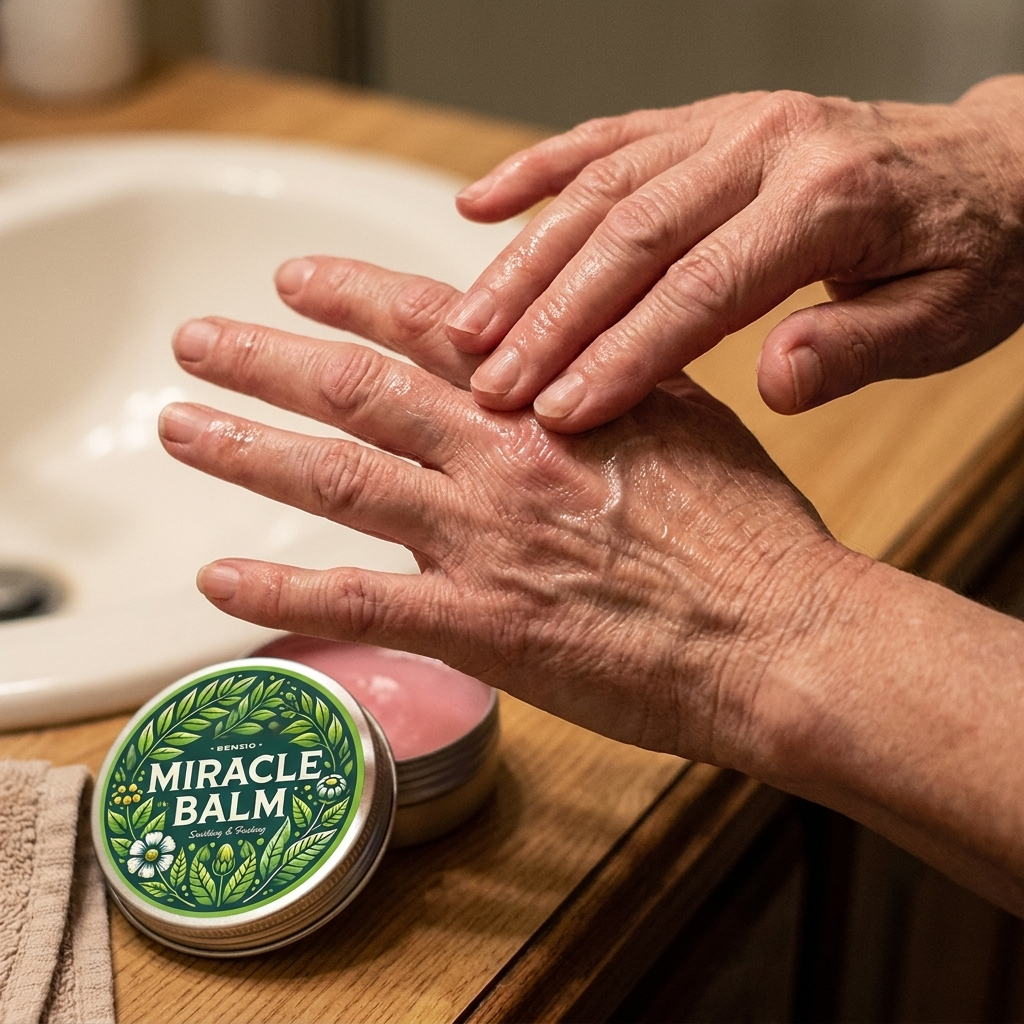
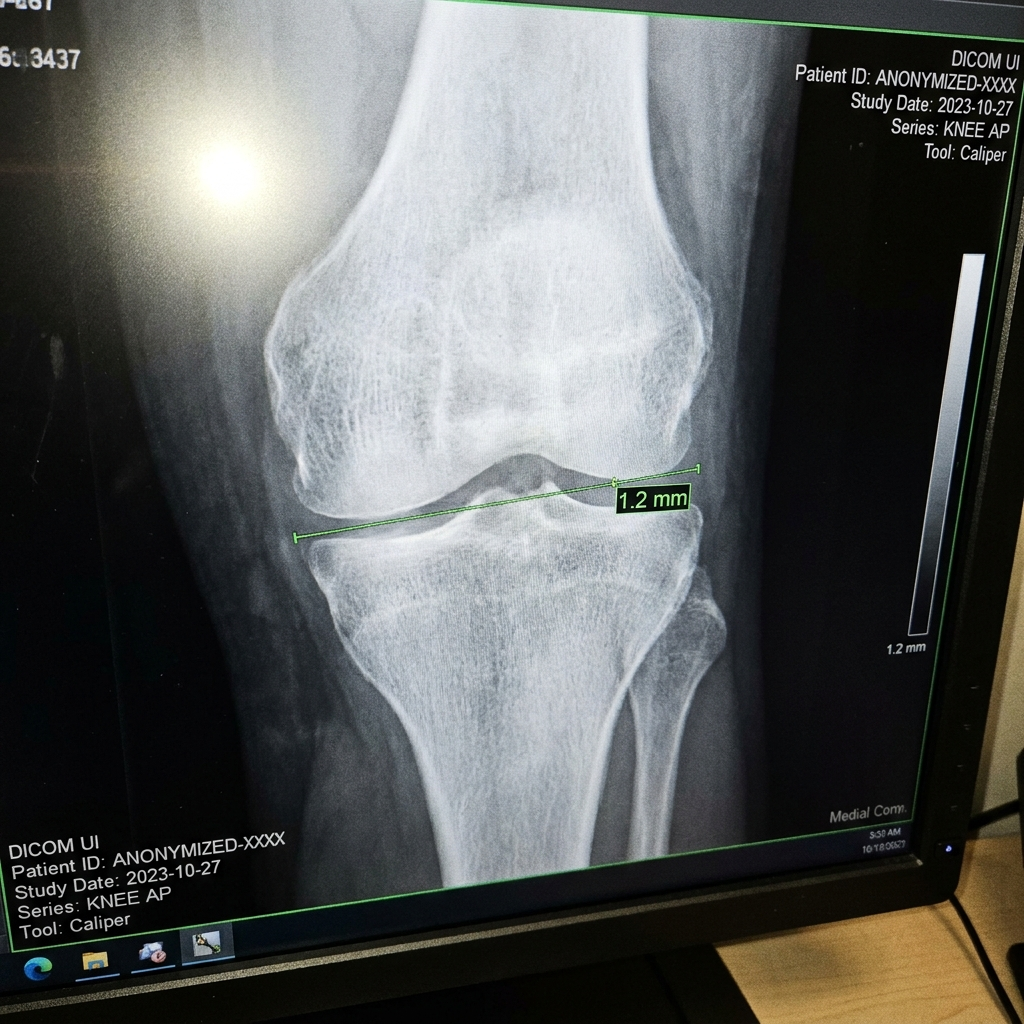
This was my X-Ray from when I first booked a knee replacement surgery. Here's how I canceled it 5 days before it was set to happen. ⠀ It was a Thursday morning. I'd been dreading that appointment for weeks. ⠀ My doctor pulled up my X-ray on the screen and turned it toward me. ⠀ "Helen. I think it's time. You're essentially bone on bone. There's almost no cartilage left cushioning that knee. We need to talk about a replacement." ⠀ I stared at the image. I could see it with my own eyes. ⠀ That space that was supposed to be there — the gap where healthy cartilage sits between the bones — was nearly gone. Just the rough edges of two bones pressing directly against each other. Every step I'd taken for four years. That was why. ⠀ He walked me through what would happen. They'd remove the damaged joint surfaces, cap both bones with metal components, and fit a plastic spacer between them. Recovery: six to eight months. Physical therapy three times a week. No driving for six weeks. No lifting. No running after the kids. ⠀ I asked what happens if I don't do it. ⠀ He said the cartilage isn't coming back. The grinding would get worse. Eventually I'd need a cane just to get around the house. ⠀ I left with a date circled on my calendar. March 19th. $16,000 after insurance. Half a year of recovery. ⠀ My kids are 9 and 12. My husband works long hours. There is no version of this where I'm strapped to a bed for six months and my family doesn't fall apart around me. ⠀ It was the same surgery my mother had three years ago. She did everything right. Every PT session. Every follow-up. She still winces going down stairs and says the knee never felt quite like her own again. ⠀ My coworker Janet had hers done at 53. She told me she didn't regret it — the pain relief was real — but the recovery nearly broke her. "The first few weeks are rough. You need someone with you constantly. It's not something to go into lightly." ⠀ There was a real chance I was going to be next. ⠀ At that point I had been dealing with this for four years. I couldn't walk up stairs without gripping the railing. I couldn't sleep through the night because no position felt comfortable. I couldn't run to the car in the rain without my knee screaming at me afterward. ⠀ I had tried everything. Two rounds of cortisone injections — the first helped for three weeks, the second barely touched it. Hyaluronic acid gel shots. Voltaren gel twice a day. Naproxen. Physical therapy four months, twice a week, which helped more than anything but eventually plateaued. A compression brace I wore until my leg went numb. ⠀ Things helped. Temporarily. Then stopped. ⠀ When my surgeon said replacement, I genuinely thought — well, what else is there? ⠀ I tried to go about my life like nothing had changed. But that night I couldn't sleep. ⠀ It was past 2 AM. I picked up my phone and did everything everyone tells you not to do. I started researching knee replacements. I read the 10 to 12 month full recovery timelines. I read about patients who developed stiffness they couldn't fully reverse. I read that an artificial joint means giving up high-impact activity permanently. I read about the small but real risks — infection, blood clots, revision surgery. ⠀ I put my phone down and stared at the ceiling. ⠀ I'm 52 years old. Is this really the only option? ⠀ I kept researching. Night after night. Each one bringing me closer to that date on my calendar. ⠀ Then about four weeks before my surgery, I stumbled on a video from a retired orthopedic surgeon. He had spent over 22 years performing joint replacements. He wasn't anti-surgery — he was the one who performed them. But he was talking about something he wished more patients understood before they committed. ⠀ Before I get into what he said — I want to be fully transparent. Some people reading this should seriously consider surgery. If the pain is completely debilitating, if conservative options have been exhausted, if your quality of life has broken down entirely — talk to your doctor. This isn't for everyone. ⠀ But for everyone else, just listen to what he said. Because it changed everything for me. ⠀ He explained that articular cartilage — the tissue that cushions the knee joint — contains no blood vessels. None. It's completely avascular. Unlike a cut on your skin that gets an immediate rush of healing blood, cartilage can't repair itself that way. It relies entirely on synovial fluid — the fluid inside the joint — to deliver nutrients and remove waste. And that fluid gets pumped in and out through one thing: movement. ⠀ Which creates a cruel cycle. ⠀ When a knee becomes too painful to move properly, the fluid exchange slows. The surrounding joint tissue — the capsule, the soft tissue, the bursa — becomes chronically inflamed. And that inflammation makes movement even more painful, which reduces movement further, which makes the inflammation worse. ⠀ He was clear: surgery is the right answer for many people. For true bone-on-bone arthritis with debilitating pain, replacement can be genuinely life-changing. He'd seen it hundreds of times. ⠀ But he said a significant number of patients came to him at a stage where chronic inflammation and joint capsule swelling were doing almost as much damage as the cartilage loss itself. And that layer — the inflamed surrounding tissue, the swollen capsule, the stiff structures locking the joint down — was something that could sometimes be meaningfully addressed without going under the knife first. ⠀ Then he said something I had never heard any doctor say before. ⠀ He talked about the plants. ⠀ Specifically, a handful of botanicals that have been studied for their ability to directly target joint inflammation — not mask it the way a painkiller does, but actually interrupt the inflammatory process at the source. ⠀ Turmeric — or more precisely its active compound curcumin — has been shown in clinical studies to reduce joint pain and swelling comparably to standard NSAIDs like ibuprofen. Without the stomach side effects. ⠀ Boswellia, also known as Indian frankincense, contains boswellic acids that block the specific enzymes responsible for triggering joint inflammation — and may help slow the breakdown of remaining cartilage tissue. ⠀ Ginger root extract works along similar anti-inflammatory pathways as ibuprofen — inhibiting the same prostaglandin signals that drive joint swelling and stiffness. ⠀ Comfrey — rich in a compound called allantoin — has been used for centuries to soothe inflamed tissue and support the repair of overworked joints. Applied directly to the skin, it penetrates deeply and measurably reduces joint swelling and pain. ⠀ He was clear: these plants are not a cure. Cartilage that is gone does not grow back from a botanical extract. He said that plainly. ⠀ But what they can do — and what the research increasingly supports — is address the chronic inflammation wrapped around the damage. The swollen joint capsule. The stiff surrounding tissue. The inflammatory cycle that compounds on top of the cartilage loss and turns a manageable condition into a surgical emergency. ⠀ For years, people had been using these botanicals one at a time. A turmeric supplement here. A comfrey compress there. Each one helping a little. Building real relief, real results — especially when used consistently. ⠀ But recently, something changed. ⠀ Researchers started asking a different question. Not which plant works best but what happens when the right ones are combined, concentrated, and delivered directly to the joint through the skin? ⠀ Because topical application bypasses digestion entirely. No waiting for a capsule to survive your stomach. No hoping enough of the compound makes it through your bloodstream before it gets filtered out. The botanicals absorb straight through the skin and go to work exactly where the inflammation lives, in the soft tissue, the joint capsule, the tight surrounding structures that have been locked down for years. ⠀ And there's now a formulation that brings these compounds together in a single balm. Comfrey,Frankincense and Myrrh, Angelica sinensis Peppermint Oil, Sesame oil and beeswax. ⠀ He had been recommending it to patients in exactly my situation. People facing surgery. People who hadn't yet crossed the point of no return. ⠀ It was called Senzio Miracle Balm. ⠀ And before anyone reading this thinks Oh, here we go, she's just trying to sell me something Listen. When I first got this diagnosis, I made myself a promise. If I ever found something that actually worked, I would tell everyone I knew. That's all I'm doing. ⠀ And when I first heard about it, my immediate thought was: I have already tried creams. I have tried gels. They did nothing. ⠀ But turns out this is completely different from anything I'd tried before. ⠀ I looked it up and found hundreds of comments from people who sounded exactly like me. Bone on bone. Years of trying everything. Surgery already scheduled. And they got their lives back. ⠀ They had a 60-day money-back guarantee. ⠀ I ordered it that night. ⠀ It showed up a few days later. ⠀ The moment the balm touched my knee, I felt a cool wave from the peppermint oil, then a slow spreading warmth underneath it. Like the joint was finally breathing. The pain was still there. I put it on again the next morning. And in the evening. ⠀ With each day, the pain began to shift. ⠀ End of Week 1: The sharp jolt when I stood up from the kitchen chair, the one I'd been bracing for every single time it didn't hit as hard. I noticed it was missing more than I noticed it arriving. ⠀ Week 2: I walked down the stairs both hands free. I slept through the entire night for the first time in over a year. My husband asked if my medication had finally kicked in. ⠀ Week 3: Morning stiffness that brutal first hour where every step felt like broken glass was down to 20 minutes. The visible swelling around my knee had gone down enough. ⠀ My surgery was now five days away. ⠀ I called the surgeon and asked for new imaging before we proceeded. He didn't think it was worth the time. I told him to humor me. ⠀ He ran the scan. He came back in and put the images up and just stared at them. ⠀ "Helen. The cartilage loss is still there — I won't mislead you about that. But the inflammation in the surrounding joint tissue has come down substantially. The joint capsule swelling is measurably reduced." ⠀ He looked at me. ⠀ "I can't justify operating on this right now. Let's revisit in three months." ⠀ March 19th finally came, but my surgery was canceled that day. ⠀ My kids still have a mom who drives them to Saturday football practice and stands on the sideline cheering. Who walks with them to the park without counting her steps. Who is fully present instead of flat on her back in a recovery bed while someone else runs everything. ⠀ Knee surgery took something from my mother. It took something from Janet. ⠀ It wasn't going to take anything from me. ⠀ I wanted to know how it worked so well, so I went back to their website to learn everything I could about the formula. ⠀ Senzio Miracle Balm works in four steps to address what's actually driving the pain. ⠀ Comfrey — rich in allantoin penetrates deep into the soft tissue surrounding the joint, supporting repair and quieting the deep aches that build up around years of inflammation. ⠀ Frankincense and Myrrh work together to calm the chronic inflammatory response at the source — slowing down the cycle of swelling that keeps the joint locked and painful. ⠀ Angelica sinensis boosts local circulation, delivering nutrient-rich blood flow to the tissue surrounding the joint that has been starved of it for years. ⠀ Peppermint oil provides that immediate wave of relief the moment it touches the skin — while carrying the other compounds deeper into the tissue that needs them. ⠀ Sesame oil and beeswax deliver everything steadily below the surface. Not sitting on top. Not washing off. Absorbing into the tissue that needs it most. ⠀ All of it working together. Not masking the pain. Addressing what's driving it. ⠀ That's why it worked when everything else didn't. ⠀ The Senzio Miracle Balm gave me back my life. ⠀ After four years, I finally feel like myself again. ⠀ And that's exactly why I'm writing this. ⠀ I still have March 19th in my planner. I look at it sometimes to remind myself how close I came to a decision I could never take back. ⠀ I don't know where you are on your journey right now. ⠀ Maybe you're just starting to feel it — the occasional grinding, the stiffness that won't go away in the morning. ⠀ Maybe you've had it for years. You know every bad step. Every sleepless night. You've tried everything your doctor suggested and you're still here, still hurting. ⠀ Or maybe you've already got a surgery date on your calendar. And you're lying awake the same way I was — staring at the ceiling at 2 AM, wondering if there's one more thing to try before you make a decision you can never take back. ⠀ If any part of my story sounds like yours try Senzio before you do anything else. ⠀ I can't say it will work for everyone. Nothing does. ⠀ But what I can say is thousands of people have already gotten real relief with this balm. Some had it worse than I did. Some had been suffering longer. And they didn't go through with the surgery either. ⠀ Senzio offers a 60-day money-back guarantee try it for two full months completely risk-free. If it doesn't work, you get every dollar back. No questions. No hoops. ⠀ If Senzio Miracle Balm is still available at 50% Off, get yours now. ⠀ — Helen, 52, Ohio ⠀ P.S. I called my sister after week three and told her about Senzio. She's been bone on bone in her left knee for three years — putting off surgery because she can't afford to be down for six months with her own kids at home. She's now three weeks in. Last week she sent me a photo of herself standing at the top of her back porch stairs. Both hands off the railing. No caption. She didn't need one.
Like this ad? Make it yours.
Crush rebuilds this exact creative around your product — your brand, your colors, your offer — in about a minute.