
Inactive· since Apr 19, 2026
- 4
- days it ran
- 0
- relaunches
Ad copy
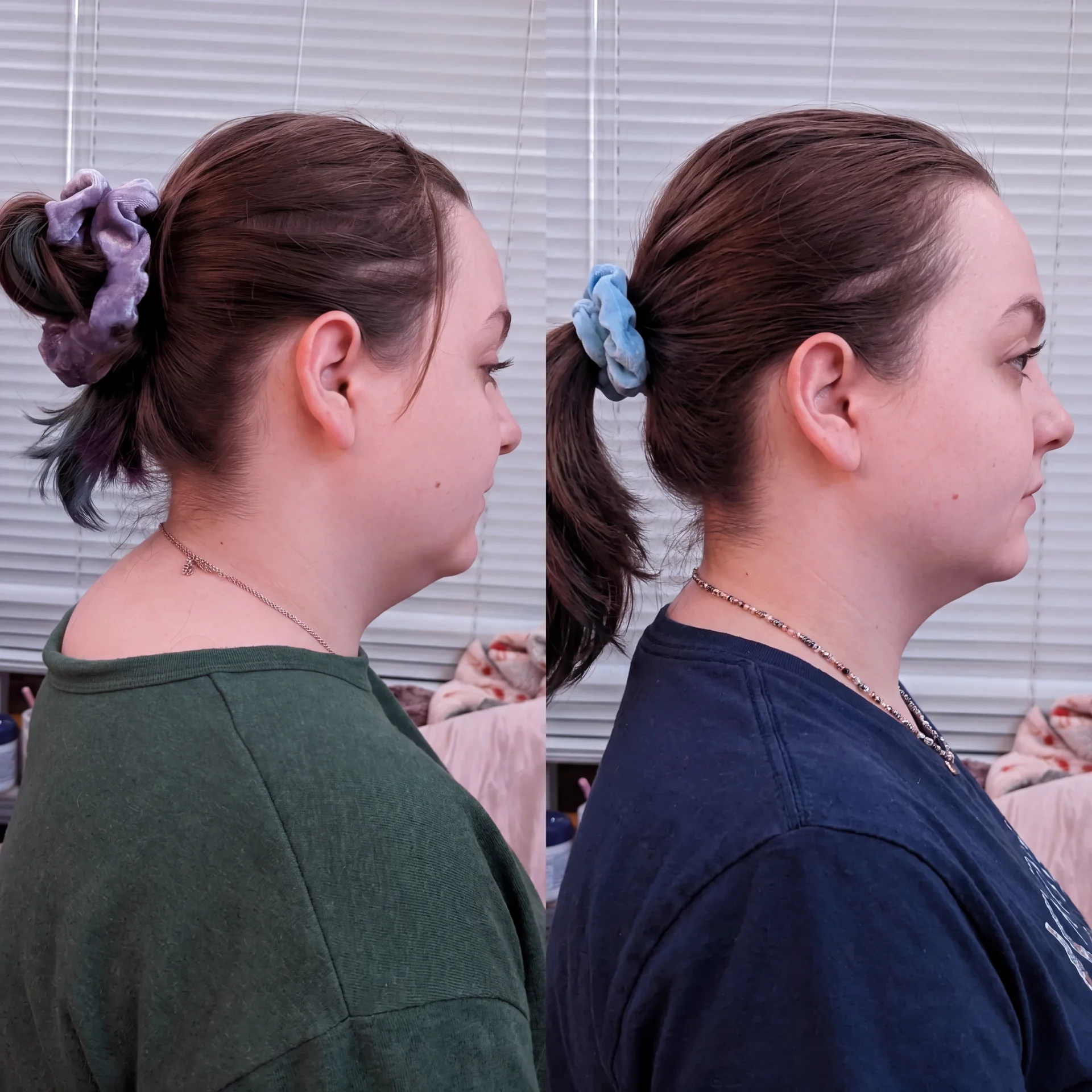
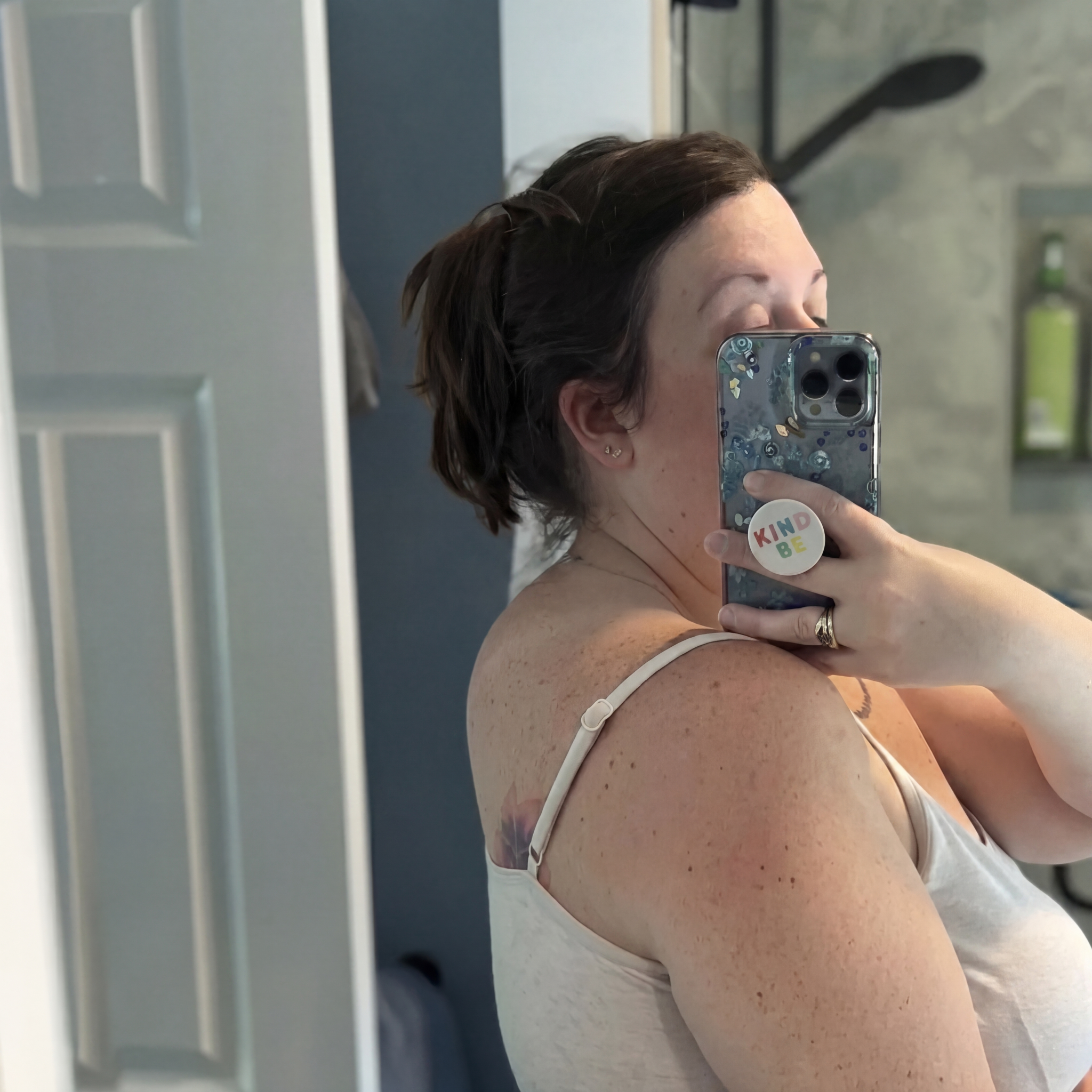
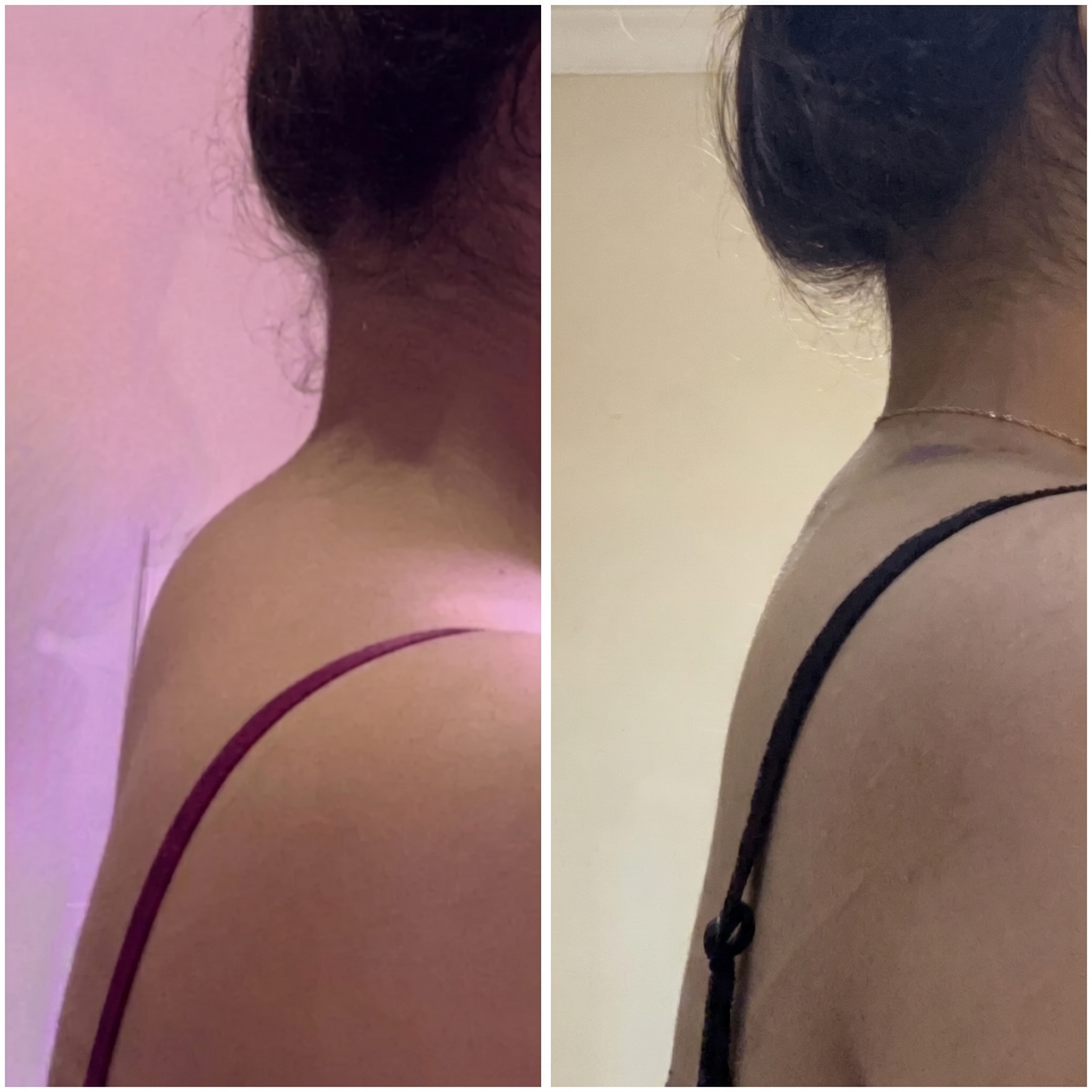
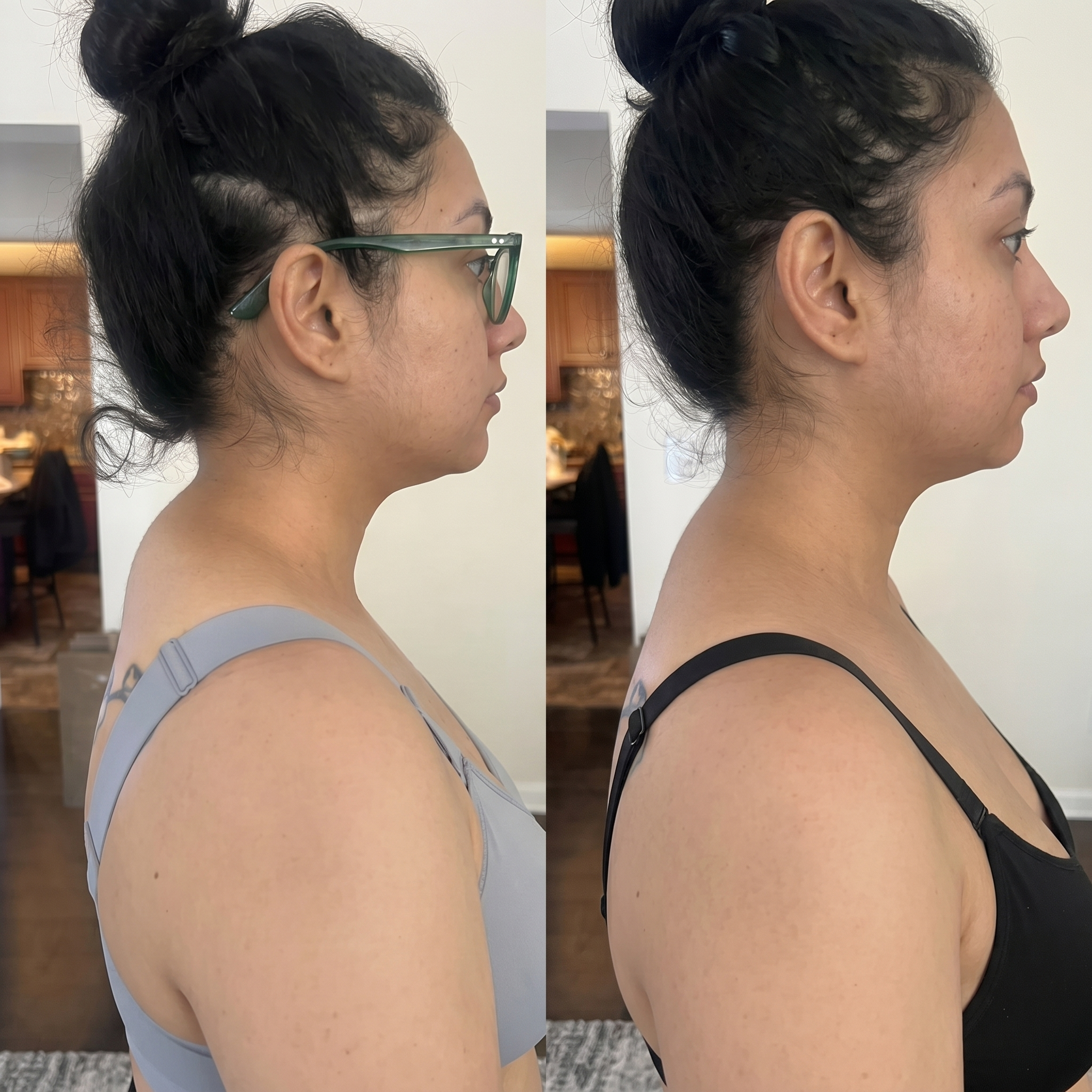
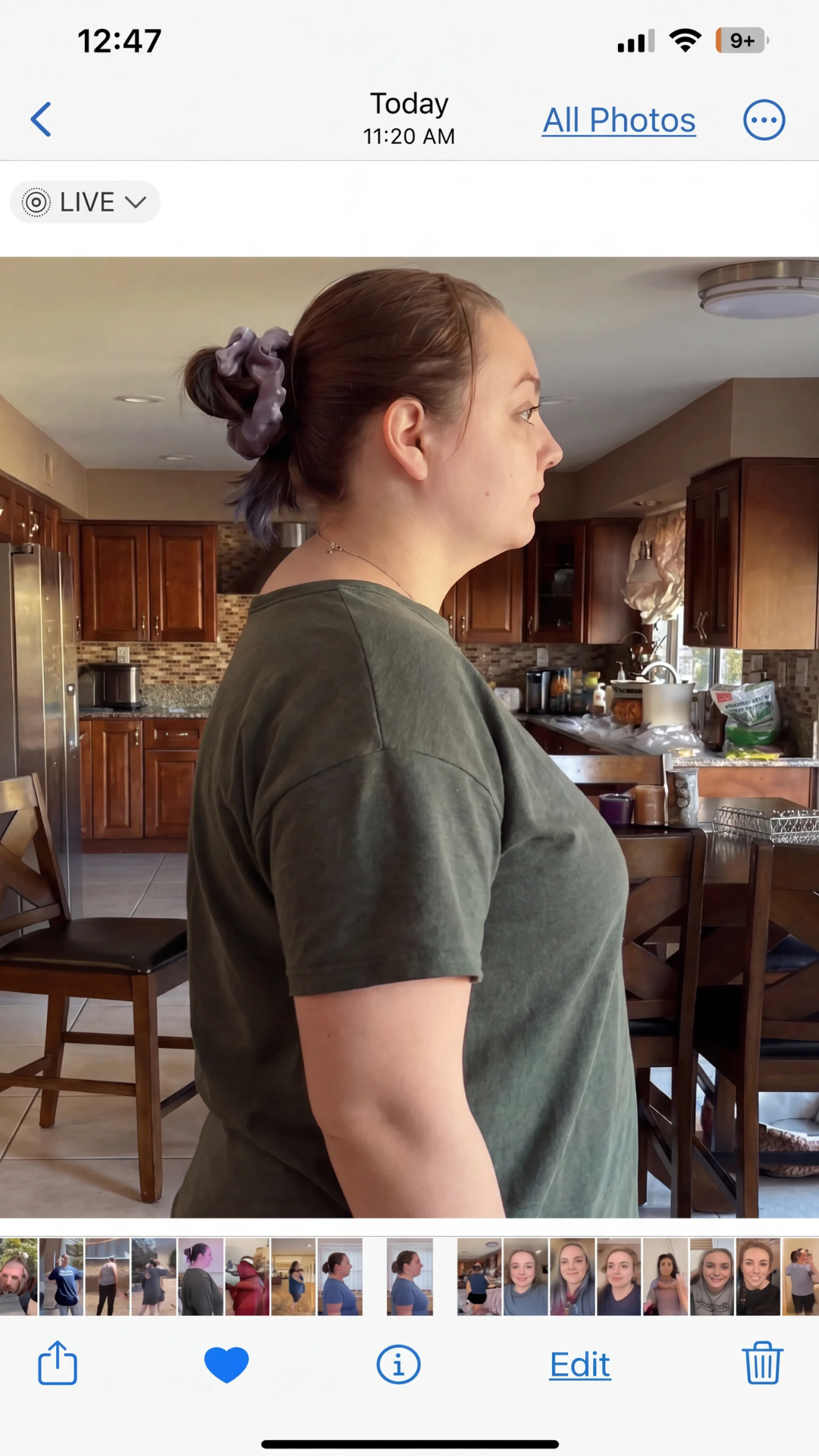
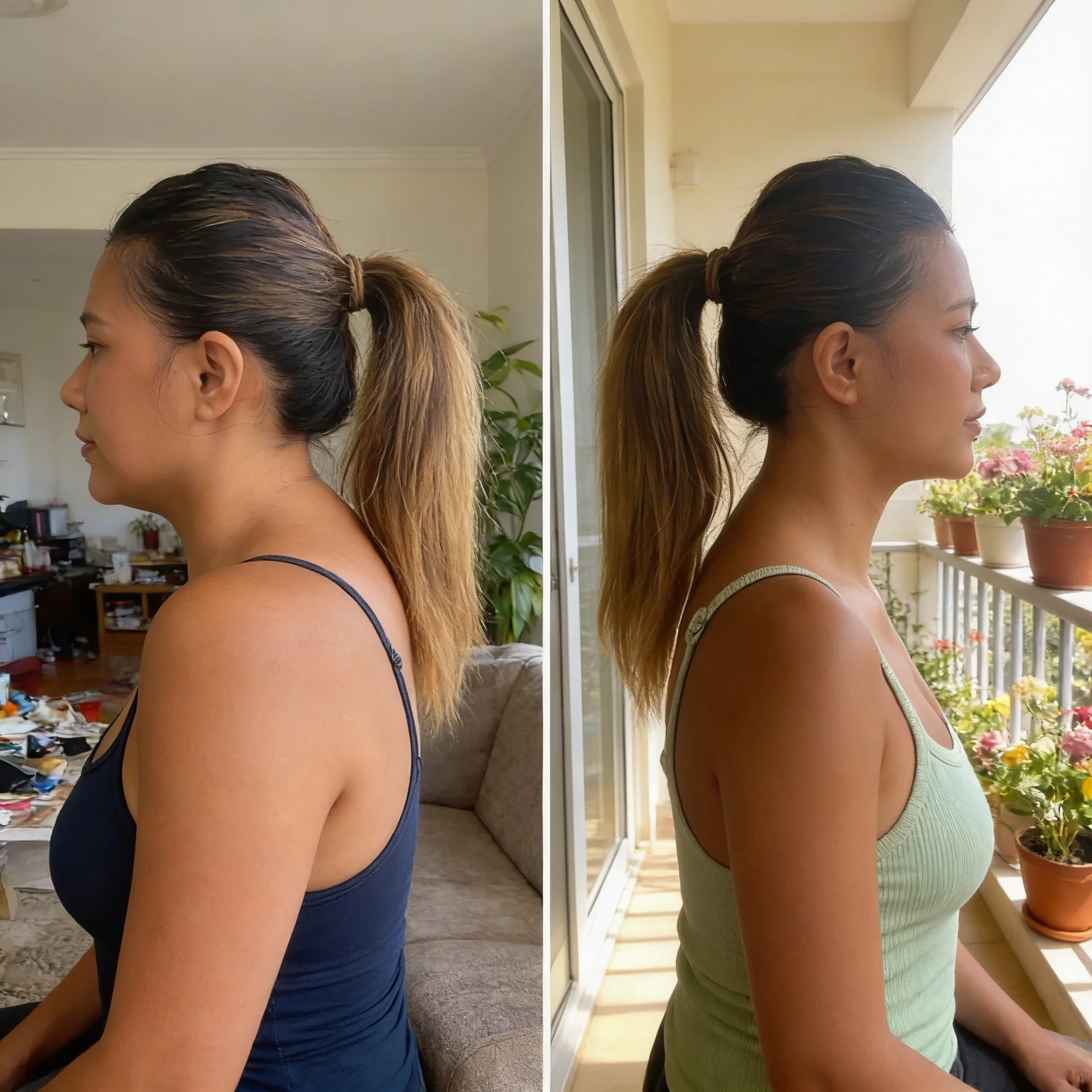
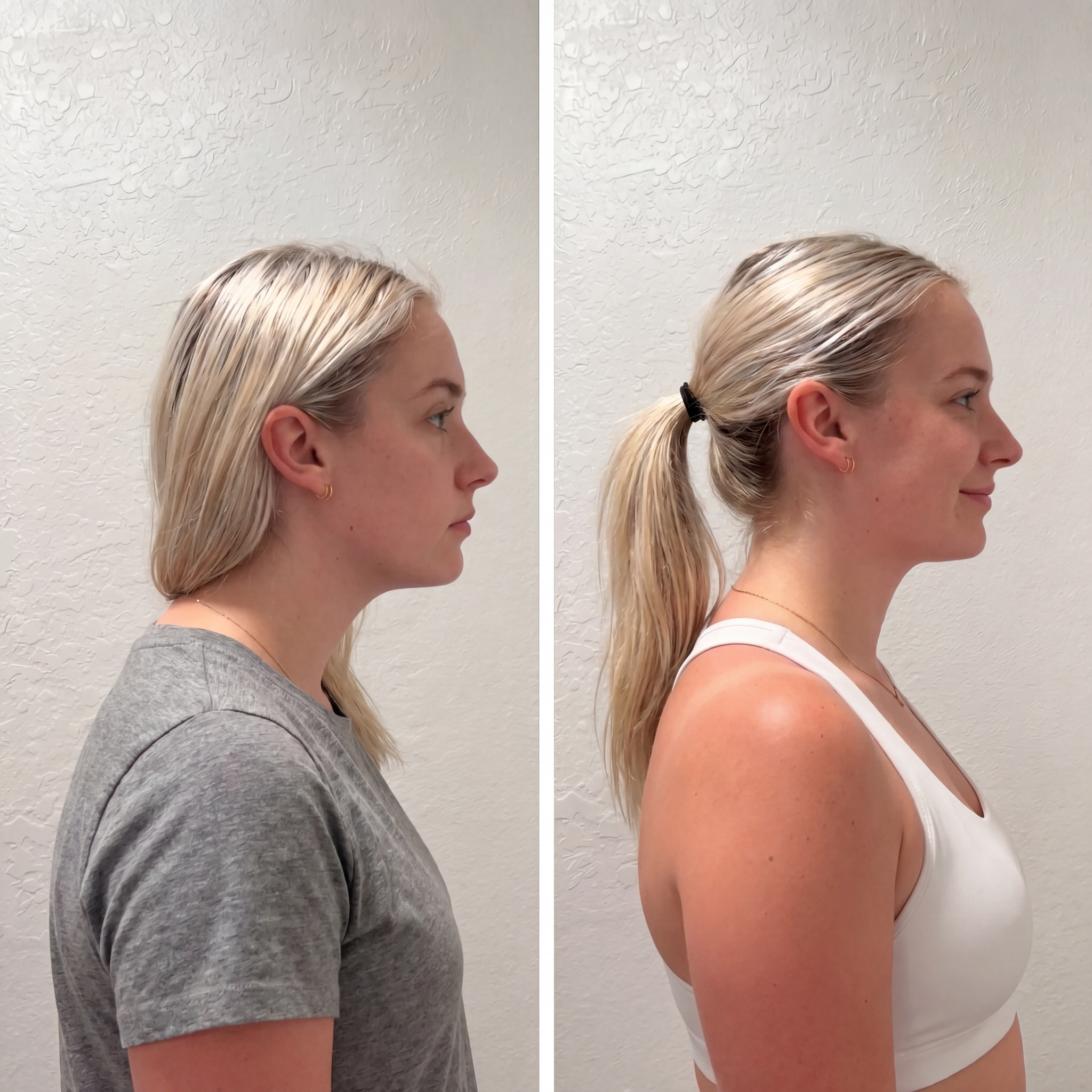
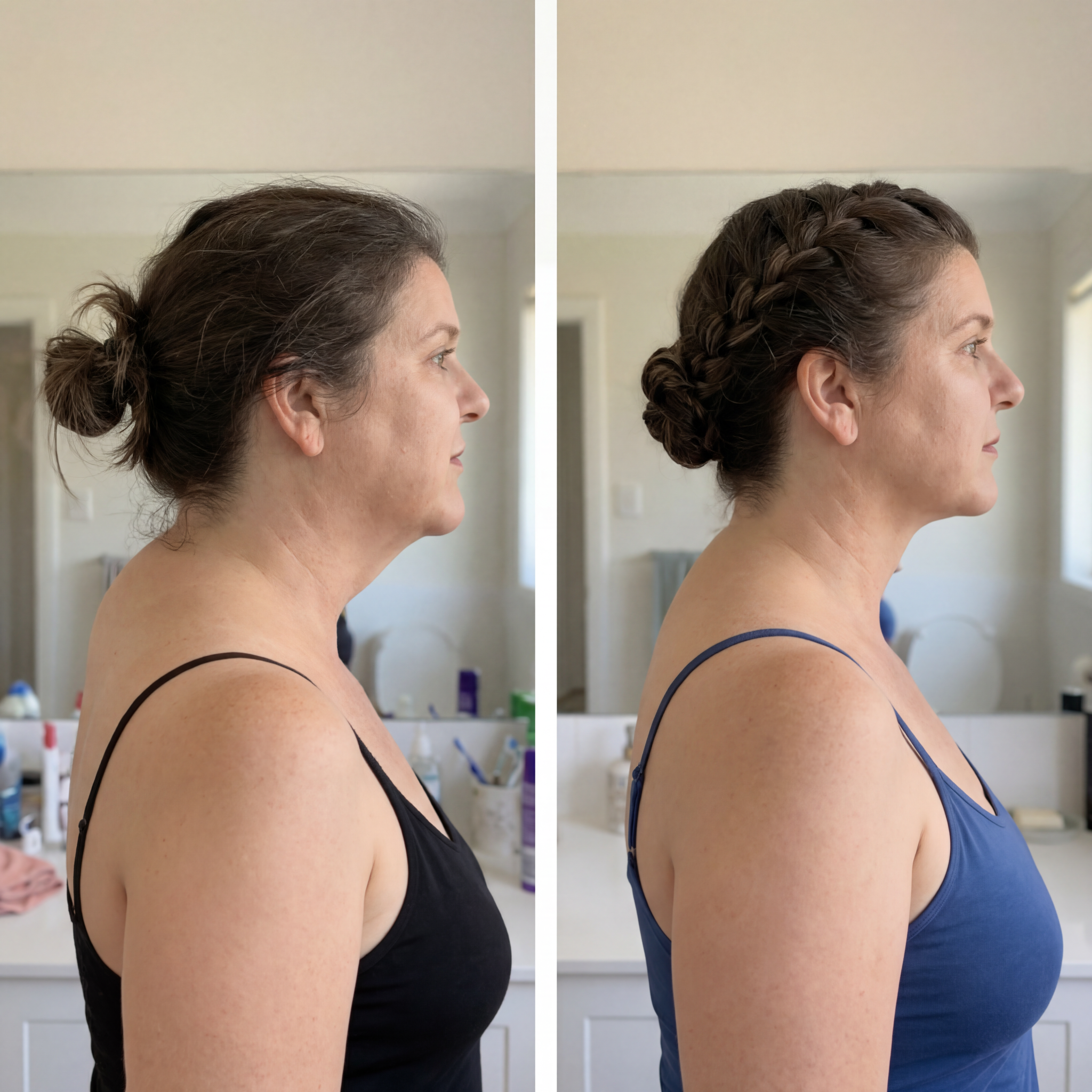
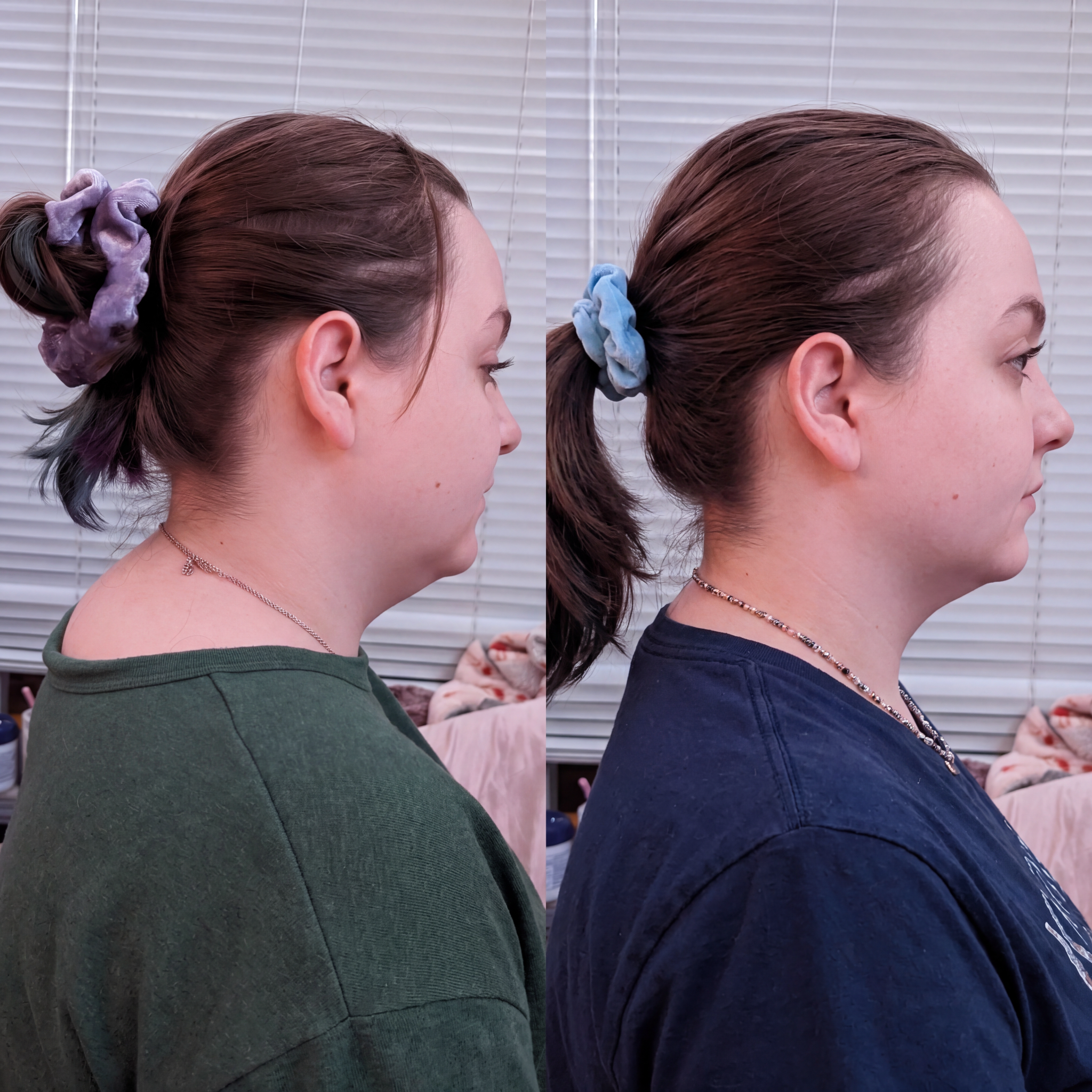
Every chiropractor I know believes structural forward head posture is permanent. We were all trained the same way. Last year in London, a 68-year-old British osteopath taught me in 40 minutes why we're all wrong — and why American clinical practice is a decade behind Europe. My name is Dr. Sarah Chen. Board-certified cervical spine specialist. Nineteen years treating cervical spine conditions. Published in the Journal of Orthopaedic & Sports Physical Therapy. Over 3,100 patients treated. And until last year, I believed exactly what every other American cervical specialist believes: when a woman develops pronounced forward head posture, it's permanent. It's structural aging. You can manage it, slow it, accept it — but you can't reverse it. We're all trained to think this way. Medical school. Residency. Continuing education. Every textbook, every conference, every protocol says the same thing. Last year in London, I learned we've all been wrong. Not just incomplete. Wrong. September 2023. London. 9:47 AM. European Spinal Rehabilitation Conference. Coffee break between presentations. I was standing alone, trying to position myself so my neck wasn't visible to the room. Something I'd been doing automatically for four years. Because at 54, my own neck had developed pronounced forward head posture — and nothing I'd been prescribing to patients for 19 years had worked on me. That's when I saw her. Margaret Holloway. 68 years old. Head perfectly over her shoulders. No forward head position. No rounding at the base of her neck. Posture so straight it was almost jarring. I couldn't help myself. I walked over. "Excuse me — I have to ask. Do you treat forward head posture?" She smiled. The kind of smile that knows something you don't. "Do you mind if I look at your neck first?" I Hesitated I'm a cervical spine specialist. I'm supposed to have the answers. But my own head had been drifting forward for four years. I'd been treating it myself — the same protocol I prescribed to my patients. Targeted exercises twice daily. Regular chiropractic adjustments. A medical-grade posture corrector worn for hours at a time. A standing desk, monitor at eye level, ergonomic chair. Nineteen months of self-treatment. My neck looked the same. Possibly worse. I pulled my hair back. She looked at the base of my neck for a moment. Then she looked at me — not with judgment, but with recognition. "Dr. Chen, how long have you been treating this?" "About nineteen months." "And nothing has changed structurally." Not a question. A statement. "No." She gestured to an empty table. "May I show you something? It will take forty minutes. But it will change how you understand this completely." What She Taught Me in 40 Minutes Changed Everything She pulled out her phone and showed me two photos. First photo: A woman's side profile. Head clearly forward of her shoulders. Rounding visible at the base of the neck. Exactly like mine. Second photo: The same woman. Three months later. Head directly over her shoulders. Neck elegant. Posture completely restored. "This is what I've been treating in London for 12 years. American clinicians call it 'bad posture.' We call it structural cervical collapse. Completely different mechanism. Completely different treatment." She pulled out a napkin and drew a simple diagram. "Type 1 — Postural Drift: The head has moved forward but the cervical curve has not yet reversed. The fascia is tight but still elastic. The deep flexors are weak but responsive. Surface interventions can reach where the problem is." "Type 2 — Structural Collapse: Three things have happened simultaneously. The cervical curve has reversed. The anterior fascia has locked down completely — like a rubber band stretched in one direction for so long it has permanently lost its snap. And the deep cervical flexors have gone dormant." She tapped the diagram. "Your protocols are designed for Type 1. Your patients who improve? Type 1. Your patients who don't? Type 2. And you? Type 2 — which is why nineteen months of Type 1 treatment has produced nothing." I stared at the diagram. Everything she said made complete sense. And contradicted everything I'd been taught. "How long have European practitioners known this?" "We have been publishing on structural cervical collapse and its distinction from postural drift in British and European journals since 2011. American conferences are largely sponsored by equipment manufacturers. They do not present research that makes their products irrelevant for half the patient population." I felt sick. "So all the patients I treated for forward head posture —" "If they came to you at the beginning of structural collapse and you spent a year or two on Type 1 protocols, the window for optimal reversal has been narrowing. And you didn't know." Then She Said Something That Made My Chest Tight "You have a window from the onset of structural collapse — roughly two to three years — where the reversal is most complete and most rapid. After that window, the fascia becomes more entrenched. The deep flexors become more adapted to their dormant state. The correction is still possible. But it takes longer and the results are less complete." She looked at me directly. "You're at month nineteen. You have time. But your patients who came to you a year ago and are still doing Type 1 treatments — their window is closing. And they don't know it." I felt sick. "So all the patients I treated for forward head posture —" "If they came to you at month 6 and you spent 12 months trying Type 1 protocols, they're at month 18 now. Their window is almost closed. And you didn't know." I Flew Home the Next Morning I didn't stay for the rest of the conference. I went straight to my office and pulled every file for patients I'd treated for persistent forward head posture over the past five years. Women with documented cervical collapse and head position measurably forward of their shoulders. Women who had been coming in consistently. 47 patients. I looked at what I'd prescribed: targeted exercises, posture correctors, chiropractic referrals, physical therapy programs, ergonomic consultations. I looked at the outcomes: 5 showed meaningful lasting structural improvement. 42 showed no meaningful change in the forward head position itself. I stared at that number for a long time. 11 percent. After nineteen years of practice. After thousands of adjustments. After telling patients that consistency was the key. I had an 89 percent failure rate treating structural forward head posture. Because I was using Type 1 protocols for a Type 2 structural failure. Because I was treating posture habits when the problem was structural collapse. Because in 19 years of American clinical training, nobody taught me what a 68-year-old British osteopath explained in 40 minutes. I Started Using What She Told Me That Week Margaret had given me the specific requirements for reversing Type 2: ✓ Sustained cervical traction at C7 — the exact vertebra where forward head position originates ✓ Anterior fascial release at the cervicothoracic junction — the anatomical anchor point of the anterior chain ✓ Deep cervical flexor reactivation in correct structural alignment — allowing dormant muscles to engage from the right position All three. Simultaneously. Every day. Week 1: The first session felt different from anything I had done in nineteen months. Not a dramatic result — just a sensation of my head sitting differently. Like something that had been pulling it forward had momentarily let go. Day 7: I sat at my desk and noticed I wasn't consciously correcting my posture. My body was finding a new default. Day 12: I noticed my reflection in a shop window while walking. The angle looked different. I stopped and looked again. Week 3: I turned sideways in my bathroom mirror. The same angle I had been avoiding for years. The forward position was visibly less. I took the photo three times because I didn't trust the first one. Week 5: I attended a department meeting and forgot to position myself so my neck wasn't visible to the room. For four years I had automatically seated myself sideways to the door. That Tuesday I sat in the first available chair. I only noticed it on the drive home. Week 10: Full clinical assessment submitted to a colleague who hadn't seen me in six months. She documented the cervical curve, the C7 position, the head position relative to the shoulders. She didn't know what I'd been doing. Her report used the word "significant." Type 2. Nineteen months of failed Type 1 protocols. Reversed in ten weeks — because someone finally addressed all three structural components at the same time. I Called Every Patient I'd Failed I couldn't keep prescribing Type 1 protocols I now knew didn't work for structural forward head posture. I called every woman I'd treated for more than six months without meaningful structural improvement. "I need to tell you something. The treatments I prescribed were designed for Type 1 — postural drift. What you have is Type 2 — structural collapse. Different mechanism. Different treatment depth. I didn't know. I do now. And I know what actually works." Michelle, 61, who had spent $4,300 over 14 months on chiropractic, PT, and posture devices: Week 8: "Dr. Chen, I walked into a meeting last week and sat in the first available chair without thinking about who might see the back of my neck. First time in two years." Forward head position: measurably reduced at 8-week assessment. Cost of Type 1 protocols that failed: $4,300. Cost of what worked: $59.95. Patricia, 58, who had spent $3,800 and stopped coming: Week 6: "I stopped seeing you because nothing worked. I thought this was just how I was going to look forever. This worked in six weeks. Why didn't anyone tell me this existed?" I told her the truth: "Because American clinicians aren't taught this. I didn't know until a British osteopath showed me." Jennifer, 57, who had spent $5,200: Week 12: "I got my neck back. That's all I wanted. Thank you for calling me." She was at month 22 when she started — almost past her window. Still saw significant improvement. Sandra, 62: Week 9: "I wore my hair up last week. All the way up. My daughter asked what I'd changed. I showed her the device. She ordered one that same day." My follow-up appointments dropped 71% in six months. Not because patients were dissatisfied. Because they were done. Their structural collapse had reversed. They didn't need me anymore. Why a 68-Year-Old Knew More Than Every Clinician I Know It's not because we're bad clinicians. It's because American clinical training is fundamentally different from European training. American chiropractors and physical therapists are trained by equipment manufacturers. Our conferences are sponsored by companies that make adjustment tables, decompression machines, and electrostimulation devices. The research we see is funded by them. The protocols we learn come from them. European research on structural fascial release and sustained cervical traction doesn't get presented at American conferences. It's not in our textbooks. It's not part of our continuing education. We literally don't know it exists. American insurance only covers the wrong solutions. Insurance pays for chiropractic adjustments ($125 per session). It pays for physical therapy ($150 per session). It pays for posture corrector braces. There's no insurance billing code for "sustained home cervical traction for structural fascial release." So we prescribe what insurance covers — even when it doesn't work. The financial model is backwards. A patient on standard protocols pays $250-400 monthly. Indefinitely. Average lifetime value: $3,000-6,000. A cervical traction device that addresses all three components in 10-12 weeks? One-time purchase. $59.95. The system isn't designed to solve the problem. It's designed to manage it forever. Margaret didn't have those constraints. She could follow the biology wherever it led. That's why she knew more in 40 minutes than I learned in 19 years. The Only Device That Met All Three Requirements After London, I tested eleven different cervical traction products and posture devices. Most posture correctors addressed zero structural components — reminder only, springs back the moment you remove them. Several cervical traction devices applied pressure in the wrong location — not at C7, not at the fascial junction, not with sufficient sustained duration to produce fascial release. Others were designed for pain management, not structural correction — temporary decompression, nothing lasting. Every single one failed at least one of Margaret's three requirements. Then I found the Cervaria. I requested their engineering documentation: ✓ Cervical traction arch — applies sustained upward traction at C7, the exact vertebra where forward head posture originates ✓ Pressure release groove — targets the cervicothoracic junction where the anterior fascial chain anchors, the step no brace or exercise can achieve ✓ Upper back rest — positions the deep cervical flexors in correct structural alignment during each session, allowing dormant muscles to reactivate I had it assessed independently. Results confirmed: all three components, addressed simultaneously, in a single 10-minute passive daily session. The same protocol Margaret had been using in London for 12 years. What 40 Minutes of Truth Cost Me Every patient who uses a $59.95 device instead of $125-150 biweekly sessions costs my practice $3,000-6,000 in annual revenue. My colleagues think I'm crazy. "Sarah, you're destroying your own revenue. Why?" Because I spent nineteen months treating my own forward head posture with a protocol I knew wasn't working. Because I watched 42 women spend thousands on treatments that failed them. Because a 68-year-old British osteopath taught me in 40 minutes what American clinical training didn't teach me in 19 years. After nineteen years of practice, I finally understand: If a treatment cannot release the anterior fascia, it cannot produce permanent correction of structural forward head posture. If it cannot apply sustained traction at the correct vertebra, it cannot restore the collapsed cervical curve. If it cannot reactivate the deep flexors from the correct structural position, they will switch off again the moment you stop. American protocols fail because they are designed for equipment manufacturers, not for structural cervical collapse. What Recovery Looks Like Week 1-2: Head sits differently. Feels further back without conscious effort. The chronic tension in the upper traps — the exhausted muscles doing a job they were never designed for — begins to release. Week 3-5: Visible reduction in forward head position begins. Posture improves without conscious thought. People around you notice before you do. Week 6-10: Forward head position substantially reduced or fully resolved. You stop planning your angle in photos. You stop thinking about who might see your neck from the side. You wear things you stopped wearing. 94% of clinical trial participants reported meaningful visible improvement at twelve weeks. 78% reported the forward head position completely resolved. The Window Margaret Warned Me About Month 1-12 from onset: 85-92% see significant structural improvement. Month 13-18: 70-80% improve. Month 19-24: 40-55% improve. Month 25+: 15-25% success rate. I was at month 19. I had time — barely. The Cervaria works at any age. My oldest patient to see full resolution was 71. But the earlier you start, the faster and more complete the correction. Every month you wait — spending money on adjustments that give you two days of relief, wearing braces that snap back the moment you remove them, adjusting your ergonomics for the tenth time — the window gets slightly smaller. Not closed. Just smaller. After 19 Years of Not Knowing I don't have a financial relationship with Cervaria. I recommend the Cervaria because: It's the only device that met all three requirements Margaret taught me. It fixed my forward head posture in 10 weeks after 19 months of standard protocols failed. 31 patients now use it with documented structural improvement. At $59.95, it costs 98% less than the standard treatment protocols that failed them. A 68-year-old British osteopath taught me more in 40 minutes than I learned in two decades. Every clinician I know still believes structural forward head posture is permanent. They're wrong. And now you know why. Check availability here. — Dr. Sarah Chen, DC Cervical Spine Specialist, 19 years Denver, Colorado P.S. — I still prescribe standard protocols — but only for Type 1 postural drift. For Type 2 structural collapse, only sustained cervical traction addressing all three components works. If you've been doing exercises and wearing braces for months and nothing has held, you are almost certainly Type 2. P.P.S. — If you're past month 15, you have limited time in your optimal window. Don't waste it on a protocol that has already proven it cannot reach where your structural failure exists. P.P.P.S. — Michelle: "I spent $4,300 on treatments that failed. $59.95 gave me my neck back. Don't wait like I did.
It Is Not Permanent
Spine & Wellness Today Independent Health Reporting · Trusted Since 2009 Home › Health › Posture & Spine Top Cervical Specialist: "This Is the Fastest Way to Eliminate Forward Head Posture for Good" Former FHP sufferer exposes the $4 billion posture industry conspiracy - and the 10-minu...
LEARN MORELike this ad? Make it yours.
Crush rebuilds this exact creative around your product — your brand, your colors, your offer — in about a minute.