
Inactive· since May 9, 2026
- 71
- days it ran
- 0
- relaunches
Ad copy
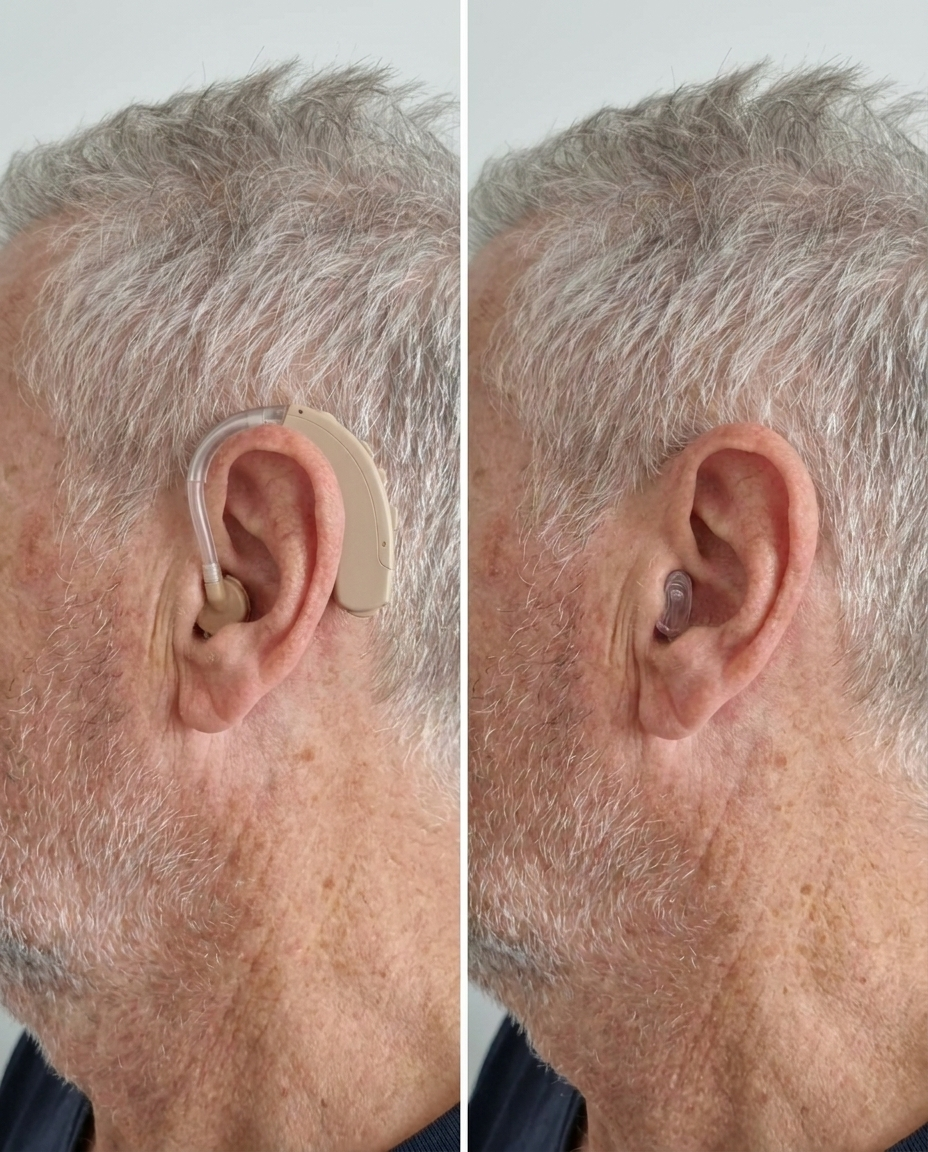
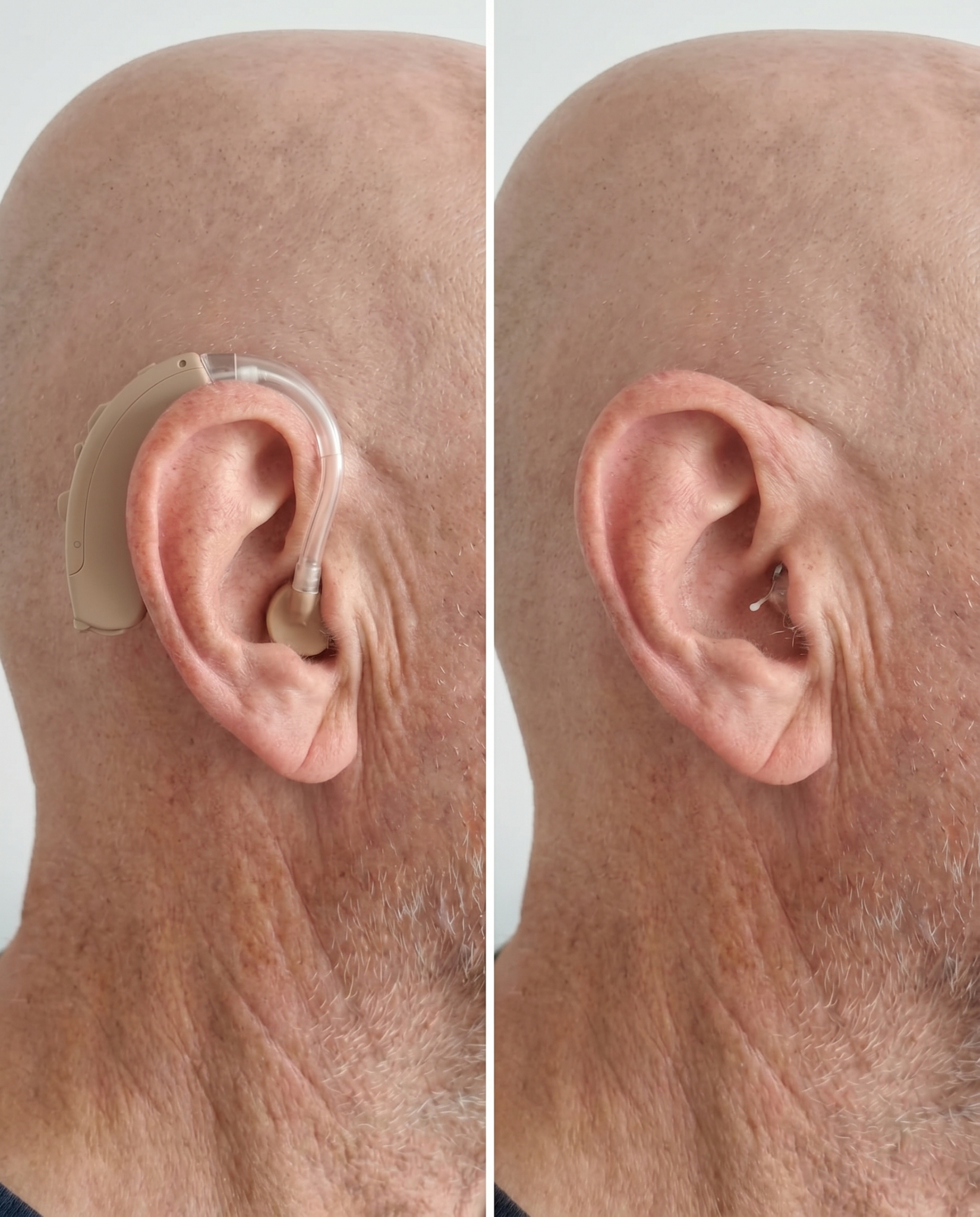
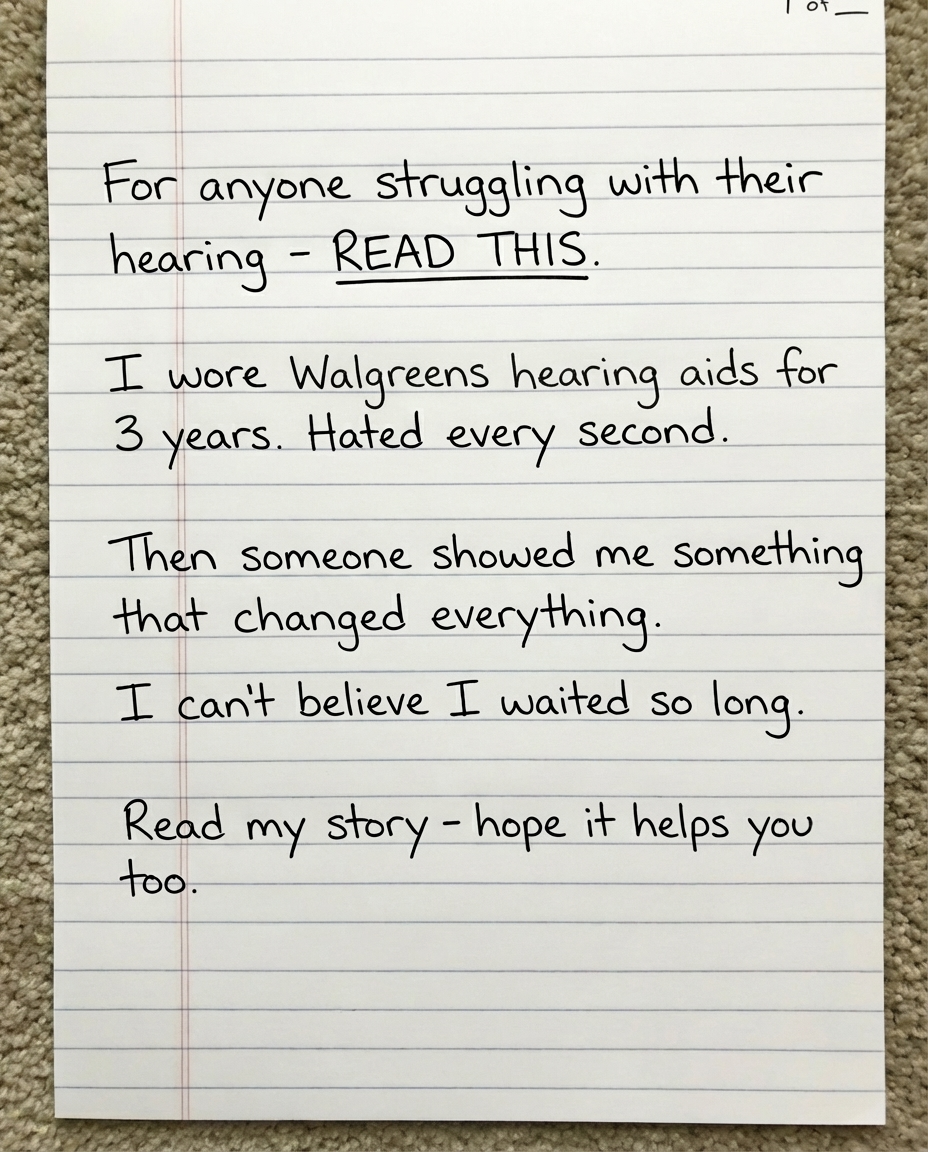
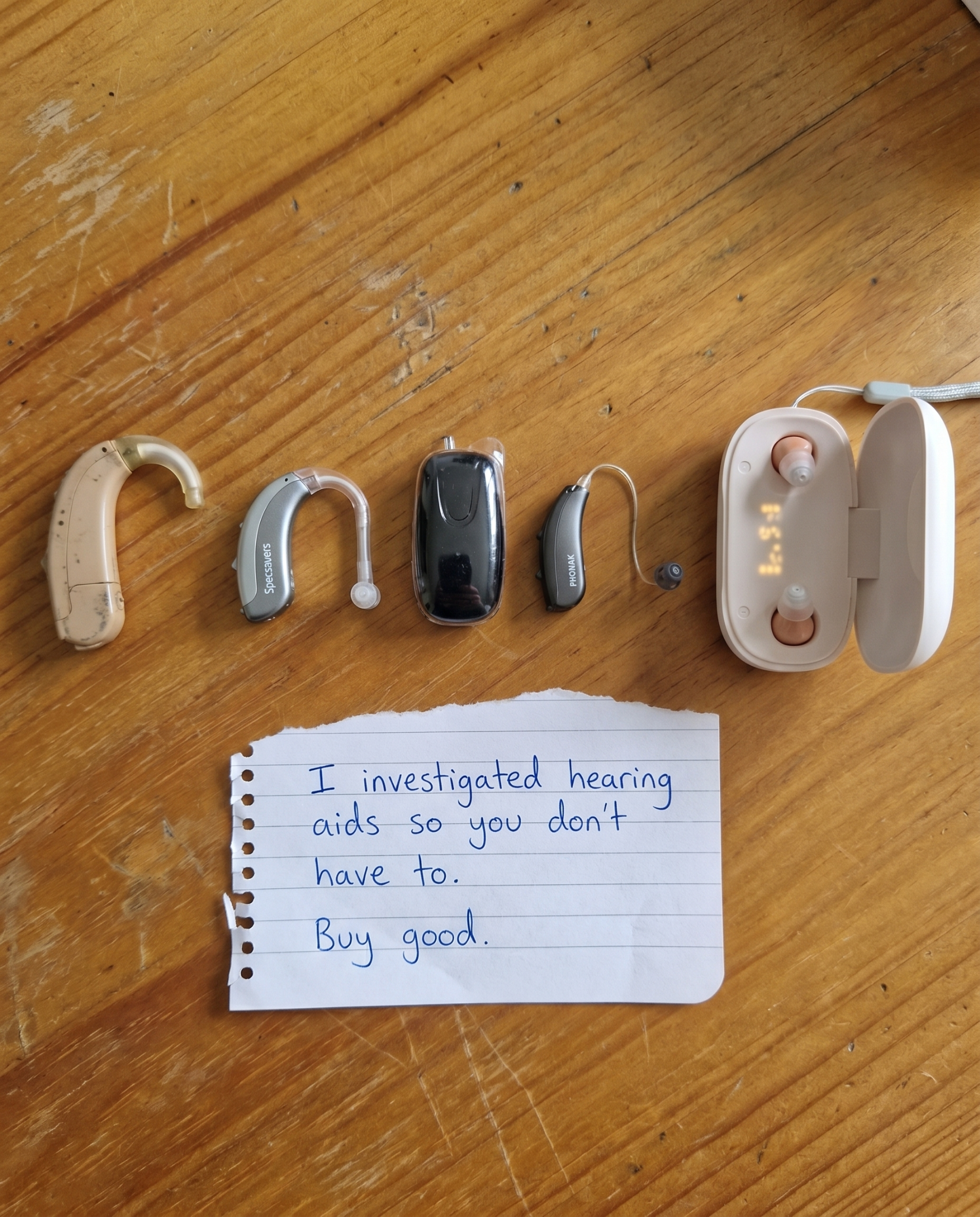
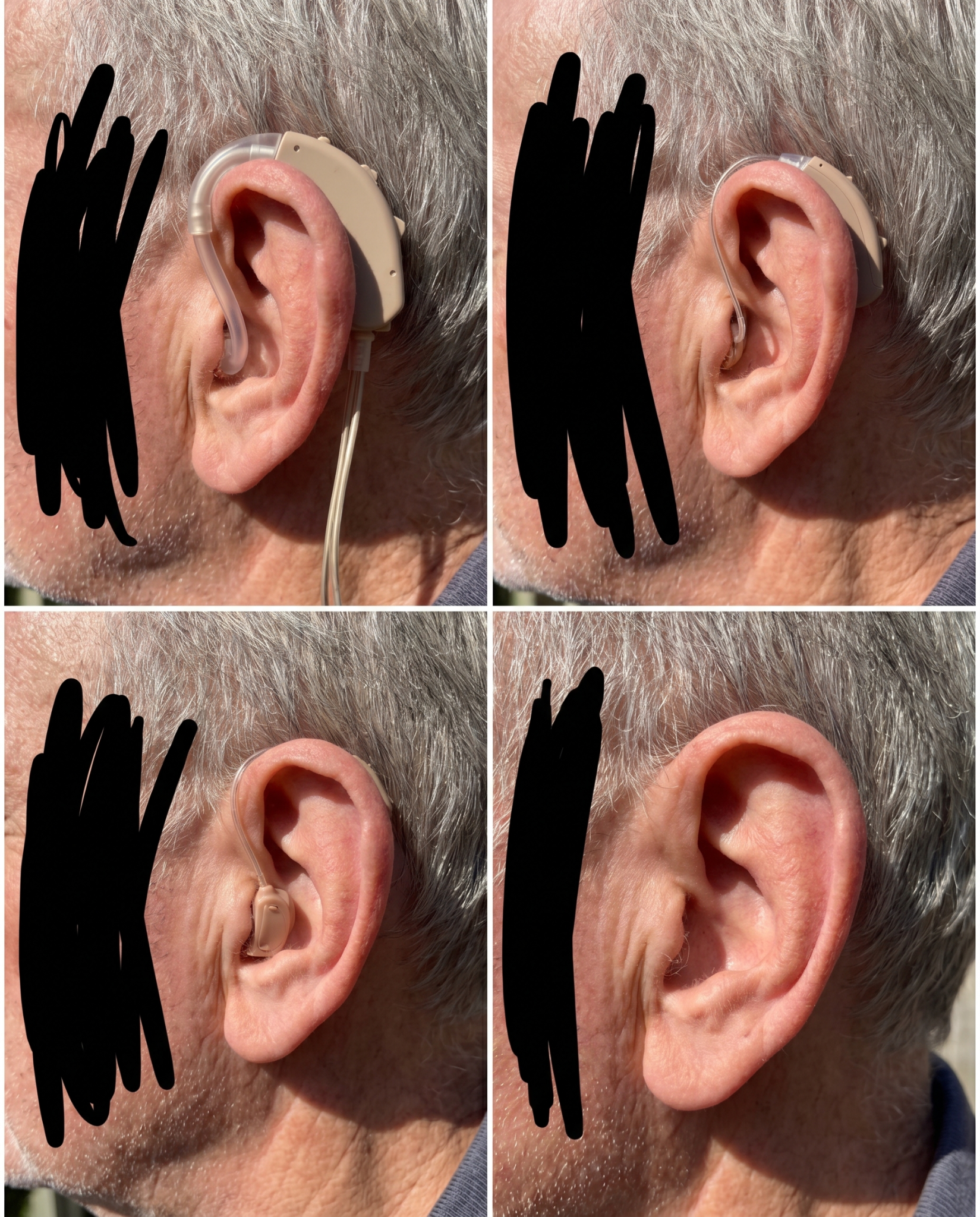
My son's been telling me to write this for weeks. I kept saying no. He said: 'Dad, you literally worked in electronics for 40 years. If YOU didn't know this, nobody would.' So here I am. My son's been telling me to write this for weeks. I kept saying no. He said: "Dad, you literally spent forty years in electronics and manufacturing. You understand components and supply chains better than most people alive. If YOU didn't figure this out sooner, nobody will." So here I am. I'm a retired electronics engineer. Forty-one years in manufacturing. I've designed components. I've sourced them. I've built cost analyses that would make a CFO uncomfortable. I say that not to establish credentials but because it matters for what I'm about to tell you. Because if anyone should have figured this out sooner, it should have been me. And I didn't. The hearing started going about three years ago. Gradual at first. Carol would say something from the other room and I'd answer the wrong thing. Family dinners got harder. The television kept going up. I'd find myself laughing when everyone else laughed without always knowing why. I did what any engineer does. I researched it properly. Or so I thought. My first stop was a private audiologist. Hearing test. Professional. Thorough. Mild to moderate loss, she said. More pronounced at high frequencies. Completely consistent with my history — decades around industrial equipment, generators, loud manufacturing environments. Then she walked me to the display cabinet. Her recommendation: $4,800. I'm an engineer. My immediate reaction to $4,800 for a small in-ear electronic device was the same reaction I have to any number that doesn't feel grounded in cost reality. I asked what was inside it. She showed me a brochure. I took it home and started reading. The following week I bought a mid-range pair at $2,400. Better than I expected in quiet environments. Struggled in noisy rooms. Feedback occasionally. Went back for three adjustments over six months. The third adjustment helped somewhat but I was still finding family dinners exhausting and phone calls something to get through rather than enjoy. Sixteen months. $2,400. Partial results. So I started over. I tried an OTC device from a brand I'd seen advertised heavily. $400. App-controlled. Marketed as the smart, modern alternative to clinic devices. It amplified everything without separating anything. Carol's voice and the background noise arrived at the same flat level. Louder wasn't clearer. I wore it for six weeks and sent it back. I tried another OTC device. $180. Amazon. It screeched. Back within a week. By this point I had spent over $3,000 and two years on hearing aids that ranged from inadequate to useless. And here's the thing that bothered me most. I understood every product I'd tried. I'd read the specifications. I knew what the manufacturers were claiming. I thought I was approaching this like an engineer. But my son said something one Sunday that stopped me cold. "Dad. You've tried four different products and none of them fully worked. When something fails across multiple attempts with different variables, what does that tell you?" I knew exactly what he was going to say. "It tells you you're solving the wrong problem." I sat there. In forty-one years of engineering I had watched projects fail for one reason more than any other. Smart people solving the wrong problem with great precision. And here I was doing exactly that. I'd been evaluating hearing aids based on what the manufacturers told me was different about them. Price. Brand. Number of channels. App features. Clinic fitting versus self-fitting. I hadn't gone back to first principles. That night I couldn't sleep. I got up at 1 AM and sat at the kitchen table with my laptop. Not searching for "best hearing aids 2025." Searching like an engineer. Component manufacturers. Supply chain data. Technology licensing. Raw material costs. Distribution margin structures. And that's when the picture came into focus. Here is what I found. The active components inside a hearing aid — the digital signal processing chip, the microphone, the receiver — are manufactured by a small number of specialist suppliers. Knowles Corporation is the dominant name. They supply components to hearing aid manufacturers across the entire price spectrum. The same chip specification can sit inside a $4,800 private clinic device and a $249 direct-to-consumer device. I know how to read a component specification. I cross-referenced the Knowles product line against the published specifications of every device I'd tried and several I hadn't. The $4,800 audiologist device and the $2,400 mid-range device I'd bought both used components in the same Knowles family. The $400 OTC device used a different, lower-grade chip architecture. That explained the performance gap between them. But it didn't explain the price gap between $249 and $4,800 for similar components. So I mapped the distribution chain. Private audiology clinic: retail premises lease, front-of-house staff, audiologist salary plus commission on sales, regional management, corporate head office, national advertising budget, shareholder return expectations. All of that is real cost. None of it is the hearing aid. The hearing aid is $100 to $150 worth of components. Everything above that in the clinic price is the building it's sold in. I found Modern Hearing through a comparative report published by a former military audiologist. Twenty-six years fitting hearing aids, VA facilities and private practice. She'd tested five options side by side. Real patients. Performance data across multiple listening environments. Every price documented. No brand paid for its position. Modern Hearing. Same Knowles components as the premium clinic devices. 16-channel digital processing. Rechargeable. In-ear. FDA registered. Sold direct from a US warehouse. No retail locations. No commissioned sales staff. No corporate overhead structure. No advertising budget built into the price. $249. I called the audiologist before I ordered. Asked her to walk me through the component specification. She did. Confirmed the Knowles sourcing. Confirmed the 16-channel processing architecture. Confirmed that for mild to moderate loss — the most common type, the type I had — the performance was comparable to clinic devices at ten times the price. I asked her why more people didn't know this. "Because no one between the factory and the patient has any incentive to tell them." I ordered that evening. Five days. FDA registered packaging. Charging case. Six ear tip sizes. Instructions that assumed the reader had functioning intelligence. Put them in Saturday morning at the kitchen table. Carol was in the garden. "Any good?" she called. I heard every word. Through the window. Through the background noise of the garden. Not louder. Clearer. There is a difference and after two years of engineering this problem I understood immediately what I was hearing. The 16-channel processing separating the signal. Her voice in one channel. Background noise handled separately. The chip doing exactly what the specification said it would do. The same chip that was in the $4,800 device. At $249. I sat at the kitchen table for a moment and did the maths. The components cost $100 to $150. Modern Hearing charges $249. My first audiologist charged $4,800. The $4,550 difference is not technology. It is the building, the staff, the commission structure, the regional manager, and the television advertising that made me walk through the door in the first place. Here is my engineering log. Because yes, I kept one. Week 1: Adjustment period. Brain recalibrating to full-spectrum sound after two years of partial input. Expected. Normal. Do not evaluate performance during this phase. Week 2: Meaningful improvement in speech clarity in moderate background noise. Phone calls easier. Stopped dreading them. Week 3: Family dinner. Six people. Multiple conversations at once. I was part of both conversations. Not performing participation. Actually in it. Week 4: Carol commented that I'd stopped asking her to repeat herself. She said it matter-of-factly. She'd been counting. Month 2: Television volume that had been at 32 for two years is now at 14. My grandson whispered something to me at bedtime. I heard every word. He didn't know that was a recent development. I didn't tell him. Month 3: Still wearing them daily. No battery changes. Charges overnight in the case. No feedback. No screeching. No clinic appointments. Here's why I'm writing this. Since I found Modern Hearing I've told every man I know who's been quoted thousands at a private clinic or who's been cycling through OTC devices that don't perform. My friend Gary at the golf club had spent $3,800 at a private audiologist eight months ago. Same Knowles chip inside. He did his own research after I showed him the supply chain data. He was not pleased about the $3,551 difference. He ordered Modern Hearing for his brother the following week. My neighbor Bill had been on VA waiting lists for seven months. He ordered Modern Hearing the evening I showed him the audiologist's report. He called me two weeks later. Said it was the clearest his hearing had been in years. Here's what I now understand that I didn't two years ago. The hearing aid industry prices on what the market will bear from a population of seniors who are desperate, who don't have easy reference points for what the technology should cost, and who are typically making the purchase in a clinical environment designed to confer authority and suppress price questioning. There is no regulation controlling what a private clinic can charge for a hearing aid. None. The same chip. Dramatically different prices. The difference is entirely distribution. That is not an opinion. That is a supply chain analysis. The audiologist's report is here: healthylivingdigest.news/pages/healthy-living-digest-we-tested-the-actual-cost-of-5-top-hearing-aids-us Twenty-six years in audiology. Five options tested side by side. Every price documented. No brand paid for it. Read it yourself. And if you want to go straight to Modern Hearing: trymodernhearing.com/products/modern-hearing-comfort $249. 45-day trial. Send them back if your hearing doesn't improve. Don't wait two years like I did. Don't spend another dollar on clinic markup that has nothing to do with what's inside the device. Don't sit across the table from your family performing participation in conversations you can't fully hear. There's a specific reason you're overpaying. And there's a specific way to stop. I just wish someone had shown me the supply chain data two years ago. Robert Callahan, 71 Retired Electronics Engineer Michigan Forty-one years understanding how things are made and priced. Two years solving the wrong problem. Three months wearing Modern Hearing. P.S. My only regret is not going back to first principles sooner. Every month I spent at the clinic or cycling through OTC devices was a month I was paying for distribution, not technology. If I'd mapped the supply chain six months earlier I wouldn't have spent $3,000 on the wrong approach first. Don't be me. P.P.S. If you're the type who needs to track it to believe it, give it three weeks minimum. Week one is adjustment. Week two you'll notice the phone calls. Week three is when you realise you've stopped asking people to repeat themselves. Your family will notice before you mention it. Mine did.
Like this ad? Make it yours.
Crush rebuilds this exact creative around your product — your brand, your colors, your offer — in about a minute.