
Inactive· since Jun 10, 2026
- 64
- days it ran
- 0
- relaunches
Ad copy
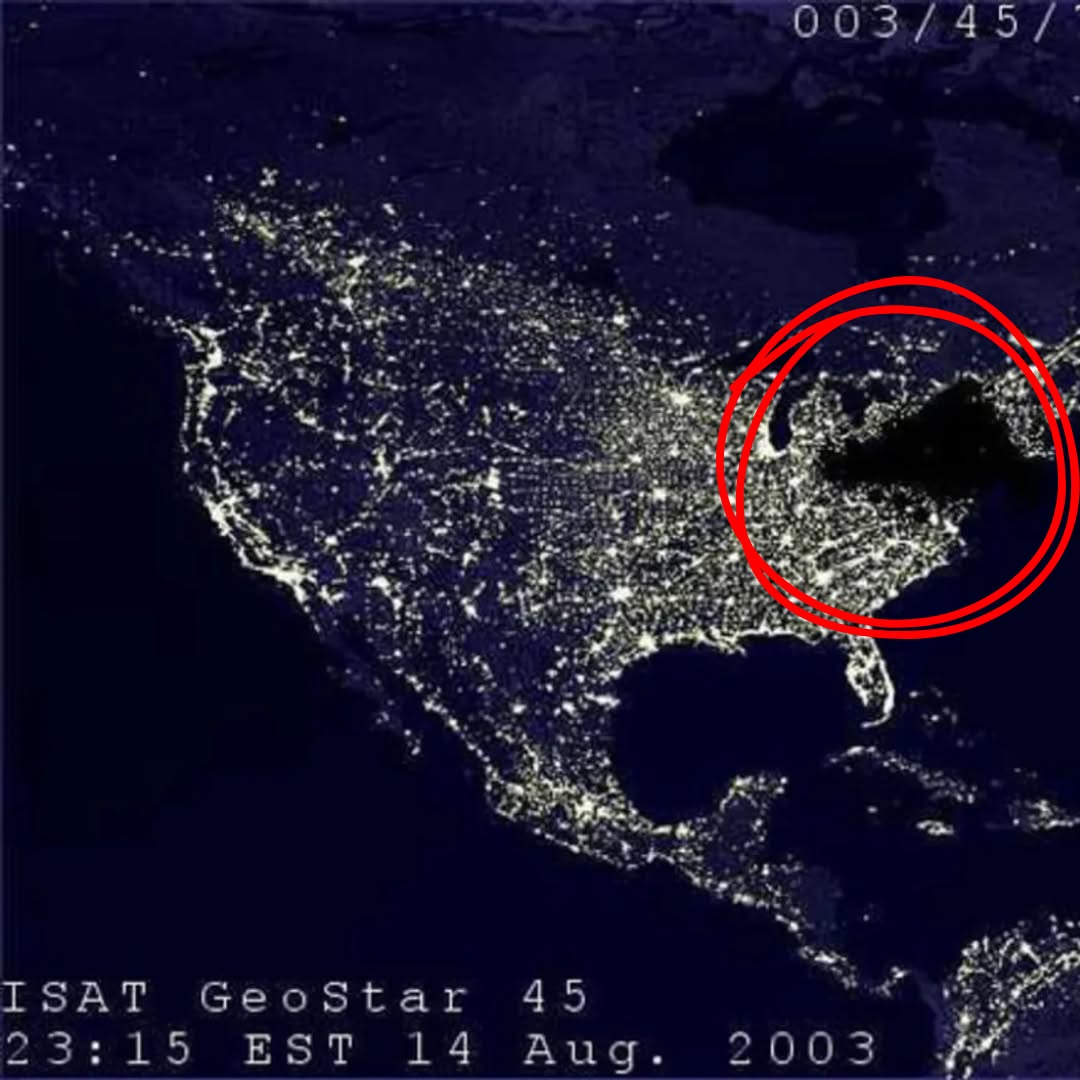
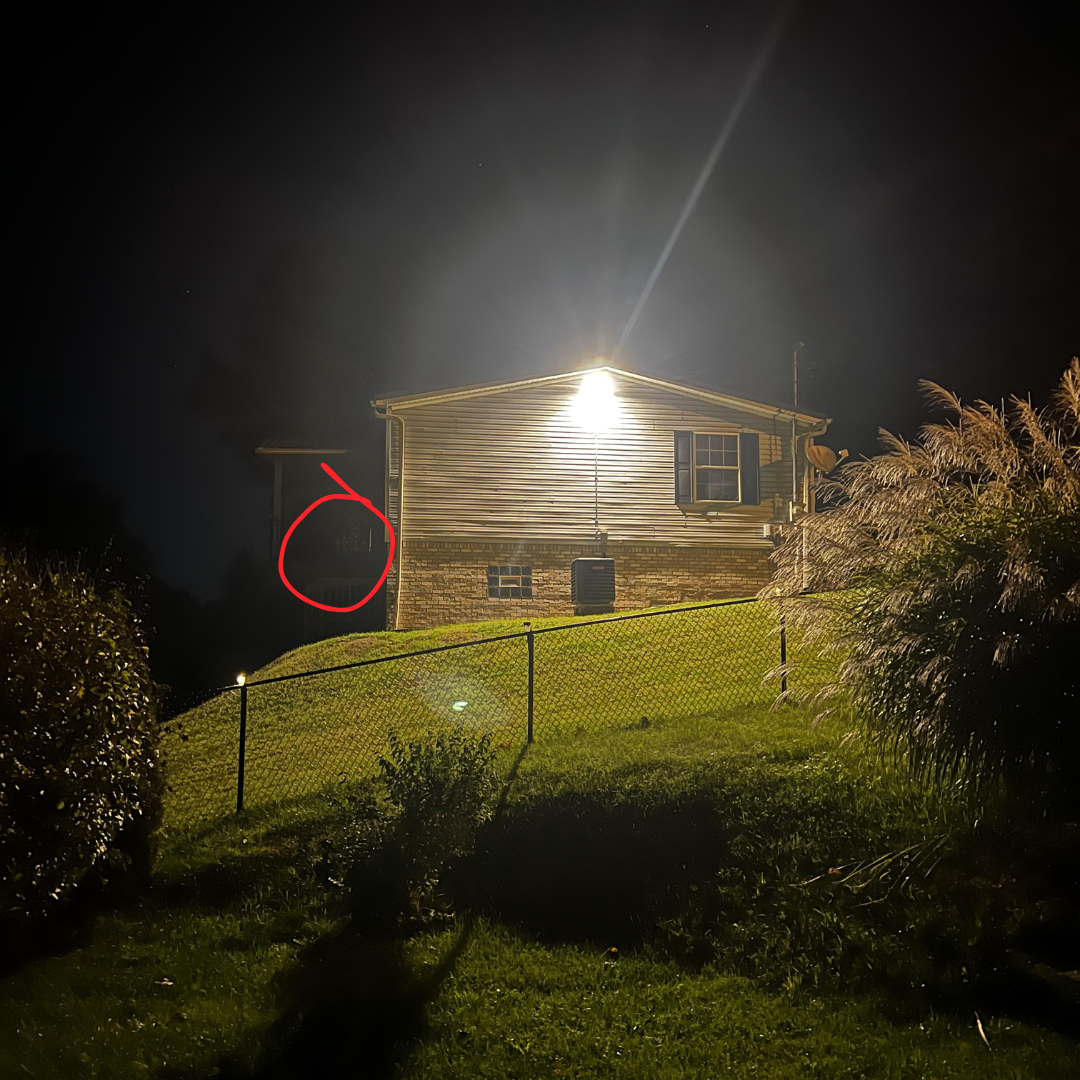
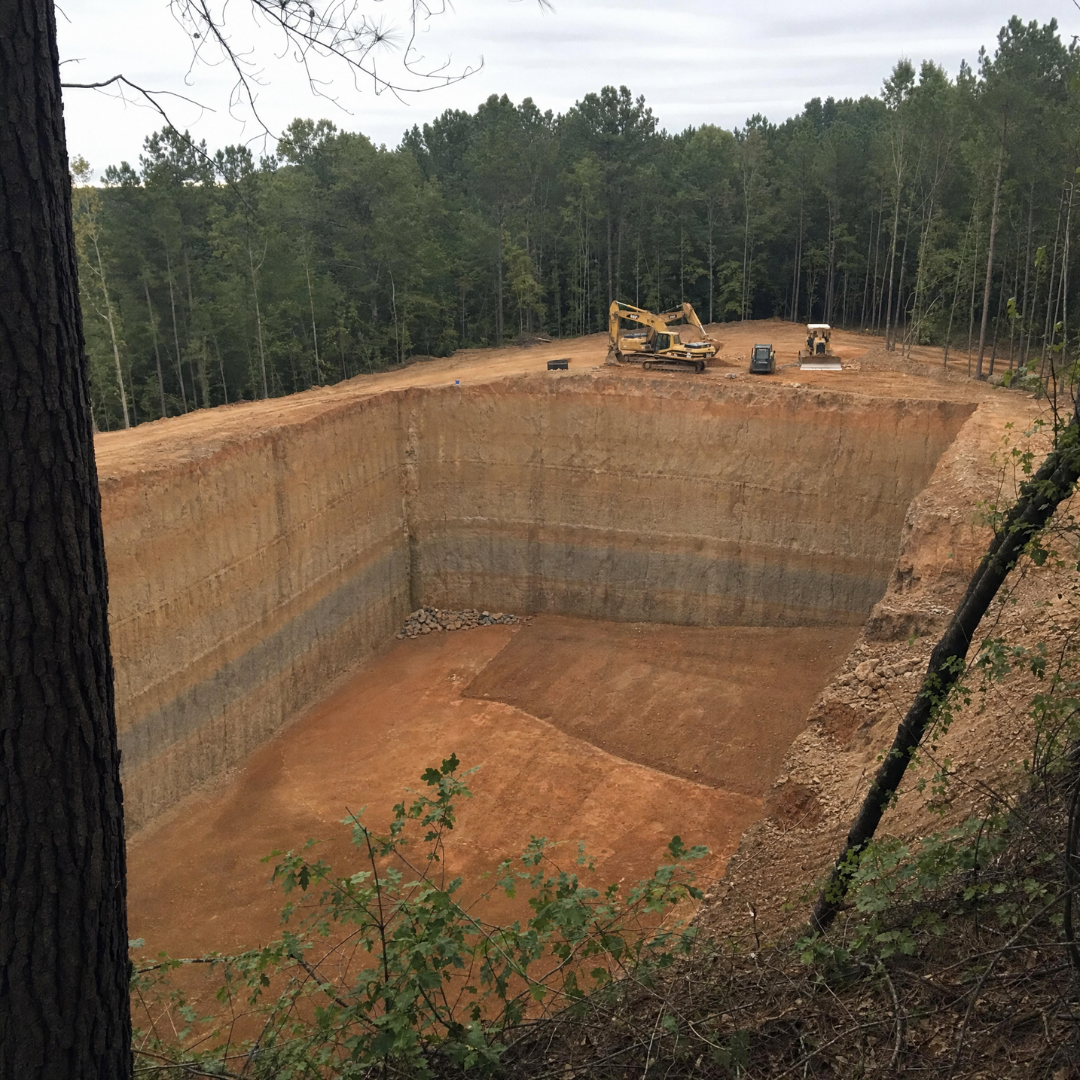
A helicopter landed on the property next to my farm for the third time this month and there is no house, no driveway, and no helipad on that property. There's a windowless building that went up in February and a fence line with cameras I can count from my kitchen window. The property was bought eight months ago by a company registered in Delaware that I can't find any record of. I found the foreman who's been running trucks past my house since January and he told me enough in a feed store parking lot to understand what's under that building and who it's for. I started a garden the next morning and I haven't told my husband why. I need to go back to last October to explain this. We moved out here three years ago. Twenty-two acres, a farmhouse that needed work, and a chicken coop my husband built from a YouTube video. We're not off-grid. We're not preppers. We just wanted quiet and space and eggs that didn't cost $7.49 a dozen. The property next to ours is forty acres. Was owned by a family from Ohio who used it for hunting season. I never met them. Last October, it sold. I know because I saw the surveyors. Two trucks, GPS equipment, walked the whole parcel in a day and a half. Normal enough. Someone bought land, they survey it. Fine. Then nothing happened for three weeks. Then the trees started coming down. Now I need to explain what I mean by that. They didn't clear the whole parcel. They cleared specific lines. Sight lines. And then they planted new ones. Fast-growing evergreens in different positions. Not where the old trees had been. In a pattern that blocked every view from the road. And from my kitchen window. That was the first thing I wrote in the notebook. I started keeping it that November. Spiral-bound composition book in the drawer next to the stove. Every truck. Every time. Every detail I could see from the window or hear from the yard. My husband thought I was being ridiculous. In January the foundation went in. I watched the concrete forms for nine days. I've seen houses go up on this road. I've seen barns built. I have never seen a foundation poured that deep. Three stories into the ground, minimum. For a building with no windows. Not small windows. Not frosted glass. No windows at all. By February the power infrastructure was in. Not a utility pole and a meter box. Industrial conduit. A transformer on its own concrete pad. Three diesel backup generators sized for a facility. Enough electricity for a subdivision. All running to a windowless building the size of a barn. In March the cameras went up. On the trees. On the fence posts. Along the access road. Infrared. Motion-triggered. I counted fourteen from my kitchen window one morning with binoculars. Six of them were pointing inward. Not at the road. Not at the perimeter. At the building. I wrote that down too. In April the helicopters started. No markings. No flight plan. My neighbor Carl flies Cessnas and checked the FAA logs for me. Nothing filed. Landing behind the planted tree line in a clearing you can't see from any road. Twice a week. Sometimes three times. By late April the workers changed. Before that, I'd see the same trucks, the same crew. After that, they arrived in windowless vans. White. Unmarked. They entered the gate at 5 AM and didn't leave the property until dark. I never saw the same face twice. Then the sounds started. Low vibrations. 2 AM. 3 AM. Deep enough to feel through the floorboards in my kitchen. My husband said it was the furnace. It wasn't the furnace. Twice I saw light. Not from the building. From the ground next to it. A glow at the seams. Like something enormous was running underneath and the edges weren't sealed tight enough to hold it in. I filled twenty-seven pages of that notebook. Nobody would tell me anything. The county had no permits on file for the parcel. The property was registered to an LLC in Delaware that I couldn't find a single record of. I called the registered agent. Got a voicemail. Never returned. My husband told me to leave it alone. I couldn't. Around the same time, I started watching the news differently. The conflict overseas. The shipping lanes. Gas at $5.39. The stories about fuel reserves that show up on the front page for one day and then disappear. I couldn't explain why, but it felt connected to what I was watching from my kitchen window. The timing was too clean. The construction next door accelerated at exactly the same time the news got worse. I wrote that down too. By May I had twenty-seven pages and no answers. Just a knot in my chest that wouldn't go away and a husband who wouldn't look out the window with me. So I stopped watching. And I started looking. The foreman's truck is a white Chevy 2500. No logo. No company name. Just a county inspection sticker and mud. I'd been watching it come through that gate every morning at 6:15 and leave every evening around 7. Same truck. Same time. Whoever drove it was in charge. He arrived first and left last. I never planned to follow him. But one Tuesday morning in May I was heading to Tractor Supply and I saw the white Chevy pulling off the site road onto the two-lane. Heading the same direction. So I followed. He pulled into the parking lot. Got out. Stood by the tailgate and made a phone call. I parked three spots over. He was agitated. Voice up. Not yelling. Just tight. Controlled frustration. "...tell them the second unit needs to be rated for fifty, not twenty, or the whole timeline slides and I'm not going to be the one explaining that to..." He saw me looking. Hung up. I sat in my truck for maybe ten seconds. Then I got out and walked over. "I live on the road next to whatever you're building." He looked at me for a long time. "I don't know what you mean." "You drive a white Chevy through a gate at 6:15 every morning. I can see your cameras from my kitchen. I can feel your machines through my floor at 2 AM." He didn't say anything. "What are you building that needs to hold fifty people underground?" He looked at his phone. Then at the road behind me. Then back. "Ma'am, I can't talk about work." "I'm not asking about work. I'm asking why there's a building with no windows next to my farm with cameras pointed inward and helicopters landing twice a week and a foundation three stories deep." He leaned against the tailgate. Quiet for a long time. "How much of that did you write down?" "All of it." He rubbed his face. Looked at the sky. Then he said something I wasn't expecting. "Good." His name. I'm not going to use his name. I'll call him Mike. "I've been doing this nineteen years," he said. "Commercial. Industrial. Government contracts. The kind of work that comes with NDAs and security clearances and clients you never meet face to face." He leaned against the tailgate. "Four times in the last two years, I've been contracted through an intermediary firm to manage builds on private properties. Remote. Rural. Always purchased through LLCs. Always the same general scope." He paused. "Underground living infrastructure rated for long-term occupancy." I didn't say anything. "The first one, I thought it was an eccentric rich guy building a panic room. A big one. Fine. People build those." He looked at his hands. "The second one was in a different state. Same specs. Same engineering firm. Same priority sequence." "Same client?" "Different client. Same people behind the engineering. Same NDAs. Same security." He stood up off the tailgate. "By the third one I stopped thinking it was a panic room." He didn't want to tell me what the builds are for. I could see him working through it. How much to say, how much to hold back. But he'd already started. And I think something in him needed to say it out loud. "There's a compound being built in Hawaii right now. You've probably seen it in the news. Two hundred and seventy million dollars. Its own power. Its own food production. Its own water. Five thousand square feet underground." He paused. "That's the one they let you see. You can Google it." I didn't say anything. "That's one. There are others. New Zealand. Montana. Underground. Self-sustaining. A company in Texas confirmed they delivered seven 150-ton steel bunkers to New Zealand alone. For clients in Silicon Valley. Seven." "Who are these people?" "I can't give you names. But you'd know them. Everyone would know them. The people who run the platforms you use every day. The people who built the technology the entire economy depends on. The people who get briefings the rest of us don't get." "And the one next to my farm?" "I can't tell you the client's name. But the specs are the same. The engineering firm is the same. The priorities are the same." He was quiet for a minute. "These aren't preppers. Preppers buy freeze-dried food and AR-15s. These are the people who built the systems everyone else depends on. Power grid. Supply chain. Communication. Finance. They built it. They run it." He looked at me. "And they're building themselves out of it." I felt something cold move through my chest. "Why would the people who built the system need to get out of it?" He looked at me like I'd finally asked the right question. "Because they know what's about to happen to it." I asked him when. Not what. Not who. When. "Look at what's happening right now," he said. "There's a strait. One strait. A fifth of the world's oil passes through it every single day. You know what's going on over there. You see it on the news every night." He paused. "Six months ago my clients were on a two-year build timeline. Three months ago, every one of them pushed it up. Doubled the crews. Night shifts. Rush orders on the critical systems. I went from finishing one build a year to running two simultaneously." "What changed?" "I don't get their briefings. I get schedule changes. And every schedule change in the last ninety days lined up exactly with what started happening at that strait." He looked at the ground. "If it closes for a week, gas doubles overnight. If it closes for a month, there is no gas. Not expensive gas. No gas. And these people, the ones I'm building for, they didn't wait to find out which one it's going to be." He told me to look at it like a sequence. A chain where each link pulls the next. "First thing that goes is fuel. Not runs out. Gets managed. Rationed. Cards. Per-household limits. Military first, hospitals second, essential workers third, everyone else gets in line. The Philippines already declared a national energy emergency. That's not a prediction. That already happened." I leaned against my truck. "The conflict overseas isn't going to stay overseas," he said. "It's going to come home through the gas pump first. Then the power grid. Then your kitchen faucet. In that order." "Second thing is movement. Flights get thinned. Routes canceled. They won't call it a travel ban. They'll call it a market correction. An efficiency measure. But the effect is the same. You stay where you are." "And then?" "Then the grid." He said it flat. Like a fact he'd been carrying for months. "Brownouts first. Rolling. Two hours here, four hours there. 'Stay indoors from 2 to 7 PM for grid stability.' California already issued a voluntary brownout advisory last summer. Voluntary." He paused. "That word does a lot of work." He looked at me. "There's a phrase you're going to start hearing on the news inside the next six weeks. Energy lockdown. When you hear that phrase, I want you to remember this conversation." I wrote it in the notebook. Right there in the parking lot. Energy lockdown. "Every compound I've built is designed for zero connection to the public grid. Zero. Their own power. Their own fuel. Their own food. Completely independent. These people watched what started happening at that strait and they moved. They didn't wait for the news to name it. They didn't wait for permission. They just left the system." He looked at me. "They're already gone. And the rest of the country doesn't know yet." But that's not the part that made me lose sleep. "Here's what I can't stop thinking about," he said. "Four compounds. Three states. Two years. And on every single project, the water system is the first thing they spec and the last thing they'll compromise on." He held up a finger. "Before walls. Before ventilation. Before power backup. Before the air filtration. Water. First. Every time." "Why water?" "Because you can store food for a year. You can generate your own power. You can seal a space for air quality. But water. You either have the ability to clean it yourself from whatever source is near you, or you don't. And if you don't, everything else you built is a countdown clock." I thought about my kitchen faucet. "Your water comes from a treatment plant," he said. "That plant runs on electricity. That electricity comes from a grid. That grid is about to be managed by the same people who already built their way out of it." He let that sit. "You can live a month without food. A week without heat. You cannot live three days without clean water." "What about bottled water?" "The bottled water aisle at your grocery store empties in forty-eight hours after a grid event. Costco in seventy-two. After that there is no water for sale anywhere at any price." I thought about my daughter. Seven years old. Standing in the kitchen at 6:30 in the morning asking for a glass of water the way she does every day. And me having nothing to hand her. "That's the moment that breaks people," he said. Quiet. Like he'd thought about it too many times. "Not the power going out. Not the gas lines. The moment your kid asks for water and you don't have an answer." I didn't say anything for a long time. "In Texas in 2021, the grid failed for three days. Weather. An accident. Fourteen million people lost safe drinking water in seventy-two hours. That was three days and it was weather." He looked at me. "What's coming isn't three days. And it isn't weather." "How are the people in these compounds solving it?" "Independent filtration. Systems that take water from any freshwater source. Creek, pond, rain catchment, stored water in a cistern. Filter it to drinking quality. No electricity. No grid connection. No supply chain. Just the source and the filter." "And the rest of us?" "The rest of us are standing on a system someone else controls. And the people who control it have already built their exit." He was quiet for a minute. Then he said something that made it real in a way nothing else had. "I've been on four of these jobs. The engineers talk. The project managers talk. We're not supposed to, but we do. And I can tell you. Every single project manager I've worked with on these builds has quietly gotten their own setup. Not a compound. Not a bunker. Their own water solution. Portable. The kind of thing you keep in a closet and nobody knows you have it." "How many people?" "On my jobs alone? At least a dozen. The lead engineer on the Hawaii project bought six. In January. Before any of this was in the news." He looked at the ground. "My wife thought I was losing it six months ago. Thought I was being paranoid. Now she doesn't say anything when I check the supplies." I looked at him. "What did you buy?" He walked to his truck. Reached behind the driver's seat. Pulled out a small nylon pouch. Inside were three of them. Plastic tubes. About the size of a thick marker. Light. I picked one up and it weighed almost nothing. "This is it?" "That's it." I looked at it. I don't know what I expected. Something bigger. Something with a motor or a battery or a handle. Something that looked like it cost what those compounds cost. "It screws onto any standard water bottle," he said. "Dasani. Aquafina. The one in your cupholder right now." He held one up. "Four hundred gallons per filter. One person, one filter, one full year of clean water. Bacteria. Parasites. Everything that'll make you sick from a natural freshwater source. Creek, pond, rain barrel, water stored in a bathtub." "No batteries?" "No batteries. No power. Nothing to charge. Nothing to refill. You screw it on and you drink. That's it." He looked toward the edge of the parking lot. There was a drainage ditch running along the tree line. Brown water. Leaves. Runoff. "Give me your water bottle." I went to my truck. Grabbed the half-empty Dasani from the cupholder. He dumped it out. Walked to the ditch. Scooped. I watched him fill my bottle with water I wouldn't let my dog drink. He screwed the filter on. Tilted it back. Drank. Then he handed it to me. "Look at the water inside the bottle." Brown. Grit floating in it. A leaf fragment. "Now drink through the filter." I put it to my lips. Tipped it. Clear. Tasted like nothing. Like water from my Brita on a Sunday morning. No grit. No taste. No smell. Nothing. I looked at the bottle. The water inside was still brown. What came through was clean. "How?" "Four stages. Hollow fiber membrane at 0.1 microns. Activated charcoal. Two layers of filtration cotton. Water passes through all four before it hits your mouth. The bacteria are too big to get through. The parasites are too big. They stay in the bottle. You drink clean water." I took another sip. Couldn't stop looking at the brown water inside and tasting nothing. "My wife thought I was losing it," he said. "Six months ago when I brought this stuff home. I filled a bottle from the creek behind our house. The creek she won't let the kids wade in. Screwed it on and drank it in front of her." "What did she do?" "Looked at me the way you're looking at me right now. Then she drank. Then she got real quiet." He paused. "Didn't say anything for about a minute. Then she said, 'Get more of these.'" He reached into the pouch and took out the third one. "Keep it." "I can't take that." "I've got more at the house. This one lives in the truck. I've got one in my wife's car. One in each of the kids' bags. One in the kitchen drawer." He handed it to me. "A company called Primitive Labs makes them. You can't buy them in a store. Not at Walmart. Not at REI. Not on Amazon. They make them direct. Small batch. That's on purpose. The guy who runs it doesn't want to mass-produce these. He wants to make them right." He looked at me. "The website is Primitive Labs Research. Get enough for your family. One per person. Your husband. Your daughter. Anyone you'd hand a glass of water to if they showed up at your door." I held the filter in my hand. Two ounces. Smaller than a flashlight. The same water capability that costs two hundred and seventy million dollars in Hawaii. I drove home with the filter in my cupholder where the Dasani used to be. Pulled into the driveway. Sat there for a while with the engine running. My daughter was in the kitchen window. I could see her through the glass. Setting the table for dinner the way she does every night. Plates, forks, cups. Cups. I thought about what Mike said. The moment your kid asks for water and you don't have an answer. I thought about the building next door. The one with no windows. The vibrations through my floor at 2 AM. The helicopters with no flight plan. The cameras pointing inward. I thought about the people inside those compounds. Their own water. Their own power. Their own food. Completely independent. Already gone. And I thought about my kitchen faucet. Connected to a treatment plant. Connected to a grid. Connected to a system that someone else controls. I went inside. I didn't say anything to my husband. I put the filter in the drawer next to the notebook. And I got on my phone and ordered four more. One for me. One for my husband. One for my daughter. One for my mother. That was three weeks ago. Since then, two things have happened. The brownout advisory in California went from voluntary to mandatory in two counties. That was on the news for half a day. Then it wasn't. And I heard the phrase. Energy lockdown. A news anchor said it on a Tuesday evening like it was a normal thing to say. Like it had always been part of the vocabulary. I was standing in the kitchen and I heard it come out of the television and I felt the hair on my arms stand up. I went to the drawer. Took out the notebook. Found the page from the parking lot. Energy lockdown. He was right. I don't know who's going to read this. I don't know if you've been watching the news and feeling the same knot in your stomach I've had since last fall. I don't know if you've noticed the gas prices or the headlines about the strait or the stories that show up for one day and disappear. But I know this. The people who built the systems we depend on have already left them. Quietly. Without telling anyone. They are sitting in underground compounds with independent water and independent power and they are not coming back to help. The rest of us are still standing on the system. And the system is about to be managed. If you do one thing after reading this, go to the Primitive Labs Research website and get a filter for every person in your family. One per person. That's the math. One filter, four hundred gallons, one year of clean water from any freshwater source you can walk to. Here's the link. Check if they still have them in stock. Last time I looked they were running low and I don't know when the next batch comes in. 👉 https://primitivelabsresearch.com/products/hydra-x1-portable-filtration-unit The people who know are already moving. Quietly. The way they always do. By the time the news catches up, the shelves will be empty and the website will say out of stock and you'll be standing in your kitchen wishing you'd moved when you had the chance. Don't wait for permission. The people building bunkers didn't. P.S. Two days after I posted this, the IEA issued a statement calling the current supply disruption the most significant in over a decade. That was a Wednesday. By Friday it was off the front page. Mike told me to watch for that. The stories that appear and vanish. "The ones they let you see for a day so they can say they told you." If you haven't ordered yet, do it now. I don't know how long the link stays live. 👉 https://primitivelabsresearch.com/products/hydra-x1-portable-filtration-unit P.P.S. I finally showed my husband the notebook. He read the whole thing at the kitchen table without saying a word. Then he picked up the filter I'd put in the drawer, turned it over in his hands, and said, "How many did you get?" I told him four. He said, "Get two more. One for my brother. One for his wife." That's the moment I knew this was real. He didn't argue. He didn't tell me I was spiraling. He read twenty-seven pages of what I'd been watching from our kitchen window and he asked me to get more. If you're reading this and your spouse thinks you're overreacting, show them. Let them read it. Then hand them the filter and a bottle of creek water and don't say a word. The filter does the talking. P.P.P.S. Each filter does 400 gallons. That's one person, one full year of clean drinking water. No batteries. No power. No refills. Lifetime warranty. 60-day money back if you're not convinced. Free shipping. These are the same units the project managers on those bunker builds are buying for their own families. The same spec. The same capability. The difference is they paid attention six months ago. You're paying attention now. That's enough. 👉 https://primitivelabsresearch.com/products/hydra-x1-portable-filtration-unit P.P.P.P.S. Someone's going to read this and think, "I'll just buy a case of water bottles." I thought that too. Mike looked at me when I said it and asked how long a case lasts. Four days? Five? Then what? Another case? The store's already empty. Bottled water is a countdown clock. The filter isn't a countdown. It's access. As long as there's a creek or a pond or a rain barrel or a bathtub full of water anywhere near you, you have clean drinking water. No expiration. No supply chain. No line at Costco. That's the difference between stored water and the ability to make your own. Get the filter. 👉 https://primitivelabsresearch.com/products/hydra-x1-portable-filtration-unit
If you're a parent or grandparent, please read this👆
Lightweight portable emergency water filter removes 99.99% of contaminants. Perfect for evacuations, disasters, and family emergency preparedness. Free shipping.
SHOP NOWLike this ad? Make it yours.
Crush rebuilds this exact creative around your product — your brand, your colors, your offer — in about a minute.