
Inactive· since Jun 10, 2026
- 20
- days it ran
- 0
- relaunches
Ad copy
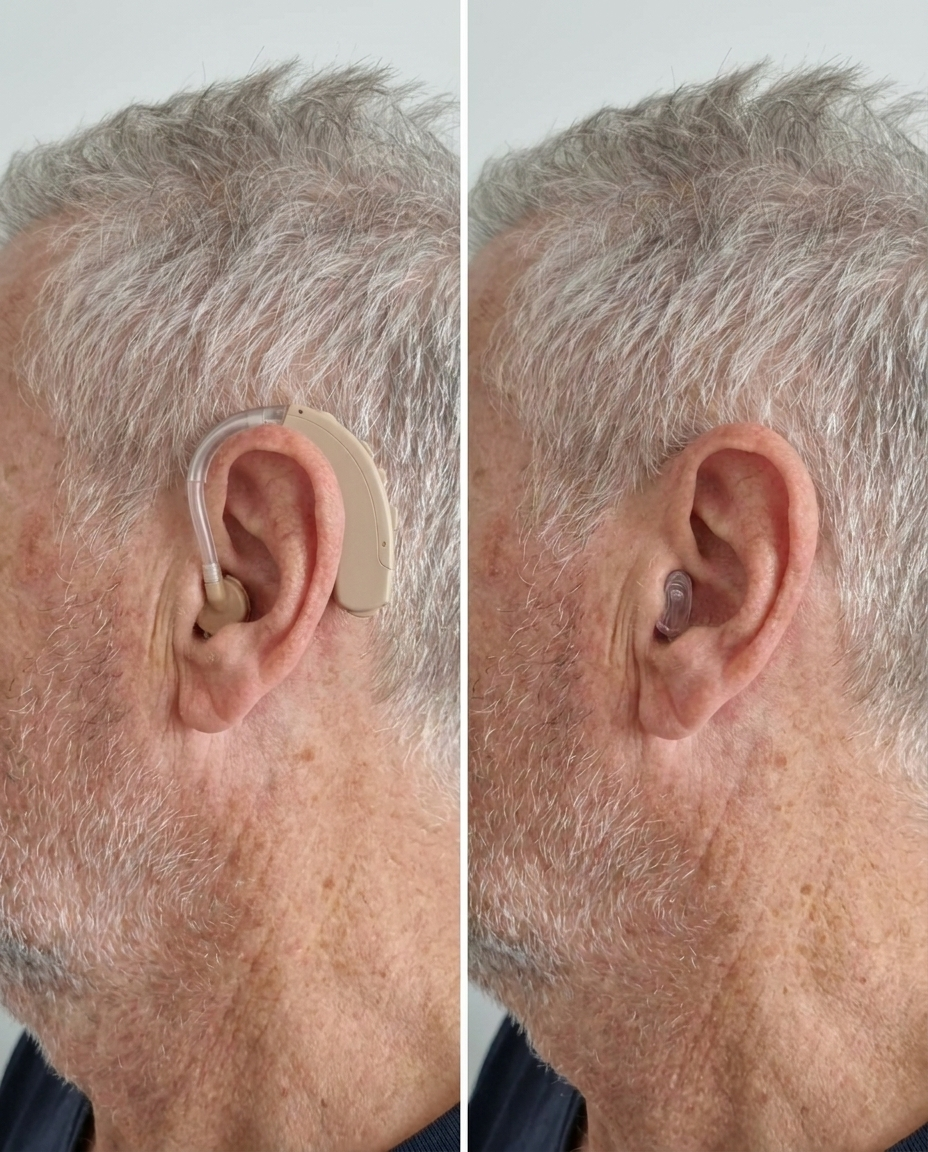
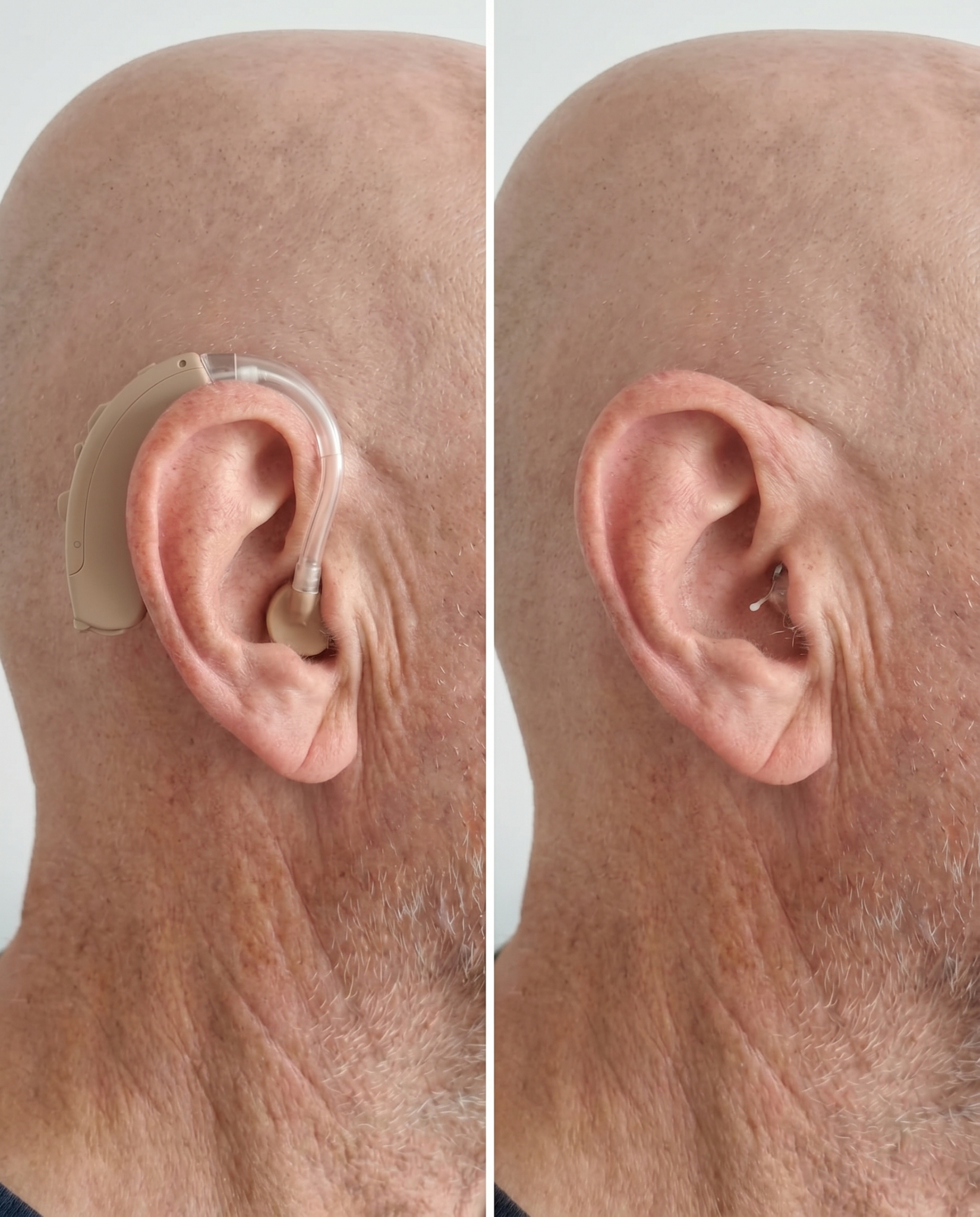
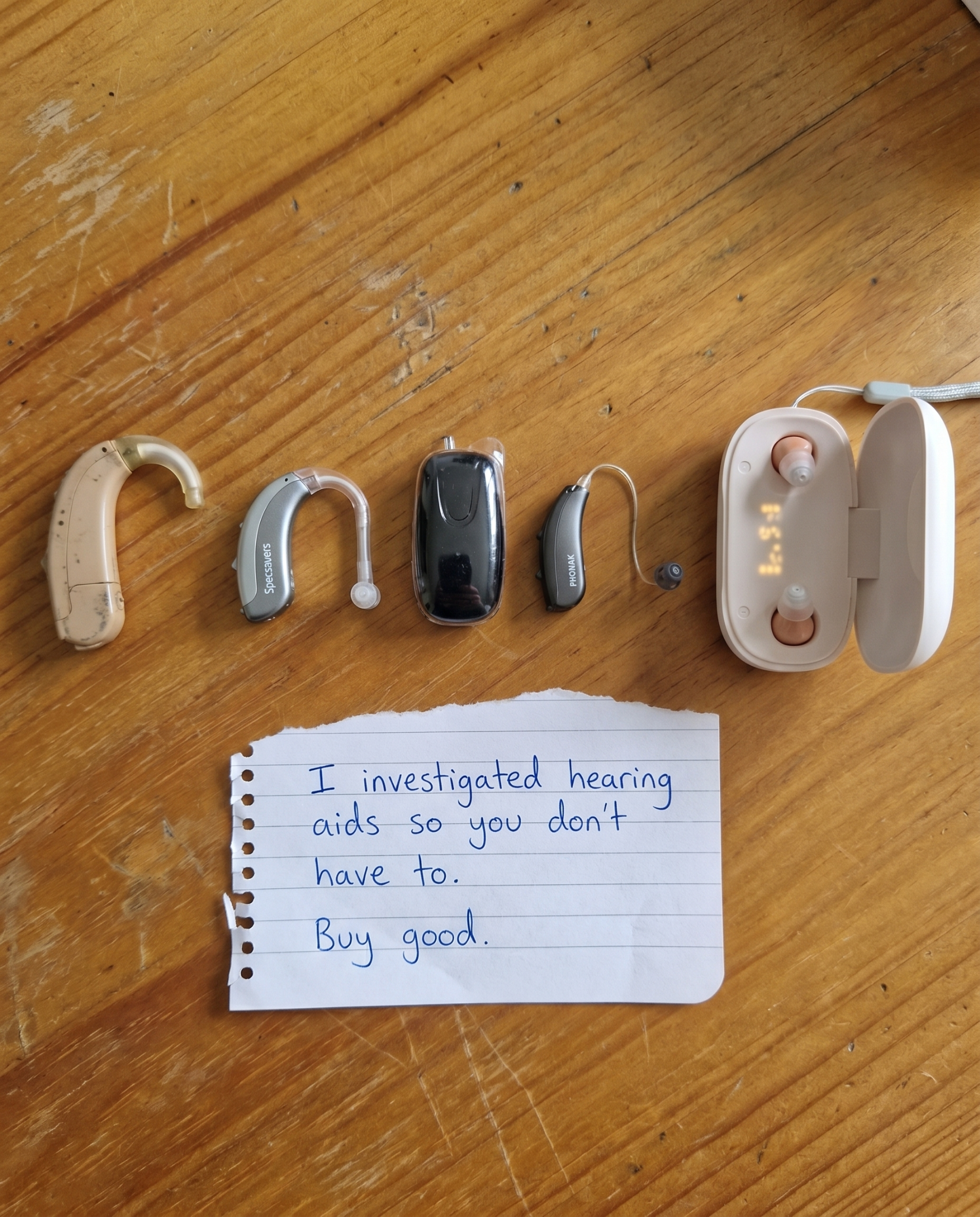
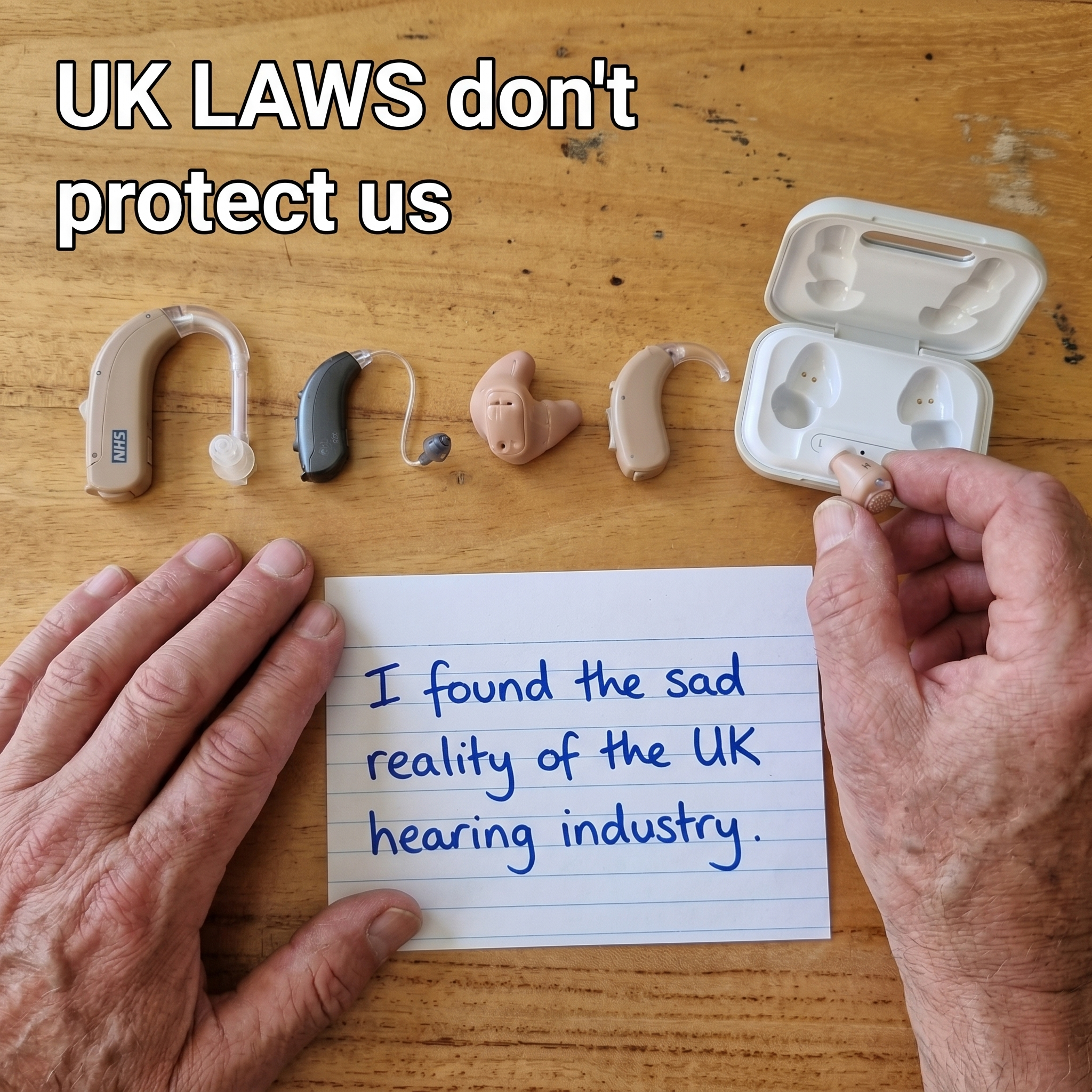
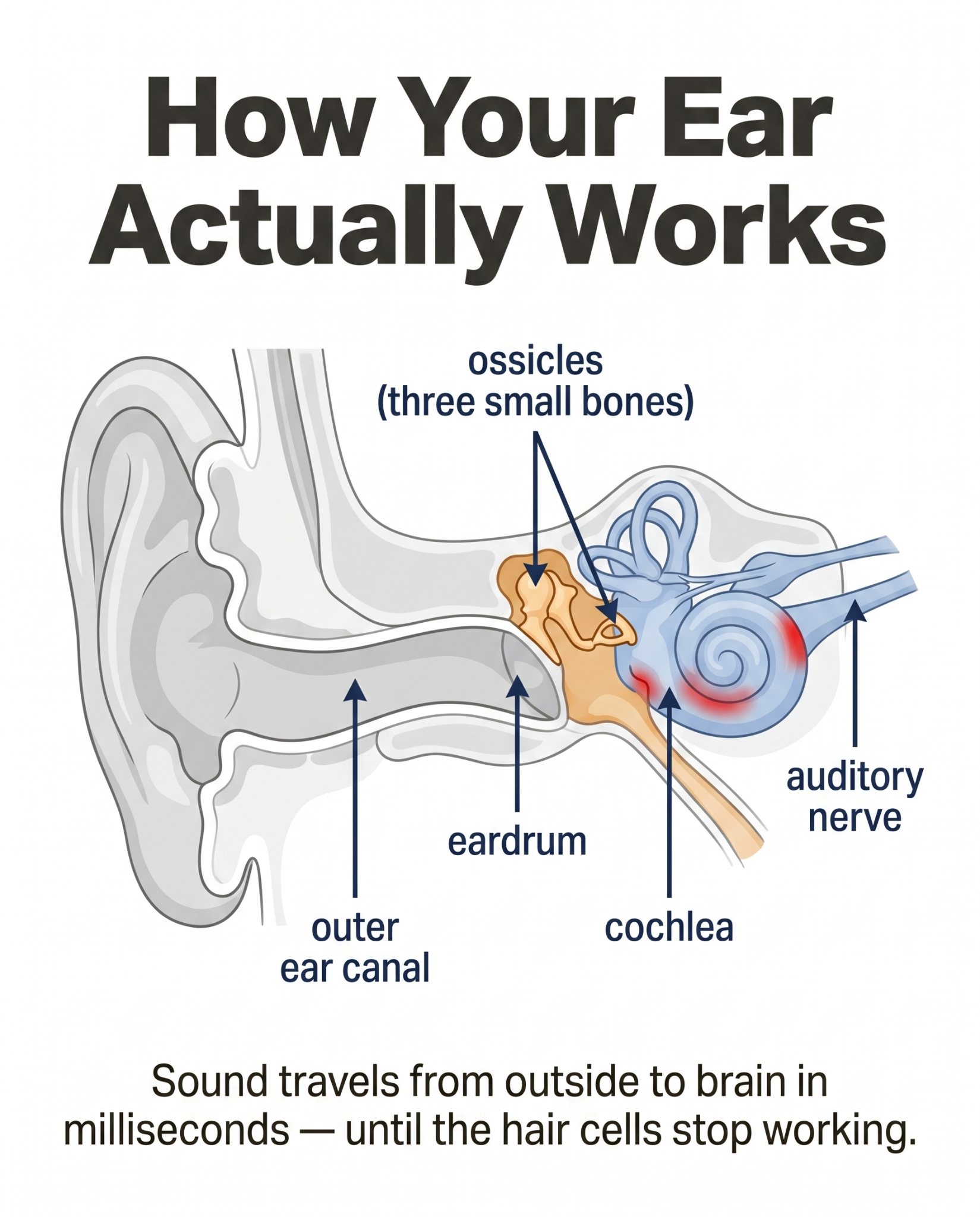
I spent thirty years fitting hearing aids on the NHS and in private practice. I know exactly what's happening inside your ear when you start losing your hearing. I also know exactly what the industry charges for the solution. Those two numbers don't match. Here's everything I wish I had told my patients. My name is Margaret Ellis. I am a retired audiologist. I spent thirty years working in clinical audiology — NHS community clinics, a district general hospital audiology department, and a private hearing clinic in Leeds. In thirty years I assessed thousands of patients. I ran audiograms. I fitted devices. I explained results. I wrote referral letters. And I handed people NHS waiting times of fourteen months or private clinic quotes that represented months of their pension income — without once mentioning that the chip inside the device I was recommending cost the manufacturer less than £100 to produce. I want to fix that now. Here is what is actually happening inside your ear. Then three things you can do about it. Then the thing about the industry that I spent thirty years not saying out loud. **What is happening inside your ear.** Your inner ear contains thousands of microscopic hair cells. They live inside a fluid-filled spiral structure called the cochlea. When sound enters your ear it creates pressure waves in that fluid. The waves bend the hair cells. The bending generates an electrical signal. That signal travels along the auditory nerve to the brain. The brain reads it as sound. The critical fact about hair cells is this: they do not regenerate. When they are damaged or lost through noise exposure, aging, or disease, they are gone permanently. The hearing loss they leave behind is permanent. Damage accumulates silently over years. Noise exposure is the most common cause — industrial environments, decades of loud music, prolonged traffic exposure. Age-related cellular decline is another. The hair cells that process high-frequency sounds tend to deteriorate first. This is why most people with early hearing loss describe the same experience: I can hear people talking. I just can't always make out what they're saying. That description is clinically precise. The low-frequency signal carrying volume arrives intact. The high-frequency detail that puts edges on consonants — the S sounds, the F sounds, the TH sounds, the sounds that make speech intelligible rather than just audible — is missing. The brain fills in gaps with context and guesswork. Eventually the gap gets too wide and the guessing fails. That is the biology. It is straightforward, well understood, and permanent. What changes with treatment is not the hair cells — nothing restores them — but how effectively the remaining ones are used. **Tip one: recognise the real early warning sign.** Most people wait until volume becomes the problem. The television. Being asked to repeat themselves. Difficulty on the phone. By the time volume is the issue, significant hair cell loss has already occurred. The earlier and more diagnostically significant warning sign is difficulty separating speech from background noise. A noisy restaurant where everyone else seems to follow the conversation and you are working hard just to catch half of it. A crowded family dinner where multiple conversations feel like an undifferentiated wall of sound. A social situation where you are nodding and hoping more than you are actually hearing. That difficulty — speech in noise — is the clinical signature of high-frequency hair cell loss. It precedes volume problems by months or years. If this describes your experience, your audiology referral should have happened already. **Tip two: do not wait.** I watched patients wait for years. I understood why — the NHS waiting list, the cost of going private, the sense that it wasn't bad enough yet. The neuroscience of untreated hearing loss argues strongly against waiting. The auditory cortex — the region of the brain responsible for processing sound — requires regular stimulation to maintain its efficiency. When auditory input is reduced over an extended period, the neural pathways that process sound begin to reorganize. This is called auditory deprivation. The practical consequence is measurable: patients who have had untreated hearing loss for years require a significantly longer adjustment period when they finally receive hearing aids. The brain has to relearn how to process full auditory input. The first week is often overwhelming. The adjustment can take months. None of that happens if treatment begins early. Early treatment means less neural reorganisation. Less adjustment. Faster benefit. Waiting does not make the problem more manageable. The evidence is clear on this. It makes it harder to treat. **Tip three: understand what the technology does — and what it cannot.** Hearing aids cannot restore damaged hair cells. Nothing currently can. What hearing aids do is optimise the signal reaching the functional hair cells that remain. This distinction matters enormously when evaluating devices. A basic amplifier makes everything louder. It applies gain across the frequency spectrum without differentiating between speech and noise. For someone with high-frequency hair cell loss trying to follow a conversation in a restaurant, more undifferentiated amplification often makes the experience worse. More noise on top of noise. Multi-channel digital processing works differently. The sound spectrum is divided into frequency bands. Each band is processed independently. Speech frequencies are prioritised. Background noise is managed in its own channel. The result is that voices come forward and the environment recedes. That is the processing architecture that actually addresses the clinical problem. That is what separates a hearing aid from an amplifier. I want to be precise about this because it explains the entire price conversation. **The thing about the industry.** The chip that delivers multi-channel digital processing — the component that makes hearing aids genuinely useful in noise — is manufactured by Knowles Corporation. They are the dominant supplier of hearing aid processing chips globally. They supply the same specifications to manufacturers across the entire price range. Private clinic brands charging £3,000. And direct-to-consumer brands charging £149. I fitted Knowles components for thirty years. I know the specifications. I know the supply chain. The chip inside a £3,000 Boots hearing aid and the chip inside a Smart Hearing device are from the same manufacturer and the same component family. The price difference is not the chip. It is everything between the factory and your ear. The retail clinic lease. The audiologist on commission — and yes, I worked on commission in private practice, and yes, the premium range always came out first because that is how the incentive structure worked. The area manager. The regional director. The head office. The national advertising that made you trust the brand before you walked through the door. And in the UK specifically — there is no legislation controlling what a private hearing aid clinic can charge. No price cap. No mandatory cost disclosure. No requirement to tell you that a £149 device with the same processing chip exists. I am no longer in that system. So I am telling you. Smart Hearing uses Knowles components. 16-channel digital processing. The multi-channel architecture that separates speech from background noise. UKCA certified medical grade. Rechargeable. Completely in-ear. Ships directly from a British warehouse. £149. For mild to moderate hearing loss — the most common presentation, the type I spent thirty years treating — the performance is comparable to clinic devices at ten to twenty times the price. I tested this myself. Five options. Real patients. Every result documented. Three things summarised. Notice speech in noise difficulty early — it precedes volume problems and is the real clinical signal. Do not wait — auditory deprivation is real and early treatment is measurably easier to adjust to. And understand the chip — multi-channel processing is what helps, it is available at £149, and the gap between that and £3,000 is the building not the technology. The full comparative test is here: www.healthylivingdigest.news/pages/healthy-living-digest-we-tested-the-actual-cost-of-5-top-hearing-aids And if you want to go straight to Smart Hearing: trysmarthearing.com/products/smart-hearing-comfort £149. 45-day trial. Send them back if your hearing doesn't improve. Margaret Ellis Retired NHS Audiologist Leeds Thirty years inside the system. Three things I wish I had said every day.
Like this ad? Make it yours.
Crush rebuilds this exact creative around your product — your brand, your colors, your offer — in about a minute.