
Inactive· since Feb 25, 2026
- 58
- days it ran
- 1
- relaunches
Ad copy
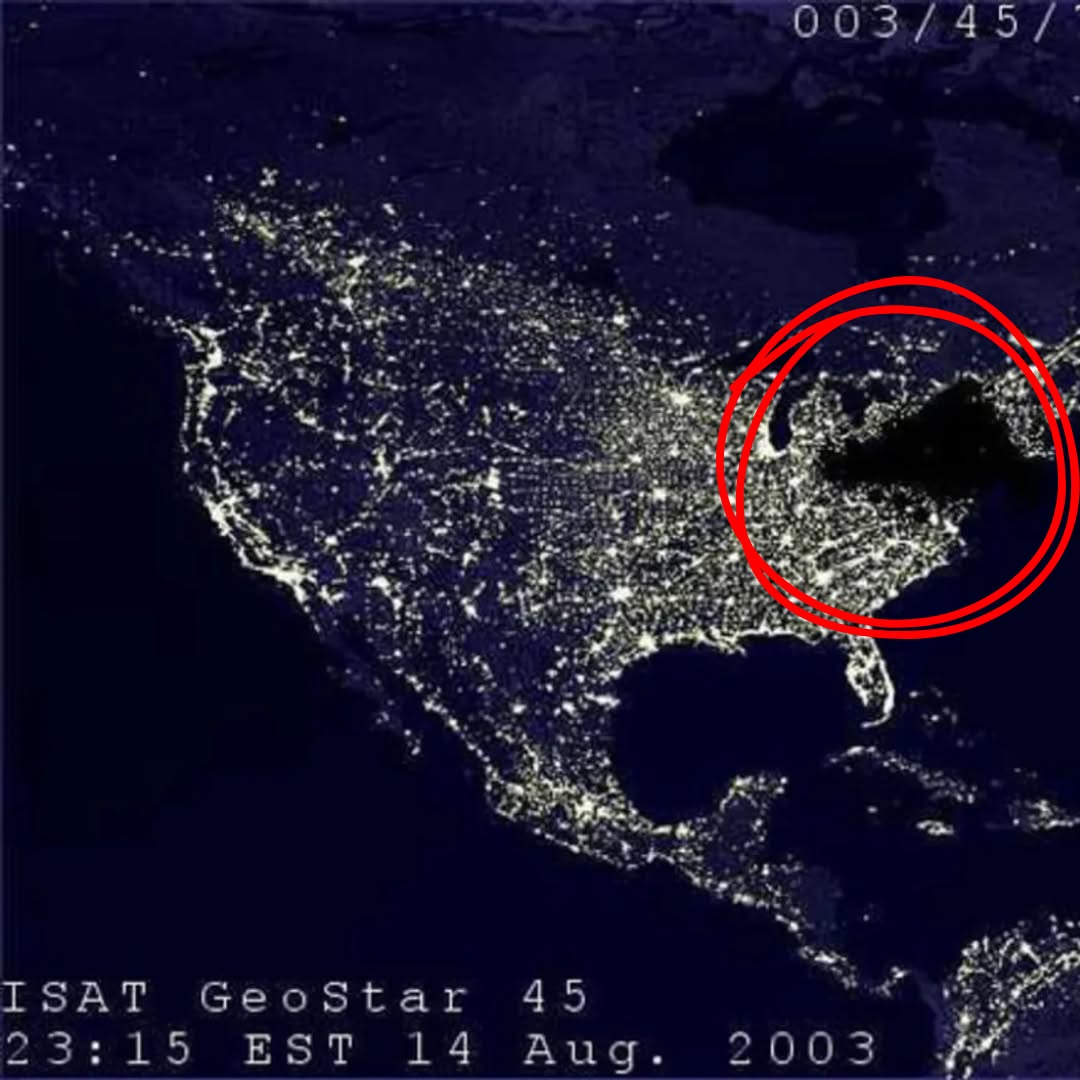
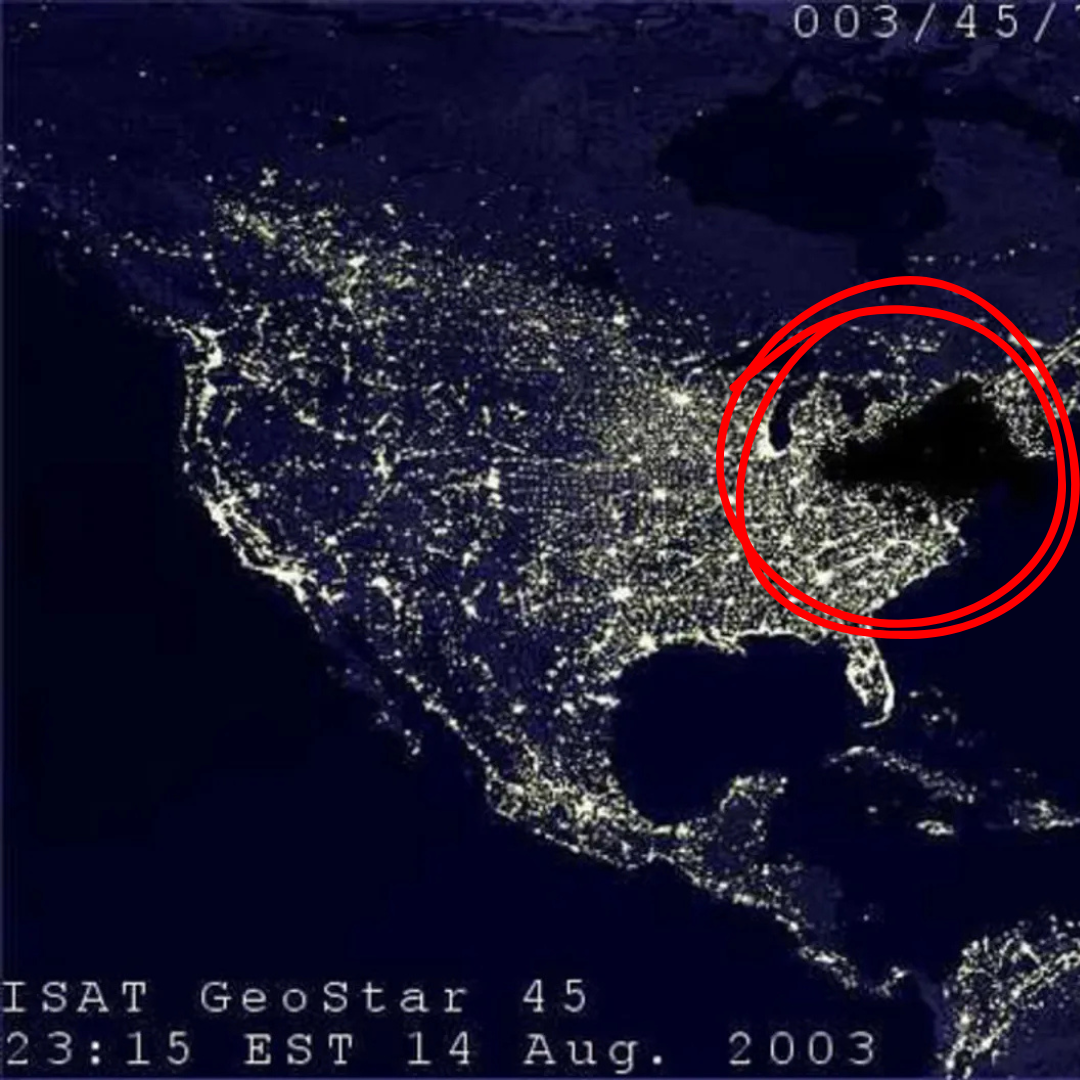
I read something at 2:47 am yesterday… and I physically couldn’t go back to sleep once I realized what that meant. If the U.S. grid went down completely – EMP attack, cyberattack, cascading failure – 90% of the American population would be dead within a year. EMP Commission report said it themselves. Ninety percent. Not from the attack itself. From what comes after. No water. No food distribution. No supply chains. I kept thinking about my family. My kids. What would actually happen? I started looking into it. Really looking. Not prepper forums or conspiracy sites. Government reports. Infrastructure assessments. Utility company data. And I realized something that changed everything about how I prepared. The water that comes out of my faucet isn’t gravity-fed. It’s pumped. Pressurized. Treated. Distributed. All of that requires electricity. The 60 gallons of bottled water in my garage? That would last my family maybe ten days if we stretched it. Then what? I’d been preparing like the problem was running out of stored supplies. The actual problem was access. When the infrastructure that brings water to your home stops working, your stockpile becomes a countdown timer. And nobody tells you what happens when that timer hits zero. I was sitting in my kitchen. Couldn’t sleep. Reading about the Texas grid failure from 2021. Fourteen million people without power. Water treatment plants offline. Pipes frozen. It wasn’t an EMP. It wasn’t an attack. It was just weather. And it took down the water infrastructure for weeks. I walked to my sink. Turned on the faucet. Water came out. I turned it off. Walked to my garage. Looked at my emergency supplies. Sixty gallons of bottled water. Stacked neatly. Rotated every six months. I’d felt prepared. Responsible. Like I’d done what fathers are supposed to do. But standing there at 2am, I did the math. Four people. Three gallons per day minimum. That’s 12 gallons daily. My sixty gallons would last five days. Then nothing. I couldn’t stop thinking about it. The next day, I started researching water sources. What would actually be available if the grid went down? We live in suburban Charlotte. No well. No natural spring. The nearest creek is half a mile away. Our neighborhood has a retention pond. Probably contaminated with runoff, fertilizer, whatever else drains into it. There’s a lake three miles away. Public park. If the grid went down, how many of the 50,000 people in our area would be headed there? I thought about survival shows. People drinking from streams. Boiling water over fires. Could I do that? Build a fire in our backyard? Boil water for drinking and cooking? Maybe. For how long? Days? Weeks? Months? What about when I ran out of firewood? What about when smoke from thousands of fires created a haze over the city because everyone else was doing the same thing? I tried talking to Sarah about it. “So if the power goes out, we can’t drink tap water?” “Right. Treatment plants need electricity. Pumping stations need electricity. The whole system shuts down.” “For how long?” “Texas was weeks. Some areas longer.” She looked worried. “So we have five days of water. Then what?” I didn’t have an answer. I bought more cases. Got the stockpile up to 120 gallons. Ten days instead of five. Felt better. For about a week. Then I did the math again. Ten days. Then nothing. I was still on a countdown. Just a slightly longer one. The problem wasn’t how much I stored. The problem was what happens when storage runs out and the infrastructure is still down. I was preparing for a five-day problem. The Texas freeze showed me it could be a two-month problem. And I had no plan for day eleven. Three weeks later, I was at my neighbor’s house. Tom. Former Marine. We’d talked about preparedness before. I was helping him move some furniture. We took a break in his garage. That’s when I noticed it. His emergency supplies. Not mountains of water cases like mine. Just a few gallons. Maybe twenty. “Tom, you’ve got like twenty gallons here. That’s two days for your family.” He laughed. “Yeah. I’m not big on storing water.” “But if the grid goes down—” “I’ll have water. Just not from bottles.” I must have looked confused. He pulled a small case off his shelf. Opened it. Inside were these blue tubes. Maybe six inches long each. “Water filters. Straws, basically.” I picked one up. Felt like a cheap camping gadget. “This is your backup plan?” “This is my primary plan. The bottled water’s just for convenience.” “I don’t understand.” He closed the garage. Led me to his backyard. Pointed at the retention pond visible between houses. “That pond’s got maybe a million gallons in it. Lake Norman’s got 32 billion gallons. Every stream, creek, puddle, pool – all water sources.” “That water’s contaminated.” “Right. Can’t drink it as-is. But with these…” He held up the filter. “You can.” I just stared at him. “Tom, that’s pond water. Runoff. Bacteria. Parasites. Whatever chemicals people dump on their lawns.” “Yep. And this filters it. Been testing it for two years. I drink from that pond once a month just to verify.” “You drink from the retention pond.” “Filtered, yeah. I’m still here. Never gotten sick.” I looked at the little blue tube. Then at the pond. Then back at Tom. “This actually works?” “Used these in Afghanistan. Local water sources. Way worse than that pond. Drank it for months. Whole unit did. We’re all fine.” He handed me the filter. “Take one. Test it yourself. That’s what I did before I trusted it for my family.” “Test it how?” “Fill a bottle from that pond. Filter it. Drink it. Wait 24 hours. See how you feel.” I stood in my backyard that evening staring at the retention pond. This felt insane. But I couldn’t stop thinking about Tom’s point. “You can’t store enough water for a months-long crisis. You can only access water sources around you.” I’d been focused on the wrong problem. I started researching why tap water stops flowing when power goes out. Treatment plants use electricity to run pumps, chemical feeders, filtration systems. Without power, they shut down completely. Distribution systems use electric pumps to maintain pressure. When power fails, pressure drops to zero. Pipes drain. Even if you have a water tower nearby – those are designed for temporary pressure maintenance, not long-term supply. They empty in hours. I looked at municipal water infrastructure reports. Average restoration time after major grid failure: 4–8 weeks. That matched what happened in Texas. Matched what happened in Jackson, Mississippi. Matched every major infrastructure failure I could find data on. The 72-hour guideline everyone quotes? That’s when FEMA sets up bottled water distribution. That’s not when your tap works again. I thought about my 120 gallons. Ten days. Maybe twelve if we rationed hard. Then six more weeks with no tap water. No FEMA trucks in a nationwide grid-down scenario. No resupply. What would I do on day thirteen? The retention pond is 200 feet from my house. Lake Norman is 3 miles away. There’s a creek in the woods half a mile out. Millions of gallons of water. All around me. All inaccessible because I couldn’t safely drink it. I wasn’t out of water in a grid-down scenario. I just couldn’t access the water that was already there. I went back to Tom’s the next day. “Explain to me how this actually works.” He pulled up the specs on his phone. “Four-stage filtration. Hollow fiber membrane, activated charcoal, couple other layers.” “In English.” “The membrane filters down to 0.1 microns. Bacteria are 0.2 microns or bigger. Parasites are way bigger. So they physically can’t pass through.” “What about chemicals? Fertilizers? Whatever’s in that pond water?” “Activated charcoal handles most organic chemicals. Not perfect for heavy metals, but for biological contaminants – bacteria, parasites, stuff that makes you sick – yeah, it works.” I looked at the filter again. Still seemed too simple. “This is the same thing you used in Afghanistan?” “Same concept. Different brand maybe. But yeah, same filtration technology.” “And you’ve been drinking from that pond for two years?” “Once a month. Sometimes more. Testing it. Making sure it still works. No issues.” He wasn’t trying to sell me anything. Just explaining. “Each filter’s rated for 400 gallons. That’s months of drinking water for one person. Year-plus for a family if you’re using multiple filters.” I thought about my stockpile. 120 gallons. Ten days. Versus access to the million gallons in the retention pond. The billion gallons in Lake Norman. Every water source within walking distance. “Where did you get these?” “Company called Primitive Labs. Same place guys in my unit ordered from. They back it with a lifetime warranty – that’s why we trusted it. Military guys don’t mess around with gear that might fail.” He wasn’t pushing. Just giving me information. “For now, test that one I gave you. See for yourself.” That weekend, I tested it. Walked down to the retention pond. Filled a water bottle. The water looked murky. Definitely smelled like a pond. Screwed Tom’s filter onto the bottle. Drank half of it. Tasted like tap water. Not great, but normal. I waited 24 hours. Monitoring. Watching for any symptoms. Nothing happened. No stomach issues. No nausea. No problems at all. I tested it again the next weekend. This time with Sarah watching. “You’re really drinking that.” “I really am.” “And you feel fine?” “I feel fine.” I showed her the math. “We have ten days of stored water. This gives us access to unlimited water as long as that pond has water in it.” She was skeptical. But she saw I was fine. I ordered my own filters once I verified it worked. Got four of them. One for each family member. Two weeks later, I did something I never thought I’d do. I reduced my water stockpile. Gave away half the cases to a friend. Kept 40 gallons for immediate convenience. But stopped obsessing about stockpiling more. Because I’d shifted from storage to access. The difference was massive. Before, I was stressed about whether I had enough. Whether I needed more. Whether it would last. Now? I knew I had access to water. As long as the pond existed, as long as Lake Norman existed, I could provide for my family. The anxiety was gone. I tested the filter monthly. Sometimes on the pond. Sometimes on creek water when we went hiking. Sometimes just on tap water to make sure it still worked. It always worked. Tom was right. The stored water was for convenience. The filters were the actual backup plan. It’s been two years since that conversation with Tom. We still have 40 gallons stored. For convenience. For the first few days of any emergency. But I don’t worry about it anymore. Because I know that when those 40 gallons run out, I’m not out of water. I just switch to filtering. The retention pond is still there. Lake Norman is still 3 miles away. The creek in the woods is still half a mile out. If the grid goes down – EMP, cyberattack, cascading failure, another Texas-style freeze – I have access to water. Not for five days. Not for ten days. For as long as those water sources exist. Most people are still preparing the way I used to. Stockpiling cases. Feeling good about having a week’s supply. Maybe two weeks. Then what? When the Texas grid failed, it took weeks to restore water infrastructure. Fourteen million people learned that stored water runs out. The lucky ones had alternatives. The EMP Commission report says 90% of the population would die in a long-term grid failure. The main reason? No water access. Your stockpile is a countdown. Maybe you’ve got 10 days. Maybe 20. Then nothing. But water sources are everywhere. Ponds. Lakes. Streams. Pools. Even puddles. You just need a way to safely drink from them. Tom ordered his filters from Primitive Labs Research: https://try.primitivelabsresearch.com/cmlzrfdnm022zm3cxh24flc51. Same company his unit used. They’ve got a lifetime warranty, which is why military guys trust them. I’m not saying don’t store water. Store some. But understand that’s for convenience and short-term needs. For long-term survival? You need access, not storage. Test it now. That’s what I did. That’s what Tom did. Fill a bottle from whatever water source is near you. Filter it. Drink it. See for yourself. Because when your stored water runs out and the infrastructure is still down, you’ll need to know this works. Don’t wait until day eleven to figure it out.
Like this ad? Make it yours.
Crush rebuilds this exact creative around your product — your brand, your colors, your offer — in about a minute.