
Inactive· since May 19, 2026
- 71
- days it ran
- 0
- relaunches
- 3,176
- EU reach
Ad copy
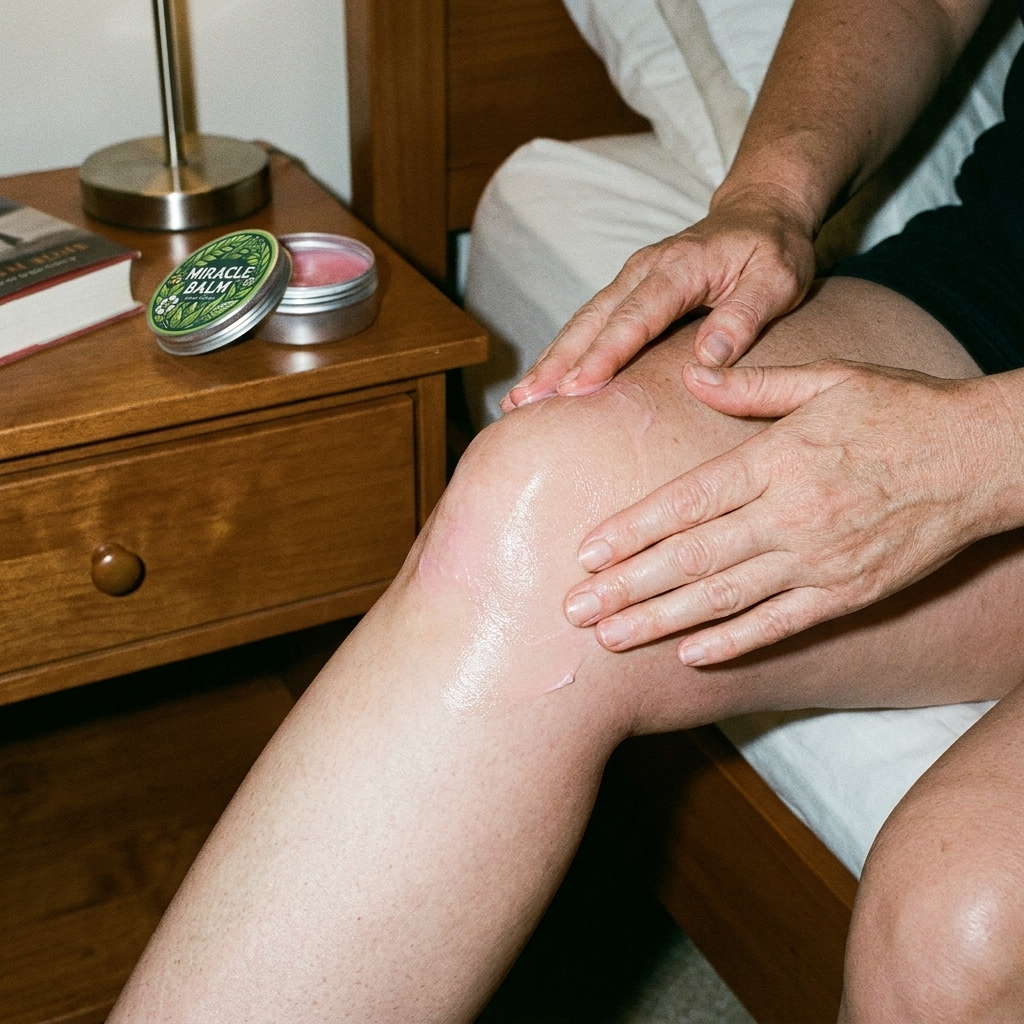
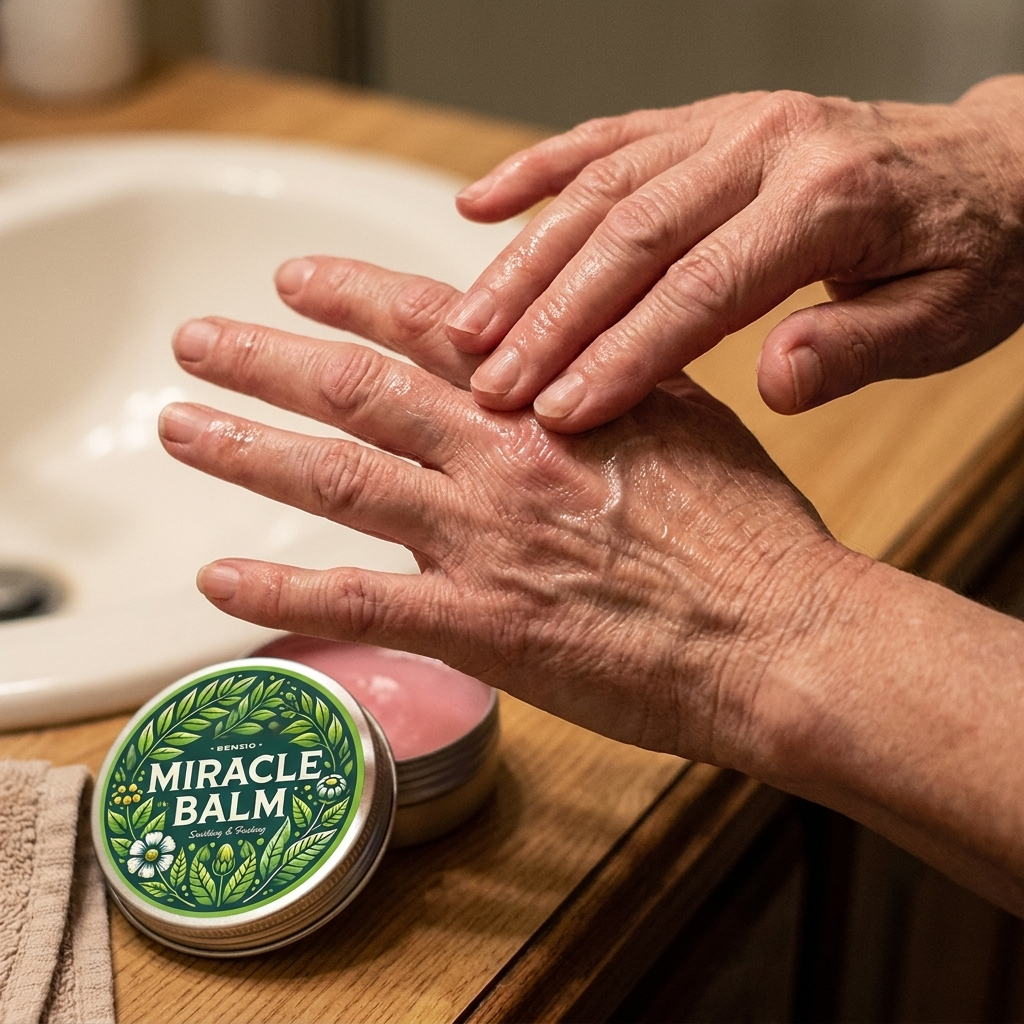
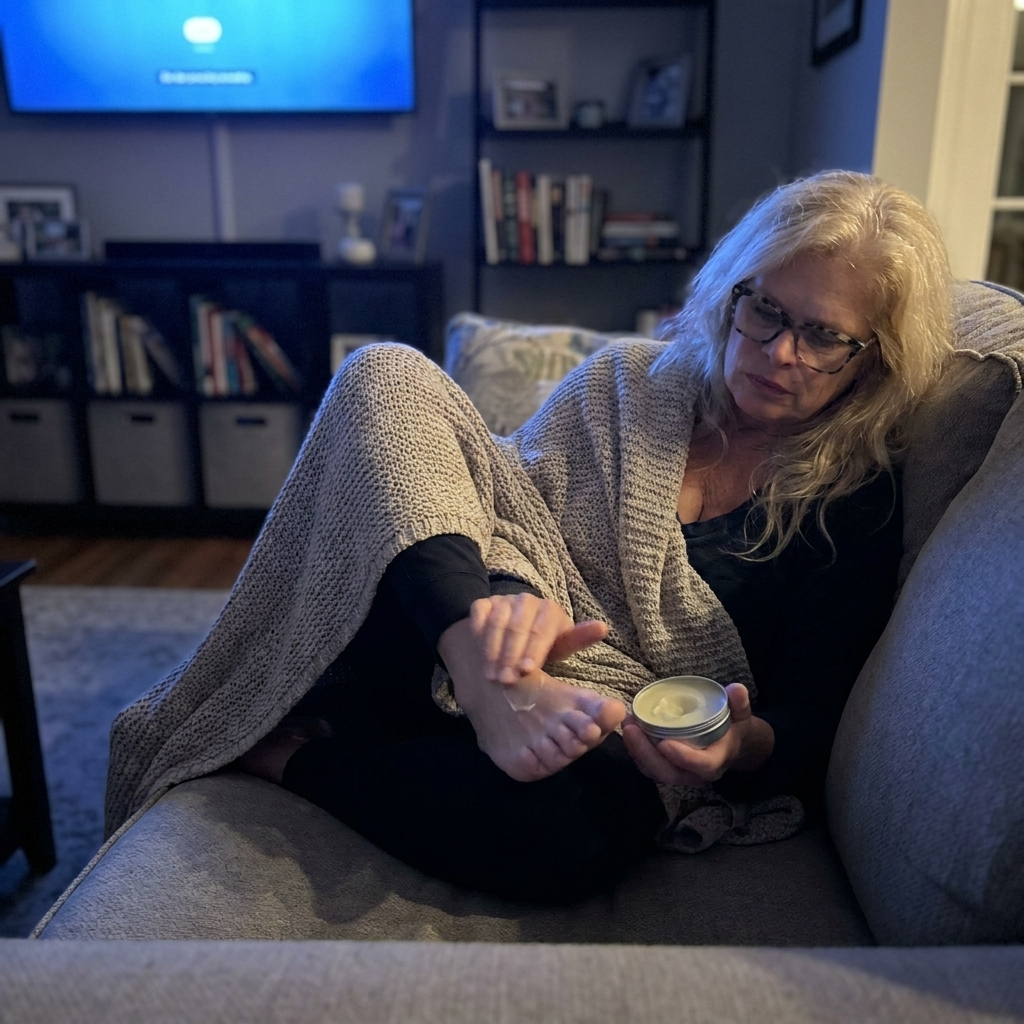
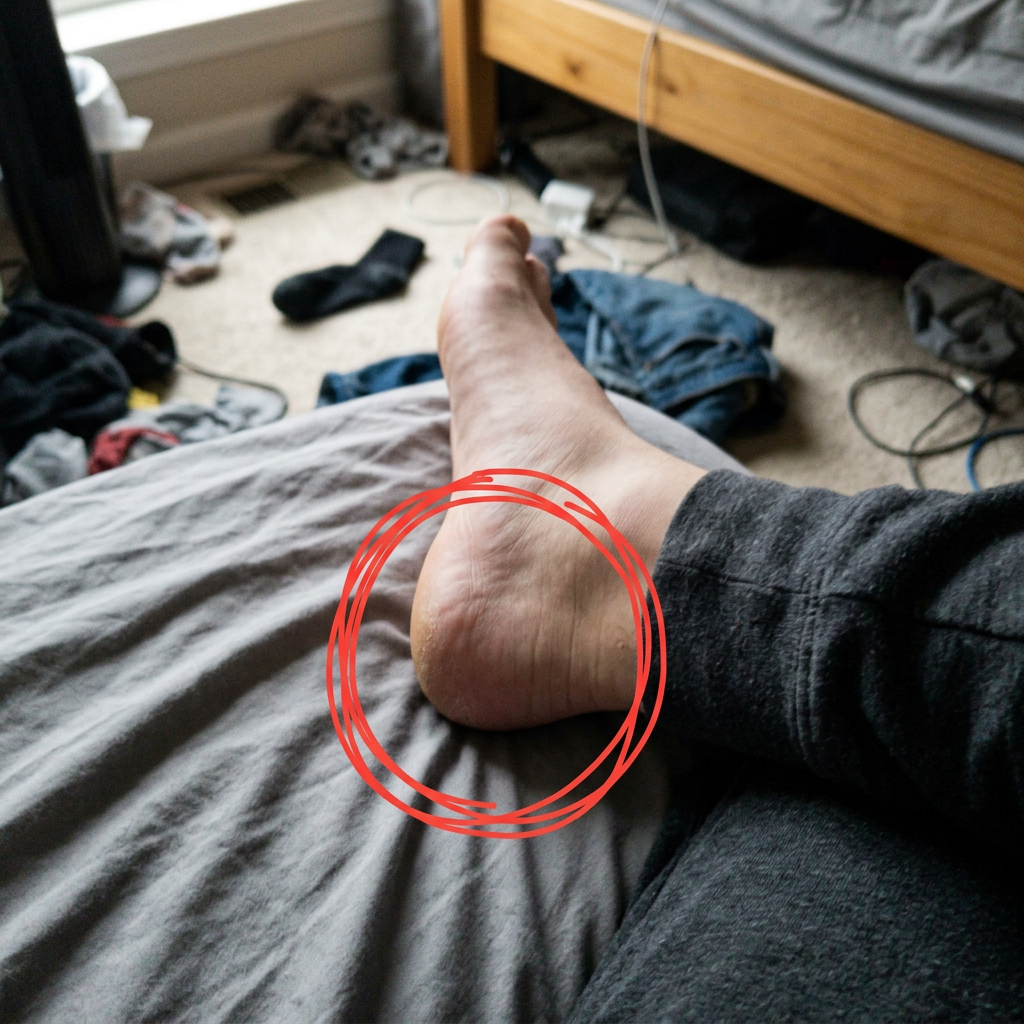
If your heel pain has been going on for more than a few months and nothing seems to fix it, there is a very specific reason for that. And once you understand it, everything comes to an end if you start changing the approach. But first, let me explain why the advice you've been getting is wrong. Not slightly off. Fundamentally wrong. Your doctor is a generalist. They treat everything from allergies to ankle sprains. From headaches to heart palpitations. They handle hundreds of different conditions across every part of the body. There is nothing wrong with that. But when someone is managing that many conditions at once, it becomes nearly impossible to develop deep expertise in any single one. So when you walk into their office and say "my heel hurts every morning," they reach for the standard playbook. Over-the-counter insoles. Maybe a night splint. Anti-inflammatory cream. If none of that works, they might refer you to a podiatrist or suggest you try physical therapy. And if that still doesn't work? Well, at that point most doctors will tell you that your options are either more aggressive treatments or learning to live with it. That is not an answer. That is a dead end. Even podiatrists, who specialize in foot and ankle care, often rely on the same conventional tools. Night splints. Orthotics. Anti-inflammatory medications. These approaches can manage symptoms for a little while. But for something as biomechanically complex as plantar fasciitis, they almost never resolve the deeper problem. Here is the part that nobody is telling you. Plantar fasciitis is not just heel inflammation. It is a structural breakdown of the most important tissue in your foot. Your plantar fascia is a thick, tough band of connective tissue that runs along the bottom of your foot. It supports your arch. It absorbs shock with every step. It holds your entire foot structure together. Without it functioning properly, your foot simply cannot work the way it is supposed to. When plantar fasciitis develops, that tissue starts getting damaged. Tiny micro-tears form along the fascia from repeated strain. In the beginning, the body responds with inflammation. Swelling. That sharp morning pain. Your body is trying to heal the damage. But here is what most treatments completely miss. After about four to six weeks, the inflammation phase is over. What replaces it is far worse. The tissue stops swelling and starts degenerating. It frays. It weakens. It begins to break down at a structural level. Think of it like a rope. When you pull a rope too hard, it starts to lose its strength. It gets soft and weak. If you keep pulling on it, it begins to fray along the edges. And if you never give it a chance to recover? Eventually it snaps. That is exactly what is happening inside your foot. Your plantar fascia is being overstretched and overworked every single day. And instead of getting the support it needs to recover, it just keeps getting worse. But the damage does not stop there. As the plantar fascia weakens, the surrounding muscles in your foot go into overdrive. They try to pick up the slack. They work harder than they were ever designed to work, trying to compensate for the failing fascia. At first, this might actually feel okay. Your foot finds a way to function. But those muscles were not built for that job. They were never meant to replace your plantar fascia. So over time, they become overworked and exhausted. They start breaking down too. This is where the real damage happens. Your foot structure begins to collapse. Not dramatically. Not all at once. But slowly, day by day, step by step. Your arch flattens. Your gait shifts. Your ankle compensates. Then your knee. Then your hip. Then your lower back. What started as heel pain has now become a whole-body problem. And you are still being told to try new insoles. This is why nothing has worked. Every treatment you have tried, every product you have bought, every appointment you have sat through, they were all focused on the symptom. The pain. The inflammation. The surface-level discomfort. But none of them addressed the actual structural breakdown happening inside your foot. None of them restored circulation to the starving tissue. And none of them gave the fascia what it actually needs to stop fraying and start rebuilding. It is like trying to fix a fraying rope by putting a cushion under it. The cushion might reduce friction for a while. But the rope is still fraying. And eventually it will snap no matter how soft the surface underneath it is. That is the insole approach. That is the night splint approach. That is the "rest and ice" approach. They cushion the symptom while the structure continues to fall apart. So what actually works? The answer is not mechanical support. The answer is circulation restoration. Your fascia is fraying because it is starving. When chronic inflammation shuts down blood flow to the tissue, the fascia stops getting oxygen. It stops getting the nutrients it needs to repair micro-tears. The tissue degenerates because it cannot rebuild itself faster than it is being damaged. Standard topical creams cannot fix this. They sit on the skin surface. They never penetrate deep enough to reach the fascia tissue. The healing compounds stay on top while the tissue continues starving underneath. What you need is a delivery system that actually reaches the fascia. That restores circulation where it has failed. That feeds the tissue so it can stop fraying and start rebuilding. I found that solution in a small company called Senzio. They created something that finally addresses the structural breakdown at its source. Senzio Miracle Balm uses a beeswax carrier system. Unlike water-based creams that evaporate before penetrating, beeswax forces compounds through skin layers directly into fascia tissue. But delivery is only half the answer. The compounds themselves had to restore circulation. Senzio contains four circulation-restoring botanicals that work together: Angelica Sinensis - Opens constricted blood vessels. Restores oxygen delivery to starved tissue. Comfrey - Triggers collagen synthesis. Rebuilds the fraying structure from the inside. Frankincense - Calms the chronic inflammation that shut down circulation in the first place. Myrrh - Activates blood flow in poorly vascularized tissue like fascia. Not surface numbing. Not pain blocking. Actual tissue regeneration. I applied it the first night before bed. By morning, something had shifted. The stabbing pain that usually hit within seconds of standing—it was quieter. Not gone. But measurably less intense. Day three: The burning that usually started by noon hadn't appeared yet. Day seven: I walked to my car without limping for the first time in eight months. Day fourteen: I pressed my heel to the floor. Full pressure. Normal sensation. The tissue was responding. This was not pain management. This was structural repair. The fascia was finally getting the circulation it needed. The fraying was slowing down. The tissue was rebuilding. Why Senzio Works Beeswax Carrier: Standard creams evaporate. Senzio uses beeswax. Pushes through skin layers into fascia tissue. Circulation-Restoring Botanicals: Angelica opens vessels. Comfrey rebuilds structure. Frankincense calms inflammation. Myrrh activates circulation. The rope was finally getting what it needed to stop fraying. Senzio offers a 60-day money-back guarantee. Try it for two full months. Experience the structural repair yourself. If you are not completely satisfied, you send one email and every cent gets refunded. Compare that to the hundreds or thousands of dollars you have already spent on treatments that did not work. Insoles that wore out. Night splints that sat in a closet. Therapy sessions that gave temporary relief at best. The only reason Senzio can make that kind of guarantee is because they have seen what circulation restoration does for fraying fascia. Over and over again. Your doctor is a generalist. They are not trained to understand the structural breakdown happening in your fascia. They are trained to manage symptoms with the tools they have. But you do not need symptom management anymore. You need circulation restoration. You need the fraying to stop. You need the tissue to rebuild. Senzio addresses the structural breakdown at its source. Stop cushioning a fraying rope. Start feeding the tissue that is starving. Your fascia has been breaking down long enough. P.S. - The 60-day guarantee means there is no risk. I wish I had known about this before wasting eight months on treatments that could not reach my fascia. Right now they are offering 50% off. Do not wait until the rope snaps completely.
Heel Pain Won’t Stop Until Fascia Rebuilds
Senzio Miracle Balm™ is a concentrated topical formula made with potent Asian medicinal herbs like Comfrey, Frankincense, Myrrh, Angelica Sinensis, and Radix Angelicae Dahuricae — designed to help calm inflammation, soothe heel and arch discomfort, and support healthy circulation right where pla...
SHOP NOWLike this ad? Make it yours.
Crush rebuilds this exact creative around your product — your brand, your colors, your offer — in about a minute.