Age Spot Reset
Age Spot Reset Facebook ad: “Read If You've Tried Everything For Your Age Spots”
Ran for 8 days, from July 11 to July 19, 2026, the last day Crush saw it.
Run by Age Spot Reset on Facebook. Crush is not the advertiser and does not verify its claims. See this ad in Meta's Ad Library(opens in a new tab)
Want an ad like this for your product?
Crush makes new ad images for your product from this ad: your logo, your product photo, your offer.
Trials from $19.95 USD, then $79.95 USD a month. Cancel anytime.
About this ad
- Meta Ad Library ID
- 27314535608197049
- Platforms
- Facebook, Instagram, Audience Network, Messenger and Threads
- Relaunches
- 0
Ad text
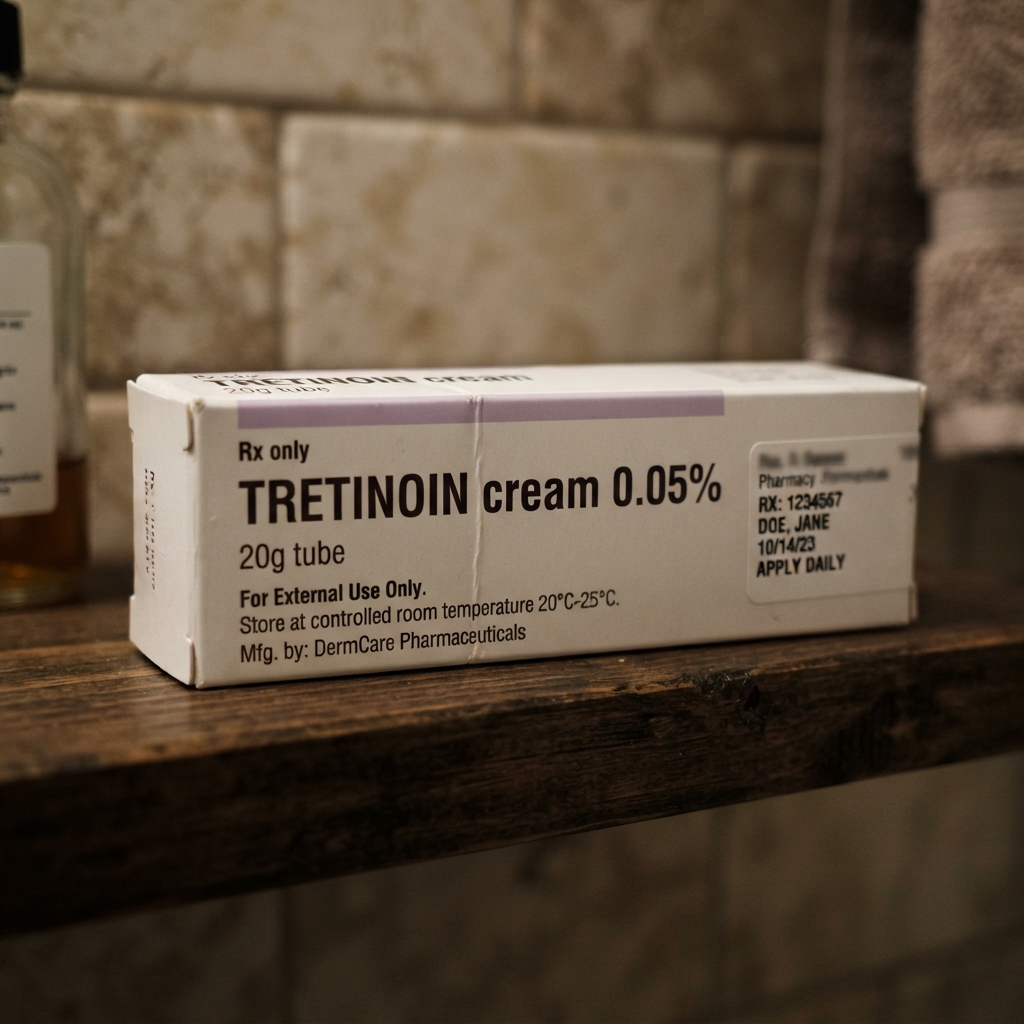
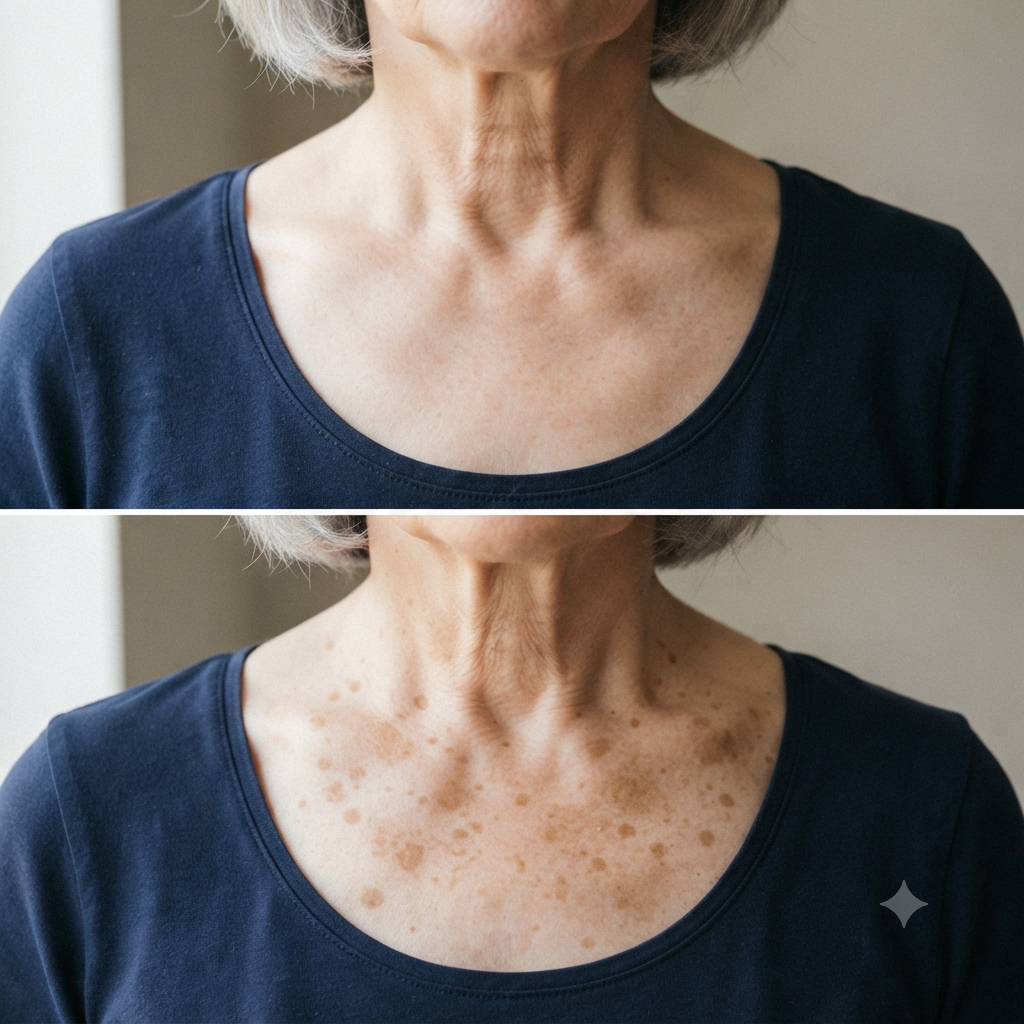
Chronic age spots have four stages. The first three are reversible without laser procedures. Most American doctors won't tell you that, because they're only trained to manage stage four. I've been a dermatologist for 22 years. The first 20, I practiced in Zurich. I moved to the United States two years ago. And in my first three months here, I saw something I couldn't stop thinking about. Women in their 40s, 50s, and 60s sitting in my office. Severe age spots. Hands covered. Forearms mapped with age spots. Spots spreading to the décolleté. Every one of them said the same thing. "My dermatologist has been managing it for years." In Switzerland, we don't manage age spots with surface treatments indefinitely. We treat the cause. Because by the time it's severe enough to require laser or chemical peels, something has already been failing structurally for years. Here's what no one has told you about where age spots actually lead. Your skin is regulated by a pigmentation control system — a balance between the UV-triggered signaling that activates pigment production and the mechanisms that shut that signaling back down. This control system is governed by an enzyme called tyrosinase, the oxidative stress cascade it responds to, and the cellular repair tone that keeps the whole system calm. When chronic oxidative signaling runs unchecked for months or years, it degrades this control system. The lipid barrier thins. Cells lose their ability to repair UV damage. The system loses its ability to regulate pigment production. That is stage one. Most people don't even notice stage one. A few new spots appear after summer. Maybe a little more unevenness than last year. Nothing alarming. Your dermatologist says "use a higher SPF." You start applying a brightening moisturizer. It seems manageable. But the oxidative signaling underneath isn't manageable. It's progressing. Silently. Every month. This is the moment most American dermatologists prescribe hydroquinone or tretinoin twice daily. I understand why. The spots are getting darker. The cream lightens the surface. The patient feels like something is being done. But these creams suppress the pigmentation visible on the skin. They lighten what's sitting on the surface. For about a few weeks. They do not touch the chronic oxidative signaling degrading the control system underneath. The barrier breakdown is still progressing — in the tissue, in the cellular repair system, in the skin's ability to regulate UV trigger response. I have seen three years of "managing" with topical creams followed by spots spreading from one hand to both arms. Because nothing changed structurally. The cream was lightening the surface of a fire while the fuel line kept pumping. Stage two is what happens underneath while the surface looks managed. The control system doesn't just regulate pigment. It protects the skin tissue itself. When the system degrades past a certain point, the excess oxidative signaling begins damaging the deeper layers. Building new pigment deposits in the dermis. Creating fixed, persistent spots that no longer respond to surface treatment. Visible patches that sit on your hands and arms for years. That's the locked layer. The fixed pigmentation no cream reaches. The deposits that no topical penetrates. It bonds at the tissue level — deeper than hydroquinone, kojic acid, or vitamin C serums can get. This is when new spots appear faster than old ones fade. Then the patches begin merging. And the texture changes begin. Because at this point, the control system has lost its threshold. Triggers that used to be invisible — a day at the beach, gardening without gloves, mild sun through a car window — now fire the cascade. The damaged barrier can't regulate. The locked pigmentation sits heavy. And every sun exposure adds to the next. Stage three: the days take over. You stop wearing short sleeves. You stack on tinted moisturizer. Then color corrector. Then full coverage foundation on your hands. Then you move events indoors because even full coverage can't hide a fresh flare. Your partner stops asking for beach photos because they upset you. The exhaustion from never actually showing up steals your days — anxiety, social withdrawal, cancelled plans, declined invitations. This isn't just about spots anymore. It's about your social life being destroyed. Your confidence being drained. Your relationships being strained. Your life shrinking around a condition nobody is fixing. And here's what's happening underneath during stage three: the oxidative signaling is accelerating. The barrier degradation is compounding. Every month without repair makes the next month harder to reverse. Stage four: the procedure escalation. Your dermatologist recommends chemical peels. Then laser sessions. Then IPL treatments every six months for life. The peels suppress the surface pigmentation temporarily. A few weeks of lighter skin. Then the spots come roaring back — often darker. Because the system was never repaired during the suppression. Meanwhile, the procedures bring skin sensitivity. Post-inflammatory hyperpigmentation. Recovery periods. The lasers cost $400 to $600 a session and require maintenance forever — because the underlying mechanism driving the pigmentation never stopped. And eventually — for some patients — permanent uneven texture, persistent spots that no longer respond to anything, and the moment your dermatologist says "we've run out of options." I am not describing a worst-case scenario. I am describing what I watch happen, step by step, in patients who were told for years to keep applying their cream and wearing their SPF. Your age spots are not a pigmentation problem. They are a system-level oxidative loop that starts with mild sun damage and progresses to barrier failure, locked-in deep pigmentation, accelerating new spots, and eventually procedure dependency with side effects that damage your skin's tolerance and your independence. No amount of cream repairs the structural pigmentation control system. Peels suppress temporarily. Lasers address visible symptoms. None of them stop the degradation. Published research in European dermatology journals has confirmed that chronic systemic oxidative signaling — driven by lipid barrier breakdown, the tyrosinase cascade, and estrogen collapse at perimenopause — drives persistent age spots in patients with otherwise healthy skin. In Switzerland, we addressed this with systemic loop interruption — cold-pressed oil-soluble vitamin C to neutralize the oxidative stress driving the pigmentation cascade and reach the dermis where water-based serums cannot penetrate, and bakuchiol from cold-pressed botanical sources to support cellular repair and the hormonal skin-renewal tone lost at 45+. Both delivered through the lipid barrier. To the pigmentation signal. From the inside. Published studies showed significant improvement in skin clarity, spot fading, and pigmentation regulation — independent of surface treatment. Your serum doesn't determine this outcome. Your pigmentation control system does. Here's where the stages matter for YOU right now: If you're in stage one — a few new spots after summer, occasional reactivity, your brightening moisturizer seems to help sometimes — your control system is just beginning to degrade. The oxidative signaling is early. Repair is fastest here. Most women see improvement within weeks because the regulatory system is still highly responsive. If you're in stage two — new spots appearing faster than old ones fade, locked pigmentation forming, the cream wearing off faster — the degradation is progressing. The deep pigmentation is building. Repair takes longer but is still very achievable. Most women experience the fading phase around day 14-21 as the oxidative cascade winds down. If you're in stage three — spots on both arms, hands, and décolleté, full coverage every morning, social withdrawal destroying your life — the system is significantly degraded. But it's still responsive. The control mechanisms can still regenerate when given the right compounds. This is the critical window. Every month you wait makes stage four more likely. If you're at stage four — your dermatologist is pushing laser maintenance and chemical peels every few months — the system damage is severe. Repair is still possible but takes longer and requires consistent daily support. The most important thing is to stop the degradation from crossing the threshold where the system loses its ability to rebuild entirely. The oil I recommend to my own patients is Dermiqua. Cold-pressed botanical oil. Oil-soluble vitamin C combined with bakuchiol and sea buckthorn standardized for potency, verified on the label. Camellia oil for deep absorption through all 7 skin layers. Applied morning and evening. $44.95 a bottle. 90-day money-back guarantee. If the spots don't change, every penny back. I have no financial relationship with this company. I recommend it because the mechanism is sound, the research supports it, and I've seen it work. Your pigmentation control system is failing first because chronic oxidative signaling is degrading the regulatory mechanisms and your body can't repair them while the cascade runs unchecked. Your skin tone is next. Your confidence. Your relationships. Your independence. You just can't see the system damage yet. But you can feel it. Every morning in the mirror.
Where the ad sends people
dermiqua.com
Read If You've Tried Everything For Your Age Spots ☝️
Dermiqua
Learn more: dermiqua.com(opens in a new tab)