
Inactive· since Jul 1, 2026
- 17
- days it ran
- 0
- relaunches
Ad copy
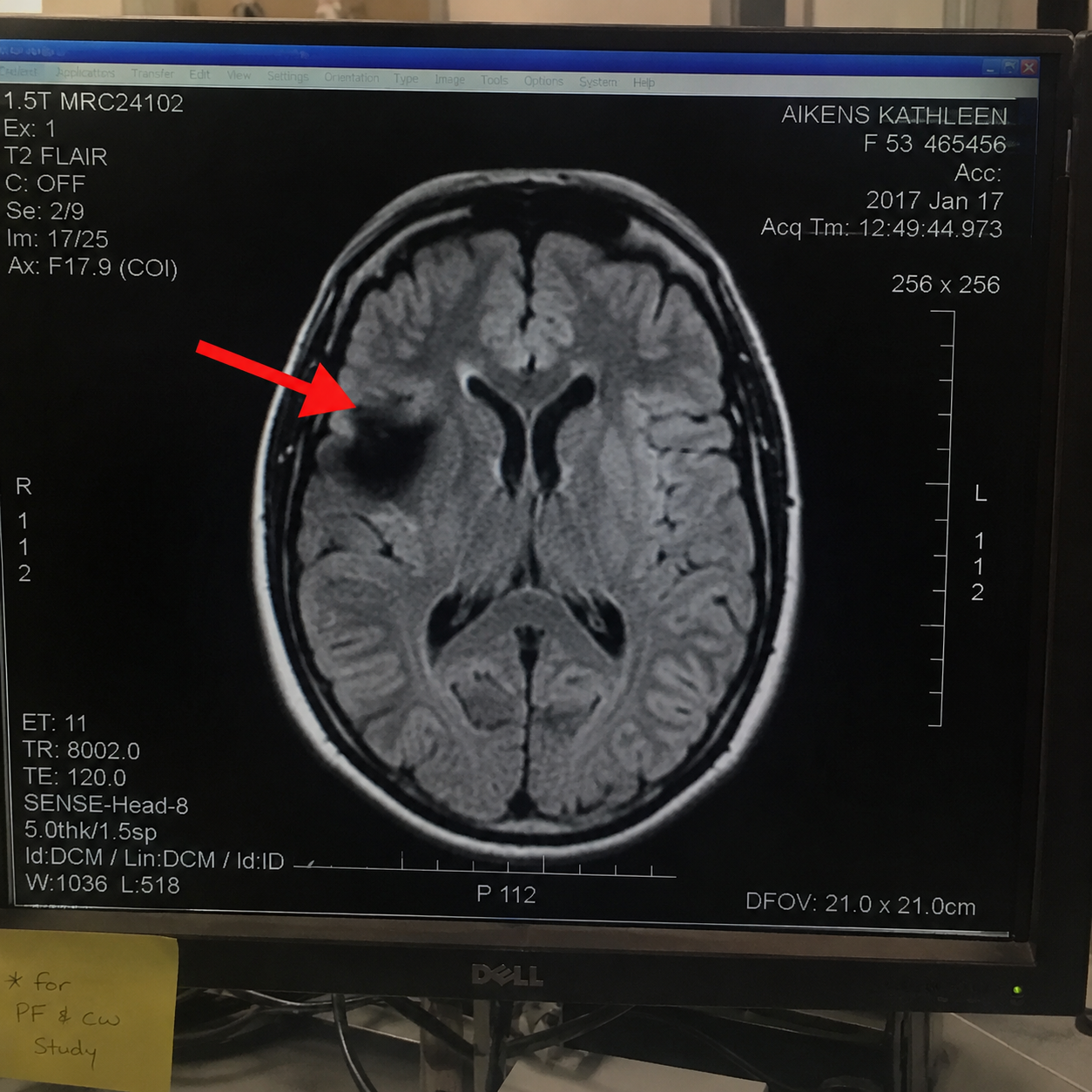
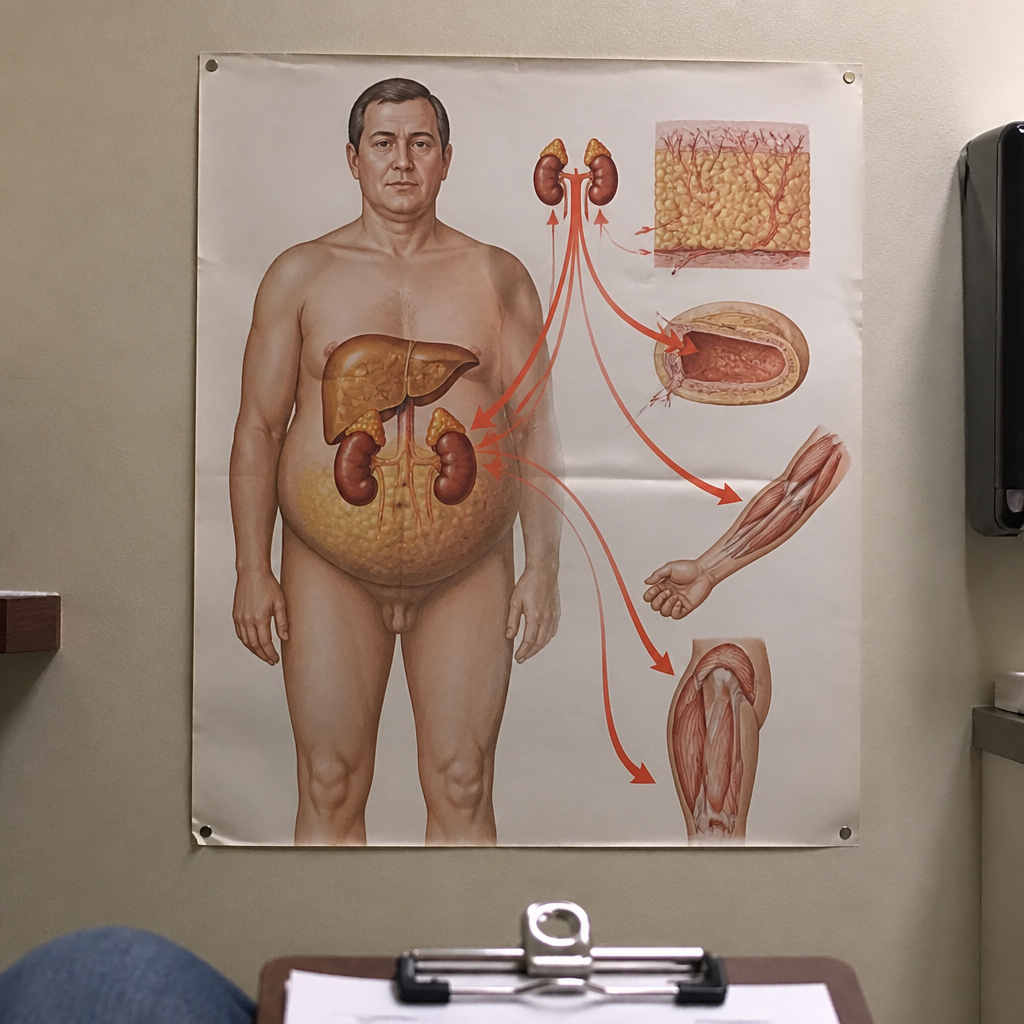
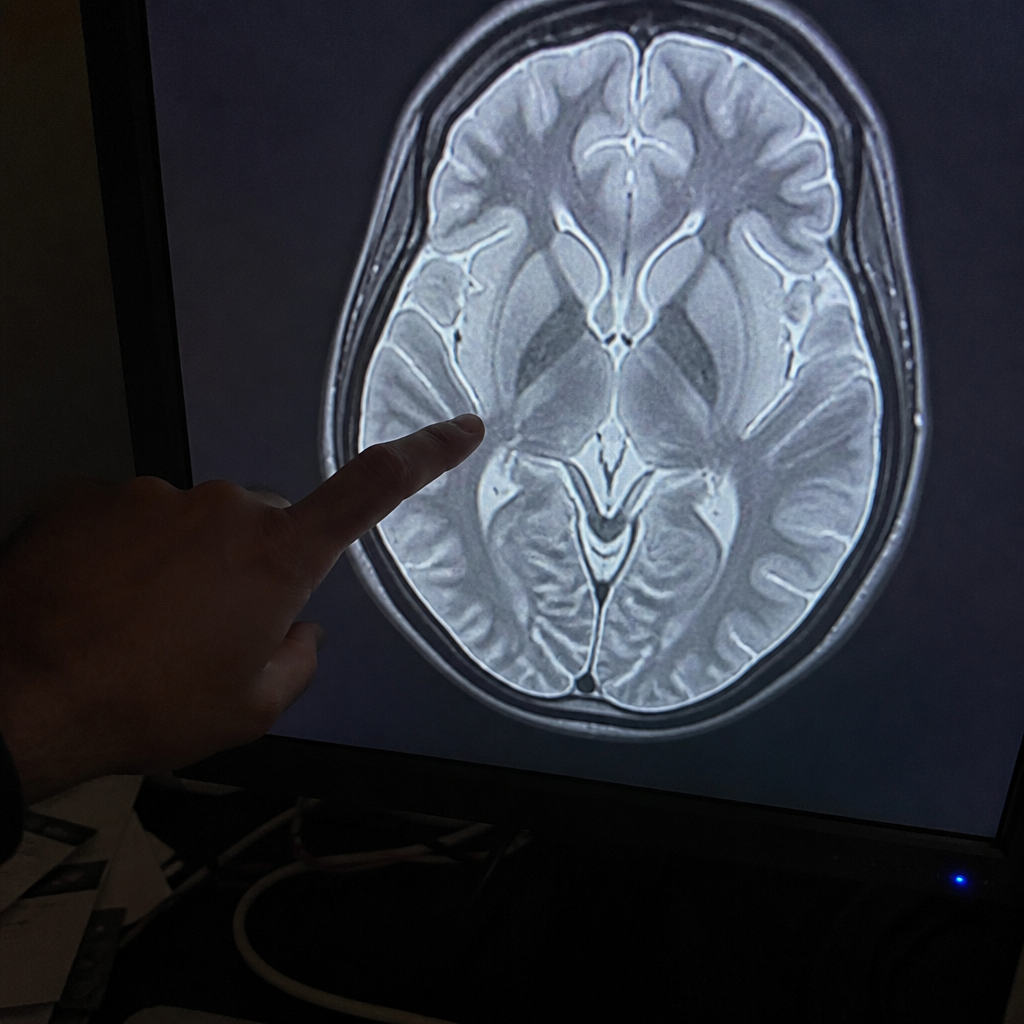
Dealing with poor sleep costs about $5,000 a year. And the medical system is perfectly happy to keep you paying. I know, because I watched it happen to my own father. They let his brain deteriorate for almost a decade, prescribing useless sleeping pills and cheap melatonin gummies that could not address what was actually keeping him awake. And by the end of this, you're going to be furious when you realize what they aren't telling you about your own sleep. So let me tell you what happened with my father, because his story is gonna open your eyes to how messed up this really is. For 8 YEARS, and I mean almost a full decade, my father wasted away right in front of us. It started with the 3am wake-ups. He'd snap awake at 2:47, lie there until dawn, then drag himself to the kitchen in the dark to make coffee. My mom would find him at the table at 5am, staring at the window like he was waiting for someone. His doctor said it was "just part of getting older." Said he should "try sleep hygiene" and "cut out caffeine." So he did. He bought blackout curtains. Cut out coffee after noon. Even started drinking that chalky chamomile tea my sister bought him from Whole Foods. His sleep? Got worse. He started taking melatonin. 3mg. Then 5mg. Then 10mg. Then "extra strength." $25 a bottle. His doctor kept saying "you need to be consistent" like he wasn't trying. The sleep deprivation got so bad he was lucky to get 2 hours a day. And you know what the doctors said when we told them he was still getting worse? "That's normal for his age." "He needs to keep doing the routine." "We can switch him to a different sleeping pill." So they switched his prescription. Now he was groggy for days after every dose. Could barely string a sentence together the morning after. He felt like he was going crazy. And his sleep was STILL getting worse. He'd lie in bed for 10 hours and still wake up exhausted. Couldn't follow the plot of a TV show. Lost interest in the things he used to love. Just... existing. Sitting in his chair. Going through the motions. My mom said it was like watching the man she married slowly disappear. They had him doing the same things for EIGHT YEARS. Eight years of pills that weren't working. Eight years of sleep hygiene that made no difference. Eight years of doctor appointments where they'd adjust the dose or switch the brand but never once did anyone say "Hey, maybe we should look at what's actually keeping his nervous system running at night instead of just telling him to take more melatonin." And then one morning, my mom called me. Her voice was shaking. "Your father got lost driving home from the grocery store. He couldn't remember the way." Six weeks later, the diagnosis came back. The man who built our back deck with his bare hands. The man who carried me on his shoulders at football games. The man who taught me to change a tire in the rain. Sitting in a memory care facility with an activities calendar and nurses checking on him twice a day. My sister and I would visit on Sundays. Stay for an hour. Make small talk. Leave feeling gutted. He died 14 months later. I will never forgive myself for not knowing then what I know now. So fast forward to three years ago. I'm 68 years old. I get into bed one night and stare at the ceiling until 1am. Wake up at 3:30. Lie there until dawn. I get up to make coffee and halfway through pouring it, my hand starts shaking so bad it slops onto the counter. And I stop dead. Because I've seen this before. Over the next few months, it gets worse. I can't fall asleep before midnight. I'm up every two hours to pee. I can't read a book in the evening without falling asleep on the page, then waking at 11pm wide awake for the night. I can feel my head getting foggier. My grip is so weak from the fatigue I can barely twist a screwdriver. One morning, I'm coming downstairs after another four-hour night. I miss the bottom step because my eyes won't focus. Almost slam into the wall. That night, I hear my wife on the phone with our daughter. "I'm worried about your father. He forgot the word for 'remote' last night." I felt my chest tighten. Because I knew EXACTLY what comes next. I'd watched my father go through this. The fog. The forgetting. The slow, humiliating slide from sharp man to someone people make decisions for. The evaluations. The "memory care." The nurses. And I made a decision right there. I am NOT letting this dictate my life. I'm not following my father's path. There has to be another way. So I did what they told me to do. I doubled down on sleep hygiene. Blackout curtains, 66°F bedroom, no screens after 8pm, same bedtime every night. More discipline than I'd ever had about sleep in my life. I took melatonin. Magnesium. Valerian. L-theanine. Ashwagandha. 5-HTP. I started walking every morning. 30 minutes, rain or shine. Three months later? My nights were worse than ever. I was groggy for hours after every sleeping pill. And I was still wide awake at 3am staring at the clock. My doctor says: "These things take time. Keep doing the routine. Keep taking the melatonin. It'll pass." I looked at her and I felt rage building in my chest. Because I'd DONE everything she told me to do. And I was getting 2 hours a night. And now the only answer they have is the exact same advice that failed my father for eight years? So I went down a rabbit hole. I started researching everything about sleep after 60. What's actually happening at a hormonal level. Why some men sleep through the night and others don't, regardless of what they take. What actually controls the nervous system's ability to power down. And then I stumbled across a research paper from an endocrinologist studying age-related sleep decline. It stopped me cold. It wasn't about melatonin deficiency. It wasn't about screen time or sleep hygiene. It was about cortisol rhythm dysregulation. And why the stress hormone that's supposed to fall at night stops following its natural pattern as you age — keeping your nervous system running through what should be recovery hours. The Real Reason His Brain Wouldn't Switch Off Here's what I learned: Cortisol is your body's primary stress hormone. In a healthy body, it follows a precise rhythm. It rises in the morning — giving you energy and alertness. And then it falls steadily through the day until it reaches its lowest point at night, allowing your nervous system to finally power down and your body to do the cellular repair that sleep is designed for. That fall is the off-switch. The hormonal signal your brain needs to drop from alertness into deep sleep. When you're younger, that rhythm works automatically. You don't think about it. You just get tired at the right time. You fall asleep. You stay asleep. Your brain does what it's supposed to do overnight. But after decades of chronic stress, and with the natural loss of HPA axis self-regulation that comes with age, cortisol stops falling the way it's supposed to. It stays elevated at night. Your nervous system stays in low-grade fight-or-flight through what should be recovery hours. Cortisol surges at 3am — when it should be at its absolute lowest. Your brain snaps awake. Thoughts start running. You lie there exhausted and wired simultaneously, because your body is still running a stress hormone that should have dropped hours ago. And no amount of melatonin or sleeping pills fixes the root problem. Because melatonin can't override elevated cortisol. The stress hormone wins every time. You add more sleep aid. The cortisol overrides it. You wake up at 3am anyway. You add more melatonin. The cortisol still wins. Your doctor says "be consistent." The cortisol doesn't care about consistency. That's not a melatonin problem. That's not a discipline problem. That's a cortisol rhythm that stopped following the pattern your sleep depends on. And here's the part that made my blood boil: The medical system KNOWS about cortisol rhythm dysregulation. They know it's the reason men over 60 can't sleep no matter what they take. The relationship between HPA axis dysregulation and sleep architecture has been documented in endocrinology research for decades. But there's no money in explaining the cortisol rhythm to you. You can't bill insurance for a 30-second explanation of why melatonin can't win against elevated cortisol. There's no money in telling you that your stress hormone isn't falling at night and here's the complete formula to restore it. There IS money in Ambien at $15 a refill. There IS money in monthly melatonin subscriptions. There IS money in the memory care facilities that charge $4,500 a month when your brain finally gives out from years of cortisol running through the night instead of repairing. There IS money in keeping you coming back, month after month, for prescriptions that don't address the actual problem. See how that works? So I kept digging. Reading clinical studies. Research papers. Talking to people in online forums who'd actually managed to sleep through the night again after 60. And I found that the research kept pointing to the same thing: a complete cortisol reset formula — not one ingredient, the full sequence of compounds that address the HPA axis from multiple directions simultaneously. Because the rhythm doesn't break for one reason, and it doesn't restore for one reason either. Two compounds kept appearing at the center of the research. The first was Magnesium Bisglycinate — not generic magnesium oxide, the most bioavailable form studied specifically for its role in GABA production at night. GABA is the neurotransmitter that tells the nervous system to stand down. Without sufficient magnesium, the body can't generate that signal no matter how tired it is. As magnesium restores GABA production, the nighttime cortisol elevation that's been keeping the nervous system running starts to fall. The off-switch starts working again. The second was PharmaGABA® — not synthetic GABA, the clinically validated naturally fermented form that measurably crosses into the brain. This is the compound that specifically blunts the nighttime cortisol spike. The spike responsible for the 3AM wake-up. The one that fires at exactly the moment cortisol should be at its lowest. This is the piece that closes the door — not just turning down the lights, actually stopping the spike that's been ending sleep every night for years. And this is the compound almost every sleep supplement is missing. When you combine them — along with L-Theanine to quiet the background neural activation, and Apigenin to extend and hold the deep sleep window open — the cortisol rhythm can finally begin to restore. The off-switch starts working. The 3AM spike gets blunted. The nervous system powers down the way it was always supposed to. Study after study was showing that these compounds — at clinical doses, combined as a complete system — were helping older adults fall asleep and stay asleep again. Not tiny improvements. Real, meaningful, measurable differences. But you'll never hear your doctor mention them. So I started looking for a complete cortisol reset formula at clinical doses. And here's where I hit a wall. Most sleep supplements for older men are garbage. They're just cheap melatonin and chamomile dressed up in a different bottle, with token amounts of real ingredients sprinkled in for the label. Some throw in cheap magnesium oxide that barely absorbs — not Magnesium Bisglycinate, not the bioavailable form — just enough to put it on the label, not enough to actually restore a cortisol rhythm that's been breaking down for years. And almost none of them include PharmaGABA® — the exact compound that addresses the nighttime spike doing the most damage. I bought three different "senior sleep" products. I took them religiously for six weeks. My nights? Still up at 3am. Still staring at the ceiling. I was about to give up and just accept it. Refill the Ambien. Start looking at single-story houses. But then I found a forum thread where someone mentioned their father had gone from four hours of broken sleep to eight unbroken hours using a complete cortisol reset formula that was actually designed to restore the rhythm — not just sedate the brain. Not melatonin. Not sedatives. Something completely different. The formula was Night Recovery. So I went to their website, ready to be disappointed like I had been with every other supplement I'd tried. And I almost fell out of my chair. They had the exact compounds the research pointed to — Magnesium Bisglycinate and PharmaGABA® — at the actual clinical doses. Not sprinkled in as window dressing. The real doses used in the studies I'd been reading. Combined with L-Theanine and Apigenin — the complete sequence. Not just repackaged melatonin for older men. A formula specifically built around restoring the cortisol rhythm so the nervous system can actually power down at night. They offer a 30-day money back guarantee. If you don't notice a difference, just reach out and they'll refund you. No questions asked. So I ordered it. And I'm not gonna lie, I was skeptical as hell. I'd been burned by supplements before. Three different brands that did nothing. But I figured one more month. And with the 30-day guarantee, what did I have to lose? I started taking two capsules every evening, about an hour before bed. First night? Something shifted. Not drowsiness. The mental noise just... quieted. The thoughts that were cranking the moment my head hit the pillow — the bills, the news, my back — they were still there, but they weren't gripping. I fell asleep within 20 minutes instead of staring at the ceiling. Now I'm paying attention. Day 7? I slept through to 5:30am. Not perfectly. But I didn't snap awake at 3. I lay there in the dark and just listened to the silence for a second. Because that hadn't happened in over a year. Day 14? Six and a half hours, unbroken. I got out of bed and didn't reach for the coffee before my feet were on the floor. Day 30? My grandson had a baseball tournament three hours away. I drove there. I drove back. At night. Stayed awake through the whole thing. Tracked every pitch. Told the kid what I saw. Day 60? Took my wife out to dinner at 8pm on a Saturday and was the last one talking. She looked at me across the table and said, "There you are." I didn't know what to say to that. When we got home, she shook her head. "Two months ago you were falling asleep in your dinner," she said. "Tonight you closed the restaurant." I've been taking Night Recovery for 8 months now. My nights? Seven, eight hours. Unbroken. I don't think about the clock anymore. I just sleep. I wake up rested. I remember names. I follow conversations all the way through. And most importantly? I'm NOT in a memory ward. I'm NOT shuffling around a facility with a name tag and a nurse checking on me twice a day. I'm NOT sitting there while my kids visit out of obligation, wondering if I still know who they are. I broke the pattern. Because the second your cortisol rhythm restores and your nervous system finally gets the signal to power down at night, your brain starts repairing the way it's supposed to. You don't need their endless prescriptions anymore. You don't need their overpriced senior sleep gummies. Your brain gets the recovery it's been denied for years. Now here's the thing I need you to understand: The longer you wait, the more damage poor sleep does to your brain. And that damage becomes HARDER TO REVERSE the longer it goes on. A study of 6,000 older adults found poor sleep is linked to nearly 12% of all cognitive disease cases. Right now, if you're dealing with broken sleep, 3am wake-ups, brain fog, forgetting words — you can still turn this around. But if you wait six months? A year? The damage gets more severe. The cortisol keeps running at night. The repair keeps not happening. And the gap between where you are and where you want to be gets wider. So if you're dealing with ANY of this: lying awake until 1am even though you're exhausted, snapping awake at 3am with your mind cranking, tried melatonin and sleeping pills and nothing's working, scared to death of ending up like your father, hearing your wife have those phone conversations with your kids, feeling like you're losing control of your own brain — this is literally the time. Not in three months when you're sitting in a doctor's office hearing the word "evaluated." Right now. I put the link below. And honestly? Even if you're skeptical like I was, grab a bottle. Try it for 30 days — and if you don't sleep better, they'll give you a full refund. Two capsules an hour before bed. See if your nights respond the way mine did. Because the medical system isn't coming to save you. They'll tell you to take melatonin and practice sleep hygiene until you're too foggy to live alone, and then they'll profit from your care for the rest of your life. You have to save yourself. Go get it. And use the sleep you get back to keep your mind, keep your memory, and stay in control of your own damn life. https://www.drinkharmonia.com/sleep
My father got lost coming home.
Discover Harmonia—the smart cortisol cocktail that lowers stress, balances hormones, improves sleep, and boosts energy. Vegetarian, natural & USA-made.
SEE DETAILSLike this ad? Make it yours.
Crush rebuilds this exact creative around your product — your brand, your colors, your offer — in about a minute.