The Product Journal
The Product Journal Facebook ad: “Black women dealing with menopause. please read this”
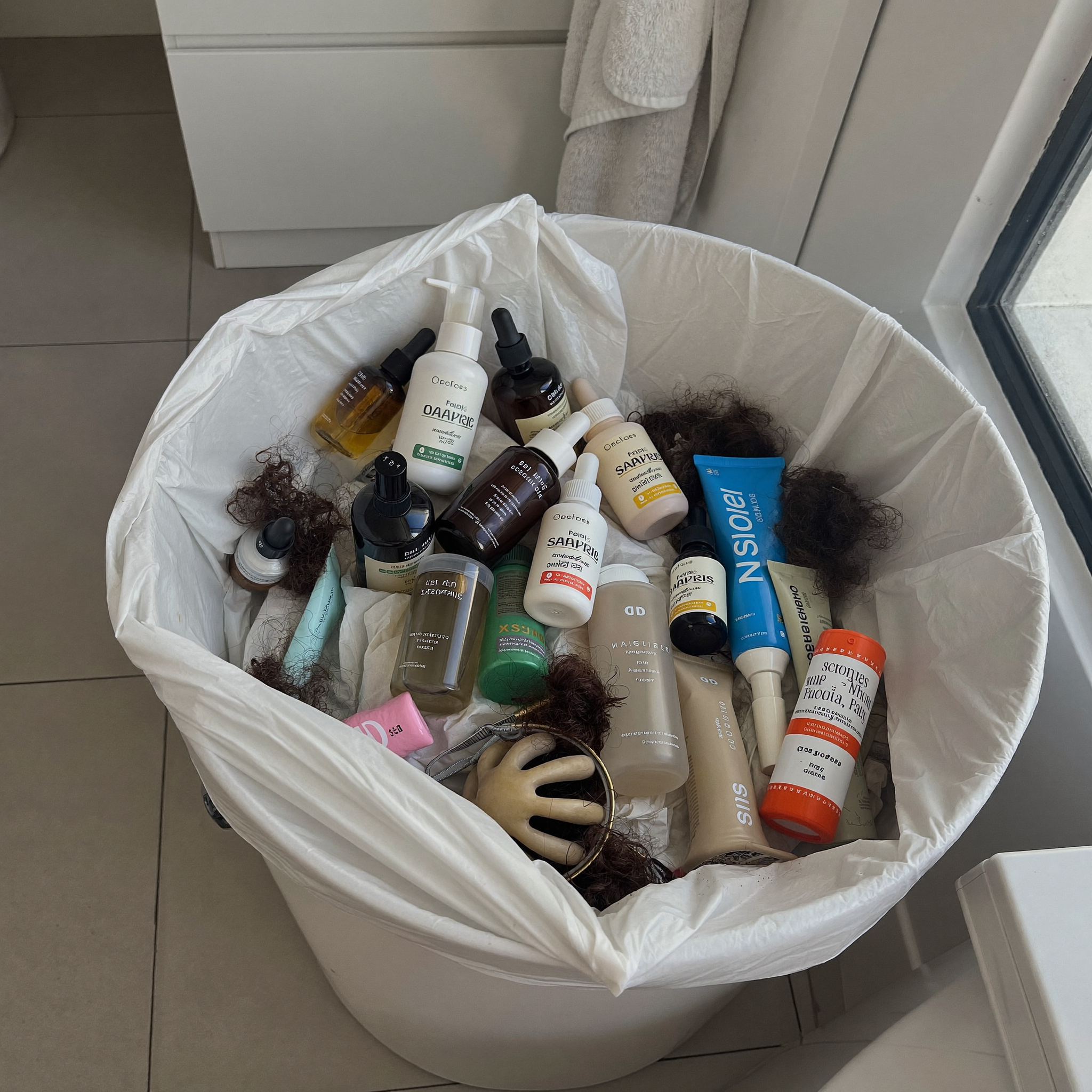
Ran for 1 day, from July 12 to July 13, 2026, the last day Crush saw it.
Run by The Product Journal on Facebook. Crush is not the advertiser and does not verify its claims. See this ad in Meta's Ad Library(opens in a new tab)
Want an ad like this for your product?
Crush makes new ad images for your product from this ad: your logo, your product photo, your offer.
Trials from $19.95 USD, then $79.95 USD a month. Cancel anytime.
About this ad
- Meta Ad Library ID
- 27916049218085052
- Platforms
- Facebook, Instagram, Audience Network, Messenger and Threads
- Relaunches
- 0
- Niche
- Hair Care
Ad text
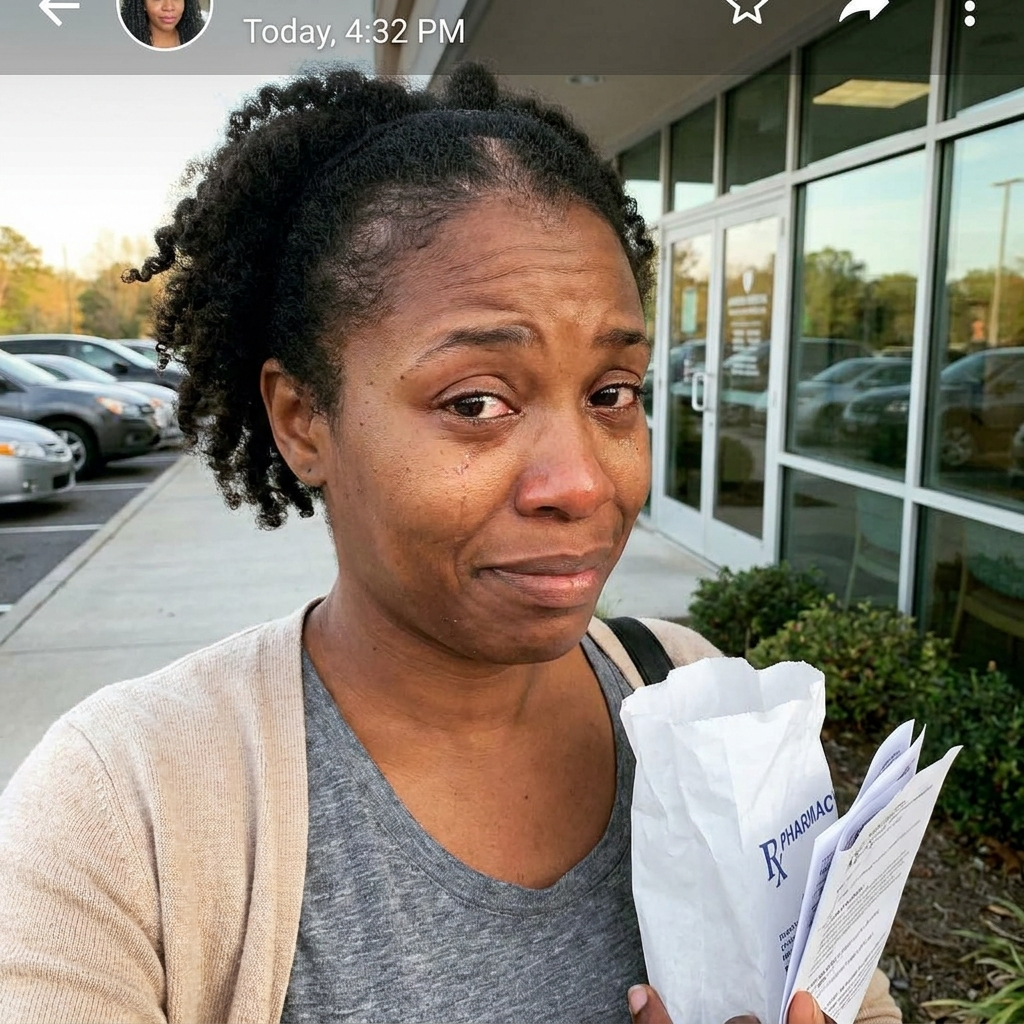
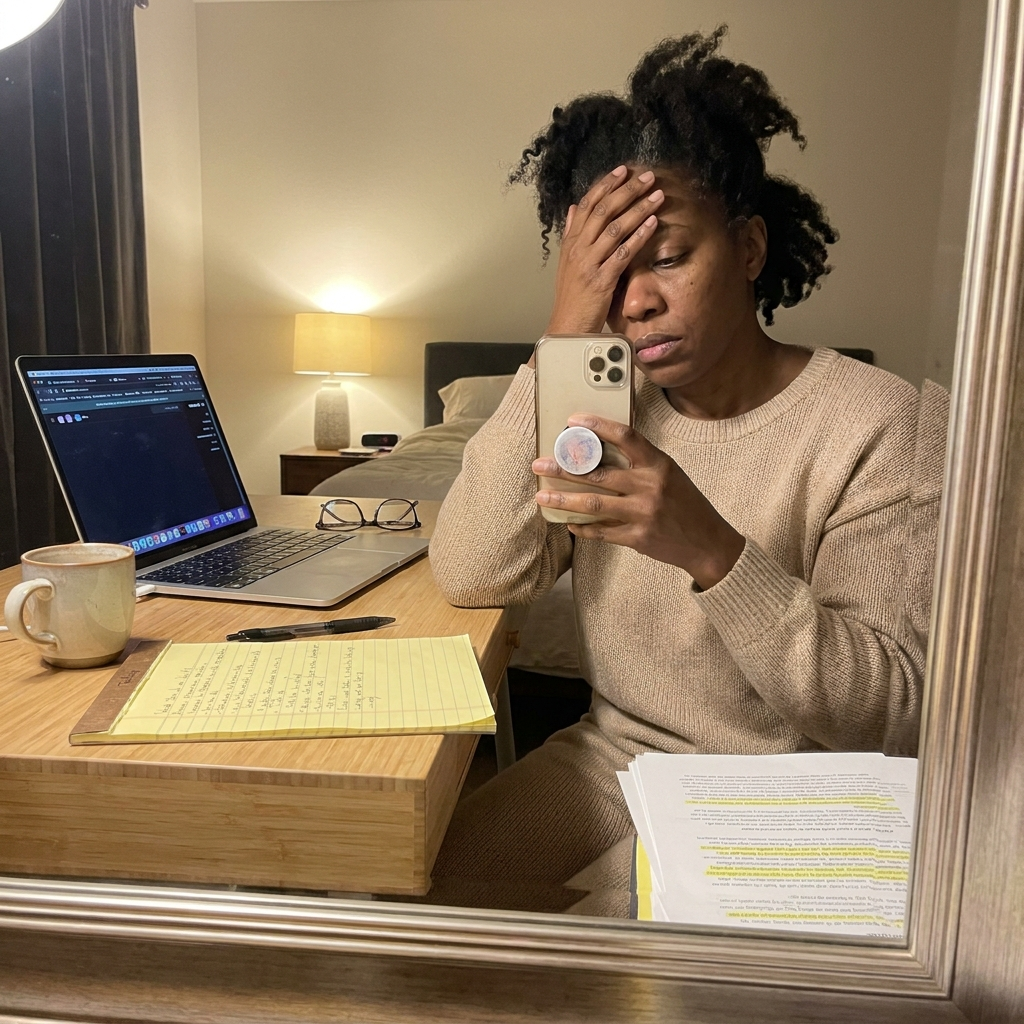
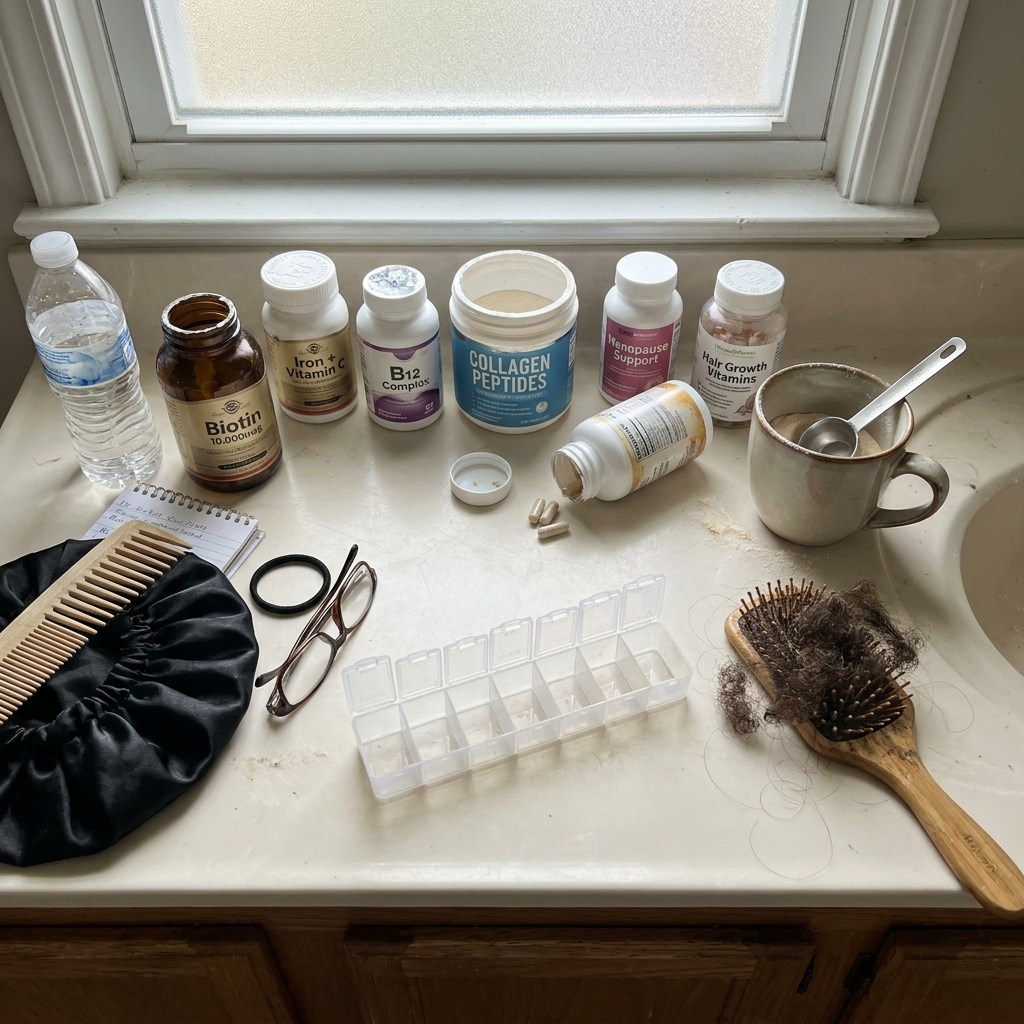
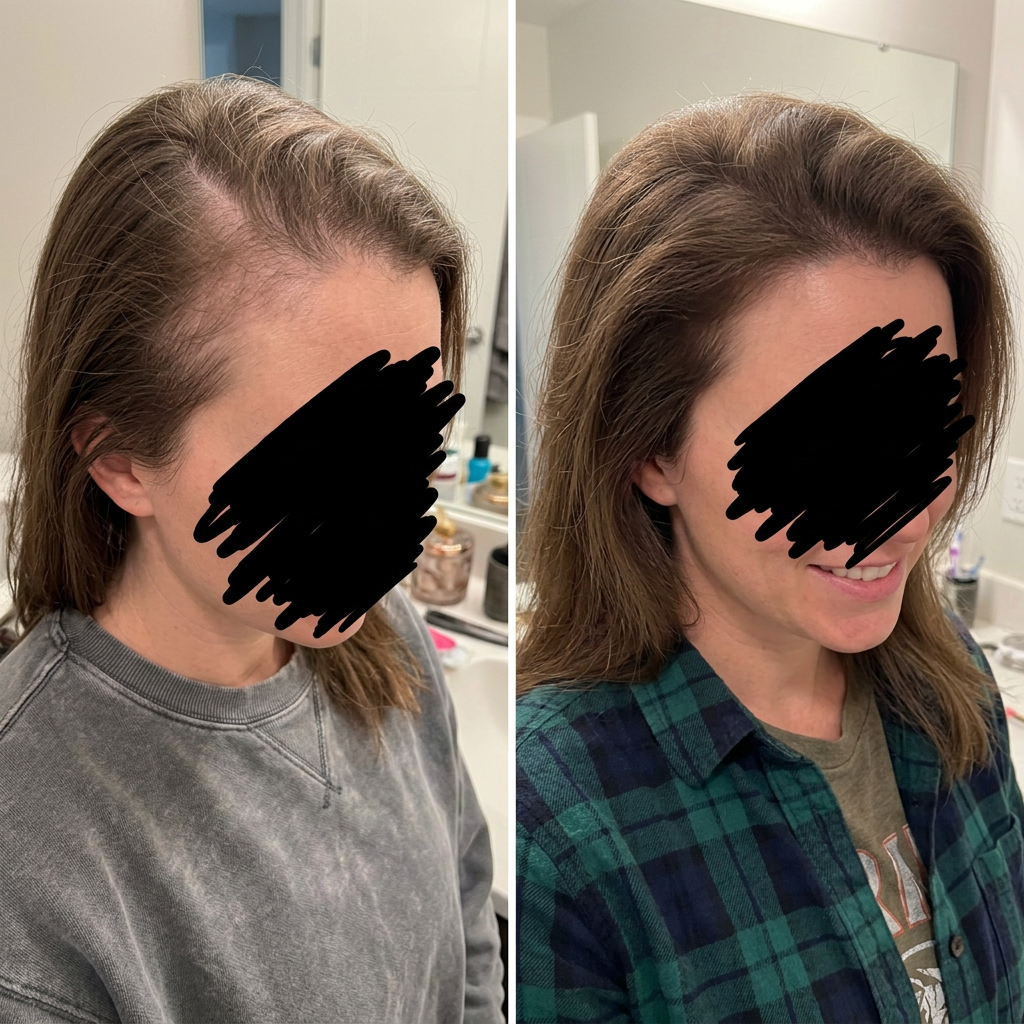
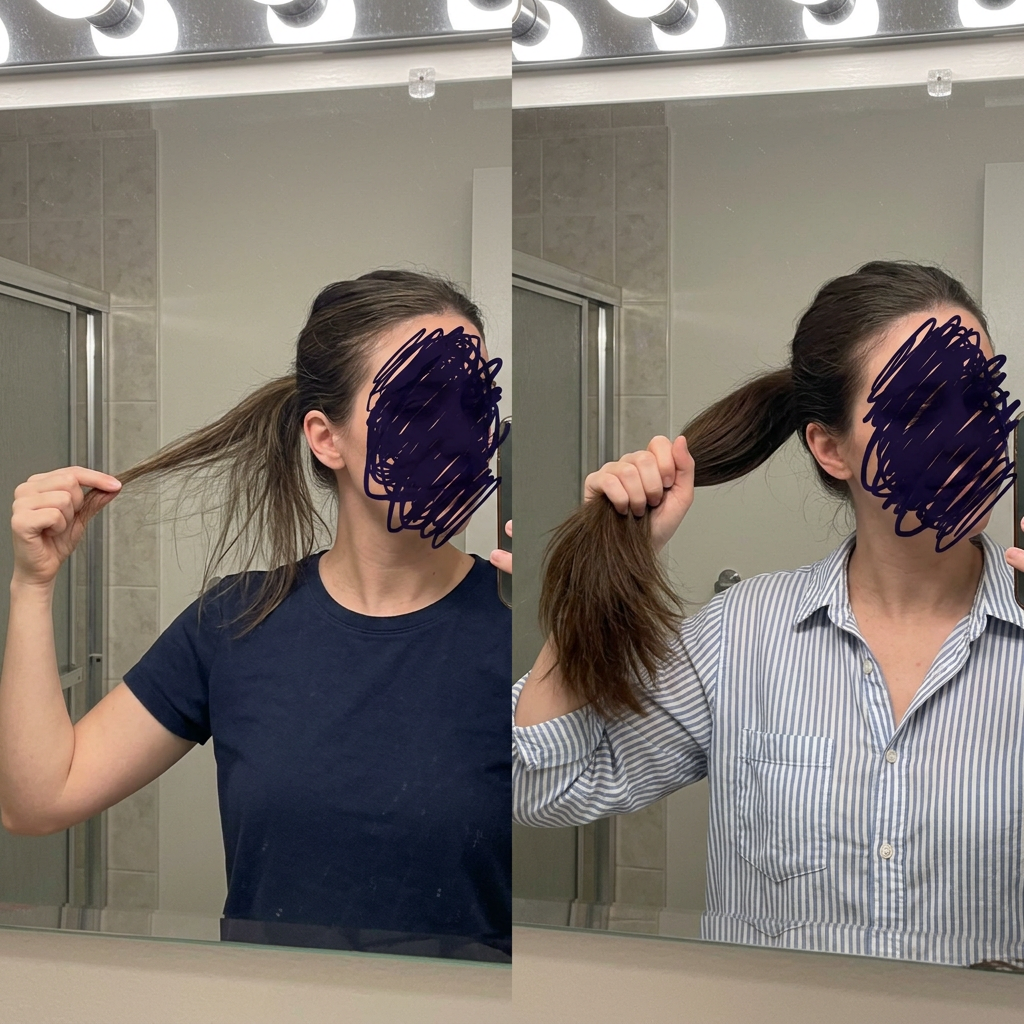
To the women who have given menopause the sleep, the metabolism, the moods and are now watching it quietly take their hair. I drew a line when I got to the hair. Not because I found a miracle product, but because I finally understood what menopause was actually doing at my scalp, and that understanding changed what I believed was possible. Menopause does not arrive the way you expect it to. I thought I was ready. I had watched my mother go through it and her mother before her, and I had told myself that when it came for me I would handle it with some grace. The hot flashes. The sleepless nights. The metabolism that stopped cooperating somewhere around my forty-eighth birthday and never quite came back. I made peace with those things the way you make peace with things you cannot change. Slowly, reluctantly, and then all at once. What I was not prepared for was the hair. I had thick, dense hair my whole life. The kind that took up space, that my stylist always commented on, that I never once had to think carefully about. It was just there, reliably, the way certain things are just there until they are not. The thinning started quietly. More in the drain than usual. Then more on the brush. Then one morning I looked at my part under the bathroom light and I could see scalp at my crown in a way I never had before. With the gray coming in the contrast was stark. I stood there for a long moment and then I went about my morning because what else do you do. I had already given menopause so much. The sleep. The body I recognized. The steadiness I used to feel in my own skin. I had made my peace with all of it. The hair was different. The hair was the thing I could not seem to put down. For almost two years I carried that quietly. And then one night I decided I was done accepting something I had never actually been given a real explanation for. Before I went looking for an explanation I spent a long time trying to fix the problem without one. I started with biotin gummies because that was what everyone around me was taking. Women at work, women in my family, women in every comment section I had ever read about menopausal hair loss. I took them every day for ten months without missing a single one. TEN MONTHS!! I watched my part keep widening at the same steady pace it had been widening since the thinning started. I told myself I needed to be more patient and kept going. I moved to castor oil because my mother had used it and her hair had stayed thick longer than most women her age. I massaged it into my scalp every week, working it in carefully the way I had watched her do, telling myself that if it had worked for her it would work for me. It made my hair feel heavy and coated. It did NOTHING for the density. Nothing! I talked to my doctor. I tried HRT for almost a year, waiting for the hair benefits I had read about, watching other symptoms improve while the thinning continued. I tried spironolactone. I switched to volumizing shampoos. I changed how I washed and how I dried and how I styled. I was doing EVERYTHING I was supposed to do. What I remember most about that period is not the money, though it added up. It is the specific feeling of starting each new thing with genuine belief that this one might be different. The hope that arrived with every new bottle. And then the slow, familiar deflation when the mirror told me it was not. After enough of those cycles the hope stopped coming. I told myself this was just what happened to the women in my family. That I had been lucky to have the hair I had for as long as I had it. That accepting this gracefully was the mature thing to do. I told myself that for almost two years. And I almost believed it. Here is what I want to say about the acceptance first. It was not weakness. It was the only rational conclusion available to a woman who had tried everything she had been told to try and watched none of it work. When you have spent ten months on biotin and a year on HRT and bottle after bottle of everything the internet recommends and your hair keeps thinning anyway, acceptance does not feel like giving up. It feels like finally being honest with yourself. It feels like wisdom. What it actually was, was a conclusion built on missing information. Because the thinning that comes with menopause is not the same process as ordinary age-related hair change. It has a specific trigger. When estrogen drops during menopause, an enzyme that was always present in your scalp starts converting your normal hormones into a compound called DHT at a much higher rate than before. And DHT binds directly to the hair follicle. Not to your bloodstream. Not to your digestive system. To the follicle itself, at the root, where it slowly shrinks each one until the strands that come through are finer and fewer than the ones before them. That is not age. That is not genetics. That is one specific hormonal event happening at one specific location on your body right now. And here is why NOTHING I tried ever reached it. The biotin was working inside my digestive system. It never arrived at my scalp in any concentrated way. The castor oil was sitting on the surface of my hair shaft, conditioning the outside of the strand while the follicle underneath stayed completely untouched. The HRT and the spironolactone were working on my hormone levels systemically, throughout my entire body, with no mechanism for acting on the specific enzyme activity happening right at the scalp surface. Every solution I tried was working somewhere else. Not one of them was designed to reach the scalp. Not one of them was built around the actual location of the problem. Once I understood that, the acceptance stopped feeling like wisdom. It started feeling like something I had arrived at too soon. It was late on a Tuesday when I finally went looking. Not for a product. I had given up on finding a product. I went looking for an explanation. I wanted to know whether what was happening to my hair was genuinely inevitable or whether I had spent two years accepting something I had simply never been given the right information about. There is a difference between those two things and I needed to know which one I was living in. I ended up in a forum thread at nearly midnight. Women in their late forties and fifties, same story I had, same progression, same string of failed solutions. But they were not talking about products. They were talking about the mechanism. About what estrogen loss actually does at the scalp level. About the enzyme. About why everything they had tried had been working somewhere else in their bodies while the follicle sat untouched. One woman had written a long post about the specific molecular reason heavy oils cannot penetrate to the root, and why she had spent years conditioning the surface of her hair while believing she was treating the cause. I read her post three times. It was the first time I had seen the exact shape of my own failure described with enough precision to finally make sense of it. I went back the following evening and read more. And then I found what several women in that thread had been quietly pointing to. Not a miracle. Something built entirely around the mechanism they had all been describing. A water-based formula designed to absorb into the scalp rather than sit on the strand. Built to reach the follicle environment rather than coat the surface of the hair above it. I ordered it because the logic held. Not because I was hopeful. Because for the first time something was built around the right location. The first morning I used it I was not expecting a result. I had trained myself thoroughly out of expecting results. What I noticed was the absence of something. The spray absorbed immediately. Nothing sat on my strands. Nothing coated. Nothing left the familiar heaviness I had come to associate with every scalp treatment I had ever tried. It felt like the first thing I had used that was attempting to go somewhere rather than stay on top. I did the part check in the mirror the way I did every morning. But for the first time in two years I did not do it with the quiet certainty of a woman who already knows what she is going to find. That was different. That felt like something. What I came to understand over the following weeks was that everything about how it worked came directly from what I had read in that thread. Water-based because water can reach where oil cannot. No heavy molecular structure sitting on the cuticle. Nothing designed for the strand because it was never meant for the strand. It was built for the one place every previous solution had failed to arrive. The scalp. The follicle. The actual location of the problem. A few people have asked me what I found in that thread and I want to be straightforward about it. After I ordered it I went to look for it on the platforms I normally shop from. I wanted to understand what else was out there built around the same idea. What I found was everything I had already tried. Supplements working systemically. Oils designed for the surface of the strand. Thickening treatments built around the appearance of the hair rather than the environment of the follicle. Nothing organized around the idea that the scalp and the hair shaft are different surfaces requiring a completely different approach. That way of thinking about menopausal hair loss does not exist as a category on those platforms yet. The only reason I found what I found is because a woman in a forum thread at midnight had done the work of understanding the mechanism and was sharing it with anyone who came looking. I am leaving the link here because I know exactly what it feels like to have made peace with something that did not have to be permanent. If there is a woman reading this who has already given menopause the sleep and the metabolism and the moods and is now quietly giving it her hair too, I want her to have the information I found that night. Not a promise. An explanation. And a link to the one thing I found that was actually built around it. The link is below. Type ENOUGH below if menopause has already taken enough from you.
Where the ad sends people
aakyro.com
Black women dealing with menopause... please read this ☝️
aakyro
See details: aakyro.com(opens in a new tab)