Flavanol Research Institute
 Facebook ad: “The Ancient Protocol For Artery Plaque”
Ran for 16 days, from October 3 to October 19, 2026, the last day Crush saw it.
Run by Flavanol Research Institute on Facebook. Crush is not the advertiser and does not verify its claims. See this ad in Meta's Ad Library(opens in a new tab)
Make your own version of this ad
Crush makes it, launches it in your own Meta ad account, scales the winners and pauses the losers.
About this ad
- Meta Ad Library ID
- 28479017798446540
- Platforms
- Facebook, Instagram, Audience Network, WhatsApp and Threads
- Relaunches
- 0
Ad text
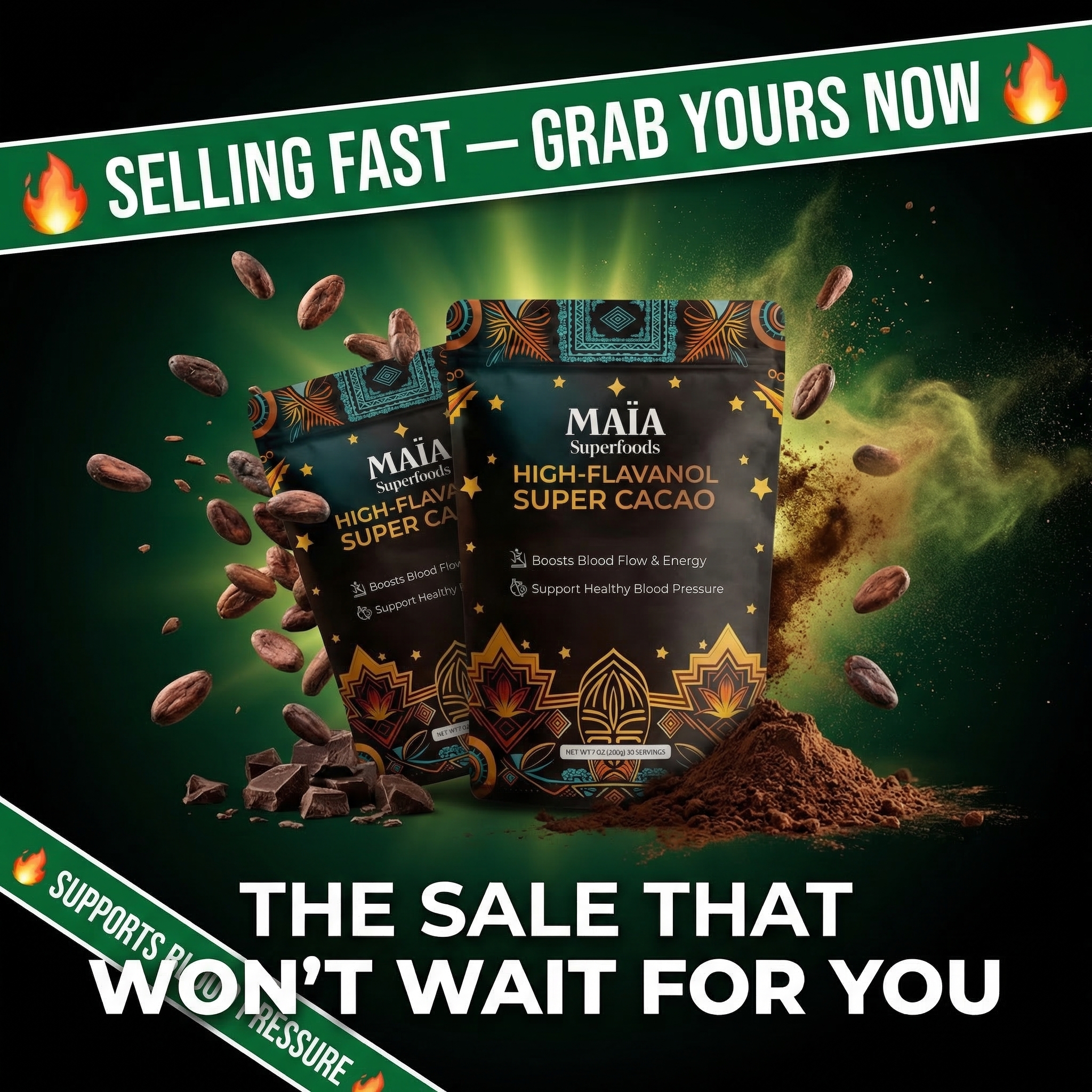
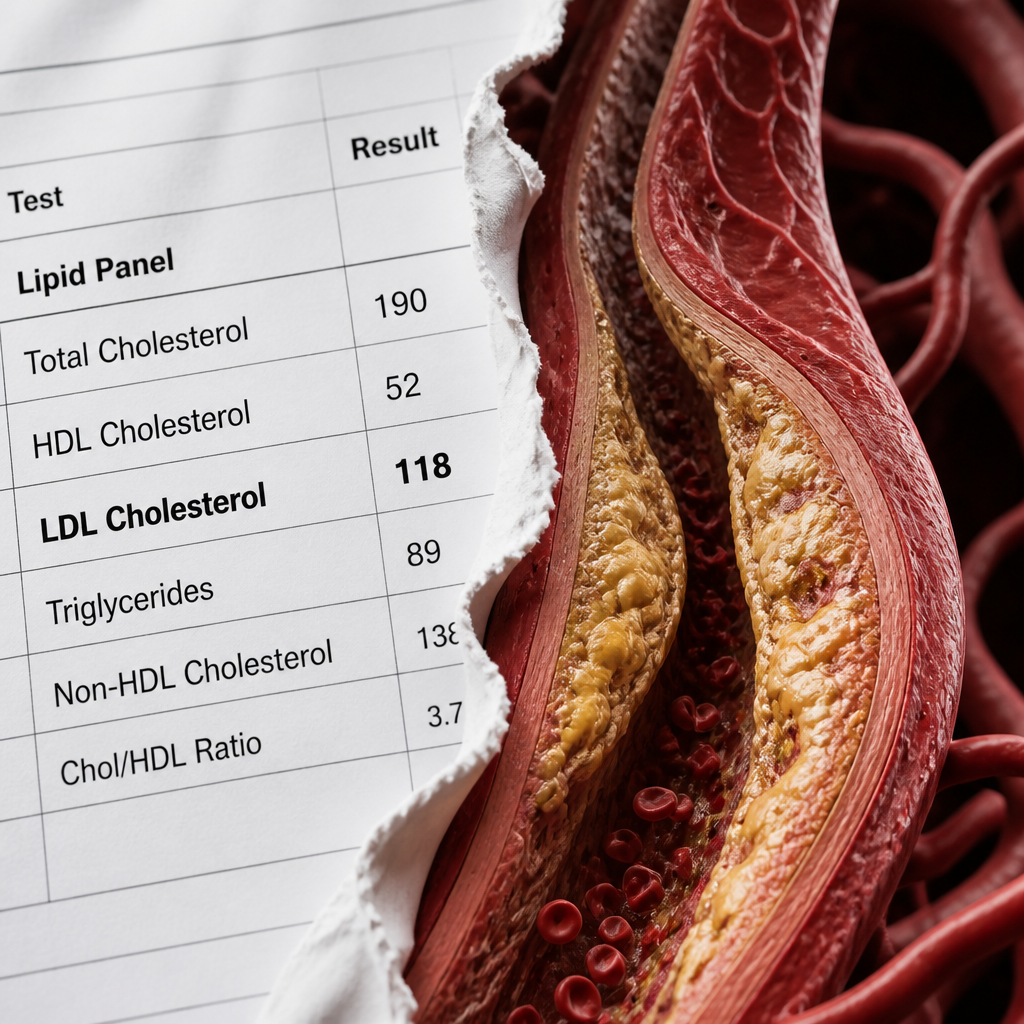
I need to tell you something I wish every one of my patients with arterial buildup had known five years earlier. My name is Denise Harmon. Twenty-three years as a cardiac catheterization nurse. I have sat with people through the hardest conversations there are. I have stood beside the screen while a specialist threads a camera through someone's artery and shows them, in real time, where the passage has narrowed to almost nothing. I have watched a 54-year-old man see his own blockage on the monitor and go completely white. I have watched a woman learn that the buildup in her carotid was severe enough that surgery was now the only option. I have watched a retired welder break down in the recovery bay when he realized the stent they just placed was the third one in four years. So I want to say this as plainly as I can. A normal cholesterol number can hide plaque that is growing right now, in arteries your specialist has not looked at yet. Eight months ago a patient walked into our clinic for a pre-procedure consult. Sixty-one years old. On a statin for nine years. LDL sitting at a manageable 118. Blood pressure controlled. Doing every single thing he had been told to do. And his calcium score had climbed again. His last imaging showed progression. New narrowing in a vessel that had been clear two years ago. The buildup was advancing while every number on his lab panel looked perfectly acceptable on paper. I sat with him after the specialist left the room, because that is what I do. Twenty-three years of being the one who stays behind to answer the questions patients are too stunned to ask while the specialist is still standing there. He looked at me and said, "I did everything right. I took every pill. I changed my diet. I walk every day. How is the plaque still growing?" I told him what I always tell patients at that point. Keep taking your statin. Watch the diet. We will monitor. We may need to adjust the approach. He nodded. The way they all nod. Not because they believe it will be different this time. Because they do not know what else to do. Three months later he came back for a follow-up. I expected another routine check. Another conversation about keeping an eye on the progression. Instead, something had shifted. His inflammatory markers had come down. His specialist noted improved flow. The imaging showed something we almost never see in a patient whose buildup had been advancing steadily for years. Stabilization. I looked at his chart. Then I looked at him. "What did you change?" He reached into his bag and set a dark pouch on the counter. Gold and teal. Aztec pattern on the front. A cacao powder. Called MAÏA. https://checkout.getmaia.co/shocking-discovery-plaque My first reaction was the same one you are probably having right now. Cacao? The stuff they make chocolate from? That could not possibly explain what I was looking at. I told him I was glad things had stabilized, and that we would keep monitoring. But that night, I could not stop thinking about it. Plaque does not usually stabilize on its own. Not in a patient who has been progressing for nine years while doing everything by the book. Something was behind it. At 11:30 PM I started reading. Here is what I found. And here is the thing I should have understood a decade earlier. For nine years, his plan had been the same. And it is the same plan nearly every patient with arterial buildup is handed. Take the statin. He did. Cut the saturated fat. He did. Add the fish oil. He did. Take the baby aspirin. He did. Walk thirty minutes a day. He did. Watch the numbers. He did. Nine years of that plan, followed to the letter, and the plaque never stopped growing. Not once. Every scan showed progression. Every calcium score ticked higher. Here is why. The statin lowers LDL. It reduces the amount of cholesterol circulating in your blood. That is the input. The diet cuts back on saturated fat. That is also the input. The fish oil nudges triglycerides. Another number on the panel. The aspirin thins the blood so it squeezes more easily through narrowed passages. That is a workaround. It does not address the narrowing itself. And the cholesterol number on your lab report is a snapshot. A measurement of what is floating in your blood at one moment. It does not tell you whether plaque is forming right now. It does not tell you whether your artery walls are getting stiffer. It does not tell you whether the buildup from last year has grown or stabilized. Not one of those things touches the wall itself. Let me tell you about the wall, because the wall is where plaque lives. And the wall is the whole story. Picture every artery in your body lined with a single layer of cells. One cell thick. That lining is called the endothelium. It is not just a passive wrapper. It is the most active protective surface in your entire body. And it is the surface that decides whether plaque forms or does not form. A healthy endothelium does three things. One. It produces a molecule called nitric oxide. Nitric oxide tells your blood vessels to relax and widen. That is how blood flows freely through even the smallest passages. It also keeps the artery wall flexible, the way a healthy garden hose bends without cracking. Two. It keeps the inner surface of the artery smooth and slick. When the endothelium is intact, nothing sticks. Cholesterol particles flow past. White blood cells flow past. Calcium stays in your bones where it belongs. No adhesion. No accumulation. No plaque. Three. It controls inflammation at the arterial wall. When inflammation stays low, buildup does not get a foothold. When inflammation rises, the wall becomes a magnet for everything you do not want collecting there. Think of the endothelium as a non-stick shield on the inside of every blood vessel you have. When that shield is healthy, particles flow past. Arteries stay flexible. Plaque does not form. When that shield is damaged, the surface gets rough. Sticky. Inflamed. And now the LDL particles that have been flowing harmlessly start to lodge in the wall. They oxidize. Your immune system panics. White blood cells rush in and swallow the oxidized particles. They become foam cells. Foam cells pile up. Calcium deposits harden over them like cement. That is plaque. Layer by layer. Year by year. Silently narrowing the passage. Not because cholesterol exists. Not because LDL is "too high." Because the endothelial shield broke down, and the wall became a surface where things stick, oxidize, inflame, and harden. And here is the part that kept me up that night. Statins lower the number of particles floating in the blood. But they do almost nothing to repair the shield itself. That is why nearly half of people who experience a major vascular event had cholesterol numbers that looked fine on paper. Their panels were managed. Their endothelium was not. That is why you can take a statin for nine years, hit your LDL target, follow every instruction, and still watch the plaque grow on every scan. Still watch the calcium score climb. Still feel the heaviness in your legs get a little worse each year. Because nobody was repairing the lining. Nobody was restoring the nitric oxide. Nobody was addressing the surface where plaque actually forms. Your specialist was trained to manage the numbers in front of her, and she did that job well. But the number on your chart was never the whole story. For years, the standard approach has focused on the particles. Statins for the LDL. Diet for the fat. Aspirin for the flow. All of it aimed at what is floating through the blood. Almost nobody was explaining how to restore the endothelial shield, the surface that decides whether plaque forms or does not form. That is the piece the old model leaves out. And it is the one thing this is really about. Supporting your body's ability to rebuild the protective lining that keeps your artery walls smooth, flexible, and resistant to buildup. Restoring the nitric oxide production that your body has been losing, year by year, since your 40s. Which raises the obvious question. If there is a way to support that shield, why has no one told you about it? Why is your own specialist not handing it to you? That is the exact question I asked myself at midnight, with 23 years of catheterization lab experience behind me. Here is the honest answer. The compound behind it cannot be patented. You cannot patent a food. So no company funds the large trials that would put it on a representative's desk. No rep walks it into our clinic. The research that does exist sits quietly in journals that a fifteen-minute appointment leaves no time to read. It is not a conspiracy. It is not your specialist hiding something. It is a system that studies what it can sell, and tends to overlook what it cannot. You were not failing the plan. The plan was only ever giving you half of the picture. So let me tell you what the research points to. Now, I know exactly what you are thinking. Cacao? Really? You probably have a tin of cocoa powder in your pantry right now. But the cacao in your pantry is not the cacao in the research. Not the same processing. Not the same compound concentration. Not the same biological effect on your artery walls. And that difference is the entire reason it has never done anything for your arteries. The cacao that shows up in the studies is raw, cold-processed, high-flavanol cacao. Specifically the Criollo variety. The most ancient and least hybridized cacao strain on the planet. The same strain the Aztecs used ceremonially for centuries before anyone in a lab understood why it affected blood flow. It contains a compound called epicatechin. A flavanol. And epicatechin does something no statin has ever done. It activates an enzyme in your endothelial cells called eNOS. eNOS is the switch that turns on nitric oxide production. Nitric oxide is the molecule that tells your arteries to relax and widen. The molecule that keeps the inner wall smooth, slick, and resistant to plaque formation. The molecule that controls inflammation at the wall so buildup does not get a foothold. The molecule your body has been producing less and less of every year since you turned 40. Less nitric oxide means stiffer arteries. Rougher walls. More inflammation. More places for LDL to lodge, oxidize, and harden into plaque. Restoring nitric oxide production does not just support blood flow. It supports the very conditions that determine whether your artery walls accumulate buildup or stay clear. What I found that night did not read like marketing. It read like the kind of research I trust when a patient's future depends on it. One large-scale study followed over 21,000 participants. Daily flavanol intake was associated with meaningful improvements in vascular function markers and arterial flexibility. Not in a lab dish. In real people. Over years. Multiple peer-reviewed studies documented that high-flavanol cacao supports healthy blood flow, supports vascular flexibility, and helps protect LDL from the oxidative damage that triggers the foam cell cascade, the very first step in plaque formation. Peer-reviewed. In real people. Sitting in plain sight. Your statin manages the particles. This is about restoring the shield. Both together is the fuller picture. Most patients have only ever been handed half of it. Now, you may have already tried cacao. You ate dark chocolate every night. You bought a bag of cacao nibs from the health food store. You sprinkled cocoa powder on your smoothie for three months and your next scan looked exactly the same. I need you to understand why. First, you were almost certainly consuming Dutch-processed cacao. That means it was treated with an alkalizing agent. This is standard industry practice. It makes the powder darker, milder, less bitter. Easier to sell. It also destroys 60 to 90 percent of the flavanols. The very compounds that support the endothelium. The ones that activate eNOS. The ones that restore nitric oxide. The ones behind every positive result in the research. Stripped out before the powder ever reached the bag. Second, most commercial cacao is roasted at high temperatures. More flavanol destruction. By the time it reaches your cup, the compounds that could actually support your artery walls are largely gone. Third, sugar. Dairy. Fillers. Emulsifiers. All of it added to improve taste and shelf life. None of it protecting your endothelium. Some of it actively promoting the inflammation you are trying to reduce. So when a patient tells their specialist "I eat dark chocolate every day for my arteries," the specialist is right to be unimpressed. Because the chocolate they are eating has almost no active flavanols left. Your cacao did not fail because cacao does nothing. It failed because it was never delivered. That patient who set the pouch on my counter was using a product called MAÏA Super Cacao. Cold-processed from ceremonial-grade Criollo beans. The ancient variety. The one the Aztecs valued not for sweetness but for what it did to blood flow and vitality, centuries before any study confirmed the mechanism. Single ingredient. Just cacao. Nothing else. No sugar. No dairy. No fillers. No alkali treatment. No high-temperature roasting. The flavanol content is disclosed on the label. Third-party tested. Every batch verified. It delivers the concentration of epicatechin that the clinical research actually studied. It is a powder. You mix it with hot water or milk in the morning. It takes two minutes. It tastes like real, rich, slightly bitter dark cacao. Because that is exactly what it is. I went home that night and ordered a pouch. I did not expect much. I have watched too many things overpromise in twenty-three years. Week 1, I noticed my energy steadied out. The mid-afternoon fatigue I had been blaming on age just leveled. I did not think much of it. Week 2, my hands were warm. That sounds small. It is not small if you are someone whose fingers have been cold for two years and you stopped noticing because you assumed it was just what happens when you get older. Warm hands mean blood is reaching where it is supposed to reach. It means the smallest vessels are opening. It means nitric oxide is doing its job. Week 3, I slept through the night. Four nights in a row. That had not happened in over a year. Week 6, I went for my own bloodwork. My inflammatory markers had shifted. The markers that correlate most closely with arterial wall stress had come down. My specialist looked at the panel and said, "Whatever you are doing, keep doing it." I did not tell her about the cacao. Not yet. I wanted to see if it held. It held. That patient with the dark pouch came back for his next follow-up. His imaging showed continued stabilization. No new progression. His specialist noted improved flow in the lower extremities. The heaviness in his legs, the symptom he had been living with for three years while his plaque quietly advanced, had eased. He was quieter than usual. "Your results look different this time," I told him. He looked at his hands. Opened and closed them slowly. "My fingers are warm again," he said. "I forgot what that felt like." I have quietly mentioned MAÏA to fourteen patients since. Not as a replacement for anything. As a daily practice that supports what their body is already trying to do. The piece the old plan was never designed to include. A 58-year-old retired pipe fitter named Ray had been watching his calcium score climb for four years. Every six months, the same conversation. "We will keep an eye on it." After three months on MAÏA, his specialist paused over his results and looked up from the chart. "What changed?" Ray smiled. "I started drinking cacao every morning." His specialist raised an eyebrow. But she wrote it down. A 63-year-old woman whose circulation in her lower legs had been declining steadily, who had been told the narrowing was progressing and they were "watching it closely," came back after eight weeks and told me the tingling in her feet had settled for the first time in two years. She was not crying about a scan result. She was crying because she had walked her granddaughter to school that morning without stopping to rest. That is the part no calcium score measures. A 55-year-old long-haul driver named Mike had been told his carotid buildup was something they needed to "keep monitoring." His circulation had been declining for three years. After ten weeks on MAÏA, his next imaging showed no new progression for the first time since they started tracking it. He sat in the waiting room afterward and said to me, "I stopped being afraid to go to sleep at night." And to be clear. You do not need to stop your statin. You do not need to stop your aspirin. Keep doing everything your specialist has given you. That plan manages the particles, and it matters. This is simply the piece it was never designed to include. The endothelial support. The nitric oxide restoration. The protection against the oxidative damage that turns harmless LDL into the foam cells that become plaque. Here is what I want you to sit with. The most dangerous stage of arterial buildup is not when the scan looks alarming and everyone is paying attention. It is when the cholesterol panel looks acceptable, your specialist says to keep an eye on things, and the plaque keeps growing quietly underneath. Layer by layer. Quarter by quarter. While your lab report says everything is fine. That is the real threat. Not a bad number. A comfortable one that buys silence while your artery walls keep narrowing. If your numbers look managed but your body keeps sending you signals you cannot ignore... the cold hands, the heavy legs, the fatigue that will not lift, the tightness you have learned to explain away, the calcium score that keeps climbing even though you are doing everything right... Then this is worth your attention. MAÏA comes with a 30-day money-back guarantee. https://checkout.getmaia.co/shocking-discovery-plaque Mix it every morning. Notice how your energy feels. Notice your hands. Notice your legs. Notice how you sleep. Go back for your next labs. Go back for your next imaging. If nothing shifts, you pay nothing. Do not wait for another scan to tell you something you have already suspected. If your cholesterol looks managed but your plaque keeps progressing, give your endothelium the support the old plan left out. MAÏA is made in small batches from a single-origin supply chain, and it does sell out. If it is in stock, this is the moment to start. One scoop a day, with hot water or milk in the morning. That is the whole ritual. And at your next appointment, the one where you have heard "let's keep an eye on it" for years while the buildup quietly advanced, your specialist may pause over the numbers, look up from the chart, and ask what you changed. You will tell her. And you may hear a word you have not heard in a long time. Not progressing. Stable. ~ Nurse Denise Harmon, RN, Cardiac Catheterization, 23 years https://checkout.getmaia.co/shocking-discovery-plaque
Where the ad sends people
checkout.getmaia.co
The Ancient Protocol For Artery Plaque
Learn more: checkout.getmaia.co(opens in a new tab)