Suzanne Wrinker
 Facebook ad: “PLEASE do not use a water bowl!”
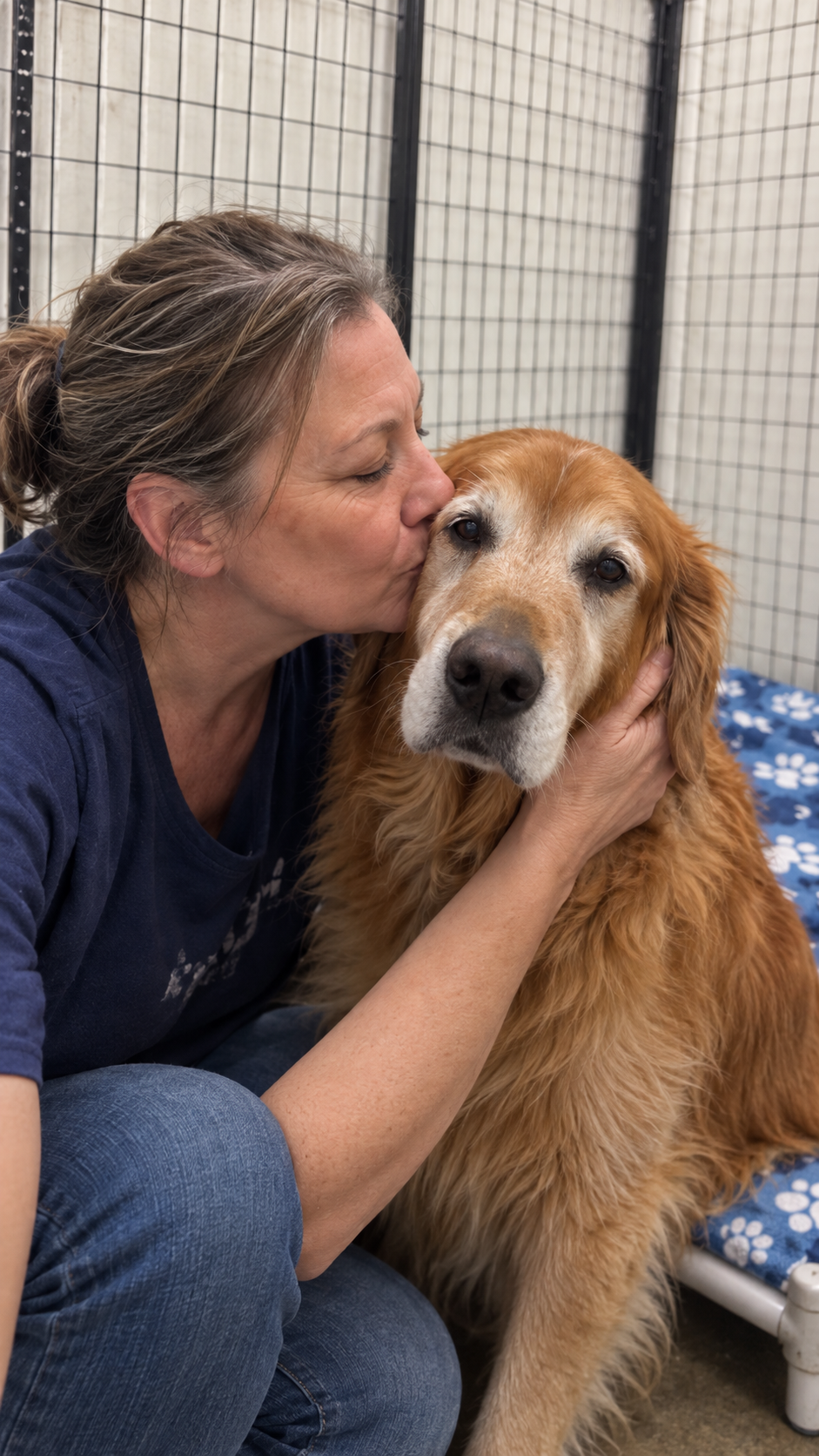
Ran for 8 days, from September 17 to September 25, 2026, the last day Crush saw it.
Run by Suzanne Wrinker on Facebook. Crush is not the advertiser and does not verify its claims. See this ad in Meta's Ad Library(opens in a new tab)
Make your own version of this ad
Crush makes it, launches it in your own Meta ad account, scales the winners and pauses the losers.
About this ad
- Meta Ad Library ID
- 2876540259393891
- Platforms
- Facebook, Instagram, WhatsApp and Threads
- Relaunches
- 0
- EU reach
- 2,332
- Niche
- Pets
Ad text
My husband was waiting to receive a new kidney. I was waiting for the phone to ring. It rang on a Thursday. But not with the news we needed. Tom was 71. Strong his whole life. Built our garden shed with his own hands the summer after we retired. Never missed a tee time until the dialysis started. His kidneys were shutting down. They put him on the transplant list in January. Said a donor could come any week. Could take months. Could take years. Three years and two months. He ran out of time. I'm Suzanne. I'm 68. I live in the same house in Tucson that Tom and I bought in 1989. The shed he built is still out back. I don't go in it much anymore. After the funeral, people said the things people say. "Call if you need anything." "He's at peace now." "You're so strong." Nobody calls. He's not at peace. And I'm not strong. I'm just still here. The silence in this house is physical. It has weight. You feel it most around 6 PM when you're microwaving leftovers for one and there's nobody to complain about your day to. And again at 10 PM when you turn off the lamp and the dark feels like it's never going to end. Tom's nephrologist sent me a grief pamphlet. Page six said pets can help. "Companion animals provide routine, purpose, and unconditional presence during bereavement." I threw the pamphlet in the trash. Eight months later, I drove to the county shelter. Not because of the pamphlet. Because I woke up on a Wednesday and realized I hadn't spoken out loud in five days. My own voice startled me when I said good morning to the coffee maker. The woman at the front desk asked what I was looking for. "I don't know. Something that needs me." She walked me past the puppies. Past the young dogs jumping at the kennel doors. All the way to the back corner where it was quieter. "This is Murphy," she said. Golden Retriever mix. 9 years old. Gray around the muzzle. Thin. Dull coat. Curled up in the back of his kennel like he'd already accepted nobody was coming for him. The card on his door said: Owner deceased. Surrendered by family. Age: 9 years. Stage 2 kidney disease. Daily medication. Hold expires Saturday. Owner deceased. Surrendered by family. I knew exactly what that felt like. "He's been here six weeks," the woman said. "Most people want puppies. And the kidney disease scares them off." I looked at Murphy. He looked at me. His tail thumped once against the concrete floor. Then he put his head back down. "I'll take him." The shelter vet gave me his medications and a long look. "His kidney values are elevated. BUN at 44, creatinine at 2.6. He needs to stay hydrated. That's the single most important thing you can do for him. Fresh water, always available. If his numbers stabilize, he could have a few good years left." A few good years. I'd take that. Tom didn't get that. Murphy came home. He was cautious the first day. Explored room by room. Sniffed Tom's recliner for a long time. By the second evening, he was lying at my feet while I watched the news. By the third night, he was sleeping next to my bed. The silence didn't disappear. But it got softer. There was breathing in the house again besides mine. There was someone to say good morning to. I was careful about his water. Filled a stainless steel bowl every morning with tap water. The expensive kind from the pet store. Changed it every evening before bed. Put a second bowl in the hallway near the laundry room. Dr. Palmer said hydration was the most important thing. I wasn't going to mess this up. Two weeks in, I noticed the bowls weren't emptying much. Murphy would walk up to one, sniff it, stand there for a few seconds... then walk away. I figured he was still adjusting. New house. New smells. Dogs take time. Week three, same thing. Two full bowls sitting out all day. Barely touched. I mentioned it at his one month checkup. Dr. Palmer ran bloodwork. BUN at 49. Creatinine at 3.1. "They went up," she said. "But I have two bowls out. I change the water every single day." "Is he actually drinking from them?" "I thought he was. The water level goes down a little." "Evaporation does that. Dust settling does that. A few reluctant laps in the morning does that. But Murphy needs consistent hydration throughout the day. Based on these numbers, he's not getting it." She told me to clean the bowls daily and put more bowls around the house. I drove home with a plan. I bought two more bowls that afternoon. Four now. Kitchen, hallway, living room, one by his bed. Every night after the news I carried all four to the sink. Hot water, dish soap, a bristle brush. I ran my thumb around the inside of each one until it squeaked. He still wouldn't drink. So I started adding things. Chicken broth stirred in. He'd lap at the top where the broth sat and leave the rest. Ice cubes. He'd fish one out, chew it on the rug, and never touch the water. A premium bowl from the pet store. Same thing. Three weeks of that. Four clean bowls in four rooms, and a dog who walked up to every single one, sniffed it, and walked away. I called Dr. Palmer in tears. "Nothing is working. I'm washing them every night. I have four bowls out. Broth, ice, a premium bowl. He walks up, he smells it, he leaves. His numbers are getting worse and I don't know what else to do." "Keep trying," she said. "Some dogs are just particular. Maybe try a different bowl shape." I hung up and stood in my kitchen looking at four full bowls of water that nobody was going to drink. Keep trying. That's what Tom's doctors said too. Keep trying. Stay positive. Something will work eventually. I was done trusting people who didn't have real answers. The next morning I called a different clinic across town. A vet my neighbor mentioned once. Dr. Ellison. Small practice. Been there twenty eight years. I brought Murphy in with everything. The bloodwork. The medications. The list of every single thing I'd tried. She read the list. Looked at the numbers. Looked at Murphy. Then she asked a question Dr. Palmer never asked. "How often do you clean his bowls?" "Every night. I scrub them." "And the water looks clean when you fill them?" "Crystal clear." She leaned forward. "Here's what most dog owners don't realize. Within 24 to 48 hours of sitting in any container, water develops something called biofilm. A thin layer of bacteria that coats every surface the water touches. You can't see it. You can't smell it. But your dog can." I just stared at her. "Dogs have over 200 million scent receptors. They detect bacterial contamination long before it's visible to us. So when a dog suddenly gets particular about water, or sniffs the bowl and walks away, or will only drink it once you've added broth to cover the taste, that isn't a personality quirk. That's your dog telling you something is wrong with his water." I felt sick. "But I cleaned them. I cleaned them every single night." "You cleaned what you could see. Every bowl material has microscopic scratches and grooves in it. Stainless steel has them. Ceramic has them. Plastic is the worst. Once biofilm takes hold down in those grooves, you can scrub until your hands bleed and never get it all out. It reforms within hours." I put my head in my hands. "So every time I gave him fresh water..." "He could smell what was already in the bowl. So he stopped drinking." I drove home and went straight to the kitchen. The bowl by the back door. Filled that morning. Perfectly clear. I put two fingers in and ran them around the inside. Slick. Slippery. Like the inside of a vase that's held flowers too long. I had scrubbed that bowl until it squeaked eleven hours earlier. I checked the hallway. The living room. The one by his bed. All four. Then I stood at the sink and washed my hands for a long time. I couldn't sleep that night. I opened my laptop at one in the morning and started digging into the research. Veterinary journals. Kidney studies. Anything I could find. A study published in the Journal of Applied Microbiology found that biofilm begins forming in standing water within 24 to 48 hours, and that scrubbing doesn't remove it. Every source said what Dr. Ellison had said. I read until it got light outside. Then I found an online group for owners of dogs with kidney disease. Over 12,000 members. I read every post. Every comment. Every desperate question from owners going through exactly what I was going through. And I kept seeing the same handful of sentences over and over. "My dog stopped drinking from his bowl." "I thought he was just being picky." "I started adding broth to get him interested." "The vet said his kidneys were failing." "I had no idea." Hundreds of people. The same story as mine. Then I found a thread that stopped me cold. A woman named Patricia had posted about her 11 year old Lab. Diagnosed with kidney disease three years earlier. The vet gave him six months. He was still alive. Still healthy. Still playing fetch. Everyone was asking what she did differently. Her answer: "The biggest change was his water. I stopped using bowls entirely. A bowl is built to hold standing water, and standing water is where biofilm lives. I switched to a fountain that keeps the water moving all day long. Bacteria can't anchor to water that never stops. My vet told me getting that daily load off his kidneys was probably the single biggest reason he's still here." I read that comment five times. Moving water. Never still. Nothing for it to hold on to. The same thing I'd read at one in the morning. I scrolled the replies. Other people saying the same thing. "My vet recommended a fountain too." "Game changer for my senior dog." "Wish I'd known about this before my last dog." And then a reply that made my heart sink. "I tried three different fountains and every one grew mold inside the pump housing within a month. My dog stopped using them." "Same. Mine looked clean from the outside but the housing was disgusting." "Plastic fountains scratch and hold bacteria exactly like bowls do. Defeats the whole purpose." I felt the hope go out of me. Of course it wasn't that simple. Then I found Patricia's follow up. "This is the mistake almost everyone makes. They grab the cheapest fountain on Amazon and wonder why it turns into a science experiment in three weeks. It's the material. Plastic scratches, and once biofilm gets down inside the pump housing there's no brush in the world that reaches it. You want food grade stainless steel and water that genuinely never stops moving." Someone asked what she used. "It's called Selene. My vet had one in her office and let me take it home to try. Three years. Never once had slime in it. Never once had my dog refuse it." I looked it up that night. The first thing I noticed was how different it looked from the fountains I'd been scrolling past. Solid food grade stainless steel. Not plastic with a steel coating on it. Non porous, so there is nothing for bacteria to embed into. And the water never stops moving. Circulating 24 hours a day. Never sitting still long enough for anything to anchor. I read every review looking for one complaint about slime or mold. Couldn't find one. "I was skeptical after two other fountains failed on me. This is the only one that has actually stayed clean. My dog went from avoiding water to drinking constantly." "Former vet tech here. We recommend Selene because it's built the way hospital water systems are built." I ordered it that night. It arrived two days later. Heavy. Solid. Cold stainless steel. I set it up where the kitchen bowl had been. Plugged it in. Water started moving immediately. Almost no sound. Murphy was asleep on the couch. About thirty minutes later he came into the kitchen. He approached it carefully. Sniffed the base. Sniffed the steel. Sniffed the water. Took two laps and walked away. Day two I was making coffee when I heard it. He drank. Really drank. Long steady laps, over a minute. I started crying. Not just for Murphy. For Tom. For all the times I did everything I was told and it wasn't enough. By day five he was ignoring the old bowls completely. Week two his coat started looking different. Less dull. Some shine coming back. Week three he brought me a tennis ball. He hadn't done that since his first week in the house. Week four, back to Dr. Ellison. BUN at 38. Creatinine at 2.3. "Those are better than when he came out of the shelter," she said. "Same dog. Same food. Same medication. Different water." "His kidneys aren't filtering a bacterial load on top of everything else, and he's finally drinking enough. They're just managing the disease now. And stage 2 that's well managed can stay stable for years." That was five months ago. Murphy's latest bloodwork: BUN at 34. Creatinine at 2.0. Dr. Ellison doesn't talk about decline anymore. She talks about management. Quality of life. Years. And I can see it in him. He beats me to the door when the mail comes. He drops a wet tennis ball in my lap while I'm trying to read. Last Sunday he ran the length of the back yard for no reason at all. Gray all through his muzzle, stage 2 kidneys, and he ran like a puppy. Murphy is on Tom's recliner right now, in the patch of sun that comes through the window around 3 PM. He was given a few good years at the shelter. We're six months in and his numbers are the best they have ever been. Last week a woman at my bridge group mentioned her dog was just diagnosed with kidney disease. "The vet said to keep him hydrated. I've been filling his bowl twice a day but he barely touches it." I told her to put her fingers inside the bowl. She ordered Selene that evening. Called me two days later: "He's drinking from it constantly. I've never seen him drink like this." If your dog has been drinking less lately and you've been adding broth to get him interested... If he walks up to his bowl, sniffs it, and walks away... If you've tried a different bowl and a different spot and nothing works... If he's been more tired than usual and you figured it was just age... That's not picky behavior. That's not aging. That's your dog trying to tell you something is wrong with his water. And by the time you see it on bloodwork, the damage has been building for a long time. I know how this sounds. I know it sounds like I'm selling something. I'm not. I don't work for Selene. I don't get paid by them. I'm just a dog mom who almost lost her best friend because I didn't know that clean looking water isn't the same as clean water. Here's where I got Murphy's fountain: https://selenepets.com/products/fun-8-cro-152?c=b They have a 1 year guarantee. If your dog doesn't drink more, full refund. I wish someone had told me about this before I spent a month watching him walk away from four clean bowls. I'm telling you now. Please don't wait for the bloodwork to tell you. -Suzanne P.S. I threw all four bowls away the week the fountain arrived. I couldn't look at them. A month of washing them every night, filling them every morning, and standing there confused while my dog walked away from every one. If your dog has a bowl sitting out right now, please just look into this. The fountain costs less than one bag of prescription kidney food. Less than one recheck. I couldn't save Tom. I could save Murphy. The difference was knowing what question to ask.
Where the ad sends people
selenepets.com
PLEASE do not use a water bowl!
Selene
Learn more: selenepets.com(opens in a new tab)