
Inactive· since Jul 29, 2026
- 42
- days it ran
- 0
- relaunches
Ad copy
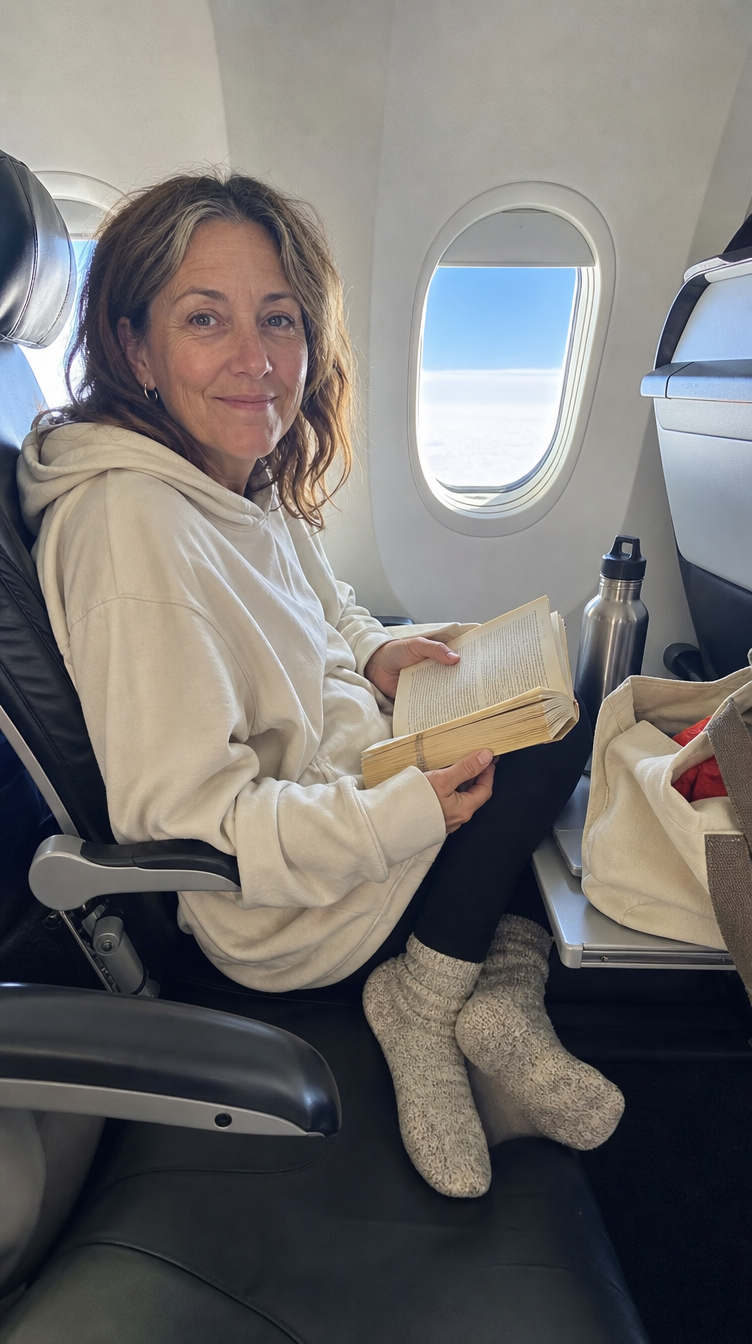
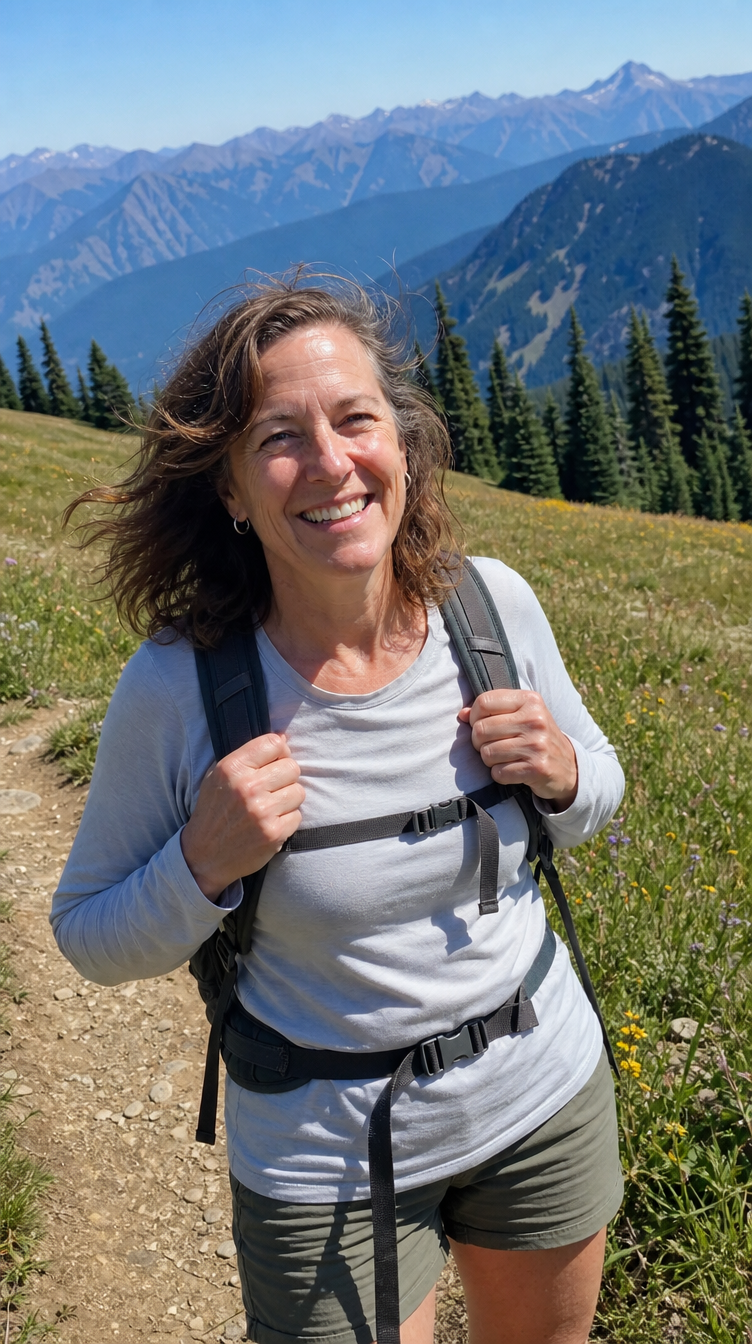
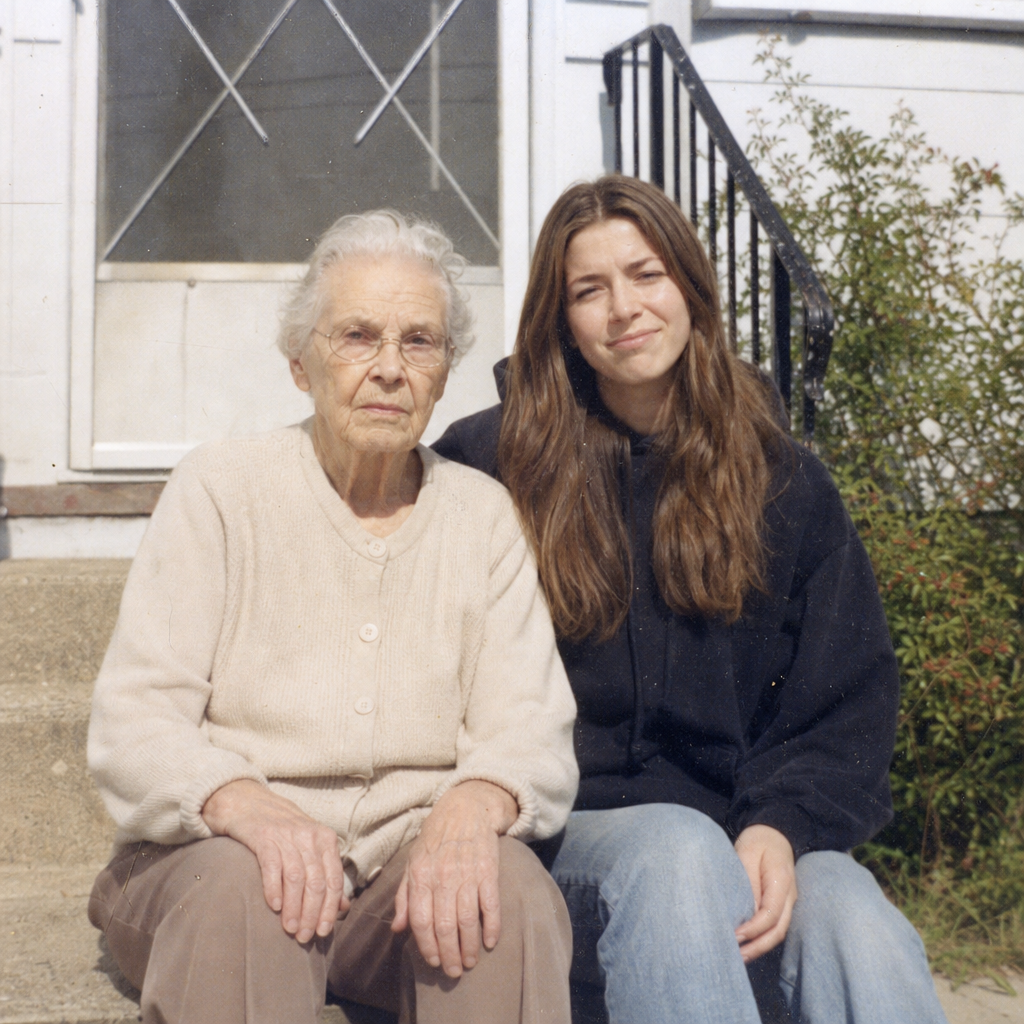
I took care of my 85-year-old neighbor for her inheritance, but she left me nothing — the next morning, her lawyer knocked and said, "Actually, she left you ONE THING." Her name was Dorothy Rhode. Everyone on the block called her Mrs. Rhode and nobody called her Dorothy except the mailman, and she didn't like the mailman. I was nineteen. Just aged out of foster care. No family. No one. I'd been renting the basement apartment in the duplex next to her house for two months when she knocked on my door on a Saturday morning and said: "You. The tall one. My rain gutters are full of leaves and I'm not climbing a ladder at my age. I'll pay you forty dollars." That was the beginning. She didn't need a caretaker. She needed someone to do the things her body wouldn't let her do anymore — gutters, storm windows, the heavy bags of salt for the water softener. She was sharp. Funny in a way that took you off guard because she'd say something devastating with a completely straight face and then go back to watering her tomatoes like nothing happened. One afternoon she watched me reset a sticking hinge on her back door and said: "You've got a craftsman's hands. Somebody should've put you in a trade." Nobody had ever said a thing like that to me. Nobody had ever looked at the one thing I was good at and given it a name. She insisted on cooking me dinner every Tuesday and Thursday. I told her she didn't have to do that. She told me she wasn't asking. "You eat like a girl who raised herself," she said once, watching me microwave a gas station burrito through her kitchen window. "Come over at six. Bring nothing. Don't be late." I came over at six. I brought nothing. I wasn't late. For four years. Every Tuesday and Thursday. Pot roast. Chicken and dumplings. A meatloaf she said was Ruth's recipe but she'd changed so many things about it that Ruth wouldn't recognize it anymore. She talked about Ruth sometimes — her younger sister. Widowed at forty and moved into the back bedroom and never moved out again. Dead eleven years by the time I met her. Her heart went at seventy-one. She kept Ruth's photo on the mantle and her gardening clogs by the back door and her reading glasses on the side table next to her chair and she never moved any of them in the four years I knew her. Two more things of Ruth's sat on the shelf above the stove. A dented green recipe tin with the paint chipped off the corners. And a brown prescription bottle with Ruth's name on the label, empty for eleven years. I moved them both every Sunday to get down the pill organizer and I never once asked her about either one. I sorted her pills every Sunday night. The plastic Monday-through-Sunday organizer, the four prescriptions, the calcium she took with dinner. I'd sit at her kitchen table on Sunday evenings and fill the little compartments while she told me stories about the neighborhood, about Ruth, about the world. She watched me. I didn't know how carefully. I thought the arrangement was simple. She needed help. I needed something I couldn't name. She gave me forty dollars for the gutters and what she really gave me was a kitchen table to sit at and a person who expected me to show up. In four years in the foster system nobody ever expected me to show up. Mrs. Rhode expected it. And not showing up was not an option. "Renee. You're three minutes late." "I was —" "You were across the street. I watched you sit in your car for four minutes looking at your phone. Come in. The chicken is getting dry." It was on one of those Sunday evenings that I told her the one thing I knew about the family that gave me up. That the women in it had bad joints, and it started young. My mother's hands were ruined by forty. Her mother before her. I didn't know much else about them — not a face, not a town, not a reason. But I knew that. She didn't say anything for a long moment. Just set down the pill she was holding and looked at me. "Ruth's doctor told her her X-rays were stable," she said. "Right up until they cut her knee open." She picked the pill back up. Put it in the compartment. Didn't say another word about it that night. I didn't think anything of it. I didn't know she was already turning it over. She was the closest thing to a mother I'd ever had. I didn't say that to her. I think she knew. She got sick fast. The kind of fast that doesn't give you time to prepare. Three weeks from normal to gone. I drove her to the hospital. I sat in the waiting room. I went home and sorted her pills into the organizer even though she wasn't there to take them because I didn't know what else to do with my hands. She died on a Thursday. One of our dinner nights. I found out about the will from her lawyer. He called me and said there'd be a reading. That I was invited. He said it in a way that made me think being invited meant something. The lawyer's office was small. Wood paneling. A conference table that seated eight. I sat at the end. There were four of us. Me. A woman from the church — Mrs. Rhode had been a member for forty years. A representative from a children's charity. And a woman I'd never seen before, mid-forties, wearing a gray blazer and checking her phone. The lawyer opened the folder. The house — a three-bedroom colonial Mrs. Rhode had owned since 1971 — went to the children's charity. To be sold, proceeds to the organization. The savings account — I didn't know how much, the lawyer didn't say — went to the church. All of it. Building fund. The jewelry — their mother's ring, a pearl necklace Mrs. Rhode wore to church every Sunday, two bracelets I'd seen in the velvet box on her dresser — went to the woman in the gray blazer. A great-niece. I learned later she'd visited twice in four years. Once at Christmas. Once when Mrs. Rhode was already in the hospital. That was it. The lawyer closed the folder. The church woman shook his hand. The great-niece signed something and left without looking at me. I sat there. Four years. Every gutter. Every storm window. Every bag of salt. Every Tuesday and Thursday. Every Sunday evening sorting pills at her kitchen table while she told me about Ruth. Nothing. Not a sentence. Not a mention. Not my name anywhere in the document. I drove home with my hands tight on the wheel and my jaw clenched and I told myself I didn't do it for the money. I told myself it wasn't about that. And it wasn't about the money — it was about the fact that she didn't think of me at all. Four years of showing up and she walked out of this life without putting my name on a single piece of paper. I sat in my apartment that night and I was twenty-three years old and I had no one again. The knock came at 8:15 the next morning. Her lawyer. Standing on my doorstep in a coat and tie, holding something under his arm. A dented metal recipe tin. Green. The paint chipped at the corners. The kind of tin that sat on a kitchen counter in 1965. "Mrs. Rhode left specific instructions," he said. "This was to be delivered to you separately. Not at the reading. The morning after." He held it out. "She was very clear about the timing." I took it. It was heavier than it looked. "There's a letter inside," he said. "And a key. She asked that I tell you the key opens a safe deposit box at First National on Carroll Street. Box 7414. She added your name to the access list six months ago." He paused. "She also asked me to tell you — and these are her words — 'She's going to be angry. Tell her to read the letter before she does anything stupid with that key.'" That sounded exactly like her. I closed the door. Set the tin on my kitchen table. Sat down and stared at it. I didn't open it. I was too angry. Too raw. I'd spent the night convincing myself I meant nothing to her, and now here was this object — Ruth's recipe tin, I recognized it from the shelf above the stove — with a letter inside that I didn't want to read because what if it made it worse? What if it was an apology? What if it was an explanation that didn't explain anything? I picked it up. Carried it to the closet in my hallway. Set it on the top shelf behind a box of winter clothes. Closed the door. I was twenty-three. I was grieving. I was angry at a dead woman for not loving me the way I thought she did. I didn't open that tin for twenty-five years. I'm forty-eight now. Sitting in a paper gown on an exam table. The paper crinkles every time I shift my weight. Dr. Adler pulls up my chart on his laptop. Turns the screen toward me. "Renee, your blood pressure is 146 over 92. It was 138 last year. And the X-ray of that right knee shows the joint space narrowing. That's the arthritis moving — the cartilage thinning out." "What does that mean?" "It means we need to have a conversation about getting ahead of it. I'd like to move you to a prescription anti-inflammatory. Every day, not just the bad days. And I want to get you in for a cortisone shot in that knee. It's the gold standard for —" "No." The word came out before I'd thought about it. He looked at me. "Renee, this is a straightforward —" "I said no. Not yet. Give me time." He leaned back. Put his hands on his knees. "I can give you ninety days. But if these numbers don't improve, we're having this conversation again. And next time I'm going to be less flexible." I drove home. Sat on the edge of my bed. My hands were shaking and I didn't know why. I knew the signs, even if I hadn't named them yet. The four o'clock collapse in the shop that hit like someone had unplugged me — I'd started sitting on an upturned bucket at the end of the bench so nobody would see me stop. The mornings my hands wouldn't open. A fine stiffness that took twenty minutes and a run of hot water over my fists at the kitchen sink before I could hold a cup. The knees that told me the weather. The swelling I blamed on the cold shop. The weight I couldn't get off that I blamed on the knees keeping me off my feet. And the stairs. My heart pounding on the landing at night, going up to bed in my own house. I'd been telling myself I was out of shape. Something about the way he'd said it. A prescription anti-inflammatory. Every day. Gold standard. Take this. Trust me. And then it hit me. Ruth. Ruth, dead at seventy-one. The photo on the mantle. The gardening clogs by the back door. The reading glasses on the side table. The brown prescription bottle on the shelf above the stove. Ruth's name on the label. Kept for eleven years, the way Mrs. Rhode kept everything of hers. I'd moved it with two fingers every Sunday night for four years to get to the pill organizer. Anti-inflammatory. Ruth had been on the same thing. And Mrs. Rhode's voice, from a Sunday evening twenty-five years ago: Ruth's doctor told her her X-rays were stable. Right up until they cut her knee open. I got up. Walked to the hallway closet. Reached past the winter coats, past the boxes I'd never unpacked from my last move. Back behind everything. Top shelf. The tin was still there. Dusty. The green paint still chipped. Twenty-five years in a closet. I carried it to the kitchen table. Sat down the same way I used to sit when I sorted her pills. The latch was stiff. I had to work it with my thumbnail. It opened with a click that echoed off the walls. Inside: a sealed envelope, yellowed at the edges. My name on the front in her handwriting — the same handwriting I'd seen on grocery lists and recipe cards for four years. Steady. Precise. The handwriting of a woman who'd learned penmanship when penmanship still mattered. And a key. Small. Brass. Taped to an index card that read: First National. Carroll Street. Box 7414. I picked up the envelope. Slid my finger under the seal. The paper was dry and it tore unevenly. A stack of pages. Her handwriting filling every line. Renee, If you're reading this, I'm gone. And if you're reading this the morning after the will reading, you're angry. I know you. You're sitting at your kitchen table with your jaw tight and you're thinking I forgot you. I didn't forget you. I could never forget you. You were the best thing that walked into my life after Ruth died and I need you to understand that what I left you is worth more than the house or the savings or our mother's ring. I left you Ruth. Not her things. Her story. The one her doctors never told her. The one I spent the last four months of my life figuring out because it was too late for Ruth but it is NOT too late for you. Ruth took a pill for her joints for twelve years. Every morning. Never missed a dose. Her doctor X-rayed her knees once a year and once a year he used the same word. Stable. He would smile. Ruth would smile. They'd shake hands. See you next year. They cut her knee open at sixty-seven. Her X-ray was still stable the month before they did it. Then the other knee started going the same way. And one morning in February she went up the stairs to get her reading glasses and her heart stopped on the landing. Seventy-one years old. Twelve years of medication. Twelve years of stable X-rays. And I buried my little sister anyway. But the knee wasn't the only thing the pill did to her, Renee. I want you to understand that. The surgery was in the middle of it. The medication wrote the whole story. Year three, Ruth started getting tired. Not normal tired. Bone tired. The woman who put up forty jars of tomatoes every August couldn't do a row of the garden without sitting on the porch steps for twenty minutes afterward. I told her doctor. Her doctor said it was age. Year five, her hands started swelling. She'd wake up and run hot water over her fists trying to get them to open. She stopped wearing her wedding ring because it wouldn't go over the knuckle. The doctor said that's the arthritis. "Common at her age." That was the word he used. Common. Manageable. Year eight, her blood pressure started climbing. 138. Then 142. Her doctor called it borderline and said they'd watch it. They watched it for four years. Then they added a second pill for the pressure and nobody in that office ever once asked what was raising it. I watched my sister go in pieces, Renee. First her energy. Then her hands. Then her knees, one and then the other. Then a heart that had been straining for years in a body nobody was measuring properly. And the whole time, the X-ray was stable. For years after she died, I accepted it. Bad luck. Bad knees run in the family. These things happen. That's what the doctor said. That's what the church said. That's what the world says when a woman dies of the thing the medication was supposed to be managing. Then I got angry. And when I get angry, I don't yell. I read. I spent four months at the library. At the computer. Printing articles. Talking to a pharmacist at the Walgreens on Fifth Street who was patient enough to explain things to an old woman who wouldn't stop asking questions. Here's what I found, Renee. And I'm going to say it plain because I'm not a scientist and I'm not going to pretend to be: Ruth's medication quieted her pain. That's what it does. That's all it does. The ache drops, the day gets survivable, the chart looks the same as last year. The doctor is happy. But the pain was never the problem. The pain is the alarm. It is not the damage. Those are two different things and nobody ever told Ruth the difference. Underneath the alarm, her joint was releasing enzymes that eat away at cartilage — the cushion that keeps bone from grinding on bone. The pill silenced the alarm. It never stopped the enzymes. They kept eating. You don't feel the eating. You only feel the alarm. So when the pill quiets it, you think you're better. You're not. The cushion is still going. Every day. Whether you feel it or not. The pharmacist had a word for what was underneath. Inflammation. I know you've heard that word. I had too. What nobody ever explained to me is that it isn't a feeling — it's a fire, and it doesn't stay in the joint. Twelve years the pill managed Ruth's pain while the fire underneath it destroyed the very thing the pill was supposed to be protecting. Every year it burned, her knee got worse at being a knee. The pill kept the score. But the house was on fire. And it wasn't only in her knees. That's the part nobody had ever said out loud to either one of us. The same fire that made those enzymes ran through her whole body. Her blood. Her arteries. An X-ray shows the cartilage you have already lost. It cannot show the fire that is eating it, and it cannot show what that fire is doing anywhere else. The pharmacist explained it to me twice because I made him. Every part of you feels that fire, but one place pays the highest price. Your heart. The same inflammation softening cartilage stiffens the walls of your arteries. Year after year. Less flexible. Less able to do their job. That is where the blood pressure comes from. That is where the pounding on the stairs comes from. Those are not two problems, Renee. They are one fire in two rooms. Ruth's doctor treated the knee. A different doctor treated the pressure. Not one of them ever asked what was lighting both. The pharmacist said it plainly: "Everyone was trying to quiet the pain. Nobody was putting out the fire." There is one more thing about that pill, and it is the thing that made me angry enough to spend four months in a library. The pill wasn't neutral. There's research out of Britain — a proper medical journal, I have it in the box — that women who take an anti-inflammatory every day for their joints are up to fifty percent more likely to have a heart attack than a woman the same age who doesn't. And the risk can start in the very first week. Fifty percent. Not five. Not ten. Fifty. Twelve years of every morning. On a heart that fire was already working on. Nobody told her. Nobody told me. Not in twelve years of appointments. And nobody ever measured the fire. Not once. Twelve years of X-rays measuring the damage that was already done, twelve years of a blood pressure cuff measuring what the fire was causing, and not one single test in twelve years to measure the fire itself. It was the only thing that mattered and it was the only thing nobody looked at. Here is the part that made me sit down in the pharmacy aisle, Renee. The pill quieted Ruth's pain from the outside. But nobody — not her doctor, not the pharmacist who filled the prescription for twelve years, not one person in all that time — ever checked whether Ruth had anything in her body to put that fire out on its own. Because the fire has an opposite. It has a name. Nobody ever said it to my sister. Anthocyanins. That's the pharmacist's word, not mine, and he had to write it down for me twice. They're what makes a dark fruit dark — that deep red, almost black. The color isn't decoration. The color IS the compound. And what they do is the exact opposite of what her pill did. They don't quiet the alarm. They go after the enzymes eating the cartilage — and they bring the inflammation in the blood vessels down at the same time. One thing. Both rooms of the house. He told me most people go their whole lives on almost none of them. They aren't in the bread or the meat or the potatoes. Ruth ate the way everybody around here eats. She had almost nothing in her. Twelve years of medication. And not one person ever asked whether my sister had a single one of them in her body. The dose matters as much as the compound. He wrote the number down for me: thirty-six hundred milligrams of the fruit they come from, every day, concentrated. Not a spoonful of something. Not a splash. That is what the studies that worked actually used, and almost nothing you can buy comes anywhere near it. Where they come from, and how you have to get them, is in the box. I couldn't fit it all in a recipe tin, and I know you, Renee. If I handed you a folder full of medical studies at twenty-three, you'd throw it in the same closet you're about to throw this tin in. I also put a checklist in the box. The pharmacist helped me write it. Five things to look for when you find it. Five things that matter. Follow it exactly. Don't skip steps. Don't buy the cheap one. Promise me, Renee. You'll need all of this someday. I know because I watched you. When you weren't looking, I saw you sit down on my porch steps after carrying the salt bags and not get up for five minutes. I saw you hold your right knee going down to the basement door. I saw you shake out your hands in my kitchen in January like you were trying to get the blood back in them, at twenty-two years old. And I saw the little brown bottle in the door of your truck. The one from the drugstore. I know how many you were taking and I know you weren't taking them for a headache. I noticed the things you didn't want me to notice because that is what I do. That is what I did with Ruth for her entire life and I wasn't fast enough. I won't make that mistake twice. When your doctor tells you to take an anti-inflammatory every day — and she will, someday, or he will — open the box. Read what I found. And then decide for yourself. Ruth trusted her doctor. I trusted her doctor. We were all trusting the wrong thing. Don't trust the X-ray, Renee. Ask what the fire is doing to the rest of you. That is the question that would have saved my sister's life. I won't let it go unasked for yours. I love you like you were my own. Dorothy I read it three times. Then I put my head on the kitchen table and I cried. Not the angry crying from the night before. A different kind. The kind that comes when you realize someone saw you — really saw you — and you didn't know it. The kind that comes twenty-five years too late. She hadn't forgotten me. She'd been watching me the entire time. The way she watched Ruth. The way she watched everything — quiet, careful, noticing the things no one else noticed. She saw me sit on her porch steps and not get up. She saw the bottle in my truck door. She saw a pattern she recognized because she'd watched it take her sister, and she spent her last months alive trying to make sure it didn't take me. And she was right. Twenty-five years later, sitting at my own kitchen table with my blood pressure climbing and a doctor pushing the same pill that failed Ruth — she was right about all of it. I drove to First National the next morning. Hadn't been inside a bank in years. Showed my ID. They looked up the box. My name was there, just like the lawyer said. Added six months before she died. The safe deposit box was small. Inside it was a manila folder, thick, held shut with a rubber band that snapped when I tried to slide it off. Studies. Printed from medical journals. Some highlighted in yellow, some in pink. Margin notes in her handwriting — the same steady hand as the letter, but smaller, more cramped, as if she was running out of time and trying to fit more on each page. And paper-clipped to the inside of the folder, a single index card. Her handwriting. Block letters. Underlined twice at the top: RENEE — FOLLOW THIS. DO NOT SKIP STEPS. Must be COLD-PRESSED. Not juice. Not "from concentrate." Heat destroys the anthocyanins and the anthocyanins are the only part that does anything. If it was boiled, you are buying dust. Must say EXTRACT. (Not "blend." Not "powder." Not "juice." Extract means they concentrated it — that one serving carries the weight of a bowlful instead of a spoonful. "Blend" means whatever they want it to mean. If the front of the bottle won't say extract, it isn't one.) Must be a REAL DOSE. The equivalent of 3,600 milligrams of the fruit in every serving. (This is what the studies that worked actually used. Most bottles are a fraction of it. Don't settle for less.) Must be THIRD-PARTY TESTED. (This means an outside lab checked what is really in the bottle and published it. If they won't show you what's in it, don't buy it.) Don't trust the reviews. Trust the label. That was Mrs. Rhode. Even from the grave, she was handing me a grocery list and telling me not to come back with the wrong thing. I set the checklist on the passenger seat and started reading the studies. The first printout had a section highlighted in yellow and a note next to it in her hand: "THIS. This is what happened to Ruth." I had to put the folder down before I finished the first page. The studies described what the letter only hinted at. Enzymes released inside an inflamed joint, breaking down cartilage — the cushion, the thing an X-ray can only measure after it's already gone. And the same inflammation running through the blood vessel walls. Stiffening them. Scarring the lining. Raising the pressure inside a system that was never designed to run hot for twelve years. Ruth's hands at year five. Her knees at year eight. Her blood pressure at year eight that nobody could explain and everybody medicated. All of it — one fire, in black and white, in studies her doctor never mentioned. And the anti-inflammatories — the prescription ones, the ones off the drugstore shelf, all of them — aimed at the pain. The alarm. Not one of them designed to reach the enzymes doing the actual taking. Ruth's pill never touched the fire. Twelve years. The X-ray looked stable. The burning never stopped. I sat in my car in the bank parking lot and stared at the page. Mrs. Rhode had written in the margin: "The X-ray was the cover of the book. Nobody ever read what was inside." She'd read past the pills, too. There were pages on the things people reach for when they want to do it naturally — glucosamine, chondroitin, turmeric capsules, the copper bracelet her neighbor swore by, the pain cream that smells like mint. A line drawn through every one, with a note on why. Every single one was chasing the same thing the pill chased. The ache. The alarm. Not one of them went anywhere near the fire. I kept reading. My hands were shaking. Not from the cold. From anger. From grief. From the realization that an old woman with a library card and a patient pharmacist had figured out what Ruth's doctor missed for twelve years. The next section of the folder answered the only question her letter had left me holding. Where do you get them. She'd written it across the top of the page in block capitals, underlined twice, the way she wrote anything she didn't want misread. TART CHERRY. Underneath, in her ordinary hand: "Forty years of studies and they keep coming back to this one. It is the one they put in front of joints, over and over. Don't get creative, Renee." She'd printed studies from university labs in Michigan, from research groups in England, from a hospital in Japan. Some of them older than I was. She'd highlighted the same finding in three of them with the same yellow marker: The anthocyanins in cold-pressed tart cherry go after the enzymes that break down cartilage, and bring down the inflammation markers in the blood at the same time. One thing. Both rooms of the house. And clipped to the back of that study, a single page with four words across the top in red pen. NOT THE JUICE, RENEE. I read that page twice, because I'd walked past that juice in the grocery store a hundred times and never once picked it up. The juice is boiled. All of it. High heat, so it survives shipping and six months on a shelf under fluorescent lights. And heat destroys anthocyanins. That's the whole problem in one sentence. By the time the bottle reaches the shelf the part that mattered is already gone, and then they cut what's left with water and filler and sugar. Cold-pressed or nothing. That's what step one on the index card meant. I'd read it an hour earlier and not understood a word of it. At the bottom of that page, in her smallest handwriting: "Somebody at the health food store told me cherry juice was good for joints. I bought it for Ruth for two years. I thought I was helping her. What's in your grocery store is dust, Renee, and I am not going to let you make the same mistake I made with my sister." She'd written in the margin of the next study, in her own words: "Most of what they sell you is setting off a bomb in your own house to kill a mouse. This one goes after what's actually eating you." That was the difference, and it took me a second read to see it. An anti-inflammatory shuts the whole system down, everywhere, indiscriminately. That's why it eats your stomach lining. That's why they check your kidneys. That's why it puts its own strain on the same heart the fire is already working on. You cannot carpet-bomb your own body every morning for twelve years and expect it to go well. Ruth did it and I have her photograph. Anthocyanins don't do that. They come down on the specific fire that's breaking your joint apart — in the joint, and in the blood vessels, at the same time. Because it was always one fire. Ruth's blood pressure at year eight. The pressure her doctor called borderline and watched for four years and finally medicated with a second pill. Mrs. Rhode had written next to a study on inflammation and artery stiffness: "They gave her a pill for the number. Nobody gave her anything for the reason." But the page that stopped me was near the back. I read it twice because the first time I didn't believe what I was seeing. Women taking a real dose of cold-pressed tart cherry didn't just report less joint pain. Their inflammation markers came down. Their blood pressure came down with them. Not two treatments. One fire, going out. Mrs. Rhode had underlined it and written beside it: "Not about quieting the ache. About putting out the thing causing it." I found one more margin note, near the back. She'd written "too late for Ruth" and then crossed it out. Pressed so hard with the pen that the cross-out tore the paper slightly. Underneath it, the one she let stand: "In time for Renee." She'd assembled all of this in four months. Dying. Printing studies at the library. Asking a pharmacist to explain words she'd never heard before. For me. I closed the folder. Pressed it against my chest. And I sat in that bank parking lot and let twenty-five years of anger dissolve into something I didn't have a word for. She didn't leave me nothing. She left me everything. I went home and did what any woman in my position would do. I ignored the checklist. Not completely. I read it. I understood it. I set it on my kitchen table next to the folder and I told myself I'd follow it. But I also found a bottle of tart cherry capsules on Amazon for $19 with four and a half stars and two thousand reviews, and I ordered it because I'm the kind of person who buys the first thing she finds even when a dead woman specifically told her not to. Mrs. Rhode knew me better than I knew myself. The bottle arrived in three days. I took two that night. Took two the next night. Nothing. Third night. Nothing. No change in the mornings. No change on the stairs. Nothing that felt different from swallowing two of anything. I took those capsules for two and a half weeks. Every night. Waiting for the shift Mrs. Rhode's studies had described. It never came. On a Wednesday night I was sitting at the kitchen table staring at the bottle and Mrs. Rhode's checklist was right there. Right next to it. Where it had been the entire time. I picked it up. Step one: Must be COLD-PRESSED. Not juice. Not "from concentrate." I turned the bottle around. Ingredients: tart cherry juice concentrate. Boiled. Failed. Step two: Must say EXTRACT. It didn't. Not on the bottle, not on the product page, not anywhere on the manufacturer's website. Just "1,000mg tart cherry blend." Blend. A word that means whatever they need it to mean. Failed. Step four: Must be THIRD-PARTY TESTED. Nothing. No lab results. No outside testing. No way to verify what was actually in the capsule. Three out of five criteria. Failed. Failed. Failed. I'd spent two and a half weeks taking a product that Mrs. Rhode had already told me wouldn't work. She'd written the checklist. She'd underlined it twice. She'd said DON'T BUY THE CHEAP ONE. And I did it anyway because I was forty-eight years old and still the same kid who tries to fix a gutter with the wrong screws. I threw the bottle in the trash. And then I did what I should have done from the start. I sat down with Mrs. Rhode's checklist and I went through every tart cherry product I could find online, one by one, checking each against her five criteria. The gummies — sugar and juice powder, boiled like everything else. Failed step one and step three. Store-brand cherry capsules — "tart cherry blend" again. Powder in a capsule. Failed step two. The few that were honest extracts — 400 milligrams equivalent. 600. One brave one at 900. Against the thirty-six hundred in her studies. Failed step three. I was crossing off everything. Then I found one that passed all five. GoodGrove. Cold-pressed, never heated — step one. The word EXTRACT right across the front of the bottle instead of "blend" — step two. 3,600 milligrams equivalent per serving, the exact dose in Mrs. Rhode's studies — step three. Third-party tested in the USA, results published — step four. And I didn't order it because of the reviews. I ordered it because of the label — step five. Every line on her checklist. Check. Check. Check. Check. Check. I could almost hear her: "See? Was that so hard?" I ordered it. More expensive than the Amazon bottle. Mrs. Rhode didn't send me to a safe deposit box to save fourteen dollars. It came four days later. I took the first two capsules after dinner and sat down on my back porch and waited. Seventeen minutes. That's when I felt it. A loosening. That's the only word I have for it. Like something that had been clenched in my hands and behind both kneecaps for years let go about half an inch. The low ache I carried all day, every day, the one I'd stopped noticing the way you stop noticing a fan running — I noticed it by noticing it wasn't there. That could be placebo, I told myself. But I'd taken the cheap capsules for seventeen nights and felt nothing. Not once. This was different. This was real. And I slept through the night. First time in longer than I could tell you. Week one: the stairs. I went up to my bedroom one night and realized halfway up that my heart wasn't pounding. The same stairs that had been making me stop at the landing for months. I went up. Then back down. Then up again. Just to make sure. That's when I started crying. Because that was the last thing Ruth did. Mrs. Rhode wrote it in the letter. She went up the stairs to get her reading glasses and her heart stopped on the landing. And it was already gone. Mine was already gone. Week two: the mornings. I woke up and swung my feet out of bed and my hands opened. No hot water at the kitchen sink. No twenty minutes of waiting for my own fingers. I just got up and made coffee like a person. Week three: I was in my shop — I'd gone into furniture-building, the slow kind, hand-cut joinery, the craft Mrs. Rhode had told me to make a life out of when I was nineteen. I reached for a chisel and my hand closed around it. That's all. It just closed. No thinking about it, no working the fingers first. I stood there for a long time. Because a month before that I'd been planning my grip. Setting a piece down to shake my hand out. Icing both knees on the couch after a three-hour day and calling it age, the same way Ruth's doctor had called everything age. Week four: I got my blood pressure checked. 132 over 84. Down from 146 over 92. I stared at the number. Took a photo. Stared at it again. Week eight: went back for a full panel. And I asked for the test Ruth never got in twelve years. The inflammation markers. The one thing nobody ever measured. Blood pressure: 124 over 80. Resting pulse: 70. Inflammation markers: normal. Morning pain, which had been a 7 out of 10 the second my feet hit the floor for three years: a 3. I sat in my car outside the lab and I called no one. Because I had no one to call. Mrs. Rhode was dead. Ruth was dead. I had no husband, no family, no one to read the numbers to. So I drove to the cemetery. But that's not where the story ends. The story ends in Dr. Adler's office. Dr. Adler pulled up my chart at the ninety-day appointment. Looked at the screen. Looked at me. Back at the screen. "Renee." A pause. "What did you do?" "Changed some things." He scrolled. Read it again. His eyebrows pulled together. "Your blood pressure is 120 over 78. It was 146 over 92 sitting in that chair three months ago. Resting pulse 68. Your inflammation markers are —" He shook his head. "These are excellent numbers." He closed the laptop halfway. Leaned forward. "Whatever you're doing, don't stop." "No cortisone shot?" "No cortisone. Not with these numbers. Not even close." He opened the laptop again. "I'm ordering another panel in six months. I want to see if this holds. But Renee — this is remarkable progress." He didn't ask what I was taking. Didn't endorse it. Didn't say the word "supplement." Just shook his head the way a mechanic shakes his head when you bring in a car he expected to be totaled and it runs clean. I drove to the cemetery that afternoon. Her headstone is small. Gray granite. Next to Ruth's. Dorothy Mae Rhode. I stood there with the folder in my hands. The one she'd assembled. The studies. The margin notes. The checklist on the index card. "You left me everything," I said. The wind moved through the trees. "I thought you forgot me. For twenty-five years I thought you forgot me. And you were the only person who ever really saw me." I set my hand on the stone. Cold granite. The October sun low behind me. "Ruth would be proud of you. You figured out what her doctor couldn't. And you left it for a kid who wasn't smart enough to open it. Or follow the checklist." A long pause. "Thank you, Mrs. Rhode." I drove home. Set the folder on my kitchen table. Took two capsules with a glass of water. And I sat in the same chair where I used to sort her pills and I took them. That was seven months ago. My last panel: blood pressure 118 over 76. Resting pulse 66. Inflammation markers normal. Morning pain a 2. No cortisone. No daily anti-inflammatory. No second pill for the pressure. No four-o'clock collapse. No hot water over my hands at the kitchen sink. No heart pounding on the landing. No version of Ruth's twelve years playing out in my body. Not quieting the ache. Putting out the fire. That's the line Mrs. Rhode would have used if she'd lived long enough to see it work. I'm forty-eight years old. I grew up with no one. But I had Mrs. Rhode. And Mrs. Rhode left me the one thing that mattered more than a house or a savings account or a ring. She left me the truth about what took her sister. And it saved my life. I'm writing this because Mrs. Rhode can't. She spent four months assembling research for one person — me. She didn't have Facebook. She didn't have a platform. She had a library card and a pharmacist and a recipe tin and not enough time. If she'd had more time, she would have told everyone. I know that because I knew her. She would have knocked on every door on the block. So I'm knocking for her. You're standing where I stood seven months ago. Where Ruth stood for twelve years. Arthritis. An X-ray that "looks stable." Blood pressure your doctor said they'd keep an eye on. A daily anti-inflammatory, or one they're about to hand you. You have every one of her qualifiers. And your doctor is saying the same words she heard — the X-ray, the daily pill, the cortisone shot, the gold standard. One path leads where Ruth's led. Fill the prescription. Take it every morning. Watch the ache drop and trust that the quiet means you're safe. Hope the stiffness is just aging. Hope the swelling is just the weather. Hope the weight is just the knees. Hope the blood pressure your doctor is "watching" stays where it is. Hope the pounding on the stairs is just being out of shape. And every year, sit in that room and shake hands and hear "stable" while the fire nobody is testing for eats the cushion in your knees and stiffens your arteries one year at a time. Ruth walked that path for twelve years. Perfect compliance. Stable X-rays. They cut her knee open. Then they buried her. There's another path. The one Mrs. Rhode spent her last four months building. The one I was too angry and too young to walk for twenty-five years. Ask for the test Ruth's doctor never ordered — the inflammation markers. Find out what the fire is actually doing, instead of measuring the damage it already did. Go after the inflammation that the anti-inflammatory was never designed to reach. Track your own numbers. Verify it with your own bloodwork. Walk into your next appointment with data your doctor can't argue with. That's what I did. That's what Mrs. Rhode wanted me to do. It's what she would have wanted for Ruth if she'd found it in time. She ran out of time for Ruth. She didn't run out of time for me. And you're reading this now. Which means she didn't run out of time for you, either. P.S. — The product Mrs. Rhode's checklist led me to is called GoodGrove. You can check availability here: 👉 https://trygoodgrove.com/cherry Cold-pressed tart cherry extract. 3,600 mg equivalent per serving. Third-party tested in the USA. No fillers. Two capsules a day. When I first ordered it, I didn't know they had a 90-day money-back guarantee. I wish I had — would have saved me the anxiety during those first few weeks of waiting. If GoodGrove doesn't work for you, you get every penny back. No questions asked. In twelve years, nobody ever offered Ruth a refund when the pill failed her knee and then her heart. The system doesn't do refunds. GoodGrove does. Mrs. Rhode would have appreciated that. She hated wasting money almost as much as she hated being lied to. P.P.S. — Here's what I'd tell you to do, because it's what I did: take two capsules with a glass of water after dinner. Set a timer for twenty minutes. You're going to feel something let go — in your hands, behind your knees, wherever you've been carrying it. That's not placebo. I took the cheap capsules for seventeen nights and felt nothing at all. The first night on GoodGrove I felt it in seventeen minutes. That's a real dose of anthocyanins — cold-pressed, so they actually survived the making — going after a fire that's been burning in you for years — something your anti-inflammatory was never designed to do. Something your turmeric capsule and your glucosamine and your grocery-store cherry juice couldn't do in a thousand years, because they never reach the thing doing the damage. Mrs. Rhode's checklist had a note at the bottom I didn't mention: "If you feel it, it's real. If you don't feel anything at all, the dose is too small and you bought the wrong one." Even from a safe deposit box, she was still telling me what to do. P.P.P.S. — GoodGrove is a small company. They sell out. Over 27,000 bottles went out in the last 90 days, and when I tried to reorder last month it was backordered for ten days. I keep two bottles in my house now. If your next appointment is in 30 to 60 days, check availability now. Not next week. Now. Ruth ran out of time. Mrs. Rhode ran out of time. You still have yours. P.P.P.P.S. — For the ones reading this about somebody else — the daughters up at midnight because your mother's hands are going the way her mother's did, the husbands watching your wife take the stairs one at a time and hearing her say she's just out of shape: this is for you too. The fire doesn't care whose body it's in. Mrs. Rhode didn't do this research for herself. She did it for her sister, too late, and then she did it for a nineteen-year-old with nobody, twenty-five years early. She left a recipe tin for someone she loved enough to sit in a library for four months while she was dying. You're reading this because somebody — maybe you — loves someone that much. Mrs. Rhode would have understood. She was you. P.P.P.P.P.S. — Do not forget about their 90-day money-back guarantee. 👉 https://trygoodgrove.com/cherry
Natural Relief in Weeks
Clean, science-backed supplements crafted without anything artificial. Vegan, non-GMO, and third-party tested, with a 90-day money-back guarantee so you can shop with confidence.
LEARN MORELike this ad? Make it yours.
Crush rebuilds this exact creative around your product — your brand, your colors, your offer — in about a minute.