
Active· since Jun 13, 2026
- 90
- days running
- 0
- relaunches
Ad copy
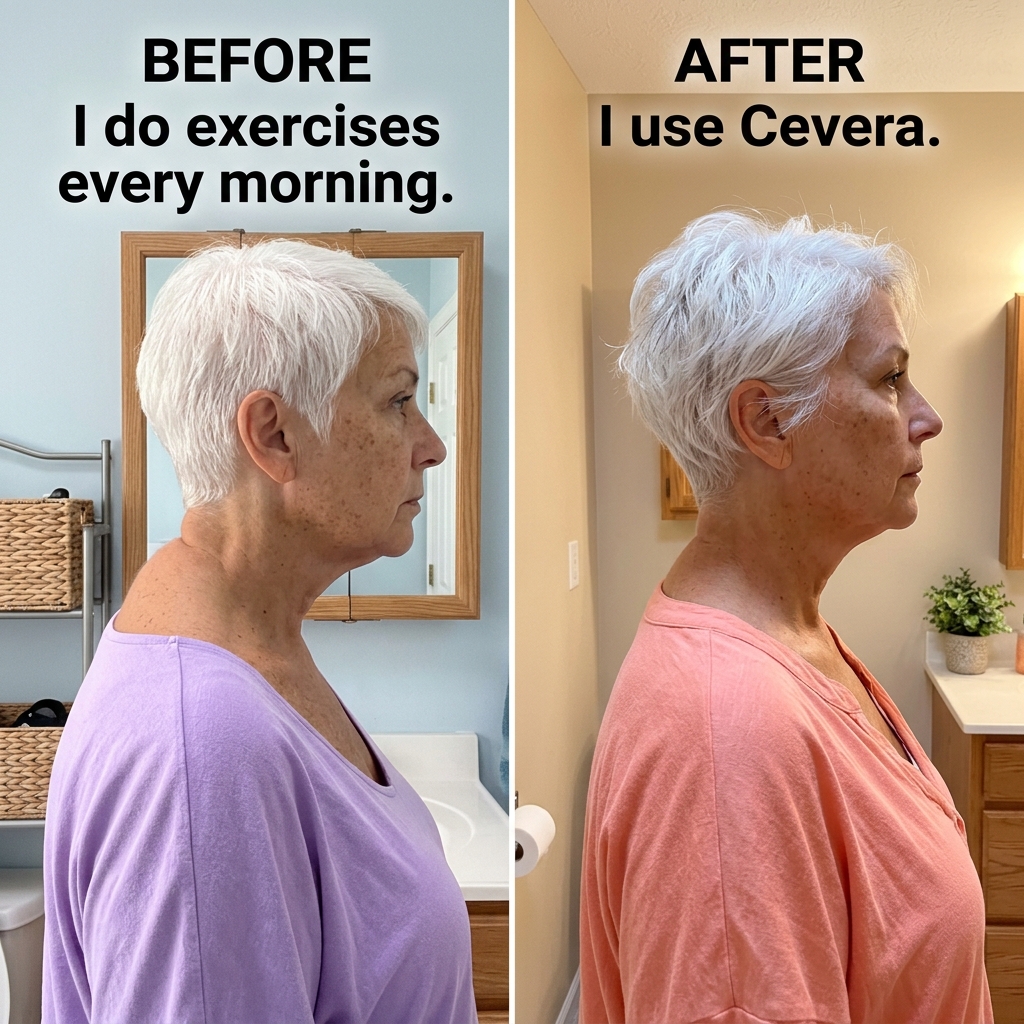
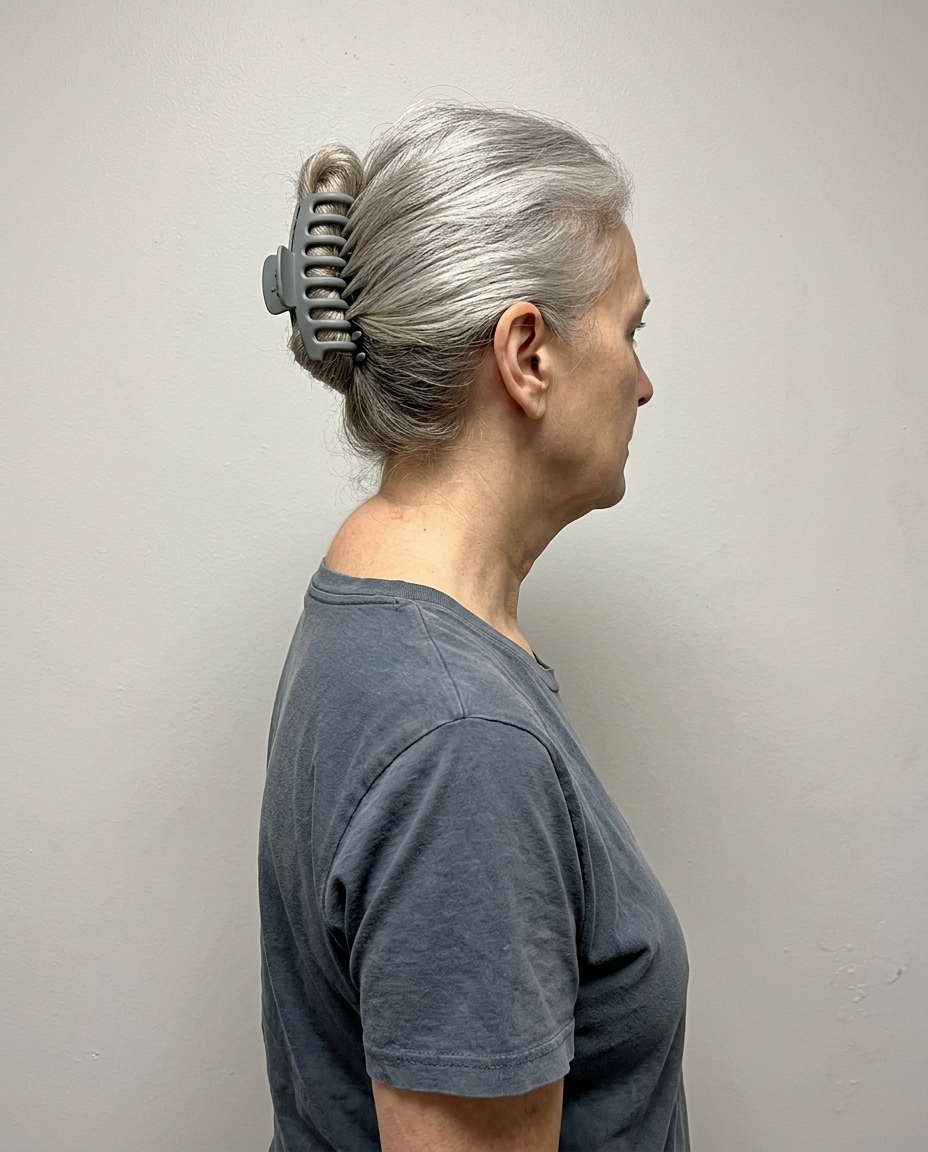
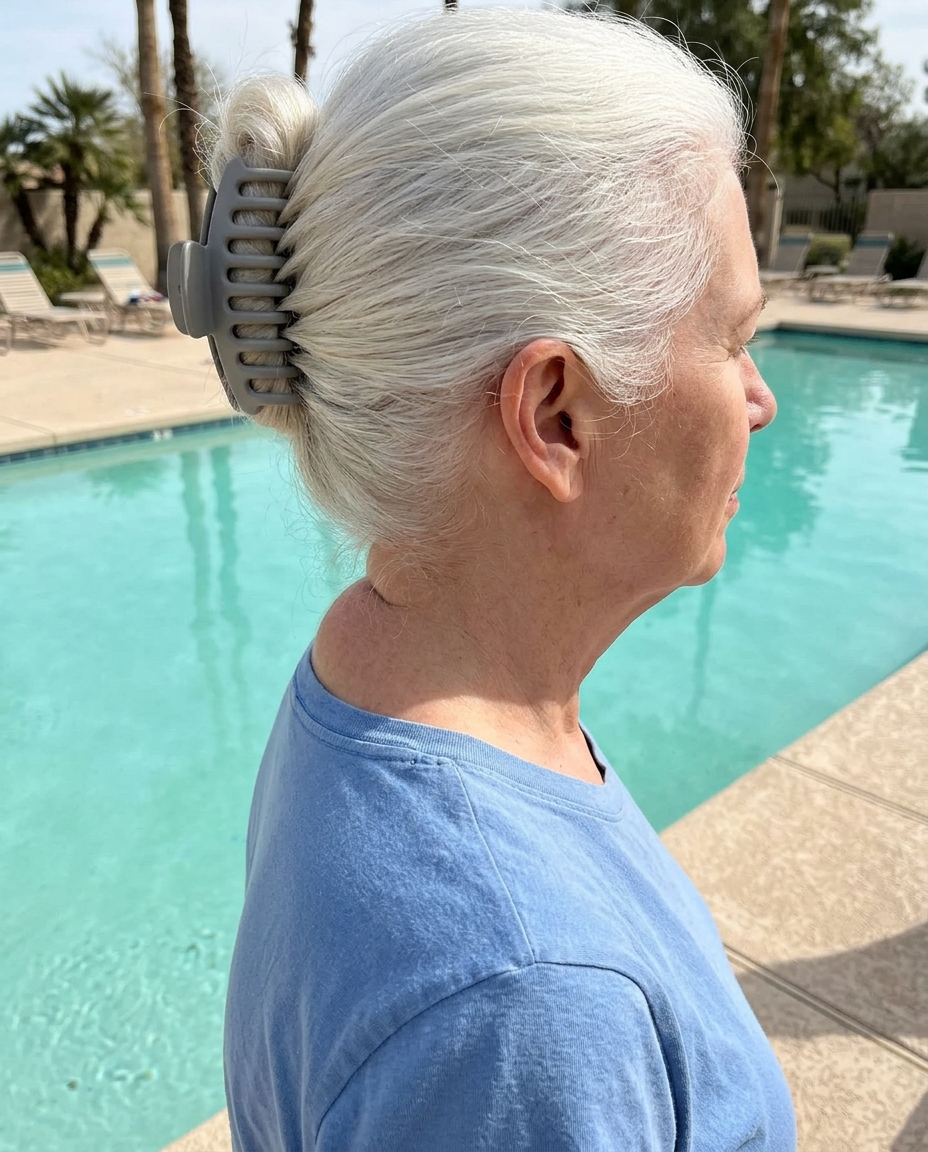
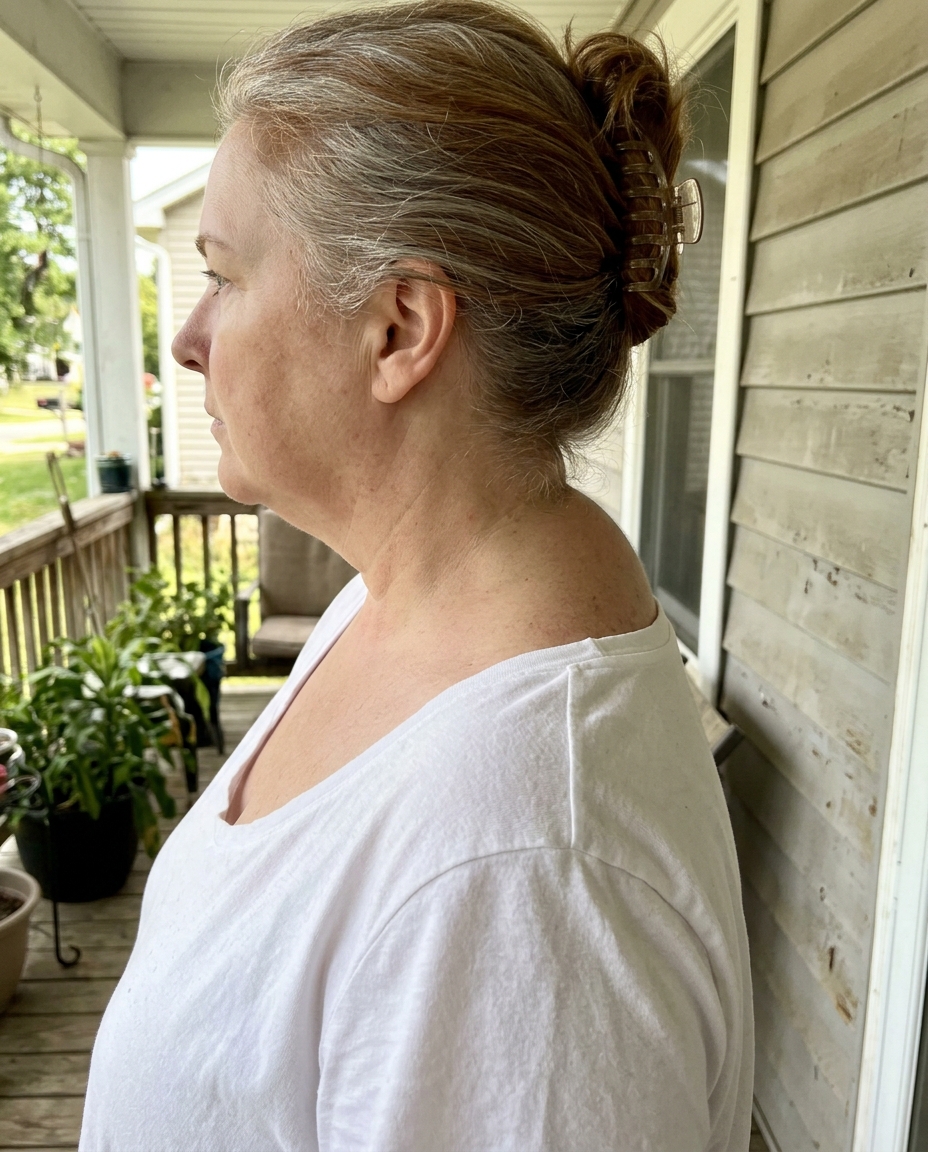
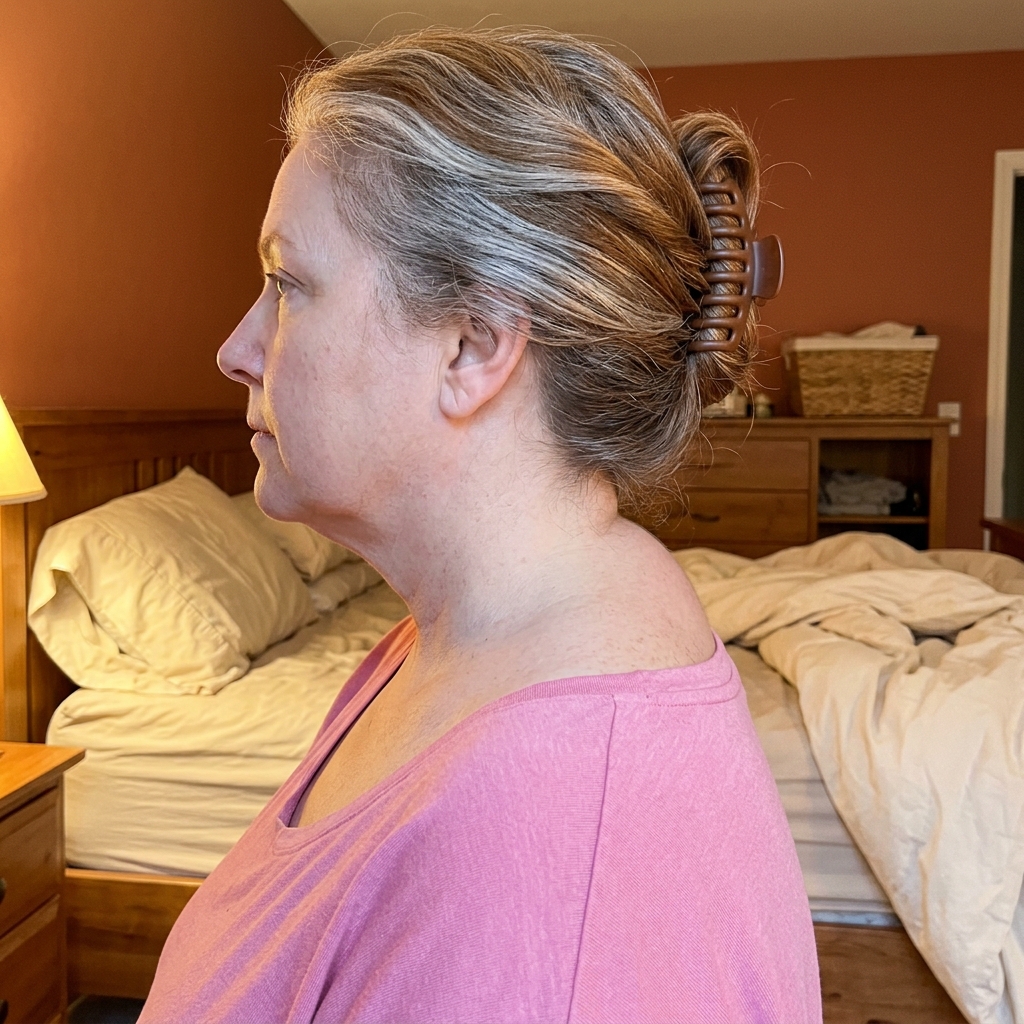
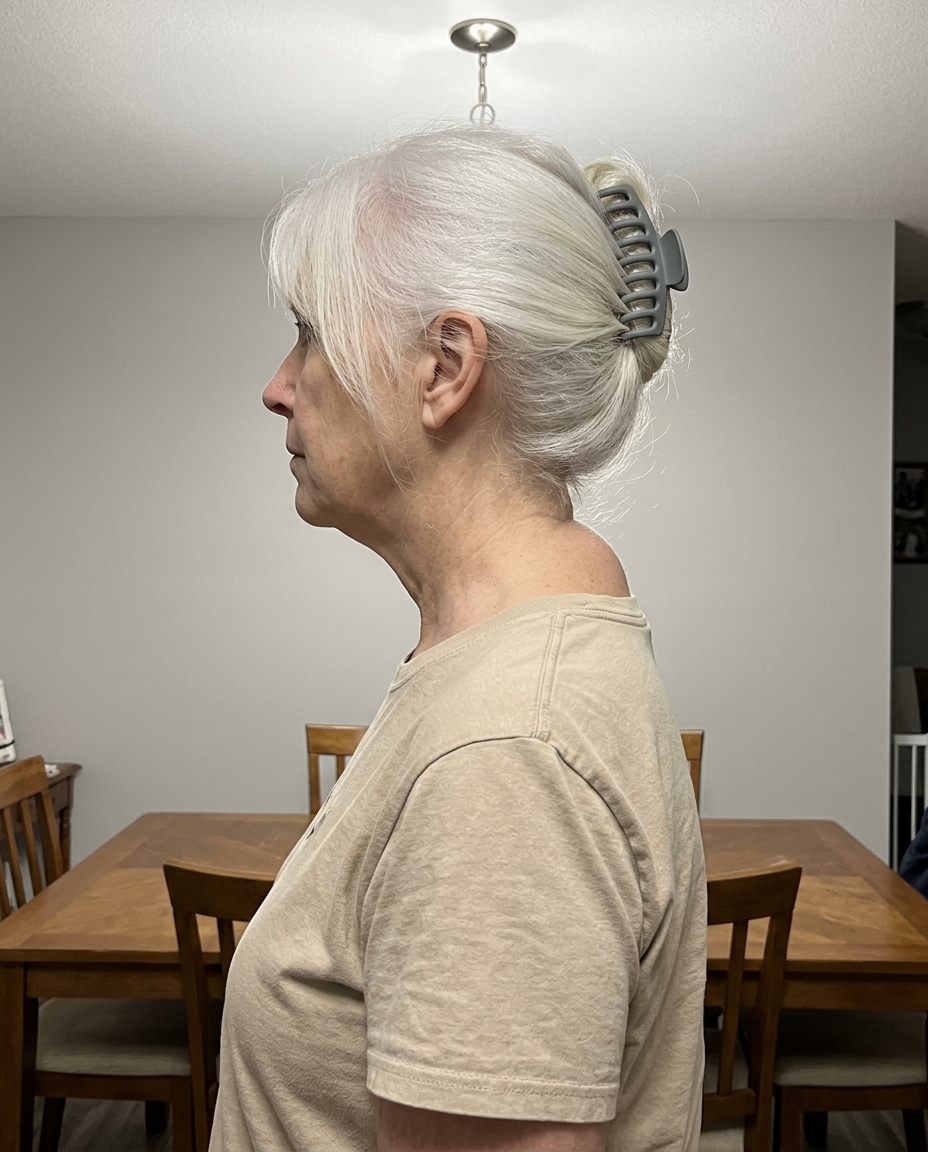
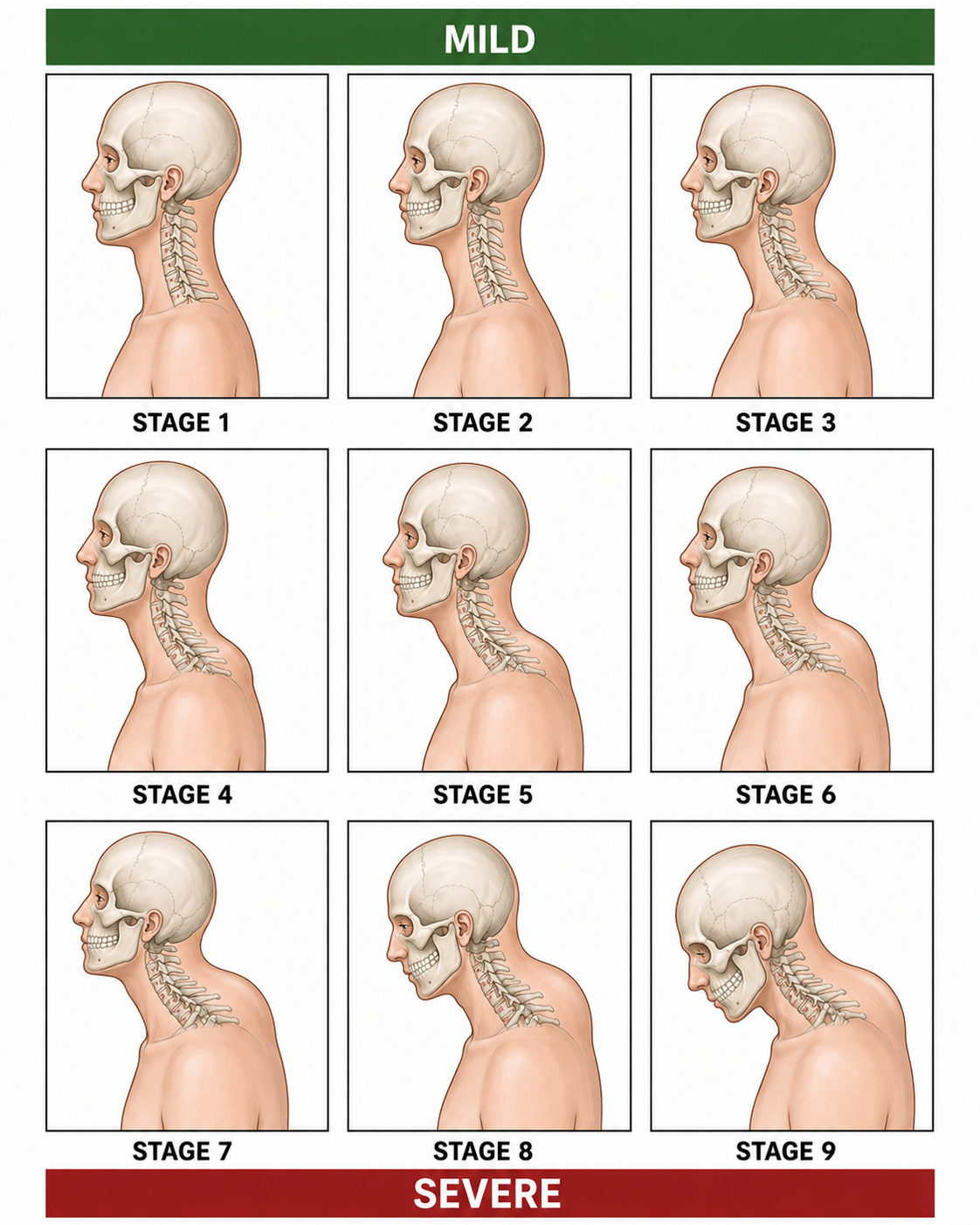
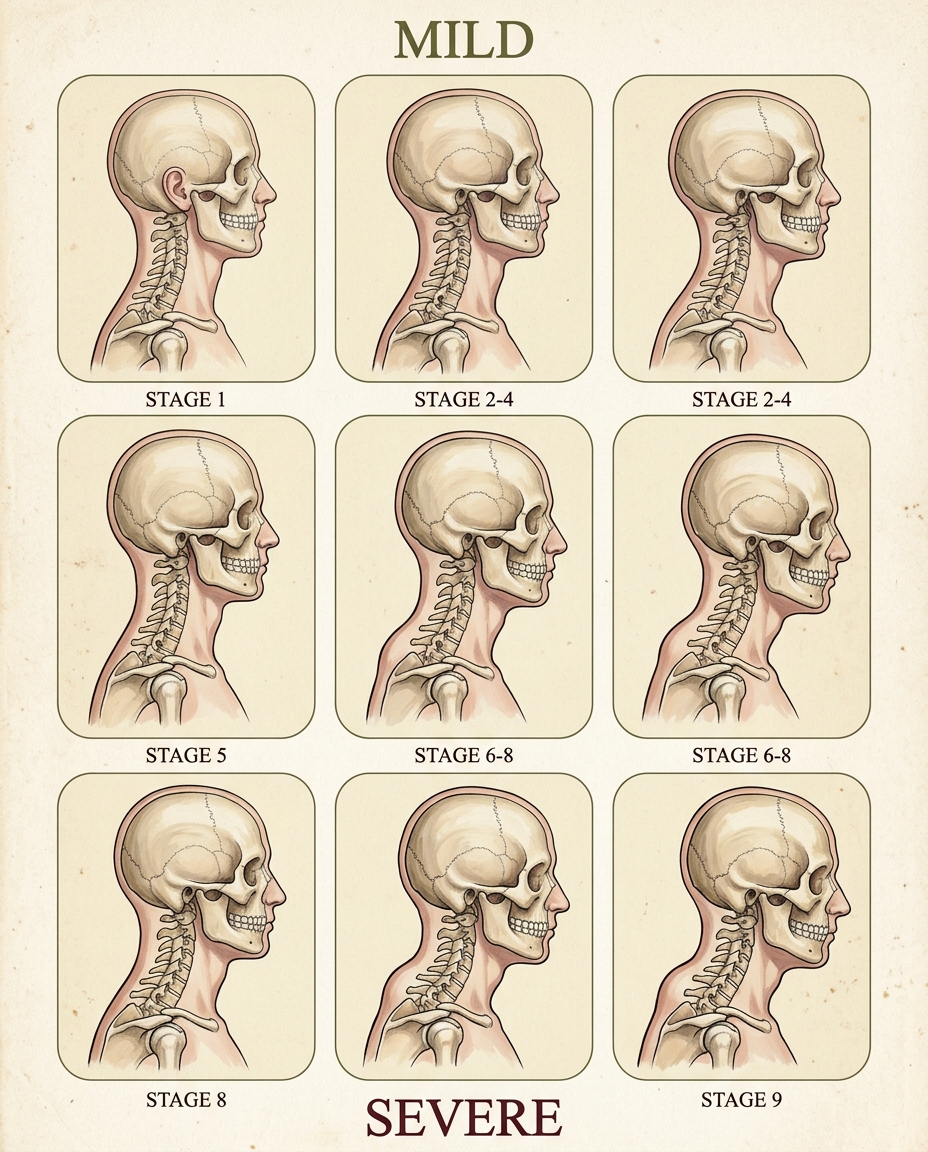
1 in 3 women over 50 develop progressive cervical tissue accumulation according to cervical biomechanics research. Most will never find out what's actually driving it. Because the signs don't look like "a release mechanism that stopped working." They look like manageable progression. They look like normal aging. They look like a woman who just needs to be more consistent with her sessions. They look exactly like what my mother has been dealing with for eight months. She's 64. She steps back from photographs almost every time. Her manual therapist ran an assessment and told her everything was in the manageable range. Said she had normal cervical progression. Said she'd stabilise with consistent management. She hasn't stabilised. And I spent eight months trying everything I could think of before I found out what was actually going on. I tried what made sense at first. Got her a better cervical pillow. She seemed a little easier for a few days, then right back to it. Booked her into more frequent sessions and made sure she attended for six weeks straight. Nothing changed. Added a foam roller. Added a posture brace. Less screen time. A week of morning stretches she fought me on every morning. Some of it helped for a day, maybe two. A little window where I'd think... finally. Then it closed right back. She'd step back from the photo. Again. Like nothing I did mattered. I went with her to her next management appointment. Described everything. Her practitioner assessed her. Ran the measurements. Everything came back in the manageable range. "She has normal cervical progression," she told us. "Some women are like this. She'll stabilise with consistent management." She said it kindly. But she said it like the conversation was over. I sat in the car thinking... a woman who steps back from every photograph, who has reorganised her entire wardrobe, who calculates her angle before she enters any room isn't "fine." I just couldn't prove it to anyone. Then the exhaustion theory showed up. Her friend mentioned it first, gently. "Sometimes women carry tension in their neck when they're stressed. Is everything okay at home?" My stomach dropped. I looked it up that night. "Women often manage appearance anxiety through avoidance. The wardrobe changes and social withdrawal may be secondary to the underlying stress." Article after article. And this one pointed directly at me. Because if her withdrawal is from stress, then something in her world is causing it. And I'm part of her world. I replayed everything. Is it her retirement? Is it her relationship with Dad? Is something happening that I'm not seeing? That was the lowest point in all of this. Not feeling helpless. Feeling like maybe I was part of the reason my mother was disappearing from her own life. But then I started paying attention to WHEN she stepped back. She did it at her own birthday party. While laughing with her oldest friends. It happened at my wedding anniversary dinner. Mid-celebration, no stress in sight. On a Sunday morning at a family brunch with people she loves completely. If this were stress or anxiety, it would cluster around hard moments. Family conflict. Difficult days. Pressure. It showed up during the best parts of her life instead. This wasn't coming from her head. Something was physically happening. And nobody had figured out what. About three months ago I was at a friend's gathering waiting for my mother to arrive. Another woman was talking to someone about her own mother's stepping back. I just caught one sentence. "It turned out to be a dormant release mechanism. We had no idea that was even a thing." I turned around. "What?" She told me her mother had been stepping back from photographs and calculating every morning for over a year. Practitioners couldn't find anything wrong. Same story as mine. Then someone told her to look into the release mechanism at the base of the skull. I almost dismissed it. My mother attended sessions. Her measurements were manageable. "Apparently the sessions address the tissue above the mechanism but never reach the mechanism itself. The tissue keeps building because the release signal keeps failing. You'd never know from a standard assessment." "Her practitioner said it can come from literally years of accumulated forward load. Just normal life. And most women have no clue because it looks like a hundred other things." The next week I was sitting across from a cervical biomechanics specialist feeling half uncertain for being there. I described my mother's pattern. The stepping back. Every photograph. No clear pattern. Eight months. She was nodding before I finished. "What else have you noticed?" she asked. "Anything besides the photographs." I almost said no. Then I stopped. "Her morning routine has changed. She spends a long time getting ready. She's always been quick. Now she stands at the wardrobe for twenty minutes." "And her social life?" "It's contracted. She used to suggest things. Now she waits to be invited and sometimes finds reasons not to go." The specialist nodded. "The morning routine and the social contraction... those aren't separate from the stepping back. They're signs of the same thing." The release mechanism at the base of the skull — right where the skull meets the spine — is supposed to fire a signal after every forward movement throughout the day. That signal tells the cervical muscles to let go and return the head to center. When the mechanism is dormant, the muscles stay locked in continuous contraction. The head stays pulled forward. The body builds tissue to compensate. Not the kind of progression that changes after a session or responds to a new pillow. The kind that's always running in the background. That's why the stepping back seems to happen regardless of the situation. It's not reacting to stress or mood or time of day. It's there because something is physically driving the forward pull around the clock. "Think of it like pouring water into a bucket with holes in the bottom," she said. "Every session you booked her, every tool you bought... it was good water. But it drained out as fast as you poured it in, because the thing poking the holes was still there." "You have to fix the bucket first. Restore the release mechanism. Then the management can actually hold." She said the morning routine changes and social contraction were two of the most common patterns she sees alongside tissue progression. They meant the release mechanism had been dormant long enough to reorganise daily life around the restriction. "Why didn't her practitioner catch this?" "Standard assessments measure the tissue and the translation. They don't measure whether the release mechanism is firing. Your mother's practitioner ran the right assessment. It just isn't designed to find this. She's not wrong. She's working with tools that have a blind spot." Before I left, she told me what to look for in a home release tool. Not a general cervical device at a half-specification. Something actually designed to deliver all three required inputs simultaneously. It needed to reach the exact C1-C2 address — the precise suboccipital location where the release mechanism lives. Not approximate. Exact. It needed gravity-assisted sustained delivery — the head's own weight providing consistent, unvarying force. Not a practitioner's hand that fatigues and varies. And it needed a minimum ten-minute hold — long enough for the release signal to complete rather than just begin. Without all three simultaneously, the mechanism never fires. The tissue keeps building. The stepping back continues. I went home and started searching. Most of what I found were general cervical tools. Broad pressure devices, posture supports, nothing built to deliver all three inputs simultaneously at the exact C1-C2 address. Then I found Cevera. Two precision foam nodes at exact C1-C2 anatomical placement. Gravity-assisted delivery through the head's own weight. Ten-minute protocol before bed. Everything the specialist described. I ordered it that night. Week one... not much changed. Mum still mentioned her angle a couple of times. I kept going. Week two... she went two full social occasions without stepping back. I almost didn't notice because I was so used to watching for it. Then at a family dinner, she sat in the middle of the table. Not at the end. Not against the wall. In the middle, where the photographs always happen. She hadn't done that in four months. Week three... the morning routine was shorter. I called her one morning and she was already dressed and ready before I expected her to be. I held the phone for a moment just listening. She told me I was being quiet. I was. I just hadn't heard her sound like herself in so long. Week four... she came to my daughter's school event, walked in without checking the angle at the door, and sat in the front row. No step back. No wince. No pause. Just a woman being present. I sat in my car afterward and cried. Not because anything was wrong. Because for the first time in eight months, nothing was. I think about all those months now. The guilt when I half-dismissed her. The exhaustion theory that made me wonder if I was part of the problem. The practitioner who gave us a label that explained nothing and sent us home. I wasn't imagining it. My gut was right the entire time. I just didn't know where to look. If you've been stepping back from photographs for months while your practitioner says everything is in the manageable range... And you've also noticed things like the morning routine getting longer, the wardrobe getting smaller, social invitations you find reasons to decline... on top of the automatic positioning that happens before you even think about it... Even just two or three of those alongside the tissue progression... You're probably not looking at a bunch of separate problems. You're looking at one thing that nobody has specifically addressed. And if your practitioner told you "manageable progression" or "she'll stabilise with consistent sessions" or "it might be stress-related"... and nothing you've tried has held for more than a few days... You're not failing. You've been pouring into a bucket that couldn't hold it yet. Most cervical tools aren't built for what's actually driving this. They're general pressure devices that approximate the suboccipital zone. Broad compression, imprecise placement, nothing designed to deliver all three required inputs simultaneously at the exact C1-C2 address. Some tools apply pressure but shift away from the right address the moment you relax. So the release mechanism starts to receive the signal and then loses it. Others stay in position but don't hold long enough for the signal to complete. So you feel something starting but nothing finishing. Cevera does both. Reaches the exact C1-C2 address. Delivers gravity-assisted sustained force through your own head weight. Holds for the minimum ten minutes the release signal requires to complete. Precision-engineered nodes that stay at the right address for the full duration. No practitioner required. No session to book. Ten minutes before bed. 90-day money-back guarantee. If you don't see a change, you get every cent back. I saw it by week two. If you've been stepping back from photographs and your practitioner says everything is manageable... If everything you've tried helps for a day and then stops... If you're stuck between "something is wrong" and "maybe I'm just being too self-conscious"... I know exactly where you are. I watched my mother live there for eight months. This is what finally got us out. 👉 https://trycevera.com/pages/adv-womens-wellness-report
Read this if you have a neck hump
Cevera helps restore the release mechanism that may be causing your tissue progression, social withdrawal, and morning calculation. Our precision three-input protocol delivers exact C1-C2 placement with gravity-assisted sustained delivery.
LEARN MORELike this ad? Make it yours.
Crush rebuilds this exact creative around your product — your brand, your colors, your offer — in about a minute.