
Active· since Apr 4, 2026
- 164
- days running
- 0
- relaunches
Ad copy
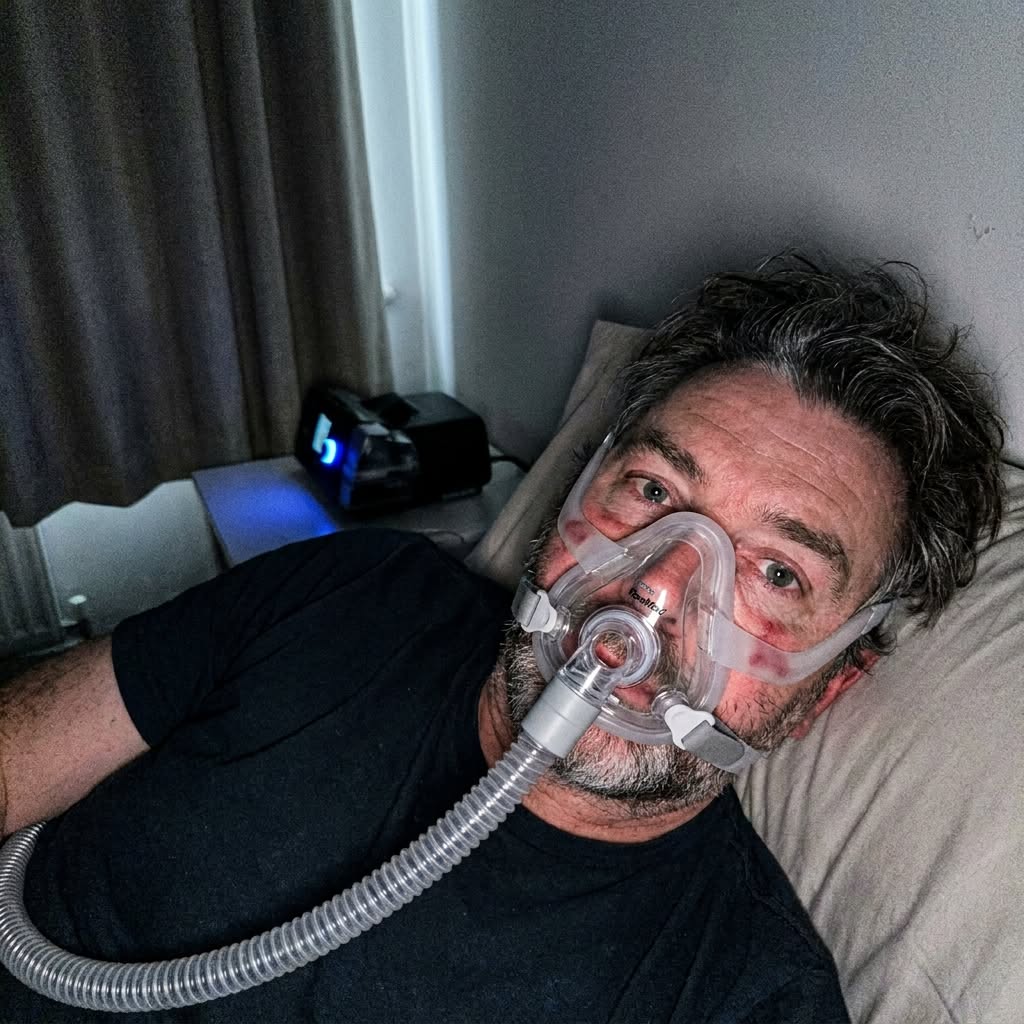
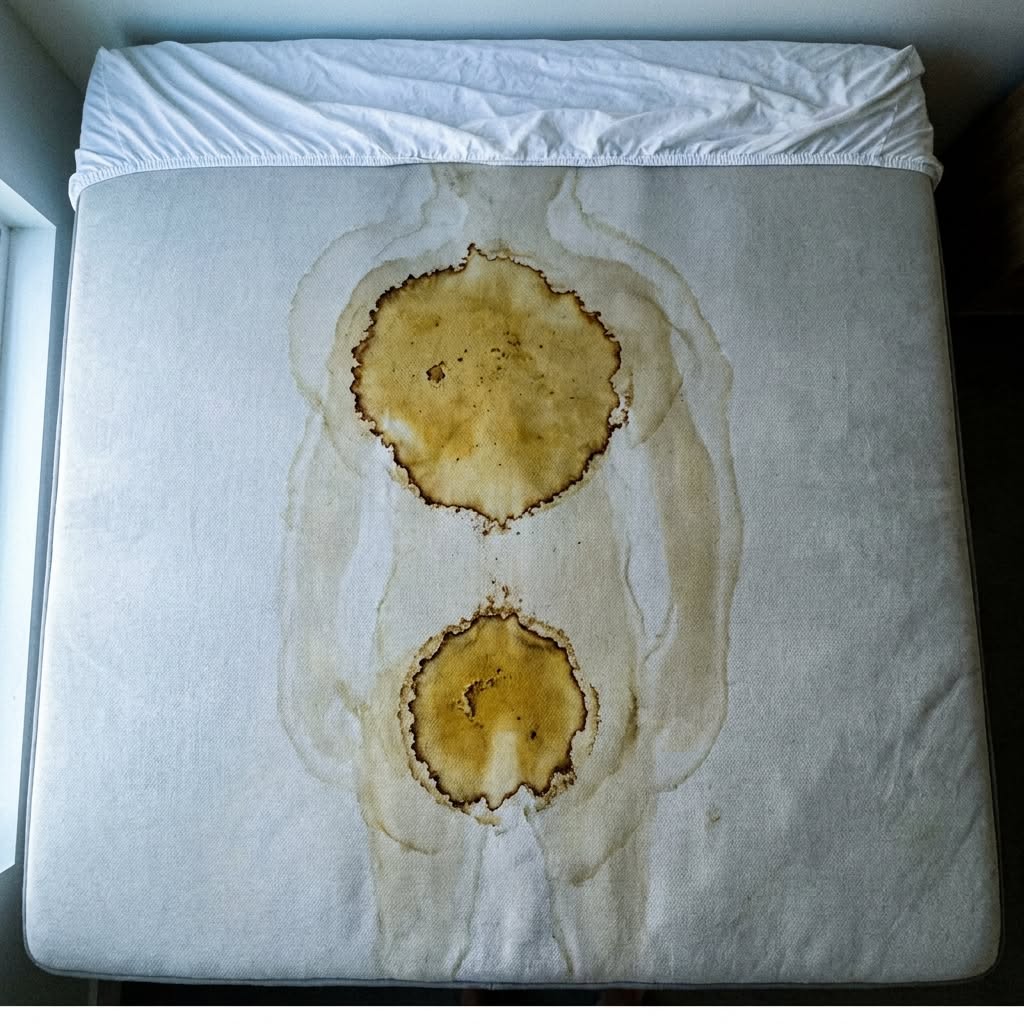
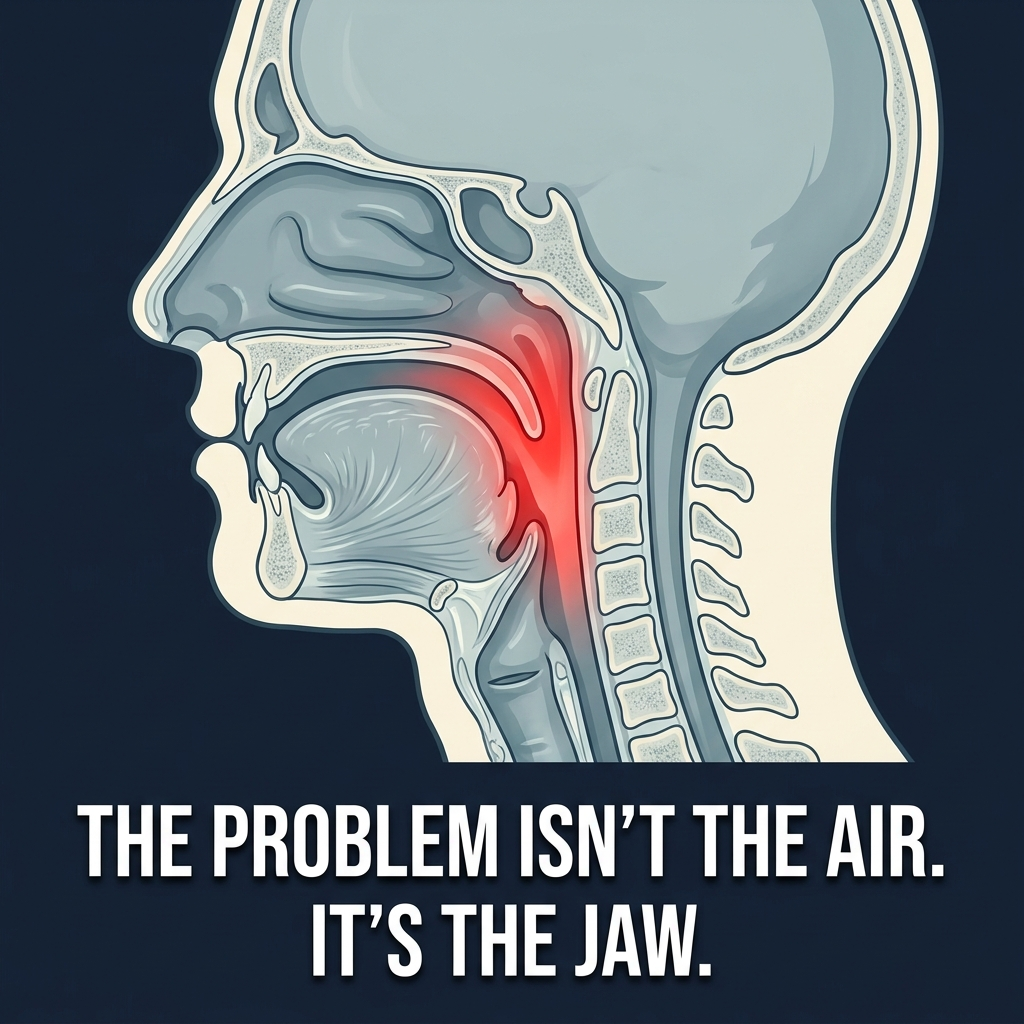
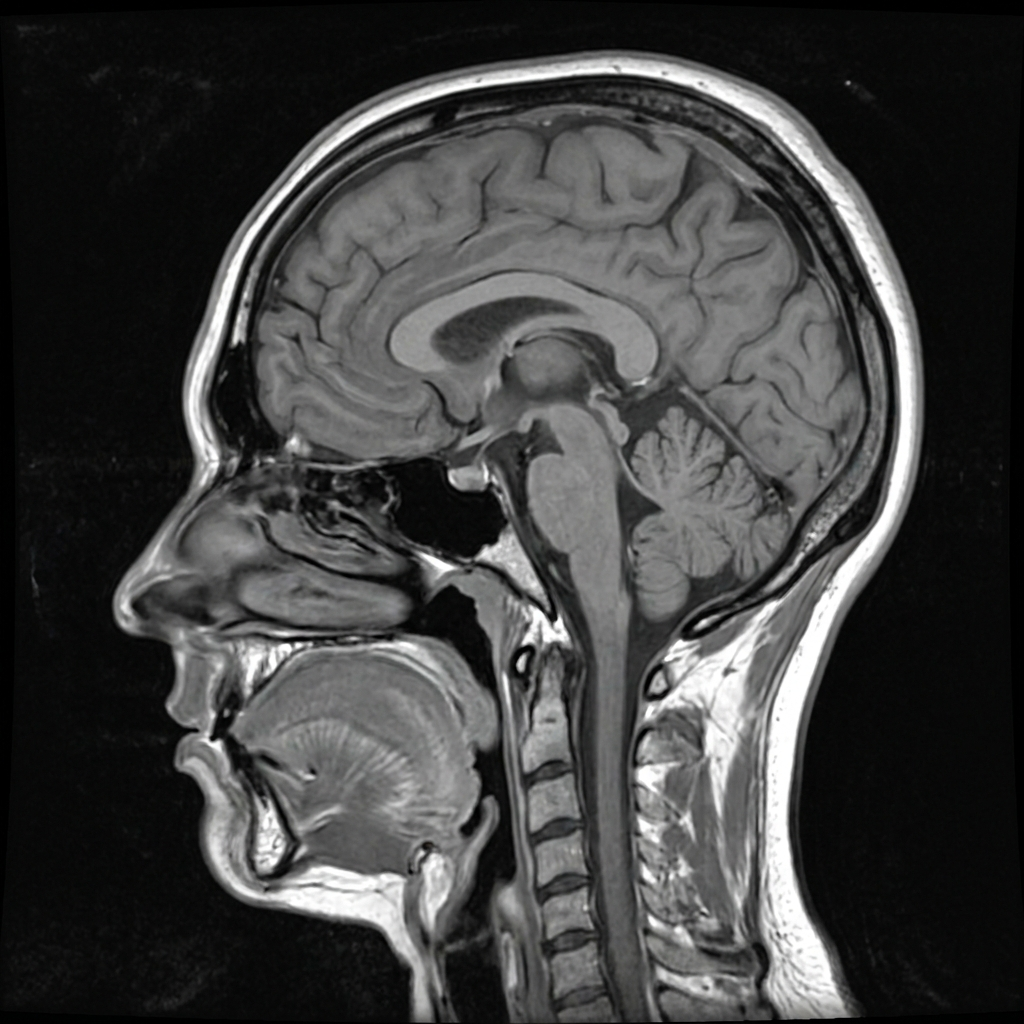
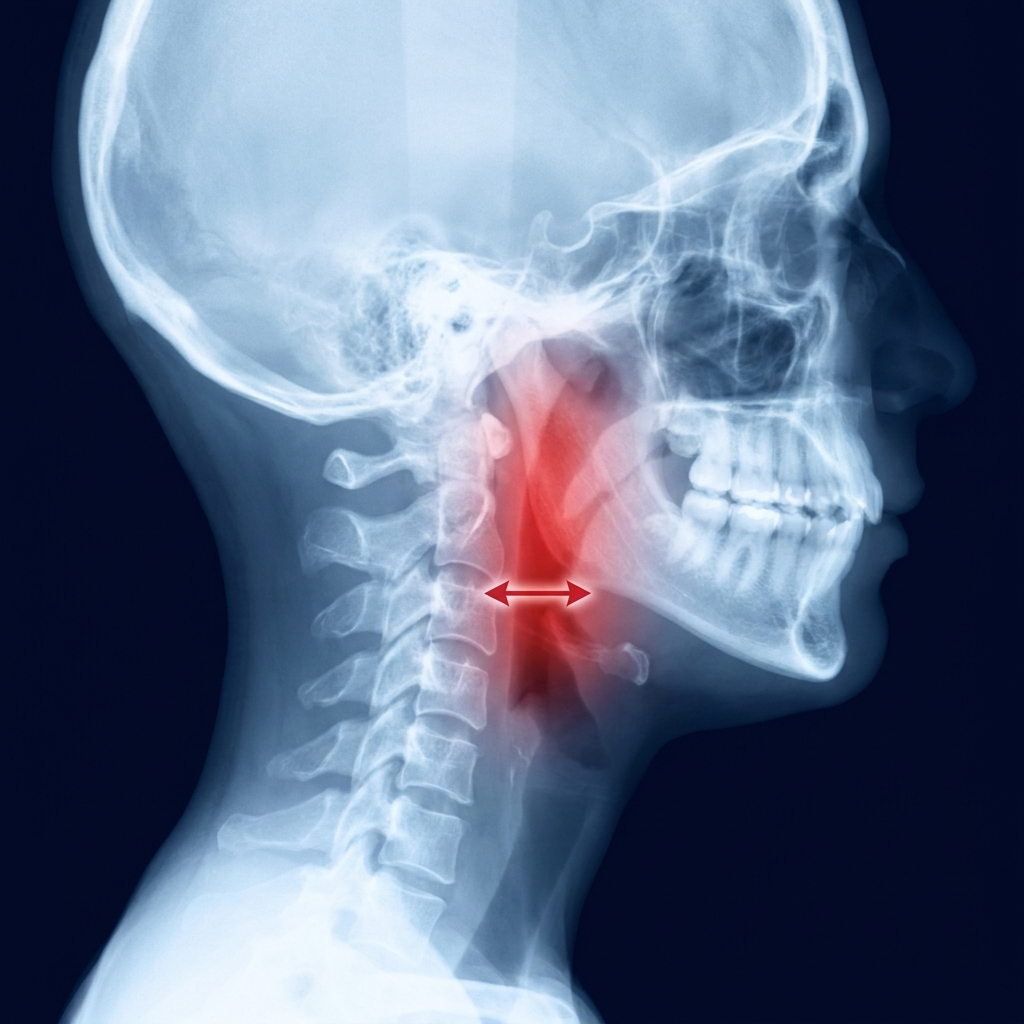
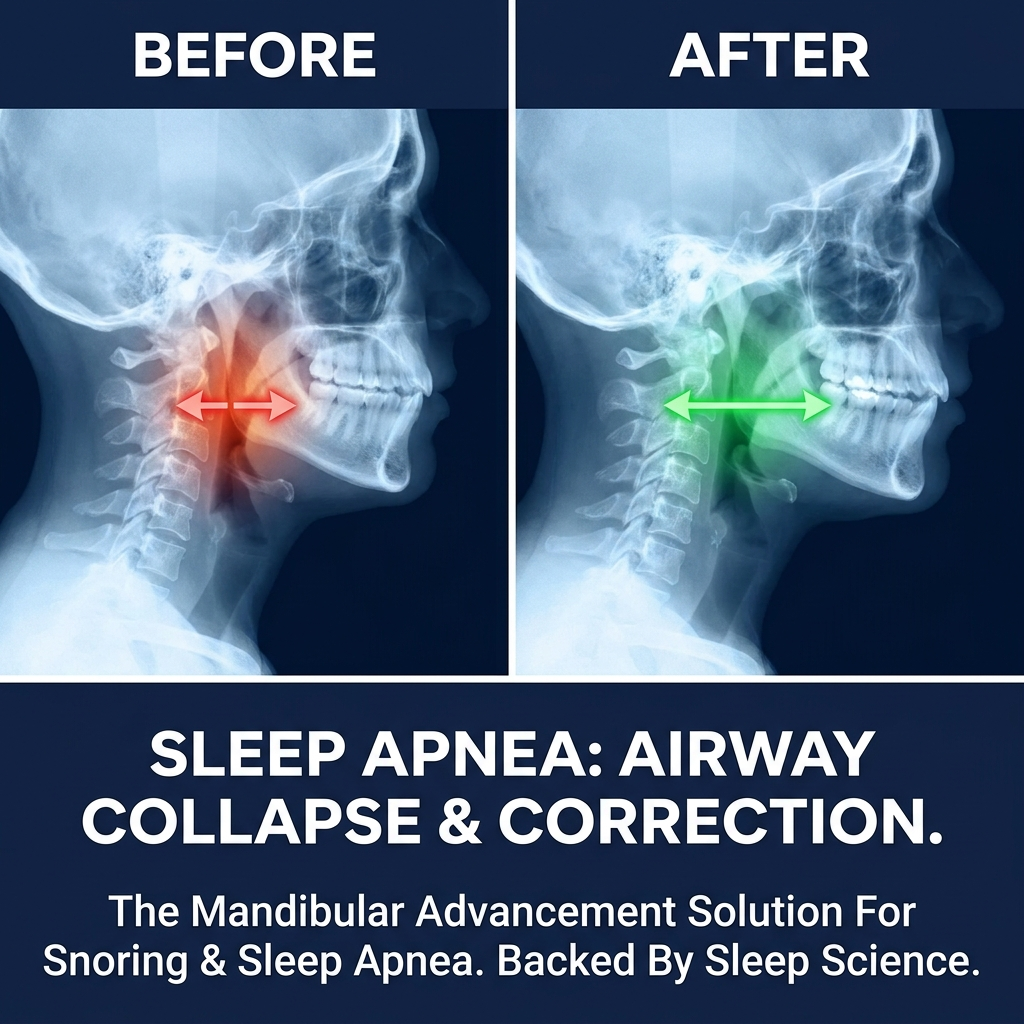
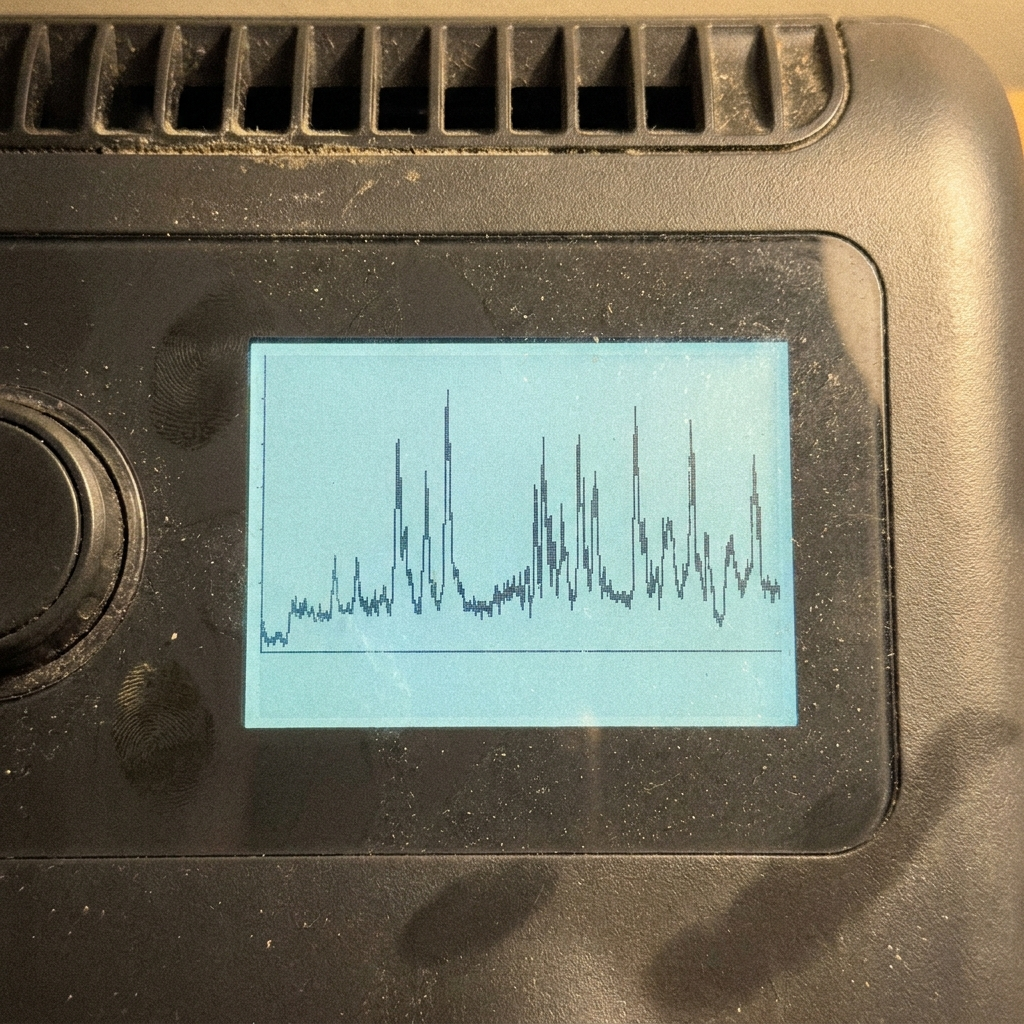
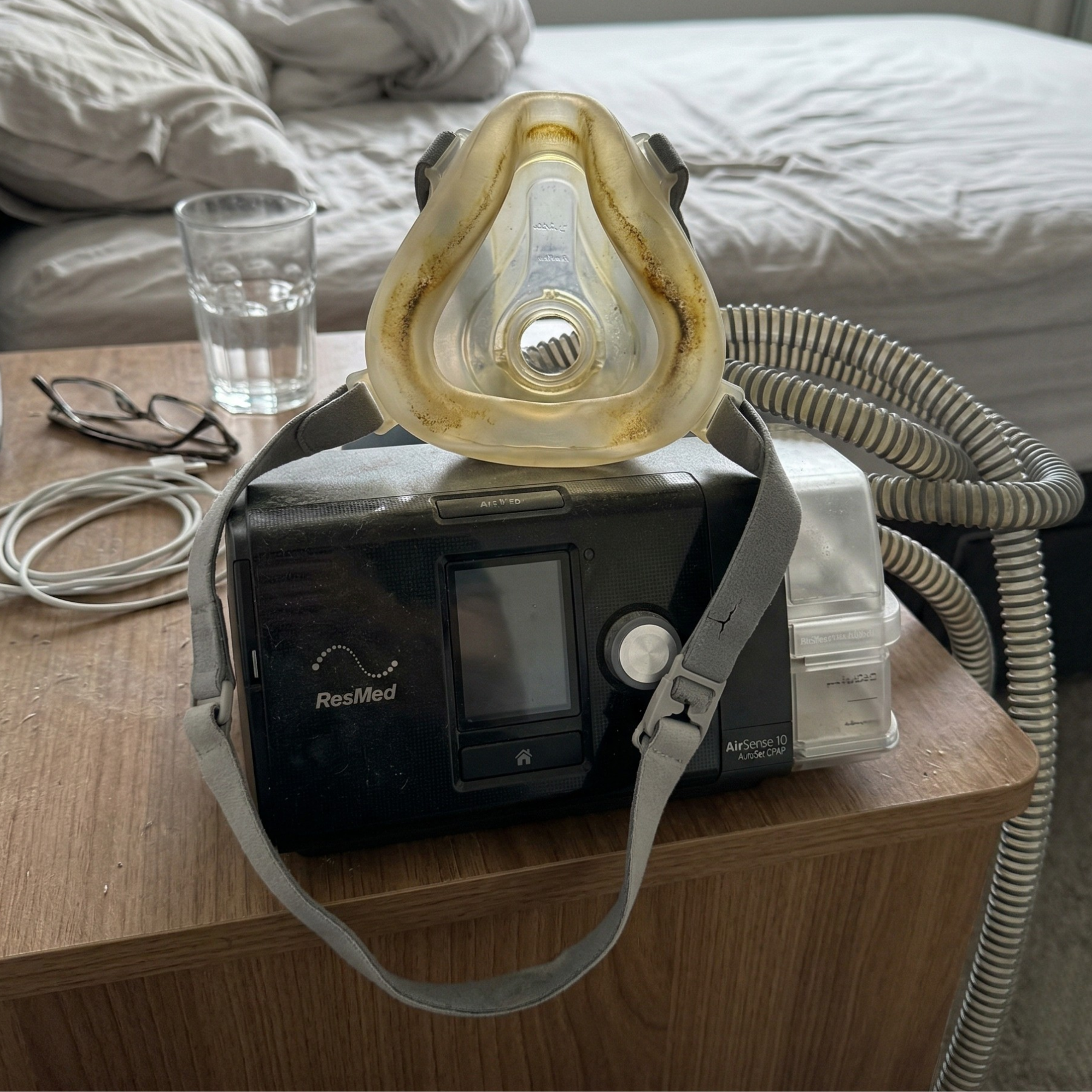
My Husband Moved To The Spare Room 4 Years Ago. Last Tuesday, He Came Back. I need to tell you something I've been too ashamed to say out loud. My husband hasn't slept in our bed since 2021. He moved himself to the spare room. Not because we were fighting. Because he could see what his snoring was doing to me — and he hated himself for it. I'm 46. Married 21 years. Three kids. We built everything together. And for 4 years, we've lived in the same house like strangers who share a kitchen. What Nobody Tells You About The Partner Everyone talks about the snorer. The health risks. The apnea. Nobody talks about what happens to the person lying next to them. Four years of broken sleep changed me. I started forgetting client names I'd known for years. Losing words mid-sentence. My manager pulled me aside: "Rachel, are you alright? You seem scattered." I wasn't alright. I was averaging 4 hours of broken sleep a night. I snapped at my kids constantly. My 11-year-old asked me once: "Why are you always angry now?" I looked older than 46. My GP put me on blood pressure medication — me, not Mark. I was the one whose body was breaking down from years of lying awake, listening to him choke, shaking him when the silence lasted too long. My sister said: "You seem like you're just surviving." She was right. What I Didn't Know He Was Going Through I thought Mark didn't care. I thought he was fine in the spare room. Unbothered. Maybe even relieved. Six months ago, I got up at 1 AM to get water. His light was on. I pushed the door open. He was sitting on the edge of the bed, laptop open, reading about sleep apnea and early-onset dementia. He looked up and his face crumbled. "I think I'm losing my mind, Rach." He told me everything. Memory lapses at work. Nearly falling asleep driving home. Staring at nothing for minutes, unable to think. "I feel like I'm 70. I'm 48." Then, quieter: "I know what I'm doing to you. I moved out of our room because I couldn't stand watching you flinch every time I fell asleep." He'd been googling solutions at 1 AM for months. Alone. Ashamed. Too proud to bring it up because everything he'd found had already failed. That night I realised: this wasn't just destroying our marriage. It was destroying both of us. Separately. In the same house. What We'd Already Been Through CPAP Machine — £1,800 Sleep study: AHI of 74. Severe apnea. His airway was collapsing dozens of times per hour. First week: worked. Then the mask started leaking. Hissing at 2 AM. The machine's auto-pressure ramped up every time it detected obstruction — but here's what nobody explained: the machine was fighting harder because the obstruction kept happening. Air forced through a collapsing airway. Every time his jaw relaxed backward, the machine pushed harder. Higher pressure meant more leaks. More leaks meant worse sleep. By month two, the CPAP was collecting dust. £1,800 on a machine that brute-forced air through the exact problem it couldn't fix. Three Mouthpieces — £120 First one: boil-and-bite. Bulky. He gagged. It lasted two nights. Second: fell out by 1 AM every night. Third: wore it for a week, his jaw hurt so badly he couldn't eat solid food. "I'm not putting any device in my mouth again." Pillows, Strips, Sprays, Sleep Gadgets — £290 Wedge pillow: rolled off within an hour. Anti-snore pillow: nothing. Side-sleep trainer: he snored on his side too. Nasal strips and throat sprays: utterly useless — the snoring was coming from his throat, not his nose. I didn't know that yet. Marriage Counselling — £1,400 Three sessions. Then the counsellor said: "Many couples find that sleeping separately actually strengthens their relationship." "We don't want to sleep separately," I said. "We want to sleep together without him dying in his sleep." She didn't have an answer for that. Sleeping Tablets for Me — £150 Knocked me out. But if I was sedated, who would shake Mark awake when he stopped breathing? And besides that, everyday I woke up extremely tired. Stopped after a month. Total: £3,760. Four years apart. Both of us deteriorating. And nobody — not one doctor, specialist, or counsellor — explained why it was happening. The Night Everything Changed Thursday. 11:40 PM. In bed alone. Scrolling a Facebook group for partners of people with sleep apnea. Thousands of members. Mostly women. All exhausted. A woman named Claire, 51, Edinburgh, had posted something long. The first line stopped me: "I need to apologise to my husband. For 7 years I thought he wasn't trying hard enough. I was wrong." Claire's story was almost identical to ours. Then she wrote something that changed everything: "My brother-in-law is a dentist. He came to dinner one night and I told him everything. He listened. Then he said something no one had said in 7 years: 'The problem isn't the air. The problem is the jaw.' He drew it on a napkin. When you fall asleep, your jaw muscles relax. The lower jaw drops backward. It pulls the tongue with it. The tongue slides into the airway. The soft tissue collapses. That's the snoring. That's the choking. That's the oxygen dropping all night. 'CPAP forces air through that collapse. But the collapse keeps happening every time the jaw falls back. You're fighting physics with air pressure. That's why the machine keeps ramping up.' Then he asked: 'Has anyone ever tried just preventing the jaw from falling backward?' Seven years. Thousands of pounds. And a dentist at our kitchen table asked the one question nobody else had." Claire continued: "He told us about medical-grade mouthpieces — not the cheap ones. Devices engineered to hold the jaw in a precise forward position all night. Adjustable. Thin enough to breathe through your mouth. Won't fall out. He recommended one called airvex pro. £30. First night: light snoring for about 20 minutes while we dialled in the setting. Then silence. By night three: nothing. Not a sound. Five months now. He sleeps in our bed. His blood pressure went down. Mind clearer than it's been in years. I haven't woken up scared since March." I read that post four times. Then I looked it up myself. Found a sleep medicine lecture explaining the exact same mechanism — jaw drops back, tongue follows, airway narrows or closes. The professor said they've known for decades that jaw position is the primary variable. And a published study showing mandibular advancement devices reduced apnea events by 50–70%, with dramatically higher patient adherence than CPAP. The science confirmed everything Claire's brother-in-law drew on that napkin. I went to this airvex page. 42,000+ customers. 4.8 stars. Reviews that read like our story. £29.99.. 60-day money-back guarantee. That guarantee is what got me. After £3,760 on things that didn't work — none of which offered a refund — this was £30 with a full return if it failed. I ordered at 11:58 PM. Saturday: The Box Arrived I brought it to Mark in the spare room. "I need you to try something. One night." He looked at the box. "Rach, I told you — I can't do mouthpieces." "Just look at it." He opened it. Smaller than he expected. Thinner. Not the thick rubbery plastic from the Amazon ones. He bit down gently. Moved his jaw. Breathed through his mouth, then his nose. "That's... actually fine. It's not pressing on my teeth the way the others did." "One night. If you hate it, we return it." "Fine. One night." Night One He slept in the spare room. I slept in ours. Doors open. I woke at 2:15 AM. Force of habit. Silence. I walked down the hall. Stood outside his door. He was asleep. On his back — the position that usually produced the worst snoring. Breathing quietly. I went back to bed and slept until 6:30. Four unbroken hours. The longest stretch I'd had in longer than I can remember. Night Three "Still okay? Jaw not sore?" "A bit stiff the first morning. Like I'd been clenching. Went away by lunch. Last night — nothing." "Come sleep in our room." He brought his pillow down the hall. Got into our bed. His side — the side that had been empty for 4 years. I lay there rigid. Waiting. An hour passed. Nothing. I fell asleep. Woke at 4 AM — not to snoring. To silence. I reached over. He was there. Warm. Breathing. I rested my hand on his arm. He was there. Week Two Making breakfast. He cracked an egg, turned to me: "I can think again. Actually think. I solved a problem at work yesterday I'd been staring at for three weeks. Just saw it. The fog is lifting." He paused. "How long has my brain not been working properly?" I didn't answer. Because the answer was years. Month Two We both had check-ups the same week. Mark: Blood pressure down from 156/94 to 132/80. Resting heart rate from 86 to 68. His GP asked what changed. "I stopped my airway from collapsing." "Back on CPAP?" "No. Something that actually prevents the collapse instead of fighting it." Me: Blood pressure down enough that my GP began discussing tapering the medication. "What changed?" "I'm sleeping." She paused. "Rachel, chronic sleep deprivation in caregiving partners is one of the most underdiagnosed health problems I see. It presents as anxiety, hypertension, cognitive decline. I've seen it mimic early dementia. Four years without proper sleep..." She trailed off. "I'm glad you're sleeping now." Month Three Saturday morning. Late spring. I woke up. Mark was already awake. Watching me. "What?" I said. "Nothing. I forgot what this was like." That afternoon, my sister came over. She watched us in the kitchen — me leaning against him while he made coffee, him kissing the top of my head. She pulled me aside later. "What happened to you two? You're... you again. Both of you." I didn't know how to explain that a £30 mouthpiece had done what £3,760 and 4 years couldn't. So I just said: "He's sleeping in our room again." She teared up. "Oh, Rach." Why This Worked When Everything Else Didn't Every night, Mark's jaw muscles relaxed. His lower jaw dropped backward. His tongue slid into his airway. The airway collapsed. CPAP (£1,800): Forced air through the collapse. Didn't prevent it. Machine fought the obstruction all night, ramping pressure higher and higher. That's why it leaked. That's why it was intolerable. Cheap mouthpieces (£120): Right idea, poor execution. Bulky, loose, painful. Couldn't hold a precise position. Pillows, strips, sprays (£290): Treated the wrong anatomy. The problem was his throat collapsing, not his nose. Counselling (£1,400): Treated the marriage symptom. Not the medical cause. AirVex Pro (£29.99): Holds his jaw in a precise forward position all night. Jaw can't fall back. Tongue doesn't slide into the airway. Airway stays open. No collapse. No snoring. No machines. We wake up in the same bed. What I'd Recommend It's called AirVex Pro. Holds the lower jaw forward during sleep. Prevents the collapse. Medical-grade. Thin. Locks in place. 60-day money-back guarantee. £29.99. The shipping is on them. Based on 42,000+ customers and our experience? It's going to work. WHERE I GOT IT FROM → https://www.airvex.shop/products/airvex-pro%E2%84%A2-1 Why I Wrote This I know how this sounds. I know you've read things like this before. But I spent £3,760 on legitimate, doctor-approved solutions — and I was still sleeping alone while my husband's brain starved for oxygen upstairs. So I tried one more thing. And for the first time in 4 years, I woke up with my husband beside me. Not gasping. Not choking. Just breathing. His mind is clearer. My blood pressure is down. My kids have their mum back — the patient, present one. Not the exhausted ghost I'd become. If you're lying awake right now, in a separate room, wondering if this is the rest of your life — It doesn't have to be. —Rachel, 46, Manchester
His Snoring Put Us In Separate Bedrooms For 4 Years—Until A £30 Device Saved Our Marriage
"I think clearly again. Feel 10 years younger. My brain was oxygen-starved all night. I thought it was aging. This device fixed it entirely."
LEARN MORELike this ad? Make it yours.
Crush rebuilds this exact creative around your product — your brand, your colors, your offer — in about a minute.