The Pet Ear Health Foundation
The Pet Ear Health Foundation Facebook ad: “Why cleaning your dog's ears more makes it worse”
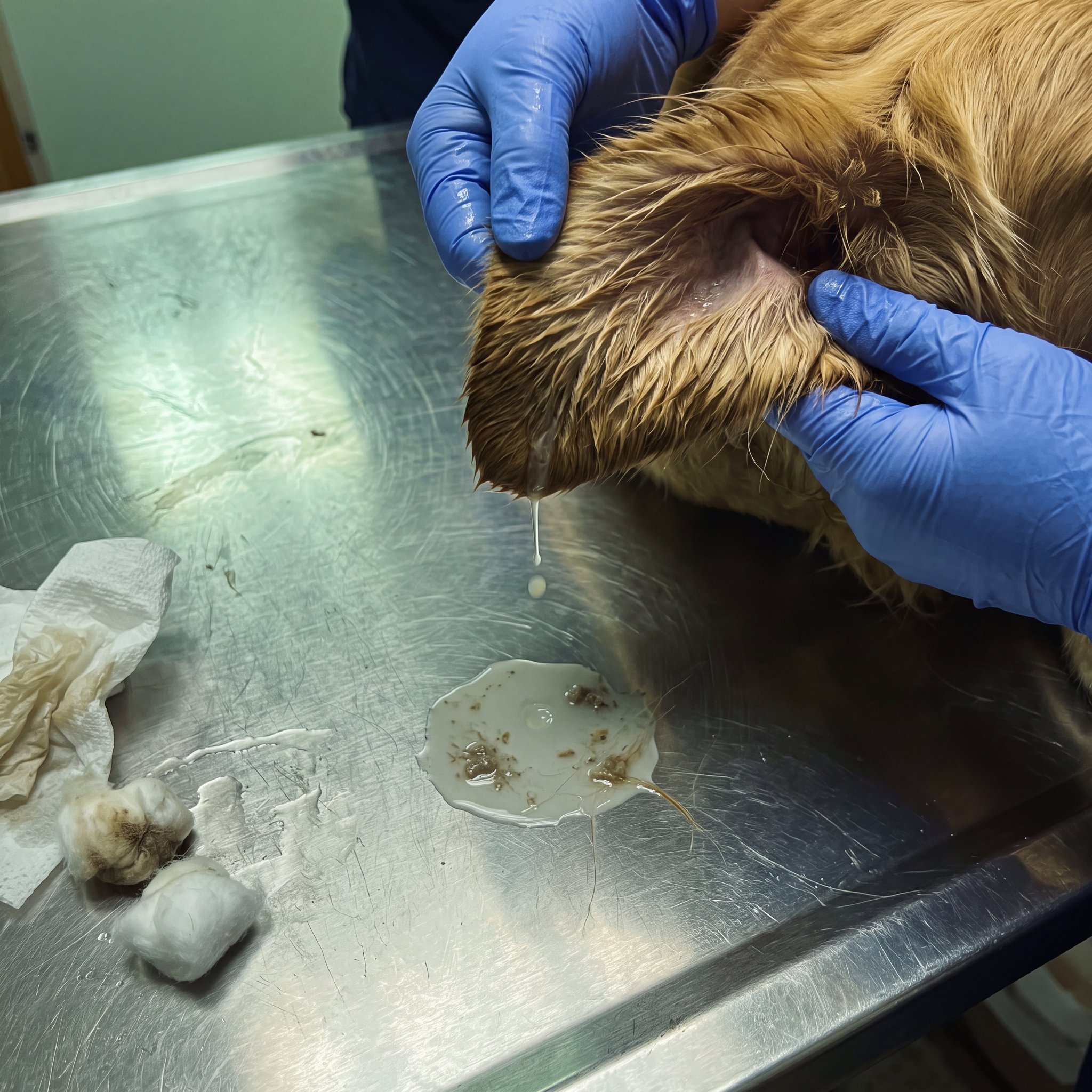
Ran for 3 days, from August 6 to August 9, 2026, the last day Crush saw it.
Run by The Pet Ear Health Foundation on Facebook. Crush is not the advertiser and does not verify its claims. See this ad in Meta's Ad Library(opens in a new tab)
Want an ad like this for your product?
Crush makes new ad images for your product from this ad: your logo, your product photo, your offer.
Trials from $19.95 USD, then $79.95 USD a month. Cancel anytime.
About this ad
- Meta Ad Library ID
- 2963690903973635
- Platforms
- Facebook, Instagram, Messenger and Threads
- Relaunches
- 0
Ad text
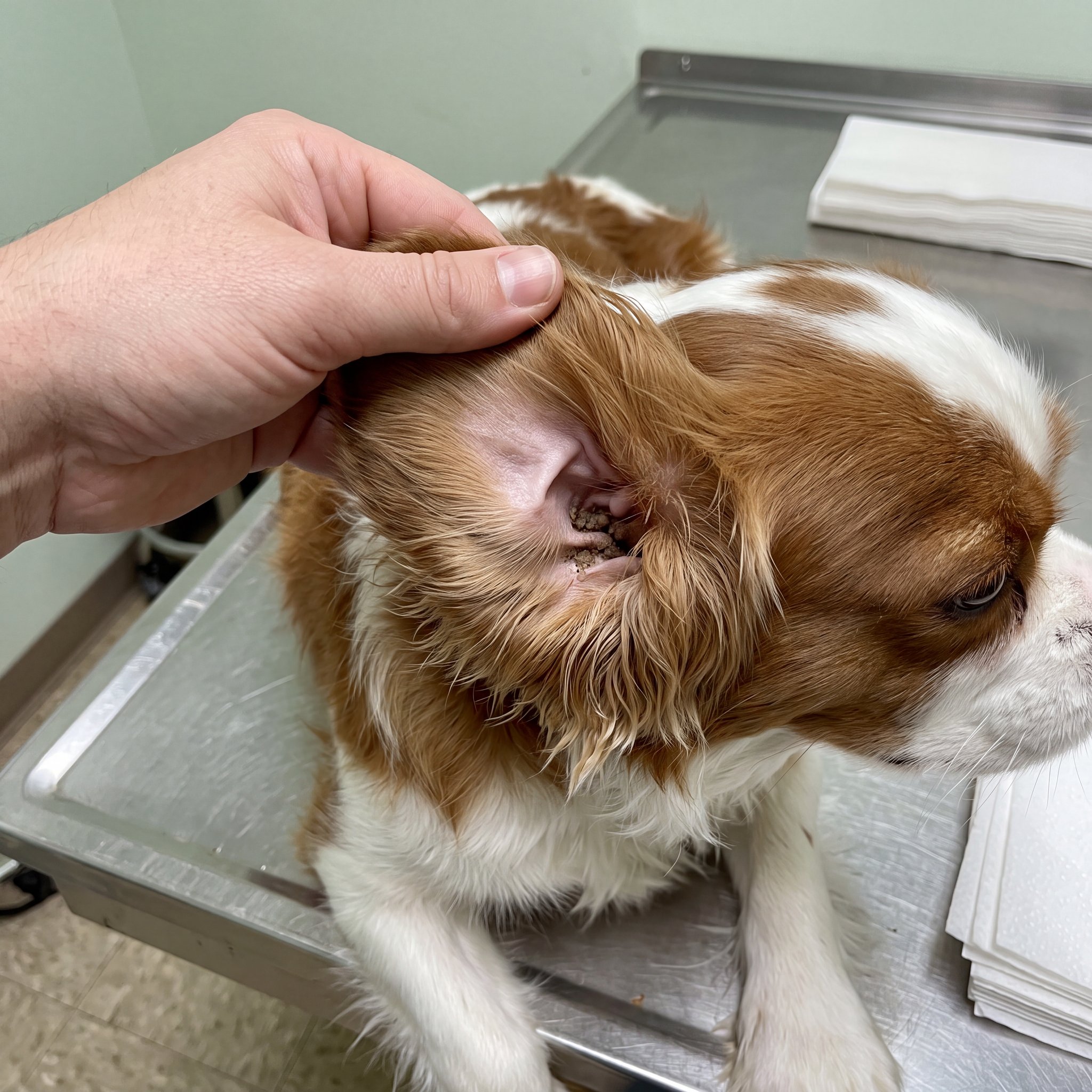
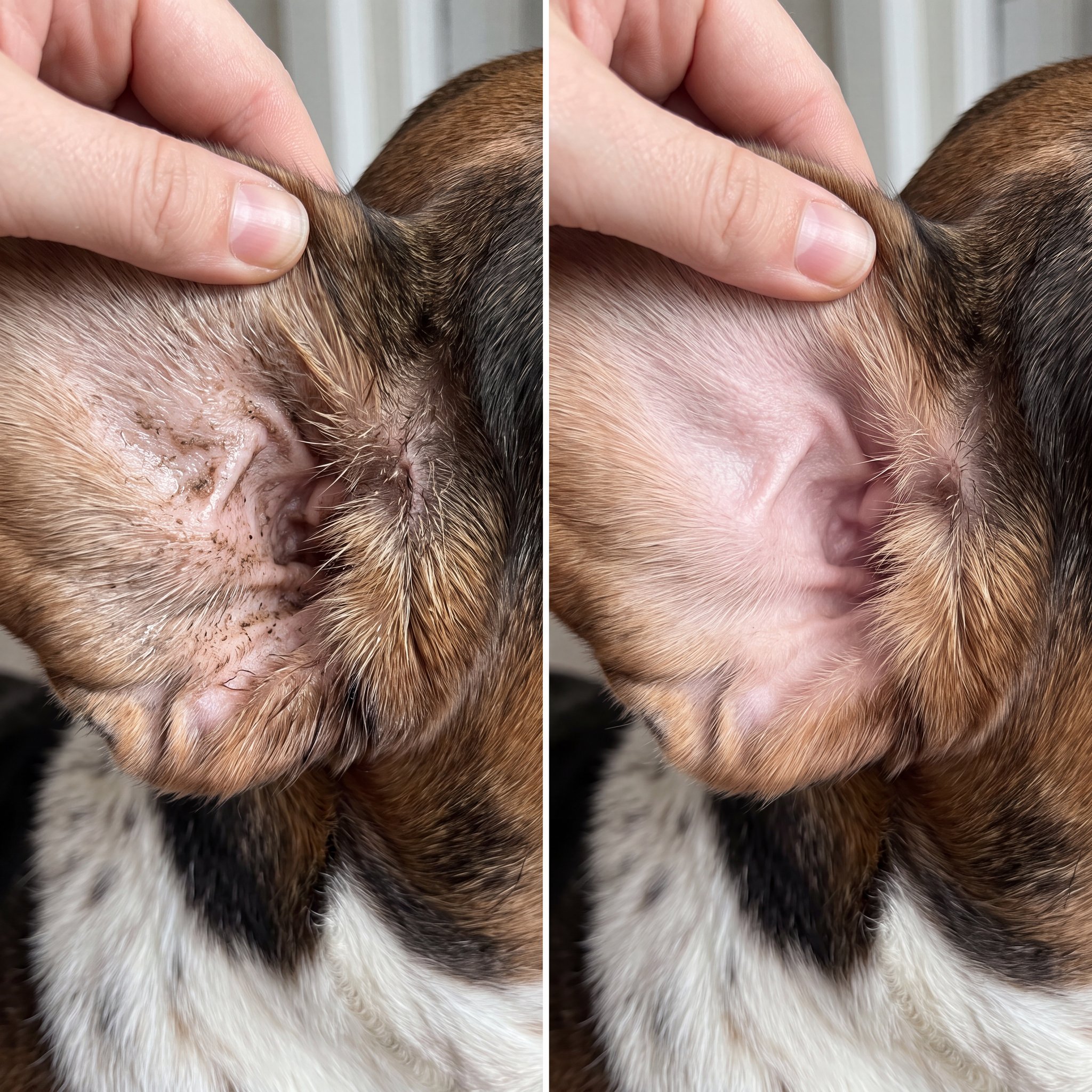
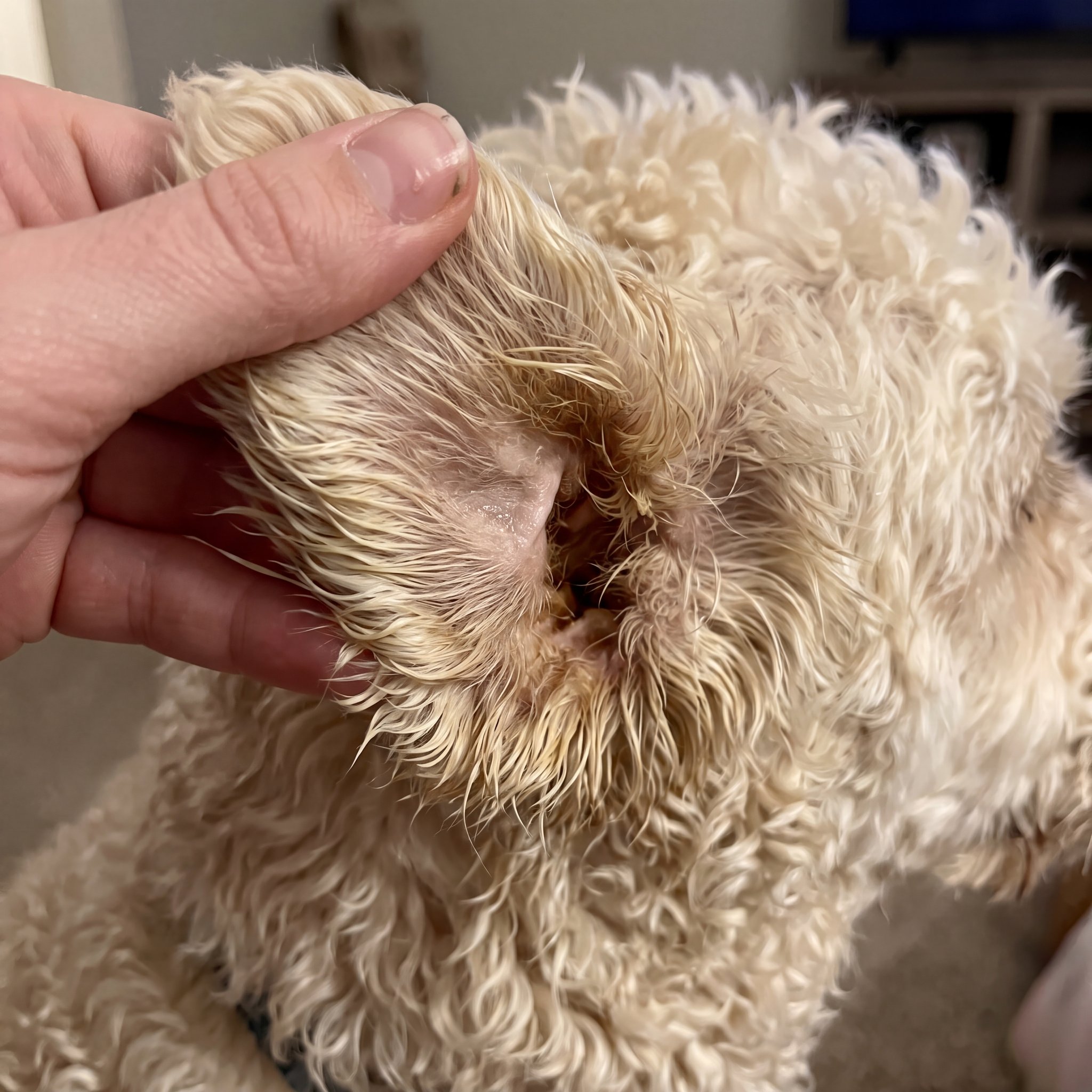
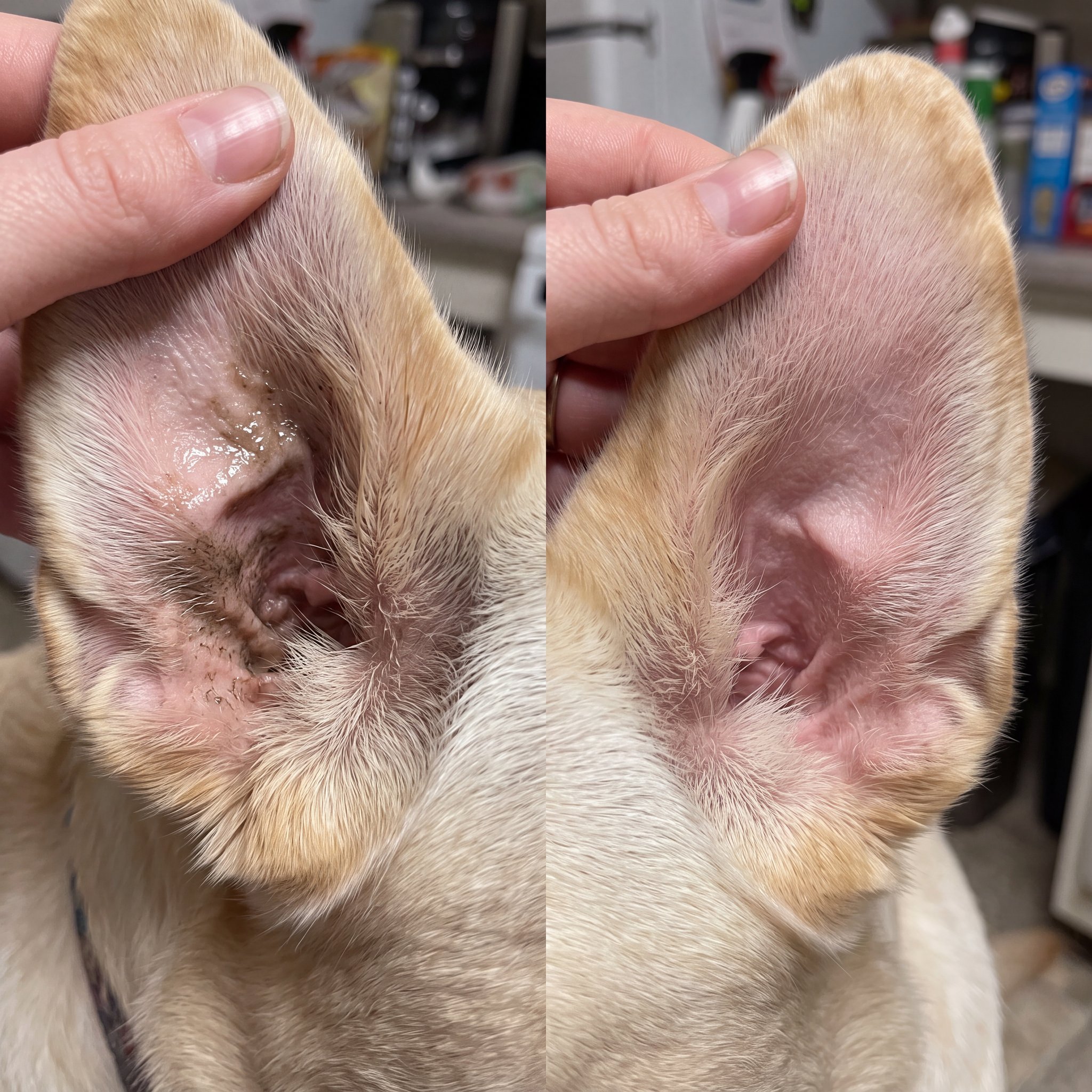
If your dog's ears keep smelling no matter how often you clean them, I need to tell you something that is going to sound completely backwards. The cleaning is probably why. I'm Dr. Marcus Reed. I've been a small-animal veterinarian for a long time, and for most of my career I told owners the exact opposite. Ears smell? Clean them more. Stay on top of it. If it comes back, clean again. I said it thousands of times, and I believed it. Then I started noticing that my most diligent clients, the ones who cleaned the most, often had the dogs whose ears were the worst. That did not make sense to me for years. When it finally clicked, I couldn't unsee it, and I've been apologizing for the old advice ever since. Let me tell you about a Golden Retriever named Tucker, and an owner who was doing absolutely everything right. Ear problems are one of the most common reasons a dog ends up in front of me. I've looked into thousands of ears, and I've watched thousands of owners do the most natural thing in the world when those ears start to smell, which is to clean them. More often. More thoroughly. With something stronger. It's the obvious move, and for years it was the exact move I told them to make. So I'm not here to judge anyone for over-cleaning. I taught people to over-clean. The advice felt like common sense, and common sense is the hardest thing in the world to question. But I have to be honest about where that advice quietly falls apart, because a whole category of liquid ear cleaners is built on it, and the ugly truth is that a cleaner your dog needs again in three days is a very good business and a very bad solution. I don't think most vets or most brands are being cynical about it. I think we all inherited the same instruction and never stopped to check whether it was actually working. I certainly didn't, until Tucker… Tucker is a Golden Retriever, and Golden ears are basically designed for trouble. They're big, they hang down like heavy curtains over the opening, and Tucker, being a Golden, will fling himself into any body of water he can find. His owner, Kayla, is the kind of owner every clinic wishes it had. Conscientious to the bone. The second she caught a whiff, or saw him shake his head, she was reaching for the bottle. She cleaned his ears constantly. Twice a week, then three times, then more if she smelled anything at all. The flush bottle lived on the bathroom counter, never went back in the cabinet. She'd tip his head, squeeze the liquid down into the canal, massage the base until it made that squishing sound, let him do the big soaking shake, and wipe up what came out. She was good at it, fast at it, and completely devoted to it. And the more devoted she got, the faster the smell came back. Here's what those two years cost her, and it's the pattern I now see in almost every over-cleaner. The vet-recommended flush, around twenty-four dollars a bottle, bought every few weeks. The switch to a stronger, medicated cleaner when the first one stopped holding. Cotton balls by the bag. The slow escalation from a weekly cleaning to twice a week to nearly every other day. And the recheck visits, forty dollars each, where we would flush his ears deeper and harder than she could at home and send them off feeling like we'd finally won. Two weeks later, back to the start. Every single step added more liquid and more frequency. And every single step bought a little less relief than the one before it. The part that got to me was Kayla's face at those visits. She had decided, somewhere along the way, that the recurrence was her fault. That she wasn't being thorough enough, wasn't cleaning often enough, was somehow failing this dog she clearly adored. So her answer was always to clean even more. I watched a good, loving owner work herself into exhaustion doing the one thing that was keeping her stuck, and for a long time I handed her a stronger bottle and sent her back to do it again. Then one afternoon I actually watched her clean him, start to finish, and something I should have seen years earlier finally landed. Let me explain it the way I wish someone had explained it to me, because once you see it, the whole thing makes sense. You already know the frustrating part from living it. You clean, it's better for a day or two, and then the smell is right back, often faster than last time. Hold onto that, because that pattern is the biggest clue there is. Now think about what actually makes an ear smell. The odor and the gunk need three things to thrive: warmth, darkness, and moisture. A heavy, floppy Golden ear already provides the first two around the clock. It hangs down over the opening like a lid, sealing in warmth, blocking the air. The one thing that environment is missing, most of the time, is standing water. And every time Kayla cleaned him, she poured that missing ingredient right in. A liquid flush floods the canal, and a floppy ear like Tucker's can't dry itself out afterward. So she'd clean, it would dry just enough over a day to smell fine, and then the trapped dampness would settle back in and the smell would return, a little faster each time. She wasn't cleaning the problem away. She was watering it. The honest way to picture it is a flooded basement. Imagine trying to dry out a flooded basement by mopping it with more water. That's what cleaning a chronically damp ear with a liquid flush actually does. Every "cleaning" adds the exact thing that's causing the smell in the first place. And there's a second half to it, which is the part that turns a bad routine into a spiral. That skin down inside the ear is thin and delicate. Every flush, with cold liquid and a bit of scrubbing, irritates it a little. Irritated skin gets angry, and angry skin produces more discharge and itches more. So the dog shakes and scratches, the owner sees more gunk, and she cleans again to deal with it, which irritates it again, which produces more gunk. Round and round. You already understand this one too, from your own hands. Think about the middle of winter, when your hands get chapped, so you wash them and re-wet them constantly trying to keep them clean. They don't get better. They get rawer, redder, more cracked. The thing that calms chapped skin is leaving it alone and letting it recover, not scrubbing and wetting it ten times a day. An over-cleaned ear canal is running that exact program. So put the two halves together. Kayla was keeping Tucker's ear wet, in a place that can't dry, and re-irritating the skin every time, in a dog whose ear was already prone to both. The harder she worked, the wetter and angrier it stayed. Her diligence, aimed through a bottle of liquid on a fast schedule, wasn't the cure. It was the accelerant. Once I saw it, every one of those failed cleanings made sense. The flush "worked" for a day because the ear briefly dried. It failed by day three because the dampness came back. The stronger, more frequent cleaning lost faster because it meant more water and more irritation, not less. And the recheck flushes at my own clinic, the deepest and wettest of all, bought the least time of anything. Nothing she or I had ever done actually addressed the two things driving it, because everything we did made both of them worse. None of this was a dirtiness problem you solve by cleaning more. It was a moisture-and-irritation problem, and you solve that by cleaning less often, and keeping the ear dry and calm. Now, I want to be very clear about one thing, because I'm a vet and I take it seriously. If your dog has an active, painful ear infection, with real redness, discharge, pain, or crying, that is a visit to your vet, full stop, not something you fix at home with any wipe. What I'm talking about here is the ordinary, in-between maintenance, and specifically how often you do it and how wet you leave things. So here's what I started telling Kayla, and every over-cleaner since. The fix is not another liquid. Another liquid is just more of the exact problem. The fix is to stop flooding the ear and switch to something that lifts the gunk off and leaves the ear dry, used far less often than you think you need. I know the reflex here, because my clients say it every time: "But I heard wipes are useless, that they just push wax deeper." That's true of thin, flimsy drugstore wipes that roll up on your finger and skate over everything. It is not true of a thick finger wipe used properly on the rim and folds, and, most importantly, a wipe doesn't flood the canal with standing water the way a flush does. It cleans without leaving a puddle behind. The one I keep in my clinic now, and the one I sent home with Kayla, is Uproot Ear Wipes. Here's exactly why they fit this specific problem: - Alcohol-free, so there's nothing in them designed to sting or re-irritate skin that's already raw from months of flushing. - Made with shea butter and jojoba, which calm and condition that thin ear skin instead of stripping it. - Thick and finger-fit, so you clean with control on the rim and folds instead of scrubbing, and nothing rolls up or falls apart. - They lift wax and debris off and leave the ear essentially dry, instead of pouring standing liquid into a space that can't drain. And then the hardest instruction I give, the one only a vet can really give an owner like this: clean less. A quick wipe of the rim and folds a couple of times a week, not a daily flush. Doing less, and keeping it dry, is the entire fix. I know that feels wrong. It felt wrong to me for two decades. Do it anyway. Here's what happened with Tucker once Kayla made that switch. Within a few days, his ear stopped living in a permanent damp state, and the itch and the head-shaking started to settle. The odor she'd been chasing for two years lifted, and this time it stayed gone longer than it ever had, because she wasn't re-wetting it every other day. The angry pink skin down inside calmed to a normal color over the following couple of weeks. When I saw Tucker for his next check, his ears were the best they'd looked since he was a puppy, and Kayla was doing a fraction of the work. Less effort. Better ears. The exact opposite of everything she'd been told, including by me. I give this same correction now to every over-cleaner who walks in, and the pattern holds so consistently it's almost funny. The only real catch is common sense: if your dog is a swimmer like Tucker, still dry the ears after a swim. Water day is the one time adding a drying step matters. So let me say the thing I wish I'd told Kayla two years and a cabinet of bottles earlier. If you clean your dog's ears and the smell comes back faster every single time, the answer is not to clean more. You are not behind. You are very likely keeping the ear wet and irritated with the exact routine you were told would fix it. Clean less, and keep it dry. You're not adding another product to the shelf here. You're replacing a routine that's been working against you. Uproot has a bundle that brings the wipes down to about 29 cents each, it comes with a free gift, and it's backed by a 60-day money-back guarantee. So if cleaning less and keeping the ear dry doesn't calm your dog's ears the way it did Tucker's, you send it back and you're out nothing. uprootclean.com/products/uproot-ear-wipes-1 Your diligence was never the problem. It was just pointed at the wrong instruction. You can stop mopping the flood. - Dr. Marcus Reed, DVM
Where the ad sends people
uprootclean.com
Why cleaning your dog's ears more makes it worse
Ingredients and Their Benefits Aqua/Water/Eau: Base for a smooth, gentle formula. Propylene Glycol: Hydrates and prevents dryness. Caprylyl Glycol: Moisturizes with antimicrobial benefits. Glycerin: Softens and conditions sensitive ear skin. Citric Acid: Balances pH for gentle, non-irritating cleani...
Shop now: uprootclean.com(opens in a new tab)