Dr. Elliot Johnson
 Facebook ad: “My Father Lost His Leg. I Was Following The Same Path”
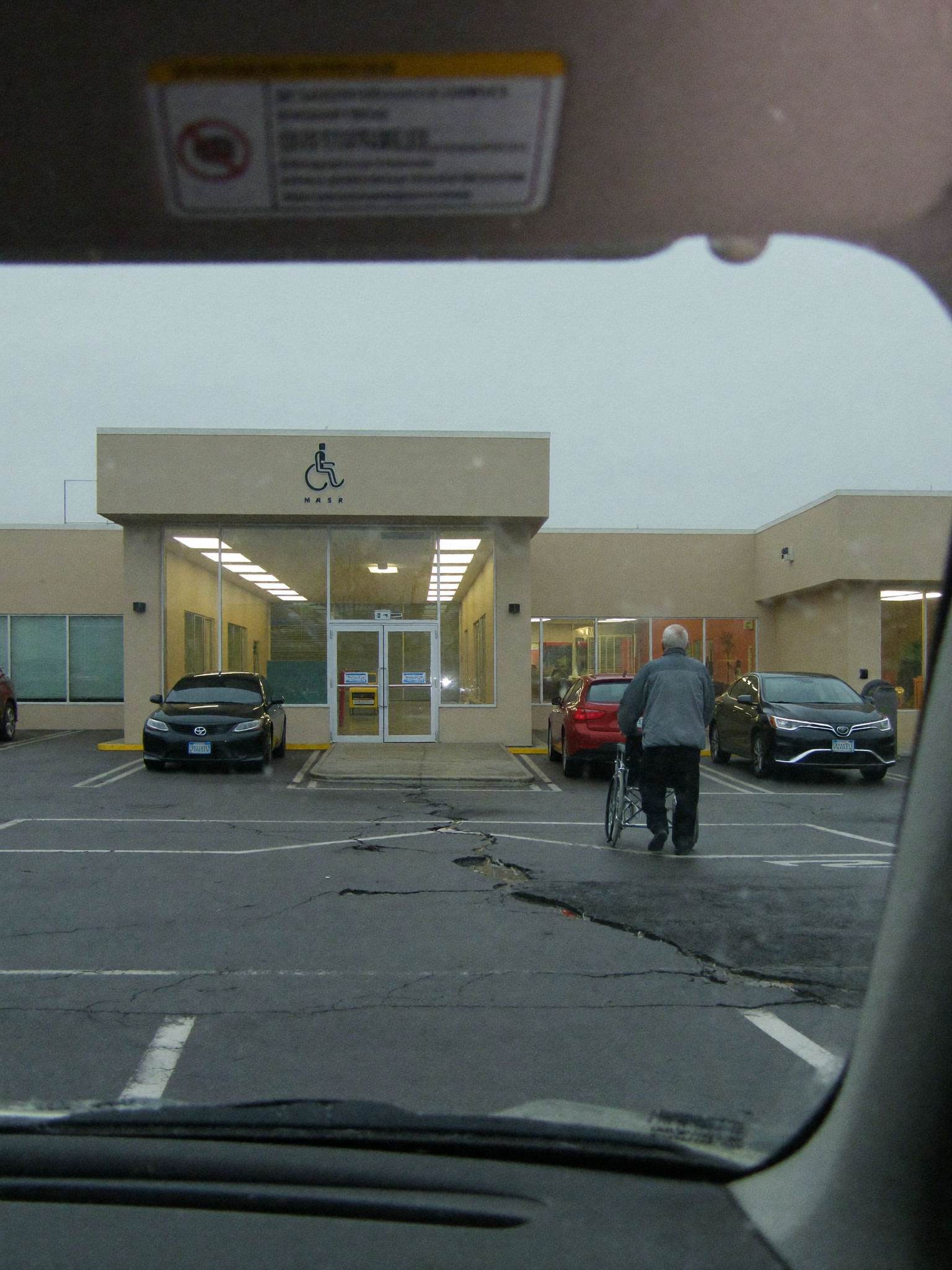
Ran for 3 days, from October 3 to October 6, 2026, the last day Crush saw it.
Run by Dr. Elliot Johnson on Facebook. Crush is not the advertiser and does not verify its claims. See this ad in Meta's Ad Library(opens in a new tab)
Make your own version of this ad
Crush makes it, launches it in your own Meta ad account, scales the winners and pauses the losers.
About this ad
- Meta Ad Library ID
- 29693840676885227
- Platforms
- Facebook, Instagram and Audience Network
- Relaunches
- 1
Ad text
My HbA1c was fine and my feet were dying anyway. Three years on every neuropathy remedy there is. Alpha lipoic acid. B12. Turmeric. Two different red-light foot wraps off Amazon. All failed. Then I found out why — and I'm not going to tell you exactly how much feeling I've got back now, because I don't want anybody reading this to think I'm promising them that. What I'll say is: nine months later, my surgeon stopped talking about wound care. My father lost his leg at 68. I'm 59. Three weeks ago, my doctor closed the exam room door. The click echoed. She sat down. Pulled up my chart without looking at me. "Sandra. We can't wait anymore. You've lost protective sensation across most of the sole. We need to start talking about a wound-care referral before something opens. This is how it starts." My throat constricted. The walls tilted. Wound care. My father went through it. Years of numb feet leading to the same endpoint. His feeling went first. Couldn't feel the pedals by 60. Stopped driving. Shuffling around the house with a hand always on the wall. The numbness that climbed and climbed and climbed. Toes. Then the arch. Then past the ankle. Then the sore he never felt open. Then the wound that wouldn't close. Then the surgeon. A man who used to hike couldn't walk to the mailbox without watching every step, because he couldn't feel the ground. My mother's words at the hospital, barely audible over my own crying: "The doctors never found anything to actually stop it. They just managed the decline until there was nothing left to save." Years of watching his feet go dead. My father lost the leg anyway. His nerves died despite doing everything the doctors said. I sat in my car in the parking lot. Couldn't turn the key. Just gripped the steering wheel. The exam notes crinkled in my jacket pocket. I pulled them out. Stared at them. Loss of protective sensation. Six of ten filament points failed. Reduced circulation to the toes. My hands shook. My husband was unloading groceries when I walked through the door. "Hey. How was your checkup?" The words stuck. I handed him the notes without speaking. Six of ten points. Gone. The grocery bag hit the floor. Eggs shattered. Milk carton split. He didn't notice. Both hands covered his mouth. Tears streaming down his face. "No." His voice broke. "Sandra, I watched what happened to your father. Stage after stage. That wound. That surgery. I can't. I can't watch you go through that. I can't—" He couldn't finish. Turned away. Shoulders shaking. That night I lay awake. The ceiling fan rotated. Over. And over. And over. Red numbers glowed on the clock: 11:52 PM. Rolled over. 12:41 AM. Again. 1:38 AM. At 2:23 AM I gave up. Went downstairs. Sat at the kitchen table. Opened my laptop. The screen's blue glow hurt my eyes. I typed: how to stop diabetic neuropathy getting worse The search results loaded. My chest tightened. Every site: Control your blood sugar. Take Gabapentin for the pain. Check your feet daily. Wear proper shoes. The exact advice I'd been following for three years. The exact advice my father followed for years. I clicked deeper. Medical journals. Why do neuropathy supplements fail to stop progression? Article after article. "Impaired microvascular circulation has been linked to progressive nerve fiber loss in diabetic peripheral neuropathy..." "Despite established anatomy, the circulation feeding the peripheral nerves remains largely unaddressed in standard neuropathy protocols..." "Blood sugar control and pain management reduce load on the nerve but do not restore blood flow to fibers already deprived of it..." I stopped reading. Read that last one again. Do not restore blood flow to fibers already deprived of it. Everything I'd been doing — everything my father did for years — was about controlling what went IN. Nothing had ever addressed the blood that couldn't get OUT to the nerve. My father's face flashed in my mind. The wound clinic. The surgeon. The empty pant leg at the end. I searched: alpha lipoic acid B12 neuropathy results Studies loaded. Alpha lipoic acid: "modest antioxidant activity, limited delivery to affected nerve tissue..." B12: "supports nerve health broadly, poor targeting of the peripheral microvasculature..." Every one of them targeting inflammation or general nerve support. Not one restoring the blood supply. A forum post: "My husband's been on every neuropathy supplement out there for two years. Feet still going numb. Doctors say just manage it." My heart hammered against my ribs. I closed the laptop. Rubbed my face with both hands. What do I do? I wasn't going to follow my father's path without trying everything first. Three days. Five days. Seven. My husband found me at my desk one evening, surrounded by printed medical journals. "Sandra. What are you doing?" "Researching." "The doctors said—" "The doctors said my father needed to manage his decline too. Didn't stop it. Just made his last years a slow march to that operating room." His chin trembled. "But what if there's nothing else? What if you lose more feeling waiting?" "What if I go through what he did? What if I spend years going numb and lose the foot anyway, just more slowly and more painfully?" He had no answer. That weekend I searched everything. The circulation feeding the nerves. Clinical studies. Anatomy papers. And there it was. Documented in textbooks going back over a century. Every nerve in your feet has its own blood supply — tiny vessels running alongside the fibers, so small they're invisible. Their only job: carry oxygen and nutrients to the nerve so it can stay alive and keep working. When those vessels choke off, everything downstream starves. The nerve has no supply. It begins to die — misfiring first, which is the burning, then going silent, which is the numbness. The fiber sits in tissue that can no longer feed it. Real anatomy. Real science. Not fringe pseudoscience. Monday morning I ordered the highest-rated red-light foot wrap on Amazon. 4.2 stars. Over 6,000 reviews. Seven weeks later. My feet: same. Still numb. Still climbing. I tried a different brand. Specialty health store. Marketed specifically for nerve support. Also a wrap. Nine weeks. Never missed a night. Feet: no change. I didn't understand. The mechanism made sense. The anatomy was documented. Why wasn't anything happening? My follow-up appointment was in three weeks. Then two. Then one. Every time I felt that numbness, the cold feet in the morning, the swelling in my ankles by afternoon — I saw my father. The wound clinic. The surgeon. Stage by stage by stage. Ten days before my appointment, I stood in a health store. Supplement aisle. Endless nerve support products. All useless. Two women talking one aisle over. "—problem isn't the light. It's that most of those wraps are the wrong wavelength. A lot of the light never reaches the nerve. It just warms the skin. The 850 is different — near-infrared, it actually penetrates to where the nerve is." I walked over. "What did you say about the wavelength?" The older woman turned. Name badge: "Clinical Consultant — Vascular Health." "Most 'red light' foot devices are cheap red LEDs. The red light you can see stops at the first millimeter of skin. For anything to reach the nerve, it has to include 850 nanometres — near-infrared, invisible — at real intensity. A lot of those wraps skip it or make it a token trace. It's not necessarily that light doesn't work. It may be that it never arrives at the nerve." My chest tightened. "I've been using red-light wraps for four months. My feet are still going numb." "That's exactly what I mean. The idea might be right. The device may be what's limiting it. The 850 is the one that penetrates to the fiber and drives the circulation back — the same near-infrared range studied for reopening blood flow to starved tissue. Thirty minutes and it's reaching the layer the cheap ones never touch." "The labels don't say any of this." "They don't have to. Just 'red light therapy.'" She pulled out her phone. "The one I point people toward for the nerve is Nouvera Neurosoothe. Both clinical wavelengths, 660 and 850, third-party verified." Certificate of Analysis. Wavelength testing. Full transparency. "How do I know it actually does anything for the nerve? I'm out of time." "You'd be looking for the symptoms easing first — the cold feet warming, the night burning quieting, the feeling starting to return. That's the circulation starting to move. Then your sensation exam at your next appointment gives you your own data. Everyone's different. But you'd know." I pulled out my phone. Ordered it standing there. The package arrived two days later. A soft wrap. Both wavelengths printed on the box. I wrapped it around both feet that evening. Sat at the kitchen table. Thirty minutes. One week: The cold feet — noticeably warmer in the mornings, warm from the inside. Two weeks: The night burning that used to wake me at 2 a.m.? Starting to quiet. The numbness that had been climbing? For the first time, it stopped climbing. Three weeks: I stopped waking up at 2 a.m. I slept through. My husband noticed I was walking around without a hand on the wall. Didn't comment. Just watched me. Six weeks in — sensation exam. I sat in my car outside the clinic. Opened the patient portal on my phone. I'm not going to put my numbers here. I've thought about it and I keep coming back to the same thing: if I write them down, somebody reading this is going to expect those exact results, and I have no right to promise anybody anything. What I'll tell you is this. For the first time in three years, the points I'd been failing, I felt. I stared at the screen. Refreshed the page. Still there. I called my husband from the parking lot. "It's coming back," I said. Silence. Then a sob. "Thank God. Thank God, Sandra." Three months later, more of it had come back. Then more after that. That was nine weeks ago. My feet this morning? Still coming back. No wound care. No surgeon. No watching myself follow my father's exact path. At my last appointment my surgeon looked at the exam for a long moment, then looked up at me and said: "Whatever you're doing, keep doing it." He didn't ask what it was. He just wrote it down. I'm not following my father's path. Yesterday I worked in my garden for three hours. Weeding. Planting. Watering. Felt the ground under my feet the whole time. Not even tired afterward. He found me still working when he got home. "Honey! You've been out here all day! How do you feel so good?" My throat tightened. My eyes burned. Because the answer was amazing. If you're reading this, maybe some of my story sounds familiar. Maybe there's a numbness that keeps climbing despite doing everything right. Maybe a father or a mother — or someone loved — went through the wound clinic, the surgeon, the amputation. Maybe that was watched. Maybe what it looks like is already known. Maybe a doctor has started to mention wound care or losing protective sensation. Maybe "how to stop diabetic neuropathy" has been Googled at 3 AM. Maybe the same generic advice came back. Maybe that felt paralyzing. Maybe neuropathy remedies have already been tried. Alpha lipoic acid. B12. Turmeric. Maybe even red-light wraps. Maybe nothing moved the needle. Here's what I want you to know: If I hadn't overheard that conversation in the health store, I'd be on a wound-care waitlist right now. Following my father's path exactly. Stage by stage. The numbness that never lifts. The cold feet that never warm. The unfelt wound. The surgeon. Watching my feet go dead while I wait to lose one. But I had a choice I didn't know existed. I chose to stop targeting the pain and the blood sugar and start restoring the blood supply the nerve had been starved of. And I chose a device designed to actually reach the nerve instead of warming the skin over it. That choice changed everything for me. That's my story — not a promise about anybody else's. I tried two other red-light wraps before Nouvera. Neither did anything for me. Here's what was different about Nouvera: Two Wavelengths That Work Together Most wraps use one kind of light — the red you can see — and call it therapy. But reaching a starved nerve takes two wavelengths, each doing a different job. 660nm red light works at the surface. It improves circulation in the top layers and calms the inflammation grinding into the tissue — the part you feel. 850nm near-infrared is the one that matters most, and the one the cheap wraps skip. It's invisible, and it penetrates past the skin to the nerve itself, where it drives your body's own nitric oxide — the signal that tells a choked vessel to open — so blood finally reaches the fiber. It also switches on Nerve Growth Factor, your body's own signal to rebuild a damaged nerve ending. Without the 850, the light never reaches the layer that's actually dying. Two wavelengths. One job. Reopen the circulation. Feed the nerve. The Wavelength, Not Just The Light This is the part that made the difference for me after four wasted months. A cheap wrap glows bright and feels warm because it's loaded with the red light you can see — the one that stops at your skin. A portion of it, sometimes all of it, never reaches the nerve. Nouvera delivers both wavelengths at the clinical intensity the research uses, wrapped directly against the foot. The 850 arrives at the fiber intact. Same idea. Different delivery. For me, that was the entire difference between four months of nothing and the first time the feeling came back in three years. Full Transparency Certificate of Analysis. Both wavelengths verified. No secret, no proprietary blend, no ancient remedy hiding behind a label. Third-party tested. The two numbers — 660 and 850 — printed right on it. I could see exactly what I was getting. No guessing. Just data. What I Noticed First In my first few weeks: the cold feet warmed, the night burning quieted, the numbness stopped climbing. For me, those were the first signs the circulation was moving. Then my sensation exam gave me my own data. Yours would give you yours. Everybody's different — that's the honest answer. I didn't have to wonder. I could measure it. Track it. See it for myself. Try Nouvera for 90 days. Track your feet and how they feel. If you're not satisfied for ANY reason — contact customer service for a full refund. No questions asked. Worst case, you're out nothing but the time. You're at a crossroads right now. One path: Continue conventional management. Blood sugar control. Gabapentin. Red-light wraps that may never reach the nerve. Watch the numbness climb, point by point. Lose protective sensation. Eventually, the wound-care conversation becomes unavoidable. Another path: Do what I did. Restore the circulation the nerve has been starved of — with a device designed to actually reach it. Track your feet. Give it an honest trial with zero financial risk. I chose the second path. It saved me from following my father's path. From the wound clinic. From the surgeon. From years of managed decline. It gave me back a life I thought I was going to lose. Nine months ago, I was paralyzed. I'd lost protective sensation across most of my sole. My doctor was talking about wound-care prep. I was the same age my father was when his feet started going dead toward that operating room. I sat at my kitchen table at 2 AM reading about choked microcirculation, starved nerve fibers, and why every remedy I'd tried was either targeting the wrong thing or never reaching the nerve at all. I felt trapped. Like there was no good choice. Just a slow inevitable slide toward the same fate my father suffered. But I was wrong. There was a third option I didn't know existed. If you're where I was — numbness climbing, terrified of losing a foot, looking for something that hasn't been tried yet — Nouvera Neurosoothe is what I found. Track your feet. Give it an honest trial. Keep managing your blood sugar the entire time — it's still the most important thing you do, and this works alongside it, not instead of it. This product is not intended to diagnose, treat, cure, or prevent any disease. — Sandra Mitchell P.S. — For me, the cold feet warmed within the first week. The night burning quieted by week two. My sensation exam moved for the first time in three years at six weeks, and kept moving after that. I'm deliberately not listing exactly how much — that's my story, not a promise. Your timeline might be completely different. But you won't know unless you try. And one honest thing, because it matters most: if a sore has already opened on your foot, or you've lost all feeling below the ankle, don't order a device and wait — see a doctor today. On a diabetic foot, an infection moves in days. P.P.S. — Every month the nerve stays starved is another month of fibers dying that don't come back once they're gone. And it's not just about starting something — it's about starting something that actually reaches the nerve. I lost four months to wraps that never arrived. Don't lose the same time I did.
Where the ad sends people
trynouvera.store
My Father Lost His Leg. I Was Following The Same Path
Nouvera
Learn more: trynouvera.store(opens in a new tab)