Margaret Hooper
Margaret Hooper Facebook ad: “My Scoliosis Curve Stayed the Same. My Pain Kept Getting…”
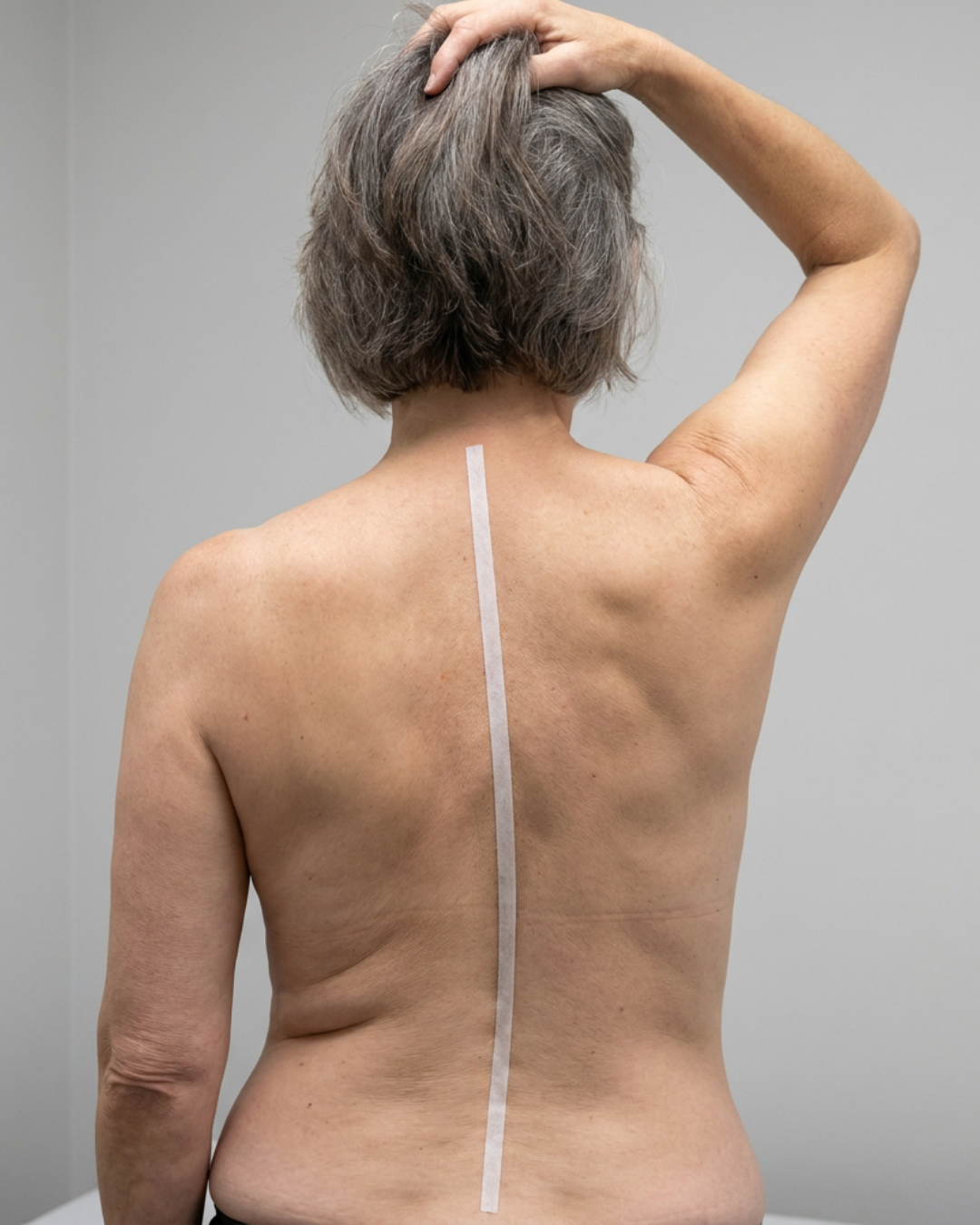
Ran for 11 days, from August 19 to August 30, 2026, the last day Crush saw it.
Run by Margaret Hooper on Facebook. Crush is not the advertiser and does not verify its claims. See this ad in Meta's Ad Library(opens in a new tab)
Want an ad like this for your product?
Crush makes new ad images for your product from this ad: your logo, your product photo, your offer.
Trials from $19.95 USD, then $79.95 USD a month. Cancel anytime.
About this ad
- Meta Ad Library ID
- 3095456350792140
- Platforms
- Facebook, Instagram, Audience Network, Messenger and Threads
- Relaunches
- 0
Ad text
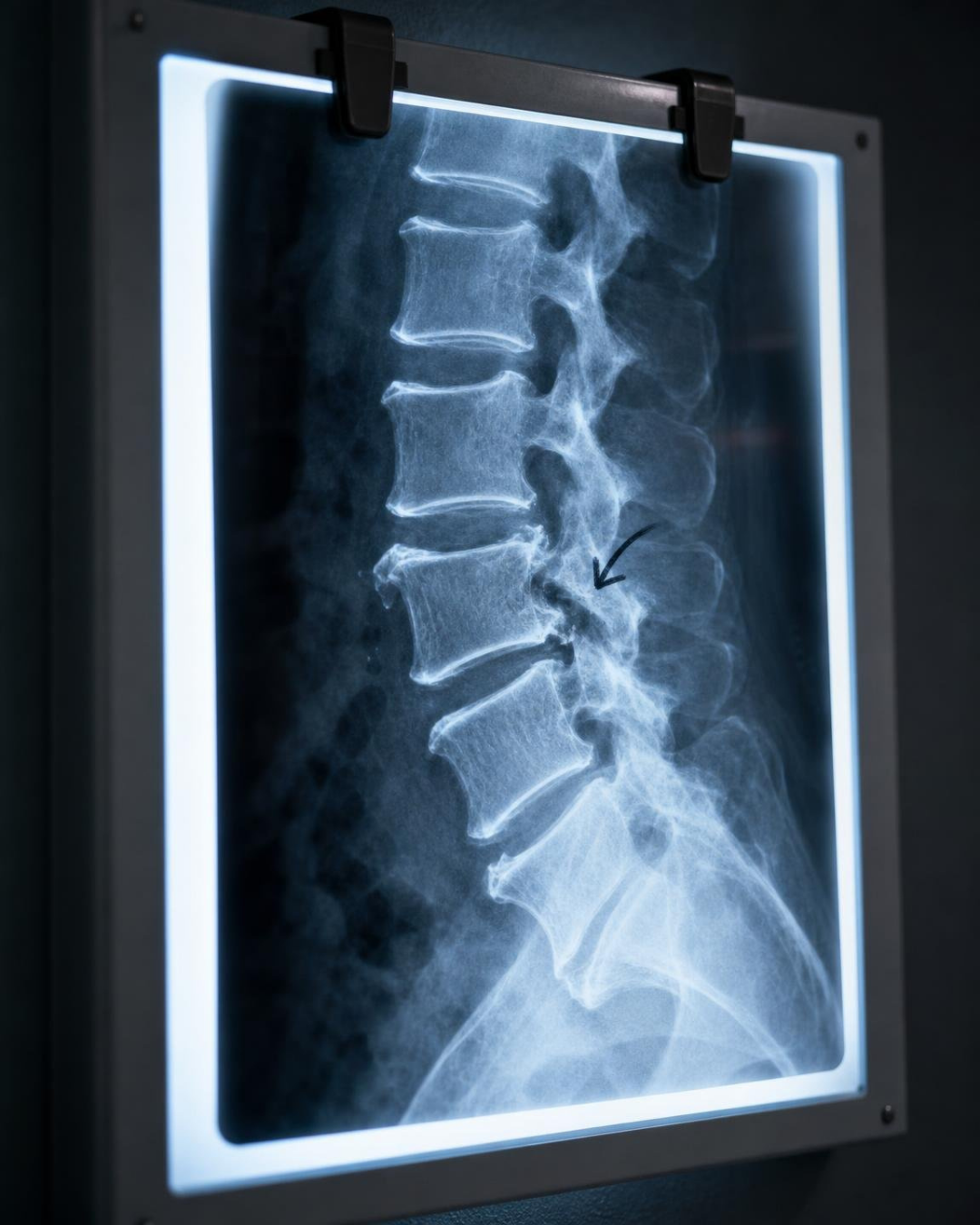
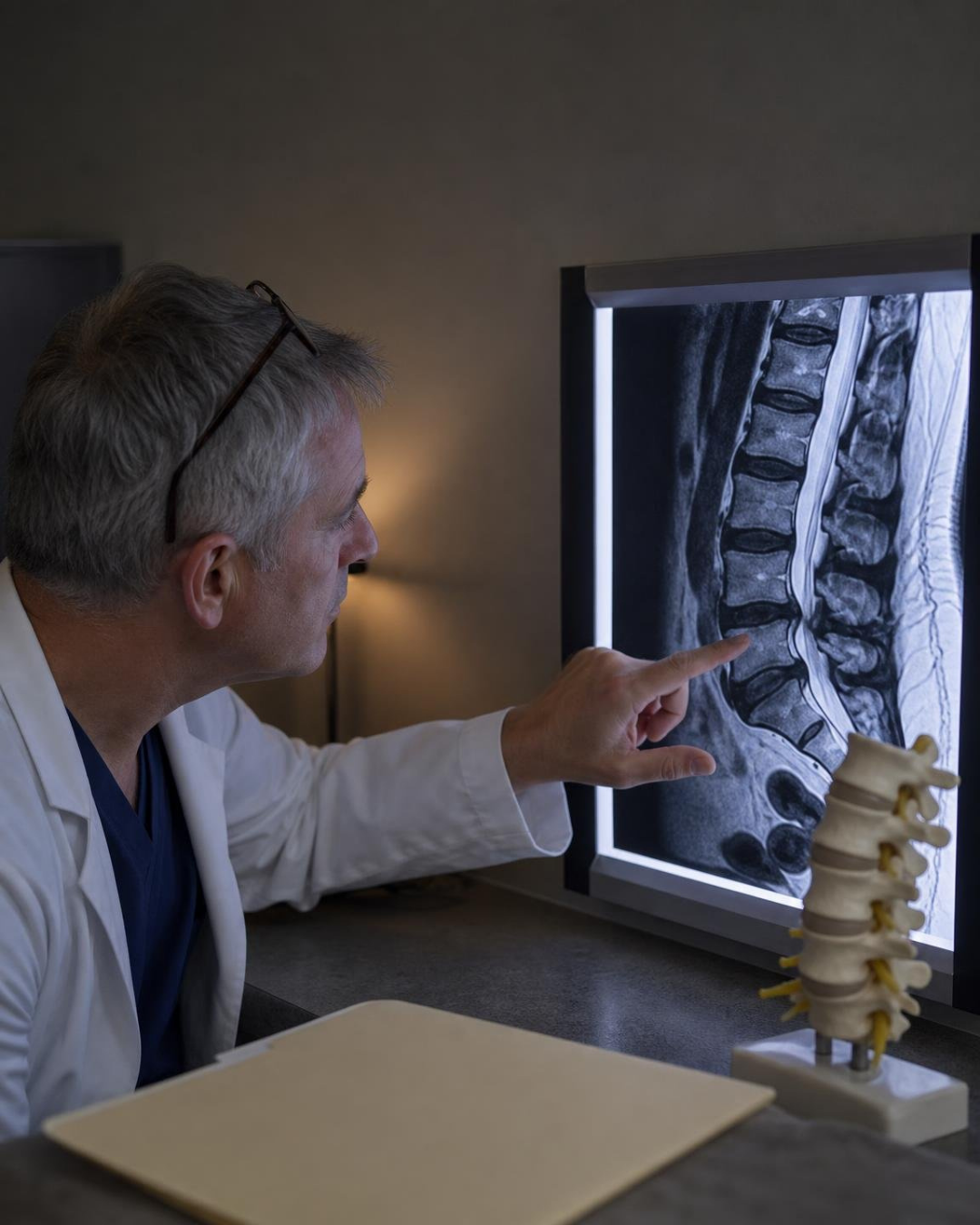
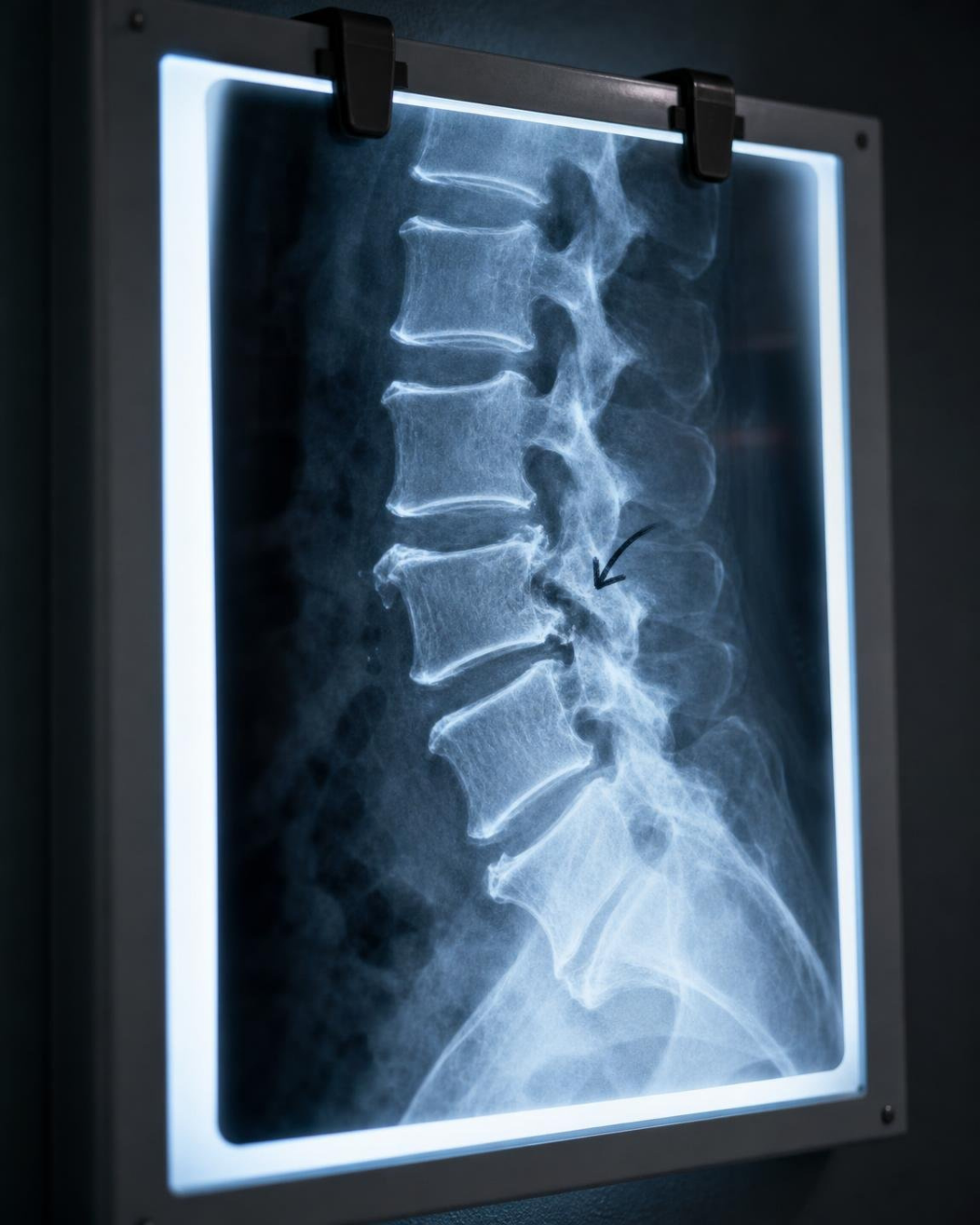
Your scoliosis curve isn't getting worse. But the muscles it locked into place 40 years ago are still crushing your nerves. That's why nothing holds. I have a quilting room. It's the second bedroom of the house Rick and I bought when we retired. I set it up with a cutting table, a good sewing machine, fabric in bins along the wall. I'd been promising myself that room since I was 37 and still doing night shifts at the school clinic. When I retired at 60, I finally had time to use it. Sophie was born when I was 54. She was 7 when I started the quilt I was going to give her for her 8th birthday, a pattern I'd had in a folder for 6 years, pink and cream log-cabin squares that I thought would look exactly right in her room. By February, 3 months into the project, the quilt was half done and sitting on the table. The nerve pain down my right side had been getting bad enough that I couldn't lean over the cutting table for more than 8 minutes without the burning starting. From the middle of my right back, down into my hip, sometimes into my thigh. I'd stand up, walk it off, sit down again. After 3 of those cycles I was done for the day. Sophie came over with her parents on a Sunday in February. She wandered into the quilting room while I was resting on the couch. She stood there looking at the half-done quilt for a moment. Then she came back out and said, very matter-of-factly: "Grandma, is my quilt going to be done for my birthday?" I said, "I'm working on it, sweetheart." She said, "Okay," and went back to playing. She didn't mean anything by it. But I sat there on the couch and felt the weight of it. I had a room set up specifically to do this. The machine was right there. The fabric was cut. And I couldn't sit at the table long enough to finish what I'd started. I've had scoliosis since a school nurse caught it at my 16-year-old checkup. A 34-degree thoracolumbar curve, moderate, followed over the years with imaging. It was manageable through my 30s and 40s. I took ibuprofen when I needed to. I did what my doctors told me: exercise, stay active, strengthen the core. What nobody told me was that as the years passed and the muscles along the curve stayed locked under that uneven load, the nerve compression would get worse. Not the curve. The curve stayed roughly where it was. But the pain got considerably worse starting in my late 50s. And I did what you probably did. I tried things. The TENS unit was $89. It helped while it was on. When I took it off, the pain came back in about 20 minutes. The inversion table was $320. It helped for a few minutes while I was hanging on it, then left me sore and stiff the rest of the day. It wasn't doing anything that lasted. I returned it. The back brace was $65 from the medical supply store. It helped a little for the first 2 hours of wear and then caused its own discomfort because the compression against the curve wasn't right. The foam roller was $35. Good for the muscle tension in the thoracic spine. Zero effect on the burning in my hip. The infrared heating pad I ordered from Amazon was $110. It helped. Better than the electric heating pad I'd used before. But the heat didn't seem to change the underlying burning pattern, just covered it for an hour. $619. None of them working together. None of them lasting. I had them all in a canvas bin in the corner of the quilting room. The drawer of good intentions that hadn't gone anywhere. I even tried the clinical version. 8 weeks of spinal decompression at a chiropractor's office, $150 a session. The traction table pulled my spine apart while I lay there, and on the table it felt like relief. But there was no deep heat getting into the locked muscles while the space was open, and nothing rebalancing the two sides afterward. By the time I drove home, the muscles had hauled everything back down. Traction by itself, same as the inversion table, just with a bigger bill. The quilt on the table was one kind of loss. There was another kind. The Saturday morning in January, I swung my legs out of bed and the burning down my right side locked me in place. Not just pain. A locking, like the right side of my back had decided it was done cooperating. I made it to the bathroom using the headboard and the doorframe, and then I sat down on the floor, slowly, because going back up was going to take more than I had right then. I sat there for 27 minutes. Rick was asleep. I didn't want to call him. I kept thinking if I waited another few minutes the spasm would let go. It did, eventually. He never knew. But I sat on the bathroom floor in January and counted the tiles and thought: this is what it's going to be from here? This is the trajectory? Because I'd spent my life around medicine, 30 years as a school nurse, and I knew how these roads went. First you give up the thing you love. Then the stairs in your own house start deciding your day for you. Then someone says the word fusion, and you're weighing a year of recovery against staying the way you are. I sat on that cold tile at 62 and understood, for the first time, that this was a road that only ran one direction, and I was already on it. I didn't say anything about it for a week. Then I told Marilyn. I'd been seeing Marilyn, my PT, for almost 3 years for the scoliosis nerve pain. She was skilled and patient and she knew my spine well. She worked on the thoracic rotation, the paraspinal muscle tension, the hip alignment. Every session helped. But by the time I came back Thursday I was usually close to where I'd been Monday. About a year ago, Marilyn asked me something during a session. She said, "Norma, have you ever had traction, heat, and massage applied to your spine at the same time? Not separately. Simultaneously." I thought about it. "No. I've had all of them. Just on different days." She said, "That's the problem." She explained it the way a good PT explains things, in terms of what is actually happening in the tissue. "Your scoliosis creates a curve. A curved spine doesn't share the load evenly. The muscles along the inside of that curve carry too much of it, and to hold you upright they lock into a kind of permanent clench. They've been doing that for 40 years. The muscles on the other side get overstretched and weak. And those locked, clenched muscles sit right on the nerves running down through your spine. They crush them. That's where your burning comes from. The curve itself isn't going to change. But the muscles the curve keeps locked, and the nerves they're crushing, can be addressed." "Traction opens up space between the vertebrae and takes the pressure off the nerve. Deep heat gets down into those seized muscles and lets them release the clench. And massage rebalances the tension between the two sides, the overworked side and the overstretched one, so the muscles stop hauling everything back into the lock the minute the traction is released. The reason your TENS unit helps for 20 minutes is that it's doing one thing. The reason our sessions help through Thursday is that I'm doing those things on different days, and the muscles lock right back down between each one. For your body to actually start responding, all 3 have to happen at the same time. Every day. Not in separate sessions." I said, "Is that possible?" She said she'd been reading about a device called the Triple Fusion Back Massager. That a few of her patients with nerve compression from scoliosis and DDD had been using it at home. That the mechanism matched what her clinical training said was required. She said, "I can't prescribe it. But I can tell you the physics are right." I looked it up that night. The Triple Fusion Back Massager: you lie down on it. 15 minutes. One button. Traction, deep infrared heat, and targeted massage, all at the same time. Everything Marilyn had just described, in one session, on the bedroom floor. All 3 at once. That was the piece the drawer had been missing. I was skeptical. I'd spent $619 on things that didn't work. I had a bin full of evidence that single-therapy approaches couldn't reach the problem. But the 90-day money-back guarantee meant I was risking exactly nothing. I ordered it. Night 3: I slept until 5:47 AM. I hadn't slept past 4:15 without waking up in the hip for over a year. Rick said I hadn't moved. Day 7: I sat down at the quilting table. Not because the pain was gone. Because the burning took 25 minutes to start instead of 8. I got a whole section of the log-cabin border done. It was the most progress I'd made in a single session in 3 months. Week 2: Marilyn tested my right hip range of motion at the start of the session. She looked at her numbers. "Norma, the passive abduction has improved." She asked what I'd been doing. I told her. She nodded slowly, the way PTs nod when the mechanism is working the way the mechanism should. Week 4: I used the device in the morning, waited an hour, and sat down in the quilting room. I worked for 2 and a half hours. I finished Sophie's birthday quilt. I didn't even realize I'd been sitting that long until Rick knocked on the door to say lunch was ready. I looked down at the finished quilt in my lap and I started crying. Not from pain. From the fact that I'd done it. Sophie came over for her birthday that Saturday. She opened it and looked at it for a long time, the way 8-year-olds look at something they're trying to understand if they're supposed to love. Then she said to Rick, very seriously: "Grandma made the whole thing." She has no idea what that meant to me. I've been using the device every morning for 4 months. The nerve pain in my right hip is not gone. Scoliosis doesn't work that way. The curve is still there. But the burning that was stopping me at 8 minutes is now, on most days, something I manage at the 40-minute mark. That's a different life than the one I had in February. I went back to Marilyn last month. She tested my right side. She said the paraspinal muscle tension that had been consistent on her records for 3 years was measurably lower. "Whatever you're doing," she said, "keep doing it." I told her I intended to. Here is what I understand now. The drawer full of devices wasn't failure. It was evidence. I was trying the right things. I was just doing them one at a time, separated by hours or days, giving the muscles time to lock right back down before the next one. Nothing held between sessions. It has to be addressed simultaneously, every day, for the muscles to actually let go and stay let go. The bin in my quilting room is still there. I haven't thrown anything out. But I haven't opened it since March. Here's where this leaves you. Option 1: Keep managing with single-therapy approaches. PT when you can, heat and TENS when you're in a flare, bracing when you need the support. They're not nothing. But if the pattern has been help-for-a-while-then-back-to-where-you-started, you already know where that path leads. Option 2: Explore the surgical conversation. For scoliosis nerve pain, the standard option is spinal fusion, which can run $100,000 and typically involves 6 to 12 months of recovery. It addresses the structural curve, which nothing non-surgical can. It does not automatically resolve the muscle compression that's driving the nerve pain. Option 3: Try the Triple Fusion Back Massager for 90 days. 15 minutes a day. All 3 at once, every morning, the thing none of the devices in the bin ever did together. If nothing changes in 90 days, the full purchase price comes back. No conditions. That's the guarantee. It's available at 60% off the regular price. More than 21,500 people have used it. About 9 in 10 report feeling a meaningful difference in the first week of daily use, and 74% avoided the surgery they were told was the next step. I'm telling you this because I spent 3 years on the treadmill and $619 in a bin before someone explained the mechanism to me in plain terms. You don't have to have the same conversation with yourself that I had in February. The 90-day guarantee is real. Sophie's quilt is on her bed. See how the 15-minute Triple Fusion method works for scoliosis nerve pain, and get 60% off. 👉 https://try.smoothspine.com/tfbm-coc-adv2-sco
Where the ad sends people
try.smoothspine.com
My Scoliosis Curve Stayed the Same. My Pain Kept Getting Worse
And if you're reading this with a heating pad pressed against your back, popping pills like candy, or sleeping in that weird twisted position that sometimes helps...
Learn more: try.smoothspine.com(opens in a new tab)