 Dr. Michael Thompson
Dr. Michael Thompson Facebook ad: “Why Your CPAP Never Fixes It”
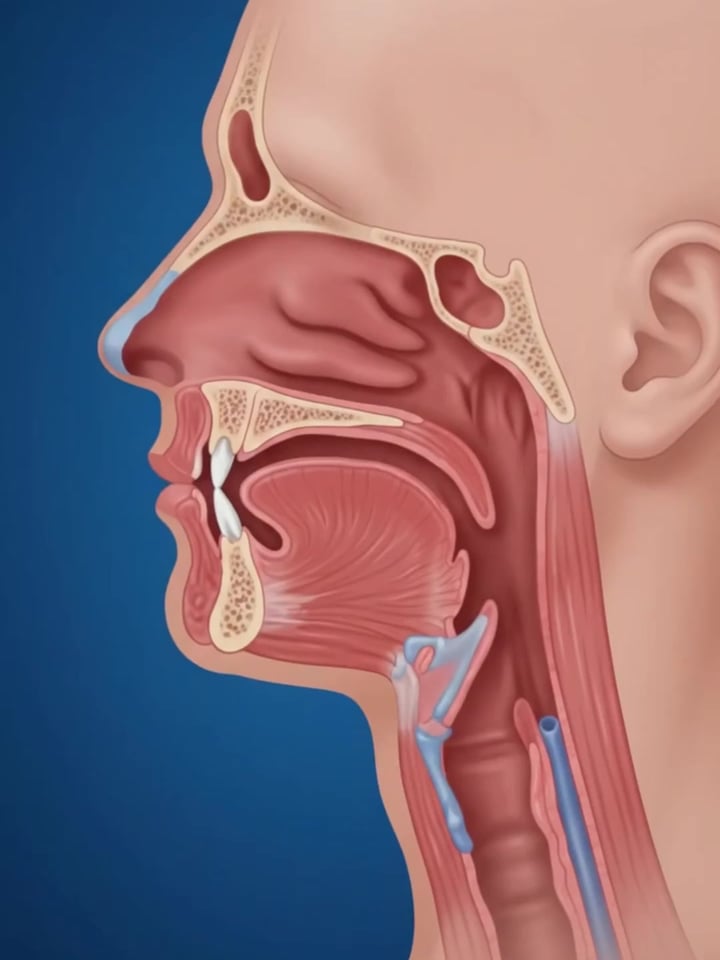
Ran for 119 days, from June 16 to October 13, 2026, the last day Crush saw it.
Run by Dr. Michael Thompson on Facebook. Crush is not the advertiser and does not verify its claims. See this ad in Meta's Ad Library(opens in a new tab)
Make your own version of this ad
Crush makes it, launches it in your own Meta ad account, scales the winners and pauses the losers.
About this ad
- Meta Ad Library ID
- 3123865507973700
- Platforms
- Facebook, Instagram, Audience Network, Messenger and Threads
- Relaunches
- 0
Ad text
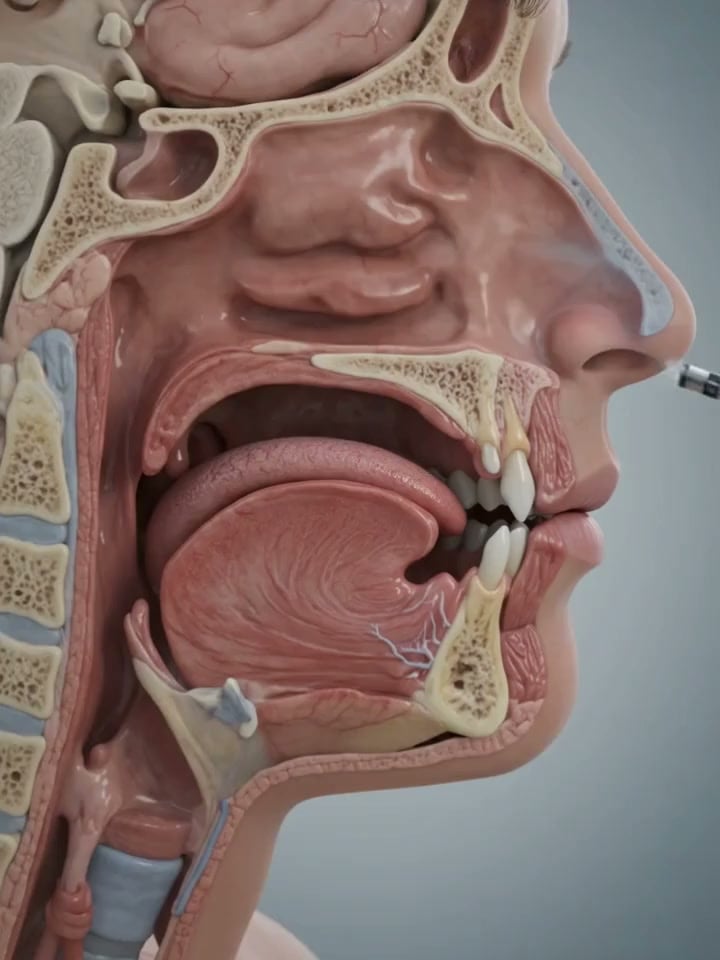
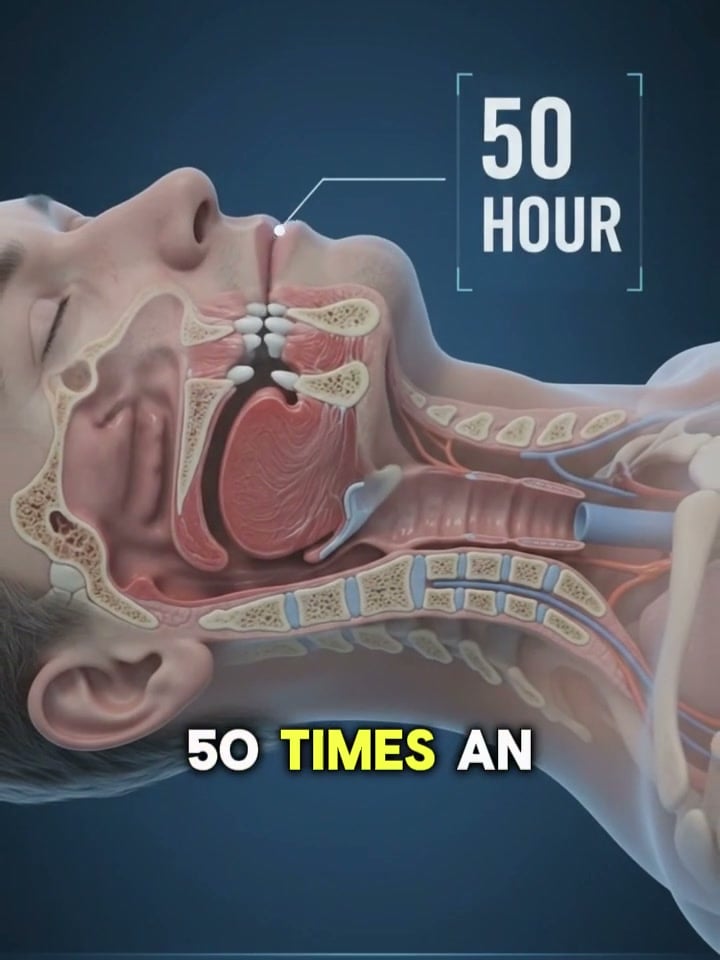
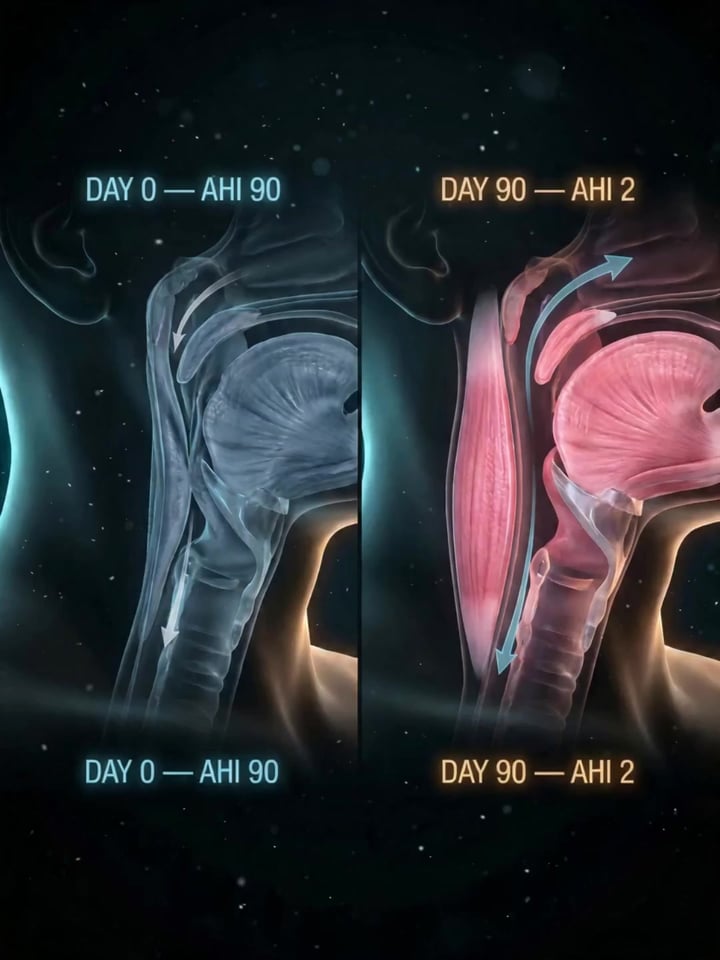
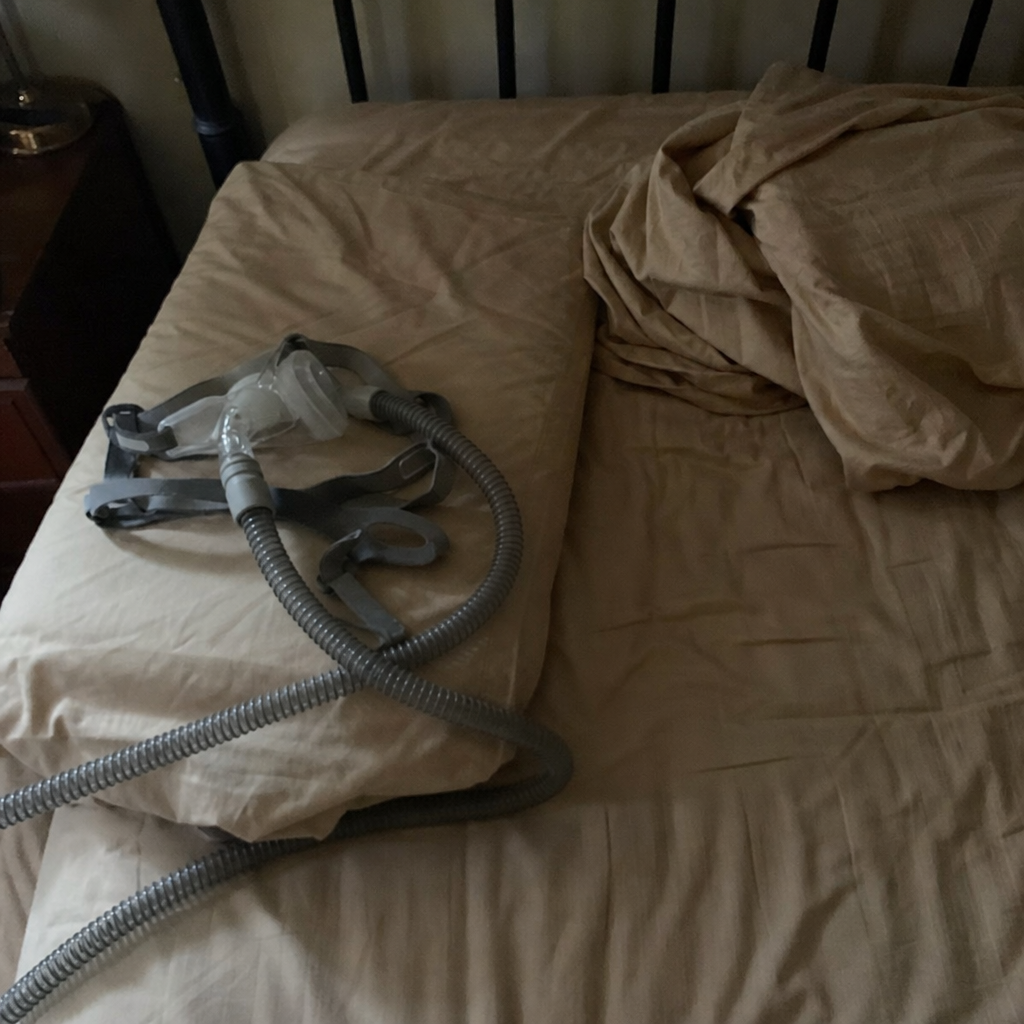
If you've been handed a CPAP and told you'll wear it for the rest of your life, there's something newer research has made clear that you deserve to hear. The CPAP was never fixing your sleep apnea. It was only ever managing it. After more than 20 years treating sleep and breathing problems, I've watched the same story play out thousands of times. People get diagnosed. They get handed a CPAP machine, or a mouthpiece, or a box of nasal strips. And they're told what I was trained to tell them: "This is it. Manage it every night, for the rest of your life." So they try. Most of them quit. And for years I couldn't give them a better answer, because the entire field was built on one assumption that turned out to be incomplete. We treated sleep apnea as a mechanical airflow problem. A pipe that collapses, so you force air through it under pressure. That's the whole logic behind the CPAP. It was never wrong, exactly. It just never asked why the pipe was collapsing in the first place. Here's the answer the newer research keeps pointing to. When you sleep, the muscles in your throat relax. As they weaken with age, they relax too much, and the airway collapses. The structure behind the obstruction was a muscle the whole time. And that's exactly why the CPAP can't fix it. A CPAP keeps the airway open by force, but it does nothing to the muscle that collapses in the first place. It overrides the problem every night instead of addressing it. The same is true of mouthpieces and strips — they each work around the muscle, none of them make it stronger. Which is why the moment you take the mask off, you're right back where you started. Nothing structural has changed. That's not a cure. That's a lifetime rental. For decades, that's all we had: override the muscle, or cut into it with surgery that was painful, expensive, and often didn't hold. That changed for me about a year ago. A colleague sent me research on a different approach: neuromuscular electrical stimulation applied directly to the throat muscles. NEMS. The idea was to strengthen the muscle itself rather than force air past it. I was skeptical — until I realized it's the same logic we use everywhere else in the body. A weak muscle can be trained back to strength. There was no reason the throat should be the exception. The approach turned out to be remarkably simple. A gentle, painless stimulation, delivered through a small device worn under the chin, exactly where those collapsing muscles sit. A few minutes at a time. No mask. No hose. No machine running by your bed. It wakes up the muscles that go slack during sleep and trains them to hold the airway open on their own. That last part is what separates it from the CPAP. A CPAP works only while you're wearing it. This works even after you stop — because you're not overriding the problem, you're rebuilding the structure that caused it. And once a muscle is retrained, it stays retrained. If you've quit your CPAP, or you're dreading a lifetime chained to one, this is worth understanding before you spend another night forcing air past a problem you could be fixing at the source. There's a better way now. It targets the cause, not the symptom. And this time, it lasts. — Dr. Michael Thompson Learn how it works and try it for 100 nights, risk-free: https://trysleepease.co/pages/snoring-and-sleep-apnea
Where the ad sends people
trysleepease.co
Why Your CPAP Never Fixes It ☝️
The CPAP manages it. It never fixes it. Here's what finally does. 100 nights risk-free.
Learn more: trysleepease.co(opens in a new tab)