 Dr. Michael Thompson
Dr. Michael Thompson Facebook ad: “From Severe To Normal In 90 Days”
Ran for 119 days, from June 16 to October 13, 2026, the last day Crush saw it.
Run by Dr. Michael Thompson on Facebook. Crush is not the advertiser and does not verify its claims. See this ad in Meta's Ad Library(opens in a new tab)
Make your own version of this ad
Crush makes it, launches it in your own Meta ad account, scales the winners and pauses the losers.
About this ad
- Meta Ad Library ID
- 994592432962928
- Platforms
- Facebook, Instagram, Audience Network, Messenger and Threads
- Relaunches
- 0
Ad text
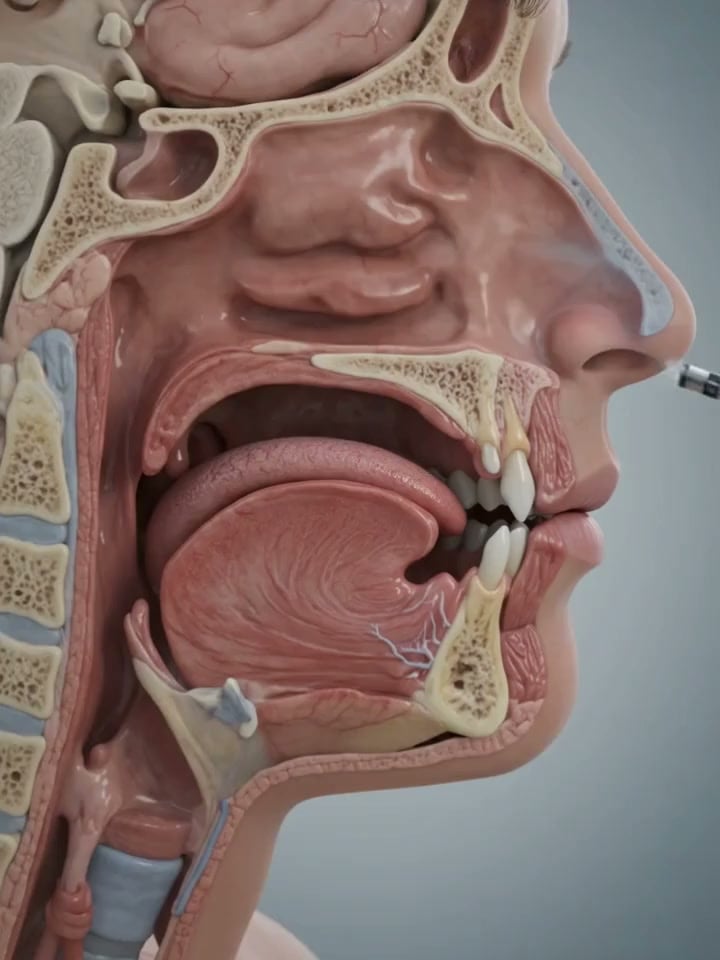
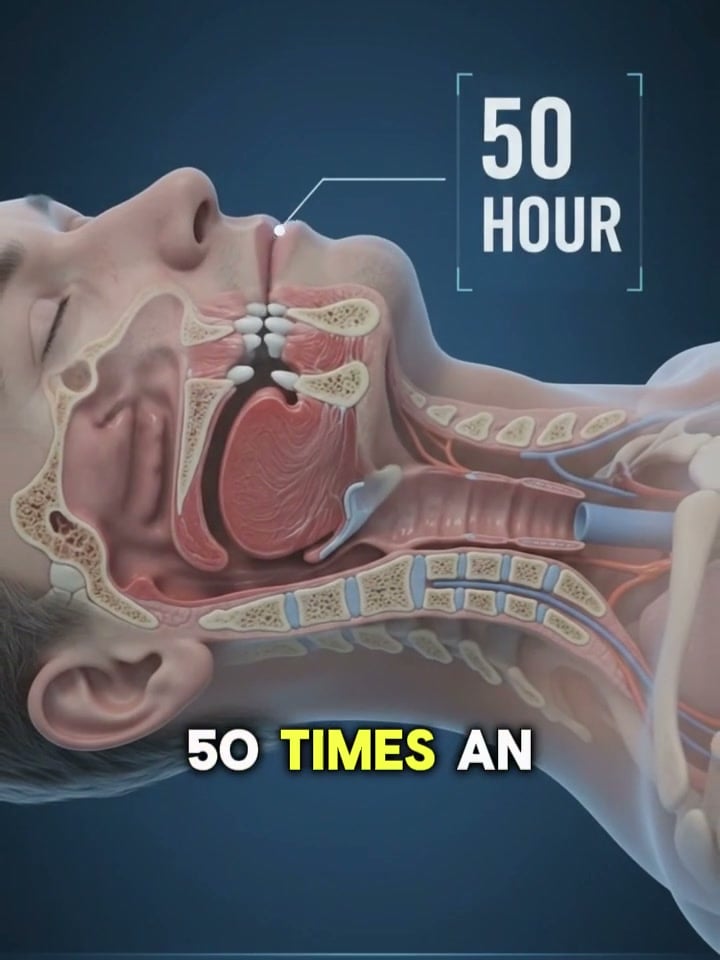
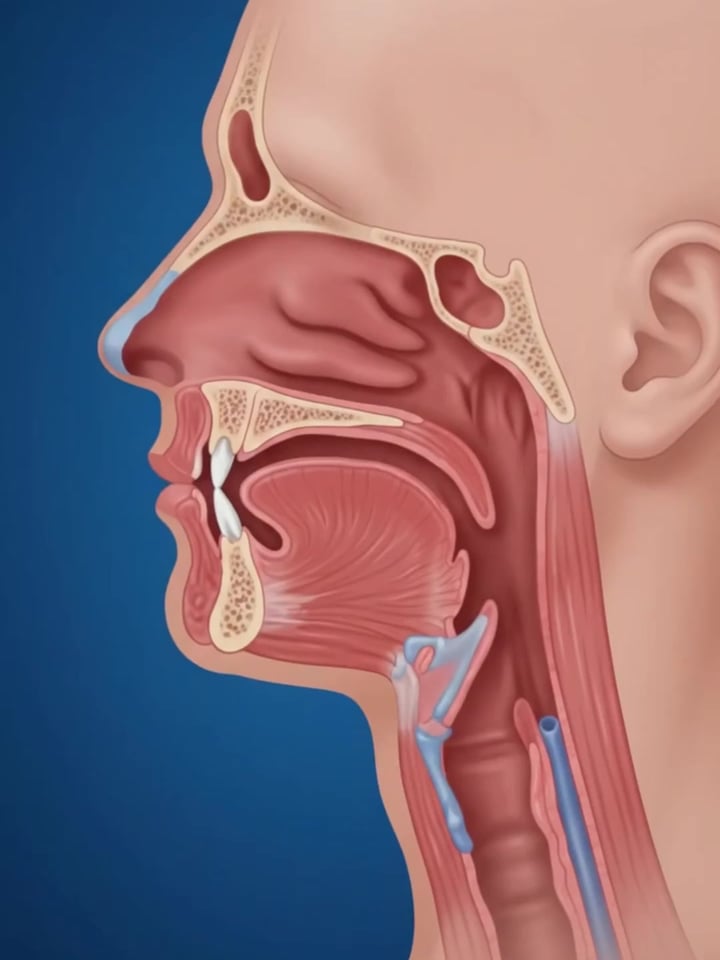
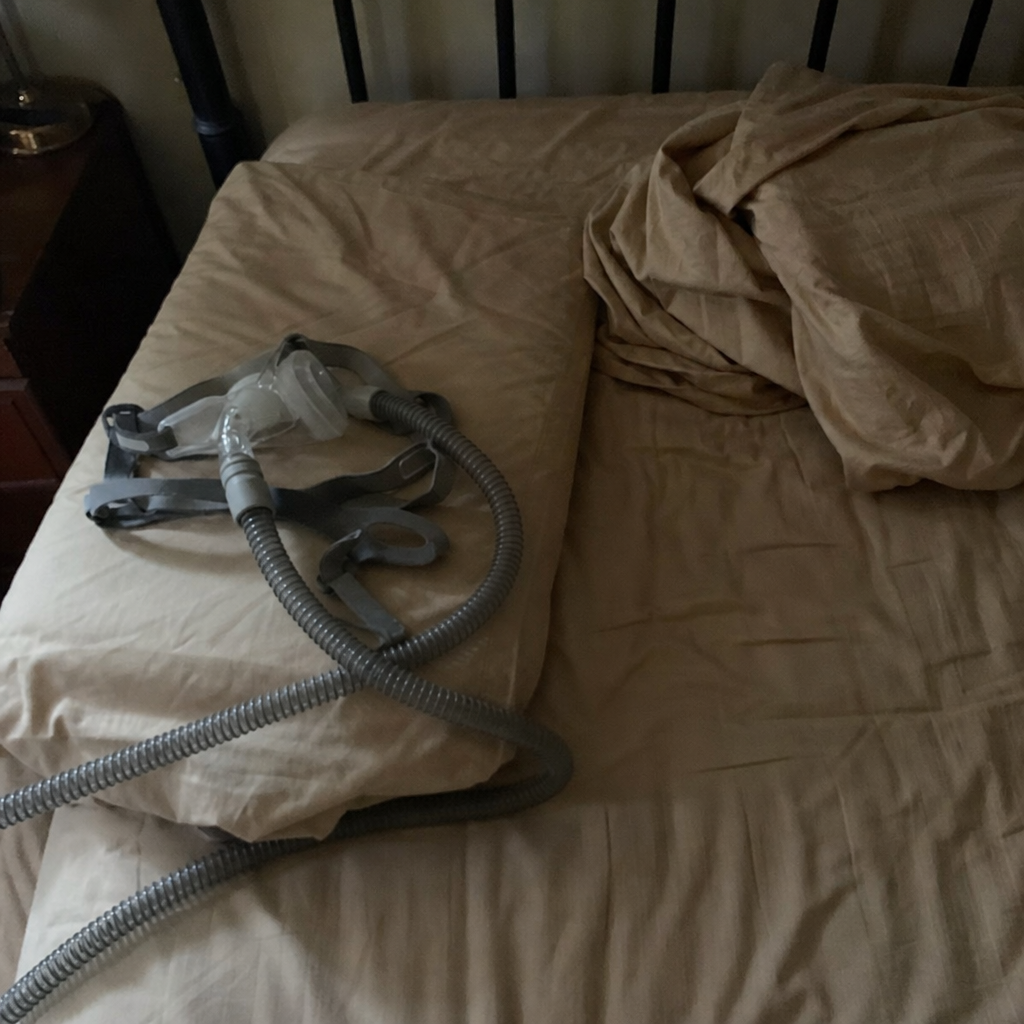
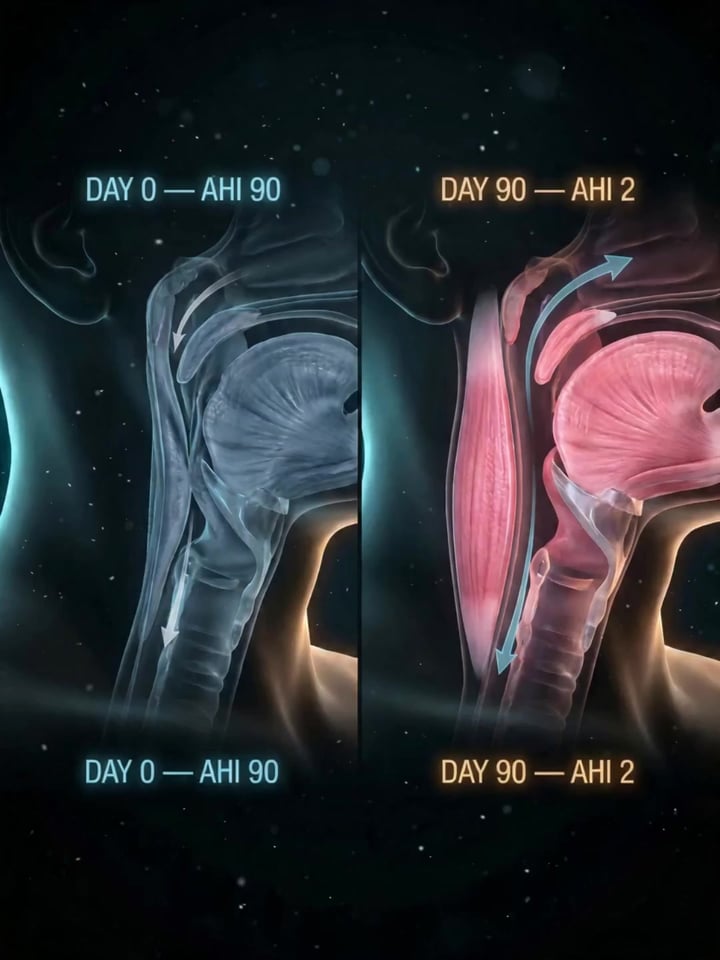
I've now watched patients go from severe sleep apnea to normal breathing in about 90 days — without a machine. After 20 years in sleep medicine, I didn't think that was possible. The newer research explains why it is. For two decades, I told patients what I was trained to tell them. You get diagnosed with sleep apnea. You get handed a CPAP, or a mouthpiece, or a box of nasal strips. And you're told: "This is it. Manage it every night, for the rest of your life." So they tried. Most of them quit. And I couldn't give them a better answer, because the whole field rested on one incomplete assumption. We treated sleep apnea as a mechanical airflow problem — a pipe that collapses, so you force air through it. That's the logic behind the CPAP. It just never asked why the pipe was collapsing in the first place. The imaging tells a consistent story. Side-by-side scans of the upper airway show the same thing every time: where the muscle tone in the throat drops, the passage collapses and breathing falters. Strengthen those same muscles, and the airway holds its shape. The structure behind the obstruction was a muscle the whole time. That's why a CPAP can manage but never fix. It holds the airway open by force and does nothing to the muscle that collapses. Stop using it, and you're right back where you started — nothing structural has changed. About a year ago, a colleague sent me research on a different approach: neuromuscular electrical stimulation applied directly to the throat muscles. NEMS. Strengthen the muscle itself instead of forcing air past it. It's the same logic we use everywhere else in the body — a weak muscle can be trained back to strength. A gentle, painless stimulation, through a small device worn under the chin, right where those muscles sit. No mask. No machine. It trains the muscles that go slack during sleep to hold the airway open on their own. Here's the pattern I keep seeing, and it lines up with what the research predicts. Most people notice their snoring ease in the first week. Over the next few weeks the sleep gets deeper. For milder cases, the results lock in permanently around three to four months. For more severe cases, it takes five to six months of consistent use — but the muscles retrain, and the change holds. One of my first patients was a man in his early fifties. CPAP, quit. Mouthpiece, quit. His wife had moved to the spare room. I told him to give it 90 days. Within a week, his snoring dropped. Within a few weeks he was waking up clear-headed for the first time in years. By month four, the cause itself had changed. Not managed. Changed. That's the part I want you to understand. This was never about finding a better machine to be chained to. It's about correcting the thing underneath, so the machine isn't needed at all. There's a better way now. It targets the cause, not the symptom. And this time, it lasts. — Dr. Michael Thompson Learn how it works and try it for 100 nights, risk-free: https://trysleepease.co/pages/snoring-and-sleep-apnea
Where the ad sends people
trysleepease.co
From Severe To Normal In 90 Days ☝️
Strengthen the muscle, and the airway holds. 100 nights to try it, risk-free.
Learn more: trysleepease.co(opens in a new tab)