
Inactive· since Jun 12, 2026
- 12
- days it ran
- 0
- relaunches
- 7
- EU reach
Ad copy
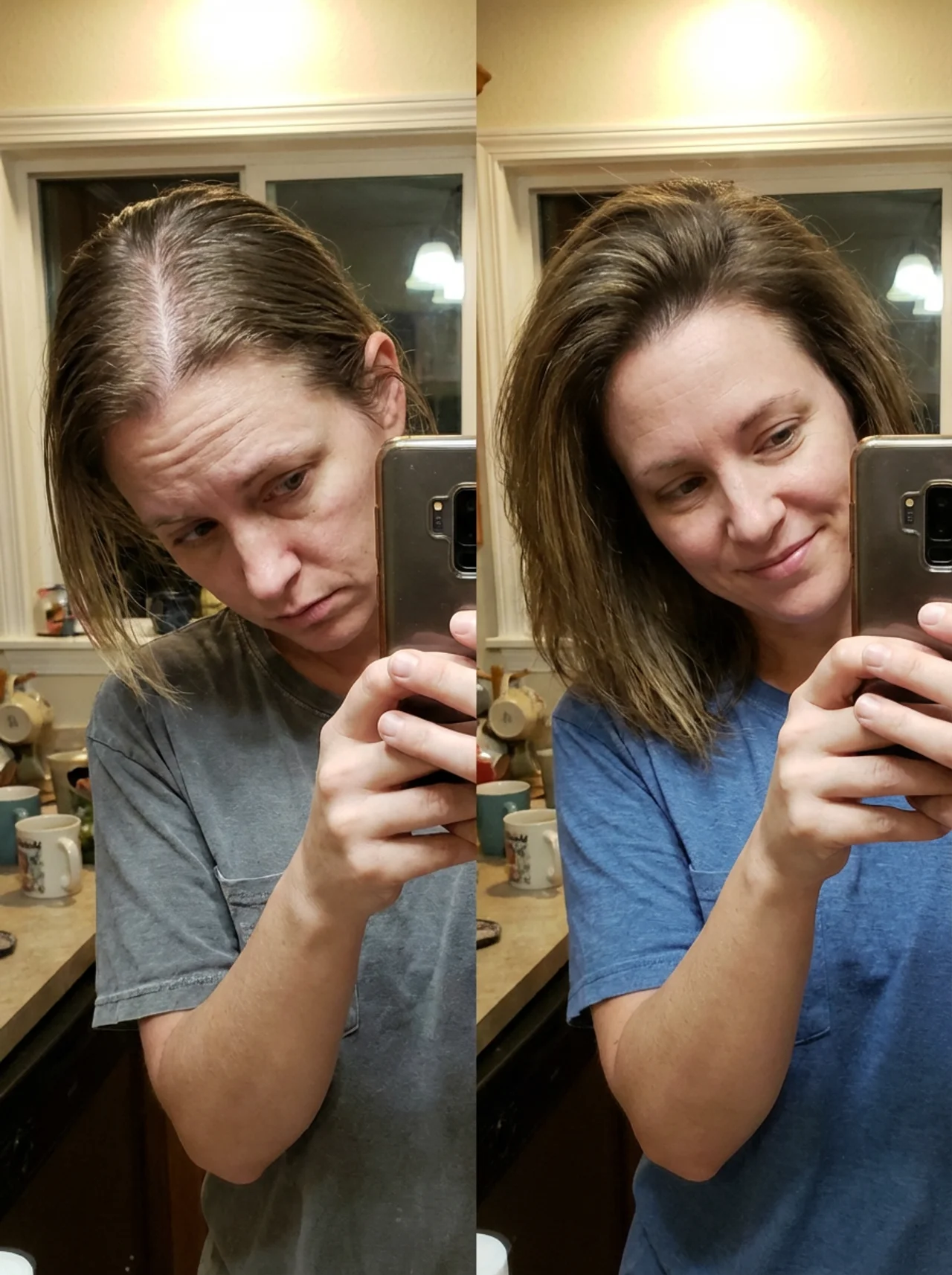
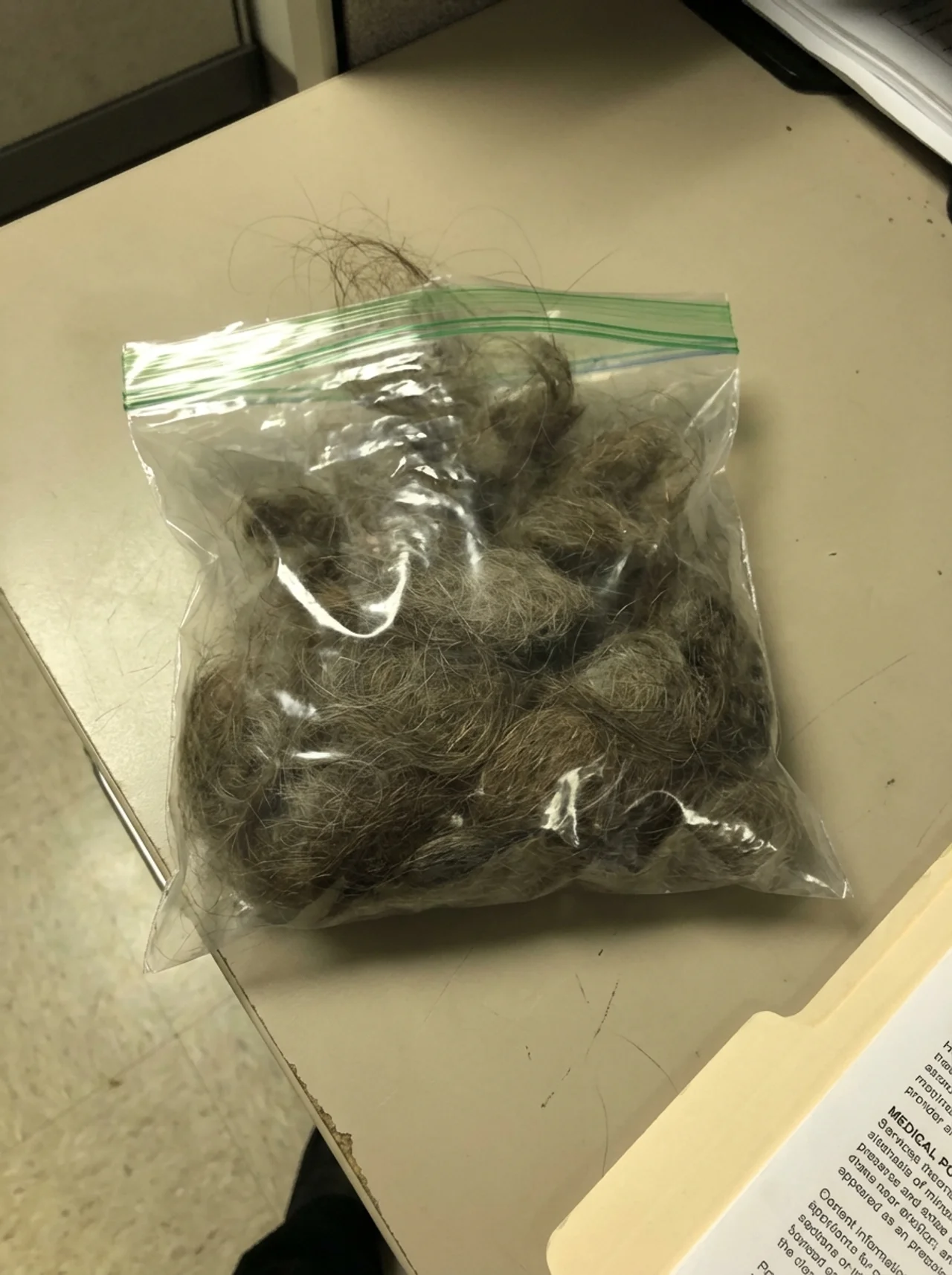
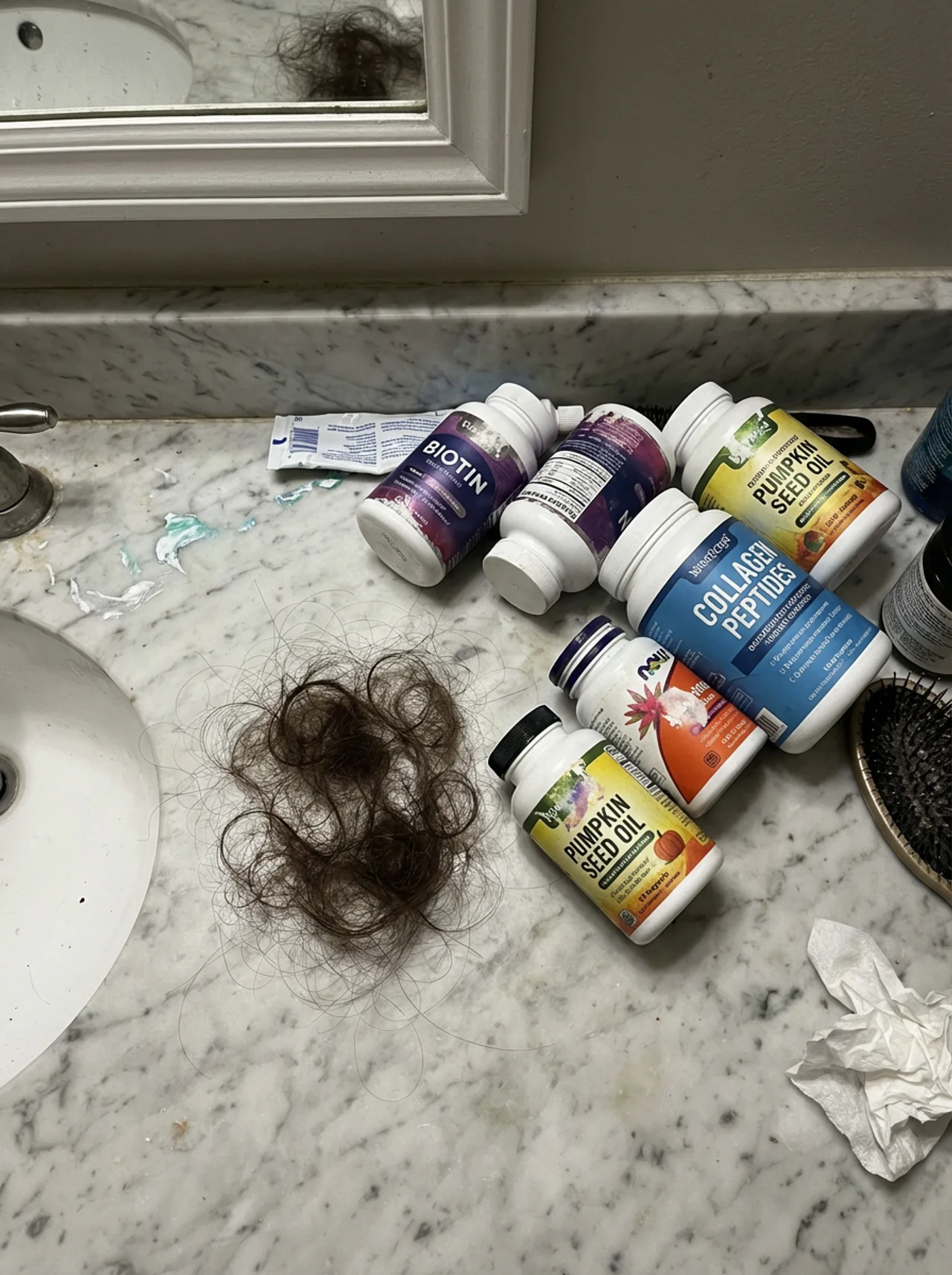
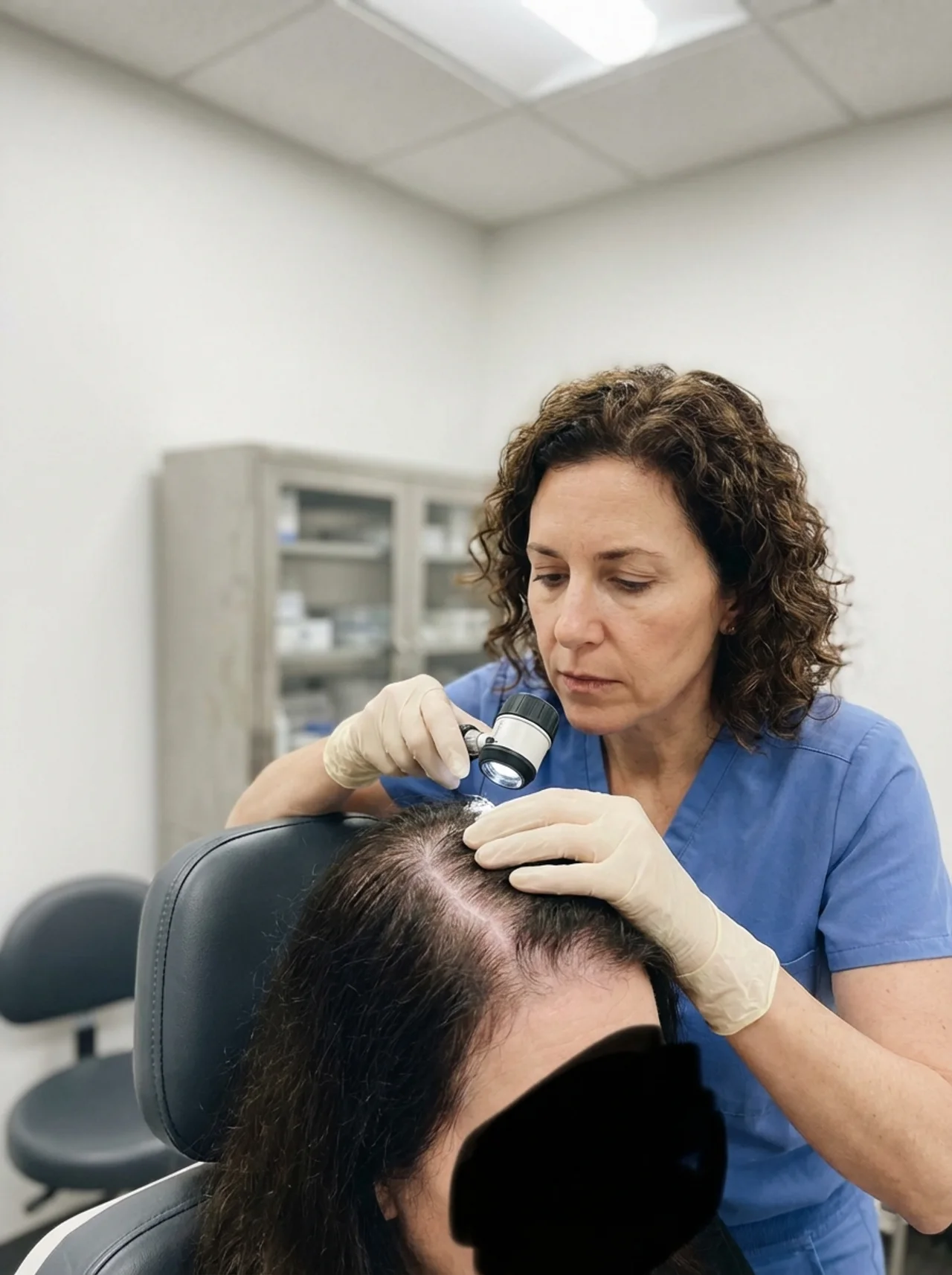
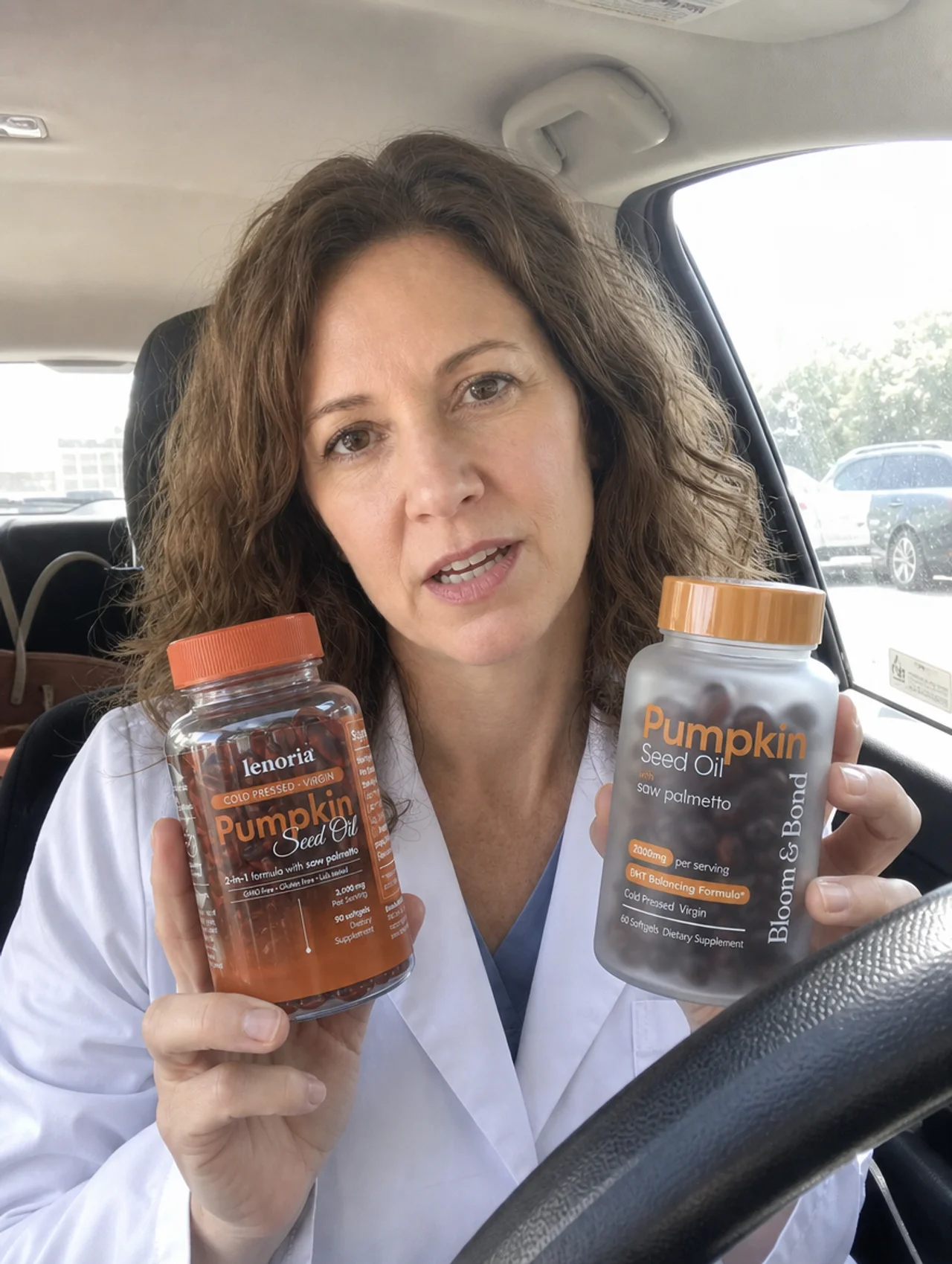
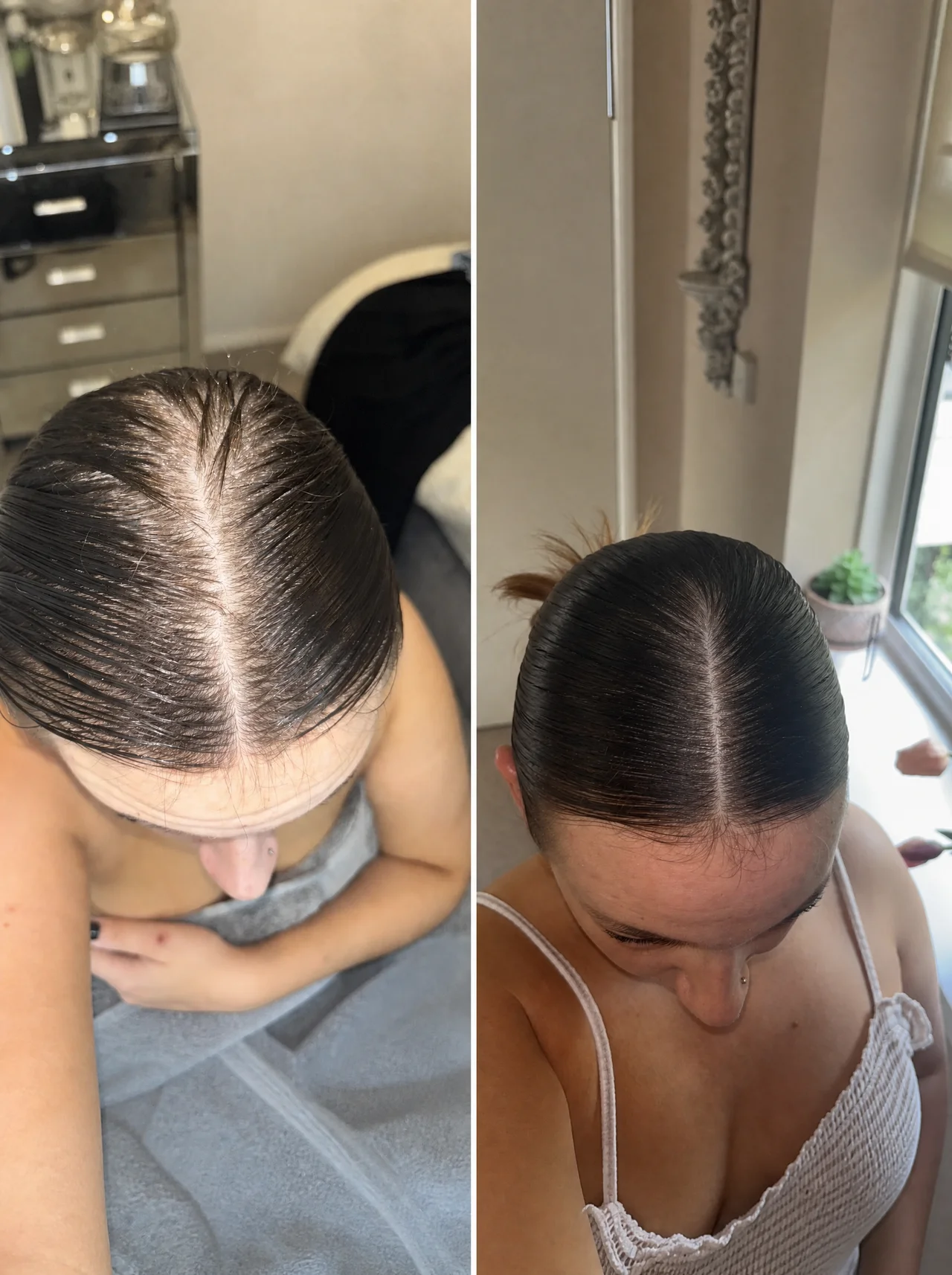
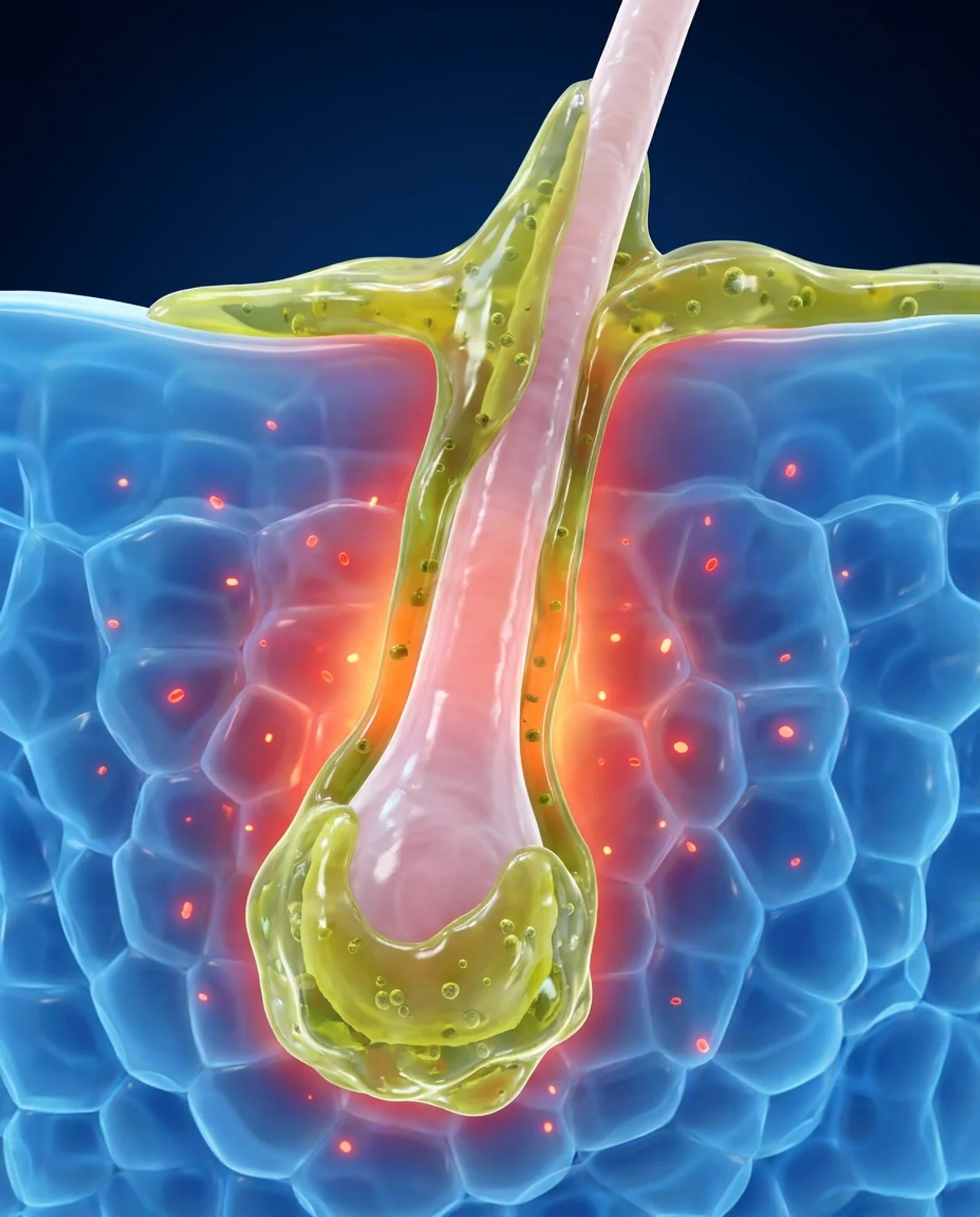
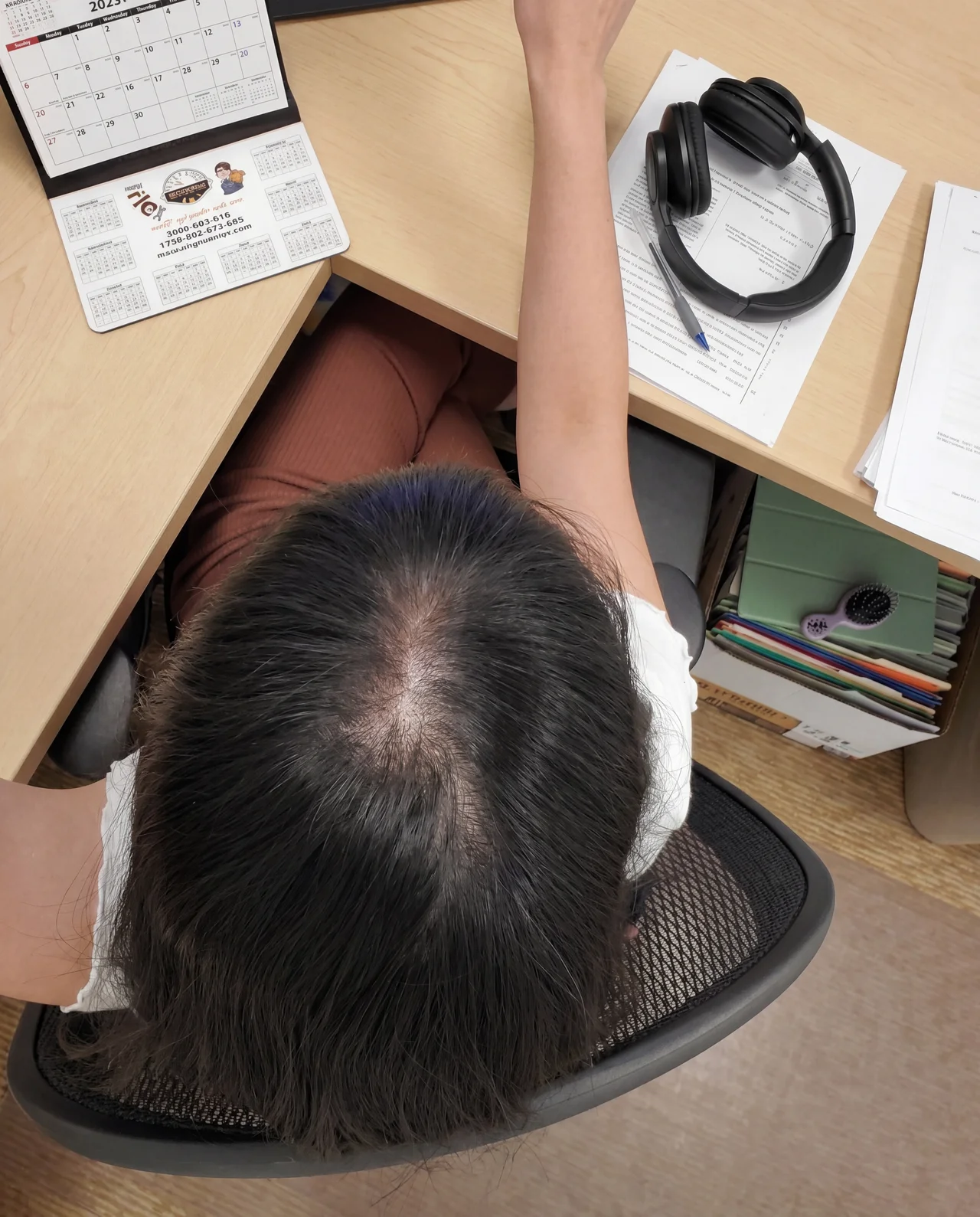
Your hair has a perimenopause death date. It lands years before your first real wrinkle. And the reason you have not done anything about it is simple. Every morning, your mirror tells you you’re fine. So let me tell you the one thing no one will. The mirror is the last place this shows up. Not the first. By the time you can see it looking back at you, the deadline has already passed. And I need to explain why, while you are still standing in the one window where this is reversible. My name is Dr. Patricia Sullivan. I have been a dermatologist for 17 years, and I specialize in one thing: hormonal hair loss in women. A while ago, we surveyed the women who had come to us losing their hair. Nearly 6 in 10 of them had no idea that a hormone called DHT was what had been taking it. Almost half could not name a single cause at all. They just knew it was leaving, and they did not know the name of the thing doing it. That is the part that should frighten you. Not that perimenopause takes women’s hair. That it takes it from women who never find out what is happening until it is already gone. Over the last several years, the women walking into my office have split into two groups. The first group breaks my heart. They sit down, pull out their phone, and show me photos Their hair five years ago, and their hair now. The part that used to be a thin line, now a wide channel of scalp. The ponytail that used to wrap three times, now wrapping four. The patch of baby hairs at the front that never grow past an inch. And they ask me the same question, almost word for word. "Can you bring it back?" In that same survey, by the time women understood what was happening and finally did something, they had already lost, on average, more than a third of their hair. Only 3 in 100 caught it before they had lost any at all. I have to tell most of them the truth. Some of it, yes. Most of it, no. Because by the time it is visible enough to photograph, the follicle has already been shrinking for years. And a follicle that has been starved long enough does not wake back up. It is, as one of my patients repeated to me after her own doctor told her, "for life now." The second group is the one I can actually save. They are younger. Early 40s, usually. Their hair looks perfect. They did not come in about their hair at all. They came in because something felt off. The 3am wakeups. The fog in meetings they used to run on autopilot. A period that suddenly went strange after twenty years of clockwork. A shorter fuse than they recognize as their own. They came in about the feeling. And the feeling is how I catch the hair in time. I want to tell you about one woman from each group. Because the only thing that separated them was timing. Ellen was 53 when she came to see me. She told me her hair had been her thing her whole life. Thick, the kind people complimented without thinking. "It was the one thing I never had to worry about," she said. She first noticed something six years before she found me. A little more in the brush. A part that photographed wider in a harsh bathroom light. She told herself it was stress. A hard year. Getting older. She bought the biotin. She got her iron checked, twice. She changed her shampoo. Her doctor ran bloodwork, told her it all looked normal, and said she was probably just run down. By the time she sat in my chair, the top of her scalp showed through under any overhead light, and there was almost nothing I could do. She did not do anything wrong. She just never knew that the quiet years, the ones where it barely showed, were the only years that counted. Here is the thing. Ellen is not the woman I lie awake thinking about. The woman I think about is Ellen six years earlier. The one whose hair still looked perfect. The one who felt a little off and chalked it up to stress. Because that woman could have kept almost all of it. That woman is the one reading this right now. So let me explain what nobody explained to Ellen, and what almost no one is explaining to you. In perimenopause, two completely different things are happening to you at the same time. And you, and your doctor, are only looking at one of them. Problem one is the part you can feel. The sleep. The fog. The mood. The periods that won't hold a schedule. This is real. I am not going to tell you it's in your head. But here is what no one connects for you: that is not separate from your hair. It is the same hormone shift, showing up first in the places you can feel it. The fog and the 3am are the smoke. They are the proof the fire has already started. The hair is just the part of the same fire you cannot see yet. Problem two is the part you can't feel. It doesn't itch. It doesn't hurt. There is no single bad-hair day you could point to. It is happening on your scalp, silently, right now. And it is the only one of the two with a deadline. Here is why, and once you see it you can't unsee it. You have a hormone called DHT. You have had it your whole life. On its own it is not the enemy. For decades, estrogen kept it in check. Estrogen sits around each hair follicle like a shield and physically blocks DHT from latching on. It is the reason you sailed through your 20s and 30s with the hair you took for granted. Perimenopause is when that shield starts coming down. Not in a clean, steady drop. That is the part the textbooks get wrong, and the part that fools your doctor. In perimenopause your estrogen doesn't fall in a straight line. It swings. Wildly. Hour to hour, day to day. High one week, crashing the next. That is exactly why your bloodwork comes back normal. A blood test captures one hour of one day. It cannot see a hormone that is fluctuating around the clock, which is why no serious menopause specialist uses it to diagnose perimenopause at all. So when your doctor looks at your labs and says "everything's fine, you're probably too young to worry about this," she isn't lying to you. She is measuring the wrong thing, at the wrong time, and sending you home. Meanwhile, every time your estrogen dips, the shield drops, and DHT gets through. It attaches to the follicle. It shrinks it. A little. The next hair that grows from that follicle comes in slightly finer. Slightly shorter. Then it happens again. And again. This is called miniaturization, and left alone it runs one direction only. Each cycle the follicle gets a little smaller, until one day it is too small to push out a visible hair at all. And a follicle that stays dormant long enough does not come back. That is the death date. Not a dramatic event. A slow countdown you can't see, running underneath hair that still looks completely fine. Now. You think it hasn’t started for you. Let me show you how to check, because the early signals are real and they are specific. Most women who actually look find at least one. Go to a mirror with a hard overhead light. Look at your part. Is there a little more scalp along it than there was a year ago? Look at your hairline and temples. Are there fine, short hairs there that never seem to grow to full length Tie your hair back. Does the band take one more wrap than it used to? And the brush this morning. Was it a little fuller than it should be? If you found even one of those, that is not nothing. That is the countdown, already running. You have just been explaining it away, the same way Ellen did, the same way almost every woman in that survey did. And I need you to be clear about what does and does not stop it. ❌ DHT does not stop because your bloodwork came back normal. ❌ DHT does not stop because your doctor said you're too young. ❌ DHT does not stop because you finally fixed your sleep. ❌ DHT does not stop because you feel fine today. ❌ DHT does not stop because you can't see it yet. DHT stops when something blocks it. Nothing else. And here is the cruel math. One of my patients spent six years certain her thinning was "probably just stress." Another told me it took her that long simply to realize her hair had been the very first sign her hormones were shifting, before a single hot flash ever arrived. Six years. That is not six years of nothing happening. That is six years of DHT working on a follicle with the shield down, completely unopposed, while she waited to be sure there was even a problem. By the time it was obvious enough to act on, the countdown was nearly finished. So let me save you the years I couldn't save them. You will hear a hundred suggestions. That same survey shows exactly what the women who came to me too late had already wasted money on first: biotin, hair-skin-nail gummies, growth shampoos, rosemary oils, minoxidil. Iron and ferritin. Worth checking, genuinely. Low iron really does cause shedding. But if your thinning is hormonal, raising your ferritin will not touch it, and I have watched women chase that one number for a year while the real cause kept working. Biotin, collagen, the hair-skin-nail gummies. They help exactly one kind of person: someone who is actually deficient, which is rare. They feed hair. They do nothing to DHT. It is like watering a plant while someone pours weedkiller on the roots. Minoxidil, or Rogaine. It can grow hair. But it is a vasodilator. It widens blood vessels. It does not block DHT, so the hormone keeps shrinking your follicles the entire time you use it. It comes with a frightening shed at the start, it is genuinely toxic to cats, and the day you stop, as the women who rely on it will tell you, your hair goes right back to where it would have been. It is a bottle or a pill for the rest of your life, not a fix. HRT can help, and for some women it is exactly right. But it is a systemic hormonal decision, it isn't available or tolerable for everyone, and most women in early perimenopause are not ready to put hormones in their body over a feeling they can't even name yet. Spironolactone, finasteride. Prescription. Real side effects. Real contraindications. Every one of these either feeds the hair while DHT keeps attacking, or chains you to it forever, or never touches the hormone shift underneath. None of them is aimed at the one thing with the death date, in the one window where you can still win it. There is only one approach that does both of the things that actually matter here. And you have to do both. You have to stop your body from making new DHT. And you have to block the DHT that is already there from latching onto the follicle. Stop the source. Shield the follicle. The formula I recommend to every woman who walks into my office in that early window is Bloom & Bond. It is built on the only two natural ingredients I have seen do both jobs together: pumpkin seed oil and saw palmetto. Pumpkin seed oil contains compounds called phytosterols that block the enzyme that converts testosterone into DHT in the first place. Less of that enzyme working means less new DHT being made. In a peer-reviewed clinical trial, pumpkin seed oil increased hair count by up to 40% over 24 weeks. But it has a ceiling. It slows new DHT. It does nothing about the DHT already in your scalp, already attached, already shrinking follicles. That is what saw palmetto is for. It blocks the DHT that's already there from binding to the receptor on the follicle. One turns down the factory. The other puts a lock on the door. Together, that is the dual-action protection an early perimenopausal follicle actually needs. This isn't a secret I'm keeping, either. The women furthest down this road are already finding their way to these two ingredients on their own. Read any honest perimenopause hair thread and you will see them quietly recommending pumpkin seed oil and saw palmetto to each other, women reporting their shedding stopped within weeks. The problem is what they end up buying. Most pumpkin seed oil on the shelf is heat-processed, which destroys the very compounds that block DHT. Bloom & Bond is cold-pressed and concentrated, 2,000mg of real extract, not the cheap seed powder you'd need to eat two pounds of raw seeds a day to match. And most saw palmetto on the shelf is a prostate supplement, repackaged with a softer label and sold to women at the wrong dose. Bloom & Bond uses the extract at the dose calibrated for follicle protection in women. No biotin filler. No collagen fluff. Just the two ingredients that matter, in the form that works. Two softgels. It disappears into the routine you already have. Here is what the next few months actually look like. Because there are two versions of them now: the same months, lived on two different paths. Weeks 2 to 4 ❌ Without Bloom & Bond: nothing changes that you can see. That is the danger, not the comfort. The shield is still dropping, DHT is still attaching, the follicle is still shrinking. The countdown keeps running precisely because it refuses to show. ✅ With Bloom & Bond: the few extra strands you've been quietly finding in the brush begin to settle. Your follicles are getting the first real DHT protection they've had since your estrogen started to swing. Weeks 4 to 8 ❌ Without Bloom & Bond: the hairs entering their next growth cycle come in a fraction finer than the ones before them. You won't notice. The mirror won't tell you. But your baseline has moved. ✅ With Bloom & Bond: the shedding settles back to normal. The ponytail holds its weight. You run a hand through your hair and don't catch yourself counting what comes away. Weeks 8 to 12 ❌ Without Bloom & Bond: the shrinking continues, unopposed, on the most vulnerable follicles first, the ones at your part and your hairline. Still nothing in the mirror to alarm you. That is exactly the problem. ✅ With Bloom & Bond: the follicles that had only just started to weaken hold their ground, and the fine new growth at your hairline comes in stronger instead of thinner, because for the first time it is growing without something shrinking it at the same time. Month 3 to 4, and the years after ❌ Without Bloom & Bond: this is the slow stretch Ellen lost. No dramatic day. No single morning it all changed. Just this, quietly, cycle after cycle, until one harsh overhead light and one widened part made it undeniable, long past the point anyone could fully fix it. ✅ With Bloom & Bond: your part stays the width it is right now. A year from today, your hair still looks like your hair. You do not get a dramatic transformation. You get to keep what you walked in with. For this woman, in this window, that is the entire victory. Which brings me to the second woman. Claire came to me at 43. Her hair looked perfect. She came in about the fog and the broken sleep, the same as everyone in that group. I told her exactly what I am telling you. She started Bloom & Bond that week. I saw her again not long ago. She is 47 now. Her part is the same width it was at 43. Her ponytail wraps the same number of times. She told me her sister, almost the same age, has started parting her hair on the other side to hide her scalp, and keeps asking Claire what she's doing differently. Claire isn't growing back hair she lost. She kept it. She was one of the 3 in 100 who caught it in time. That is the entire difference between her and Ellen. Not luck. Timing. Tonight, if you want to see your own two futures, go read an honest perimenopause forum. You will find women who realized, only after six years, that their thinning hair had been the very first sign their hormones were shifting, before a single hot flash. Women calling their hair “the one thing that was mine.” Women trading iron pills and red-light helmets and grief, comparing photos, mourning what they had no idea was leaving when they were younger and worrying about the shape of their nose. Every one of those women had your hair once. Every one of them thought she had time. So picture the other version. It is a few years from now. The women around you are in those threads. And you are sitting there with the same ponytail you have today. You walk into the room at 50, at 55, and you are still the sharp, visible, unmistakably-you one. Not the woman people quietly start to look past. You spent these years protecting the thing that was actually leaving, instead of the wrinkle that is still years away and was never going anywhere. That version of you is not lucky. She is just early. The window is open right now. Today. While it still looks fine. That is not a reason to wait. That is the entire reason to start. The death date is real, but it has not arrived. Every cycle you spend telling yourself it’s probably nothing is another cycle the shield is down and DHT is working unopposed on follicles you cannot get back later. You do not have to lose your hair to perimenopause. You have to get in front of it. Block the new DHT. Shield the follicles you still have. Keep the hair you walked in with. Be the 3 in 100 who caught it in time. If you are reading this, and something has felt off, start now. 👉 bloomandbond.com/products/new-pumpkin-seed-oil-softgels
Like this ad? Make it yours.
Crush rebuilds this exact creative around your product — your brand, your colors, your offer — in about a minute.