
Inactive· since Apr 28, 2026
- 23
- days it ran
- 1
- relaunches
Ad copy
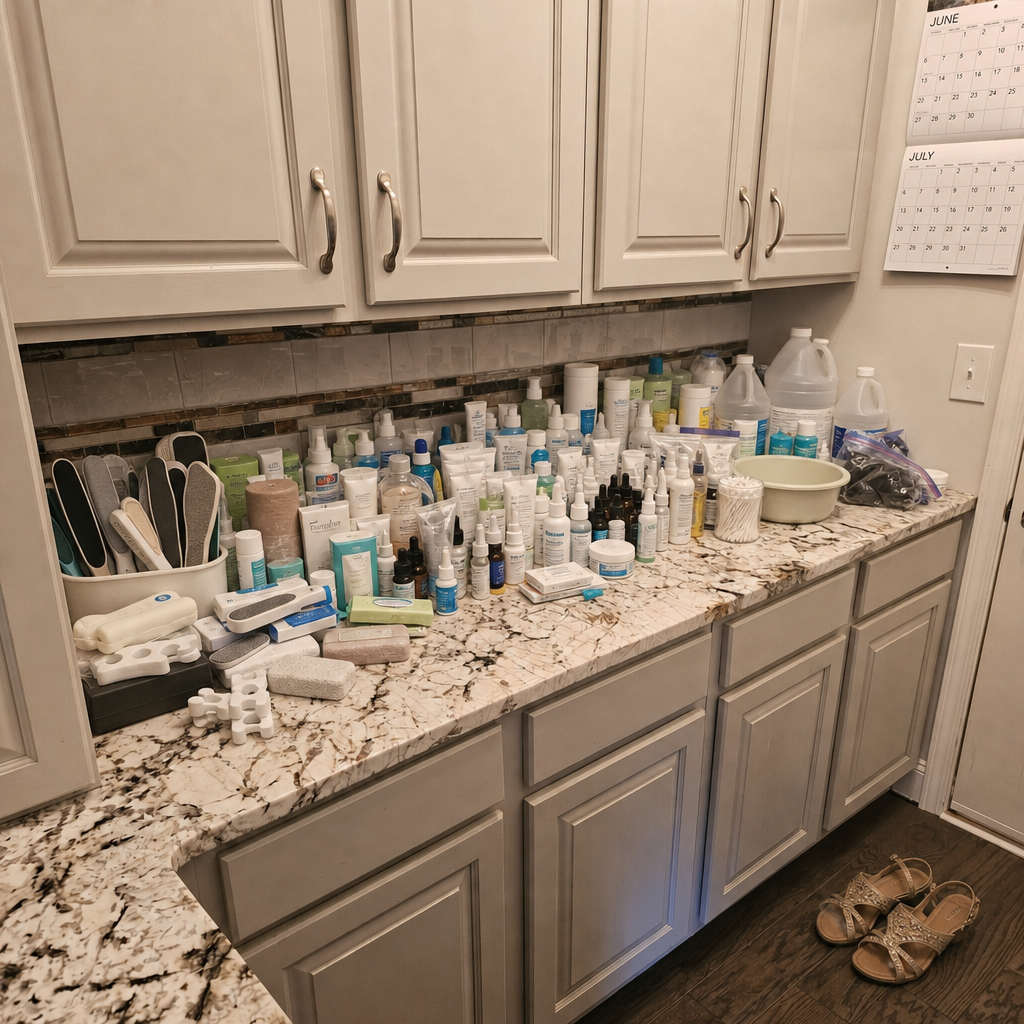
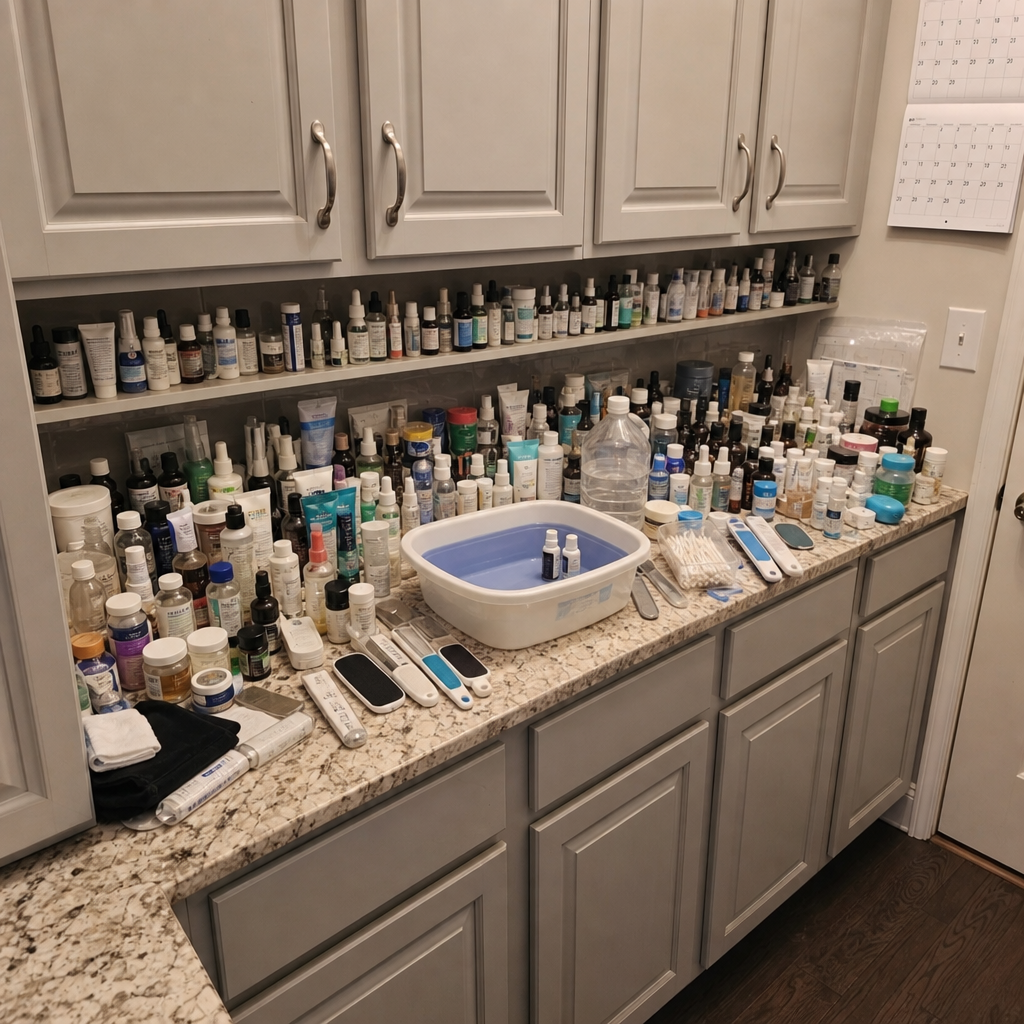
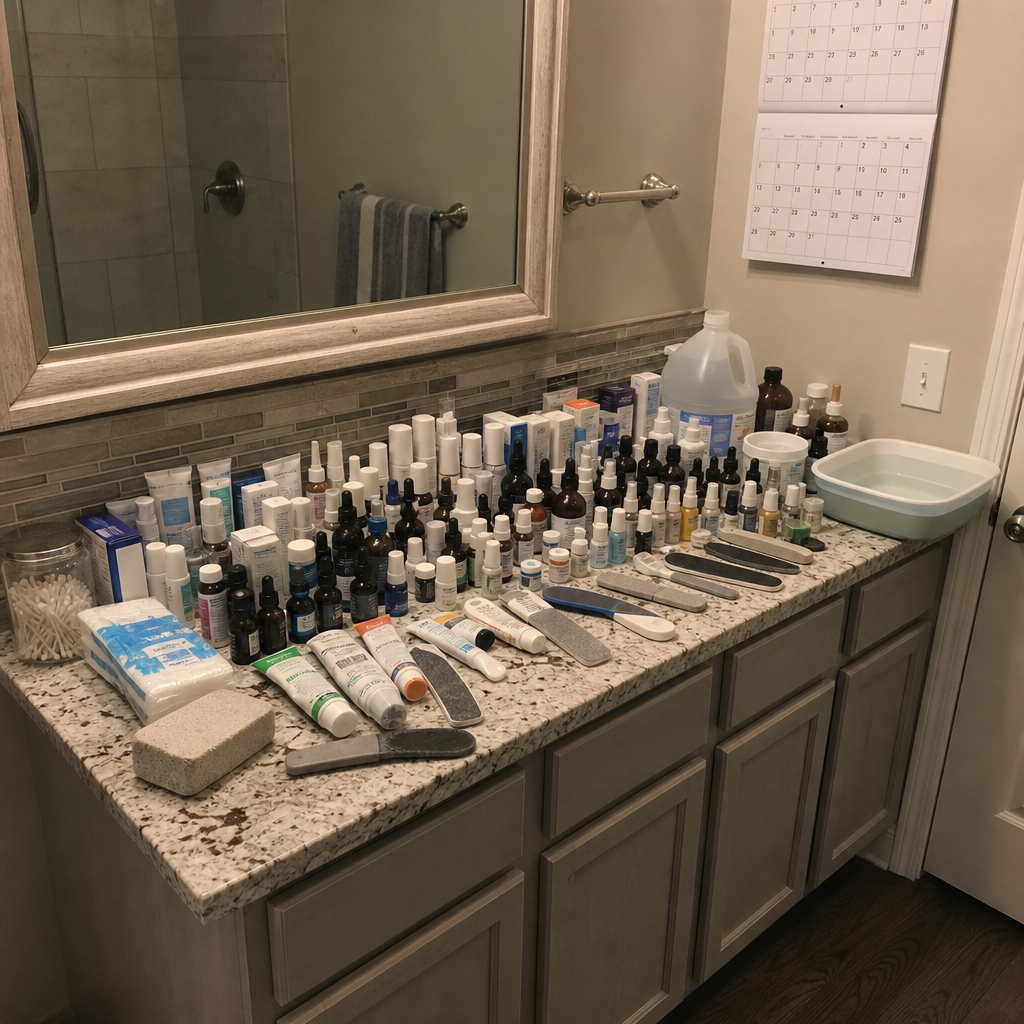
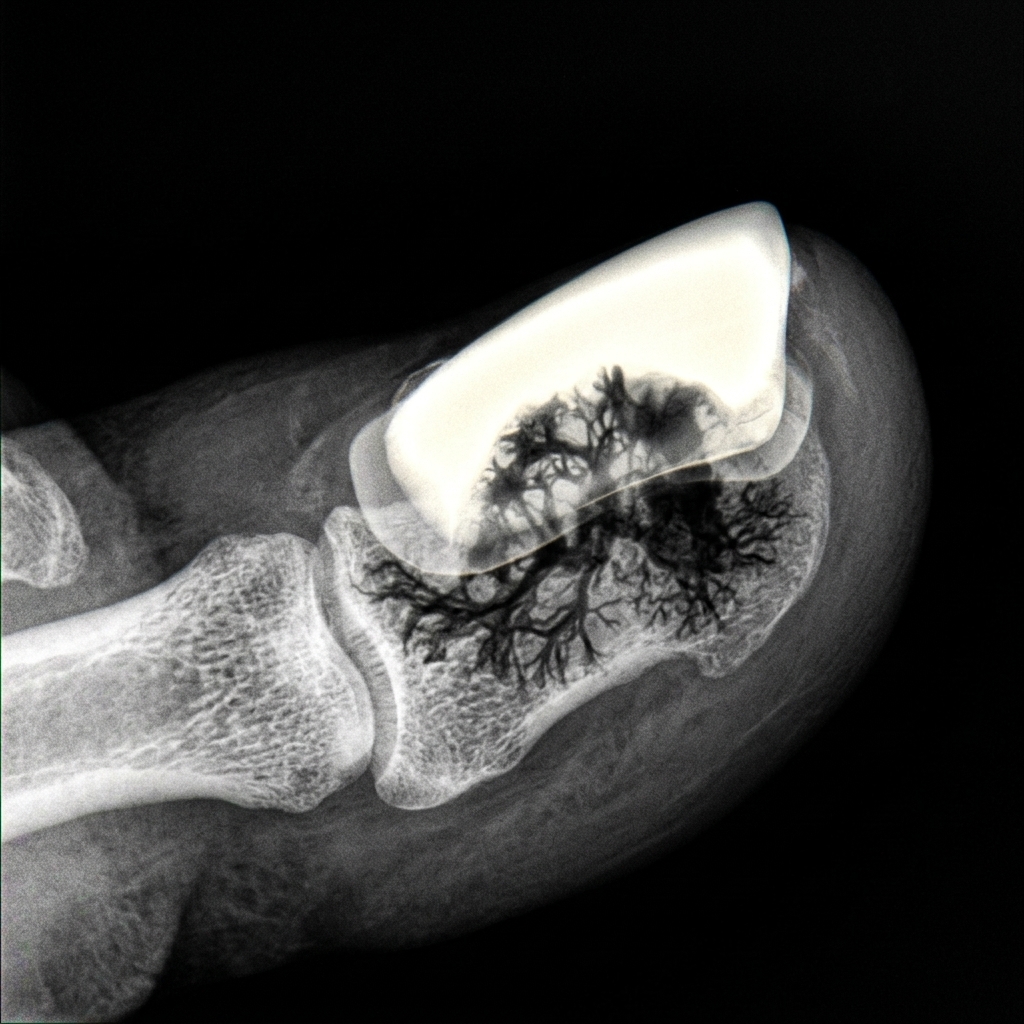
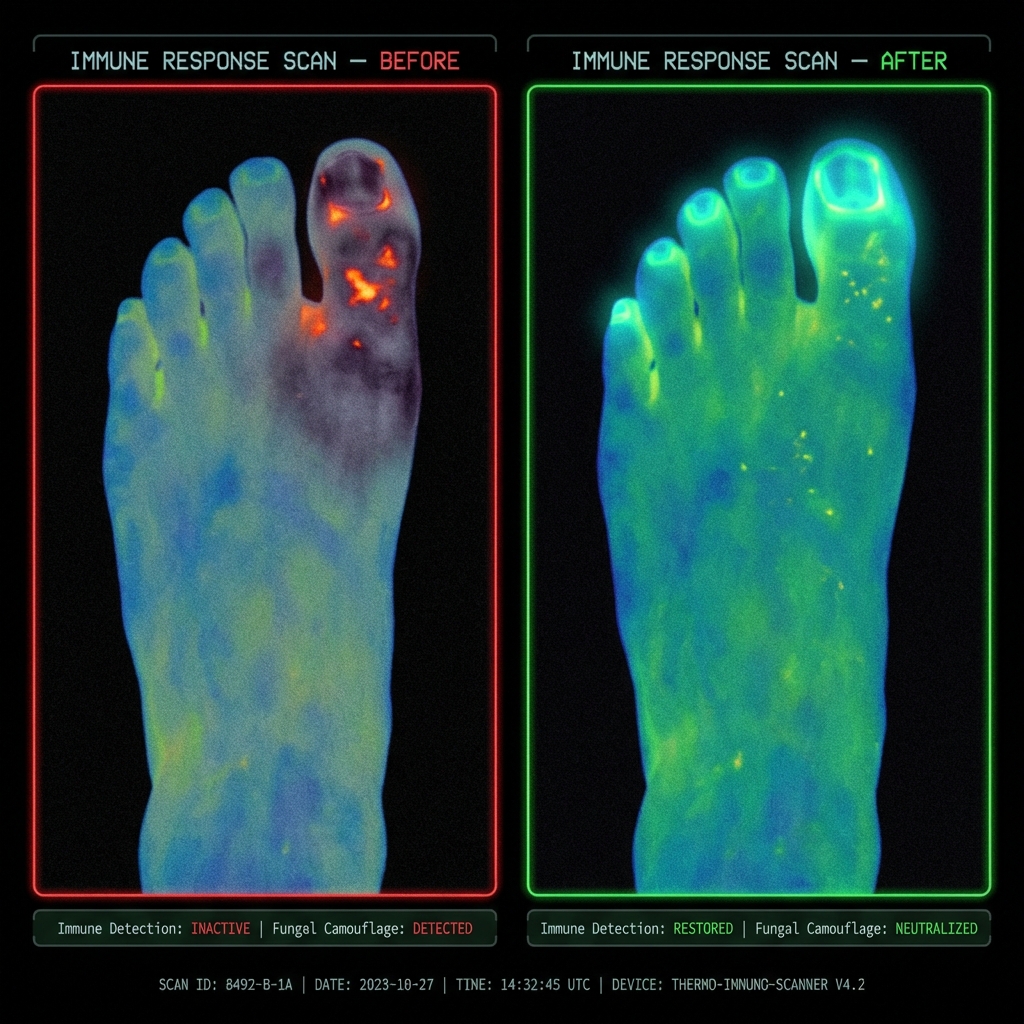
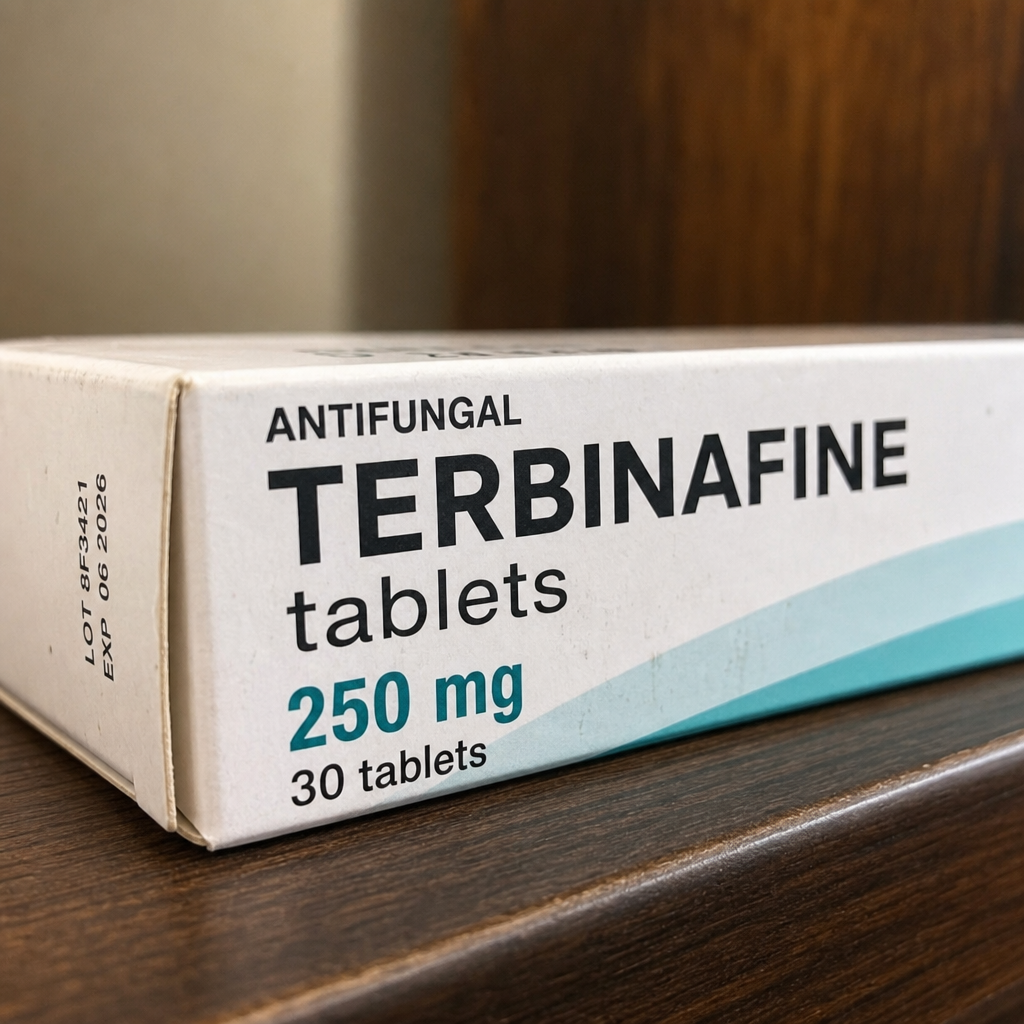
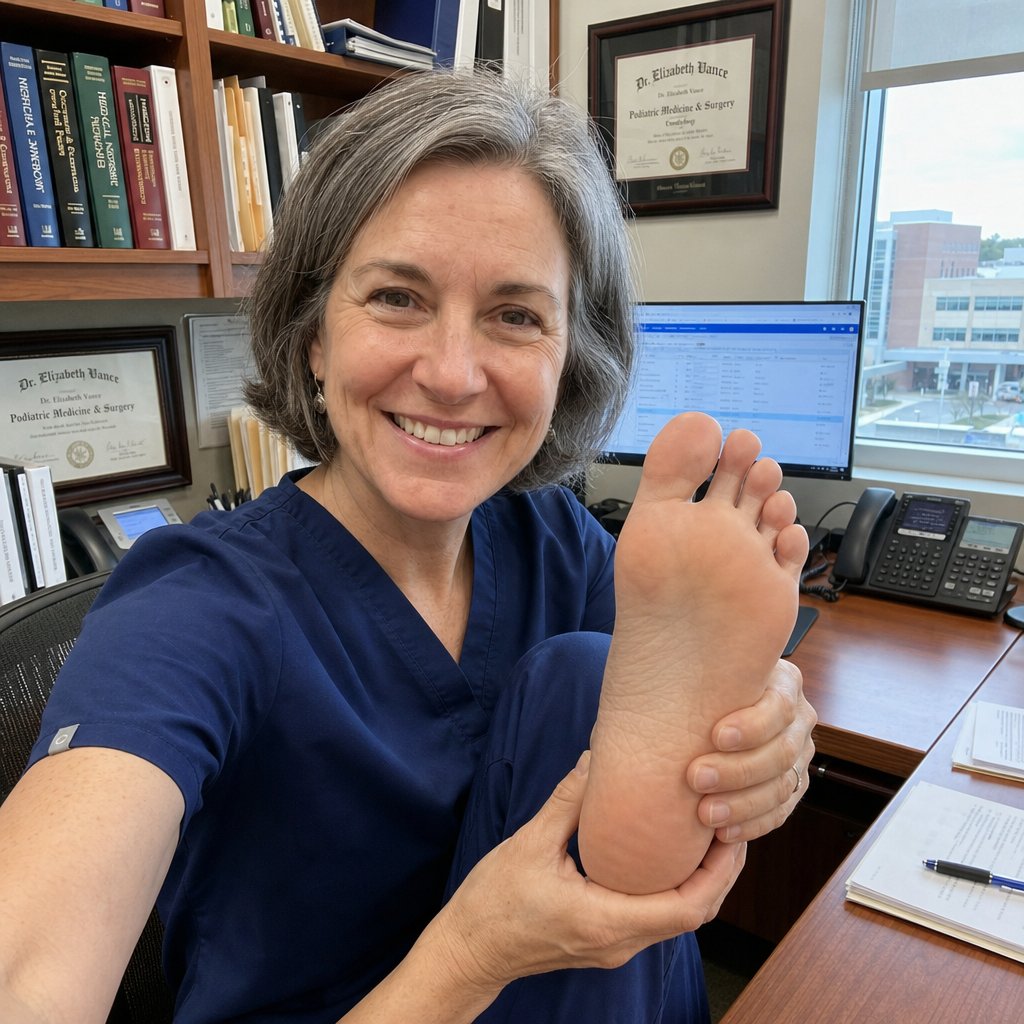
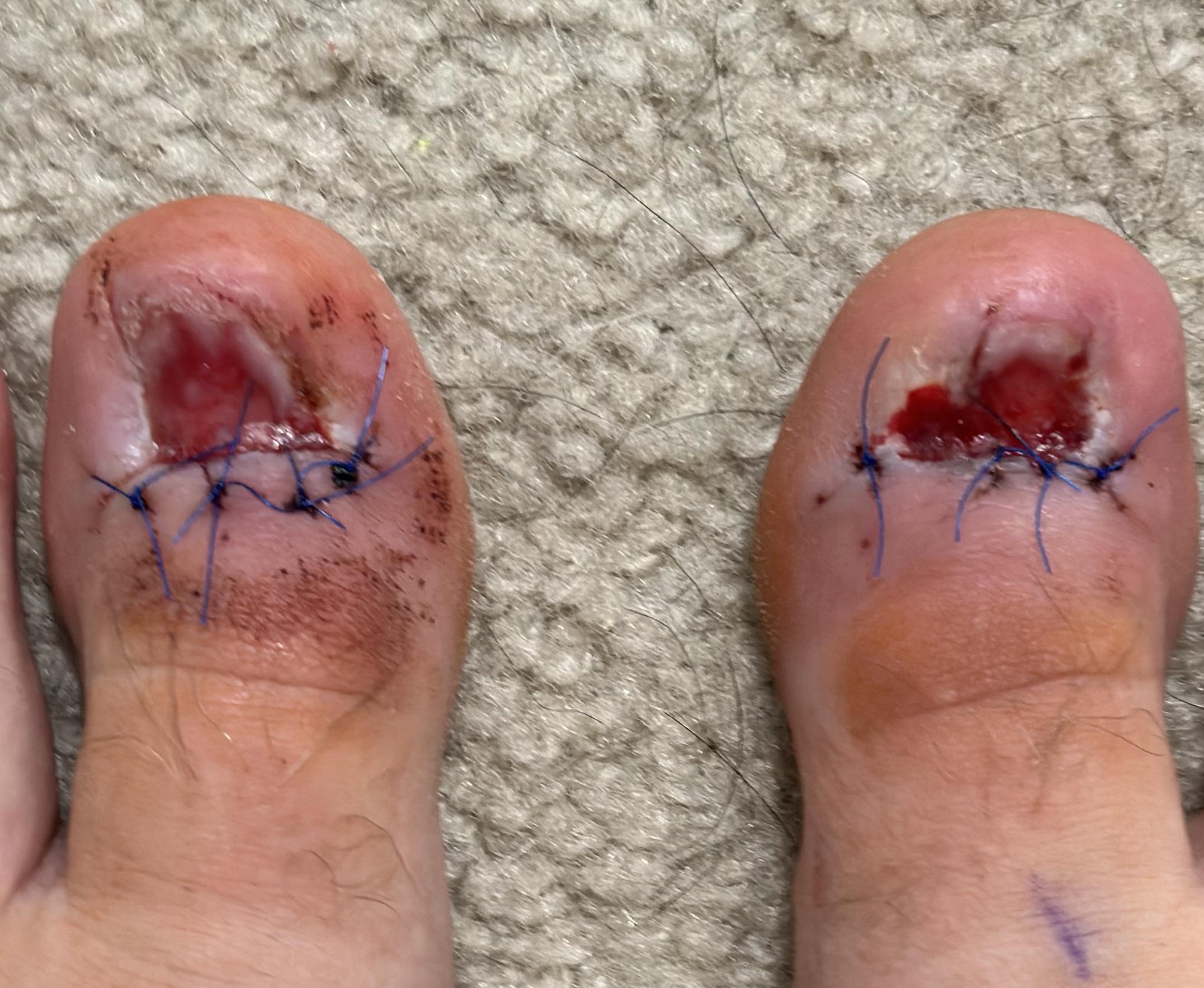
My daughter's been bugging me to post this. I said it was nobody's business. She said, "It could help someone, Mom." So I finally gave in. I lost two toenails to surgery last March. Not a massive procedure — but enough to leave me in a surgical boot for three months with open wounds on both big toes and my daughter crying in the waiting room. The podiatrist ran every test. Cultures. Nail biopsies. Full infection staging. And when she explained why the surgery was necessary, I couldn't believe it. It wasn't that I'd been careless. It wasn't that I hadn't treated. It wasn't genetics. It was the biofilm. The fungal colony had built a waterproof fortress underneath my nails that blocked every treatment for eight years. The lacquer bounced off the waterproof nail. The Terbinafine partially disrupted the fortress but couldn't dissolve it before my liver forced me to stop. The infection kept spreading behind a barrier nobody told me about. Pretty standard stuff for anyone with chronic nail fungus — happens to millions of women every year. And as a retired dental hygienist, I genuinely thought I was doing everything right. But about six years before the surgery, I started noticing things weren't right. One yellow toenail. Just a spot near the edge. My podiatrist prescribed lacquer. "Paint every night. Be patient." So I did. Every single night. I'm not someone who skips treatments. Thirty-one years as a dental hygienist — I understand compliance. I understand protocols. I don't cut corners. But by year two, three nails were infected. By year four, five. By year six, seven. I went to my podiatrist every few months. Same answer every time: "Keep applying. The infection is resistant. Be patient." So I tried everything. Ciclopirox. Jublia at $580 a bottle. Tea tree oil. Vicks. Vinegar soaks. Filing every Sunday. Three generic oregano supplements from Amazon. Nothing changed. If anything, the nails got worse. Then about a year before the surgery, two of my big toenails started lifting from the nail bed. Thick. Distorted. Debris accumulating underneath. Painful in closed-toe shoes. I felt like I was falling apart. And no treatment could tell me why. Then one morning last March, I was getting dressed and my right big toenail caught on my sock and a chunk broke off. Not a small piece — a large, thick piece that took part of the nail bed with it. Blood on the sock. Blood on the carpet. I sat on the bed holding my foot and knew how bad it was. At the podiatrist's office, Dr. Chen examined both big toenails. Shook her head. "The matrix is severely damaged from prolonged infection. The nail plate is compromised. At this point, surgical removal is the best option. We'll remove both big toenails, treat the nail bed, and let them regrow." I asked if the nails would grow back healthy. She hesitated. "Sometimes. Sometimes the matrix is too damaged and they grow back thickened or distorted. Or infected again." My stomach dropped. "From where?" She looked at my chart. "The biofilm. If biofilm remains in the nail bed after removal, the new nail grows into the same infection." "What causes that?" "The biofilm was never dissolved. We removed the nail — which is the roof of the vault — but the fortress inside the vault was never addressed. If it's still there when the nail regrows, the infection re-establishes." She nodded. "That's what most patients don't understand. They think removing the nail removes the problem. Unfortunately, the problem lives in the nail BED, not the nail PLATE." I felt like I'd been punched in the chest. I went through with the surgery. Both big toenails removed. Three months in a surgical boot. Open wounds. Gauze changes. Pain. And the whole time, I was terrified the nails would grow back infected. Because the biofilm was still there. In the nail bed. Waiting. My daughter lives two hours away. She came to stay with me for the first week after surgery. When she walked in and saw my feet — bandaged, swollen, the boot — I could see it in her face. She thought this was going to be my life now. We sat at the kitchen table. I tried to act normal. But my hands were shaking when I poured the coffee. And she noticed. "Mom," she said quietly. "This can't happen again." I started crying. I hadn't cried in front of her in years. I told her everything. The eight years of lacquer that bounced off. The Terbinafine that didn't hold. The biofilm nobody dissolved. The surgery that might not work because the fortress was still in the nail bed. The terror that the new nails would grow back yellow. She didn't say anything for a long time. Then she said: "I'm going to figure this out." Four days later, she called. Her voice sounded urgent. "Mom. I found something." When she showed up that weekend, she was carrying a pouch. "Before you say anything," she said, "I know you're skeptical. But just… trust me. Please." She pulled out Orgatics Oregano & Black Seed Oil. "It's a pharmaceutical-grade supplement. It delivers carvacrol at 70%+ concentration through your bloodstream. The same compound documented in peer-reviewed research for dissolving fungal biofilm. Cold-pressed thymoquinone for immune reactivation. Oil-based softgels." She looked at me. And I saw something in her face I hadn't seen since she was a little girl: Fear. Not fear of the supplement — fear of watching her mother go through surgery again. "Mom, I can't watch you live like this. Terrified every night that the nails will grow back infected. Please." I'm a retired dental hygienist. I know what biofilm is. I scraped it off teeth for thirty-one years. I know every supplement scam in existence. But I realized: She's not trying to sell me something. She's trying to save my nails from growing back into the same infection the surgery didn't address. So I said yes. That night I read the research she'd sent. Study after study on carvacrol biofilm dissolution. The mechanism. The concentration threshold. The difference between pharmaceutical-grade and generic. And I kept thinking: Why didn't I know this? I worked with biofilm for thirty-one years. I understood oral biofilm at a professional level. Why did I never connect it to my own toenails? Because nobody connects them. Podiatrists don't think about biofilm the way dental hygienists do. They prescribe topicals and escalate to Terbinafine. The biofilm — the actual barrier — is a blind spot in the protocol. You can't clear a biofilm-protected infection by removing the nail above it. So why do we think surgery works when the fortress is still underneath? It doesn't. Not unless the biofilm is dissolved. I took two capsules with breakfast the next morning. Within the first week, something changed. The nail bed tissue — still healing from surgery — looked different. Less inflamed. Calmer. The redness that had been constant since the procedure was fading. I thought I was imagining it. But I wasn't. Week two: The healing accelerated. The tissue looked healthier than my podiatrist expected at the two-week check. Week three: The first hint of new nail emerging from the matrix. And it was — I held my breath looking at it — not yellow. Pink. Smooth. Thin. Clear. Week four: More growth. Still clear. Still pink. The nail was growing in healthy. My husband came into the bathroom and found me sitting on the edge of the tub, staring at my toe, crying. "What's wrong?" "Nothing's wrong. Look." He looked. Clear nail. Growing in from the root. Healthy. "Is it working?" "It's growing in clear. For the first time. The biofilm — I think it's dissolving. The new nail isn't infected." Within two months, both big toenails were regrowing. Clear. Healthy. Normal thickness. And the five other infected nails — the ones I DIDN'T have surgery on — were showing clear crescents at the cuticle. The biofilm was dissolving from inside through the bloodstream. Reaching every infected nail. Not just the surgical sites. I went back to Dr. Chen for my three-month follow-up. She examined the regrowth. Then examined it again. "The new nail is completely clear. No fungal involvement. And your other nails are showing regrowth I've never seen in your chart." She looked at the results. Then at me. "What did you do?" I told her about Orgatics. She wrote it down. Then she said: "I wish I'd known to recommend this before the surgery." Me too. If I had found this two years ago — when the infection was still on seven nails but before the matrix was severely damaged — I might have avoided the surgery entirely. The boot. The open wounds. The three months of healing. My daughter's face when she walked in and saw my feet. That's why I'm sharing this. Because if you recognize ANY of what I described — the yellow spreading despite treatment, the crumbling, the thickening, the nightly ritual that produces nothing — please don't wait. Before you go looking for an oregano supplement, I need to warn you: Most of the ones on Amazon do NOT work. I know because before my surgery, I tried three of them. Cheap ones. "Premium" ones. Most were garbage. Here's why: Real biofilm dissolution requires carvacrol at minimum 70% standardized pharmaceutical-grade concentration. That's what crosses the threshold where the biofilm matrix actually degrades. Most supplements on Amazon use 20-30% carvacrol. That's fine for cutting costs. It does NOTHING for biofilm. The low concentration raises blood levels slightly — not enough. Like turning a faucet on halfway and expecting a full bath. Real biofilm dissolution — the kind that works — requires pharmaceutical-grade concentration in oil-based softgels. That maintains compound integrity through digestion and delivers therapeutic blood levels. I've been cleaning biofilm off teeth for thirty-one years. I know what dissolves biofilm and what doesn't. Orgatics is the only supplement I've found that delivers true pharmaceutical-grade 70%+ carvacrol with cold-pressed thymoquinone in oil-based softgels. That's why it works. And that's why the cheap ones don't. I bought two pouches. One for me. One for my sister. She's had nail fungus on four toes for three years. Within three weeks, she called me crying. "Karen, I can see clear growth at my cuticle. I didn't realize how bad my nails were until I started seeing what healthy looks like again." That's what chronic nail fungus does. It progresses so slowly you forget what normal looks like. Orgatics can sell out. Every time someone shares a post about biofilm or carvacrol concentration, inventory disappears for weeks. Last month, my friend Dorothy from book club tried to order it. Sold out. Two weeks later it came back in stock. But by then, her big toenail had crumbled badly enough that her podiatrist was discussing surgery. She called me and said: "I wish I'd ordered it the first time I saw it." I don't want that to be you. If you're reading this and it's in stock — get it. Don't think "I'll do it later." Because here's the thing about nail fungus: the biofilm gets thicker every month you wait. One month you're painting lacquer. The next month a new toe turns yellow. The next year you're discussing Terbinafine. The year after that, surgery. I got a second chance. My new nails are growing in clear. But not everyone avoids the surgery. Orgatics comes with a 90-day money-back guarantee. If you don't see clear growth at the cuticle, you get every penny back. But I'm confident you will. Because I saw it. My sister saw it. Dorothy finally ordered and she's seeing it now. Don't wait until you're in a surgical boot praying the nails grow back healthy. Don't wait until your daughter is crying in a waiting room. Don't wait until it's too late. Get it now. While it's in stock. While you still have nails to save. 👉 https://tryorgatics.com/pages/nail-fungus $35 per pouch. Two capsules with breakfast. 90-day guarantee. — Karen, 61 31 years as a dental hygienist Nail surgery survivor And someone who wishes she'd found this sooner
Like this ad? Make it yours.
Crush rebuilds this exact creative around your product — your brand, your colors, your offer — in about a minute.