
Inactive· since Jul 7, 2026
- 7
- days it ran
- 1
- relaunches
- 2,179
- EU reach
Ad copy
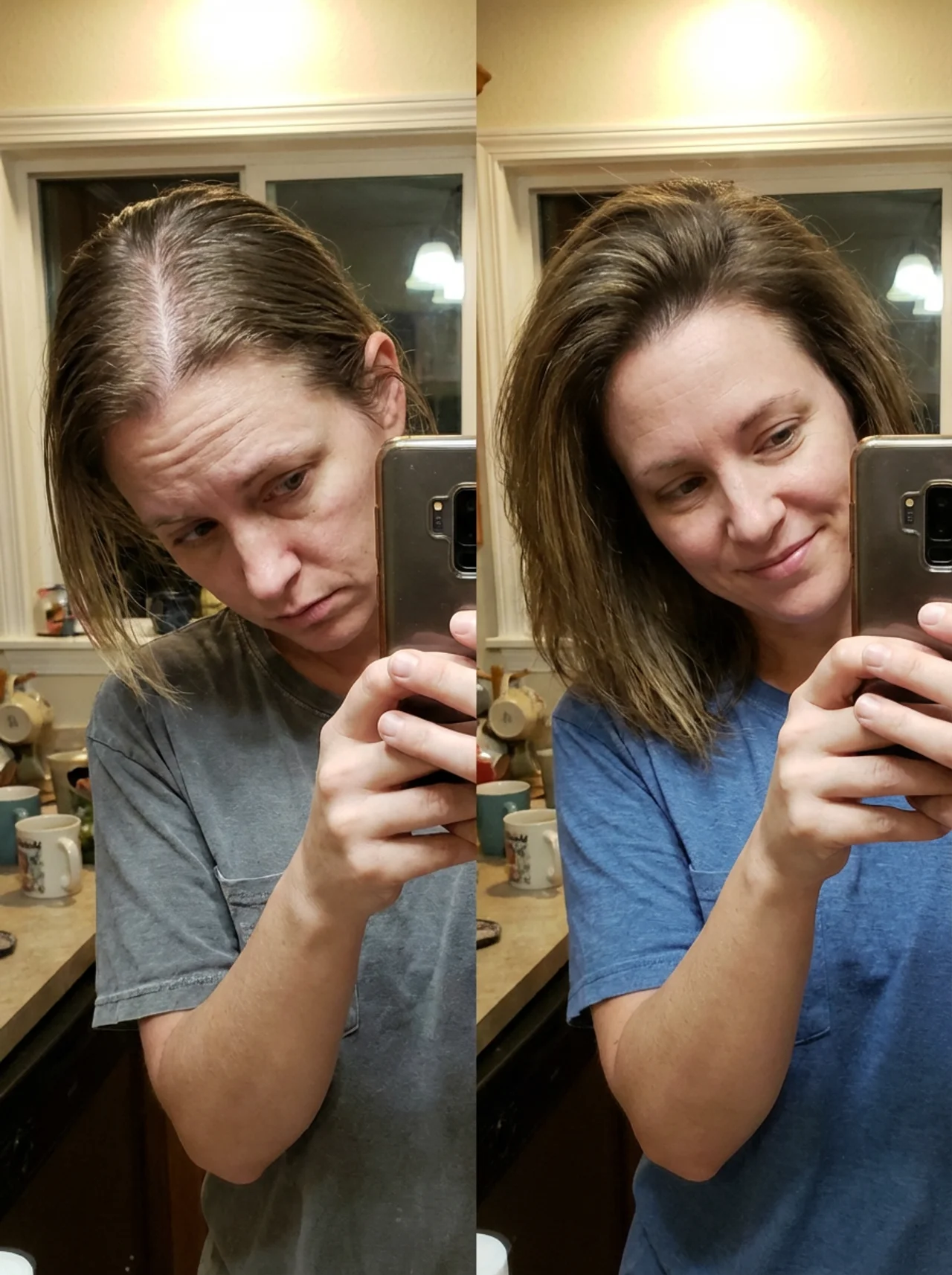
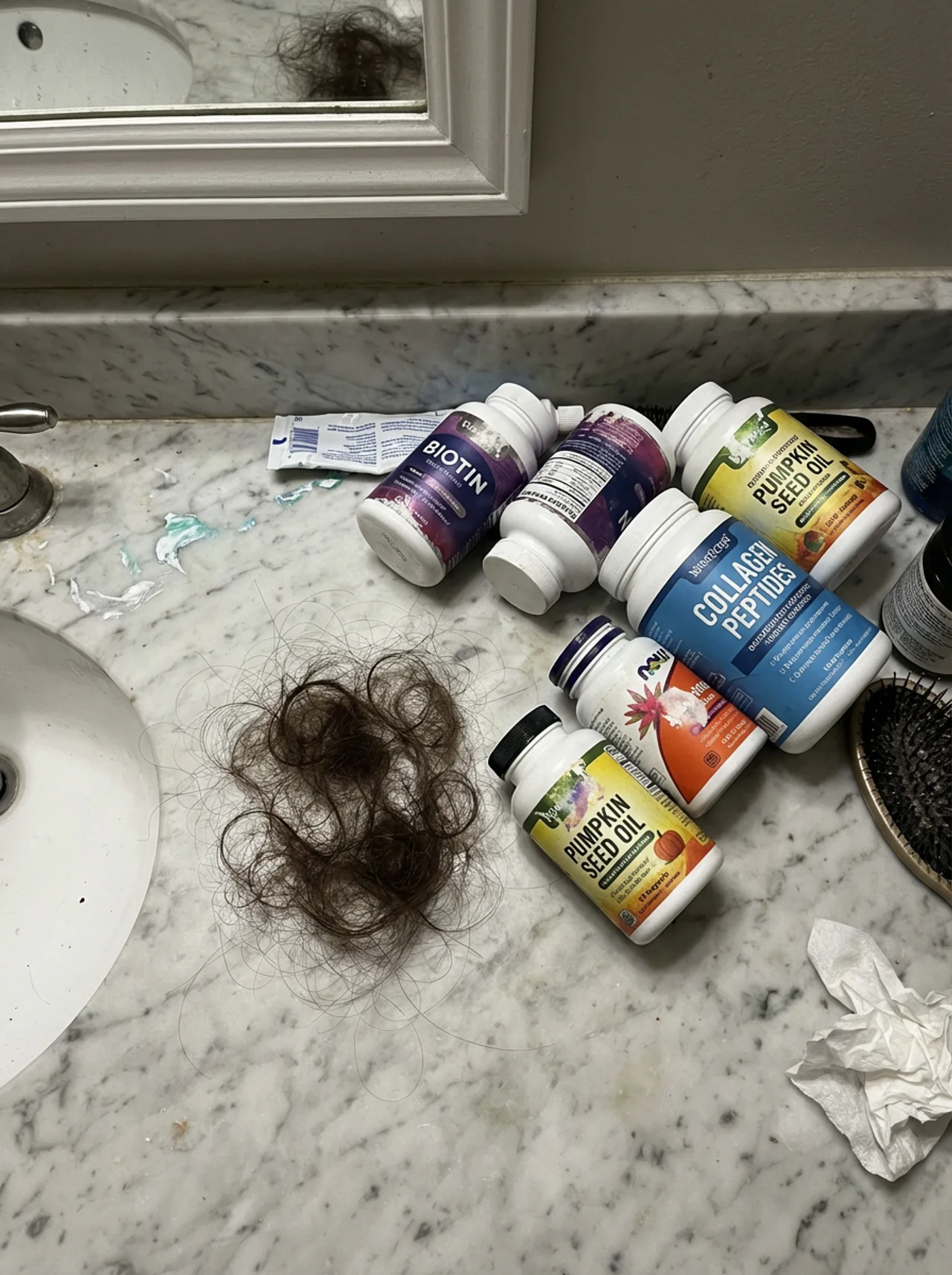
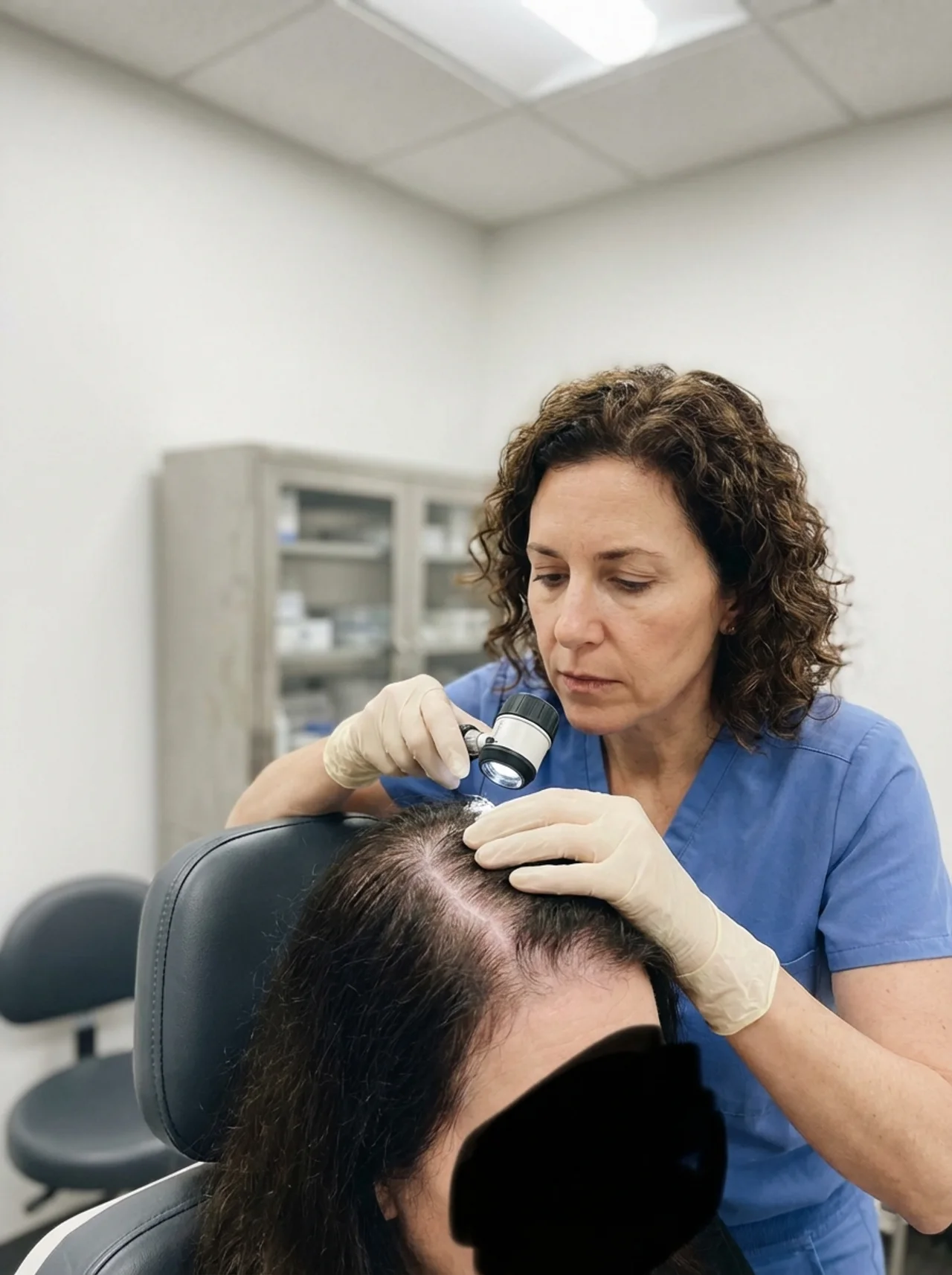
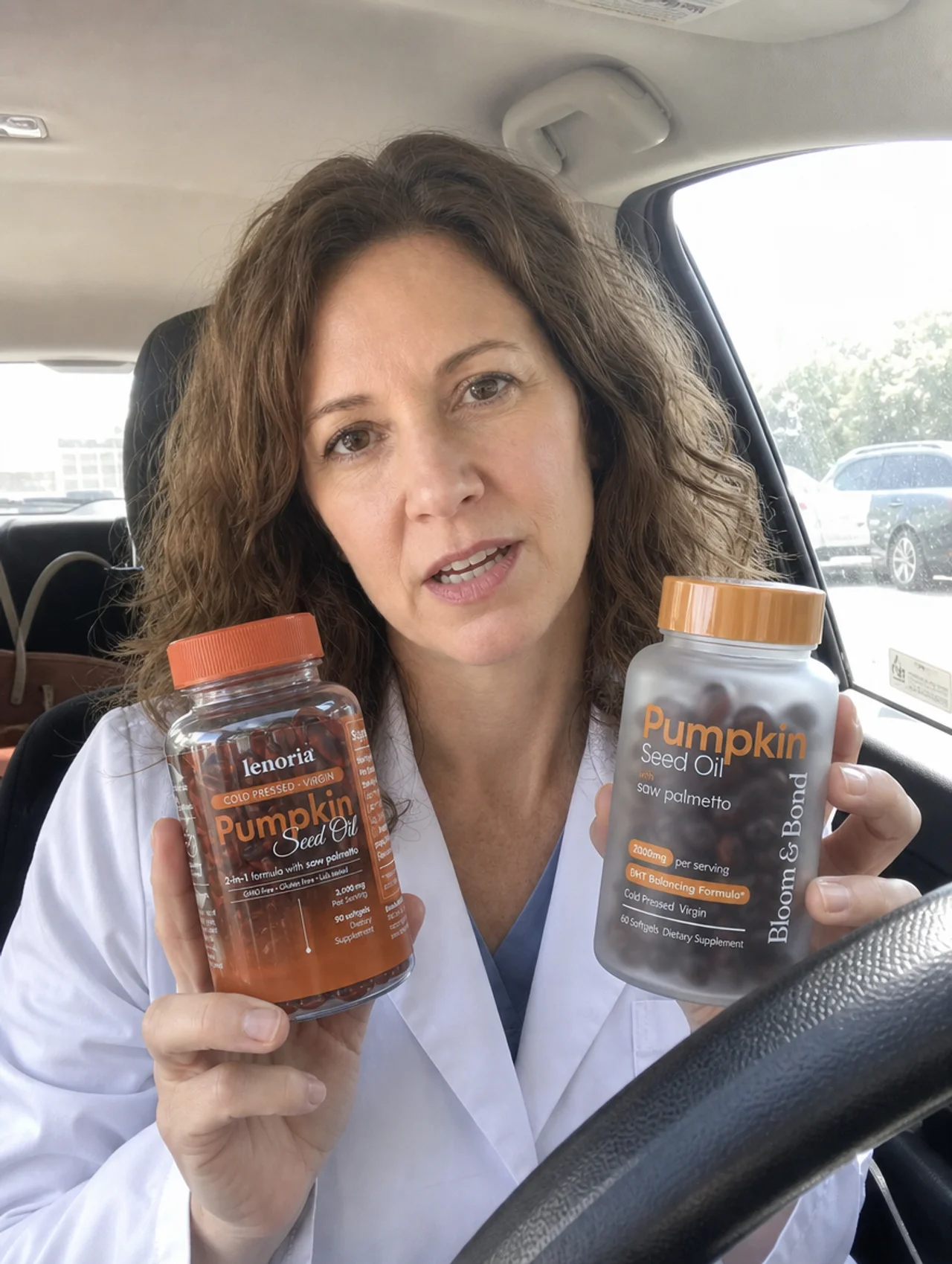
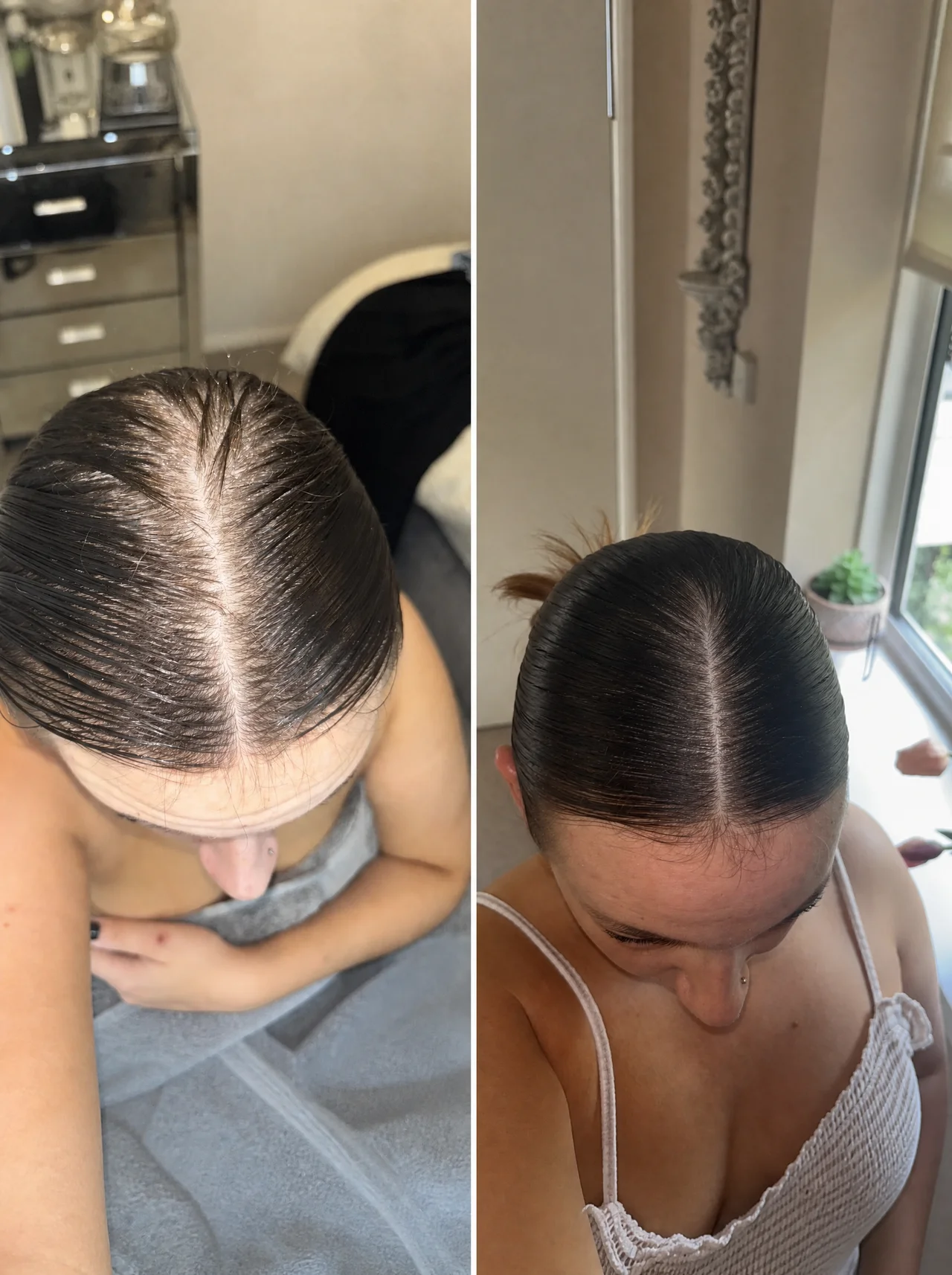
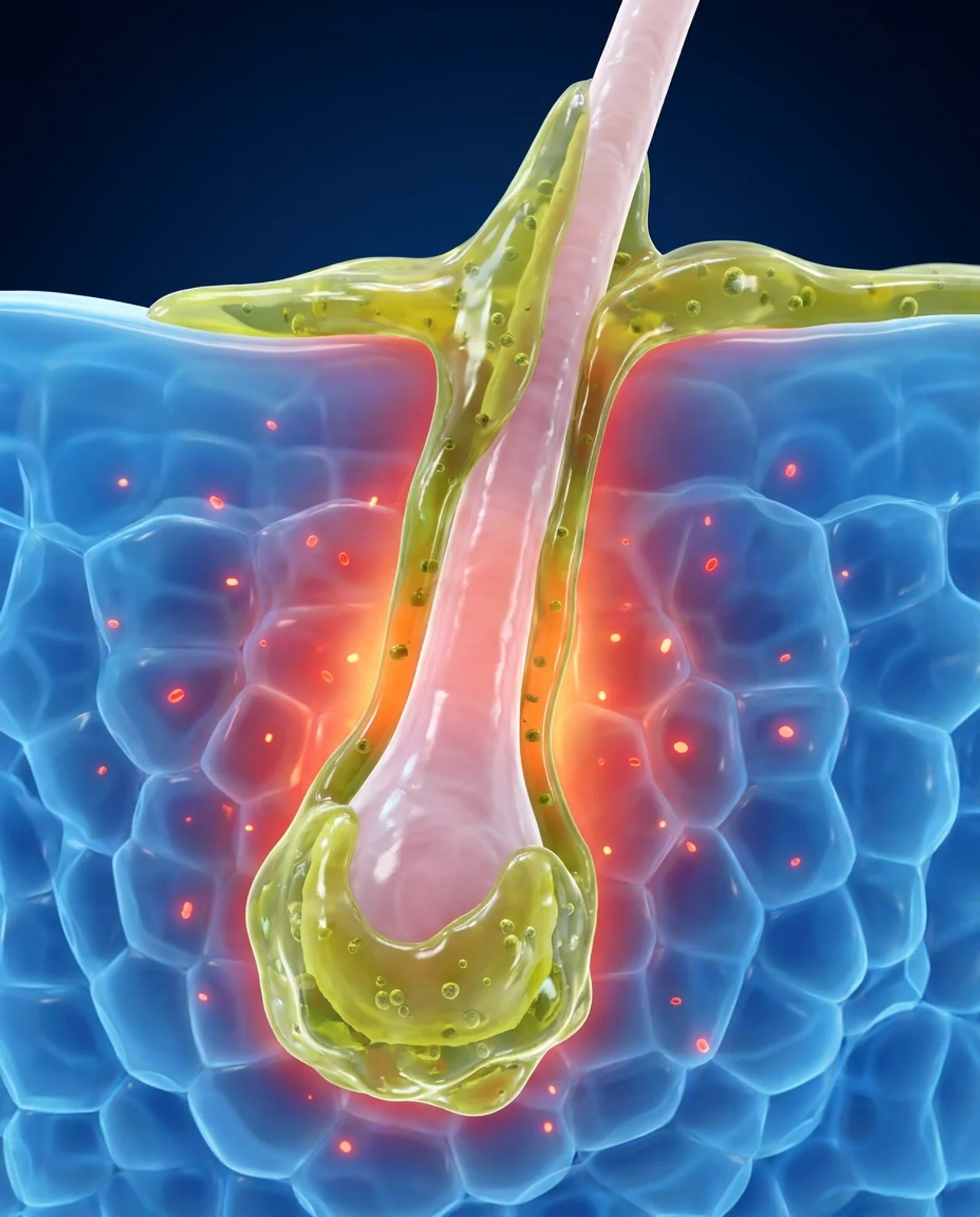
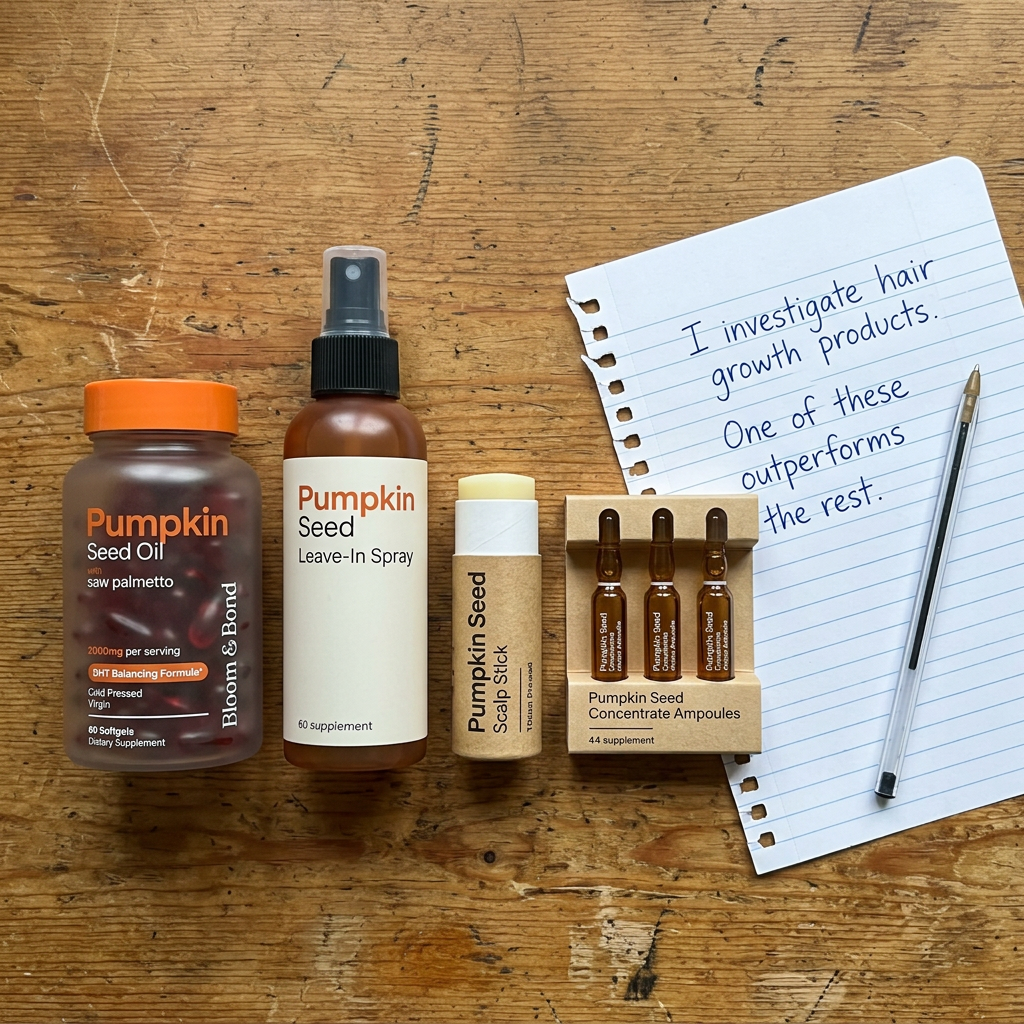
I'm going to rate every popular hair loss product out of 10, and the ones you've already tried are scoring the worst. I know that sounds harsh. But I've watched too many women waste years and hundreds of dollars on products that were never going to work. Quick background so you know why my opinion counts. I'm a dermatologist. I've spent 17 years treating women's hair loss specifically. Thousands of patients. Most of them walked into my office carrying a bag of things they'd already tried. That bag is what I'm rating today. But first, my criteria. Every product gets judged on three things: Does it address the actual cause of the loss? Is the evidence real, or is it marketing dressed up as science? And can you stay on it long term without a prescription, side effects, or dependency? That third one matters more than most women realize. You'll see why. Let's go. Biotin. 1 out of 10. Biotin only helps if you're deficient. And true deficiency is rare. Less than 1% of healthy adults. For everyone else, it does nothing for the reason you're losing hair. You're just making expensive urine. If biotin was going to work for you, it would have worked already. Collagen. 3 out of 10. I'll be fair. Collagen can improve the strength of the hair you still have. But it does nothing about why hair is leaving your head in the first place. It's like repainting a house while the foundation is cracking. Hair growth shampoos. 1 out of 10. A shampoo is on your scalp for about 90 seconds before it goes down the drain. The problem you're fighting lives at the follicle, under the skin. No rinse-off product reaches it in any meaningful way. You're paying for hope and fragrance. Rosemary oil. 2 out of 10. Everyone cites one study. That study had 25 people in it. That is not clinical evidence. That is a pilot experiment that went viral. Minoxidil. 5 out of 10. This is where women expect me to be enthusiastic. I'm not. Minoxidil is a vasodilator. It increases blood flow to the follicle, which can thicken the strands you have while you're using it. Notice what I didn't say. I didn't say it touches the cause. Because it doesn't. And the moment you stop using it, everything it gave you falls out. That's not a maintenance plan. That's a dependency. Add the scalp irritation and the unwanted facial hair many women get, and it fails my third criterion badly. Now let me explain the cause, because this is where everything changes. There's a hormone called DHT. It binds to your hair follicles and slowly shrinks them. Cycle after cycle, the follicle gets smaller, the hair gets thinner, until the follicle stops producing hair at all. Here's the part almost no one told you. Your estrogen was shielding your follicles from DHT for decades. That's why your hair used to be thick. But when estrogen declines, through menopause, perimenopause, or rapid weight loss, that shield drops. Your DHT doesn't even have to rise. It just finally gets access. That's why your hair changed. Not age. Not stress. Not your shampoo. Every product I've rated so far ignores this completely. Which brings me to the next one. Hair, skin and nail gummies. 2 out of 10. Now that you know what DHT is doing, look at these honestly. It's biotin in candy form, with sugar added. Zero effect on the hormone we just talked about. They get one extra point over plain biotin because at least they taste good. Pumpkin seed oil. 7 out of 10. Now we're getting somewhere. Pumpkin seed oil inhibits the enzyme that produces DHT. It cuts off new DHT at the source. It's clinically studied. It's natural. No prescription, no dependency, nothing to rebound off when you stop. It passes all three of my criteria. So why not a 10? Because the DHT already circulating in your system is still there. Still binding to your follicles. Still shrinking them. Blocking production only solves half the problem. Pumpkin seed oil with saw palmetto. 10 out of 10. This is the complete version. Pumpkin seed oil stops new DHT from being produced. Saw palmetto blocks the DHT that's already in your system from attaching to your follicles. Production cut off on one side. Binding blocked on the other. Your follicles finally get protection from both directions. And it's still natural. Still no prescription. till nothing you become dependent on. It's the only thing on this entire list that addresses the actual cause and passes all three criteria. But before you go buy the first pumpkin seed oil you find, one warning. This is where most women get burned. The research that makes pumpkin seed oil worth taking used specific amounts. Cold-pressed oil, around 2,000mg. Saw palmetto at clinically meaningful levels. Most of what's sold online is nowhere near that. Under-dosed. Not cold-pressed. Or missing saw palmetto entirely. So a woman buys a cheap one, takes it for two months, sees nothing, and decides pumpkin seed oil doesn't work. The ingredient didn't fail her. The formulation did. Get this right, and here's what many women start to notice. Fewer strands on the pillow in the morning. The shower drain looking normal again. Running your fingers through your hair without checking your hand after. That's what happens when your follicles finally get a break from the thing that's been attacking them. I put together a comparison of 10 pumpkin seed oil products on the market. Doses, extraction method, whether they actually include saw palmetto. So you don't have to guess. You can read it here: 👉 https://trybloomandbond.com/pages/psos-on-the-market
Like this ad? Make it yours.
Crush rebuilds this exact creative around your product — your brand, your colors, your offer — in about a minute.