
Active· since Mar 29, 2026
- 169
- days running
- 0
- relaunches
Ad copy
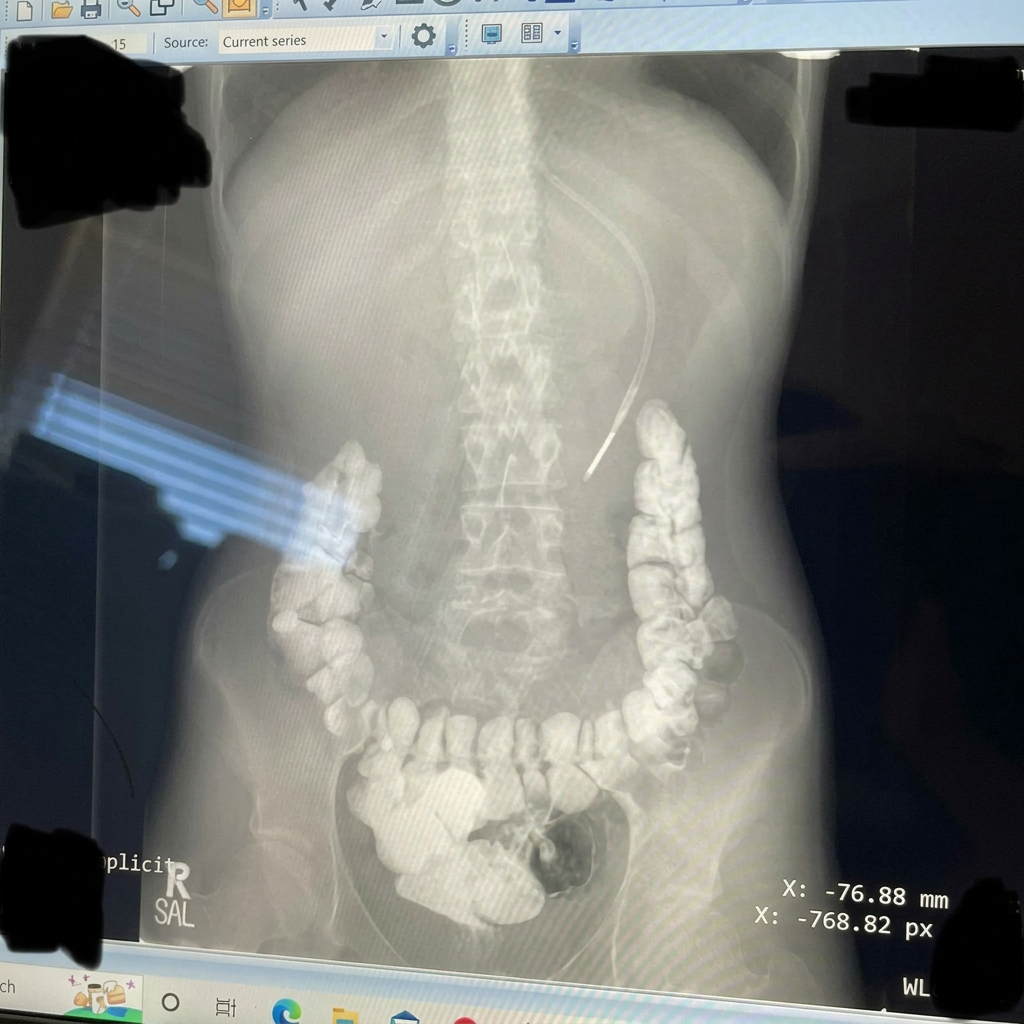
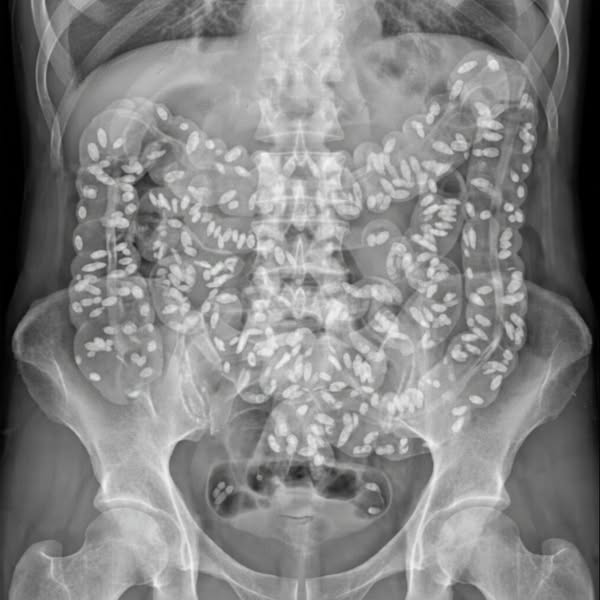
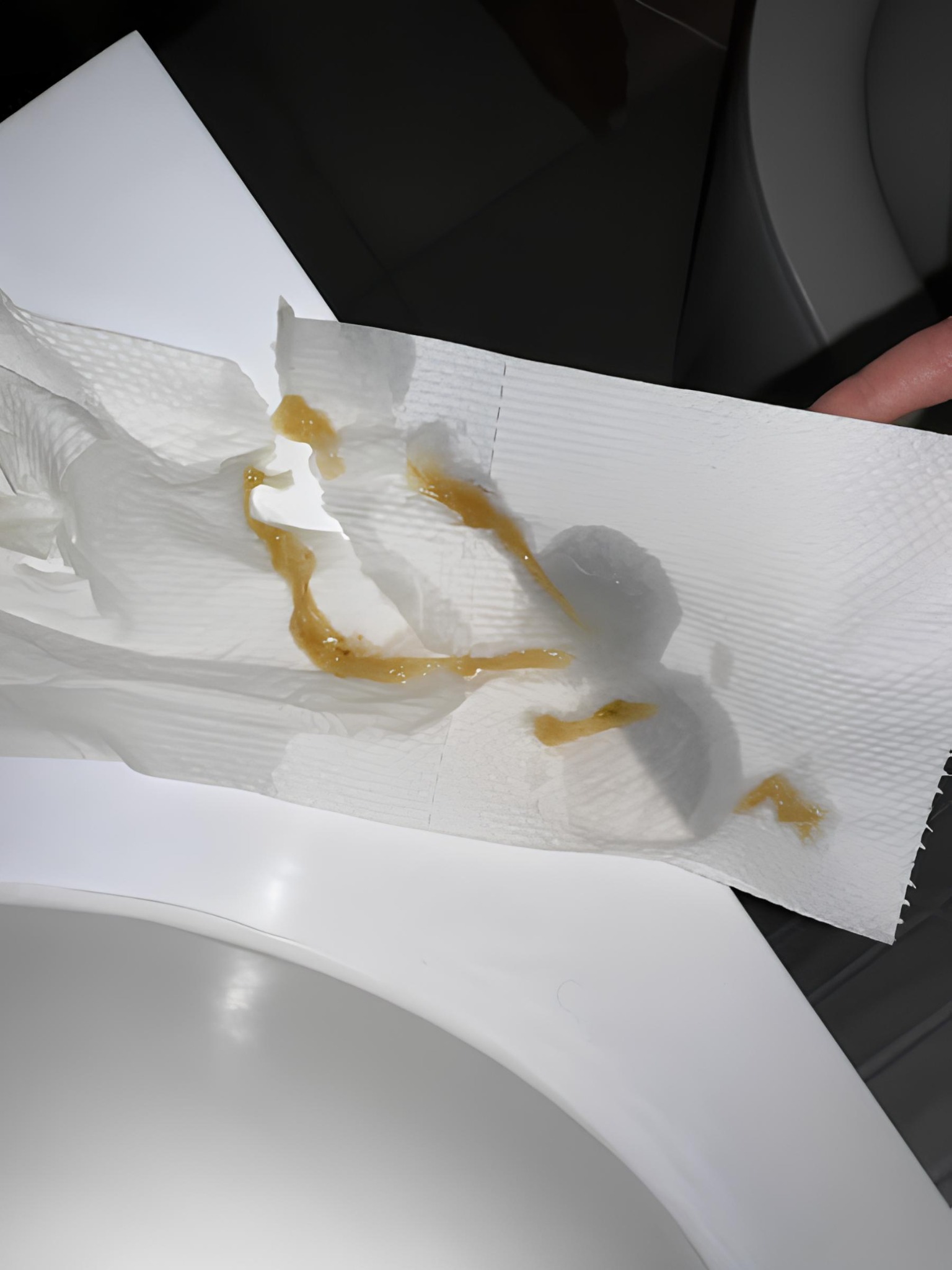
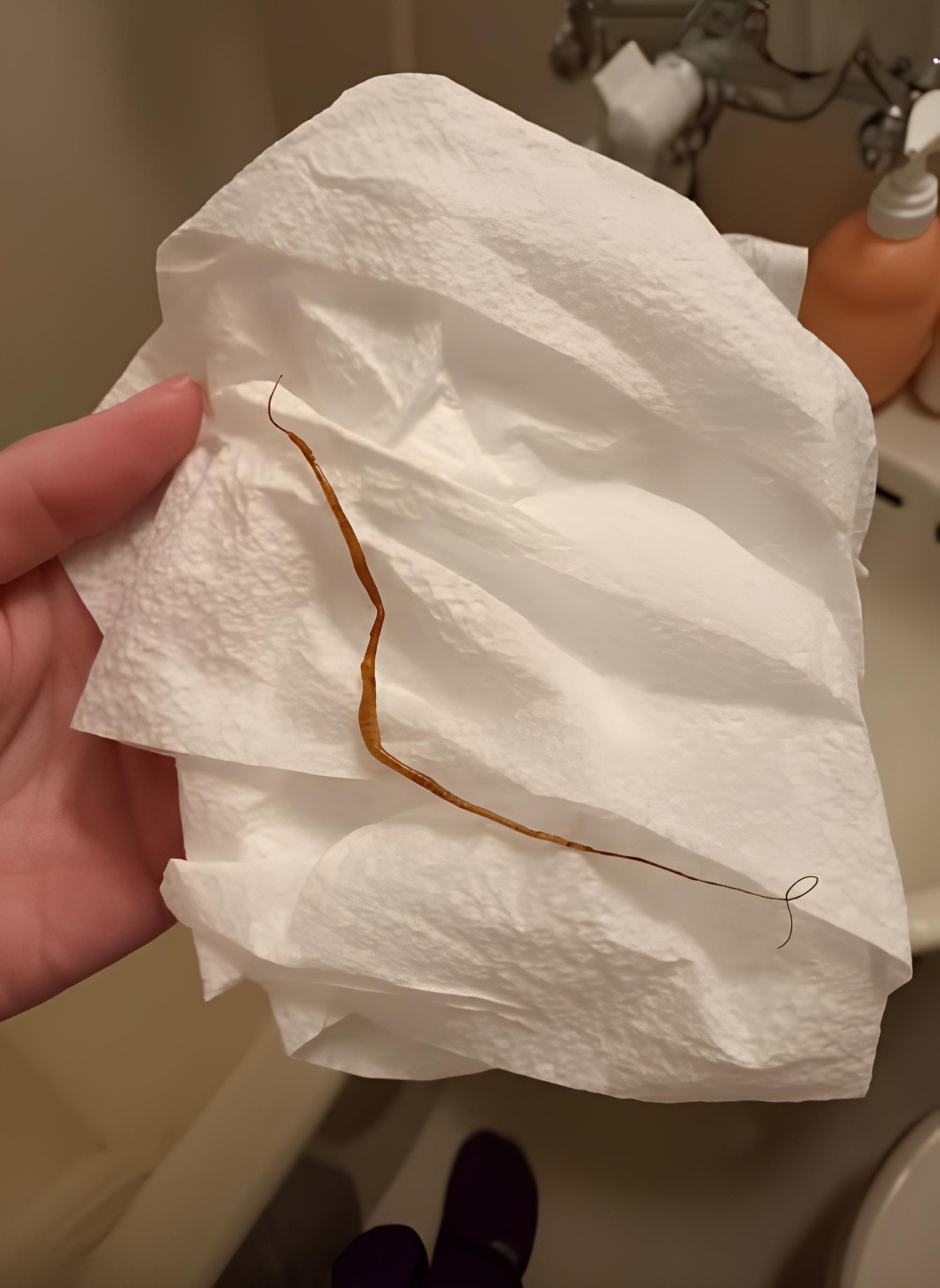
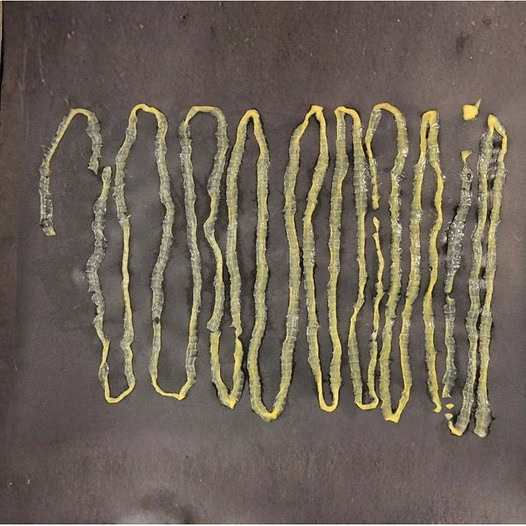
My son was diagnosed with ADHD at 4. They wanted to put him on medication within 60 days. Turns out he never had ADHD at all. For five months, I "managed" a condition my son didn't actually have. Five months of behavioral therapy at $150 a session. Five months of sticker charts and calm-down corners and feelings charts that worked in the therapist's office and broke in my house. Five months of my mother-in-law asking about medication and my own mother saying he just needs more structure. I did everything they asked. I kept a behavior log for three months. Every meltdown. What triggered it. How long it lasted. What I tried. What worked and what didn't. I brought the log to every therapy session and every doctor's appointment like a student turning in homework. I cut sugar. Cut Red Dye 40. Cut gluten for six weeks. Tracked everything he ate in a spreadsheet and cross-referenced it with his behavior. When the diet didn't work, they tested him for allergies. Negative. They checked his iron. Fine. They sent us to a gastroenterologist for the stomach aches. "Functional abdominal pain." Which is doctor language for "his stomach hurts and we don't know why." I tried magnesium. Fish oil. Probiotics. A $45 calm gummy that an influencer swore by. A sensory compression vest his OT recommended. Weighted blanket. White noise machine. Essential oils on his pillow. "Everything looks consistent with ADHD," the evaluator said. "I'd recommend behavioral therapy and consider medication within 60 days." I spent $4,200 over five months on specialists, therapy, supplements, and dietary changes. Nothing worked. I started to believe this was just who Eli was now. That the sweet, easygoing boy I had for three and a half years was gone and this version, the screaming, hitting, dark-circled, stomach-aching, sleep-grinding version, was permanent. Then my neighbor asked me a question no doctor ever had. Her name is Kim. She's a veterinary technician. She works at an animal hospital three days a week. We were standing in the driveway while our kids were supposed to be riding bikes. Eli was having a meltdown on the sidewalk because his helmet felt wrong. Kim's daughter was watching quietly. I apologized. I always apologized. "Sorry. He's just having a hard day." Kim looked at Eli. Then she looked at me. Not with pity. With recognition. Like she'd seen something she recognized from somewhere else. "Can I ask you something? And I don't want you to think I'm being weird." "Sure." "Have you ever had him checked for parasites?" I almost laughed. "He's been to three doctors. An allergist. A gastro. An evaluator. They would have found something." She shook her head. "Not necessarily. Standard pediatric workups don't include a parasite screen. They test for allergies, celiac, inflammatory markers. But almost no pediatrician runs a stool sample for organisms unless you've traveled internationally. It's just not part of the protocol." I stared at her. "At the clinic, we see parasites every single week," she said. "Dogs. Cats. Doesn't matter how clean the house is, how expensive the food is, how much the owner loves them. Parasites are everywhere. In soil. On surfaces. In water. And we deworm those animals every few months as standard preventive care. Nobody thinks it's weird. Nobody panics. It's just maintenance." She paused. "But we never check our kids. We deworm our pets routinely and never once think to check the humans living in the same house." I didn't say anything. She kept going. "Eli's in daycare, right?" "Yeah." "Shared toys. Shared surfaces. Shared bathrooms. Hands in mouths all day. Daycare is essentially a parasite distribution center for children and nobody talks about it because the medical system decided it doesn't happen here. But it does. Every vet tech in America knows it does." My skin was crawling. Not because I was disgusted. Because it made sense. And I was furious that it made sense. "But what does that have to do with ADHD?" I asked. "He's not sick. His stomach hurts sometimes but the gastro said it was functional." Kim crouched down to her daughter's level, adjusted her helmet strap, and stood back up. "Okay. So. Parasites feed on what your child eats. They love sugar and simple carbs. That's their fuel. When they digest it, they produce waste inside the gut. That waste causes inflammation. Chronic gut inflammation is what's behind the stomach aches, the bloating at bedtime, the dark circles under his eyes that the allergist couldn't explain." I was listening. "But here's the part nobody connects. Parasites don't just sit in the gut causing stomach problems. They steal the building blocks for serotonin and dopamine. You know what those are?" "Brain chemicals." "Right. The ones that regulate mood, impulse control, focus, emotional regulation. Without enough serotonin, a child can't calm down. Without enough dopamine, they can't focus, can't wait their turn, can't regulate their responses. On an evaluation checklist, that looks exactly like ADHD." "But he was fine until three and a half," I said. "That's actually the most telling sign," she said. "Real ADHD is present from birth. It doesn't switch on at three and a half. If your child was completely typical for three years and then suddenly changed, that's not a developmental disorder. That's something that happened to them. Something entered their system and started depleting the chemicals their brain needs to function." I felt like the ground shifted under me. "So you're telling me my son might not have ADHD. He might have parasites. And nobody checked." "I'm telling you it's worth ruling out before you put a four year old on stimulant medication." "What about the teeth grinding?" I asked. "He grinds every night." "Parasites are most active at night. The grinding is a stress response to increased gut activity during sleep. That's also why the stomach aches are worst at bedtime." "And the food? He went from eating everything to only wanting crackers and sugar." "They hijack cravings through the gut-brain connection. They need sugar and carbs to survive. So they signal his brain to demand exactly those foods. It's not a preference. It's not sensory. Something in his gut is ordering dinner." I stood in that driveway for 20 minutes. Every symptom. Every specialist. Every test that came back "normal." Every night of grinding. Every stomach ache at bedtime. Every meltdown over the wrong cup. One explanation for all of it. And not a single doctor in five months had thought to ask. "So what do I do?" I asked. "Can his pediatrician prescribe something?" "She can prescribe albendazole. It's a standard dewormer. But honestly?" Kim shook her head. "In the animals I see, prescription dewormers kill what's floating in the open. But parasites anchor to the gut wall behind a protective layer. The prescription clears the easy ones. The protected ones survive. Three weeks later, symptoms come back. I see it in dogs all the time. Owner deworms, symptoms improve, three weeks later the dog is right back where it started." "So what actually works?" "You need something that does two things. Breaks through the protective layer to reach the ones hiding. And then repairs the gut lining after so new ones can't come back in through the damage. Miss one and you're on a cycle." "What breaks through?" "Oil of oregano. But not the stuff you find on Amazon. It has to be at least 70% carvacrol. That's the compound that actually penetrates the protective layer. Most products are 25-55% and don't even list the concentration on the label. If the bottle doesn't tell you the percentage, it's because the number isn't worth printing." "And the repair?" "Black seed oil. Thymoquinone. It repairs the gut wall lining and seals the barrier so nothing walks back in. Without that step, you clear the gut and leave the front door open." "Do I give my son two separate supplements?" "There's one formula I recommend to basically every pet owner who asks me about their own health. It combines both at the right concentration in one softgel. And it's designed for kids. You prick it, mix with coconut oil, rub on the bottoms of his feet at bedtime. Socks on. 30 seconds. He won't taste it. Won't know it's happening." $30. After $4,200. After three doctors. After an allergist, a gastro, an evaluator, a therapist, five supplements, two dietary eliminations, and a behavior log I maintained for three months. A vet tech in my driveway told me more about my son in 20 minutes than the entire medical system did in five months. I ordered it that night. Days 1-3. Same meltdowns. Same stomach aches. Days 4-5. Crankier. Looser stools. Kim had warned me. "When the protective layer breaks and the organisms die, they release toxins. He'll feel worse before he feels better. Don't stop." Day 6. I checked his diaper and called Kim. She didn't even need to see the photo. "Yeah," she said. "That's what I thought." That had been living in my son's gut. While three doctors called it allergies, constipation, and ADHD. While an evaluator watched him through a two-way mirror and checked boxes on a form. While I filled out behavior logs and cut gluten and spent $45 on influencer gummies. While Kim's clinic dewormed three dogs that same week as routine maintenance. Day 10. Stomach aches stopped. First painless bedtime in five months. Day 14. No more grinding. I stayed up listening. Silence. Week 3. His teacher pulled me aside. "I don't know what changed but Eli has been incredible." She asked if we'd started the medication. We hadn't. Week 4. He pointed at my plate and said "Can I try that?" Grilled chicken. First real food in months. Follow-up evaluation. Same room. Same mirror. Same clipboard. "The ADHD presentation has resolved." His pediatrician called two weeks later. "His inflammation markers are completely normal." I almost told her to call Kim. I don't have to give up daycare. Eli still goes. He still touches shared surfaces and puts his hands in his mouth and plays on the floor with twenty other kids. But now I protect him the way Kim protects her animals. Her dogs get dewormed every few months. Standard care. Nobody panics. Nobody calls it extreme. Eli gets a softgel on his feet at bedtime. That should be standard care for every kid in daycare too. Since I shared this, I've heard from moms in the same spot. A mom in Texas whose daughter had been diagnosed with ADHD and anxiety. She mentioned the symptoms to a friend who trains horses. Same reaction as Kim. "Have you checked for parasites?" Three weeks later, the anxiety symptoms were gone. A mom in Michigan whose neighbor is a veterinary nurse. She overheard the mom talking about her son's dark circles and said "I've seen those circles on every dog I've ever dewormed." She started this. Dark circles gone by week 3. A mom in Oregon who works at an animal shelter. She said "I deworm 40 animals a month and it never once occurred to me to check my own kids until I read your post." She checked. She found the same thing. The people who work closest to parasites every day are the ones who recognized it fastest. Not the doctors. Not the specialists. The vet techs. The horse trainers. The shelter workers. The people who see it in animals every week and know exactly what it looks like. But here's what matters more than who figured it out. Last Saturday I took Eli to the park. He ran straight to the swings. Found another kid and started talking to him. They were laughing. Being loud and silly the way 4-year-olds are. And I stood there watching him. Not bracing. Not scanning for meltdown signs. Not planning an exit. Just watching my son play. Kim was there too. Her daughter was on the slide. She walked over and stood next to me and said "He looks good, Jess." I said "He looks like himself." She smiled. "He always was himself. Something was just in the way." That night at bedtime, Eli wrapped his arms around my neck and said "Mommy, you're my best friend." He's been saying it again every night for three months now. Same sentence he used to say before everything changed. It came back. He came back. Because a vet tech in my driveway asked the one question nobody in the medical system thought to ask. Oil of oregano softgels. 70% carvacrol to break through the protective layer. Black seed oil to repair the gut lining after. Both in one softgel. Prick it, mix with coconut oil, feet at bedtime, socks on. 30 seconds. 30 day guarantee. If the dark circles don't fade, the stomach aches don't stop, and the behavior doesn't change. Full refund. But every day you wait is another day the organisms keep stealing the brain chemicals your child needs. Another bedtime stomach ache. Another 2 AM grinding. Another meltdown that nobody can explain. And another day closer to the medication decision while the real answer sits in your child's gut unchecked. We deworm our dogs every few months and call it responsible pet ownership. Maybe it's time we checked our kids too. Find it. Clear it. Repair the damage. And watch who comes back.
Like this ad? Make it yours.
Crush rebuilds this exact creative around your product — your brand, your colors, your offer — in about a minute.