
Active· since Jul 8, 2026
- 70
- days running
- 0
- relaunches
Ad copy
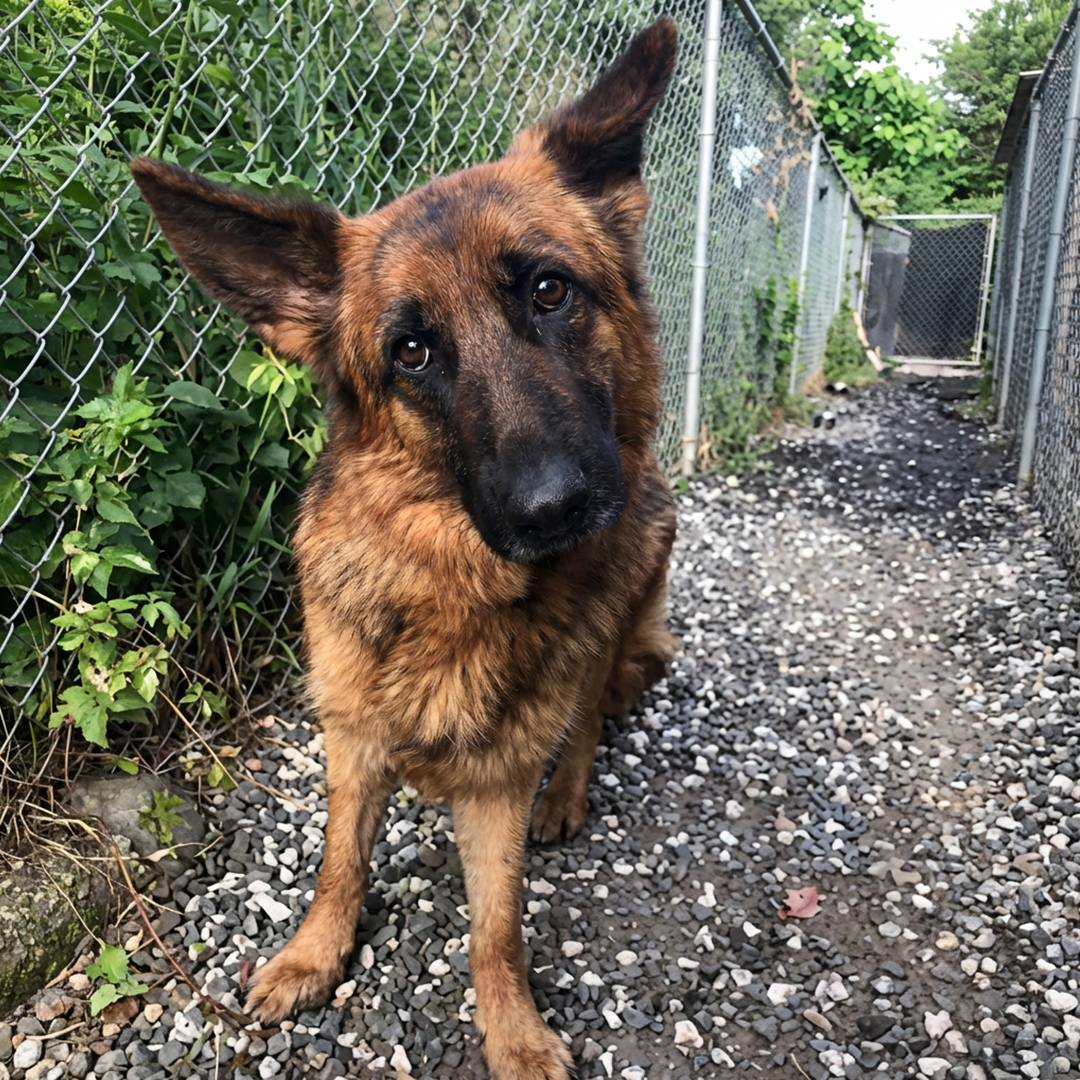
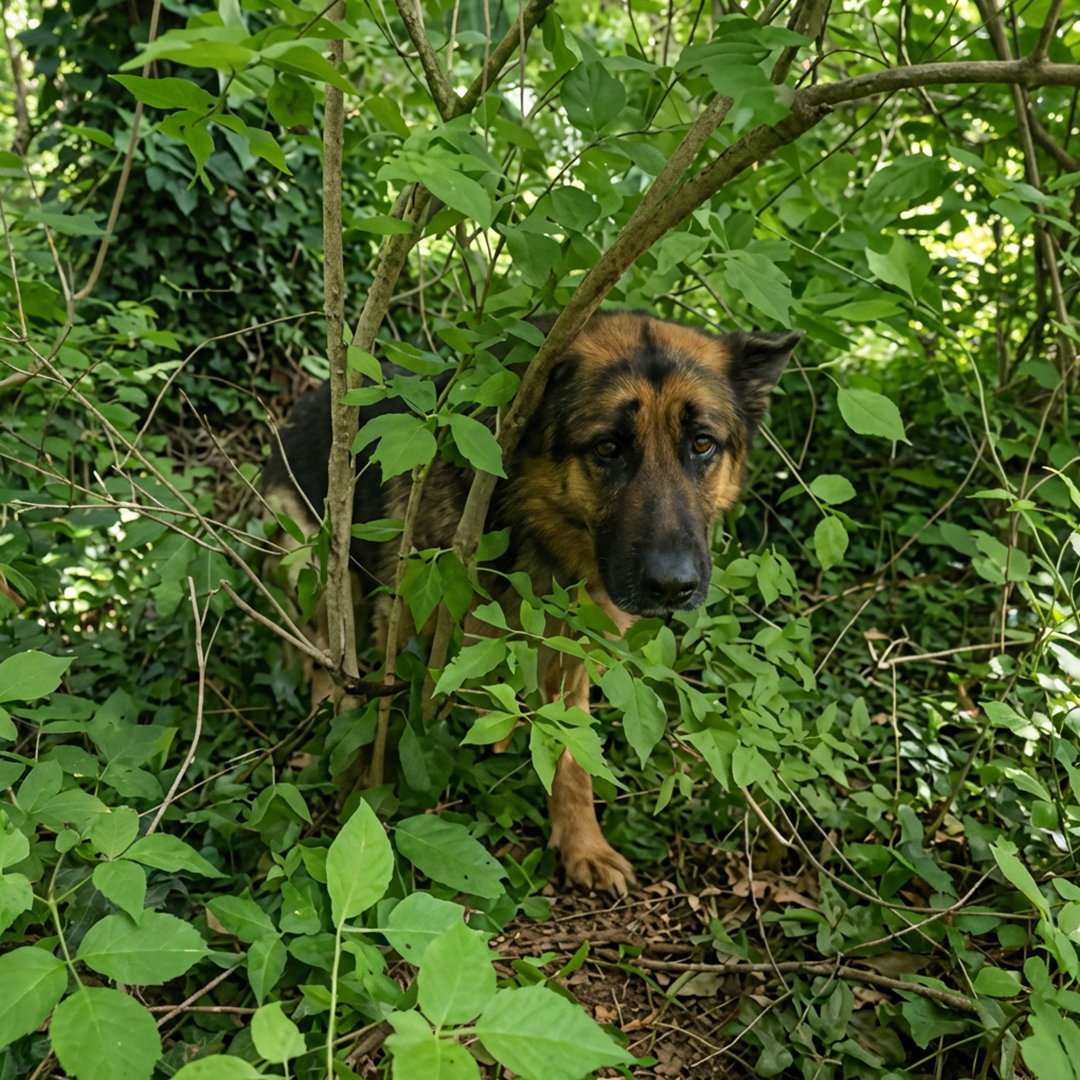
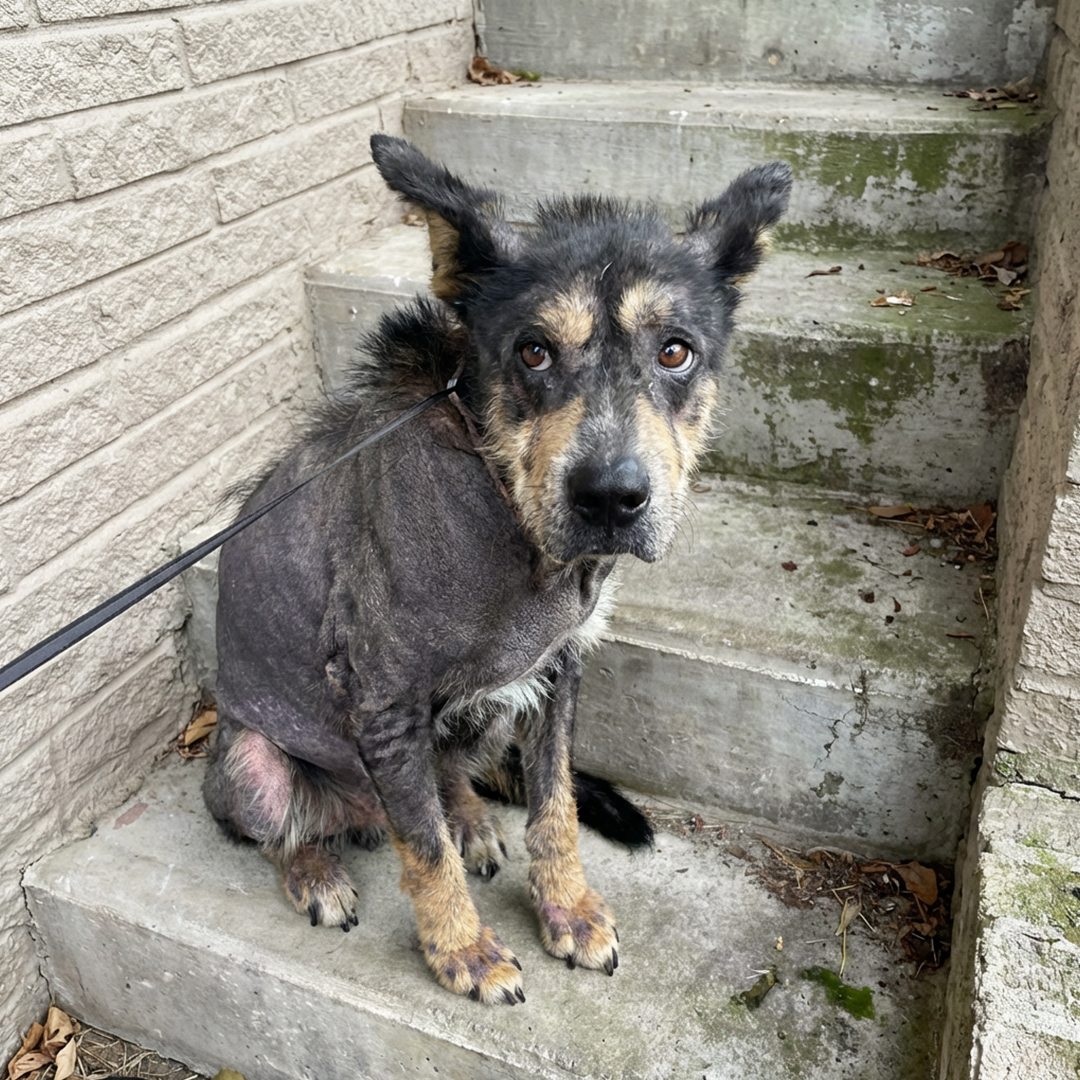
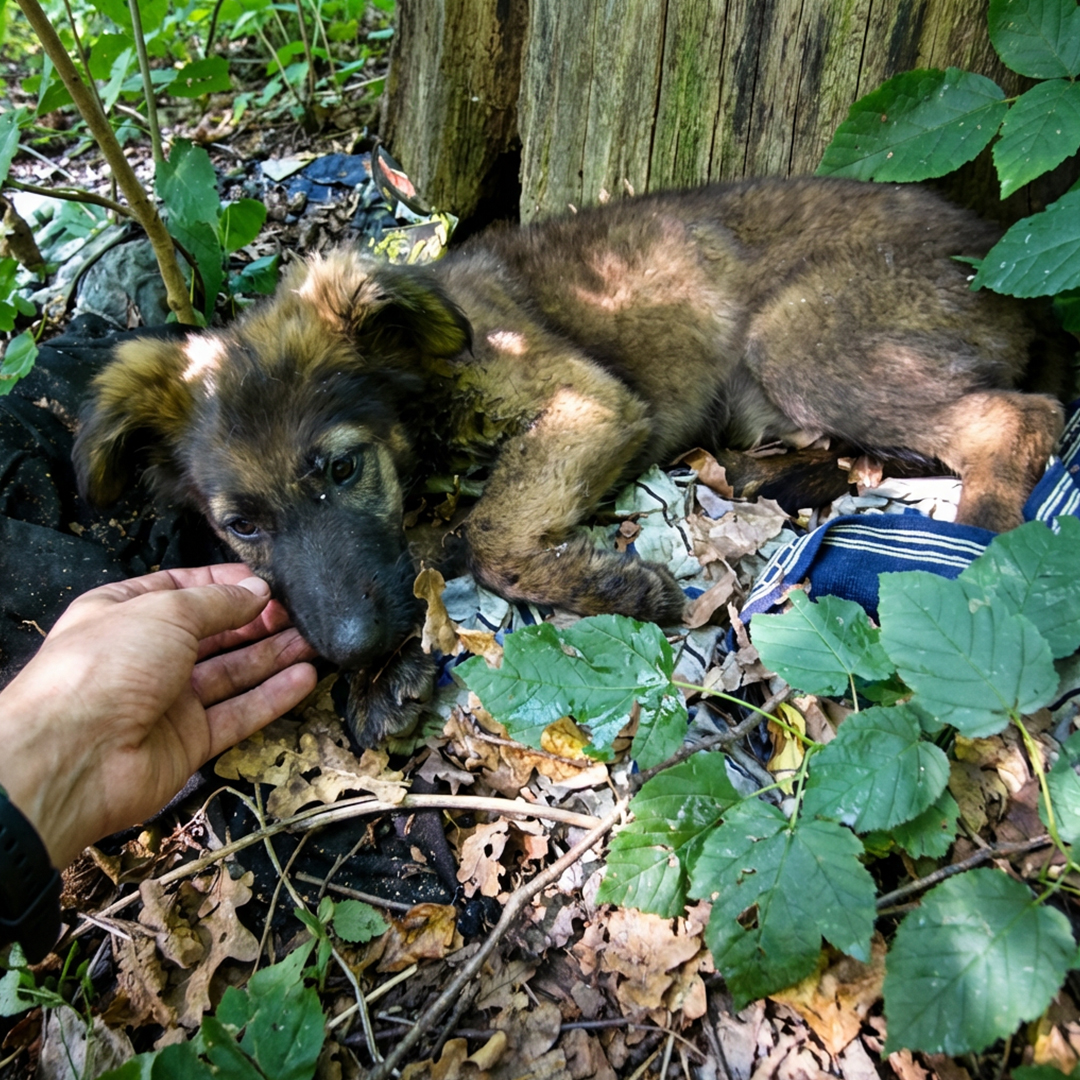
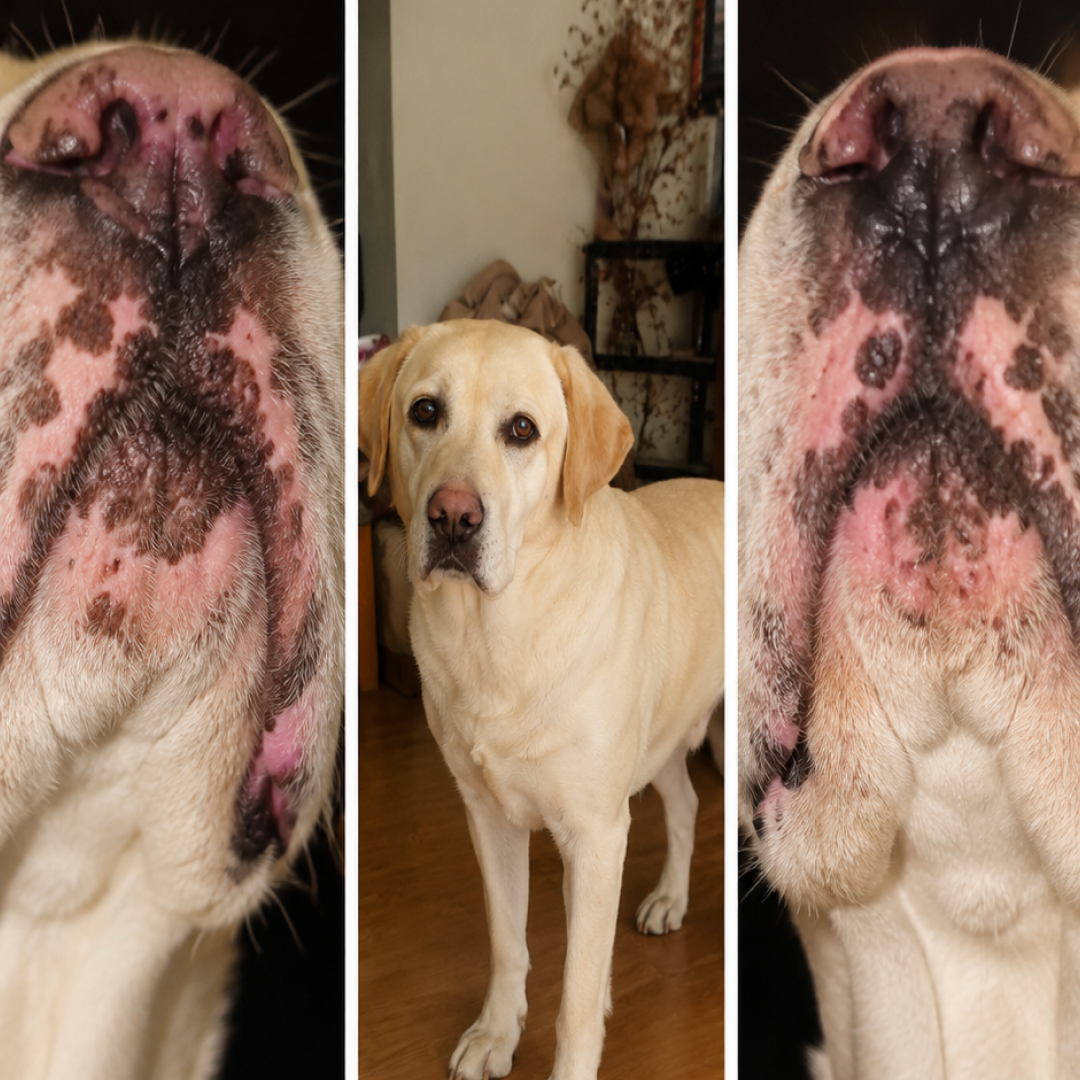
If your dog has those little bumps on their chin that keep coming back, please read this before your next vet visit. My vet said something three weeks ago that I haven't been able to stop thinking about. She was looking at my dog's face — which at that point was swollen, bleeding, and so painful he screamed when I tried to touch him — and she said: "This started with his water bowl. Within two hours of being filled, standing water develops an invisible bacterial layer. Your dog's chin goes directly into it every time he drinks. And once this starts, it doesn't stay as bumps. It escalates into something much worse." She pulled up a chart. "There are four stages. Most owners come to me at Stage 1 — just some small bumps, maybe a little redness. I can resolve that in a week. But you're at Stage 3. And if this had gone another month, we'd be looking at tissue death." My name is Sarah. I have a 5-year-old chocolate Lab named Biscuit. And I need to tell you how a water bowl almost destroyed his face. Nine months ago, Biscuit got a few small bumps on his chin. Barely noticeable. I figured he'd scraped himself on something in the yard. Just a few little raised dots right where his jaw dips into the water when he drinks. They went away on their own. Then came back. Then faded again. That was Stage 1. And if I'd known then what I know now, I could have fixed everything in a single day for under $110. But I didn't know. So it progressed. Over the next six months I threw everything at it. Two rounds of antibiotics. A $340 allergy panel that showed nothing useful. A $90-a-bag hydrolyzed protein diet that changed nothing. Medicated wipes after every meal. I threw out every plastic bowl in the house. Bought the highest-rated stainless steel bowl. And washed it every morning. I was doing everything right. And every three weeks, like clockwork: the bumps came back worse. Deeper. Harder. Some never came to a head — just hot lumps under the surface that I could feel but couldn't see. My vet mentioned that some dogs are just "prone to this." I started to accept that maybe this was just Biscuit's life now. But it wasn't staying the same. It was getting worse. And here's the part that still makes me sick to think about. By month seven, Biscuit's chin didn't have bumps anymore. It had swollen masses. Hard. Red. Hot to the touch. Some were weeping yellowish fluid. Others looked like deep craters in his skin — open and raw. He started flinching when I reached toward his face. Then pulling away. Then growling. My sweet dog — who used to shove his entire head into my lap — was warning me not to touch him. One morning I woke up and found blood on his bed. A large mass on his chin had ruptured overnight. The bedding was soaked through. His face was swollen from his lower lip to halfway up his jaw. One eye was partially closed from the inflammation spreading upward. I called the emergency vet. Dr. Sarah took one look at Biscuit and moved him to the procedure room. "This is deep tissue infection," she said. "The bacteria has broken through the surface and is spreading underneath. The initial infections in the hair follicles have ruptured below the skin. The body mounted an inflammatory response that created pockets of pus. Several of those pockets have merged. We need to drain the abscesses and cut away the damaged tissue before this becomes necrotic — before the tissue starts dying." She sedated him. Worked on his face for forty minutes. Drained four separate abscesses. Started him on IV antibiotics. Then she came to talk to me. "I need to ask you about his water setup. What does he drink from, and how long does the water sit before he drinks it?" Stainless steel bowl. I washed every morning. Fresh filtered water twice a day. I told her everything. She nodded like she'd heard this exact answer a hundred times. "Let me show you something." She pulled up a magnified photo on her iPad. It looked like the surface of the moon — tiny scratches, pits, and grooves covering what appeared to be a flat surface. "This is stainless steel under magnification. Every bowl develops micro-scratches within weeks. From food, from nails, from the dishwasher. You can't see them with your eyes. But to bacteria, each one of these scratches is a protected crevice where bacterial film grows and cannot be scrubbed away. Not by you. Not by soap. Not by the dishwasher." She swiped to the next image. A petri dish, covered in bacterial colonies. "This was cultured from a stainless steel bowl that had been washed that same morning. Three hours of standing water. That's all it takes for the bacterial layer to establish." She put the iPad down and looked at me. "Here's what's been happening to Biscuit. His bowl develops this bacterial layer within two to three hours of being filled. Every time he drinks, his entire lower jaw submerges directly into it. The bacteria enters the hair follicles through tiny scratches on his chin — too small to see — caused by his chin pressing against the bowl surface every day. He drinks four, five, six times a day. That's four to six direct doses of bacteria into already-damaged skin." She let that sit for a second. "You've been washing the bowl at 7am and refilling it with clean water. By 9am, the bacterial layer is already reforming in those scratches you can't reach. By noon — when Biscuit comes for a drink after his nap — he's pressing his chin into a contaminated surface. And you cannot outclean this. I don't care if you wash it ten times a day. The bacteria reforms faster than you can remove it, especially once the micro-scratches are established." I sat completely still. I thought about how Biscuit drinks. He's a full chin-dunker. His entire jaw goes in and comes up dripping. Every single time. His chin was making full contact with that water multiple times every day. For nine months. I'd been treating his chin. Wiping it. Medicating it. Changing his food. And every single morning I was refilling the source. Her answer for what to do was so simple it made me angry. But first — she pulled the chart back up. "I need to show you what we just prevented," she said. "So you understand why we need to fix the source today. Not next week. Today." Stage 1: Bacterial film enters hair follicles. Mild bumps appear. Easily treated and fully reversible with one simple change. Stage 2: Follicles rupture beneath the skin surface. The body mounts an inflammatory response. Deep nodules form. Antibiotics suppress temporarily but cannot resolve the cycle if the source remains. Stage 3: Secondary bacterial infection of damaged deep tissue. Pockets of pus merge. Facial abscesses. Pain. Bleeding. Dog begins guarding its face. "This is where Biscuit is," she said. "We caught it here. We can fix this. But I need you to see Stage 4." I wasn't ready for what she pulled up next. Stage 4: Tissue death. The deep tissue infection cuts off blood supply to the overlying skin. Skin goes black. Open wounds that won't close on their own. Permanent scarring. Nerve damage. Chronic pain that doesn't end. "Stage 4 dogs come in with black patches on their face where the skin has died. Some of them scream when anything comes near their muzzle. We're talking about dogs that can't eat from a bowl without crying. That can't be pet on the face ever again. That lives with nerve pain for years." She paused. "Biscuit was four to six weeks from that. Maybe less." "The antibiotics I'm prescribing will clear the active infection," Dr. Sarah said. "But I need you to hear me clearly: if you send him back to standing water — even in a clean stainless steel bowl — you will be back in this room within two months. Guaranteed. We'll be having this exact same conversation but with less tissue to save." "What do I do?" I asked. "You need his water moving 24 hours a day. Continuously circulating with real filtration. Bacteria cannot grow its film to a surface when water is flowing constantly over it. It's the same reason a running stream stays clean but a still pond grows scum. The bacteria needs stillness to attach. Take away the stillness, you take away the bacteria's ability to build up." She was specific about what to look for. "Food grade stainless steel. Not a plastic body with a steel bowl on top — the entire unit needs to be steel. Multi-stage filtration that actually removes bacteria and particles. Not a thin carbon pad that makes water taste better but doesn't address the bacterial contamination. Continuous flow with no stagnant zones in the design where water sits still. And it needs to come apart easily for weekly cleaning — no hidden pump housings where bacteria can build up in places you can't reach." "I also recommend a dental health additive in the water itself. Think of the flowing water as your first line of defense — it prevents the bacterial film from growing. But a good antimicrobial additive kills what's already in the water before it ever reaches your dog's mouth. That way nothing survives long enough to make contact with the skin. Two layers of protection." Then she said: "In my practice, I recommend one specific fountain because it's the only one I've found that meets every single one of those criteria. It's called Selene. I use one at home for my own dogs." "The patients I've switched to this — the ones dealing with recurring chin infections, especially Labs, Bulldogs, and Boxers that submerge their jaws when they drink — I stop seeing them for skin infections. It resolves and stays resolved. Because the source is gone." I ordered the Selene fountain that night. It arrived in three days. I set it up in the kitchen. The pump was so quiet I put my ear against it to confirm it was running. Basically silence. Biscuit was cautious at first. His face was still healing and tender. By day two he was drinking from it. And here's what I noticed immediately: he was drinking MORE. Coming back to it throughout the day instead of his old pattern of one reluctant drink in the morning and one at night. Dr. Sarah later told me this was expected. "Dogs can smell bacterial contamination at concentrations we can't detect. A dog that hesitates at their bowl, sniffs, and walks away — they're not being picky. They're detecting something wrong with the water. Give them clean flowing water and they drink freely because their instinct isn't telling them it's dangerous anymore." Biscuit had been under-drinking for months. I thought he just wasn't a big water dog. He was avoiding his own bowl. Week 1: Swelling down by half. Wounds closing. He stopped flinching when I reached for his face. Week 2: I could touch his chin again. Week 3: Antibiotics finished. This was the moment I'd been dreading. Every previous time — every single time — the bumps returned within two weeks of stopping. I checked his chin every morning like I was waiting for a bomb to go off. Week 4: Nothing. No bumps. No redness. No heat. No swelling. For the first time in nine months — nothing. I stood in my kitchen and cried. Week 6: His chin was completely smooth. Soft fur growing back over the areas that had been open, bleeding wounds six weeks earlier. He was shoving his head into my lap again. Pushing his chin against my hand for scratches. My dog was back. Week 8: Follow-up with Dr. Sarah. She examined his face. Ran her fingers across his chin. Pressed gently on the areas where the deepest abscesses had been. Biscuit didn't flinch. Didn't pull away. Just wagged his tail. She looked up at me and smiled. "Completely resolved. No residual inflammation. No scar tissue I can feel. Five weeks since antibiotics ended with no recurrence?" "Five weeks. Nothing has come back." "That's what happens when you eliminate the source instead of treating the symptom. The antibiotics did their job clearing the infection. But the fountain is what's keeping him clear. He's never going to cycle through this again as long as his water stays moving." Biscuit is asleep on the couch behind me right now. Clean chin. Full coat. Zero medication. Shoving his face into everything and everyone with absolutely no hesitation. Eight weeks ago he was sedated on a table having his face surgically drained. The total cost of nine months of fighting this the wrong way: 4 vet visits, $480. Two rounds of antibiotics, $120. Allergy panel, $340. Hydrolyzed protein food, $270. Emergency procedure, $650. Over $1,800 total. The fountain that actually fixed it: $107. If I had found it at Stage 1 — at the very first bumps — Biscuit would never have experienced a single day of what came after. No abscesses. No sedation. No blood on his bedding at 3am. No screaming when I tried to touch his face. If your dog has bumps on their chin right now — you're where I was nine months ago. Stage 1. The easy part. The part where one change fixes everything before it gets bad. I didn't make that change. I didn't know I needed to. And my dog paid for it with six weeks of pain, four abscesses, and a $650 emergency procedure that still makes me sick to think about. Dr. Sarah told me Stage 4 is tissue death. Dogs that scream when you try to touch their face. Black patches of dead skin. Permanent nerve damage. Dogs that can't eat without crying. Biscuit was four weeks away from that. Your dog doesn't have to be. The Selene Doggy Fountain is what Dr. Sarah recommended, what she uses for her own dogs, and what cleared Biscuit's face after nine months of failed treatments. Food grade stainless steel — Triple filtration that removes bacteria, debris, and impurities. Two replacement filters included. 5-year warranty. And a 1-year money-back guarantee — if your dog doesn't drink more, full refund, no questions asked. I don't work for Selene. Nobody paid me to write this. I'm sharing it because I spent $1,800 and nine months fighting something that an $107 fountain fixed in six weeks, and I want you to skip the part where your dog suffers. If your dog has bumps on their chin — or if your dog hesitates at their bowl, sniffs, and walks away — this is your Stage 1 moment. I'm telling you what I wish someone had told me nine months and $1,800 ago: It's the standing water. It was always the standing water. Don't wait until you're in an emergency vet's office watching your dog be sedated for facial surgery. Here's where I got Biscuit's fountain: 👉 https://selenepets.com/products/fun-25-cro-90-c-11
Like this ad? Make it yours.
Crush rebuilds this exact creative around your product — your brand, your colors, your offer — in about a minute.