Rachel Morison
 Facebook ad: “Why Therapy Might Not Be Enough”
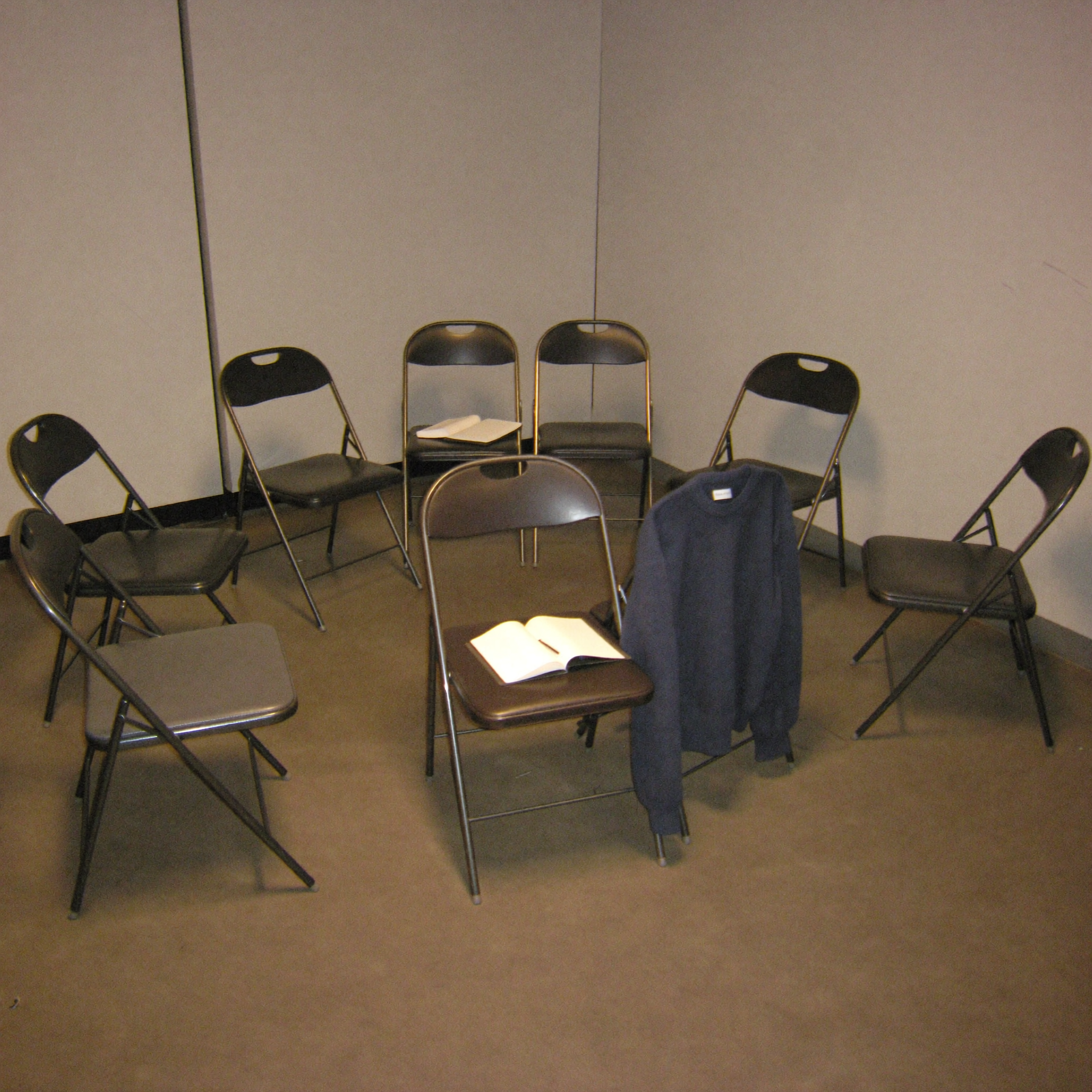
Ran for 47 days, from September 23 to November 8, 2026, the last day Crush saw it.
Run by Rachel Morison on Facebook. Crush is not the advertiser and does not verify its claims. See this ad in Meta's Ad Library(opens in a new tab)
Make your own version of this ad
Crush makes it, launches it in your own Meta ad account, scales the winners and pauses the losers.
About this ad
- Meta Ad Library ID
- 3444366159068323
- Platforms
- Facebook, Instagram, Audience Network, WhatsApp and Threads
- Relaunches
- 1
Ad text
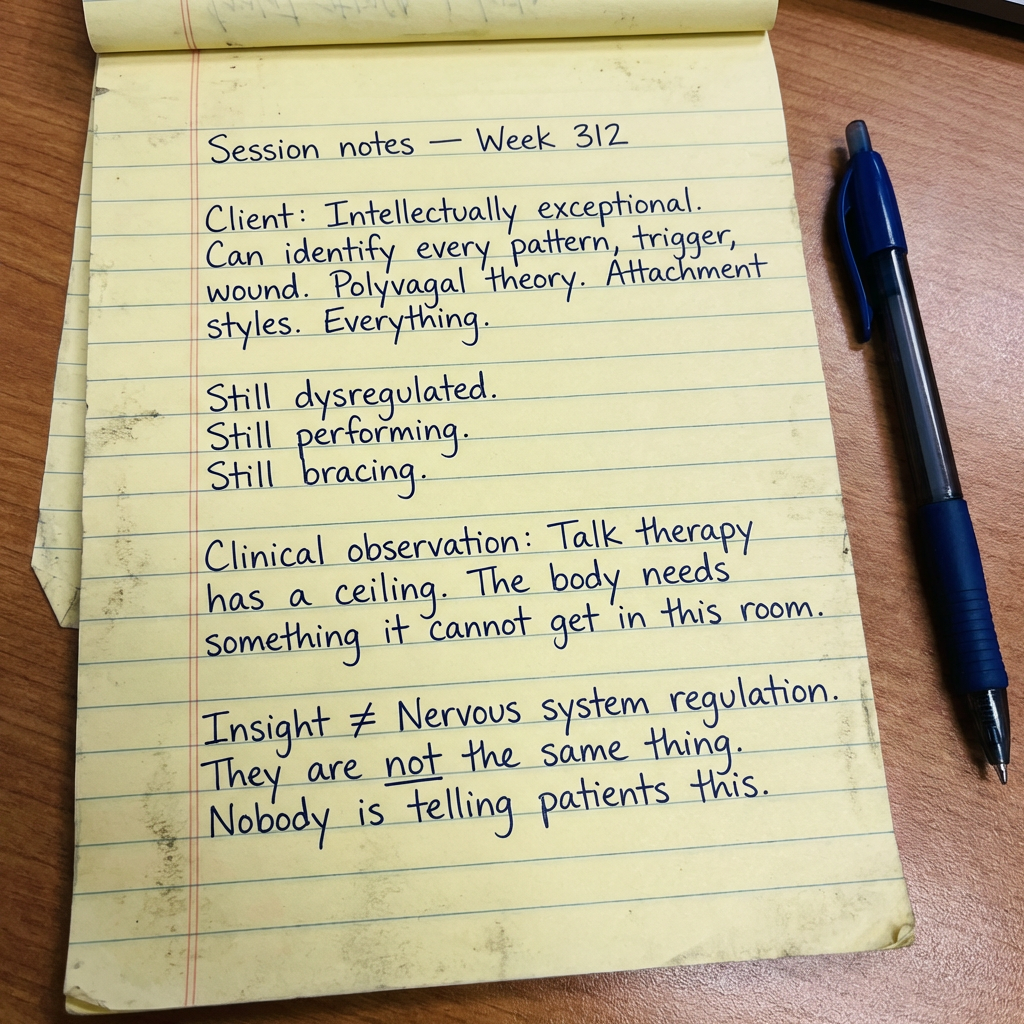
The man who invented talk therapy warned in 1910 that understanding wouldn't cure anyone. Almost nobody passed it on. His name was Sigmund Freud. Every therapist you have ever sat across from works in a field he started. The couch. The talking. The idea that your past is still running your present. And in a short paper from 1910, he wrote this: "If knowledge about the unconscious were as important for the patient as people inexperienced in psycho-analysis imagine, listening to lectures or reading books would be enough to cure him." Then he said books and lectures help about as much as "a distribution of menu-cards in a time of famine has upon hunger." Menus. Handed to starving people. He wasn't against talking. He built his whole life on it. But he knew that knowing why you hurt is not the part that stops the hurt. I read that line in March. I'm 61. I've been in therapy for 31 years, and I've led a Tuesday night support group for women like me for 14. It wrecked me. Because I had been handing out menus every single week. Before I tell you what happened, I want you to do something. Go find wherever you keep your healing. The shelf of books. The workbooks. The journals with half the pages used. The notes on your phone from things your therapist said. Look at all of it. Now ask one honest question. Not "do I understand this?" You do. You could probably teach it. Ask: has any of it reached my body? Mine hadn't. I grew up reading my mother's face before I could read books. By seven I knew which footsteps meant stay in your room. I spent the next fifty years scanning every room I walked into. So I did everything right. Talk therapy since I was 30. Two stacks of CBT workbooks. EMDR twice, with two different people. Breathing apps. A weekend retreat in Asheville that cost $1,840 and gave me three good days. I can tell you exactly why I'm like this. Parentification. Hypervigilance. I have the words for all of it. I still woke up at 3:40 most mornings with my heart already running. Here's what happened the Tuesday after I read Freud. Eight women in folding chairs at the community center. Between us, well over 200 years of therapy. Some of them had been coming to my group for a decade. We were talking about the holidays. One woman said her sister's voice on the phone still makes her stomach drop. Everyone nodded. Someone said, "That's your inner child." Someone else said, "That's a trauma response." Good answers. Right answers. Then I asked, "Where in your body is it right now? While you're talking about it." Silence. They looked at each other. One woman put her hand on her chest, then pulled it away fast. Like she'd been caught. Nobody could answer. These were not beginners. They could explain their childhoods better than most textbooks. And not one of them could find where she was holding it. Neither could I. After everyone left, I sat in my car in the parking lot for almost an hour. Engine off. Fourteen years of nodding. Fourteen years of good answers. I had taught them to understand. I had never once given them a way to feel it land. My husband Dan called at 10:40. "Where are you?" "Still at the center." "Is something wrong?" "I don't think anyone in my group is getting better. Including me." He was quiet. Then he said, "But you've all worked so hard." "That's the problem. We've worked so hard on the wrong part." Here's what I understand now. I wish someone had told me at 30. Understanding your trauma and letting go of it are two different events. They happen in two different parts of the brain. Understanding lives in the thinking part. That's where the words live. The insight. My 31 years. The bracing lives in an older part. The scanning. The 3:40 wake-ups. That part doesn't speak in words, so you can't explain to it that you're safe now. It only learns one way. From experience. Small, repeated moments of getting close to the hard thing and coming out okay. So why didn't anyone tell us? I don't think anyone hid it. I think understanding is just easier to hand over. You can say it in a session. You can print it in a book. What the body needs can't be handed over. It has to happen to you, a little at a time. Freud saw it in 1910. The field kept handing out menus anyway, because menus are what fit in the room. The mind can read the menu. Only the body can eat. The next Tuesday, Ruth stayed after. She's 68, a retired ICU nurse, and she almost never talks in group. "I think I know what you were asking last week," she said. Then she pulled a plain journal out of her tote bag. I almost laughed. I have eleven journals in a closet. Every one of them is full of me explaining myself. "It's not that kind," Ruth said. "It doesn't let you explain." I tried it that night at the kitchen table. The first pages are gentle. Almost too gentle. I got impatient and wanted the deep stuff. Then a few weeks in, one question stopped me. "What do people praise you for that actually exhausts you?" I knew the answer right away. Being the one who holds the group. Being the calm one. I didn't write an explanation. I just wrote it down. My hands went cold, and I noticed I'd stopped breathing. Then my breath came back. All the way down. I sat there a long time. Nothing big happened. That was the point. It was small enough to survive. A few days later came another one. "When did 'I'm fine' become your automatic response?" I was seven. I didn't write a paragraph about it. I just sat with it for a minute, and it was a little easier than the first one. That's how it's built. Each question goes one step closer than the last. Never so far that you flood. The people who made it call it graduated nervous system calibration. 365 prompts, in order, each one a small step your body can survive. Not more knowing. Practice for the part of you that never got the news. I didn't notice it working. I noticed things going missing. The 3:40 wake-ups got further apart. I can't tell you when. I just realized one morning I'd slept past six. I stopped rehearsing what I'd say before group. Last month I laughed out loud at something on the radio, alone in the car. I didn't check who heard. Dan noticed before I did. We were doing dishes and he said, "You're not listening for something anymore." I didn't know I'd been listening for something for 54 years. I don't make anyone in my group buy anything. I told them what I found, and a few tried it. Ruth said it best. "It's the first thing that didn't ask me to understand. It just let me practice." It turns out we're not rare. About 2,400 people have reviewed it, and most gave it five stars. A lot of the people buying it are therapists and counselors, for themselves and for their clients. That told me something. The people who teach insight know it isn't enough either. I still see my therapist. I still run the group on Tuesdays. Therapy gave me the words, and I'm glad I have them. This gave the rest of me somewhere to go. It isn't for everyone. If you want a quick fix, it will feel slow. If you want someone to tell you why you're like this, you already know. It's for the woman who has read every menu and is still hungry. It's called the Back to You Journal, by Held & Honest. It's $39.95. About 11 cents a day, which is less than one therapy copay. No streak. No dates. No gratitude you have to fake. No shame if you skip a week. And nobody reads it but you. If it doesn't feel different, not sound different, feel different, you don't pay. You get 30 days. Freud left that warning in 1910, and almost nobody passed it on. I'm passing it on. Before you close this, notice your breath. Just notice where it stops. That spot is what the journal is for.
Where the ad sends people
heldhonest.com
Why Therapy Might Not Be Enough
Held & Honest
Learn more: heldhonest.com(opens in a new tab)