
Inactive· since May 16, 2026
- 119
- days it ran
- 0
- relaunches
Ad copy
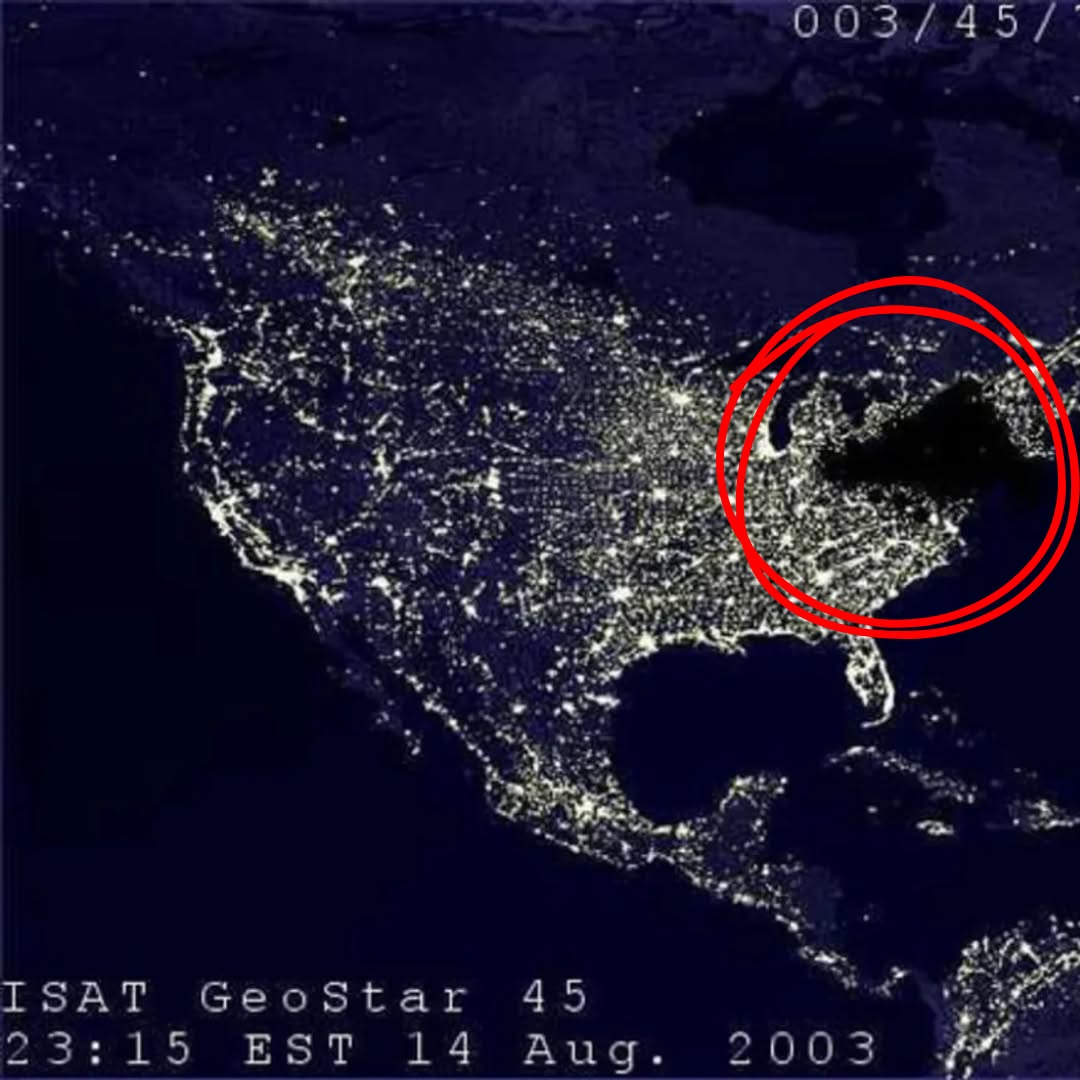
My cousin showed up at our door last Tuesday with two duffel bags, two little girls, and no return ticket. She left her apartment in Havana. Left her job. Pulled her girls out of school in the middle of the year. Her husband got them on a flight out without telling anyone they were leaving. She's been sleeping on our couch for a week. Last night the news said the U.S.-Iran peace talks had officially ended with no agreement — and she looked at my husband across the kitchen table and said "this is exactly what it sounded like before our lights went out." I haven't slept right since. But I've already done everything she told me to do. Her name is Ana. 34 years old. Teacher. Moved to Havana eight years ago when she married Lucas. Two girls — Mia is seven, Bea is four. Same ages as mine. We grew up together. Same street. Same school. She was on the phone with me the entire night I was in labor with my first. She's not dramatic. She doesn't scare easy. She once drove through a Category 3 hurricane to get to school because her students had exams the next day. Which is why when she showed up at my door last Tuesday — no phone call, no warning, just standing there holding Bea on her hip with two bags at her feet — I knew something was wrong before she said a word. Lucas wasn't with her. He'd gotten them to the airport and stayed behind. She didn't say why and I didn't ask. She put the girls to bed on the air mattress in my daughter's room. Then she sat on the couch and stared at the wall for an hour. I made her tea. She didn't drink it. I sat next to her. She didn't talk. Around midnight I told her the bed in the guest room was made up whenever she was ready. She said "I'm fine here." And pulled the blanket over her legs. That was all she said the whole night. The next morning I woke up and found all the water bottles from the back of our fridge lined up on the counter next to the couch. There were six of them. She'd arranged them neatly in a row against the wall. Like she was counting them. I didn't say anything. I put them back in the fridge. Made the girls breakfast. That afternoon I noticed the row was back. Six bottles. Same spot. Lined up against the wall next to where she slept. I left them. On Wednesday I walked into the bathroom and she was standing at the sink with the faucet running. Just standing there with her hand under the water. Not washing anything. Not filling anything. Just watching it come out. I said her name from the hallway. She jumped. Turned the faucet off like I'd caught her doing something she shouldn't be doing. "Sorry," she said. "I just needed to check." "Check what." She didn't answer. That night the power flickered for about half a second. A little surge — the kind that happens twice a month and nobody thinks about. Ana was off the couch before I even registered what happened. Standing in the kitchen. Hand on the faucet. She turned it on. Water came out. She stood there for fifteen seconds watching it run. Then she turned it off and went back to the couch without saying a word. My husband looked at me from the hallway. I shook my head. Not now. Thursday she was a little better. Played with the kids in the yard. Helped with the dishes. Even laughed once at something my daughter said. But I noticed she was showering in under two minutes. Every time. She'd go in, the water would run, and she'd be out and dressed before I finished loading the dishwasher. And she kept a water bottle within arm's reach at all times. On the couch. On the table. On the bathroom sink while she brushed her teeth. She never let it get below half. The second it did, she'd refill it. My mom came over Thursday afternoon and pulled me into the kitchen. "Something happened to that girl," she said. "Something bad." I told her I knew. I just didn't want to push. "She's hoarding water bottles, sweetheart. She lined up six of them next to the couch like they were medicine. She checks the faucet every time the air conditioner kicks on. Whatever happened over there — it had to do with water." I didn't say anything. But my mom was right. Every single strange thing Ana had done since she walked through my door pointed at the same thing. Water. I just didn't know why yet. Then Friday night happened. We were all sitting at the kitchen table after dinner. My husband. Ana. My mom. The TV was on in the living room — the news, the way it always is now. The anchor was talking about the Strait of Hormuz — the narrow stretch of water between Iran and Saudi Arabia where about 20% of the world's oil ships through every single day. It's been shut down since the war started in March. The anchor said the peace talks between the U.S. and Iran had officially ended with no agreement. Gas had hit another record. The International Energy Agency was calling it the worst energy disruption in modern history. My husband said something about the prices. My mom said something about how it would blow over eventually. Same words as last week. Same conversation as every kitchen in America right now. Ana hadn't said a word. I noticed her fork had stopped moving. She was looking past me. Toward the TV. Not at the images — at the ticker. At the words scrolling across the bottom of the screen. My mom asked her if she was okay. She didn't answer. Then she put her fork down and said something so quiet I almost missed it. "They used those exact words." My husband looked at her. "Who used what words." "The news in Cuba. Before everything stopped. They were using those exact same words. 'No cause for alarm.' 'Expected to resolve.' 'Temporary disruption.' That's what they said. Every night. For months." She looked at me. "And then one night the TV went black and it didn't come back on." Nobody at the table said anything. My mom set her glass down. My husband leaned back. "Tell us what happened," I said. She looked at the girls in the other room. Made sure they were playing. Then she started talking. "It started the same way your news sounds right now. Fuel getting more expensive every week. Lines at the stations getting longer. The news saying it's temporary. Everyone complaining but nobody really doing anything." She paused. "Then the advisories came. The government told us to cut our electricity between 4 and 9 PM. Soft language. Please reduce non-essential usage. Please comply." "Then 4 to 9 became 2 to 9." "Then 2 to 9 became all day." "Then one night in October the power didn't come back on." She stopped. "Not that neighborhood. Not that block. The whole country. Eleven million people. No electricity. No warning." "The first night my girls screamed because they couldn't see their own bedroom. I lit a candle and held them on the kitchen floor until the sun came up." She looked at me. "But that wasn't the worst part." I waited. "When the power went out, the water stopped with it." She said it flat. The way you say something you've said many times before. "Every faucet in our building. Every faucet on our street. Every faucet in the city. Dry." "The pumps that push water through the pipes need electricity. The second the grid went down the pumps stopped. The pressure bled out. Every tap in the city just stopped." "Hours. Not days." She paused. "I had four bottles in the apartment. A gallon and a half. For two little girls." Nobody at the table said anything. "I rationed it. Half a cup at a time. Told them it was a game." She paused. "It wasn't a game." "By the second day I held the last bottle up to the light. Two inches left. There was no store to go to. No neighbor who had more. Everyone on the block was in the same place." "My husband went out to find water. He came back with nothing. He wouldn't look at me." "That night was the first time I looked at my girls sleeping and felt real terror. Not fear. Terror." She stopped for a long time. "But we survived." I waited. "There was a man at the end of our street. He had water. Clean water. Every day." My mom leaned forward. "How." Ana shook her head. "I'll get to that. But I need you to understand the rest first. Because the water is only part of it." She looked at the TV again. The ticker was still scrolling. Strait of Hormuz. Peace talks. No agreement. "The advisories you're seeing on your news right now. The brownout warnings. The soft language. I've heard all of it before. Word for word." She pulled out her phone. Pulled up a headline from three days earlier. California. Brownout advisory. "Voluntary reduction in non-essential power use between 4 and 9 PM." She held the phone up. "4 to 9. Please comply. Voluntary." She looked at me. "That was us in early 2024. By October the whole country was dark." I felt something cold move through my chest. My husband pulled out his phone. "There's a CNBC segment from yesterday. An anchor used the phrase 'energy lockdown.' Said we might be facing a months-long energy lockdown." Ana nodded slowly. "Energy lockdown. That's what they called it in Cuba too. Right before they stopped calling it anything at all." I sat there staring at the table. And I thought about 2020. The stay-home orders. The essential stores. How many people could be in your living room. Please comply. That wasn't a one-time thing. They figured out how to do it. The language. The soft restrictions that get harder every week. What's coming is the same playbook but for energy. And this time it doesn't end when somebody finds a vaccine. This one ends when oil starts flowing through the strait again. And when's that. I looked at Ana. "Ana. We're in the same story you were in. Aren't we." She nodded. "Cuba is ninety miles from Florida. And what happened to us is already starting here." My husband was quiet for a while. "The grid here runs the same way," he said. "Power plants need fuel. The fuel is the same fuel that's being choked off at the strait. When the fuel stops, the power stops. When the power stops, the pumps stop. When the pumps stop, the water stops." He looked at Ana. "Texas. 2021. Three-day grid failure. Fourteen million Americans lost safe drinking water." He set his phone down. "Three days. Accidental. Weather. What's building right now isn't three days. And it isn't an accident." Nobody said anything for a minute. Then my mom looked at Ana. "You said there was a man on your block who had clean water. Every day. While everyone else had nothing." Ana nodded. "How." Ana didn't answer right away. "How, Ana." She looked at her hands. "He made me promise not to talk about it too much. Because the second too many people find out about something like this, the same thing happens as everything else. The supply disappears. The people who actually need it can't get it." My husband leaned forward. "Ana. You just told us our water might stop. You told us our four-year-old might be standing in our kitchen thirsty. You can't tell us that and then tell us you can't talk about it." She looked at him for a long second. Then she got up from the table. She walked to the couch. To the duffel bag she'd been living out of for a week. She unzipped the side pocket and pulled out three small objects. Came back to the table and set them down between the dinner plates. Small. Each one about the size of a thick marker. Plain. Didn't look like much. "This is what kept my girls alive." I picked one up. Turned it over. "This is what the man at the end of the block had. Military-grade water filtration. The kind of thing they used in the field. No power. No batteries. No chemicals. You put one end into any fresh water source — a creek, a river, a pond, a rain barrel, whatever's in your bathtub if you filled it before the pumps went out — and clean water comes out the other side." "He took us down to the creek behind our neighborhood. The one everyone walks past. Brown water. Dirty. Nobody would go near it. He filled a bottle from the creek and filtered it right in front of us. What went in brown came out clear." "My girls drank from that creek every day for three weeks. Clean water. Every day. They're sleeping in your daughter's room right now. They're healthy. They're fine." She looked at the three filters on the table. "These are the only things I took from Cuba that weren't clothes. Not cash. Not documents. These." She paused. "He shared a link with the neighborhood when the power flickered on long enough to get online. A company called Primitive Labs. Military-grade. Same supplier he used in the field. Lifetime warranty. The man said once you use it you'll never send it back." She looked at me. "Everything else — the gas, the lockdowns, the restrictions — you can survive all of that. It's hard. But you figure it out." "The water is different. You can live a month without food. A week without heat. You can't go three days without clean water." "That's the part that made me put my girls on a plane." "Forget the gas. Forget the lockdowns." "You cannot forget the water." I sat at that table for a long time after everyone went to bed. Ana's girls asleep in my daughter's room. My kids upstairs. My husband in bed without saying anything. I picked up one of the filters and turned it over in my hands. I didn't order anything that night. Part of me wanted to believe she was just shaken. That Cuba was Cuba and this was here and it couldn't happen the same way. That the news was bad but it would blow over the way my mom kept saying. I went to bed. Two days passed. I didn't order anything. Ana didn't bring it up again. She just watched the news with us every night and didn't say a word. Every morning the six water bottles were lined up by the couch. Every time the AC clicked on she glanced at the faucet. Then on Wednesday morning I was making coffee and my phone buzzed. News alert. Another refinery had gone offline — Louisiana this time. "Scheduled maintenance." The fourth in two months. I thought about what Ana said. Advisories first. Then restrictions. Then the lights. That afternoon my neighbor mentioned her Costco was limiting bottled water. Two cases per family. She'd never seen that before. I thought about the four bottles Ana had in Havana. A gallon and a half for two little girls. That night I couldn't sleep. At 2 AM I got up and sat at the kitchen table. Ana had left a piece of paper next to the coffee maker the morning after our conversation. Just the link. Written in her handwriting. She hadn't said a word about it. Just left it there for whenever I was ready. I opened the site and ordered ten. The box arrived on a weekend. I unpacked them on the kitchen table. Same small filters Ana had shown us. Same thing that kept her girls alive for three weeks. I picked one up and walked out the back door. There's a creek behind our subdivision. Runs along the tree line at the edge of the property. Been there since we moved in. Muddy. Leaves in it. Nobody who lives here would go near it. I knelt at the edge. Filled my water bottle straight from the creek. The water that came up looked like weak tea. Bits of leaf. A bug I had to flick off the rim. Screwed the filter onto the cap. Stood up. Drank. It tasted like water. Regular water. Like what comes out of the tap on a normal day. Cold because the creek was cold. No grit. No taste. Nothing. I pulled the bottle away and looked at it. The water inside was still brown. But what came through the filter was clear. I stood at the edge of that creek for a long time. I thought about Ana's girls drinking from a creek just like this one in Cuba. Every day. For three weeks. Then I went home and ordered ten more. My husband didn't say anything when I told him. He just asked one question. "How far is the creek from the house?" I'd already measured it. "Four-minute walk." He didn't ask anything else. That weekend he walked down to the creek and tried it himself. Came back. Didn't say a word. Monday morning he ordered five more. One for his parents. One for his sister. Three for his work bag and both cars. My mom came over that afternoon. I sat her down and told her everything. She picked up her phone and said "show me the link." She ordered before she left the house. I don't know who's reading this. I don't know if you've been watching the same news we've been watching. I don't know if you've been having the same conversations at your kitchen table that we had at ours. What I know is what Ana told me. And everything she said has been matching what's on the news. Week after week. The same words. The same sequence. The same playbook she watched unfold in Cuba before the lights went out. The system didn't warn them in Cuba. The system isn't going to warn us here. By the time the evening news names what's coming, the shelves will already be empty. Ana carried three filters across the water in a duffel bag. They were the most important things she owned. More important than the cash. More important than the documents. More important than anything else she pulled out of that apartment. This is the same filter. Same company. Same link the man at the creek shared with her neighborhood when the power flickered on long enough to place an order. 👉 https://primitivelabsresearch.com/products/hydra-x1-portable-filtration-unit When the energy lockdown hits and the water stops and the bottled aisle goes empty in 48 hours, you want to be the person who already has these in the kitchen drawer. Not the person staring at four bottles wondering how long they'll last. EDITED: Since I posted this, California extended its brownout advisory to a second week — and dropped the word "voluntary." It now says "required reduction in non-essential power use between 2 and 9 PM." Ana saw it on my phone yesterday morning, went into the bathroom, and closed the door. She didn't come out for twenty minutes. I keep thinking about what she said at the kitchen table. "4 to 9. Voluntary. That was us in 2024. By October the whole country was dark." EDITED AGAIN: A friend in Houston texted me Sunday. Her daughter's school sent a letter home saying field trips cancelled for the rest of the year due to "fuel allocation concerns." She'd never seen that phrase before. Ana had. Cuban schools used those exact words months before the grid collapsed. Everything Ana said is matching. Week by week. The messages haven't stopped since I posted this. Friends from church. Two moms from my son's soccer team. My daughter's teacher. A neighbor three streets over who saw it on Facebook. They're all asking the same thing. Where do I get these. Are you sure. Is this real. It's real. My cousin is sleeping on my couch because she already lived through what's coming here. Cuba is ninety miles from Florida. Her girls are healthy because of these filters. I'm sure. P.S. — My husband pointed out something I didn't think about until he said it. Ana carried three filters out of a collapsed country in a duffel bag. Not cash. Not jewelry. Not documents she could replace. Filters. That's what she grabbed when she had to choose what mattered most. If that doesn't tell you what these are worth in a real crisis, nothing I can say will. P.P.S. — Each filter does 400 gallons of clean drinking water. That's a full year for one person — from any creek, pond, rain barrel, river, or whatever's in your bathtub after you filled it before the pumps went down. No batteries. No power. No refills. Lifetime warranty. 60-day money back guarantee. Free shipping. Ana's girls drank from a creek outside Havana for three weeks. Not one day sick. That was enough for me. P.P.P.S. — If you're thinking you'll just stockpile bottled water, think about what Ana told me. Four bottles. A gallon and a half. Two little girls. A day and a half. Then gone. Stored water is a countdown clock. The filter isn't a countdown. It's access. As long as there's a creek or a river or rain falling somewhere you can walk to, you have clean water. That's the difference between running out and never running out. P.P.P.P.S. — We also grabbed their emergency bivvy and their solar kit. After hearing what Ana went through — weeks in the dark, no way to charge anything, no way to call anyone — I wanted everything we could get for the kids. But if you only get one thing, get the filter. You can survive the dark. You can survive the cold. You cannot survive three days without clean water. That's the part that made Ana put her girls on a plane. 👉 https://primitivelabsresearch.com/products/hydra-x1-portable-filtration-unit
If you're a parent or grandparent, please read this👆
Lightweight portable emergency water filter removes 99.99% of contaminants. Perfect for evacuations, disasters, and family emergency preparedness. Free shipping.
SHOP NOWLike this ad? Make it yours.
Crush rebuilds this exact creative around your product — your brand, your colors, your offer — in about a minute.