What did Olivia find?
What did Olivia find? Facebook ad: “Learn more”

Ran for 1 day, from July 14 to July 15, 2026, the last day Crush saw it.
Run by What did Olivia find? on Facebook. Crush is not the advertiser and does not verify its claims. See this ad in Meta's Ad Library(opens in a new tab)
Want an ad like this for your product?
Crush makes new ad images for your product from this ad: your logo, your product photo, your offer.
Trials from $19.95 USD, then $79.95 USD a month. Cancel anytime.
About this ad
- Meta Ad Library ID
- 3552223751615856
- Platforms
- Facebook, Instagram, Audience Network, Messenger and Threads
- Relaunches
- 1
Ad text
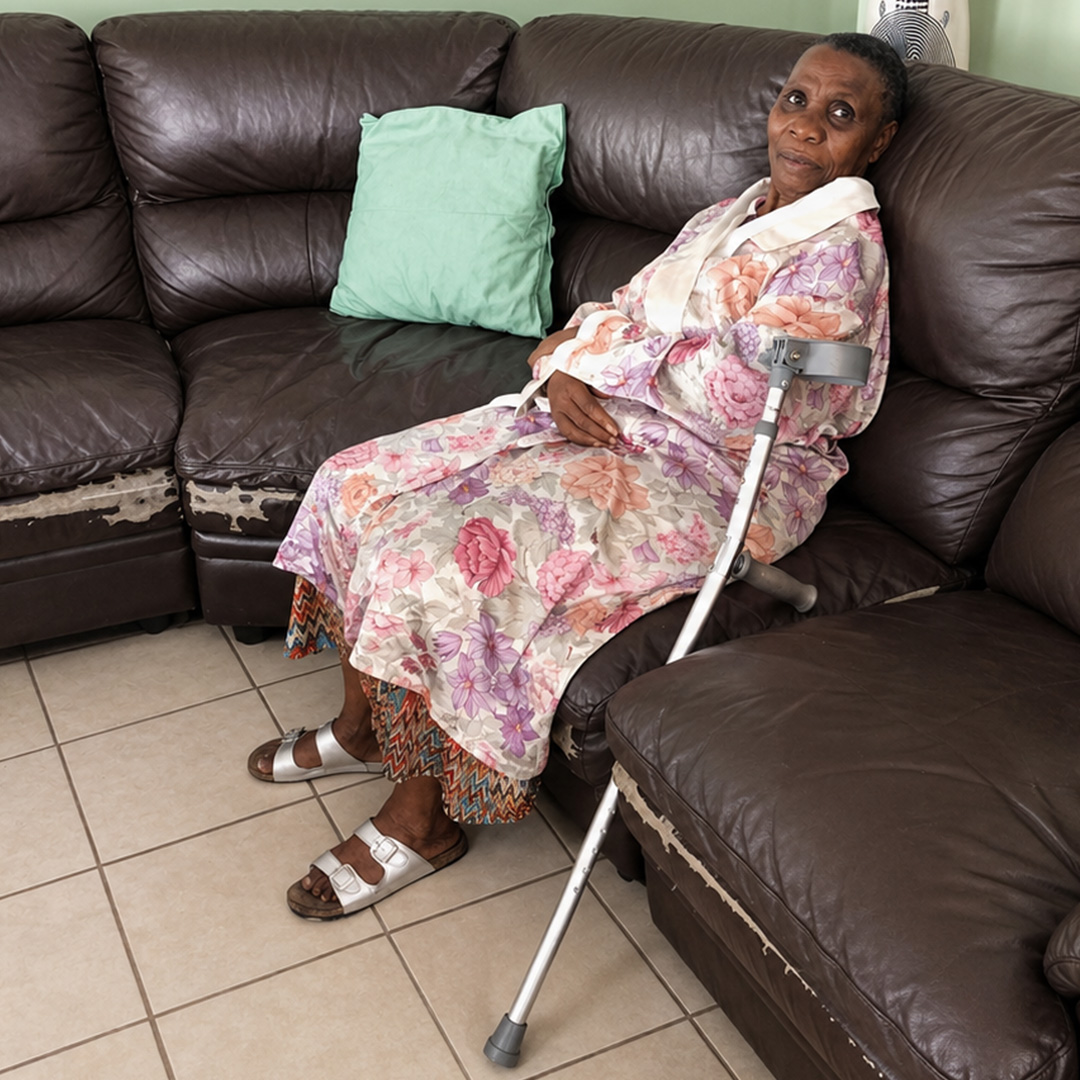
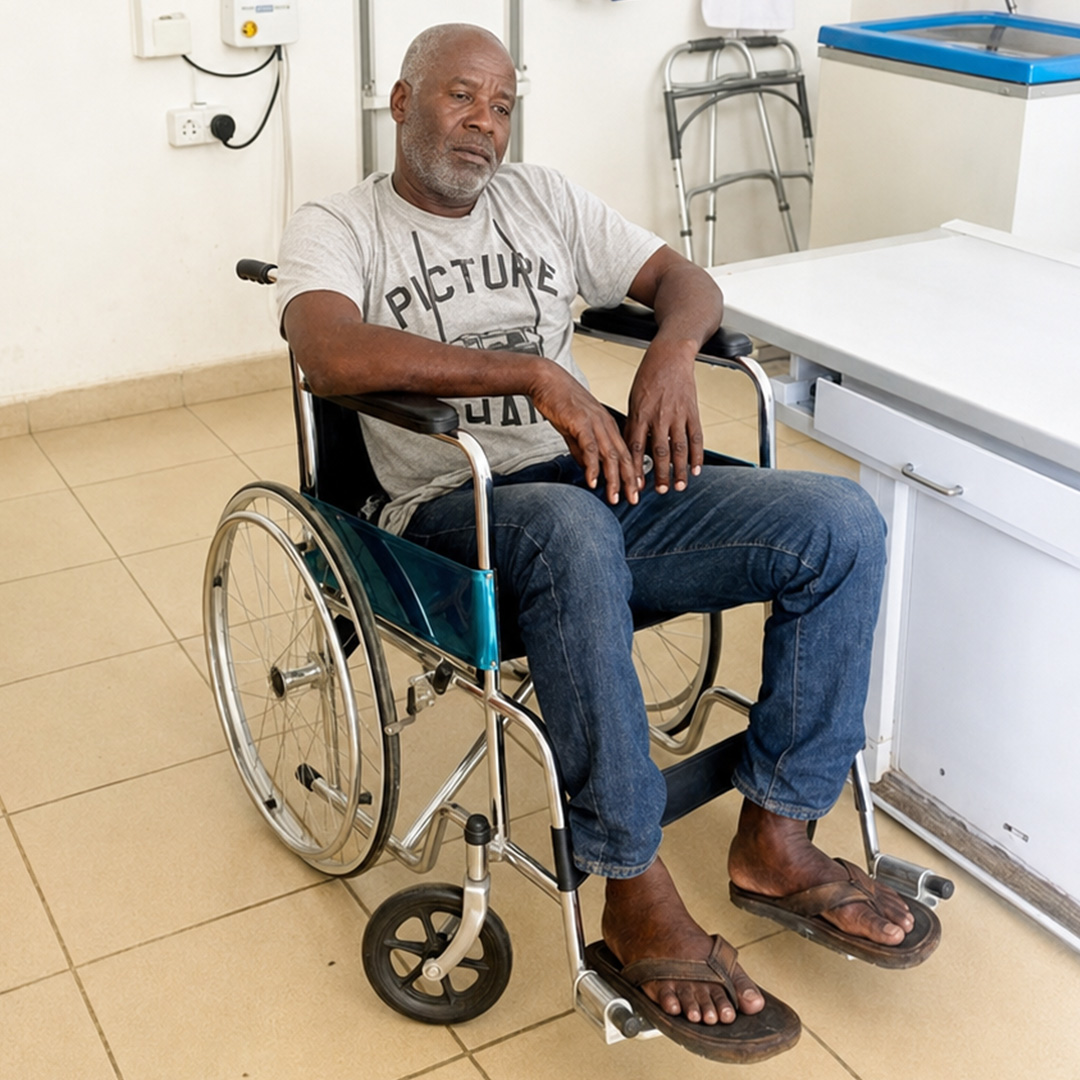
I was fifty-nine years old the day my boss took the keys to the truck from me. Losing my job didn't hurt the most. I was afraid that in the eyes of my family I would no longer be a man, just a person to be supported. My name is Peter Kamau. I worked as a driver in Nakuru for thirty-two years. At first I drove a small van, later a semi-truck. I knew all the major roads in the country, I knew where you could get a coffee at dawn, and which climb you had to change back on time. It wasn't easy work, but I loved it. I paid the bills. I bought the house where my wife, Grace, and I live. I helped our son Brian buy his first car. If something went wrong, they turned to me. I've always said that as long as I can work, we have nothing to fear. My back started hurting five years ago. At first only after long journeys. I got out of the cab and couldn't straighten up for a few minutes. I walked around the parking lot, had a coffee, and then continued on my way. Later, the pain radiated down my right leg. My thighs were numb, my hips were burning, and my knees sometimes buckled unexpectedly. I could still press the gas pedal, but when I had to get out and check the cargo, I held onto the cab like an octogenarian. Grace noticed. "Peter, go to the doctor." "It will pass." "You've been saying that for half a year now." "Drivers always have a sore back." I didn't want to go for an examination. I was afraid that the doctor would disqualify me from driving. I preferred to keep painkillers in the glove compartment. I took one in the morning and another in the afternoon. Sometimes at night too. It worked for a while. The pain dulled and I pretended everything was fine. But my stomach started to burn and my legs went numb more and more often. I was heading to Eldoret on a rainy morning. The road was wet, and a car slowed down in front of me. I stepped on the brake, but my right foot didn't obey for a moment. It was only a moment. However, I almost ran into the person in front of me. I yanked the steering wheel aside and the truck skidded to a stop inches away from the tape barrier. There was no accident. No one was injured. But when I got out, I wasn't shivering from the cold. The company's satellite system recorded the sudden braking. Upon returning to the site, my boss, Robert, called me into the office. "What happened?" I said the road was slippery. "Peter, you've been driving for thirty years. Don't lie to me." I told about the numbness in my legs. Robert listened for a long time, then put his hand on the table. "Until you have a medical certificate that you can drive safely, I will not return the key." I felt as if he had taken away not only my job, but also my name. The examination showed disc herniation, sciatica, hip joint wear and incipient knee osteoarthritis. The doctor said I can't drive for a while and will need longer treatment. “What time is it?” "It's impossible to say exactly. First, you need to reduce the inflammation and stabilize your condition." I didn't call Grace on the way home. I sat on the bench in front of the clinic for an hour and counted how much money we had. Enough reserves for two months. After that, the mortgage, utilities, insurance and food would have been more than Grace's salary. She worked in a bakery and never earned much. When I got home, I put the medical paper on the table. Janalka read it and then took my hand. "We'll fix it." I pulled my hand away. "What are we going to do? Are you going to support me?" "You've kept us going so far. Now I'm helping." "I don't need help." I needed it though. For the first few weeks, I got up at the same time every morning, got dressed, and sat down in the kitchen. I didn't know what to do with myself. For thirty-two years there was always a route, cargo and deadline. Now only the clock was ticking. I went to the gym, got injections, tried ointments. New tests were performed at a private clinic in Nairobi, which almost took all of our savings. Sometimes the pain eased and then returned. After three months, the company terminated my employment. Robert said he was sorry, but he couldn't keep a place indefinitely. I didn't blame him. Yet I came out of the office as if someone had thrown me out of my life. I stopped at the gate of the site and looked through the queue of trucks. I drove one for eleven years. I knew which door jammed in damp weather, the sound the engine made on an early start, and where there was a barely visible scratch on the right side mirror. A young driver had already put his own bag in the cab. I wasn't mad at him. Yet it felt like someone else was sitting in my place in my life. I put my work clothes in a box at home. Grace asked me why I didn't leave them in the closet. I said I was just making room. I actually couldn't bear to see the reflective jacket every morning. I sold my motorcycle. Then some of my tools. The neighbor asked why. I said I don't need them anymore. In fact, the money was needed for the bills. A month later, a letter arrived from the bank. We weren't late yet, they just reminded us of the next installment. Still, I was looking at that paper all afternoon. I calculated what I could sell after the bike. my father Jomo's old workbench and some tools that I inherited from him stood in the garage. I already took photos of them, but I didn't have the strength to post the ad. Jajanalka found the pictures in my phone. "You don't sell these." "Are you going to tell me?" "No. I'm just reminding you that this house belongs to the two of us, and so does the problem. You don't have to solve everything alone." We fight again. In retrospect, I know I was not angry with her. I was angry at myself for not being able to take care of us the way I used to. Brian visited me every two weeks. On one occasion, before leaving, he placed an envelope on the kitchen table. There were twenty thousand Kenyan shillings in it. I hurried after him. “Take this back.” “Dad, just put it away.” "I don't need your money." "I didn't even need the car you bought, but I accepted it anyway." I slammed the envelope on the table. "I am your father." Brian looked at me: "That's why I want to help." He left and the money stayed there. I didn't sleep that night. It wasn't the amount that hurt me. That my son has to take care of me. The next day I put the envelope away, but when Grace didn't see it, I cried. I spoke less and less. I didn't meet my old colleagues because I was ashamed that they were still working and I was sitting at home. When someone asked me when I would be back, I said soon. In the meantime, I could hardly go to the gate. One evening I heard Grace and Brian talking in the kitchen. “Mum, I help every month.” "He won't accept it." "Then don't tell him." "Brian, your father doesn't just have a backache. He feels that he is no longer needed." I went back to the bedroom before they noticed me. This sentence hit me the deepest. Because it was true. A few days later, Joseph, an old driver colleague of mine, came to see me. He had stopped driving two years earlier due to knee problems, but now he was able to climb the stairs with ease. "What did you do?" I asked. He told me that he participated in the programme of a doctor named Dr. Daniel Mwangi. The doctor works in care homes and social institutions, but also helps other people with serious joint complaints. Joseph put a box labeled Penetrex Oral on the table. "It helped me. I'm not saying you'll drive a truck tomorrow. But give it a good try." I didn't want to spend money on another product. Joseph replied that he brought this box, I just have to take the capsules. The next day, we called Dr. Mwangi. After a few days, he examined me. He reviewed the MRI scans, checked the movement of my hips and knees, and explained that in addition to the spinal problem, wear and tear and inflammation of the joints contribute to the pain. He spoke about the Penetrex formula developed jointly with the research centre. The capsules contain glucosamine sulfate, chondroitin sulfate, Boswellia serrata extract, low molecular weight hyaluronic acid, type II collagen, white willow bark extract, MSM, turmeric and ginger. "The active ingredients are absorbed in the intestinal tract and reach the spine, hips and knees simultaneously with the bloodstream. Take one capsule in the morning and evening, after a meal. Do not skip days." I asked if I could go back to driving. "Walk without pain first. We'll talk about work later." No spectacular changes occurred in the first three days. On the fourth morning, I woke up without the pain radiating down my leg. After a week I was able to walk to the nearest shop. For the first time in a long time, I brought the shopping home. Grace stood at the door. "Why didn't you tell me? I would have gone with you." “I wanted to try.” He didn't scold me. He just took one of the bags and we went inside together. After two weeks, my legs were no longer numb every morning. After three weeks, I walked around the neighborhood. I also continued physical therapy, which I had abandoned before. This time I did everything exactly as they said. Every morning I wrote down how far I got. In the first week, only to the corner shop. On the second to the bus stop. On the third, I walked around the park where Brian and I learned to ride bicycles as children. One morning I met two old colleagues. I would have gone to the other side of the road before so I wouldn't have to talk to them. I stopped now. They asked me how I was, and I didn't say at first that I was going to get back behind the wheel soon. "I can't drive yet. But I'm working on it." They did not laugh at me or pity me. One of them just said that they are waiting for you to come back, in any position. Then I understood that most of the shame existed only in me. After a month, Dr. Mwangi examined me again. He said that the improvement is encouraging, but that professional driving still requires more time and an official fitness test. I wasn't angry. The fact that I was able to leave the house again meant a lot. That's when Robert called. He asked if I would be interested in helping out at the site a few days a week. Young drivers had to be trained, routes planned and cargo securing checked. "It's not driving," he said. “But no one knows this job better than you.” I was afraid to go in on the first day. I thought everyone would be sorry. Instead, three young drivers were waiting for me with notebooks. I showed them how to check the trailer, what to look out for on a long incline, and why they shouldn't be shy about pulling over when their bodies tell them something is wrong. I said the last sentence to myself. One student pulled me aside a few days later. He said that his hands were sometimes numb, but he didn't dare to say anything because he was afraid for his job. I saw in him the same fear that caused me to cover up the problem with pills for years. "No load is worth putting yourself or others in danger," I told him. "Get tested before your body decides for you." He went for an examination. It turned out that he had a treatable pinched nerve. He returned after a few weeks. It was then that I felt for the first time that I had been given a lesser job. I am passing on an experience that might prevent an accident. After two months, I was already working four days a week. I didn't earn as much as before, but I paid the electricity bill again. I returned the envelope money to Brian from my first full salary. He didn't want to accept it. "Put it away," I said. "Not because I am ashamed that you helped me, but because I can now do it again." He hugged me. He was a grown man, yet I saw in him the same boy whose first bike I once bought. I bought Grace a silver bracelet. It wasn't a special occasion. When I gave it to her, she asked why. "Because you stayed by my side even when I couldn't be by myself." That evening she took my old work clothes out of the box. She washed them and hung them back in the closet. It didn't hurt to look at them anymore. I didn't return to the same booth, but I had a place in my profession again. Today I am sixty-one years old. I no longer drive a commercial truck and I have accepted that. I teach on site, plan routes, and occasionally accompany beginners on shorter trips. I continue to take Penetrex in courses. I take the capsule in the morning and in the evening, after a meal. My back sometimes tells me if I sit too much, but I no longer live in constant pain. My hips move, my knees do not buckle, and my right leg no longer goes numb at the pedal. For a long time, I thought a man's value was determined by how much money he brought home. When I lost my job, I felt like I stopped being a father and a husband. Now I know that Grace and Brian didn't help because they thought they were weak. They helped me because we are family. I should have understood this earlier. It would have been nice to have heard about Penetrex earlier, before my foot gave out on the brake, before I sold my bike and before my son left money on the kitchen table. If your back, hips, or knees hurt, don't wait until you lose the job you've lived your whole life on. Don't hide your pain with pills just because you're afraid of the medical outcome. The problem doesn't go away just because we don't talk about it. In five years, I spent hundreds of thousands of Kenyan shillings on painkillers, injections, examinations and treatments. My stomach was ruined and my movement was impaired. Penetrex and regular exercises helped me regain my mobility and find a new role in the profession I love. You can learn more about the Penetrex programme by clicking the "More information" button below. Capsules can be ordered by courier and payment is made only when the package is delivered. There is nothing to pay in advance. I was afraid that I was no longer needed. In fact, I just had to proceed in a different way. Peter Kamau, Nakuru
Where the ad sends people
healthinfo.luma-care.pro
Learn more
Learn more: healthinfo.luma-care.pro(opens in a new tab)