
Inactive· since Jul 5, 2026
- 74
- days it ran
- 0
- relaunches
Ad copy
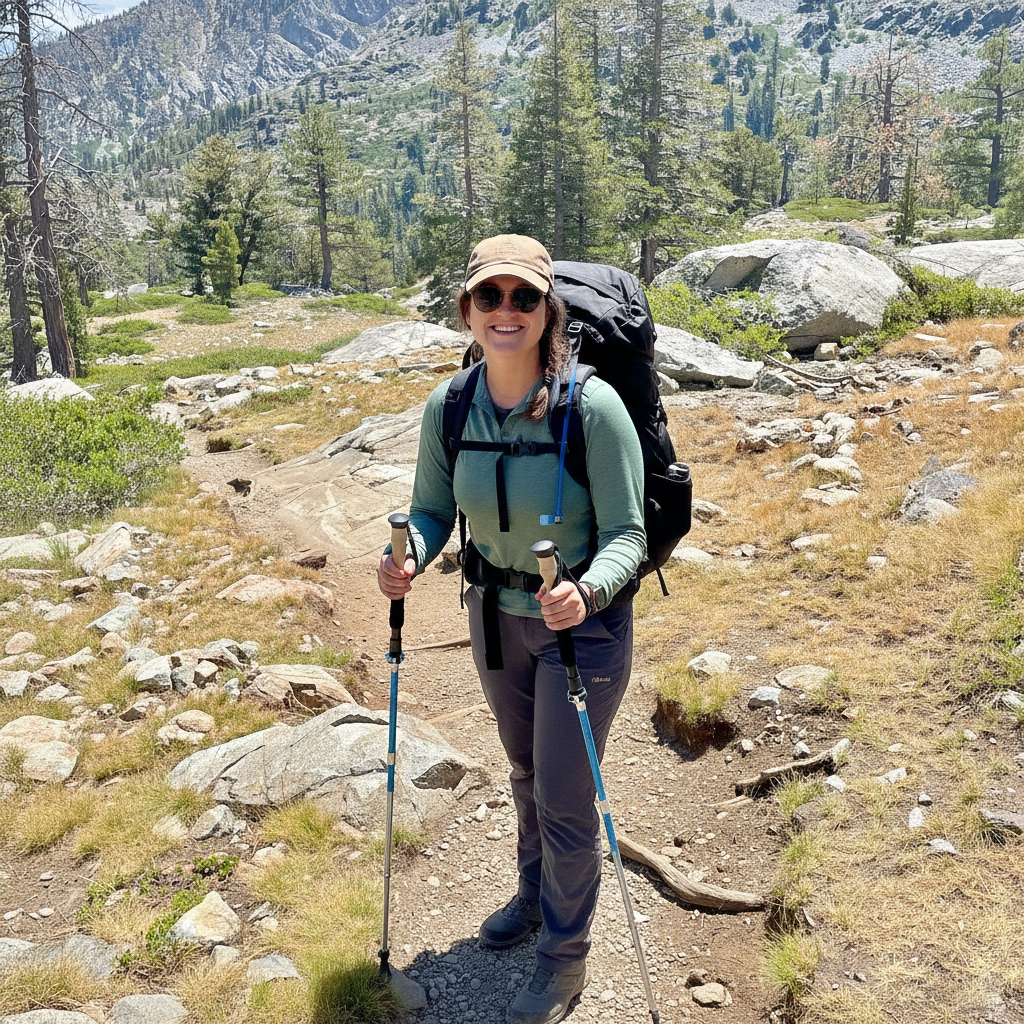
I'm going to say something that nobody watching their kidney numbers slide wants to hear and I don't care if it upsets you. Managing your decline isn't going to save your kidneys. Not the renal diet. Not cutting the protein. Not the cranberry. Not the kidney detox teas. Not the blood pressure pill your doctor keeps adding to. NONE OF IT IS GOING TO STOP WHAT IS ACTUALLY HAPPENING. I know because I watched my father in law do all of it. Every single thing they told him. Six straight years. Followed the renal diet to the letter. Took every pill. Watched every number. And his kidneys gave out anyway. Sixty four years old. On the machine three days a week, four hours a session, then gone. Because he spent six years chasing the wrong target. And the worst part. Years later my own eGFR came back at 48 with foam in the toilet bowl every morning. Right around the age he was when his started sliding. Same kind of numbers. Same doctor telling me to wait and watch. And I almost let it happen to me, because I was still listening to the same advice that did nothing for him. I'm done being polite about this. If your numbers are sliding and you're sitting there watching the foam every morning while your doctor tells you it's stable, you're wasting time your kidneys don't have. Read this entire post. Every word. Because the answer is in here, and it isn't another six years of doing everything right while the damage builds anyway. My name is David M. I'm 58. I live in Charlotte with my wife Karen and our two grown kids. I'm not a sick man. I hike. I eat better than most guys my age. I read the labels before I buy anything. That's what made the lab report so hard to swallow. My father in law Ted was 58 when his numbers started sliding. The doctor told him his kidney function was dropping and put him on the renal diet that day. No real conversation. eGFR of 49. Family history. The doctor called the plan "the standard of care." Said it was "the only thing with real evidence behind it." Said it would protect his kidneys. Ted did exactly what they told him. Followed the renal diet to the letter. Cut the protein he loved. Cut the foods that made dinner worth sitting down for. Cut the salt. Took every pill they gave him. For SIX YEARS. In year one, the numbers held. The doctor said they were winning. Said the eGFR was stable. Handed him a printout. But Ted didn't feel like he was winning. The foam was still there every morning. The bubbles that wouldn't flush away. He told the doctor. "That's normal," they said. "We just keep monitoring. The numbers are stable." So he kept following the plan. And the diet took more from him every year. By year three, the man who used to carry his grandkids on his shoulders felt like he was hauling fifty pounds of sandbags everywhere he went. He started saying his head felt foggy. Forgetting names. Losing his train of thought in the middle of a sentence. His ankles swelled. He was up three times a night to the bathroom. His energy was gone by 2pm and never came back. "That isn't your kidneys," they told him. "We see this in men your age." You know what they said when he asked if there was another way? "The numbers are stable. Keep doing what you're doing." So he stayed compliant. Year after year. A number the doctor called stable. A man slowly fading in the chair across from me at every holiday. Then the eGFR dropped again. Then came the talk about a fistula. Then the machine. And then it happened anyway. Three days a week in a chair. Four hours a session. An arm hooked to a machine that did the job his kidneys couldn't anymore. His chart still said they had managed it. His body had been failing on the inside the whole time. He died tethered to a machine his doctor called the standard of care. At his funeral, my wife grabbed my hand and said something I will never forget. "They spent six years monitoring his decline. And the thing that was actually destroying his kidneys, nobody ever touched it." Three months ago, I went in for my annual physical. The doctor read my labs. "David, your eGFR is 48 and you've got protein in your urine. We're going to monitor this closely." She started writing up the renal diet. "This is the safest thing for your kidneys." My chest went tight. I saw Ted staring at the foam every morning. Saw him forgetting my kids names. Saw him in that chair three days a week with a number the doctor called stable. "No," I said. She blinked at me. "I watched my father in law do exactly that for six years. His numbers looked stable. His kidneys gave out anyway. So I'm not signing up for six years of monitoring a decline that didn't even save him." She gave me the look they save for difficult patients. "Give me ninety days," I said. She wasn't happy. I didn't care. For three months I did everything else right. Followed the renal diet. Cut the protein down. Cut the salt to almost nothing. No processed food. Doubled my walking. Started drinking cranberry and taking the kidney support formula everybody swears by. Three months later I went back. eGFR of 47. One point down. The foam still there every morning. After ninety days of the renal diet and walking and cranberry. One. Point. Worse. The doctor set up the next round of monitoring. "David, we'll just keep watching it closely." I drove home and felt something snap. I had followed the diet. Walked. Taken the supplements everyone recommends. And the only plan left was to keep monitoring the exact slide that hollowed out a man I loved, all the way to a machine that didn't even keep him alive. That night I couldn't sleep. I kept doing the math. Ted went on the machine at 64. I was 58 with a 48 and foam in the bowl every morning. At 2am I gave up trying to sleep. Went downstairs. Opened my laptop. I started researching everything. What actually destroys the kidneys. Not the number on the report. The actual damage. Why some people hold their numbers steady for decades and others slide straight to the machine. What's actually happening inside the kidneys when the numbers fall. Every mainstream site said the same four things. Follow the renal diet. Cut the protein. Take your pills. Monitor and wait. I had done three of those four. I refused to spend six years monitoring the slide that broke the man before me. So I kept digging. Looking for people who had actually held their numbers. Not just watched them fall on a lab report. Held the thing underneath it. That's when I found the thread. A long discussion of people who had stabilized their numbers and cleared the foam without spending years just monitoring a decline. And in the comments, one name kept coming up. A retired pharmacist named Walter. People kept saying, "Ask Walter what he takes. Walter knows the chemistry." Fifteen comments. Twenty. All pointing to the same man. Someone mentioned the town he lived in. A diner he had coffee at every morning. I looked at the clock. 2:47am. By 8am I was in my car. By 1pm I was three hours away, walking into that diner. I didn't have an address. Just a town and the name of a diner. I asked the waitress if a regular named Walter came in. She pointed to a booth by the window. A man about ten years older than me. Reading glasses pushed up on his head. Working a crossword. Looked sharp. Looked well. I walked over. He looked up. "You drove a long way," he said. Not a question. "Three hours," I said. He nodded at the seat across from him. "Sit down." I told him about Ted. About my numbers. About the foam every morning. About three months of the renal diet and walking that made it worse. He listened without saying a word. Then he pulled out his phone and laid it on the table in front of me. Years of his own labs. Line after line. "This was me at sixty," he said. "eGFR of 46. Doctor was already talking about what comes next." He scrolled down. "This is me now. Holding steady. No machine. Never touched one." I stared at the numbers. "Mine was 48 three months ago," I said. "Just about the same as where I started," he said. I looked at the dates. The years of steady numbers. The fact that he was sitting across from me sharp as a tack at seventy with clear eyes and no swelling. "What are you taking," I asked. He folded the crossword. "Finish your coffee first," he said. "Then I will explain it properly, because if I just hand you a name you won't believe it and you won't stick with it." The next thing he said changed everything. "Your kidneys aren't failing because you ate too much protein," he said. "They're failing because the filtering system inside them is being destroyed from the inside. And monitoring the number does nothing to stop that. That's why he slid all the way to the machine while his chart said stable." I said, "What does that mean." He broke it down. "Your kidneys have a filtering system that pulls waste out of your blood and pumps clean blood back," he said. "You never had to think about it. It's been running in the background since the day you were born. Every drop of blood you have passes through it. When it's working, your urine is clear, your energy is steady, your numbers are fine. That's how it worked when you were younger. That's why your kidneys were never something you thought about for the first forty or fifty years of your life. The system was running on its own." "Here's the part nobody explains to you." "That filtering system is fragile. Years of stress wear it down. Every bit of processed food wears it down. Environmental toxins wear it down. Soil that's been farmed flat for decades produces food with a fraction of the nutrients it used to carry, and that wears it down too. Add modern life and aging on top of all of it, a little at a time, year after year." He let that sit. "And as the filtering system gets worn down, your body produces more and more of something called oxidative stress. It's like rust building up inside your kidneys. Tiny invisible particles called free radicals, created by everything modern life throws at you, building up inside your filtering system, looking for something to attack." "And what they attack is the filtering system itself. The rust scars it. Stiffens it. Clogs it. Wears it down, day after day. And here's how it shows up in the things you actually see. The filters can't catch protein anymore. Your body needs protein to stay in your blood. It's the building block your body uses to repair itself and keep your muscles strong. It's not supposed to leave through your urine. But when the filters are damaged, protein slips through and ends up in the bowl. When it hits the water it acts like soap. It foams. That's the bubbles you see every morning. That's your body showing you the filters are leaking out the building blocks it needs." "And the filters can't pull waste out of your blood properly anymore either. The waste that should be leaving builds up inside you. Your urine gets darker. Your blood gets dirtier. The metallic taste, the fatigue that sleep doesn't fix, the 2pm fog, the puffy eyes, the swollen ankles, that's not in your head. That's waste your kidneys can't get out. That's your falling number. Not a mystery. Not just aging. A filtering system being destroyed from the inside." "And it gets worse. Every month that goes by, the rust builds up more. More free radicals. More damage to the filters. Less filtration. More waste backing up. More rust. The damage compounds and feeds itself. That's why your eGFR was 60 two years ago, 54 last year, 48 today." He looked at me. "That's why your nephrologist keeps telling you the numbers are stable when you know something is wrong. That isn't aging. That's a system being slowly destroyed from the inside." "Now you understand why nothing you tried worked." "The renal diet doesn't stop the rust. It reduces the load on a filtering system that's already failing. It buys time. It doesn't reverse anything. That's why you can follow it perfectly for two years and still watch your numbers drop." "Your blood pressure pills force your vessels open with chemicals. But the oxidative damage destroying your filtering system keeps building underneath. The number on the cuff goes down. The damage doesn't stop." "Your cranberry and your kidney detox teas and your support formulas with twenty seven ingredients in trace amounts, none of them touch the rust. None of them protect the filtering system. They work somewhere else in the body. The actual problem keeps running." He tapped the table. "Every single thing you've tried was aimed at managing the damage. Not one of them stopped the rust that's causing the damage in the first place. Your father in law spent six years managing his decline. Nobody ever stopped the rust. So the damage kept building while his chart said stable." I sat there with my coffee going cold. "So what stops the rust," I said. He smiled for the first time. "A fruit," he said. "And I know how that sounds." He told me about a fruit that's been used in Central Asia for over five thousand years. The pomegranate. The healers back then didn't have a name for oxidative stress. They didn't know what eGFR was. But they knew what they saw. People who ate it daily looked different. Less swelling. Clearer urine. More energy as they aged. They weren't sliding into the slow decline everyone else did. They lived longer. They aged stronger. The healers called it the fruit of life. "Modern science is only now catching up to what they were seeing," he said. "It contains one of the most powerful antioxidants ever discovered. A compound called punicalagins. Your body can't make it on its own. It has to get it from food. And pomegranate is one of the only places on earth where it shows up in meaningful amounts. Three times the antioxidant power of red wine. Three times the antioxidant power of green tea. Nothing in the natural world comes close." "Here's what those compounds do. The rust that's been destroying your filtering system for years, the free radicals from stress and processed food and just getting older, the punicalagins go after them directly. They neutralize the rust before it can keep damaging your filters. Not somewhere else in the body like cranberry. Right where the damage is happening." "And when the assault stops, the filtering system that's been fighting a losing battle for years finally gets a chance to recover. It starts catching protein again. The leak slows. The foam in the bowl reduces. It starts pulling waste out properly. The dark urine clears. The metallic taste fades. The afternoon crashes stop hitting so hard. Your eGFR stops sliding." "Not because a drug forced your kidneys to work. Because your body is finally able to do what it's always known how to do. You just had to stop the rust first." He pulled up one more thing on his phone. "In studies on standardized pomegranate extract, people with kidney concerns showed measurable improvements in protein leakage, oxidative stress markers, and filtration, across thousands of people. Consistent, steady improvement that builds week after week. And it did all that without forcing anything. Drugs force your body. They override signals and push systems with chemicals, and that's where the side effects come from. Pomegranate doesn't force anything. It restores. It clears the rust and it protects the filtering system your body has always relied on. Your body isn't being overridden. It's being defended." Then he said the thing that made me trust him. "But here's what you need to know, because it's where most people waste their money. You're not eating the same pomegranate they were. The pomegranate at your grocery store, even the premium one at your health store, was grown in industrial soil stripped of nutrients by decades of chemical farming. Sprayed with pesticides. Picked early to survive shipping. By the time it reaches you the punicalagin content is a fraction of what it was meant to be." "The juices are mostly sugar, up to thirty two grams a serving, loaded with potassium your nephrologist may have told you to avoid, and whatever punicalagins were in the fruit are largely destroyed in pasteurization. The powders are heat processed at high temperatures, and heat destroys punicalagins. The generic capsules on Amazon are cheap commercial fruit with no verification of what's inside. The label says pomegranate. What's inside is a faded copy of a faded copy." "The pomegranate that gets results is a standardized extract. Grown organically in living soil, free of chemicals and pesticides, concentrated the way the studies used it. Same potency every time. That's the difference between something that works and something that sits in your cabinet collecting dust." He told me his old colleagues knew about the research. Most physicians do. "But there is no patent on a fruit," he said. "No insurance code. No profit in it. So the ones who care quietly point the patients who ask the right questions in the right direction, and let the numbers do the talking." Then he wrote a name on the corner of his crossword and slid it across the table. The one he trusted. Organic. Third party tested. Standardized extract, not powder. Made here in the States in small batches so it stays potent. "This doesn't force your kidneys to work," he said. "It starts stopping the rust that was destroying them in the first place." He tapped the printout of his steady labs. "You don't have to spend six years watching yourself slide toward a machine. You just have to stop the rust." I ordered my first bottle that day. Two capsules every morning. I didn't white knuckle anything. I didn't start a punishing new diet. I kept hiking, kept eating within reason. I just took it. Every morning. Week one. The 2pm fog I had been writing off as just getting older. Lifting. Steady energy through the evening for the first time in a long while. Week three. I was sleeping through the night. Not up three times to the bathroom anymore. Week six. I looked down at the bowl one morning and the foam wasn't there. I looked twice because I didn't believe it. Week ten. I went back for labs. eGFR holding steady at 49. Protein in the urine down. For the first time in two years my number hadn't dropped. The morning the results came in, I called the doctor and asked her to read them to me twice. She went quiet for a moment. Then, "What are you doing differently?" Then, "Whatever you're doing, keep doing it." That was four months ago. And look, I'm not a doctor, so don't come off anything or change your medication on your own. Talk to yours first. I never went on the machine. I went on a four day hiking trip in May, ate within reason, and my next labs held steady. My wife noticed before the report did. Said I've got my energy back. Said I'm sharper. Said I'm laughing more. I think about Ted almost every day. Because now I understand what happened to him. For six years his numbers looked stable on a chart. But the rust never stopped. It kept scarring his filters. His kidneys kept leaking protein. The waste kept backing up. His body kept taking the damage. And the diet that monitored his decline never once touched the thing that was actually destroying his kidneys. He didn't slide to the machine because his kidney numbers were low. He slid there because everyone spent six years monitoring a decline and nobody ever stopped the rust underneath it. His doctor told him the plan was the standard of care. It wasn't. It was the only tool the doctor had. And it was aimed at the wrong target. I'm writing this because I see the same thing playing out for thousands of people my age. Annual physical. Sliding number. Monitor and wait. Some comply and lose their energy and their strength and their independence while the filters keep failing anyway. Some refuse and just gamble they will be the lucky one. Both groups are losing. Because both groups are watching the number. The number was never the danger. The rust destroying your filters is. And every day it goes unaddressed, whether your chart looks stable or not, your kidneys are getting closer to the machine. You don't have to spend the next six years watching yourself slide, losing your energy and your sleep and your independence one lab report at a time. You don't have to gamble with the machine and the fistula while you wait and hope. You need to start stopping the rust that's destroying your filters, before it decides your future for you. Because I almost spent six years monitoring the slide that hollowed out a man I loved, all the way to a machine that didn't even save him. And Ted never got the chance to know there was another way. Don't let that be your story. Don't spend six years monitoring a decline and feeling worse for a standard of care that didn't save the man before you. Don't wait until the machine decides it for you. Start stopping the rust while you still have the window. 👉 https://alevia.com/pom/17 P.S. A lot of people messaged me asking where to get it. I always order straight from the official site. There are cheap counterfeits floating around that are just the worthless powder. P.P.S. I felt the difference by week three. The foam was gone by week six. Saw it in my labs by week ten. No machine. No losing my independence. No giving up the life I built. eGFR sliding for two years, then holding steady. The numbers don't lie. P.P.P.S. Ted followed his plan perfectly for SIX YEARS. His numbers looked stable the entire time. And his kidneys gave out anyway, because monitoring the decline never stopped the rust that was destroying his filters. He ended up on the machine at 64 with a chart his doctor called stable. If your numbers are sliding and your doctor just told you to monitor and wait, you have a window right now. Don't waste it watching a number while the real damage keeps building. 👉 https://alevia.com/pom/17
Like this ad? Make it yours.
Crush rebuilds this exact creative around your product — your brand, your colors, your offer — in about a minute.