
Inactive· since Dec 11, 2025
- 115
- days it ran
- 0
- relaunches
Ad copy
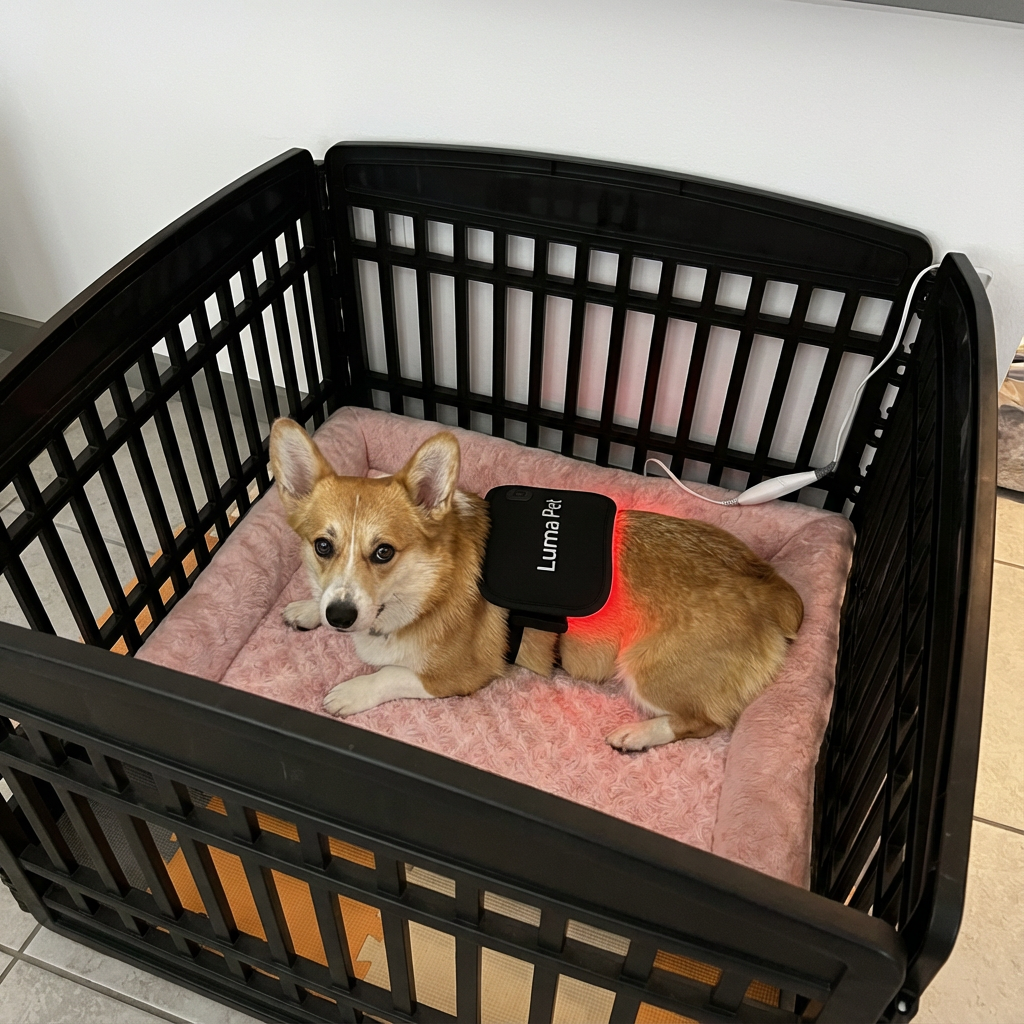
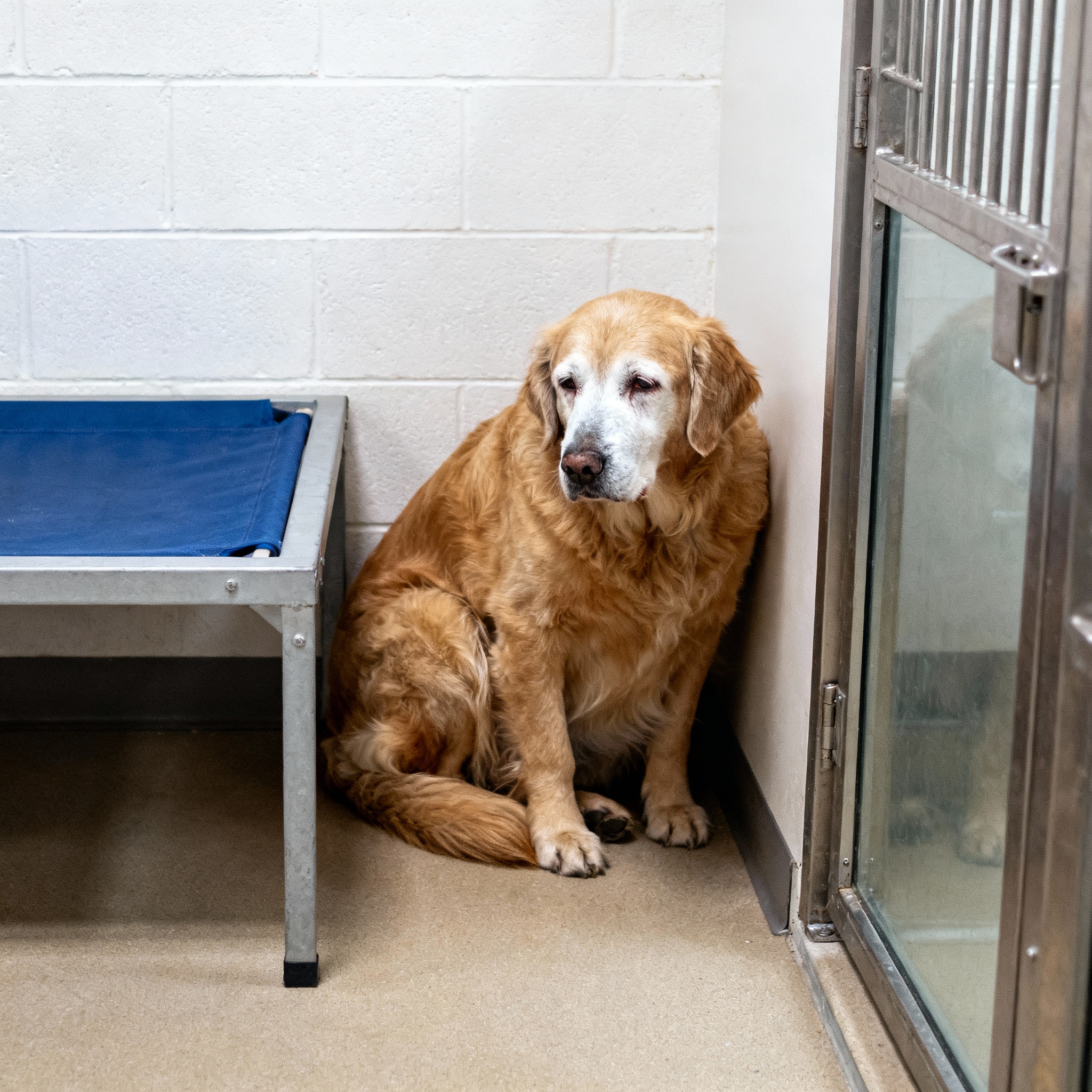
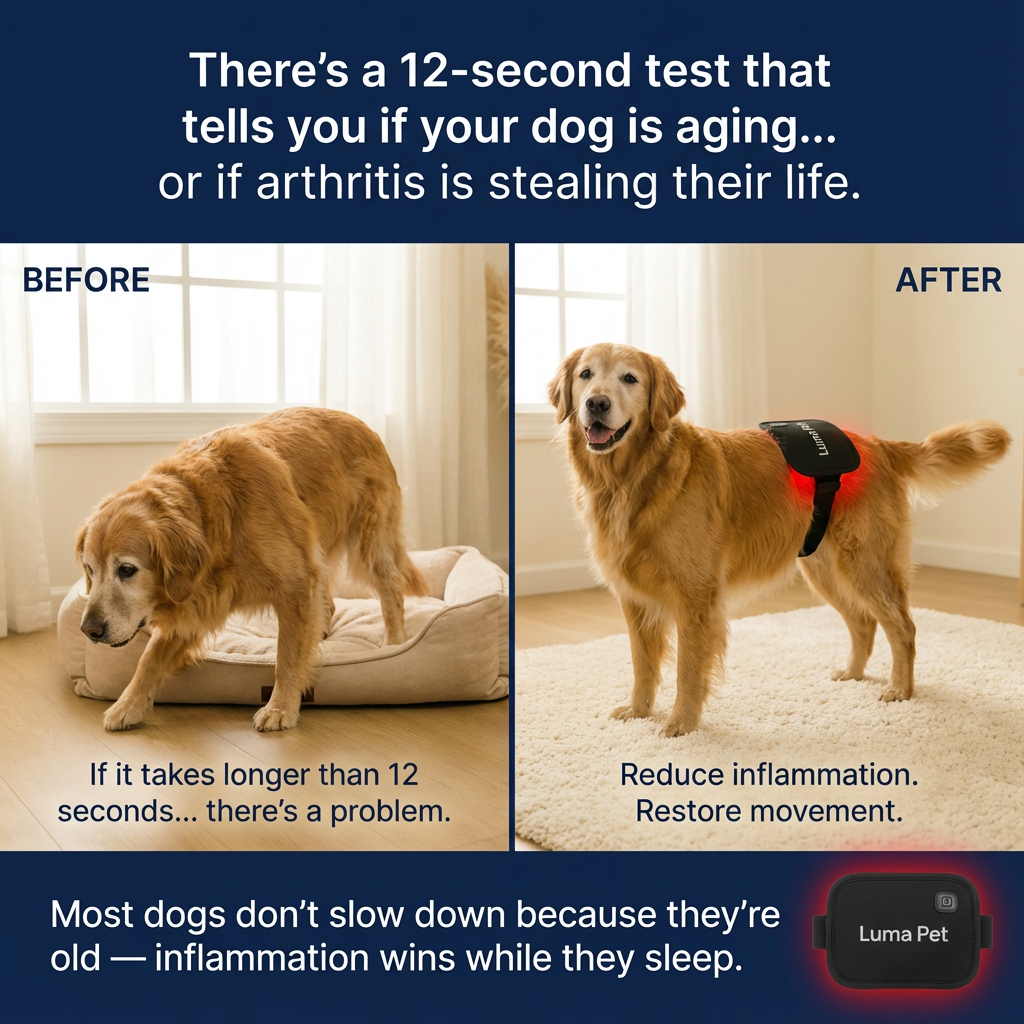
There's A 12-Second Test That Tells You If Arthritis Is Stealing Your Dog's Life (And Most Owners Don't Know About It) Sarah Mitchell thought her 9-year-old Golden Retriever, Cooper, was just "slowing down with age." He took a little longer to get up. Hesitated before jumping in the car. Stopped greeting her at the door with his usual enthusiasm. "Everyone told me it was normal," Sarah said. "He's getting older. Dogs slow down. That's just life." But during a routine vet visit, the veterinary technician asked Sarah to do something simple. "Time how long it takes Cooper to stand up from a lying position," she said. "If it's longer than 12 seconds, we need to talk." Sarah watched as Cooper struggled to push himself up from the exam room floor. 14 seconds. "That's when I realized," Sarah told us, "this wasn't just age. Something was actually wrong." The 12-second test is something veterinary professionals use to quickly assess joint mobility in aging dogs. If a dog takes longer than 12 seconds to stand up from a resting position, it's a red flag that inflammation and joint deterioration are progressing faster than they should. "Most owners don't catch it early because the decline is so gradual," explains Dr. Amanda Chen, a veterinary rehabilitation specialist. "They see their dog every day, so they don't notice the changes. By the time it's obvious, significant damage has already occurred." The heartbreaking part? Most of that damage happens while your dog is sleeping. While your dog rests, inflammation compounds in their joints. Blood flow decreases. Cellular repair slows down. The very act of sleeping—when healing should be happening—becomes the time when arthritis gets worse. That's why dogs are stiffest in the morning. After Cooper's diagnosis, Sarah's vet gave her the usual recommendations: prescription NSAIDs, joint supplements, maybe some physical therapy. But Sarah had watched her previous dog suffer through years of medications that barely helped and caused digestive issues. She wanted something different. "I started researching alternatives," Sarah said. "That's when I discovered what rehabilitation vets have been using for years—red light therapy." The science made sense: specific wavelengths of red and near-infrared light penetrate deep into joints, reducing inflammation at the cellular level and improving circulation even during rest. It's like giving your dog's joints a healing boost while they sleep. Sarah ordered a veterinary-grade red light therapy pad designed for at-home use. Every evening, she'd place it under Cooper while he relaxed on his bed. 15 minutes. That's it. "The first week, I didn't notice much," Sarah admitted. "But I told myself to stick with it for a month." By week two, Cooper was standing up noticeably faster. By week three, he started greeting her at the door again—something he hadn't done in over a year. By week four, Sarah timed him getting up from his bed. 7 seconds. She actually gasped. "I couldn't believe it," Sarah said, tearing up. "It was like watching him de-age. Not just moving better—but happy again. Wanting to play. Wagging his tail." The before-and-after photos tell the story better than words. In the "before" photo, Cooper's hunched posture and slow movement were obvious signs of chronic joint pain. In the "after" photo, just 6 weeks later, he's standing tall, weight balanced, looking more like the 5-year-old version of himself. "I wish I'd known about this earlier," Sarah said. "All those years with my previous dog, watching her suffer through medication side effects... when there was something this simple that actually helped." Veterinary researchers have studied red light therapy extensively. Multiple studies show it can reduce joint inflammation by up to 60%, improve mobility, and help senior dogs maintain quality of life without the organ damage risks of long-term NSAID use. But here's the problem: most regular veterinarians never mention it. "It's not that vets are hiding it," Dr. Chen explained. "Many just aren't trained in rehabilitation modalities. They default to what they learned in vet school—medications and surgery." That's why owners like Sarah have to discover it themselves, usually through online research or other pet owners. "I'm sharing Cooper's story because I don't want other people to waste years like I did with my first dog," Sarah said. Try the 12-second test on your own dog. Have them lie down, then watch how long it takes them to stand up. If it's longer than 12 seconds, arthritis is likely already progressing. The good news? You caught it. And there are options beyond just masking the pain with pills. Cooper is 10 now. He should be slowing down even more. Instead, he's running in the backyard, playing fetch, living like a dog half his age. "That 12-second test changed everything," Sarah said. "It showed me he needed help. And finding the right help gave me my dog back." Most dogs don't slow down because they're old. They slow down because inflammation is winning while they sleep. But with the right approach, you can reverse that—and give your senior dog years of active, pain-free life they deserve. Learn more about the red light therapy technology that rehabilitation veterinarians have been using for years—now available for at-home use >>
Like this ad? Make it yours.
Crush rebuilds this exact creative around your product — your brand, your colors, your offer — in about a minute.