
Real Talk Wellness
Active· since May 27, 2026
- 120
- days running
- 0
- relaunches
Ad copy
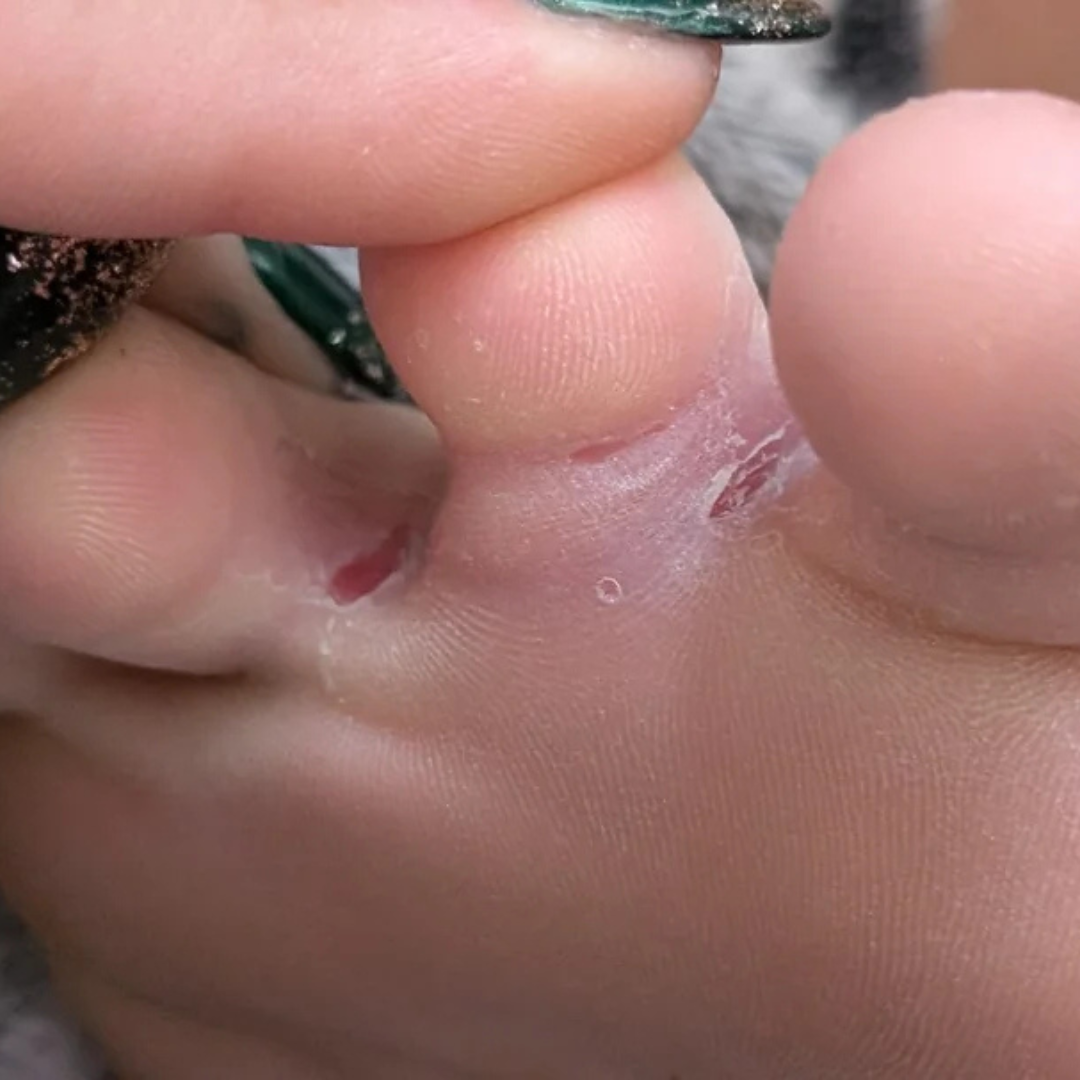
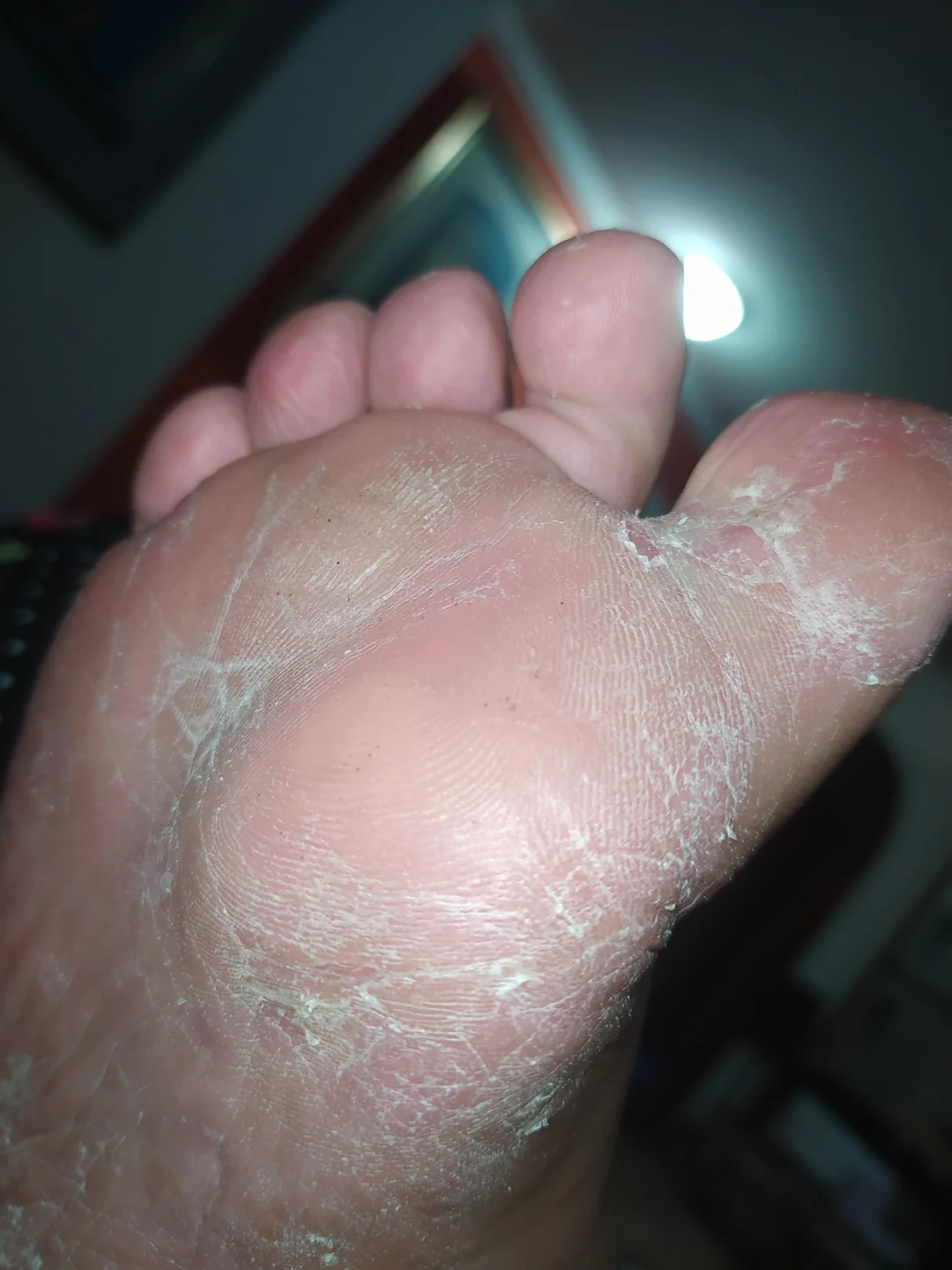
My diabetic patient thought his foot was just dry skin. Three months later he was in surgery. He came in for his routine diabetes check-up. Blood pressure. A1C. Medication review. The usual. We were almost done when I said “Let me take a look at your feet.” He shrugged. “There's nothing wrong with my feet. It's just dry skin. Always been like that.” I looked anyway. I've been a GP for fifteen years. I treat diabetic patients every single day. And I knew immediately what I was looking at. It wasn't just dry skin. It was a fungal infection. And it had been building deeper and deeper into the skin on his feet for years while he went about his life thinking nothing of it. I told him what it was. He almost laughed. “It doesn't even hurt. It's just a little dry and itchy sometimes.” I said “I know. That's actually the problem.” Here is what nobody explains clearly enough to diabetic patients. And I say this as someone who should have been explaining it more clearly myself. For someone without diabetes, fungus is just annoying. But for someone with diabetes, it is a completely different story. And the difference has nothing to do with how bad it looks. It has everything to do with what your body can and cannot do in response to it. When you have diabetes, your immune system is already working overtime managing your blood sugar. Your blood flow that carries your body's defenses to where they're needed is already compromised. And your nerve endings, particularly in your feet, have lost some of their ability to send accurate signals to your brain. Which means three things are happening simultaneously that most diabetic patients don't know about. First, When fungus damages your skin from the inside out, your immune system can’t really fight it off. So the fungus constantly goes deeper and deeper without you even noticing. Second, The damage accumulates silently, because your nerve endings aren't sending the full signal. So what feels like dryness and itching to you is actually a fungal infection that has been progressively weakening the skin barrier on your feet for years. Third,A weakened skin barrier is something far worse than it sounds. It means an open door for bacteria. And bacteria reaching the bloodstream of a diabetic is bad news. My patient went quiet when I told him this. He said “Why has nobody told me this before?” “That’s a fair question.” I answered. And you need to hear what happened to him. When I examined him that day, the fungal infection had already been present for what looked like years based on the state of the skin. The damage had already severely compromised his skin. I referred him to a specialist immediately. Three months later he was in surgery. What started as dry, flaking and itchy skin that he had been ignoring for years became a serious bacterial infection that required surgical debridement to remove the infected tissue before it could spread further. His surgeon told him afterward that if he had come in three weeks later, we would be having a very different conversation. Just three weeks. And all of this over something he had been calling dry skin for years. I have thought about that patient almost every day since. Not because the outcome was as bad as it could have been, though it came very close. But because of one specific thing he said to me after he recovered. He said “I didn't know. I genuinely didn't know it was anything.” And that is the thing I keep coming back to. He had been managing his diabetes carefully for eleven years. He monitored his blood sugar. He took his medication. He did everything right. But nobody, not once in eleven years of appointments had connected the dots between his diabetes and what was happening on his feet. That is a failure of communication. And it is one I am trying to correct. So let me tell you what I now tell every diabetic patient I see. If you have diabetes and your feet are dry, flaking, or itching, even occasionally, that is not just dry skin. That is almost certainly a fungal infection. And for someone with your biology, that infection is not going to resolve on its own. It is going to progress. Quietly. Until your skin barrier fails. And then it will not just be a skin problem. Now. Before you do what every patient does when they hear this, before you go to the pharmacy and pick up whatever antifungal cream is on the shelf, I need to tell you something important. Standard antifungal treatments were not designed for someone with diabetes. I know that sounds strange. I know your pharmacist will probably point you toward the same aisle I pointed patients toward for years. But here is what the research shows and what I wish I had understood more clearly earlier in my career. Standard antifungal creams, sprays, and powders all work the same way. They are applied to the surface of the skin and only attack the fungus on that surface. And for a person without diabetes, that may sometimes work. But here is what they cannot do. They can’t reach the fungus living deep inside your skin. Because the fungus, especially in long-term undetected cases, doesn't just sit there to be wiped off. It builds itself around something scientists call a biofilm. Basically a protective shield that makes it up to 1000 times more resistant to every single standard antifungal treatment you put on it. One thousand times. Read that again. Because that number tells you everything. Every cream you put on your feet. Every spray. Every powder. Every prescription your doctor will write you. None of them can break through that protective shield and actually reach the fungus sitting deep inside your skin. So the surface may clear, the itching might stop, but that fungus sitting there, will never actually be gone. And every day you don’t break through that shield and kill the fungus, the window between an itchy foot and a serious bacterial infection gets smaller. That is exactly what happened to my patient. By the time he saw me, the window had almost closed. What actually works is something built around a completely different principle which means breaking through that protective shield first. And then killing the fungus sitting deep inside your skin. So I started looking for something that would actually do what the standard treatments could not, and there was only one product built around this principle. It is a natural biofilm-disrupting antifungal soap. I want to walk you through exactly what it does and why it works for diabetic skin specifically. It uses tea tree oil and witch hazel to break through the biofilm first, then sulfur extract and lauric acid to kill the fungus sitting deep inside. And then ceramide rebuilds the skin barrier which means it will prevent a future infection from finding its way back in. All you have to do is swap your regular soap and use it in the shower for 3-5 minutes. It’s that easy. The brand is called Veloma. I started recommending it to my diabetic patients after my patient's surgery, because I was not willing to keep pointing people toward solutions that were never going to reach the actual problem. Most of the patients say the itching stops within the first few days. By week two, the skin on their feet starts looking different. The dryness calms. The flaking slows. By day 30, the infection is gone. The one that had been quietly building while they thought it was just dry skin. And then they come back for their next diabetes check-up and their feet are the one thing we do not have to worry about. One of them said something to me recently that I have not forgotten. He said “I spent ten years thinking my feet were just like this. I didn't know they could feel like this.” That is what I want for every diabetic patient I see. Not just clear skin. Freedom from the thing they didn't even know was coming. Veloma is currently offering a discount and a 30-day money back guarantee. If it doesn’t work, you get every penny back. If you have diabetes and you thought your feet were just being dry, you are now standing at a decision point. One path is the one my patient took. You keep calling it dry skin. You keep applying OTC creams. You tell yourself nothing happened yet so it must be fine.But the biofilm will keep building. The fungus will keep growing and bacteria will continue attacking your skin. And one day you will walk into a check up and your doctor will refer you to a specialist. This is the path my patient was on. And you saw what happened.The other path is the one I am asking you to take. You actually acknowledge what is happening to your feet. You acknowledge that this is the early stage of something far worse. And you start using a soap designed to help your body fight a battle it can’t fight on its own. Then you wake up six weeks from now and your feet are no longer your concern. They become just feet. Every day you wait, the chances of bacteria entering your skin increase. Little by little. And one day you may be required to have a conversation you don’t want. P.S. — A few things I hear from diabetic patients before they try this. And what I tell them. P.P.S "Is this actually safe for someone with diabetes?" Yes — and it is safer than most of what is already on the pharmacy shelf. The ingredients are natural, gentle, and specifically beneficial for compromised diabetic skin. Ceramide is the same compound dermatologists recommend for barrier-damaged skin. Tea tree oil, witch hazel, and sulfur are well-documented and well-tolerated. The one caveat I give every patient: if you already have open wounds or sores on your feet, see your doctor before applying anything. But if your skin is intact and you are dealing with dryness, flaking, and itching — this is exactly what I would recommend. P.P.P.S "My case probably isn't that serious yet." I understand that instinct. My patient said the same thing. What I tell my patients is this: the seriousness of a diabetic foot infection is not determined by how it looks or feels. It is determined by how long it has been building and how compromised your skin barrier has become. You cannot assess that yourself. And the nerve damage that comes with diabetes means you are likely feeling less than what is actually there. The time to treat this is before it feels serious. Not after. P.P.P.P.S "I've had this for years and nothing bad has happened yet." This is the one I hear most often. And I understand it completely. But I want you to think about what "nothing bad has happened yet" actually means for a diabetic. It means the window is still open. It does not mean the clock is not running. My patient had "nothing bad" for two years. And then in the space of three months, the window closed. The cascade does not announce itself. It just happens. P.P.P.P.P.S "What if it doesn't work for me because of my diabetes?" The mechanism works regardless of whether you have diabetes. The biofilm is the target. Breaking through it is the goal. What diabetes changes is the urgency, not the mechanism's ability to address it.
Support And Protect Foot Health Daily
The First Naturopath-Formulated Antifungal Soap Designed to Break Athlete's Foot for Good. 6 Years of Research in One Bar.Proven formula so you don’t waste years guessing Breaks the Biofilm Shield.Finally kills the fungus that has been hiding for monthsTargets Fungus at the Root.Goes deeper than...
LEARN MORELike this ad? Make it yours.
Crush rebuilds this exact creative around your product — your brand, your colors, your offer — in about a minute.