
Real Talk Wellness
Active· since Apr 17, 2026
- 160
- days running
- 0
- relaunches
Ad copy
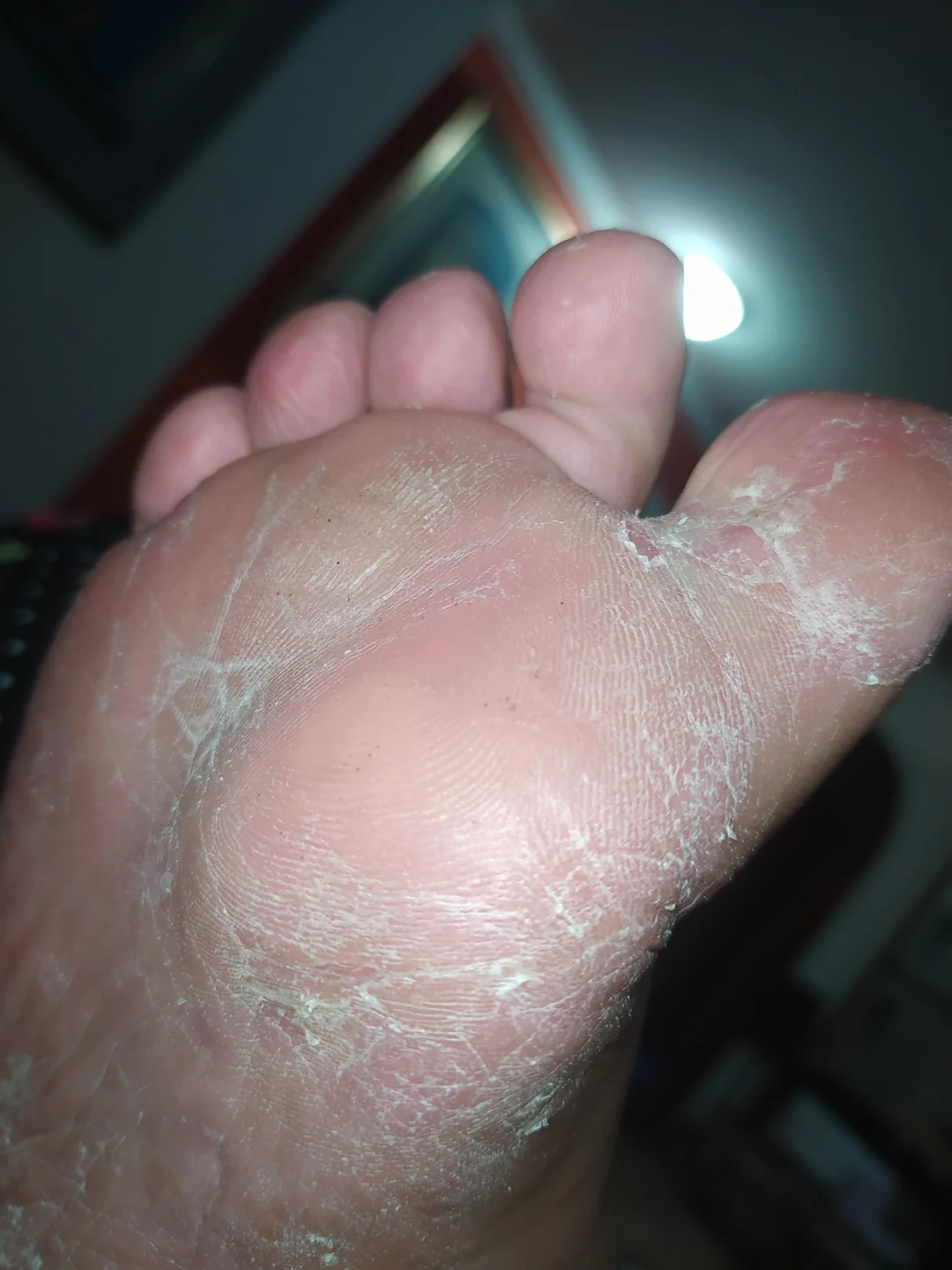
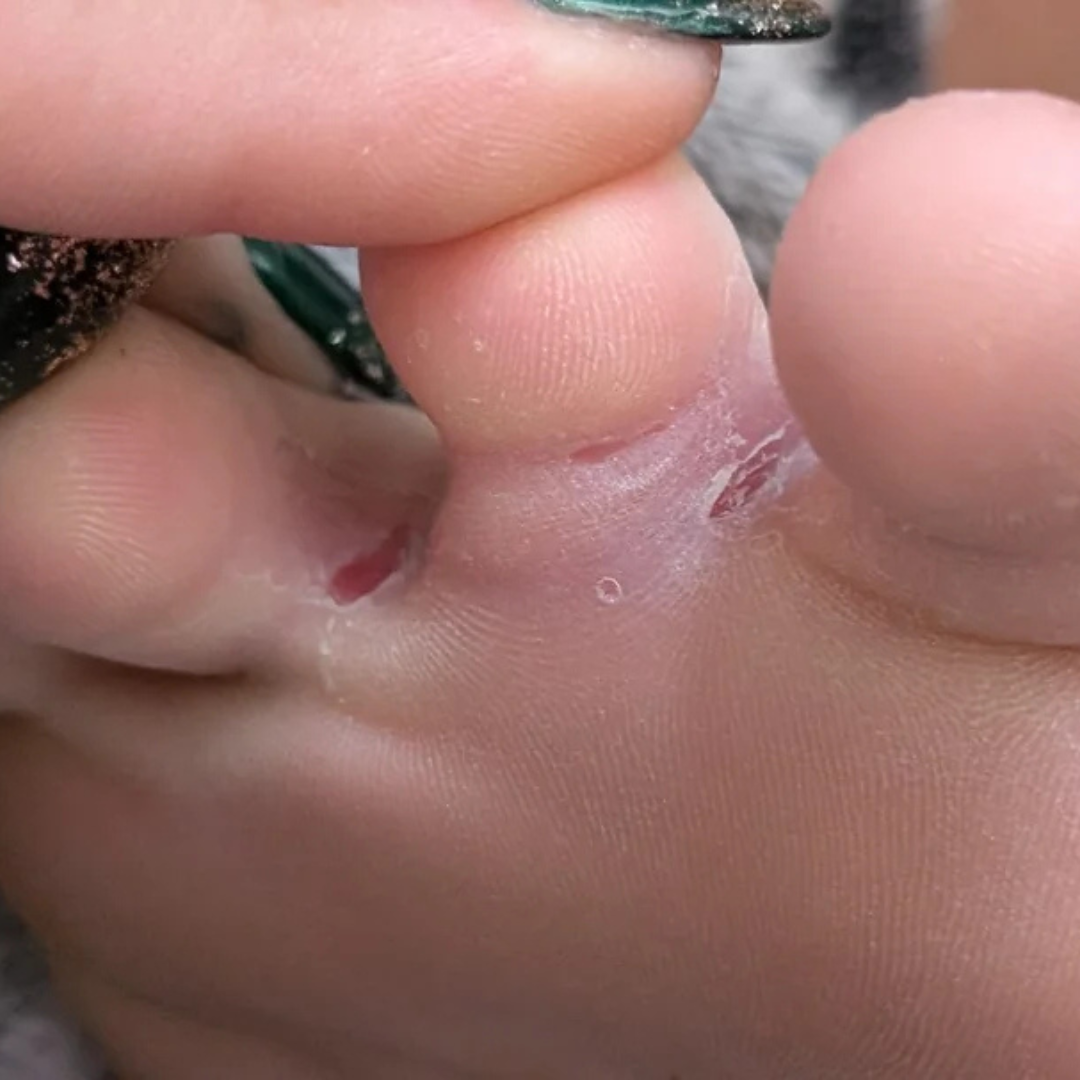
My doctor told me to come back after I'd finished breastfeeding. That was four months ago. I was sitting in the chair across from her my 3-month-old strapped to my chest in the carrier my 4-year-old drawing on the examination table paper. She looked at my notes and said: "The problem is we can't put you on the oral antifungals while you're nursing.” “It passes into the milk.” “The safest thing is to keep managing it with the cream and come back when you're done." Come back when you're done. I drove home and sat in the car for ten minutes before going inside. Because what she was really saying was: just live with it. For another year. Maybe longer. However long I breastfeed. Just keep using the cream that isn't working, keep sleeping in socks so you don't infect your own children, and come back when the baby is old enough. I'd been dealing with this since I was seven months pregnant. That's when it started — the itching between my toes, the peeling skin, the faint smell I was terrified my husband would notice. My immune system was already running on empty, I was on my feet all day, and suddenly the skin between my third and fourth toe started cracking and wouldn't stop. I told myself it would go away after the birth. Everything would reset. My body would go back to normal. It didn't. Mia was born in March. By April I was applying Canesten every morning and every night like clockwork. By May I had tried the antifungal spray. By June I had soaked my feet in a Listerine and vinegar mixture I'd read about on Reddit — propping one foot up on the bath edge while a newborn screamed in the next room and by July I was back to the Canesten because nothing else had worked either. My husband knew. He didn't say much. He'd occasionally see me pull on socks before getting into bed and look at me with that expression — not pity exactly, more like helplessness. Which is exactly what I felt. The socks became a ritual. Every night. Without exception. Because here's what nobody tells you about having a fungal infection when you have small children: The anxiety is constant and it never turns off. Mia crawls on the bathroom floor I walk on. She puts her hands on everything. My 4-year-old, Ella, climbs into our bed at 2am at least twice a week — and when she does, I'm lying there in the dark thinking about the fungus under my feet. Thinking about what I've read. I had gone down the rabbit hole one night when Mia wouldn't sleep. Sitting in the nursing chair at 3am, one hand holding the baby, the other scrolling. Trichophyton rubrum — the fungus responsible for most athlete's foot cases — can survive on surfaces for months. It spreads through direct skin contact. It can spread to other parts of the body. Left untreated or undertreated, it can develop into more serious skin infections. In people with compromised immunity — newborns, for example — it can be harder to fight. I closed my phone. I didn't sleep. The next morning Ella came padding into the bathroom while I was showering and sat on the mat and I thought: she is sitting exactly where I stand. Barefoot. Every single day. That was the moment I made the doctor's appointment. Dr. Andersen had been my GP for three years. She's thorough, she's kind, and she genuinely tried to help. She examined my feet, confirmed it was athlete's foot. A persistent fungus infection, possibly spreading to the nail edge on my right foot — and pulled up the prescription options. Terbinafine. Oral tablets. Six to twelve weeks. The most used treatment for persistent cases. "The problem," she said, "is that terbinafine passes into breast milk.” “We don't have enough safety data on infants. I can't prescribe this while you're nursing." She prescribed another topical cream. Stronger than Canesten. Econazole. Apply twice daily to clean, dry skin. "And if that doesn't work?" I asked. She looked at me with genuine sympathy. "Come back when you've finished breastfeeding. Then we can look at the oral option." I used the econazole for six weeks. Twice daily, without missing a single application. Clean skin. Dry skin. Exactly as directed. Week two — slightly less itching. I let myself feel something close to hope. Week three — the itching was back. Worse, if anything. Like it had regrouped. Week six — I sat on the edge of the bath and looked at my feet and felt nothing. Not anger. Just nothing. The particular flatness of someone who has been here too many times. I'd tried the antifungal cream. I'd tried the spray. I'd tried the home remedies. I'd tried the prescription cream. None of it worked. None of it had ever worked for more than two or three weeks before the itch came back and the skin started peeling again. I genuinely believed I was going to be dealing with this until Mia was old enough to wean. Another year. Possibly longer. Sometime around month seven of all this I had posted a comment on a TikTok video — one of those dermatologist explainer videos about athlete's foot. I'd written something like: "7 months pregnant when I got this, baby is now 4 months old, tried everything, can't take the oral medication while breastfeeding, doctor says just wait. Does anyone actually have an answer?" I forgot I'd written it. About two months later I got a notification. Someone had replied. I almost didn't open it. I assumed it would be another suggestion to try apple cider vinegar. It wasn't. The reply was from a woman — her profile showed two small children, which made me read more carefully. She'd written something long. I'll summarise what she said. She'd had the same experience. Years of antifungal creams, some prescription-strength, none of them lasting. She'd eventually done a lot of reading and found something that reframed the whole problem for her. The reason standard antifungal treatments like creams, sprays, even many prescription topicals fail for persistent cases isn't because the fungus is particularly aggressive. It's because of two things working together that most old treatments are never designed to address. The first is the biofilm. The fungus doesn't just grow on the surface of your skin. Once it's established, it builds a microscopic protective structure around itself — a biofilm made of proteins and DNA — that acts as a physical shield. Antifungal creams hit the surface of that shield. They kill the exposed cells on the outer edge. The colony inside survives, and the survivors rebuild. This is why it always comes back. Not bad luck. Not reinfection. The core of the colony never died. The second reason is resistance. Most OTC antifungal products and prescription target the same pathway in the fungal cell: ergosterol synthesis. After decades of widespread use, a large proportion of the fungus strains causing athlete's foot today have developed resistance to exactly that pathway. The same mechanism terbinafine uses. The same mechanism Canesten uses. The fungus has simply learned to protect what those drugs target. This is why you can apply the cream correctly, for the full recommended time, and still watch it come back. You're using a key that no longer fits the lock. She had found a product. Veloma She said it addressed both problems. To my surprise it was a soap, not a cream. Used during the shower, not after. It uses 3 active compounds. Terpinen-4-ol from tea tree oil at clinical concentration sulfur spring extract and lauric acid. They attack the fungal cell through a completely different way. Not the standard pathway. The cell membrane directly. The resistant strains have no defence against it because they evolved resistance to a completely different attack. And because it's a soap used in hot water, the delivery works differently too. Hot water opens the outer layer of skin. Softens it, makes it permeable. The five minutes you spend lathering in the shower is the one window in the day when active ingredients can actually penetrate to the depth where the fungus lives. Every cream you apply to dry skin after the shower hits skin that is already closing back up. The active ingredients sit on the surface. The fungus sits below it. They never actually meet. She finished with: "They also offer a 30-day guarantee so I knew I didn't risk anything. It took me three weeks. I know that sounds too simple after everything you've been through. But the reason nothing else worked is a real reason. This is the first thing I've used that addresses it." I read it three times. Then I looked up Veloma. I want to be honest about what I felt: Deep, earned, completely reasonable skepticism. I had felt hope before with other products. I knew what that cost me. I read the ingredient list carefully. Terpinen-4-ol, sulfur spring extract, lauric acid, ceramide, witch hazel. I read about the biofilm mechanism. I read about the resistance issue with standard antifungals. It aligned with exactly what the woman in the comment had described. It aligned with patterns in my own experience I had never had a language for. Why the cream worked for ten days and then stopped. Why the prescription hadn't been different from the OTC. Why starting a new product always felt like ground zero. I ordered it. Fully expecting it to be another false start. Week one. I used it every morning. Lathered between my toes, left it for the instructed time, rinsed. Got out. Dried obsessively as usual. Put my socks on. Nothing remarkable. Slight reduction in the overnight itching, maybe. Could have been my imagination. Week two. The flaking in the shower drain, something I had stopped noticing because it had been constant for so long was noticeably less. I checked my toes. The skin between them was still rough but the redness was reduced. I told myself not to invest in this yet. Week three. I woke up on a Tuesday and realised I hadn't been woken by the itching the night before. Not once. I lay still for a moment trying to remember if I'd scratched in the night without fully waking. I didn't think I had. I checked my feet. The skin between my toes was smooth. Not improving. Smooth. The kind of smooth I associate with skin that doesn't have something living in it. I sat on the edge of the bed for a moment. Week four. I went back to Dr. Andersen for an unrelated appointment. She asked how the econazole had been going. I told her I'd stopped it and tried something else. She examined my feet. She looked up. "This has cleared significantly." "Yes," I said. "What did you use?" I told her about Veloma. She typed the name into her computer and read for a moment. She looked at my feet again. "Continue what you're doing. We'll monitor it. If this holds, we won't need to revisit the oral medication." I drove home. I picked Mia up from the living room floor where she'd been crawling my husband had her — and held her against my chest and just stood there for a moment. That was 8 weeks ago. The infection hasn't returned. Last Thursday Ella climbed into our bed at 2am like she always does. She curled up next to me, pushed her cold feet against my legs, and went back to sleep immediately the way only children can. I didn't pull away. I didn't lie there calculating risk. I just pulled the duvet up over both of us. For the first time in almost a year, I didn't put my socks on before getting into bed. —--- If you're reading this and you're in the same position I was. Dealing with something that won't clear, trying product after product, being told to wait, feeling trapped here's what I want you to know. The reason it's not going away is a real reason. Not bad luck. Not your hygiene. Not because you're applying the cream wrong. The biofilm is real. The resistance issue is real. Standard antifungal treatments, even prescription-strength ones, were not designed to address either of these things. They target a pathway the fungus has learned to protect. They sit on top of skin that's already closed. The core of the colony survives every single time. You are not failing to treat this correctly. You are treating it correctly with products that were never going to work. What made Veloma different — as simply as I can say it: It destroys the shield protecting the fungus. The whole thing. No shield means no survivors. No survivors means nothing to rebuild from. Veloma's active compounds attack the cell membrane directly. A completely different door the fungus has no resistance to. Every cream you've applied to dry skin after your shower has never fully reached where the fungus actually lives. Veloma delivers treatment at the right moment. Applied during the shower, not after. They also offer a 30-day money back guarantee so I wasn’t risking anything giving them a try. The doctor told me to come back after I'd finished breastfeeding. I went back sooner. My feet are clear. My children sleep next to me. The socks stay in the drawer. — Sarah —-- P.S. — It started working within two weeks for me. Three weeks to fully clear. I know that sounds too easy after everything. There's a reason nothing else worked. There's a reason this did. P.P.S. — The oral terbinafine I was being held back from? It targets the exact pathway most of today's Trichophyton strains are resistant to anyway. I would have taken it, waited twelve weeks, damaged my liver function, and ended up back where I started. I don't know whether to find that funny or not. Stop feeling cornered. Start getting results. Order now.
Support And Protect Foot Health Every Day
The First Naturopath-Formulated Antifungal Soap Designed to Break Athlete's Foot for Good. 6 Years of Research in One Bar.Proven formula so you don’t waste years guessing Breaks the Biofilm Shield.Finally kills the fungus that has been hiding for monthsTargets Fungus at the Root.Goes deeper than...
LEARN MORELike this ad? Make it yours.
Crush rebuilds this exact creative around your product — your brand, your colors, your offer — in about a minute.