
Inactive· since Dec 24, 2025
- 108
- days it ran
- 0
- relaunches
Ad copy
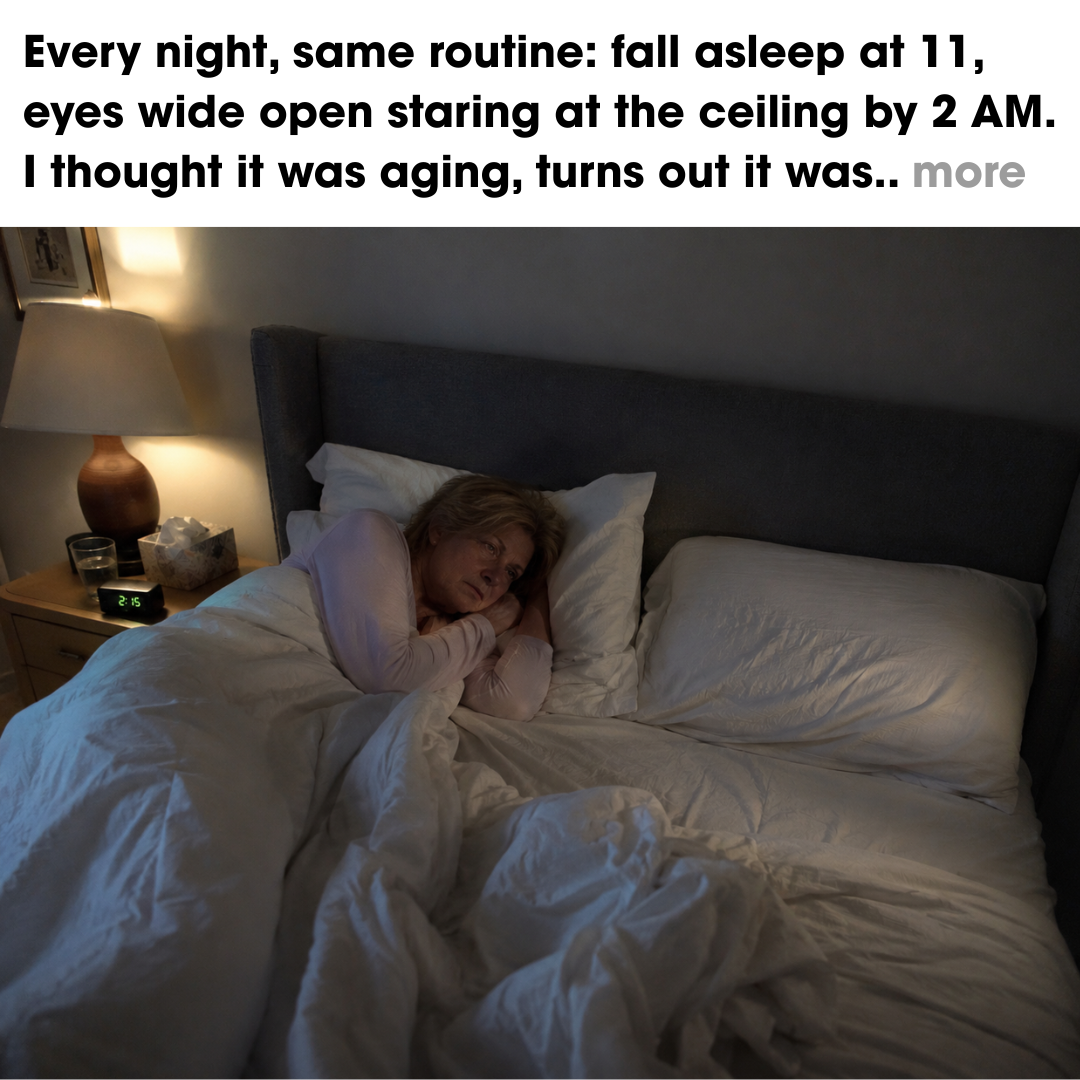
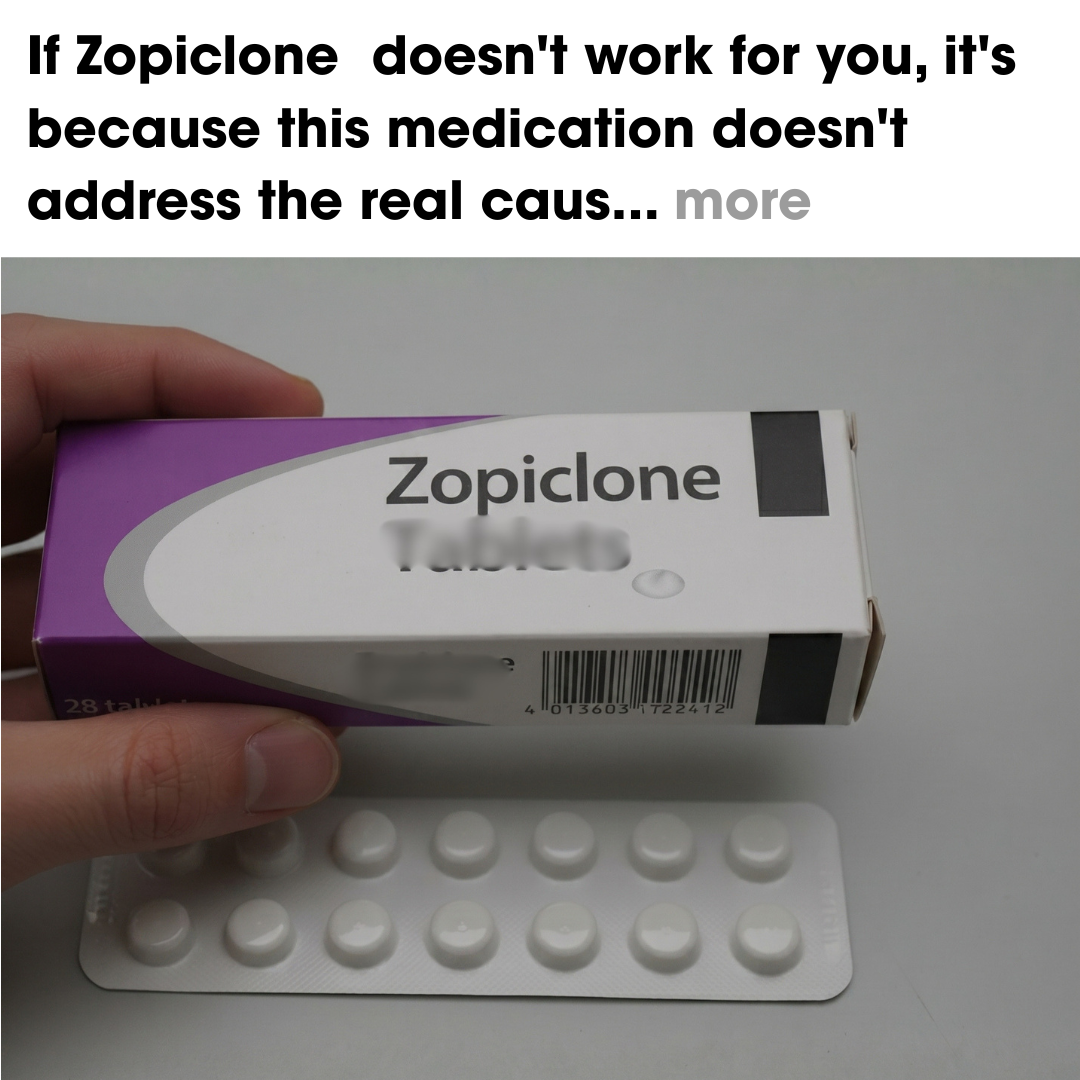
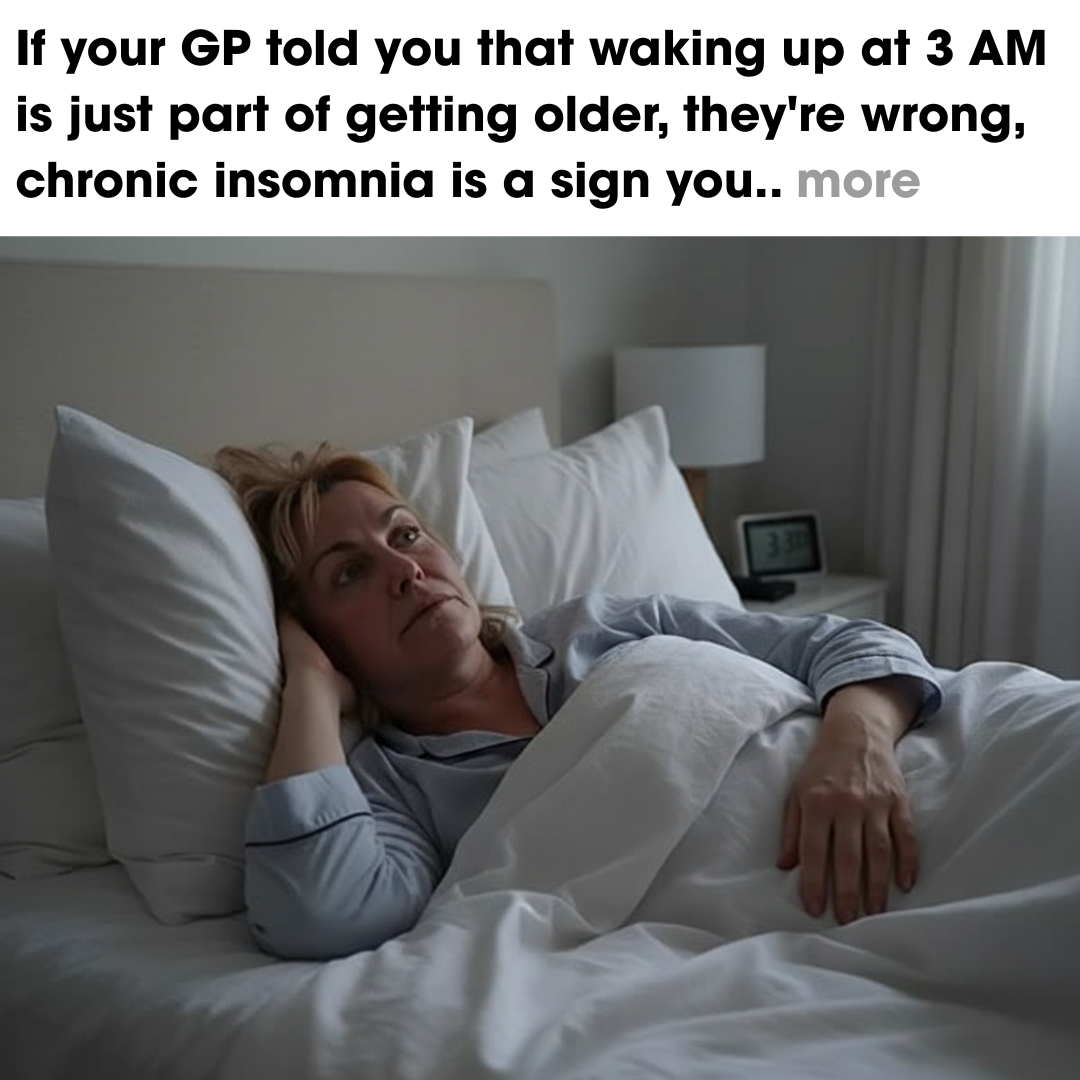
I was lying in bed at 2:47 AM, drenched in sweat from another night sweat, when I realized something that made me want to scream: my HRT was working perfectly for everything except the one thing that was actually ruining my life. The hot flashes? Gone, or at least reduced by seventy percent. The mood swings? Manageable. The brain fog during the day? Much better. My hormone levels, according to my GP's blood tests, looked "absolutely fine for a woman your age." So why was I still waking up every single night at 2:30 AM with my heart racing and my mind spinning through every worry, every conversation I needed to have, every problem that didn't need solving at 2:47 in the morning? My name is Kate. I'm 53 years old, and eighteen months ago when perimenopause hit me like a freight train, I did what millions of women do: I went to my GP, got prescribed HRT, and waited for my life to go back to normal. And in many ways, it did go back to normal. The daytime hot flashes that had me stripping off my cardigan in meetings became rare. The irritability that had me snapping at my husband over nothing evened out. The joint aches eased. My energy improved during the day. But my sleep, the thing that was actually destroying my quality of life, got worse. Not better. Worse. Before HRT, I was having trouble falling asleep and waking up once or twice during the night. Annoying, but manageable. After six months on HRT, I was waking up every single night between 2 and 3 AM, wide awake with my mind racing, unable to fall back asleep for hours. I went back to my GP thinking maybe my dose needed adjusting. She increased my estrogen patch. Then three months later added progesterone cream. Then adjusted the timing of when I applied everything. My daytime symptoms stayed under control, but my sleep got no better. On my fourth visit, I sat in her office trying not to cry and said: "The HRT is working for everything except sleep. I'm exhausted. I can't focus during the day. I feel like I'm losing my mind." She looked at her computer screen, typed some notes, and said something that made me realize she had no idea what was actually happening: "Sleep disturbances are very common during menopause, Kate. The HRT should help eventually. Let's give it more time. In the meantime, I can prescribe Zopiclone to help you get through this rough patch." I left with a prescription for sleeping pills, feeling like I'd failed somehow. Like my body was broken in a way that even hormone replacement couldn't fix. The Zopiclone worked for nine days. Nine beautiful nights of sleeping through until morning. Then my body adapted and I was back to the 2:30 AM wake-up, but now with a metallic taste in my mouth and a growing anxiety about becoming dependent on medication that wasn't even working anymore. I tried everything else the internet and my well-meaning friends suggested. Melatonin that worked for a week then stopped. Magnesium supplements that gave me an upset stomach. Chamomile tea that just had me up peeing every hour. My husband, trying to be supportive, started saying things like: "Maybe it's just going to take time. Maybe your body needs to adjust to the HRT.” My friends over coffee would nod sympathetically and say: "I was the same during menopause. You just have to push through it." But I refused to accept that. I refused to believe that the solution to menopause was to fix my hot flashes but accept that exhaustion and broken sleep were just my new normal for the next twenty years. So at 3 AM one Tuesday night, exhausted and desperate, I started researching. Not just "menopause and sleep" articles that all said the same things I'd already tried, but actual medical research about what happens to sleep during menopause and why HRT helps some symptoms but not others. That's when I found a research paper that changed everything. It explained that menopause sleep disruption has three components, not one. The first is hormones, obviously, which is what HRT addresses. The second is sleep architecture, your body's natural sleep cycles, which is what melatonin and sleeping pills try to target. But the third component, the one nobody had explained to me, is nervous system dysregulation. During menopause, when progesterone drops, your nervous system loses its primary calming signal. Even when you're exhausted, even when your hormone levels look fine on paper, even when you're lying in bed doing everything right, your nervous system is still in alert mode. That's why HRT alone wasn't fixing my sleep. It was replacing my hormones, which helped my hot flashes, but it wasn't calming my hypervigilant nervous system. And sleeping pills weren't fixing it either because they were just forcing sedation while my alert system continued running underneath. When the medication wore off at 2:30 AM, my nervous system snapped back to high alert and that was my wake-up. For the first time in eighteen months, I understood what was actually happening. And more importantly, I understood why everything I'd tried had failed. I started searching for solutions that addressed nervous system regulation, not just hormone replacement or sedation. That's when I discovered research on transdermal delivery systems for botanical compounds. The concept made perfect sense: pills hit your system all at once, spike for two or three hours, then crash. That's your 2 AM wake-up. But transdermal delivery, slowly releasing compounds through your skin, provides steady calming signals over a full eight hours. I found Vitalisys Sleep Patches, which use four botanicals: Lavender, hops, jasmine and cedrus extract, that work on nervous system regulation rather than forcing sedation. When they arrived, I applied the first patch to my shoulder at 10:30 PM with absolutely zero expectations. I'd been disappointed so many times by that point. The first few nights, nothing dramatic happened. I still woke up at 2:30 AM. But something felt different. The panic response when I woke wasn't as intense. My mind wasn't immediately spiraling. The frantic edge was softer. By the end of week one, I was falling back asleep faster after wake-ups. By week two, I had my first night of sleeping through completely since menopause started. By week three, most nights I was getting seven hours with maybe one brief wake-up that I could recover from. It's been four months now. I still take my HRT because it's managing my hot flashes beautifully, which is exactly what it's supposed to do. But I finally understand that HRT was never going to fix my sleep because it wasn't addressing the stuck nervous system underneath. I reduced my Zopiclone gradually under my GP's supervision and stopped it completely six weeks ago. My sleep is better now than it was before perimenopause started. Not because I found some miracle cure, but because I finally understood what the actual problem was and found something that addressed it. I'm sharing this because if you're lying awake at 2 AM right now, exhausted but unable to sleep, being told by doctors that this is just normal for menopause and you need to adjust your expectations, you need to know: you're not broken. Your body isn't failing you. Your nervous system is stuck, and that's a completely different problem than the one most doctors are treating. There's a full explanation of the three-piece menopause sleep puzzle and why most treatments only address two of them here. It's what I wish someone had told me eighteen months ago, and it might be exactly what you need to finally understand what's really happening and how to fix it.
Losing Yourself to Menopause Insomnia? Read this 👉
Struggling to sleep? Discover Vitalisys: natural sleep aids and patches designed to fight insomnia and help you wake up refreshed every morning.
LEARN MORELike this ad? Make it yours.
Crush rebuilds this exact creative around your product — your brand, your colors, your offer — in about a minute.