
Inactive· since Feb 26, 2026
- 14
- days it ran
- 5
- relaunches
Ad copy
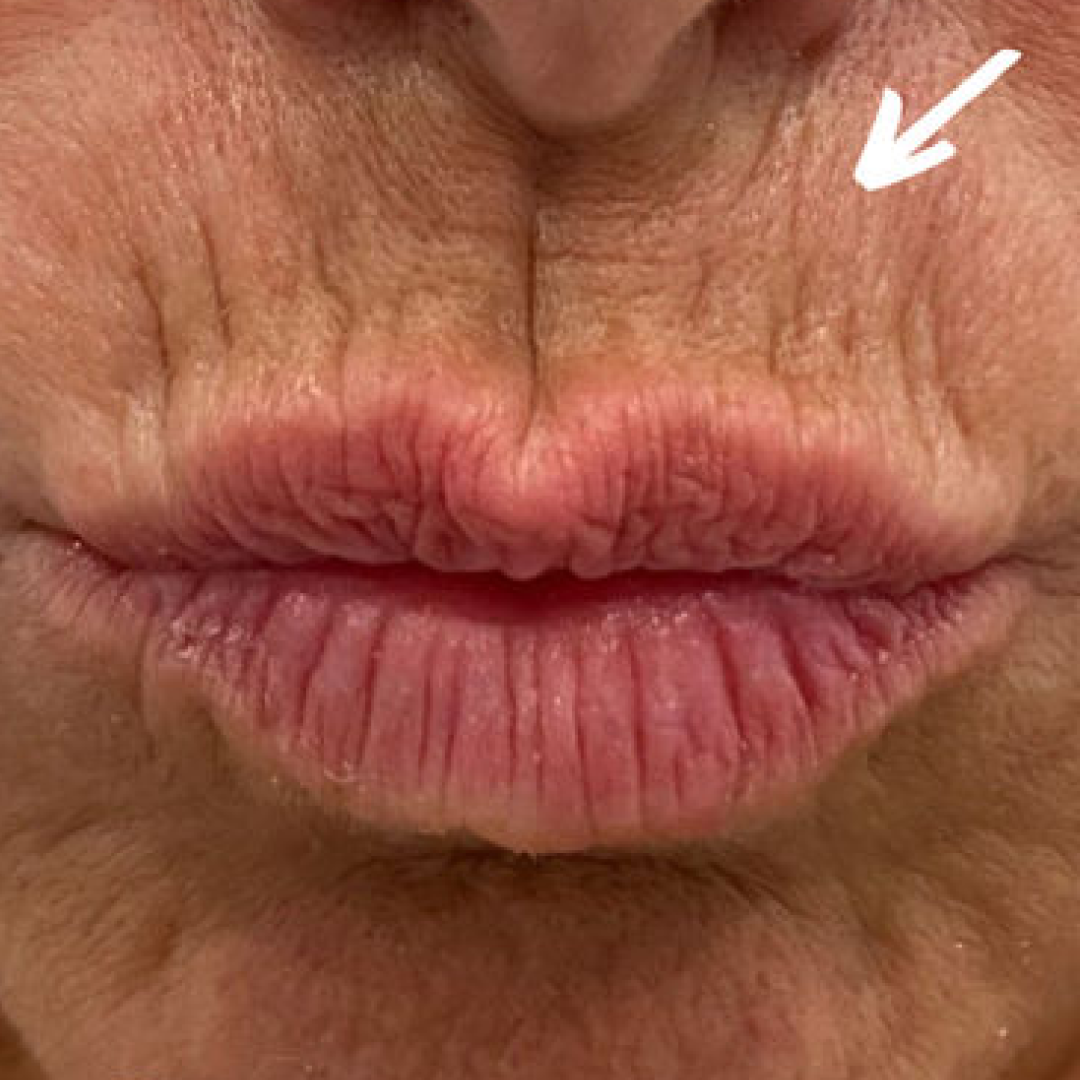
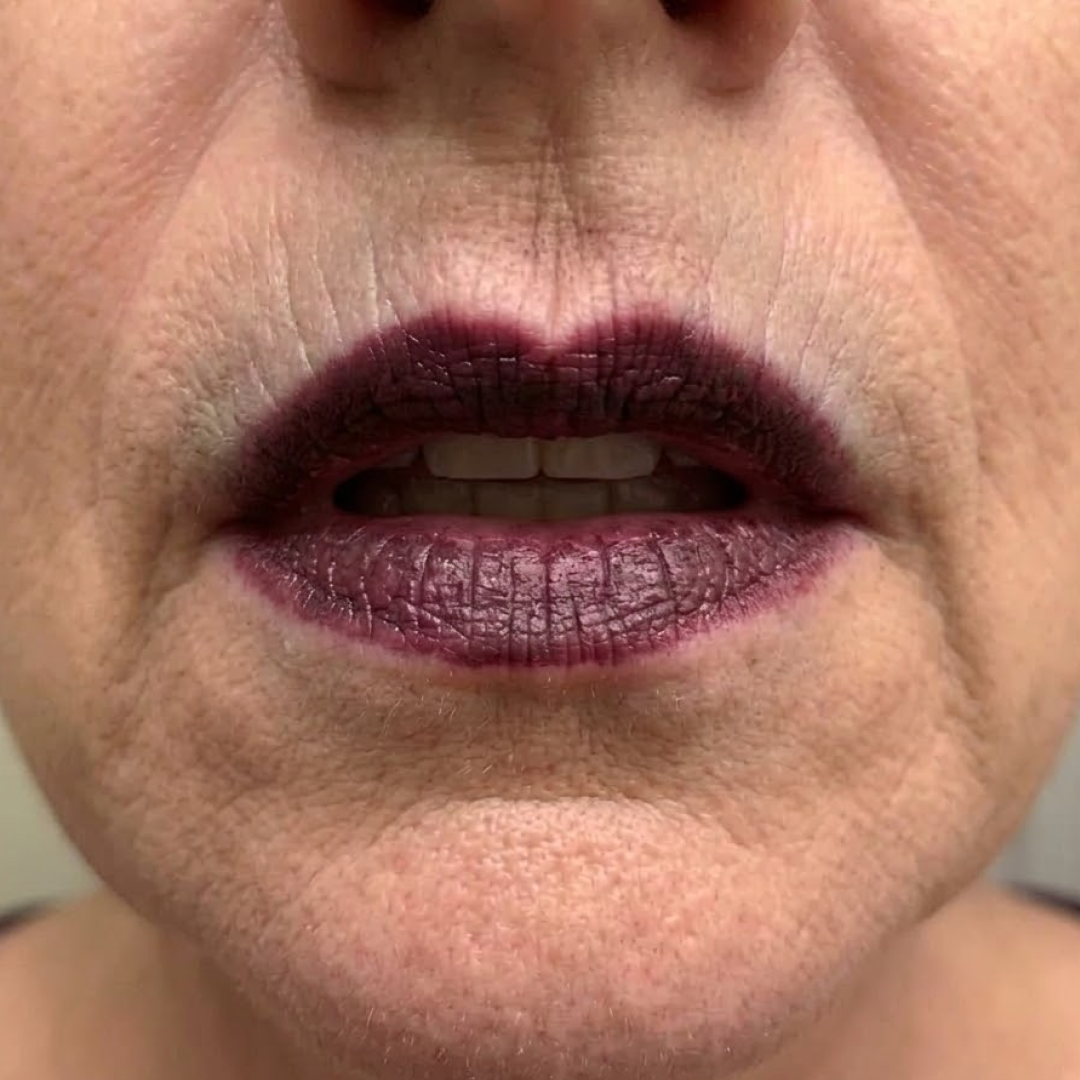
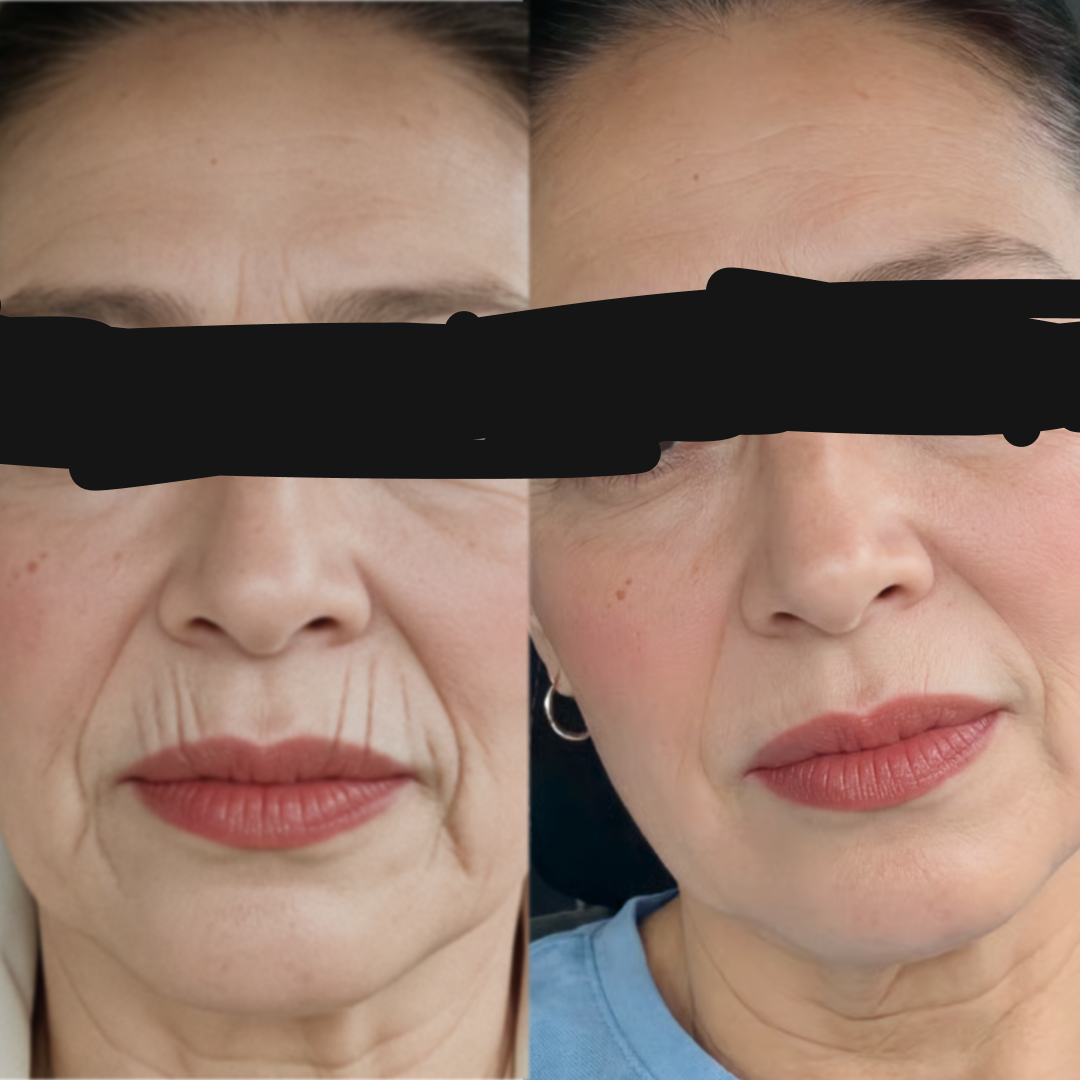
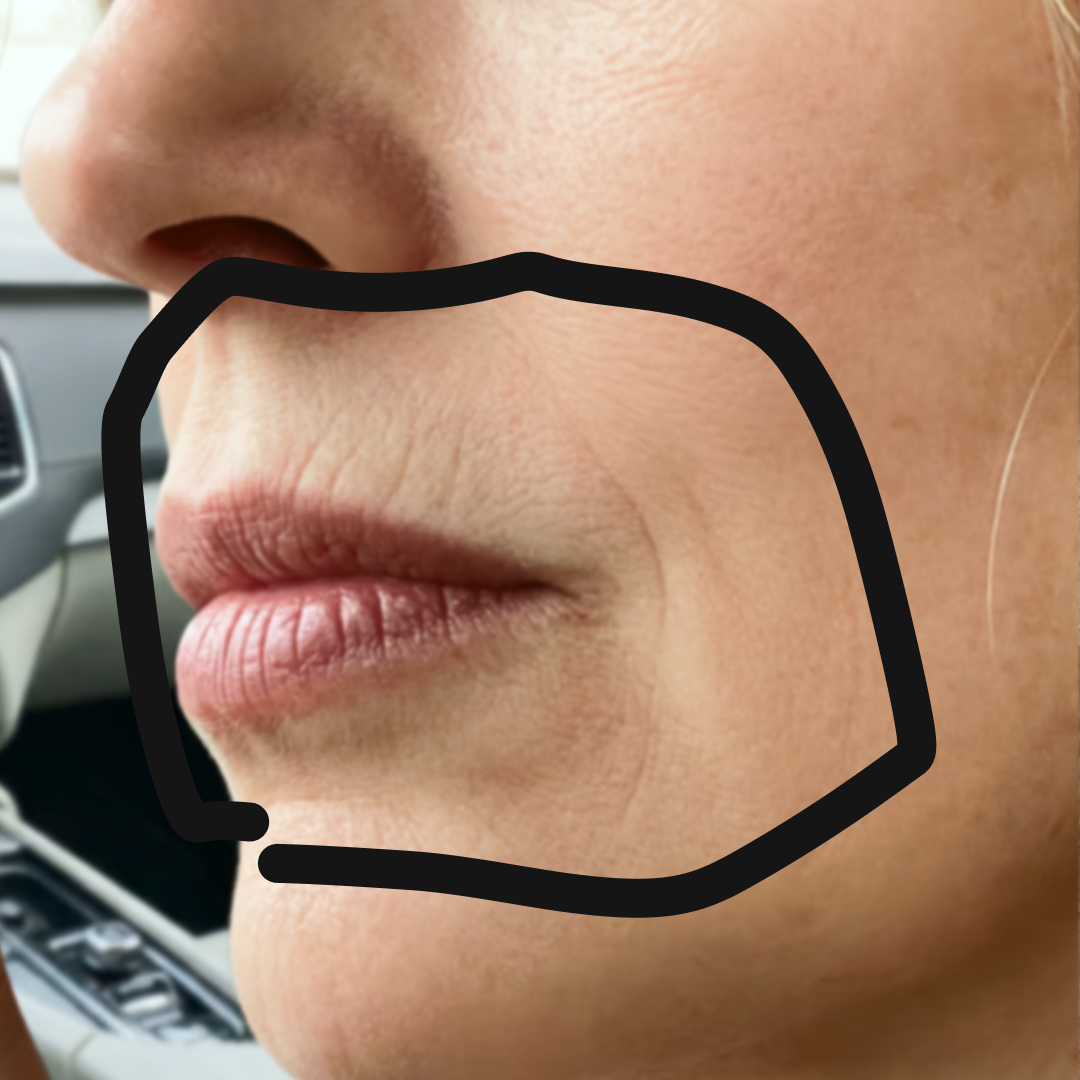
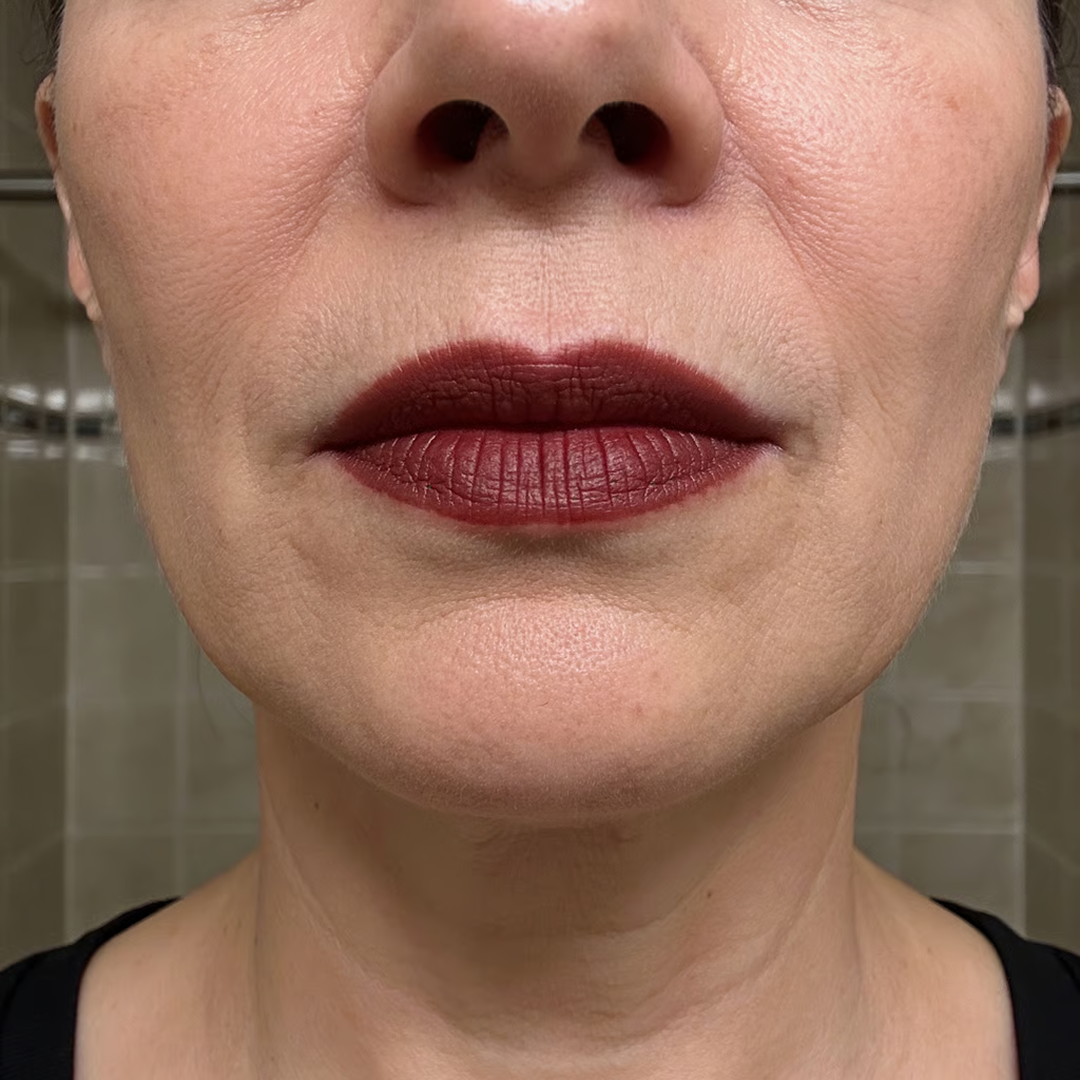
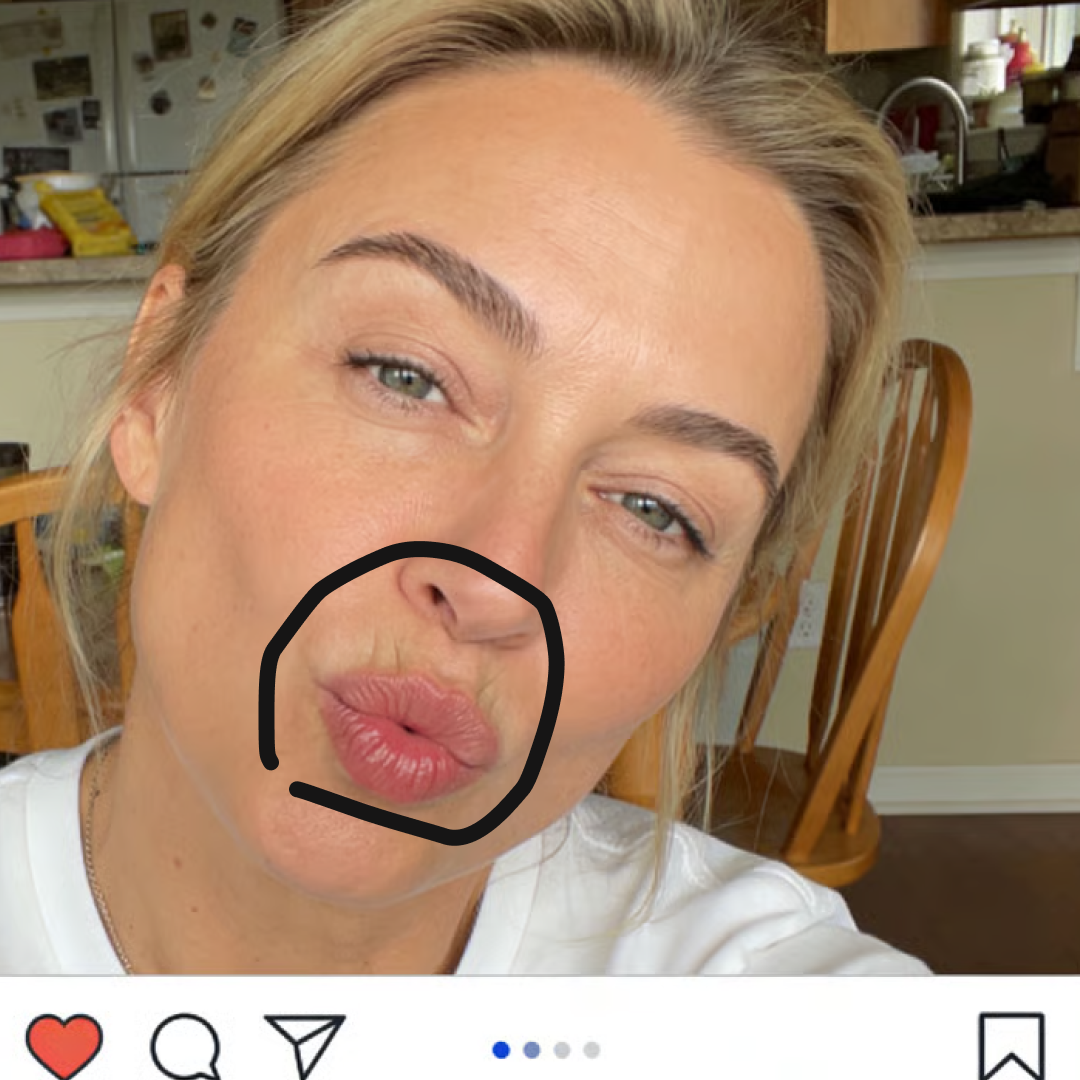
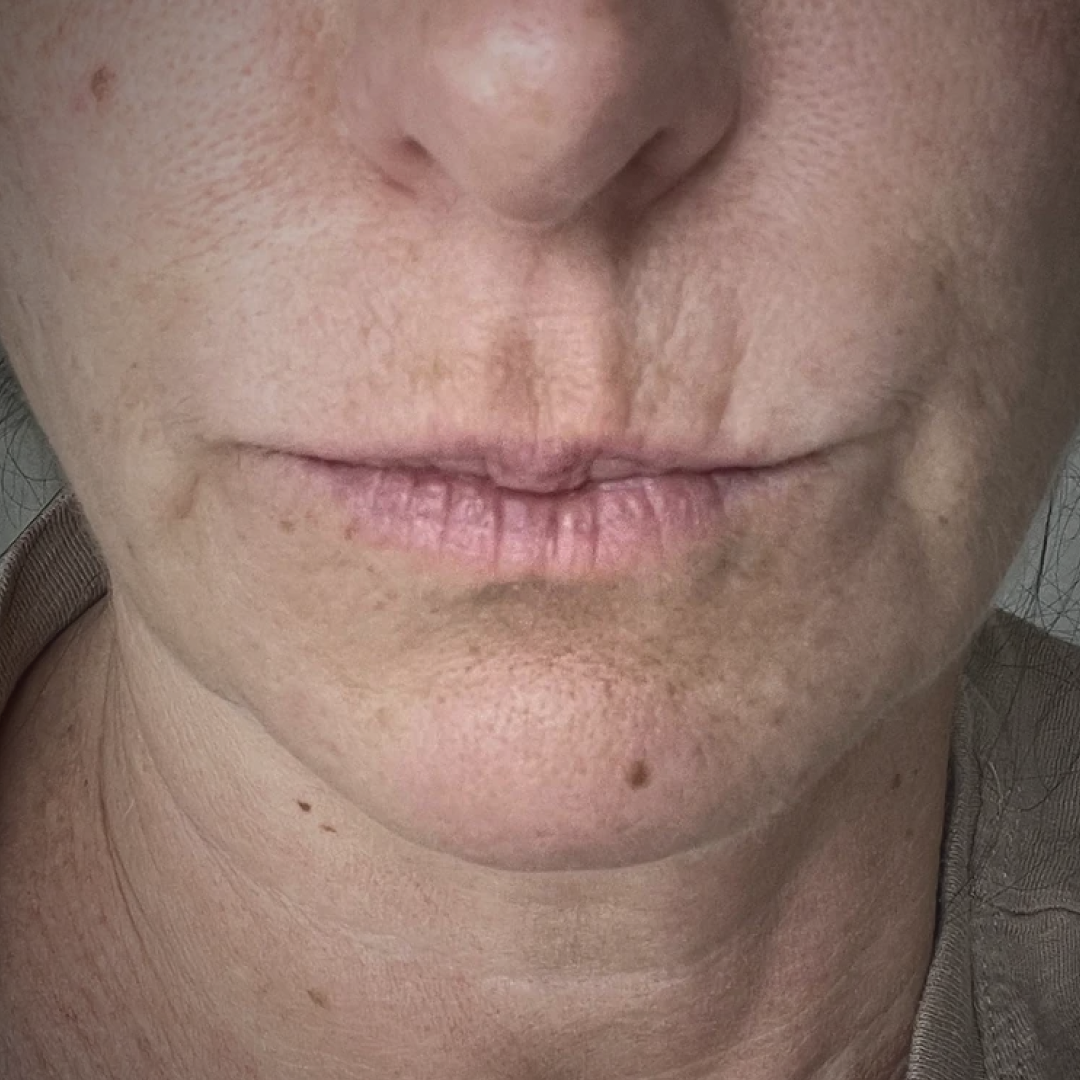
Here's a list of what I've tried for my smoker's lines without any improvement: 2 treatments of Ellacor at a plastic surgeon's office. 1 treatment of Moxi & BBL. 1 treatment of microneedling. Thousands of dollars. Hours in recovery. And the lines above my lip looked exactly the same. I was so self-conscious about them I didn't want to smile anymore. I stopped wearing lipstick because it bled into the grooves by the time I got to work. I stopped taking photos from certain angles. I stopped looking at my upper lip in the mirror altogether because every time I did, I saw lines that made me look like a lifelong smoker. I've never smoked a cigarette in my life. I was ready to get filler. I'd already booked the appointment. But my dermatologist stopped me. She said if I put filler in my smoker's lines, I'd end up with a shadow that looks like a mustache. Then she said something I wasn't expecting. "Most women are treating the wrong problem." I was confused. Weren't those vertical lip lines supposed to require injections? She smiled. "I'm 54. Look at my upper lip. Not a single needle." She pulled up her magnification lamp and pointed at my lip area. "Those lines aren't from lack of volume. They're from repetitive muscle movement on the thinnest, most delicate skin on your face. Only 0.8 millimeters thick, with zero oil glands. Your upper lip moves approximately 15,000 times a day. Every word you speak, every sip you take, every smile." She explained that fillers break down faster in this area than anywhere else on the face because of that constant movement. "Fillers clump the area, but they don't repair the actual damage underneath. Injecting that fragile tissue repeatedly can make it more brittle over time." Then she told me what most women don't know. Most injectors won't just fill the lines. They'll insist you also get Botox or a lip flip to relax the muscle movement. Otherwise the lines re-etch immediately. So you're not paying for one treatment. You're signing up for an annual subscription. Filler twice a year at $900 each. Botox every few months on top of that. And the lines keep coming back because nothing is actually repairing the skin. "But here's what nobody's telling you," she said. "The reason those serums and treatments failed isn't because the lines are permanent. It's because your skin cells have lost the instructions for how to repair themselves." She explained that after 40, the DNA inside your skin cells starts degrading. Every cell in your body carries a blueprint for how to rebuild tissue. When that blueprint gets corrupted, it doesn't matter how much collagen or retinol or vitamin C you apply. The cells receive the materials but don't know what to do with them. "Every serum you've tried has been delivering building materials to a construction crew that lost its blueprints. The retinol, the vitamin C, the peptides — they're all raw materials. But your cells can't use raw materials without instructions." She said the only thing that's shown real results for this kind of damage works at the DNA level. It's called PDRN — polydeoxyribonucleotide. In plain language: salmon DNA is 97% identical to human DNA. When applied to damaged skin, PDRN doesn't sit on the surface like a moisturizer. It delivers actual repair instructions back to the cells. Like handing a lost construction crew a fresh set of blueprints so they can start rebuilding the structure they forgot how to make. "This is what celebrities pay $500 a session for in Beverly Hills clinics. Injected. But now it comes in a mask that delivers the same repair molecules through the skin." She handed me a pink gel mask and told me to leave it on for two hours. Every mask I'd ever used dried out in twenty minutes. This one stayed wet the entire time. When I peeled it off, the mask that went on bright pink had turned almost completely clear. "That's not water evaporating," she said. "That's your skin absorbing the PDRN. The color change is the repair instructions transferring into your cells. You can see it happening." I went home skeptical. I'd spent thousands on treatments that promised results. A mask felt too simple. Week one, the skin above my lip felt different. Not just softer. Thicker. Like there was actual structure underneath where before there had been nothing but thin paper stretched over a muscle that never stops moving. Week three, the grooves that used to catch the light were shallower. Not gone. But noticeably shallower. Week five, my lipstick stayed where I put it. No bleeding into the lines. No tiny rivers running north from my lip. Just color that held. Week eight, my daughter tagged me in a photo and I didn't untag it. I stopped the retinol. My skin kept improving. I cancelled the peptide serum subscription. Still improving. I threw away the $180 vitamin C that had been oxidizing in my medicine cabinet. Still improving. Everything I'd been layering on for years — and every procedure I'd sat through — had been delivering materials to cells that couldn't use them. The PDRN gave them the instructions back. My dermatologist showed me photos of her other patients. Women in their 50s and 60s who never got filler. Just this mask, consistently. Their smoker's lines were visibly softer. The skin texture was smoother. No needles. No downtime. No annual subscription. The smoker's lines I thought were permanent are noticeably softer. When I smile in photos, I see smooth skin. Not barcode lines. If you've been told those lines require injections, or you've tried serums that did nothing, it's because nobody addressed what that thin skin actually needs. It doesn't need more volume pumped into it. It doesn't need another $180 serum designed for your 2-millimeter-thick cheeks. It needs the repair instructions your cells lost after 40. And every day you wait, those instructions degrade a little more. Every day, your cells copy from a more corrupted blueprint than the day before. The lines don't pause while you decide. They compound. The mask that went on pink and came off clear is how your skin gets its blueprints back. Don't sign up for the filler subscription. Try what dermatologists use on themselves — not what they're pressured to sell you. Try the Quasi Salmon PDRN Mask today.
Like this ad? Make it yours.
Crush rebuilds this exact creative around your product — your brand, your colors, your offer — in about a minute.