
Inactive· since Feb 26, 2026
- 14
- days it ran
- 5
- relaunches
Ad copy
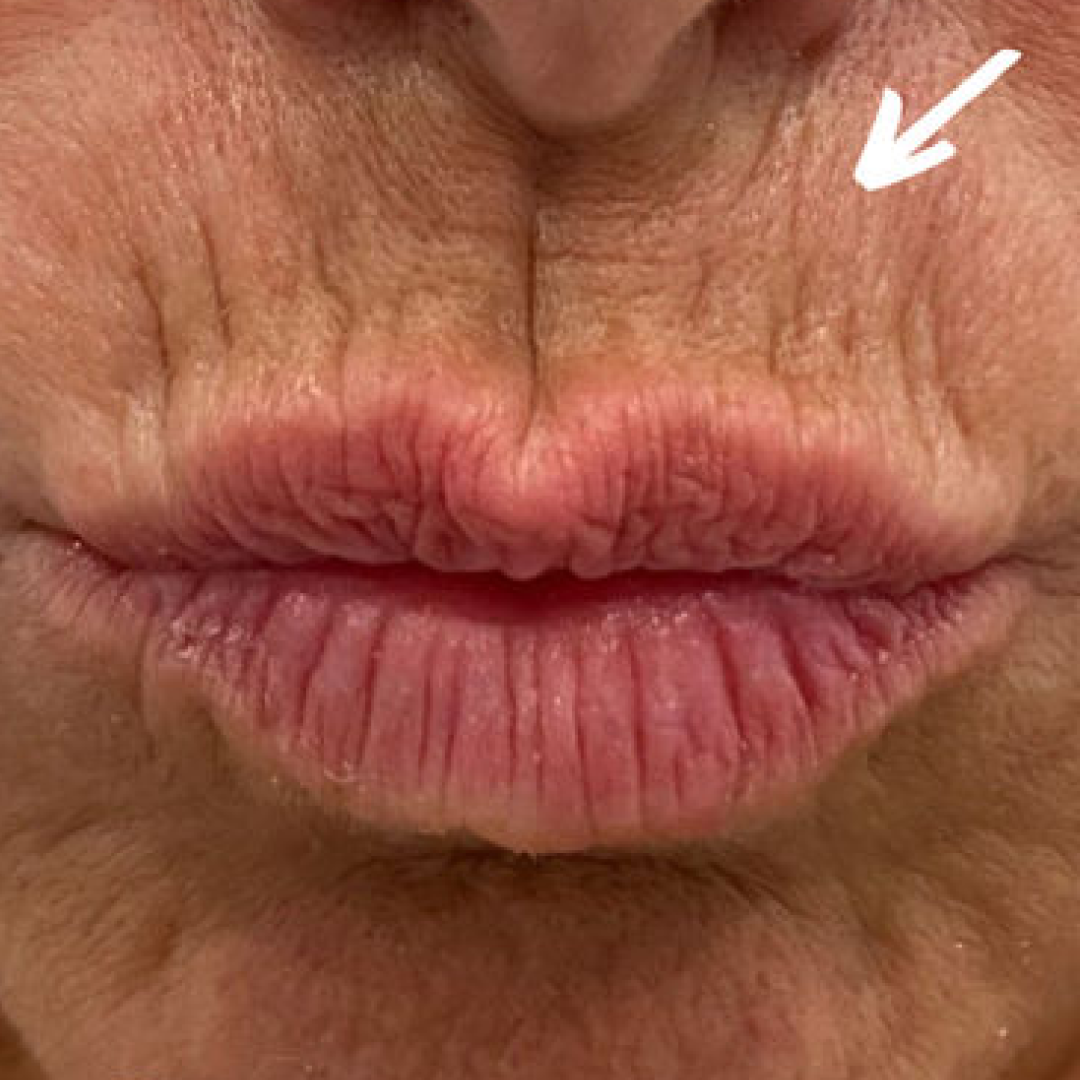
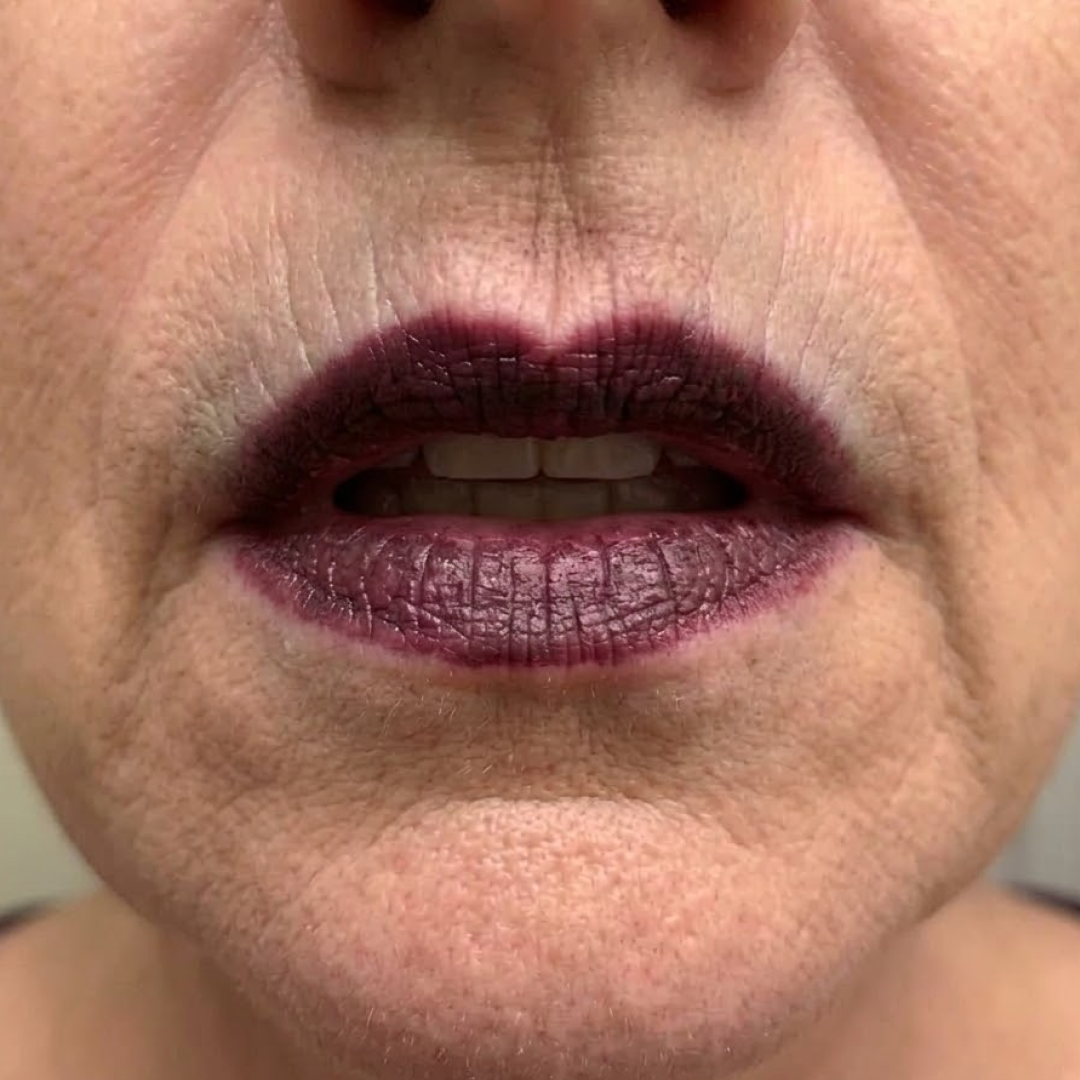
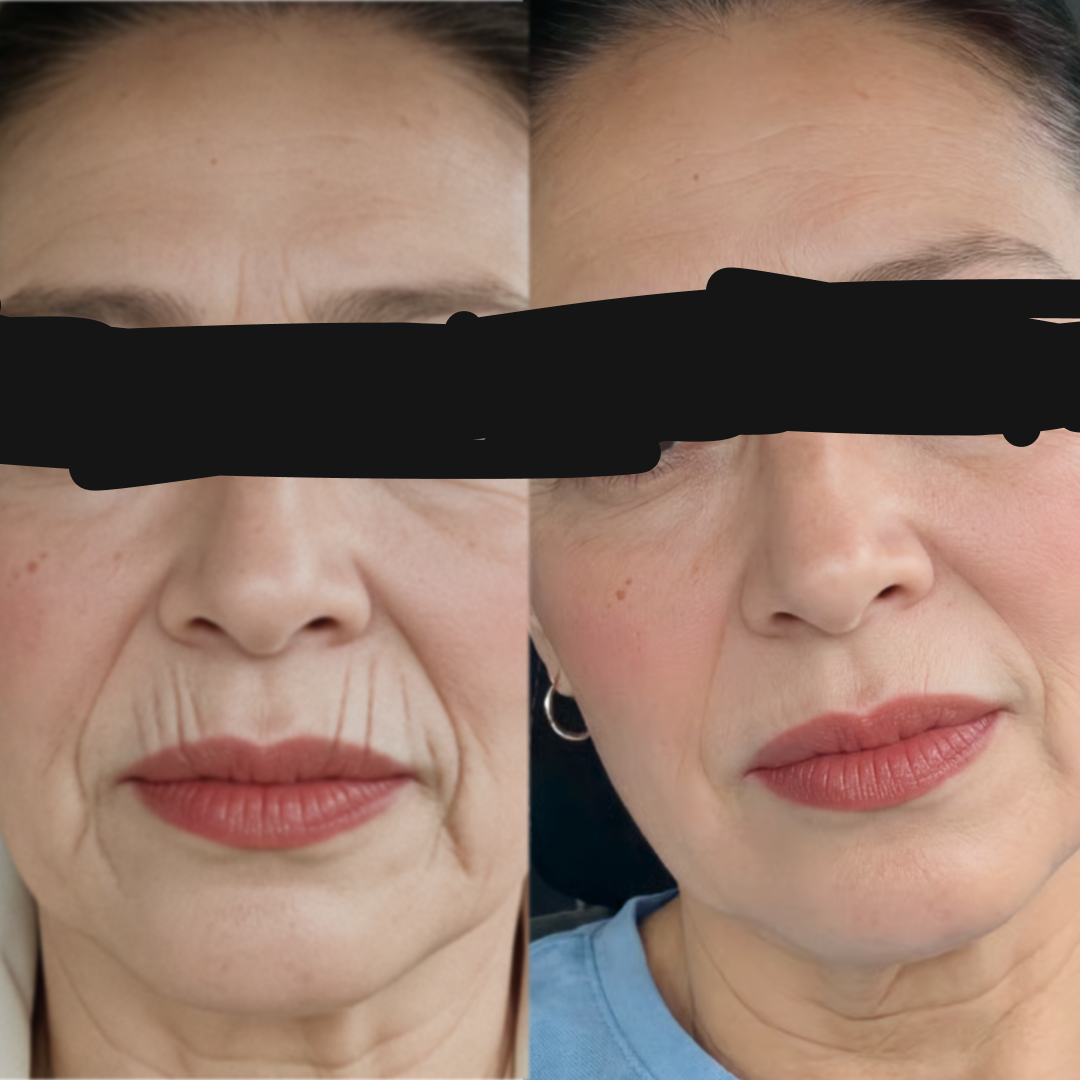
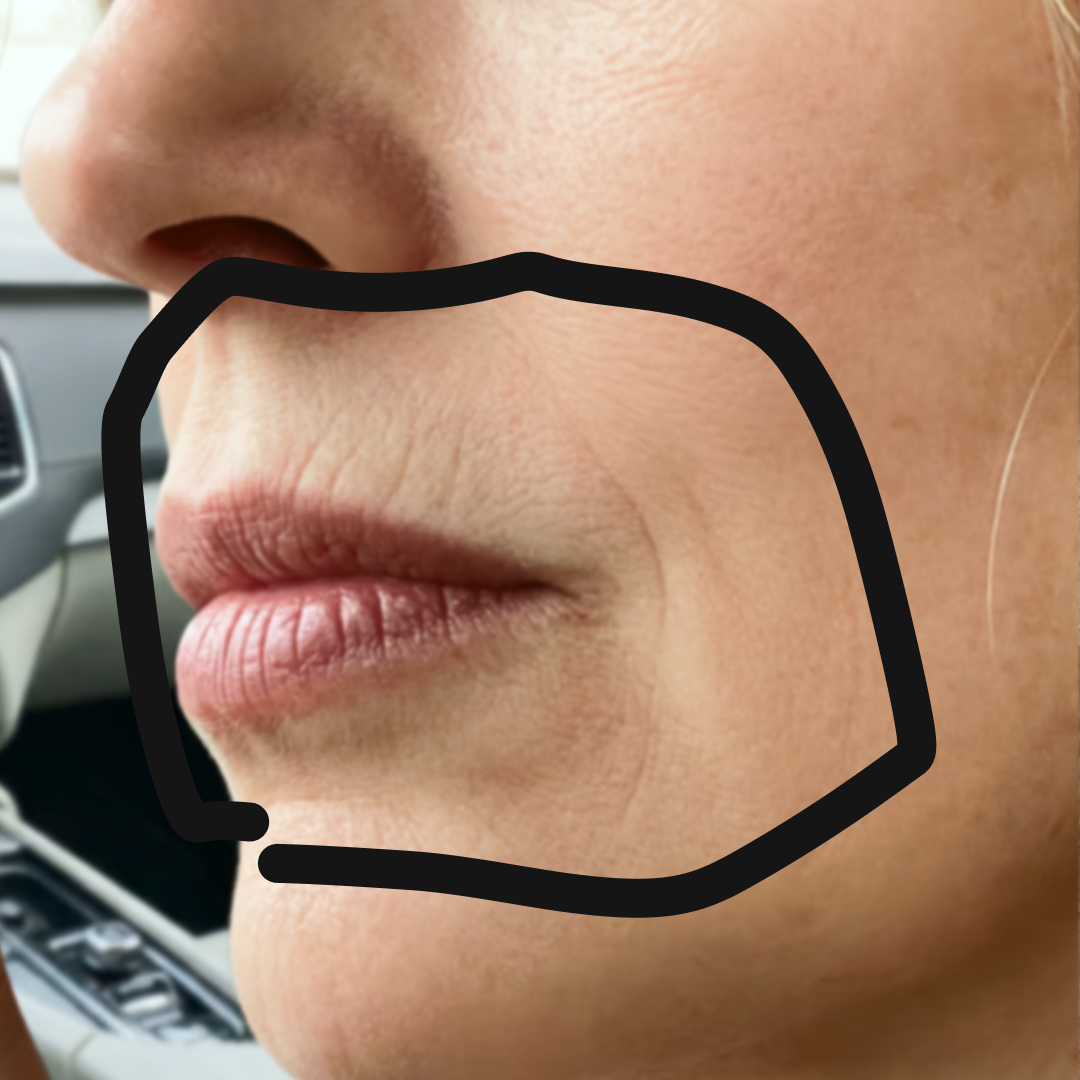
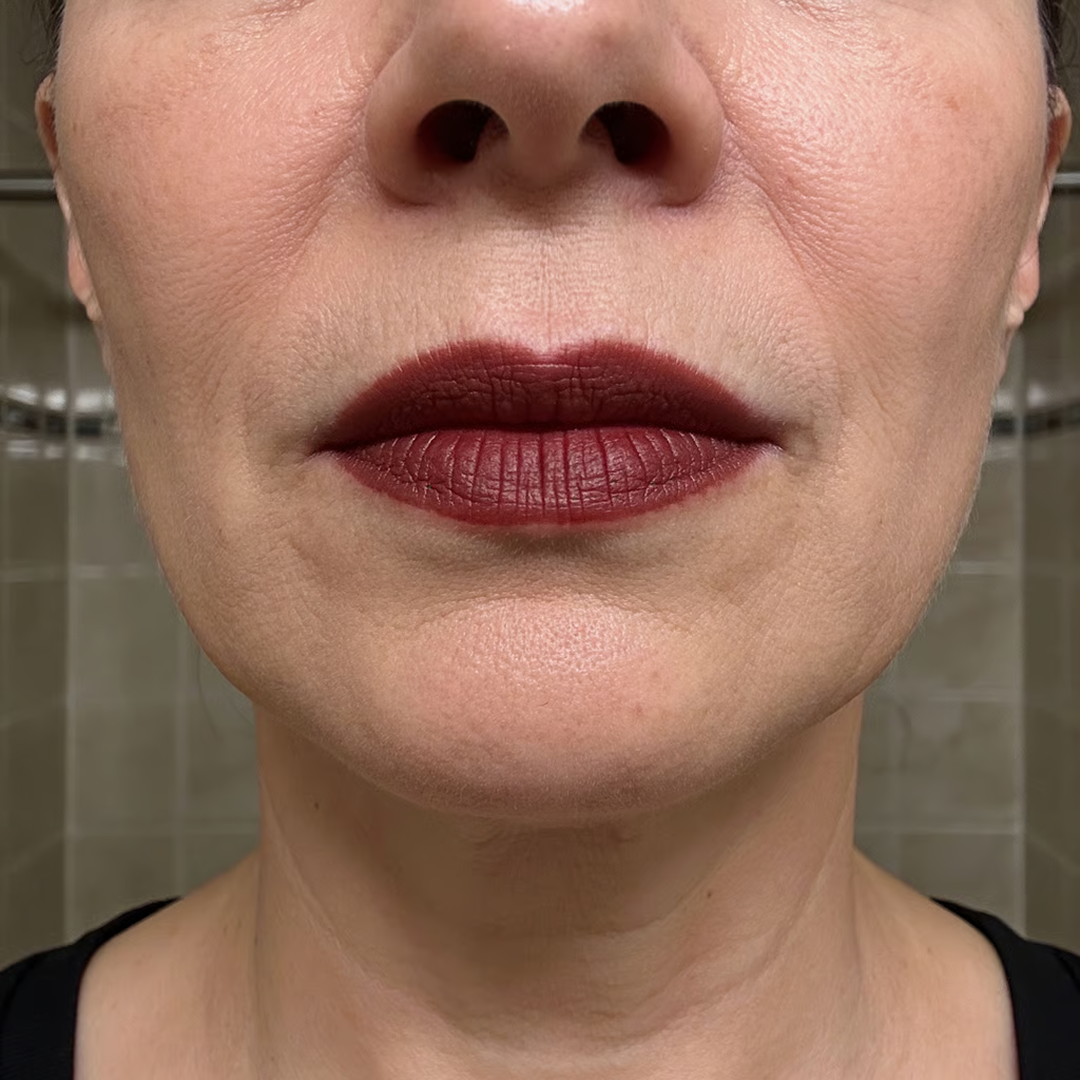
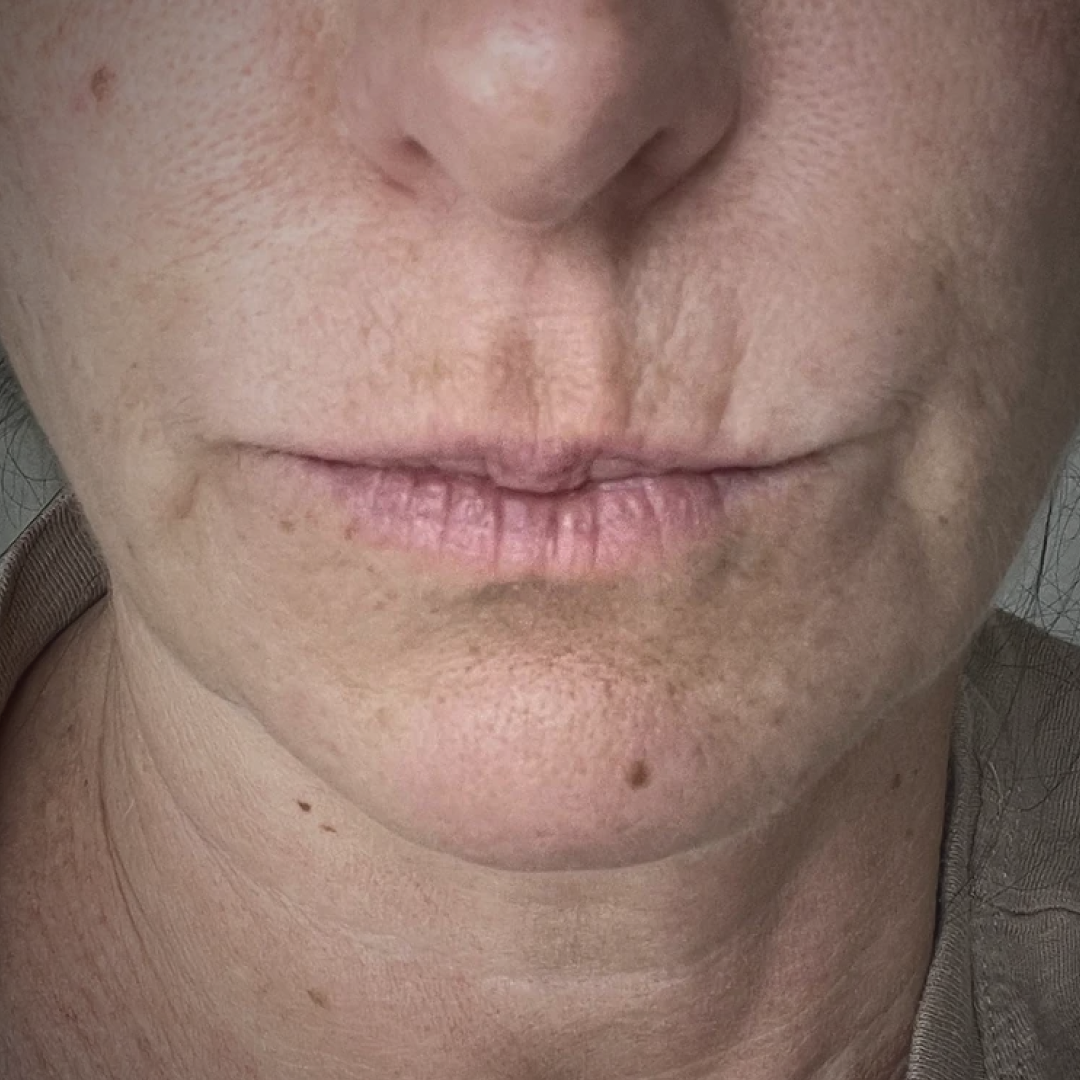
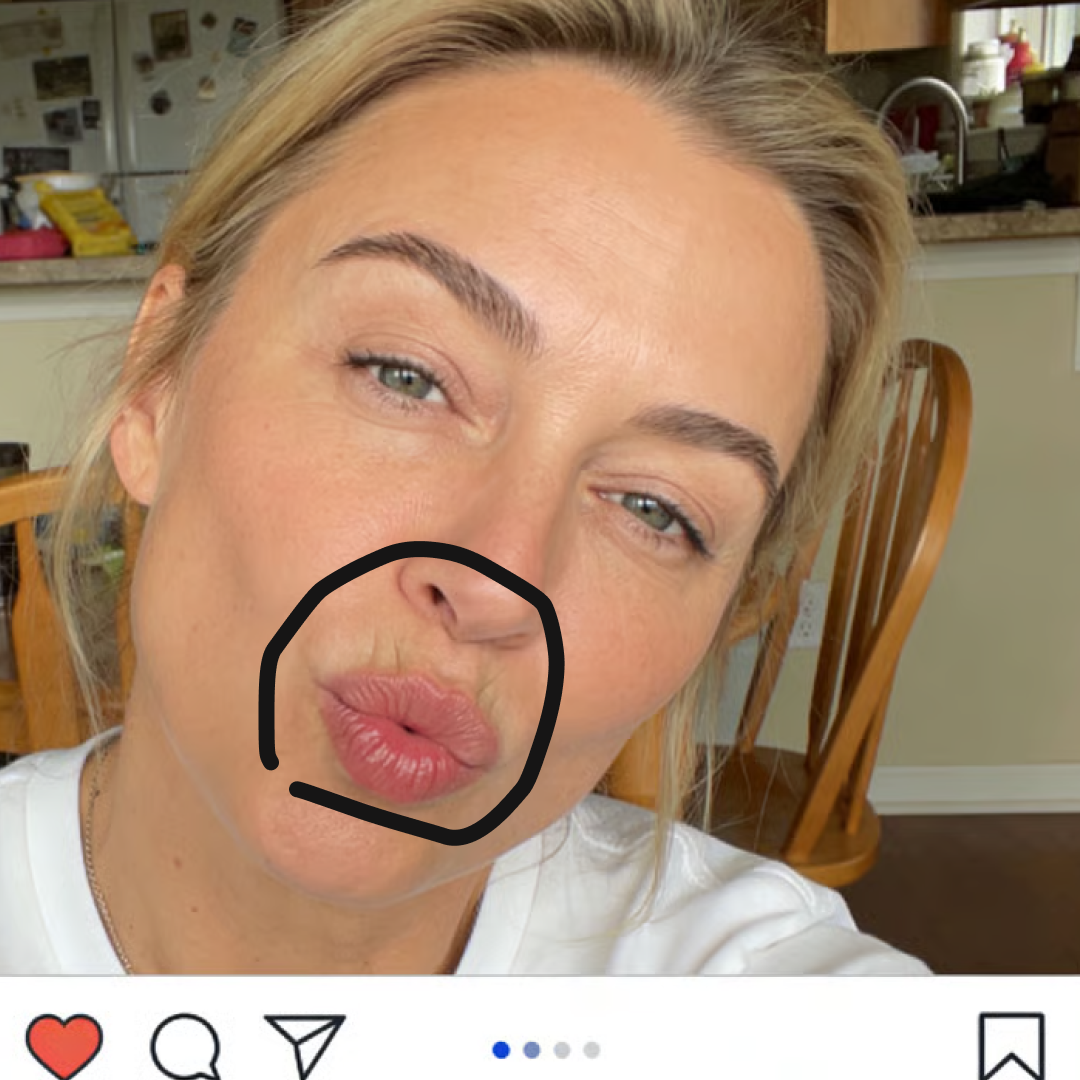
Please STOP Trying to 'Erase' Your Smoker's Lines. I know that sounds crazy, but every time you use retinol, get fillers, or slather on collagen serums, you're actually making the underlying problem worse. Let me explain. I used to be just like you. Standing in the Sephora aisle, desperately comparing retinol percentages, hoping this 2.5% formula would be the one that finally worked. Booking $300 filler appointments every six months, convincing myself the price meant it HAD to be the solution. Applying prescription-strength tretinoin every night, dealing with the peeling and burning because that's what I was told you had to do. Month after month, the lines got deeper. More pronounced when I smiled. My upper lip looked more collapsed. It was a slow, creeping panic. I felt like I was losing my mind. Was I doing something wrong? Were my smoker's lines just too severe for anything to help? The breaking point came at my son's wedding. I spent two hours trying to fill in those vertical lines with primer and foundation, using every trick I'd learned from YouTube tutorials. But when I saw the photos later, all I could focus on was how my mouth looked puckered and aged. My stomach just dropped. A wave of shame washed over me. In that moment, I felt old and marked by a habit I'd conquered 12 years ago. That's when I stumbled across something that changed everything. Dr. Hyun-Jin Lee, a cellular regeneration specialist at Seoul National University's dermatology research lab, was presenting findings at a skincare science conference. She said something that made my blood run cold: "Ladies, if you're dealing with perioral lines after quitting smoking and you're using retinol or getting fillers, you need to understand something critical. These treatments are like sending a construction crew to rebuild a house — but handing them shredded blueprints. Not only do they fail to address the real problem, they can actually make it worse." The room went silent. "Here's what's really happening," she continued. "Smoking doesn't just deplete collagen. That's the surface-level explanation the skincare industry has been selling you for decades. What smoking actually does is far more damaging — it corrupts the DNA repair instructions inside your skin cells. The very blueprint that tells your cells how to produce collagen, how to regenerate tissue, how to rebuild what's been broken. Those aren't just wrinkles. They're zones of cellular confusion where your skin cells have literally lost the instructions for how to repair themselves. Now, when you apply retinol or tretinoin, you're forcing rapid cell turnover at the epidermis level. But the new cells being produced are building from the same corrupted blueprint as the old ones. It's like photocopying a damaged document over and over. Each copy comes out worse than the last. The surface might look smoother temporarily, but the underlying instruction set keeps degrading. And here's the kicker: retinol accelerates cell turnover, which means you're producing MORE cells from a damaged blueprint FASTER. You're actually speeding up the production of poorly constructed skin." She paused, letting that sink in. "As for fillers, hyaluronic acid plumps the soft tissue, but it doesn't repair the damaged DNA that's causing your cells to produce weak, disorganized collagen in the first place. When the filler migrates or dissolves six months later — and most women notice this — you experience a visual 'collapse' that leaves your lines looking even deeper than before. Because underneath that temporary plumping, your cells were still building from corrupted instructions the entire time. Nothing was actually fixed." My heart was racing. This explained everything. Why nothing had worked. Why my lines seemed worse despite trying "everything." "The solution," Dr. Lee said, "isn't trying to resurface the skin or artificially plump the lines. It's about restoring the DNA repair instructions at the cellular level so your skin cells can rebuild collagen properly on their own." She showed clinical imaging of skin tissue — before and after. The before images showed fragmented, disorganized collagen fibers with large gaps between them, like a wall built by a crew working from memory after the plans had been destroyed. The after images showed dense, organized, parallel collagen fibers rebuilt in structured formation — like someone had handed the crew a fresh set of architect's drawings. Women in their 50s, 60s, even 70s who had gone from deep perioral lines to smooth, naturally supported contours. But these weren't women masking symptoms with injections. These were women who had addressed the root cause … corrupted cellular DNA … and restored their skin's ability to rebuild from within. After the presentation, I practically ran to speak with her. "What you described is exactly what I've been experiencing," I told her. "All these products, all this money, and my lines just keep getting worse." She nodded knowingly. "You're not alone. Most of my patients come to me after wasting years on treatments that never address the DNA-level damage smoking causes. The good news? Once you stop fighting the surface and start restoring the cellular blueprint, the transformation can be remarkable." That's when she told me about PDRN therapy … and a mask that could deliver it at home. "PDRN … polydeoxyribonucleotide … is extracted from salmon. Salmon DNA is 97% structurally identical to human DNA," she explained. "Unlike retinol's harsh resurfacing or filler's temporary plumping, PDRN works at the foundational level. It delivers fresh repair instructions directly to your damaged skin cells — the actual blueprint they need to start producing healthy, organized collagen again. Celebrities like Jennifer Aniston pay $500 per session to have this injected at clinics. But there's now a mask that delivers the same PDRN transdermally … and you can see it working in real time." I was skeptical. After so many failures, how could this be different? But Dr. Lee explained the science: "The mask uses a specific molecular weight of salmon-derived PDRN that can penetrate the skin barrier. Combined with marine collagen and niacinamide, it creates an environment where your cells receive fresh DNA repair instructions and immediately begin rebuilding structured collagen. The mask goes on pink. As your skin absorbs the PDRN, the pink fades. When you remove it, if it's nearly transparent, that means your cells absorbed the repair instructions. You can literally see the transfer happening." The key difference? Instead of masking lines or artificially inflating tissue, PDRN targets the actual problem … corrupted DNA repair instructions … exactly where smoking caused the damage. I started using it that night. I placed the pink gel mask over my upper lip and around my mouth before bed. It was cool, almost weightless … nothing like the heavy sheet masks that feel like wearing a wet towel. No pills to remember. No painful injections that wore off in months. Two hours later, I peeled it off. The mask that went on bright salmon pink came off nearly transparent. My skin had been that starved for repair instructions. Within four weeks, something changed. The lines didn't look as deep when I smiled in the mirror. By week seven, my skin felt different. Not just softer, but more substantial. Like there was structure underneath again. Like my cells were finally building something solid instead of producing weak, disorganized tissue from a corrupted blueprint. For the first time in years, I felt hopeful instead of desperate. My aesthetician noticed at week ten. She stopped mid-facial, pulled back, and stared at my upper lip. "Wait, what have you been doing?" she asked. "Your perioral area looks completely different. Did you get filler?" By month four, I stopped using tretinoin entirely. I expected my skin to peel or my lines to deepen. Instead, they continued improving. The vertical lines that used to bracket my mouth had softened into barely visible creases. My upper lip looked fuller — not because of injections, but because my cells were finally producing properly structured collagen again. The blueprint had been restored. But the real test came when I decided to stop all my other products. No more expensive serums. No more dermatologist appointments. No more filler touch-ups every six months. I expected my face to suffer. Instead, it continued transforming. That's when I understood what Dr. Lee meant about restoring versus masking. My cells had their instructions back. My skin was rebuilding itself naturally from within. I didn't need to artificially prop up my face anymore. It's been nine months now. I look at old photos from my son's wedding and can't believe that was me. The woman hiding behind heavy foundation and strategic angles. The woman spending thousands of dollars annually on treatments that didn't work. The woman who thought smoker's lines were just something she had to accept as punishment for a habit she'd quit over a decade ago. If you're reading this and you recognize yourself in my story, please understand: You don't need to keep throwing money at treatments that mask the problem. You don't need to accept deep perioral lines as inevitable. You just need to stop fighting the surface and start restoring the blueprint. The Quasi Salmon PDRN Collagen Mask delivers DNA repair instructions directly to your damaged cells. It restores instead of masking. It works with your body's natural cellular repair process instead of against it. And because they offer a 30-day money-back guarantee, you can try it without the fear of wasting more money on something that doesn't work. Stop trying to erase your smoker's lines. Start restoring your cellular blueprint. Your cells are waiting to rebuild themselves. They just need the right instructions to do it. 👉 Click here to try the Quasi Salmon PDRN Collagen Mask and finally address the real cause of your perioral lines. P.S. Every day you continue using retinol, fillers, or other surface treatments, you're producing more cells from a corrupted blueprint. DNA degradation doesn't take a day off from aging your face. The sooner your cells receive fresh repair instructions, the more of your skin's architecture can be saved and restored. The mask goes on pink. It comes off clear. That's your skin telling you it's finally getting what it needed all along.
Like this ad? Make it yours.
Crush rebuilds this exact creative around your product — your brand, your colors, your offer — in about a minute.