
Active· since May 23, 2026
- 117
- days running
- 0
- relaunches
Ad copy
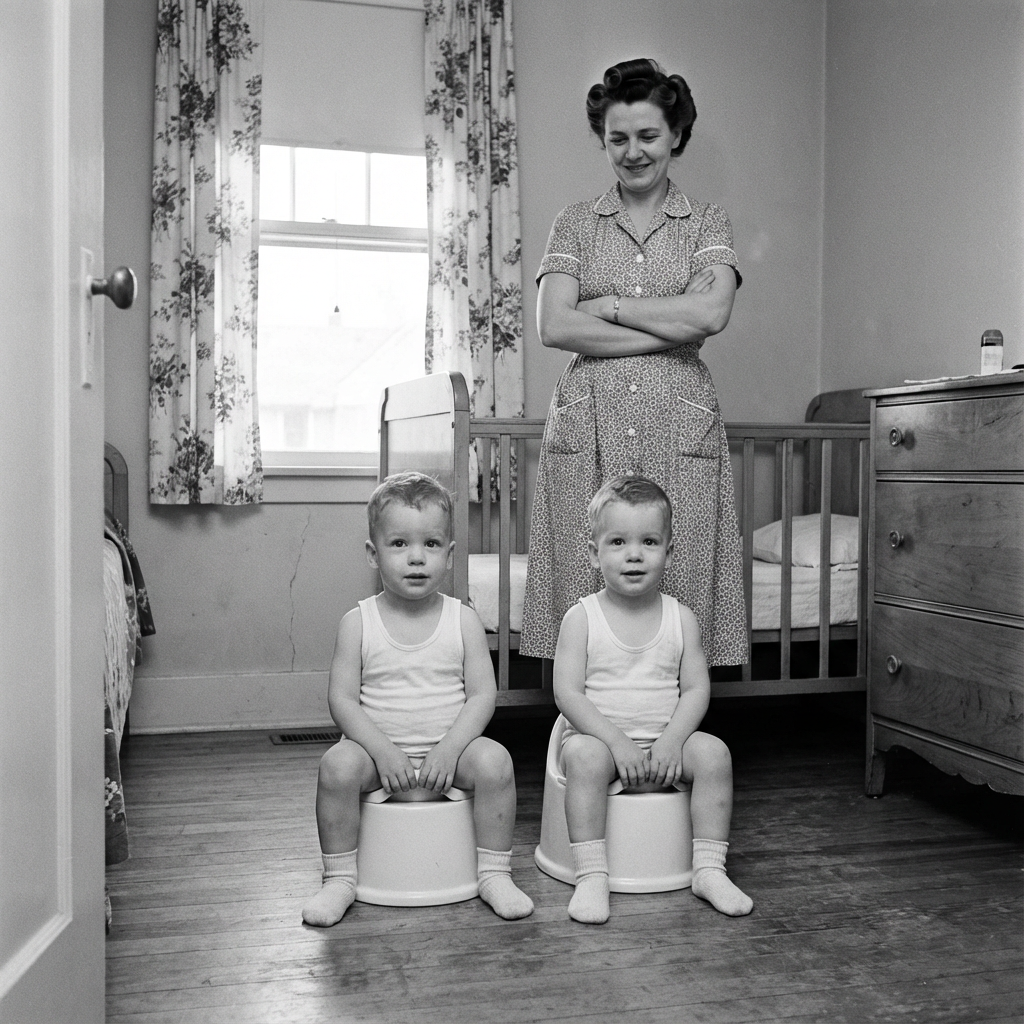
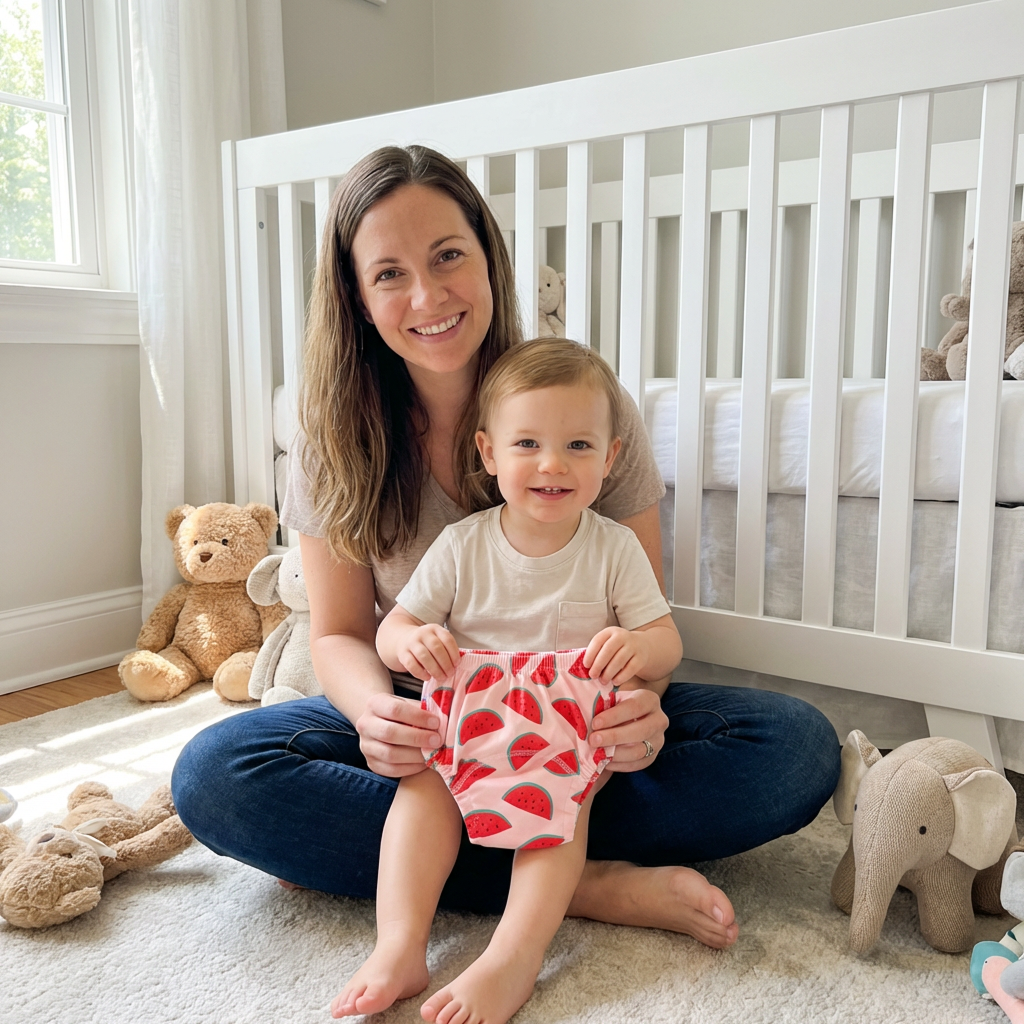
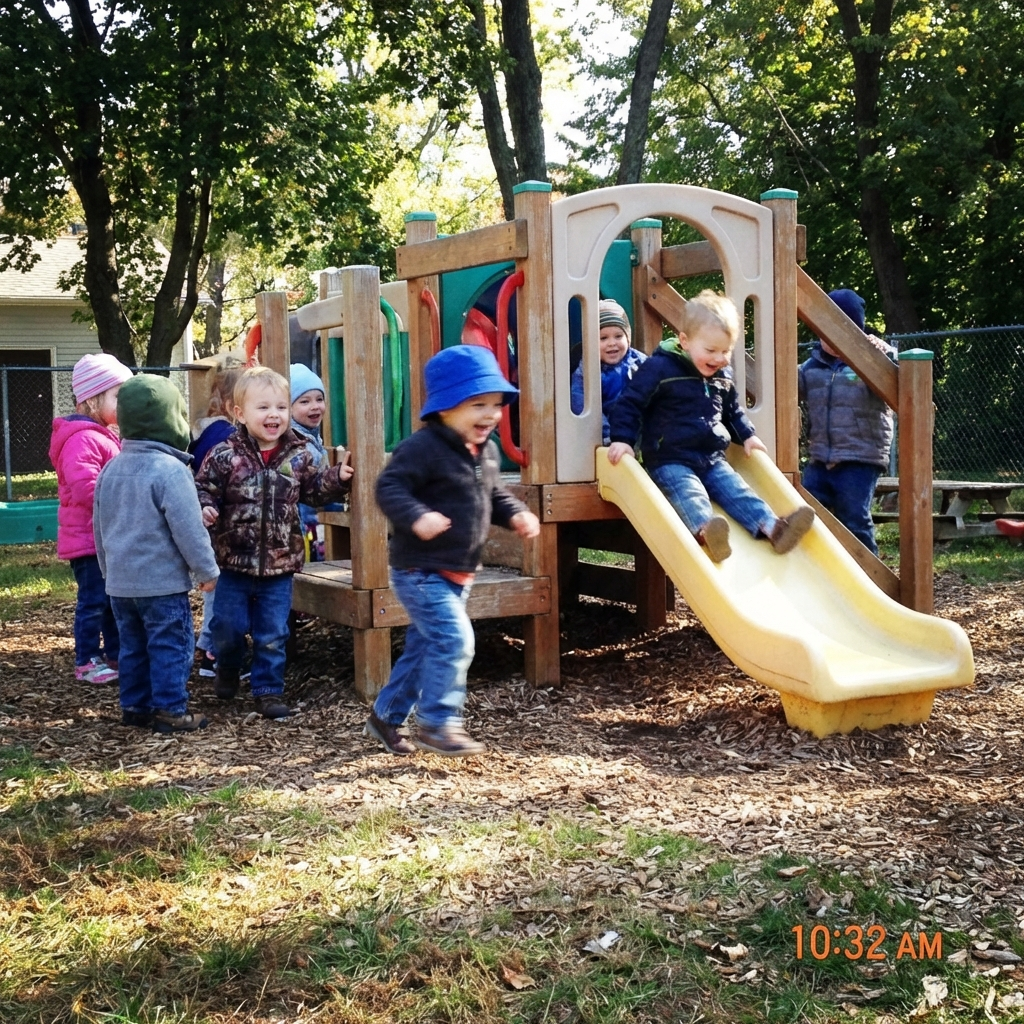
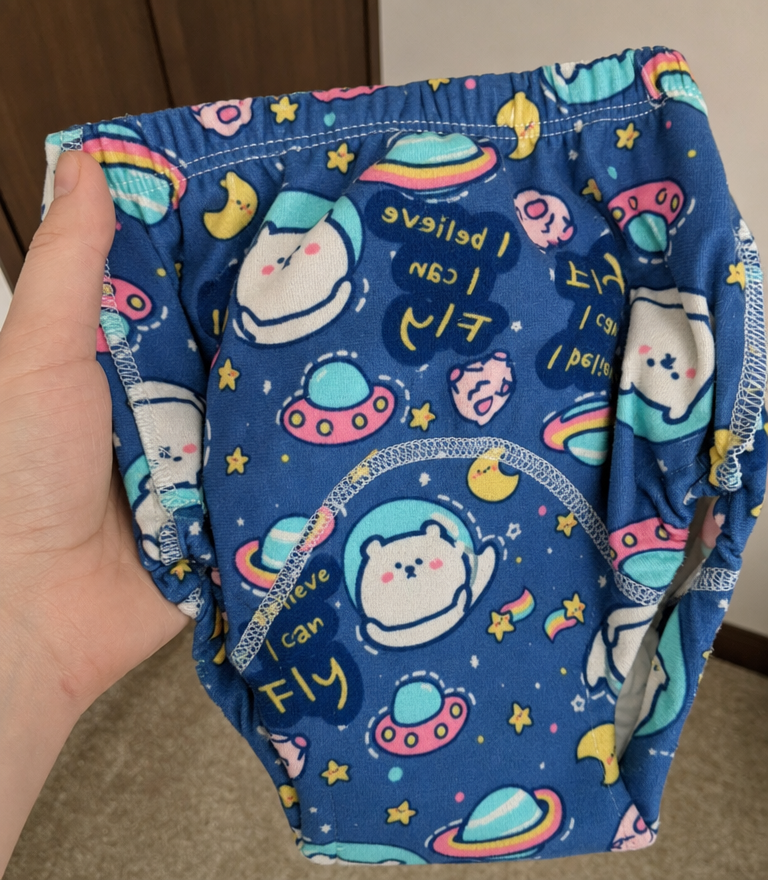
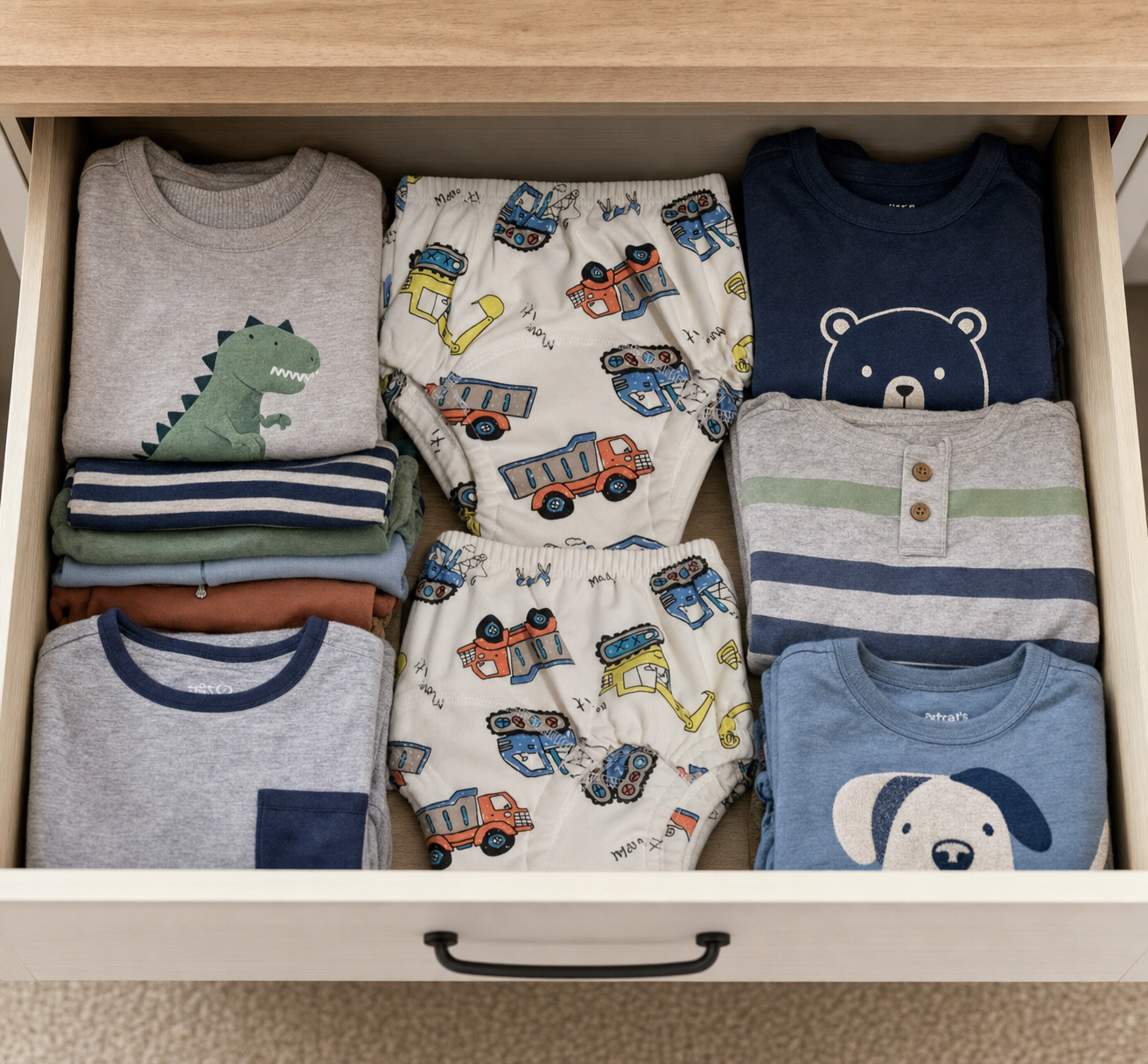
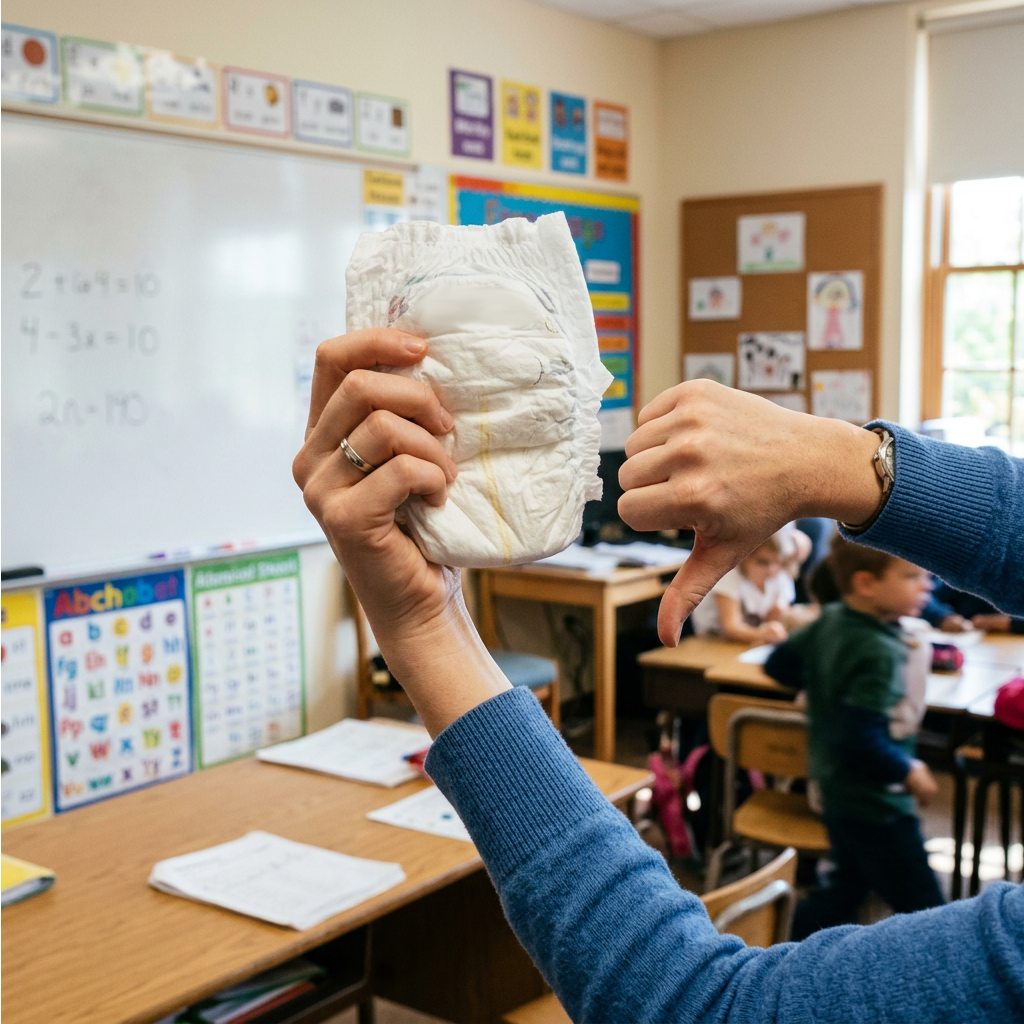
I've worked in early childhood education for 11 years. I've helped potty train hundreds of kids across three different daycares. And I can tell you something that most parenting books won't. I can predict within the first week which kids are going to train fast and which ones are going to struggle for months. It has nothing to do with the child's intelligence. It has nothing to do with their personality. And it has very little to do with the parents approach. It has to do with one thing. And once I explain it, you'll probably look at your own child's situation completely differently. — Let me back up. When I first started working in childcare, I assumed potty training was mostly about timing and temperament. Some kids were ready at 2. Some weren't ready until 3 or later. Some were stubborn. Some were easygoing. And for the first few years, I didn't question it. But somewhere around year three or four, I started noticing a pattern that I couldn't explain. We'd get a class of ten toddlers starting the potty training transition around the same age. And without fail, the class would split into two groups. Group one would show potty awareness pretty quick, and group two don't have a care in the world You could ask them "did you just go?" and they'd say no. Genuinely. They weren't lying and they weren't being difficult. They had no idea. And this group would struggle for months. Sometimes half a year. Sometimes longer. I kept thinking it had to be a personality thing. Some kids just develop that awareness later. But it wasn't consistent. I'd see a kid who was sharp as anything, sit in a wet pull-up for an hour without noticing. And I'd see a kid who was still barely talking, walk himself to the potty at 22 months like it was nothing. It didn't track with development. It didn't track with temperament. It didn't track with anything I'd been trained on. But it DID track with one thing. What they were wearing when they arrived. — It took me years to put this together because I wasn't looking for it. But once I saw it, I couldn't unsee it. The kids who trained fast almost always came in wearing either cloth-style training pants or thin cotton underwear from day one. The kids who struggled for months were almost always in disposables/diapers Every. Single. Time. I started paying closer attention. Not just to the kids in my class but across the entire center. Same pattern. Pull-ups and disposables = months of issues and zero awareness. Cloth or cotton training pants = fast awareness and trained within weeks. I brought this up to the center director once. She said "well yeah, kids in underwear feel it when they go, so they learn faster." And I remember thinking... that's it? That's the whole thing? Because if that's the whole thing, then why is everyone still putting their kids in disposables? Why are we recommending them in our parent packets? If the thing they're wearing is the thing blocking the awareness, then aren't we actively making it harder? — There was a little girl in my class a couple years ago. I'm going to call her Sophie. Sophie was 3 and a half. Smart. Social. One of the most verbal kids in the room. She could tell you about her weekend in full sentences. She knew every kid's name, every teacher's name. But she could not potty train. Her mom had been trying since Sophie turned 2. She was stressed. She'd pull me aside at least once a week. "Any progress today?" And I'd have to tell her no. Sophie had three, four, five accidents a day. I'd often walk over and say "Sophie, I think you might be wet." She'd look at me confused. Then look down. Then say "Oh." This went on for months. Her mom tried everything. She brought special treats for rewards, every method and thing you've probably done yourself Nothing changed. Seeing Sophie say "I didn't go" when she obviously had. And I kept thinking about the pattern I'd been seeing for years. Sophie was in disposables every single day. Thick, absorbent, dry to the touch within seconds. And she had zero awareness of her own body. Those two things weren't a coincidence. — Around this same time, I started reading more about child development in toddlers. Not just the daycare training manual stuff — actual research. There's a concept in child development called sensory filtering. It's the brain's ability to tune out repeated sensations so they don't distract you. It's the same reason you stop noticing the feeling of your shirt on your skin after you put it on. Your brain filters it out. It's not useful information anymore so your brain stops paying attention to it. When a baby pees in a diaper, the diaper absorbs it instantly. The skin stays dry. The brain gets no feedback. So the brain learns: this sensation is irrelevant. Filter it out. At 18 months, the filter is still weak. Most kids can still feel the signal if you take the diaper off. That's why early training often works quickly. But by 2 and a half, 3, 3 and a half — the filter is strong. Years of the brain practicing ignoring a signal that never produced any feedback. Parents often put these kids in a classroom and ask them to tell us when they need to go. But their brain is filtering the signal. That's why Sophie would say "I didn't go" and genuinely mean it. Her brain had spent three and a half years erasing the sensation. It wasn't anyones fault. It was the product she'd been wearing since birth doing exactly what it was designed to do - keep her dry. This is also why our parents' generation trained earlier. In the 1950s, 92% of children trained by 18 months. Cloth diapers stayed wet. The brain always got the signal. The filter never built up. Disposables removed the signal. The average training age nearly doubled. And once I understood this, the pattern I'd been watching for years finally had a name. Sensory erasure. — So here's what I did with Sophie. I talked to her mom at pickup one day and told her everything I'd been observing. I told her about the two groups I see and what they're wearing being the only consistent difference. I told her about how the disposable were erasing the signal Sophie's brain needed to learn. And I told her that she needed to get Sophie out of disposables and into training pants. Real training pants. The kind that let the child feel wetness against the skin but contain it so there's no puddle on the floor. She asked me which ones. I told her the ones I'd seen work best with the kids in our center were UpAiry training pants. They have special layer that holds wetness against the skin long enough for the brain to register it, but the outer layer catches everything. I'd seen other parents bring in different brands. Some leaked. Some were cheap polyester that irritated kids' skin. The UpAiry ones were the only ones I'd consistently seen produce that awareness shift in the first few days. She ordered them that night. — The next Monday, Sophie came in wearing them. Around 10 AM she was at the art table painting. And she stopped. Brush in the air. Looked down. "Miss? Pee pee." Three and a half years old. Months in my classroom. She had NEVER said that. Not once. I walked over and said "You're right, you are. Let's go get changed." She looked at me and said "I didn't want to be wet." She FELT something. And she didn't like it. And she told me about it. That is the entire learning loop. Feel it → don't like it → communicate it → eventually learn to prevent it. By the end of the first week, she was walking to the bathroom before most accidents. Not every time. But most. Her mom came in on Friday and I said "She's telling us before she goes now." She just stood there in the doorway. Didn't say anything for a second. Then said "Are you serious?" Week two, Sophie was using the bathroom independently. Raising her hand, walking over, going. Coming back to the table. Week three, not a single accident for three straight days. I wrote it in her daily report and her mom was SO happy She said "I've been trying for a year and a half. Thank you for telling me what was actually wrong." But I didn't do anything special. Sophie did it by herself. All we did was stop blocking the signal it needed. — That was two years ago. Since then I've had this same conversation with probably fifty parents. Maybe more. It's always the same situation. Kid has been struggling for months. Parent has tried everything. And every time I ask the same question: "What are they wearing during the day?" And every time the answer is some sort of disposable. And every time I explain what they are actually doing to the learning process and recommend they switch to UpAiry. And almost every time, the parent comes back telling me things are finally clicking. Because their child's brain finally had something to learn from. — Here's what I tell every parent who walks into my classroom. If your child is 2 and a half or older and potty training isn't progressing, the first thing I'd look at is what they're wearing. If they're in disposables during the day, their brain may not be getting the sensory feedback it needs to build awareness. Get them into training pants that let them feel wetness but contain it. That's the bridge between diapers and underwear that most parents skip. The ones I've seen work consistently are UpAiry training pants. Here's the link: https://www.upairy.com/pages/training-underwear I have zero affiliation with them. I just see what works in my classroom every day. In 11 years I've watched hundreds of kids go through this. The pattern is always the same. Sensory feedback = fast learning. Sensory erasure = months of frustration. It really is that simple. I wish someone had explained it to me in my first year instead of my eleventh. It would have saved a lot of parents a lot of hard months.
Like this ad? Make it yours.
Crush rebuilds this exact creative around your product — your brand, your colors, your offer — in about a minute.