
Inactive· since Aug 13, 2026
- 9
- days it ran
- 0
- relaunches
- 2,896
- EU reach
Ad copy
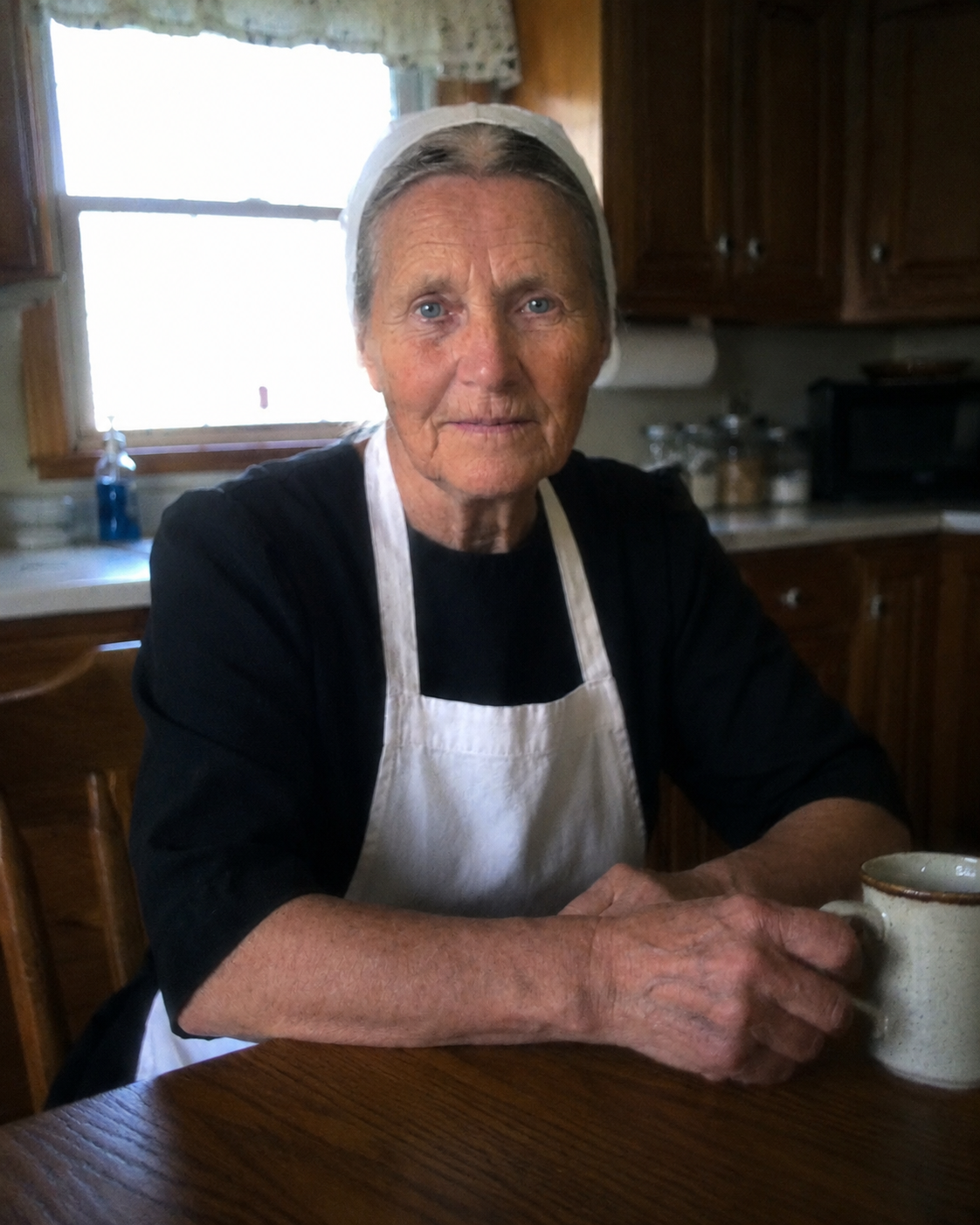
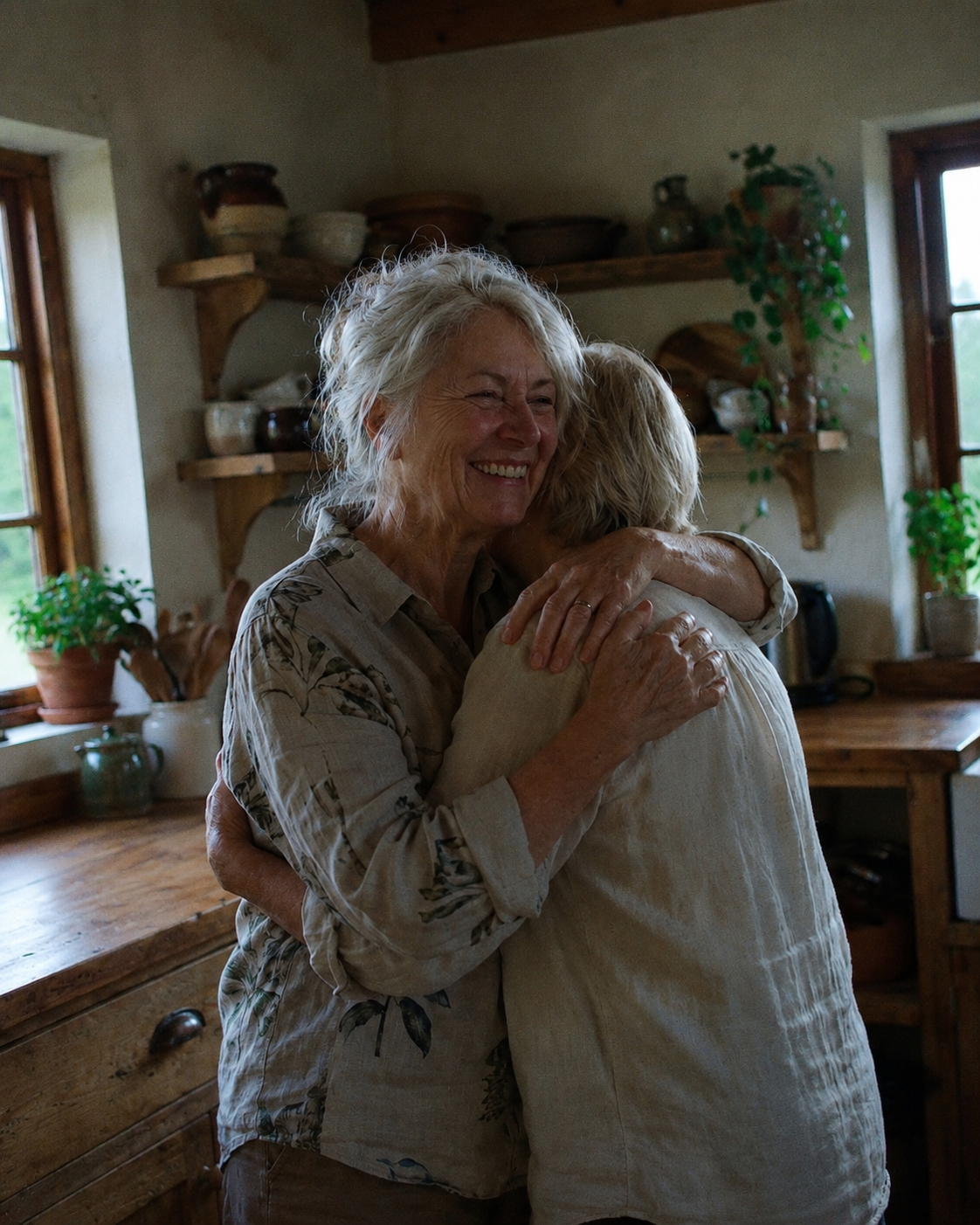
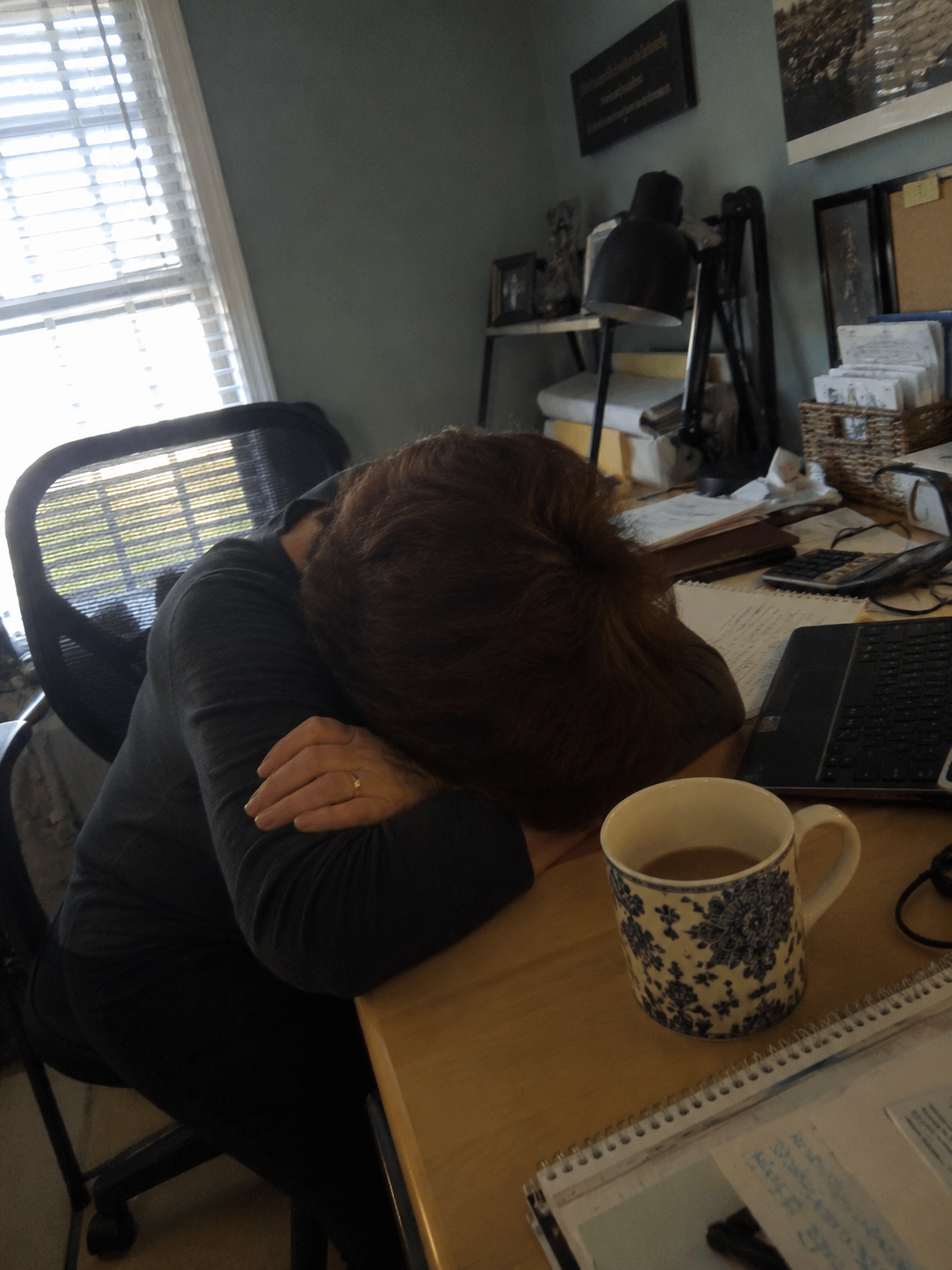
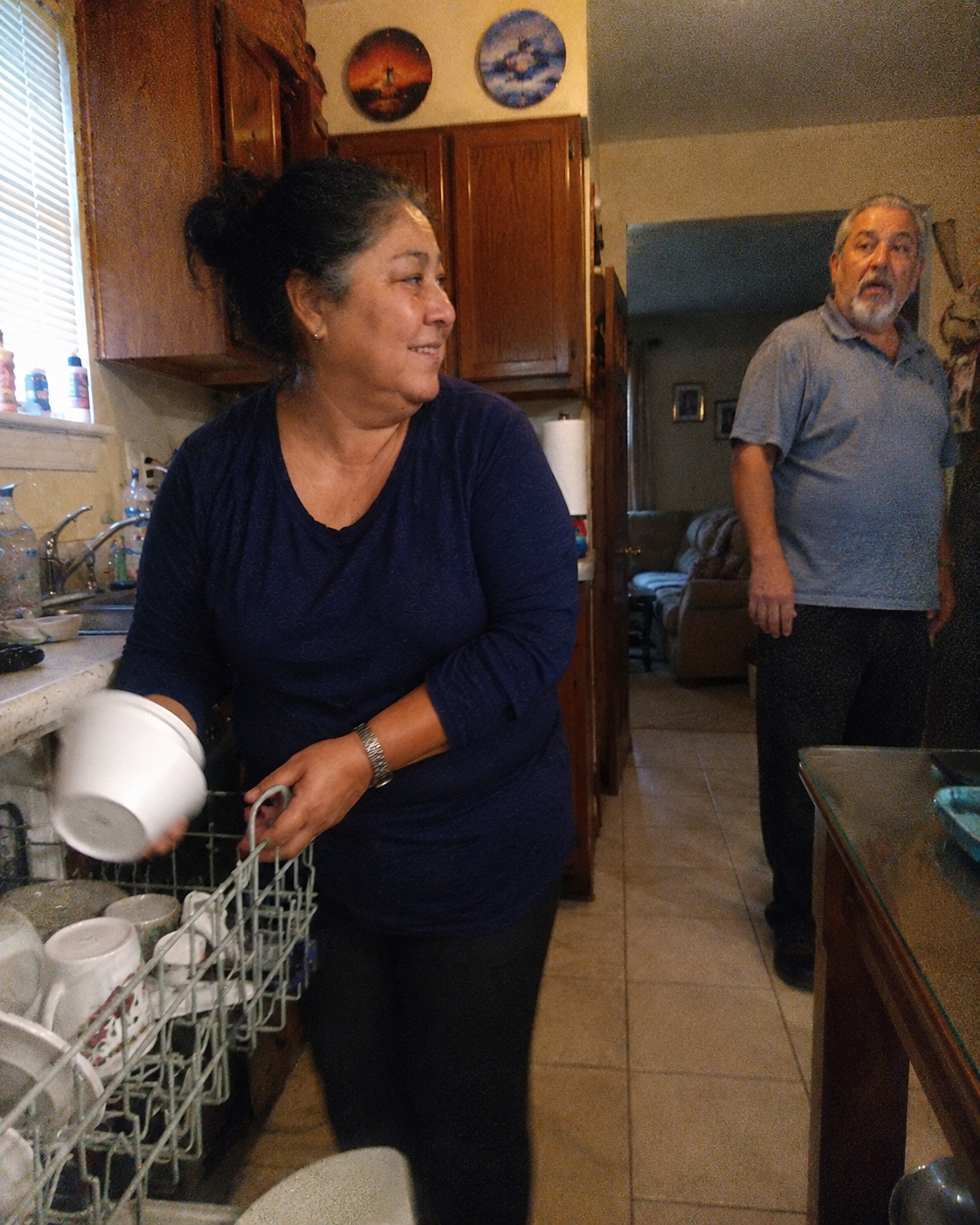
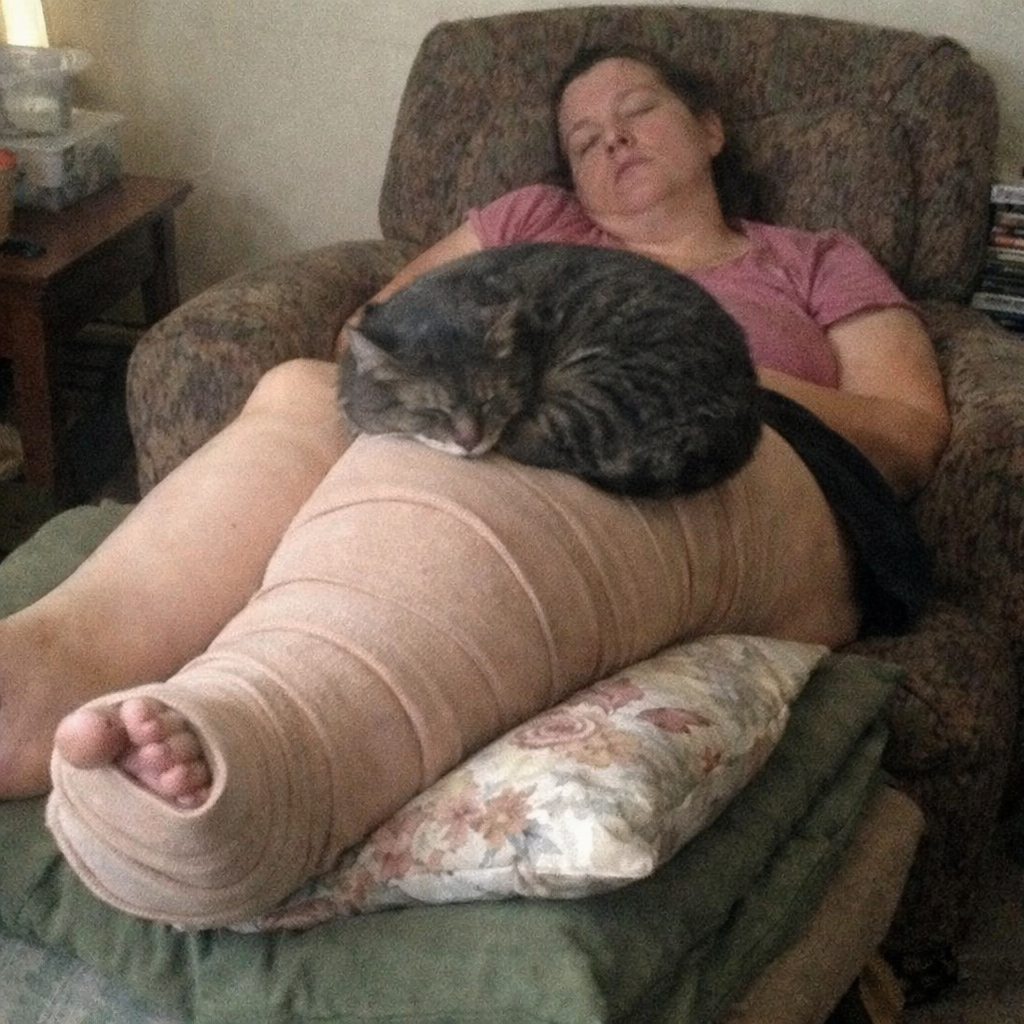
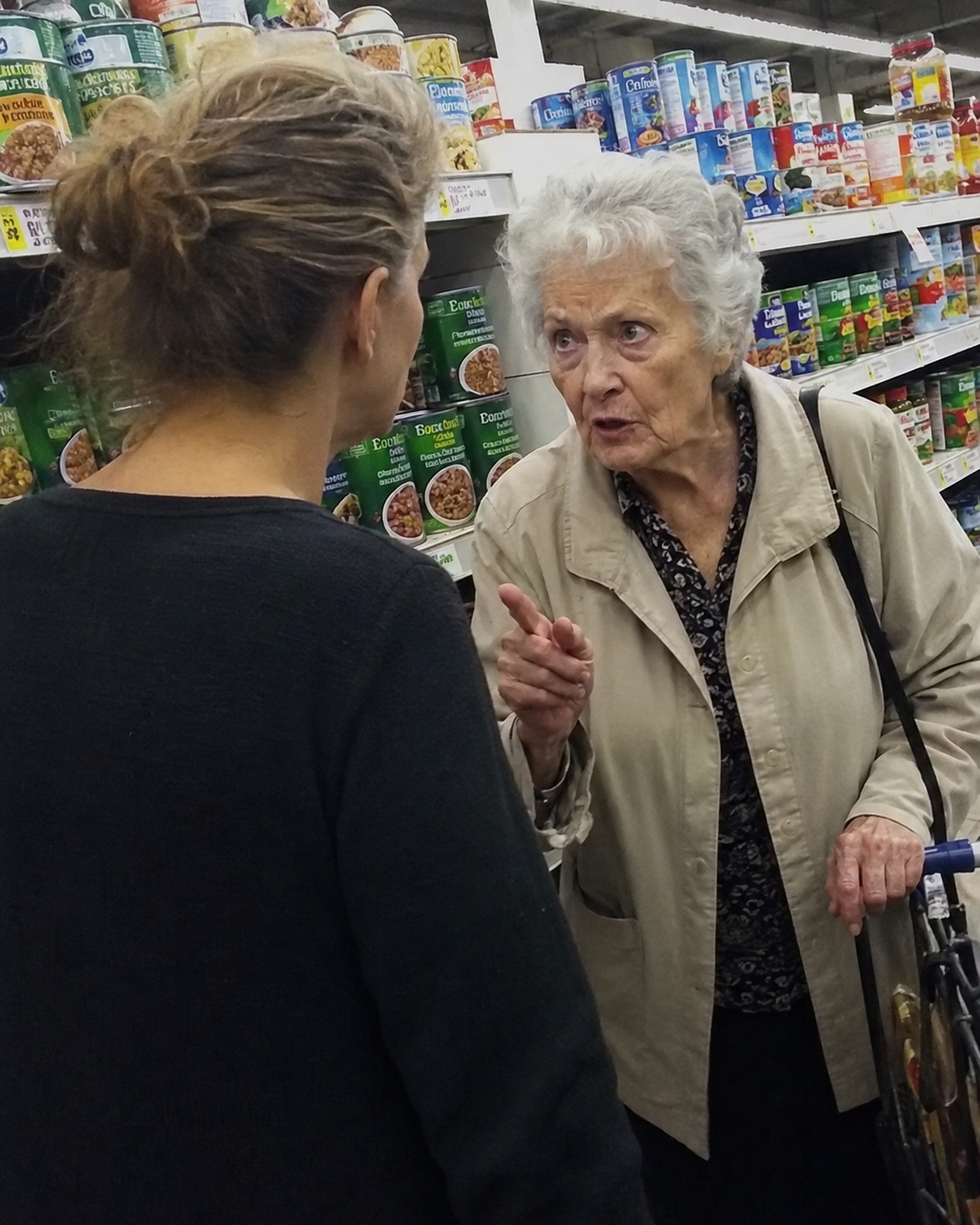
The YMCA called about my mother's unused membership. she'd swum three mornings a week there for thirty years. It was a courtesy call. A kid from the front desk. "We noticed Dorothy hasn't checked in since March. We just wanted to make sure she's okay before the renewal goes through." Since March. It was October. My mother — who swam Monday, Wednesday, Friday for thirty years, through blizzards, through my father's death, through everything — had quietly stopped seven months ago. And she'd never said a word to me. My mother's name is Dorothy. Everyone calls her Dot. She's seventy-one. And to understand why that phone call put my stomach on the floor, you need to understand what the pool was. The pool was where my mother was most herself. Three mornings a week, 6 a.m., the same lane, the same circle of women in flowered caps who'd been swimming together since before I had kids. They called themselves the Mermaids, half as a joke and half not. She'd come home with her hair wet and her cheeks pink and more energy than the rest of us had by noon. The pool was her engine room. Her church before church. Thirty years. Through everything. And she'd let it go without telling anyone. When I called her about it, she laughed it off. "Oh, honey. The early mornings just got to be too much. I'm seventy-one." But I started paying attention after that. Really paying attention. And once I looked, I couldn't stop seeing it. The walker who now drove. The gardener whose beds had gone to weeds. The woman who used to talk my ear off at Sunday dinner, quiet at the end of the table, worn out by the gathering itself. Asleep in her chair at seven-thirty when I'd stop by. "Just resting my eyes." She'd been fading for two, maybe three years. In tiny steps. And she'd managed it so quietly — so politely — that none of us had added it up until a front-desk kid at the Y did it for us. The maddening part was that nothing was wrong. She wasn't sick. Nothing hurt. There was no event, no diagnosis, nothing to point at. She was just running out of gas earlier every day. Like the deep tank that had carried her through thirty years of 6 a.m. swims had sprung a slow leak nobody could find. And here's the part that got me at night: she had decided this was simply what seventy-one was. She'd surrendered the pool — the place she was most herself — without a fight, because nobody told her there was anything to fight. We went to her doctor. I came along. Dr. Abernathy is thorough and kind. She took the tiredness seriously — didn't wave it off, didn't rush. Ran everything. Bloodwork. Thyroid. Iron. B12. Vitamin D. Blood sugar. The heart. The whole hunt. And it all came back lovely. "Dot, for seventy-one, these are genuinely good numbers," she said. "I'm not finding anything that explains the fatigue. Some of this is just the body getting older. Stay as active as you can, rest when you need it, keep doing what you're doing." Here's how that landed, and if you've been in that room you know. It should've been good news. Nothing's wrong. But when you've watched a woman quietly hand over her whole life one piece at a time, and every test says she's fine, "nothing's wrong" doesn't feel like relief. It feels like a door closing. It feels like: this is just it now. The empty lane at the Y. The weeds in the beds. The chair at seven-thirty. This is the rest of it, and there's nothing even to fix, because officially she's fine. The chart said lovely numbers. The flowered cap hung on its hook by her back door, dry for seven months. And there's no line on a chart for that. I'd half-accepted the word everyone hands you. Age. She's seventy-one. This is what it looks like. And then one of the Mermaids cornered me at the grocery store. Phyllis. Eighty-three years old. Still swimming three mornings a week. "Where's your mother?" she said, no hello. "Seven months. The lane's not the same. We're not the same." "She says the mornings got to be too much. She's tired all the time. The doctor says she's fine, it's just age." Phyllis looked at me the way only an eighty-three-year-old woman in the canned-goods aisle can look at you. "I'm twelve years older than your mother and I was in the water at six this morning. Don't you let her give me 'age.'" And something in me snapped awake. Because Phyllis was right. The math didn't work. Twelve years older. Still swimming. So I went home and started reading. Not the wild stuff. I've got no patience for the cure-everything corners of the internet — the miracle-energy powders, the buy-now nonsense. My mother raised me too sensible for that, which is its own irony. But underneath all the noise, one plain thing kept surfacing the more I dug. Beetroot. I rolled my eyes. It sounded like exactly the kind of thing Dot would swat away with a dish towel. But I kept reading, because it wasn't what I expected. Beetroot turns out to be one of the most researched ingredients in the whole cardiovascular and wellness category. Decades of real study behind it. Not a fad somebody invented last year to sell. The reason it gets studied is a group of compounds called betalains. That deep red pigment — the stuff that stains the cutting board and turns your fingers pink. That's the active part. One of the more potent antioxidants in the food supply. The more I read, the more I stopped rolling my eyes. Here's the part I made very sure I understood, because I wasn't going to hand my own mother a fairy tale. These compounds support things. That was the honest word in the honest sources, and it's the only one I'll use. They support healthy energy. They support the body's natural antioxidant balance. They support healthy circulation. They support the cellular energy that quietly winds down as we get older — the engine-room stuff, underneath everything. Support. Not treat. Not cure. There was nothing to treat — Mom was healthy, her own doctor said so. Not a replacement for one single thing she was doing. Support for the layer underneath the numbers. The exact layer that seemed to be leaking on her while every panel came back lovely. The layer nobody at the appointment was even looking at, because it doesn't show up on the bloodwork. For the first time since that phone call from the Y, I had something to bring my mother besides worry. I learned one practical thing too. How the beets get processed matters, because betalains are heat-sensitive. The cheap, fast way runs them through high heat, and heat is hard on the active part. The cooked-out stuff goes brown. The slower, cooler way keeps more of it. You can almost see the difference — the real thing is a deep, dark crimson. So I went looking for the kind that's cold-pressed at low temperatures. And then, before I bought a thing or my mother swallowed a single capsule, I did the one thing I'd tell any son or daughter to do first. I called Dr. Abernathy's office. I told the nurse exactly what it was — organic beetroot, the dose, cold-pressed — and asked plainly whether it was alright to add to everything my mother was already doing and taking. She put me on hold. She came back a few minutes later and said it was a sensible thing to add, that she saw no concern alongside anything Dot was on, and to mention it at her next visit so it could go in the chart. I wasn't going to guess with my mother. I asked the people whose job it is to know. They said go ahead. Then I sat down with her at her kitchen table, under the hook where the flowered cap was hanging, and I told her. About the reading. About the betalains. About support — not a cure, not magic, just support for the layer nobody was measuring. About the nurse saying it was fine. She was skeptical. Dish-towel skeptical. I'd expected that. So I played the card I'd been saving. "Phyllis is eighty-three, Mom. She was in the water this morning. She told me not to let you give her 'age.'" My mother was quiet a long moment. Then, very softly, looking at the cap on its hook: "I miss the water, if you want to know the truth. I miss the girls. I just haven't had the gas for it." "Then let's go looking for the gas," I said. "Two capsules and a glass of water. The doctor's office says it's fine. Tell me what we lose." "Nothing, I suppose," she said. "We lose nothing." She started the next morning. Two capsules of cold-pressed beetroot. A tall glass of water. Right beside her coffee. Added to everything else. Nothing taken away. Just added on top. Now — I'm going to be honest about this part. Because I don't trust stories that promise the world, and I won't tell you one. I can't prove what did what. We added one thing and then we watched, and I genuinely cannot swear to you that what we saw was the beetroot and not the spring coming on, or Phyllis's shaming, or my mother's own stubbornness once she decided to want something again. I'm her daughter, not a scientist. And she was never sick to begin with — so there's nothing I can point to and say that got fixed. I'll just tell you what I watched, in order. You decide. The first thing was the evenings. About three weeks in, I stopped by at seven-thirty and she wasn't asleep in the chair. She was up, doing a crossword, the radio on. It wasn't every evening at first. But seven-thirty stopped being the wall it had been for two years. I didn't say anything. Didn't want to jinx it. The second thing was the garden. A few weeks later I pulled up and she was out in the beds — kneeling pad, gloves, the weeds coming out in fistfuls. "This place got away from me," she said, like it was nothing. Like it hadn't been two years of letting it go. The third thing I'll keep until I die. It was a Monday in early spring. My phone rang at 7:40 in the morning. "Well," my mother said, and I could hear it before she said another word — that particular brightness, the pink-cheeked wet-haired voice I'd grown up with. "The water's just the same. The girls are just the same. Phyllis says to tell you 'that's more like it.'" She'd gone back. Six a.m., the same lane, the flowered cap off its hook. I sat down on my kitchen floor and cried like a child, and I'm not sorry. The small returns kept coming. Not all at once. One at a time, across the weeks. Monday-Wednesday-Friday came back, and held. The Sunday dinners got loud again — her talking, her lingering, her energy lasting past the dessert. She started walking to the places she'd been driving. The slow leak — wherever it was, whatever it was — stopped emptying her by mid-afternoon. The tank held. The woman came back. I'm not telling you my mother is forty. She isn't. There's no magic here and I promised I wouldn't pretend there was. She's seventy-one. She still naps. Some mornings she swims slow, she tells me, and lets the Mermaids lap her. But the swimmer — the 6 a.m. woman, the engine of her own life — she's been coming back to us in pieces. And there's a wet flowered cap hanging on the hook by her back door three mornings a week. Mom had her follow-up with Dr. Abernathy a few months in. The doctor ran the usual. Everything was lovely, the way it had always been — that was never the problem. But she looked at my mother, at the woman and not the chart, and said: "Dot, you seem more like yourself than I've seen you in a couple of years. More energy, more color. Whatever you're doing, keep doing it." Mom told her about the beetroot — and about the pool. Said she hadn't changed anything else of substance — same routine, just added the one thing in the morning, with the office's okay, and got back in the water once the gas came back. Dr. Abernathy nodded and made a note. "That's a sensible thing to add," she said. "There's good research on antioxidant support. No concerns with it at all. And the swimming is the best medicine I never prescribed. Keep doing what's working." She didn't promise us it was the beetroot. She couldn't have, and she'd have been right not to. But my mother walked out of that office with wet hair from the morning swim, and that was answer enough for me. In the car she patted my hand — that small thing she's done my whole life — and said, "Thank you for not letting me quit the water, sweetheart. I'd talked myself into being old. You and Phyllis wouldn't allow it." I kept my eyes on the road so she wouldn't see what my face was doing. I'm telling you all of this because there's a fair chance you've got a Dot in your life. A parent who was the engine of her own days — the swimmer, the walker, the 6 a.m. woman — quietly handing her life over one piece at a time. Managing her own decline so politely that nobody adds it up until a stranger does it for you. Her chart "lovely," her doctor finding nothing — while the place she was most herself sits empty, and everyone calls it her age. If something in you has been saying this is more than just age — that the surrender came too easy, that "fine" doesn't match the empty lane — then I'd listen to that quiet voice. The doctor's been reading the chart. You've been watching the hook by the back door. On the things the chart doesn't measure, you might be closer to the truth than the chart is. I went looking for one thing my mother could add. Not a cure — there was nothing to cure. Not a replacement for anything. One thing, with real research behind it, that might support the layer the lovely chart wasn't measuring — healthy energy, the body's natural antioxidant balance, healthy circulation, the cellular energy that quietly runs low as we age. What I found was beetroot. The brand I added to my mother's morning is Rosabella. 1,300 milligrams of organic beetroot per serving, cold-pressed at low temperatures so the betalains stay intact — that deep dark crimson, not the cooked-out brown. Two capsules with a glass of water in the morning. Added to everything she was already doing, in place of none of it. Talk to your doctor or pharmacist before you add any new supplement to existing care — especially if there's medication in the picture. That one phone call is what let me do this with a clear conscience. It's the first thing I'd tell any son or daughter to do. That's the whole story. The YMCA called about an unused membership, an eighty-three-year-old Mermaid refused to accept "age," a nurse said it was fine, and a few months later my mother called me at 7:40 on a Monday morning with wet hair and her old voice back. P.S. If you're watching a parent quietly hand over their life one piece at a time while every test says they're fine and everyone calls it age — you're not imagining it, and you're not being dramatic. A lovely chart and an empty lane at the Y can belong to the same woman. I needed a courtesy call from a front-desk kid to add up what had been happening for two years right in front of me. I'm telling you now, in this much detail, so you don't need a stranger to do your adding. Look at what's hanging unused on their hooks. That's where the truth is. P.P.S. Phyllis, by the way, turned eighty-four last month. The Mermaids celebrated in the water, flowered caps and all, and my mother was in the lane beside her. Twelve years between them and you couldn't tell who was towing who. Phyllis's line to me in the canned-goods aisle is on my refrigerator now: don't you let her give me "age." I pass it along to you, for whoever you're watching. P.P.P.S. Here's exactly what I'd tell you to do, in order. First: check with the doctor or pharmacist — this matters most if there's any other medication in the picture, so don't skip it. Second: once they've said it's a sensible addition, two capsules with a tall glass of water in the morning. Third: don't change anything else they're doing. Just add this on top. Fourth: give it a couple of weeks, at minimum, before you decide anything. Some people notice something shift early — an evening past the wall, a garden bed weeded, the wanting coming back. Others take much longer. Some don't notice much. Bodies are genuinely different, and anyone who promises you a timeline is selling you something. Be patient with theirs, or with yours. P.P.P.P.S. Rosabella has a 90-day money-back guarantee. If you're not satisfied for any reason at all, every penny comes back, no questions asked. It's a sensible policy for a supplement — it means the only thing you're really risking is a few weeks and a little patience. You get plenty of time to see for yourself before you've committed. P.P.P.P.P.S. Rosabella is a small operation. They harvest and bottle on their own schedule, so my mother keeps an extra bottle in the cupboard just in case. She takes hers every morning with her coffee — before the pool on swim days — and I started taking it too, because I'm my mother's daughter, and someday there'll be a lane and a flowered cap with my name on it, and I intend to still be using them at eighty-three like Phyllis. The truest thing this whole year taught me: the time to support what's still working is while it's still working — before the cap on the hook goes dry and everyone politely calls it age. It's Monday as I write this. 7:42 a.m. My phone just rang. Wet hair. Pink cheeks in her voice. The girls are just the same. That's where it starts again, sometimes. A courtesy call you almost didn't answer. An eighty-three-year-old in the canned-goods aisle. Two capsules and a glass of water beside the morning coffee — and a flowered cap, back on its hook, still dripping. Individual experiences vary. These statements have not been evaluated by the FDA. This product is not intended to diagnose, treat, cure, or prevent any disease.
Support stamina and heart health everyday
LEARN MORELike this ad? Make it yours.
Crush rebuilds this exact creative around your product — your brand, your colors, your offer — in about a minute.