Deborah Whitman
Deborah Whitman Facebook ad: “My gastroenterologist daughter told me to throw away my…”
Ran for 5 days, from March 28 to April 2, 2026, the last day Crush saw it.
Run by Deborah Whitman on Facebook. Crush is not the advertiser and does not verify its claims. See this ad in Meta's Ad Library(opens in a new tab)
Want an ad like this for your product?
Crush makes new ad images for your product from this ad: your logo, your product photo, your offer.
Trials from $19.95 USD, then $79.95 USD a month. Cancel anytime.
About this ad
- Meta Ad Library ID
- 4395658380760536
- Platforms
- Facebook, Instagram and Messenger
- Relaunches
- 0
Ad text
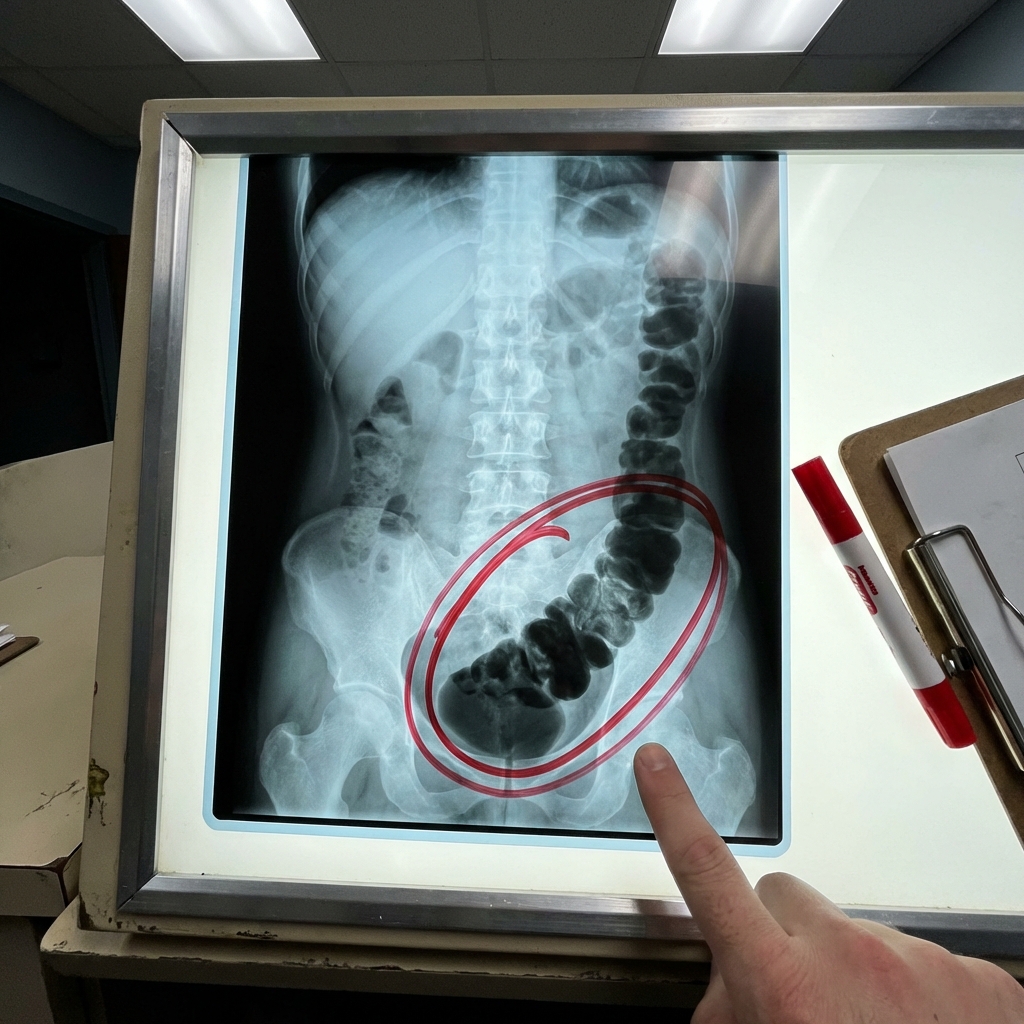
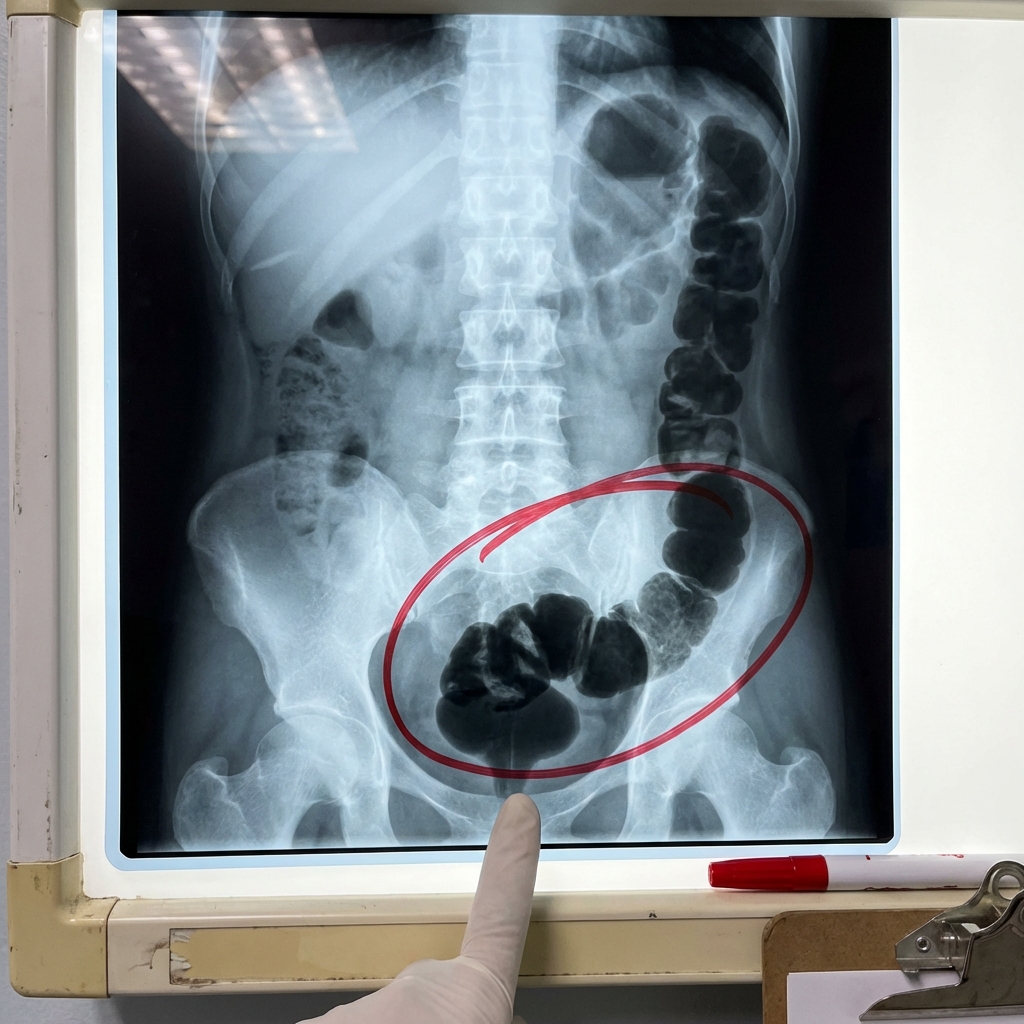
My daughter is a gastroenterologist who specializes in motility disorders. She told me to stop taking Miralax and start asking why my stomach had stopped emptying. That was the best medical advice I've ever received. I know how that sounds. Your own child telling you to question what your doctor prescribed. But Sarah works with GLP-1 patients every day. She sees what happens when they spend months treating the wrong organ. She sees the women who did everything their doctors told them to do — ate the fiber, took the Miralax, drank the water — and still ended up with a gut that refused to move. I was becoming one of them. I started Mounjaro in February. By April the constipation had taken over my life. Seven days sometimes without a single movement. Bloating so severe I looked pregnant by lunchtime. Sulfur burps mid-conversation I couldn't predict or control. Trapped gas that never let up. My doctor said the same thing every visit. Normal side effect. Eat more fiber. Take Miralax. Your body will adjust. I took the fiber. It made my bloating ten times worse. I did the Miralax cleanout — entire bottle in Gatorade. Spent the night doubled over, sweating, running to the bathroom every twenty minutes. Two days later the constipation was back like nothing happened. Probiotics. Nothing. Magnesium citrate. Worked for a week, then stopped. Gas-X. Took the edge off for an hour. Between the Miralax, the fiber, the probiotics, the magnesium, and a gut health supplement from Amazon, I was spending over $90 a month. My gut kept getting worse. I told Sarah about my doctor suggesting a stronger prescription. She went quiet. "Mom, can I come over Saturday? I need to talk to you about something." She drove three hours. That's when I knew this wasn't casual. We sat at my kitchen table. She had her laptop open. My daughter, who I used to quiz on biology flashcards, was about to give me a medical education my own doctor never did. "Mom, do you know how many women I see every week who took their Miralax every single day, ate their fiber, did everything right, and still ended up with a gut that completely stopped responding?" "I don't want to think about that." "Almost all of the ones on GLP-1 medication." "So what am I supposed to do?" "You're supposed to understand why nothing is working. Because nobody has explained to you what this medication actually does to your stomach." She turned her laptop toward me. "Think of your digestive system like a highway. Food enters at the on-ramp — that's your stomach. It travels through, and exits at the off-ramp — that's your colon." Simple enough. "Mounjaro slows the on-ramp to almost nothing. That's how it works. That's the mechanism that makes you lose weight. Your stomach used to empty in about four hours. On this medication it can take ten or twelve. Food just sits there." She pulled up a diagram. "When food sits that long, bacteria ferment it. They produce sulfur gas, methane, hydrogen. The gas expands your stomach wall. That's your bloating. That's the sulfur burps. That's the pressure that never lets up. Your stomach is literally a fermentation tank right now." I just stared at her. "Now here's the part that should make you furious. Every product you've been taking — the Miralax, the fiber, the stool softeners, the probiotics — they all work at the off-ramp. They all target the colon." She paused. "But nothing is backed up in your colon, Mom. The blockage is six feet upstream. In your stomach. You've been treating the exit when the problem is at the entrance." My chest got tight. "Why didn't Dr. Patel tell me this?" Sarah closed her eyes for a second. The way she does when she's trying not to say something she'll regret. "Because the standard protocol is fiber, Miralax, and stronger prescriptions if those don't work. That's what she learned. That's what the guidelines say. It doesn't matter that I work in motility every single day and watch it fail for GLP-1 patients constantly. The protocol is the protocol." "Your doctor isn't bad, Mom. She's just following a playbook that doesn't account for the fact that your problem is in your stomach and every product she's recommending works on your colon." I thought about my sister Diane. She quit Wegovy after four months because the constipation was so bad she couldn't function. Gained every pound back within a year. Her doctor never explained why the Miralax wasn't working either. Just told her to eat more fiber until she gave up on the medication entirely. I was eight months in. Not far behind where Diane was when she quit. "So what do I do?" "You stop treating your colon and start supporting your stomach." She showed me the research. Three things had to work together. First — apigenin. A flavonoid concentrated in celery juice extract. Not celery powder, not celery seed. The extract. It wakes up the muscles in the stomach wall — a natural prokinetic that promotes the contractions that push food out of the stomach. Works at the on-ramp. Where the medication actually caused the slowdown. "Eight months and not one person told you your stomach needed help, Mom. They were too busy telling you to eat fiber that was feeding the fermentation." Second — chlorophyllin. A stabilized form of chlorophyll that binds directly to the sulfur compounds and methane from the fermentation. Doesn't mask it. Neutralizes it at the molecular level. Right where it's happening. Third — soluble prebiotic fiber. Different from the bulk-forming fiber my doctor kept pushing. This feeds beneficial bacteria in the lower gut and produces butyrate, which keeps the colon moving once the stomach starts emptying again. The downstream support. Not more bulk packed onto a closed on-ramp. "Most products on the shelf are colon products, Mom. Probiotics. Bulk fiber. Osmotic laxatives. All working at the off-ramp. You need something that works at the on-ramp." She found one that met every criterion. Motilli. Celery juice gummies. Concentrated apigenin. Chlorophyllin. Soluble prebiotic fiber. All three. In a gummy that doesn't depend on the system that's backed up to deliver it. She ordered it for me before she left. Hugged me in the driveway the way I used to hug her before the school bus. Week one. Nothing. I texted Sarah that I didn't think it was working. She texted back: "It's been five days Mom. Give it time." Week two. The pressure under my ribs started easing. Not gone — but lighter than it had been in months. Week four. Pressed my hand into my stomach one morning. Soft. No wincing. I almost didn't trust it. Week six. My friend Barb asked if I wanted to try the new restaurant on Main Street. I said yes without calculating where the bathrooms were. Month two. Went to Sunday dinner at my son's house. Long table, too much food, stayed for coffee afterward. Came home without changing into elastic pants. My husband looked at me across the living room like he was seeing something he'd forgotten. Month four. Lily's spring recital at school. Front row. Watched every second. Clapped when she sang her solo off-key and didn't care. Didn't think about my stomach once. Five months after Sarah drove three hours to sit at my kitchen table, I went back to my doctor. She pulled up my previous notes. Then the new ones. "Your bowel movements are daily. The bloating has resolved. What changed?" "I stopped treating my colon and started supporting my stomach." She didn't know what to say to that. "Every product you prescribed works at the off-ramp — the colon. But GLP-1 medication slows the on-ramp — the stomach. The blockage was six feet upstream from where any of it could help. Once I supported the stomach with something that actually wakes up motility and neutralizes the fermentation, the constipation resolved." She looked at me. Then at the chart. Then back at me. "I'd like to understand what you're taking," she said. "I'll have Sarah send you the research." That night I called my daughter. She picked up on the first ring. "Daily movements," I said. "Bloating completely gone. Still losing weight." She didn't say anything for a few seconds. "I see women your age every week, Mom. Eight months on Miralax, still suffering, still being told to eat fiber, still treating the wrong organ. I wasn't going to let that be you." "It's not going to be me." "No. It's not." I think about Diane. Her doctors telling her the side effects were normal. The fiber that made her worse. Quitting the medication that was working because nobody told her the constipation was a stomach problem, not a colon problem. There was nothing inevitable about that. It was the wrong organ. Nobody connected the dots. Your gut isn't failing because you need a different laxative or more fiber or a stronger prescription. It's failing because your medication slowed your stomach down and everything you've been given to fix it works on your colon. Six feet away from where it matters. My daughter told me. Because she specializes in exactly this — and she wasn't going to watch it happen to her own mother. Motilli celery juice gummies. Two a day. No cleanouts. No fiber feeding the fermentation. No more treating the wrong organ. Just a stomach that empties again. Even on the medication. Stop following the protocol that's failing you. Start supporting the organ that actually needs it.
Where the ad sends people
trymotilli.co
My gastroenterologist daughter told me to throw away my Miralax
Motilli v2
Learn more: trymotilli.co(opens in a new tab)