Deborah Whitman
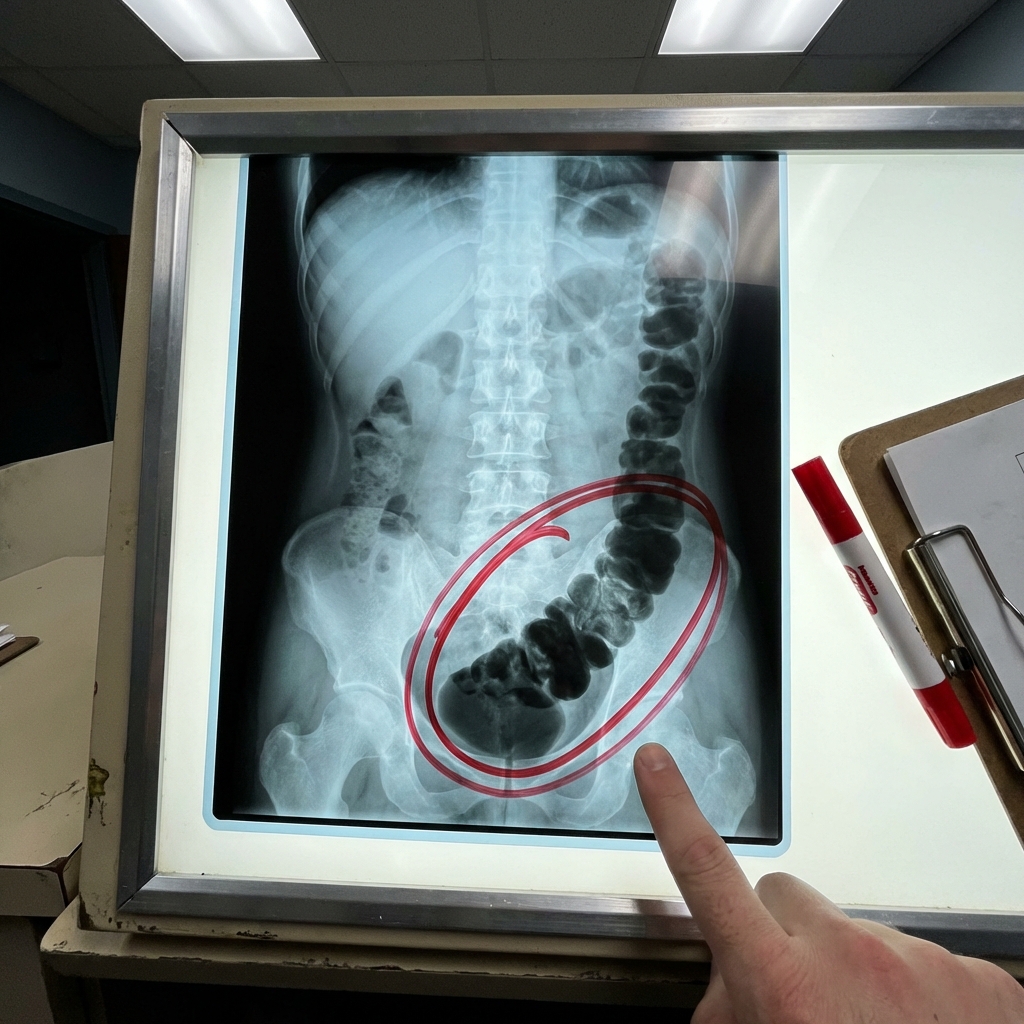
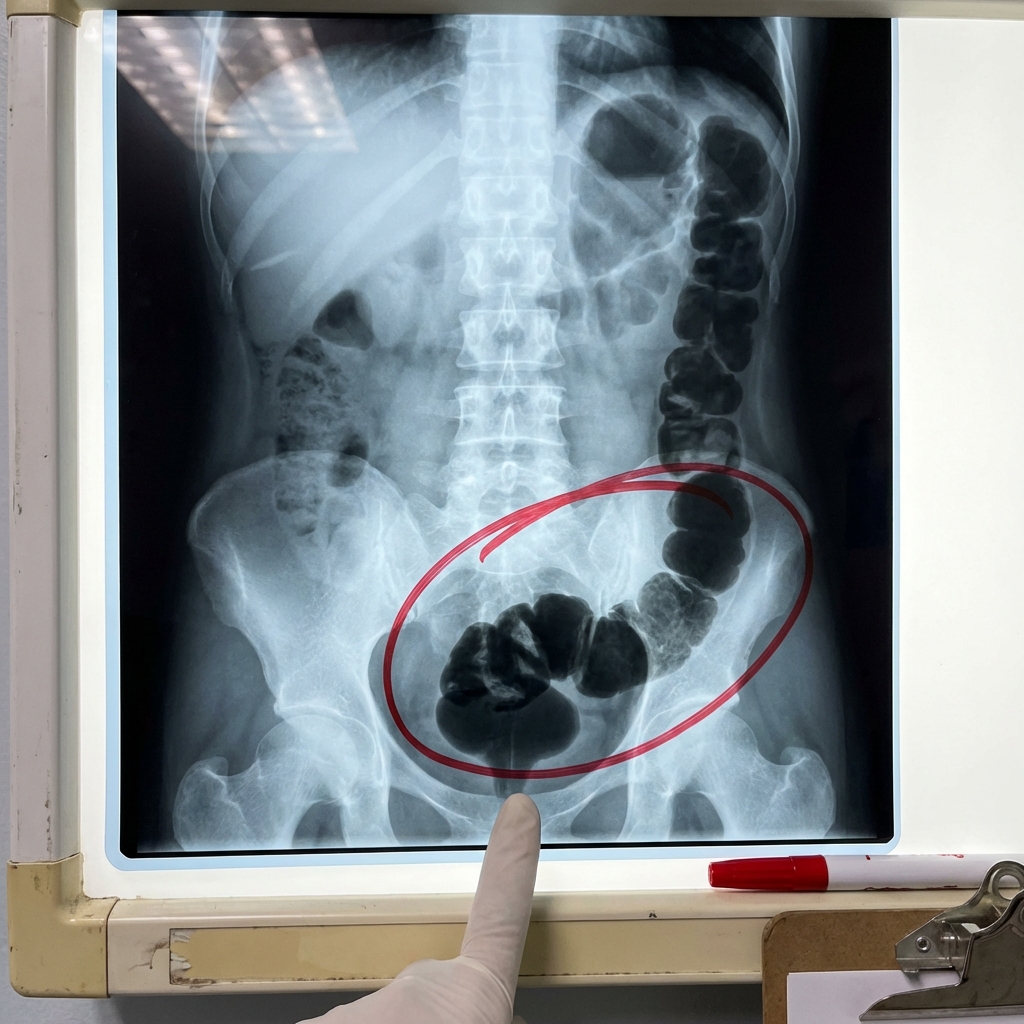
Deborah Whitman Facebook ad: “Every laxative I tried was aimed at the wrong end of my body”
Ran for 22 days, from March 4 to March 26, 2026, the last day Crush saw it.
Run by Deborah Whitman on Facebook. Crush is not the advertiser and does not verify its claims. See this ad in Meta's Ad Library(opens in a new tab)
Want an ad like this for your product?
Crush makes new ad images for your product from this ad: your logo, your product photo, your offer.
Trials from $19.95 USD, then $79.95 USD a month. Cancel anytime.
About this ad
- Meta Ad Library ID
- 1197036048937880
- Platforms
- Facebook, Instagram, Audience Network, Messenger and Threads
- Relaunches
- 0
Ad text
If you're on Ozempic, Wegovy, or Mounjaro and your stomach feels like it's full of cement, you can't stop burping sulfur, and you haven't had a normal bowel movement in weeks, I need you to hear this. Because what I'm about to tell you is going to make you furious. Here's what's happening right now: One — The medication that's finally silencing your food noise is quietly wrecking your digestion from the top down. Not just "causing constipation." Something deeper. Two — When you bring it up to your doctor, they're going to tell you to take Miralax and drink more water. And three — There's a reason that advice doesn't work. And a reason nobody's telling you why. I know this because I've watched it happen from the other side of the exam room. I've been a nurse for 23 years. I've seen things that would make you lose sleep. But the thing I can't stop thinking about is a 58-year-old woman named Karen who sat on the exam table in our clinic and cried because she hadn't had a bowel movement in eleven days. Let me tell you what happened to her. She'd been on Wegovy for five months. Down 31 pounds. Bloodwork was beautiful. A1C improved. Blood pressure down. On paper, she was a textbook success. I took her vitals and asked the standard questions. She answered everything fine until I asked, "Any digestive issues?" And she just... stopped talking. Looked at the floor. Then looked at me with this expression I've seen a thousand times — the one where someone is deciding whether to tell the truth or say what they think the doctor wants to hear. "I haven't gone to the bathroom in eleven days," she said. I put down my clipboard. She started talking fast, the way people do when they've been holding something in. The bloating so severe she couldn't button her pants. The sulfur burps that smelled like rotten eggs — so bad her grandson had commented on her breath at his baseball game in front of the whole bleacher section. The pressure in her stomach that kept her up at night. The feeling of food from dinner still sitting there the next morning, like a brick that wouldn't dissolve. She told me about the enemas. Plural. That she'd given herself one at a gas station bathroom during a road trip because the pain was a ten out of ten and she couldn't make it to her daughter's house. She told me about her medicine cabinet. Miralax. Dulcolax. Colace. Mag citrate. Fiber gummies. Senna. Smooth Move tea. Prune juice she hid behind the orange juice. She told me she had a spreadsheet on her phone tracking the last time she'd gone. Then she said the thing I hear from every one of these women: "But I've lost 31 pounds. So I just deal with it." The medication is giving her the body she's wanted for thirty years. But she's too sick to enjoy living in it. Sound familiar? The doctor spent nine minutes with her. I know because I checked. He told Karen that constipation was a very common side effect. Asked if she was drinking enough water. Suggested increasing her fiber and trying Miralax. Karen looked at him and said, "I've been taking Miralax every day for three months." He paused. Typed something into the chart. Said they could try Linzess or consider lowering her dose. Karen's face went white. "Lower my dose? I've lost thirty-one pounds." He nodded sympathetically. Follow up in six weeks. She left. I walked her out. At the door she turned and said, "He didn't hear a single thing I said, did he?" I wanted to tell her the truth. Instead I said, "Give the Linzess a try and call us if it doesn't help." She didn't call back. They never do. Because the weight is still coming off. And they've decided the suffering is the price of admission. But Karen broke something in me. Because she wasn't the first. She was just the one who made me stop handing out the same useless advice and start asking why it never worked. So I started researching. Not patient forums. Not Facebook groups. The actual studies. And what I found at 1 AM on my night off, sitting at my kitchen table, made me want to walk back into that exam room and apologize to every woman I'd ever handed a Miralax recommendation to. Because we were all treating the wrong organ. Think of digestion as a highway. Food enters at the on-ramp — the stomach. Travels through the middle — the small intestine. Exits at the off-ramp — the colon. When you hear "constipation," you think colon. Everyone does. That's where things exit. That's where the blockage must be. But GLP-1 medications don't work at the off-ramp. They slow things down at the on-ramp. The stomach loses its rhythm. Food sits there for hours — sometimes days. It ferments. That's where the sulfur gas comes from. It dries out and hardens. That's the cement feeling. By the time anything reaches the colon — if it reaches the colon — it's already a brick. The colon isn't blocked. It's empty. The problem was never at the exit. And every product in Karen's medicine cabinet was aimed at the exit. Miralax pulls water into the colon to soften what's sitting there. But nothing was sitting there. The blockage was in her stomach, six feet upstream. Fiber gummies add bulk to help things pass through the colon. When food can't get out of the stomach, adding bulk is packing more cars onto a highway where the on-ramp is closed. Dulcolax forces the colon to contract. But you can squeeze an empty tube all day long. Nothing comes out if nothing went in. Smooth Move tea stimulates the lower intestine. Same problem. You can't flush a pipe from the bottom when the clog is at the top. So the question became: what actually works on the stomach? I spent three nights on PubMed. Followed citations from paper to paper. Three things kept surfacing. First — a compound found in high concentrations in celery. Apigenin. It supports the vagus nerve — the nerve that controls stomach contractions, the nerve that tells the stomach when to push food through. GLP-1 medications essentially mute that signal. Apigenin was showing up in motility studies as a way to gently support it again. Not override the medication. Not force anything. Like turning the volume back up on a speaker someone turned down. That was the first piece. Get the stomach moving again. But even with the stomach moving, there's a backlog. Weeks of slow digestion mean bacteria have been producing hydrogen sulfide — sulfur gas — faster than the body can clear it. Getting things moving doesn't fix the gas that's already forming. The second piece was chlorophyllin — a concentrated form of chlorophyll that binds directly to hydrogen sulfide and neutralizes it before it rises as gas. Doesn't mask the smell. Disarms the molecule that creates it. Two pieces. But I kept reading. Because even with the stomach moving and the gas handled, everything downstream is backed up too. Weeks of stalled motility mean the small intestine and colon are congested. The third piece was a specific type of soluble prebiotic fiber. Not the bulk fiber every doctor recommends — that's the last thing a backed-up system needs. This was low-bulk, gel-forming. Draws moisture in. Softens what's stuck without adding volume to the gridlock. Lets things clear once the stomach starts working again. Three things. Wake up the stomach. Neutralize the sulfur. Soften the downstream backup without making it worse. Motility. Gas neutralization. Downstream flow. All three working together. That's when I understood why Karen's medicine cabinet never stood a chance. Every product addressed one piece — and most of them addressed the wrong piece entirely. I started looking for something that combined all three. Found motility supplements with ginger extract but nothing for the gas. Found chlorophyll drops with no motility support. Found fiber blends that would have made everything worse — insoluble bulk on top of an already jammed system. Everything had one piece. Nothing had all three in the right form. Then I found a small company I'd never heard of. They'd built a gummy — specifically for people on GLP-1 medications. Not a general digestive supplement repackaged with a new label. Motilli. Celery juice concentrate standardized for apigenin. Chlorophyll. Low-bulk soluble prebiotic fiber. I checked each ingredient against the studies I'd been reading for three nights. Motility support. Gas neutralization. Downstream flow. All three. At concentrations that matched the research. I ordered two bottles that night. One for me to evaluate. One for Karen. I called her the next day. She'd stopped coming to our clinic — I wasn't surprised. I told her I'd found something I wanted her to try. Didn't oversell it. Just said it worked on the stomach instead of the colon, and I thought it was worth thirty days. She was quiet for a long time. Then she said, "At this point I'll try anything." Two gummies a day. She started the following Monday. Day three she texted: "Nothing yet." I told her to give it time. This wasn't a laxative. It wasn't forcing anything. Day five: "Bloating feels a little less. Maybe placebo." Day ten: "I went this morning. On my own. No Miralax. No enema. Just went." That text shouldn't have hit as hard as it did. But it did. Because I knew about the eleven days. The gas station. The spreadsheet. The baseball game. Week three — the sulfur burps were nearly gone. I thought about her grandson at the baseball game. The whole bleacher section. That didn't have to happen. None of it did. "I had coffee with my friend Linda this morning," she said. "I didn't think about my breath once. Do you know how long it's been since that happened?" Month one — she stopped by the clinic. Not as a patient. To see me. She'd thrown out the spreadsheet. Still on Wegovy. Still losing weight. Still had the silence where food didn't run her brain. But she wasn't paying the tax anymore. Month two — her husband noticed she was going out again. Saying yes to dinners. Staying for the whole visit at the grandkids' house instead of disappearing every thirty minutes. "He said I seem like myself again," she told me. "He didn't know I'd been gone." She went to her grandson's next game. Stayed the whole time. I've since shared the same research with four other patients. Quietly. On my own time. Every one had the same pattern — weeks of nothing from laxatives, then steady improvement once something was finally working on the stomach instead of the colon. Here's what I need you to hear — from a nurse who has watched this happen over and over: Your doctors aren't lying when they say constipation is a common side effect. They're right. But they're wrong about where it starts. And because they're wrong about where it starts, every solution they offer is aimed at the wrong place. Motility. Gas neutralization. Downstream flow. That's not a mystery. That's mechanics. And until something addresses all three, you can take every laxative in the pharmacy and still end up on day eleven with a spreadsheet and an enema kit in your purse. You don't have to choose between the weight loss and your digestion. You don't have to accept the tax. Karen didn't. And she's back at the baseball games.
Where the ad sends people
a1.guthealthblog.org
Every laxative I tried was aimed at the wrong end of my body
Try Motilli Risk-Free for 90 Days Your GLP-1 Stomach Problems Aren’t “Just Side Effects.” A Gastroenterologist Reveals the Upstream Protocol That’s Giving Women Their Digestion Back—Without Touching Their Dose. The constipation, the sulfur burps, the cement-in-your-stomach feeling—none o...
Learn more: a1.guthealthblog.org(opens in a new tab)