
Inactive· since May 26, 2026
- 36
- days it ran
- 0
- relaunches
- 17,958
- EU reach
Ad copy
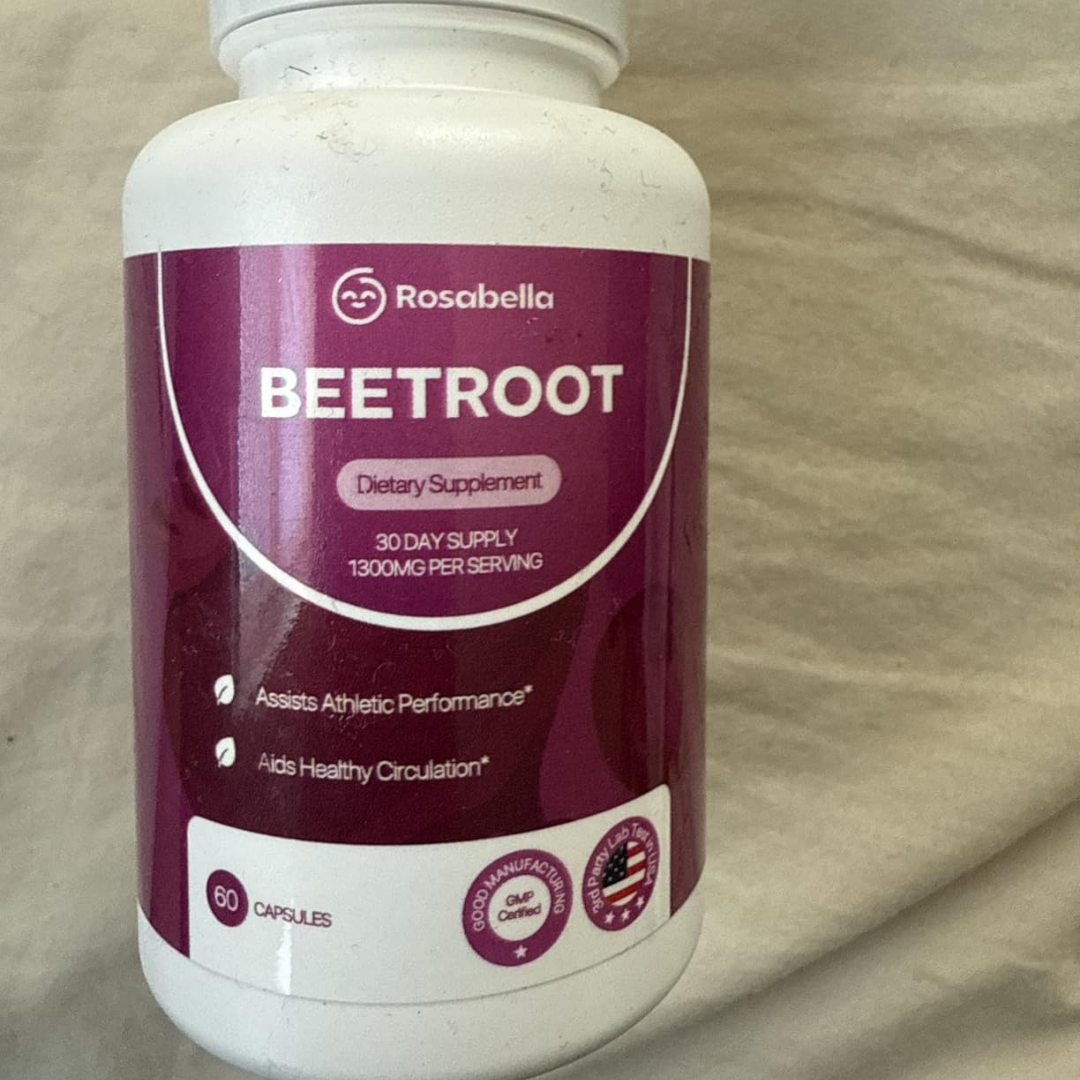
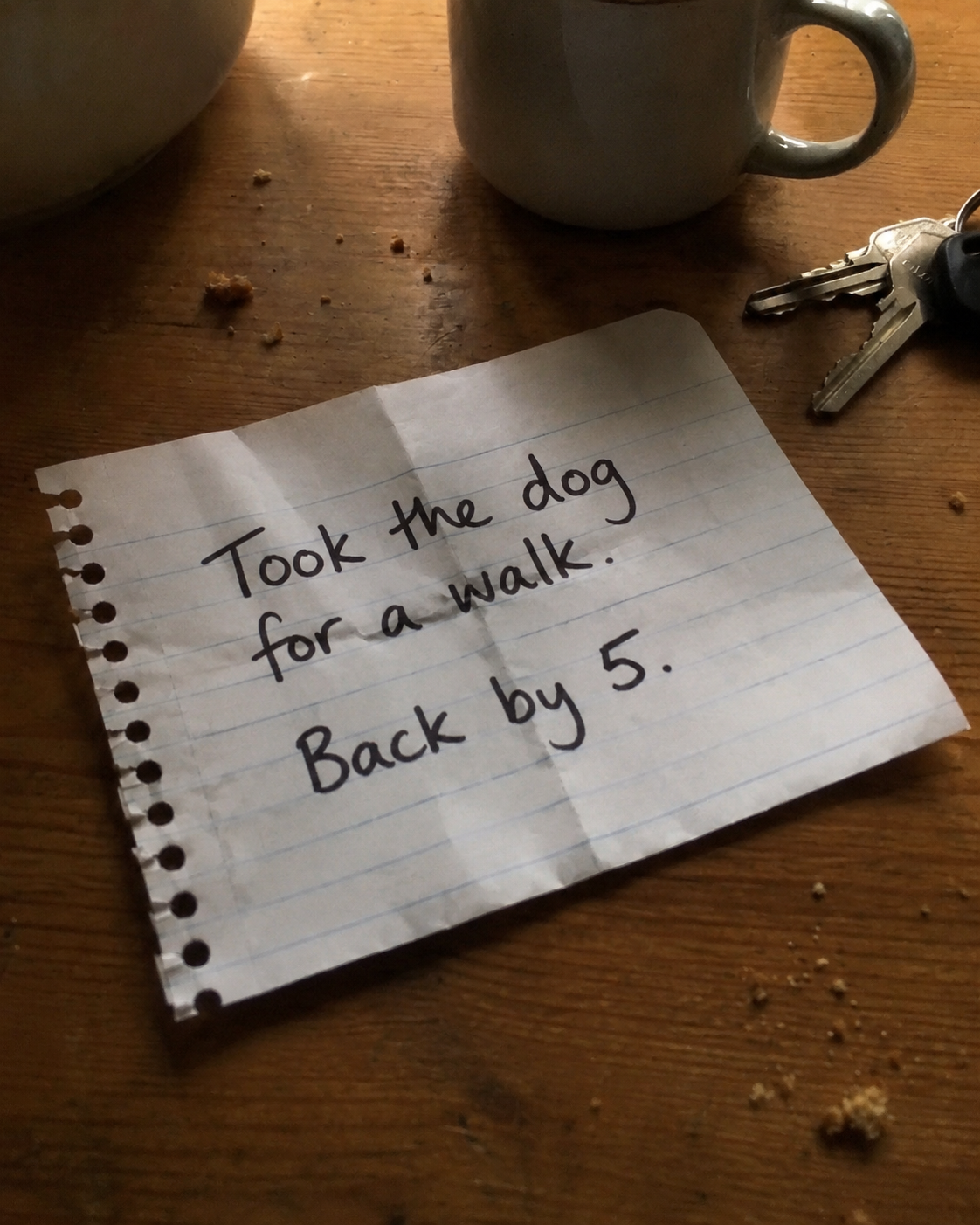
My Husband Fell Asleep at Our Daughter's Rehearsal Dinner. He Wasn't Sitting in a Chair. He Was Standing at the Bar. I'm 59. My husband Don is 61. Our daughter Allison got married last September. The rehearsal dinner was on a Friday night at a small restaurant in our town that we'd rented out for the evening — about forty people, mostly family, some of Allison's college friends, Don's brother and his wife in from Colorado. The dinner started at 6:30. By 8:45 the dinner was over and people were standing around the bar at the back of the restaurant having one more drink before they went home. I was talking to Allison's future mother-in-law — a kind woman named Sharon I'd met three times before — when I saw Don across the room. He was standing at the bar with his back against it. His eyes were closed. He was holding a glass of bourbon at chest height. His head was tipped slightly forward. He was asleep. Standing up. At our daughter's rehearsal dinner. Holding a drink. I want to tell you what I felt in that moment. I felt embarrassment first. That's the honest version. I felt embarrassed for him, and embarrassed for me, and embarrassed because Sharon's husband Mark was looking at Don too and I could tell Mark had seen what I had seen. Then — and this is the part I want you to remember — I felt afraid. Not afraid of anything specific. Afraid the way a wife is afraid when she sees something on her husband's body that she's been refusing to see for a long time. I walked across the room. I tapped Don on the shoulder. He opened his eyes. He blinked. He looked at me. He said: "Hey, hon." He said it the way you say hi to someone you've been seeing every day for thirty-five years. He had no idea he'd been asleep. He had no idea he'd been asleep at the bar at his only daughter's rehearsal dinner. I want to tell you the rest of this story, because the rest of the story is what made me realize that my husband had not just been tired. My husband had been quietly disappearing for almost two years. And I had been quietly letting him. I'll back up. I'm 59. I work part-time at a small public library in our town. I went back to work in 2018 after fifteen years of raising our kids. I love the job. Twenty-eight hours a week, three full days, with summers a little busier when the children's programs run. Don is 61. He's a project manager for a regional construction firm. He's been with the same company since 1991. He runs commercial jobs — office buildings, mostly, some retail. We've been married thirty-three years. We have two kids. Allison is twenty-seven. She got married last September to her boyfriend of four years, Eric, who is a wonderful man and whom we love. Our son Jake is twenty-three. He lives in Chicago, two and a half hours from us, and works in IT for a healthcare company. Don and I, by most measures, have had a steady life. I want to tell you about Don, because if you don't know Don the rest of this isn't going to make sense. Don is — was — a 7 a.m. man. He has been a 7 a.m. man since I met him in 1991. He'd get up at 6. He'd shower. He'd make himself a piece of toast and two eggs. He'd drink one cup of coffee. He'd be at his desk in his home office by 7. He'd take a call with his crew foreman by 7:15. He'd drive to a jobsite by 9 unless he was running an admin day at the office. He's worked construction since 1985. Started as a carpenter's apprentice. Went to school nights for project management in his late twenties. Promoted to PM in 1996. He's been one of the steady, reliable, never-leaves-a-thing-unfinished men I have ever met. He played softball on a men's league until 2018. He bowled in a Wednesday-night league until 2020. He volunteered at our church's annual Christmas pageant build for fifteen years — he was the guy who built the wooden manger every year. He has been a doing man. For the last two years he had been a sitting man. I had been telling myself he was tired. I want to list the things I had been telling myself were tiredness, because I think every wife who's been where I've been has a list. The chair. Don has a recliner in our family room. He bought it in 2017. It's a brown leather thing that I never liked, but he loved it, so we kept it. By the spring of 2023 he was in it more than he was in the rest of the house. He'd come home from work. He'd eat dinner. He'd sit in the chair. He'd be asleep by 8:15. Some nights he wouldn't get back up. I'd cover him with a blanket and go to bed alone. I told myself he was working hard. The weekends. Don and I used to have weekends. We'd go to estate sales on Saturday mornings. We'd run errands together. We'd cook dinner on Sundays — a thing we'd been doing since the kids were little. Sometime in 2023, Saturdays started looking like this: he'd sleep until 8:30. He'd have coffee. He'd say he had a few things to do in the garage. He'd go into the garage. He'd come back at 10 a.m. and sit in the chair. He wasn't doing things in the garage. I'd checked, twice, when he was in there a long time. He was sitting on a stool at his workbench, looking at his tools. Sunday dinners stopped happening sometime in early 2024. We started ordering pizza. The pizza had been once a month. Then twice a month. Then most weeks. I told myself we were tired. The driving. For thirty-three years of marriage, Don drove. He drove when we went anywhere. He drove on vacations. He drove to Jake's college graduation in 2022. He drove to Allison's college graduation in 2019. Sometime in late 2023, Don started saying "you drive, hon" when we were going somewhere together. By the summer of 2024 he was saying it every time. I'd been driving us everywhere for over a year. I told myself his eyes were bothering him. The walking. Don and I used to walk after dinner. Around the block. Forty-five minutes. We'd done it for thirty years. He stopped in 2023. He'd say his knee was bothering him. He'd say he was too full from dinner. He'd say he wanted to catch the news. I went alone for about six months. Then I stopped going alone. Walking around the block by yourself when you've walked it with your husband for thirty years isn't a walk. It's a confirmation. The kids noticed too. Allison called me one Sunday in March of 2024. She said: "Mom. Is Dad alright? He sounds different on the phone." I said: "He's tired. Work has been busy." She said: "Okay." She didn't push. Two months later she called me and said the same thing in different words. I said the same thing in different words. She didn't push that time either. I think she was waiting for me to be ready to say what was actually happening. I wasn't ready. I wasn't ready for two years. So. The rehearsal dinner. I tapped Don on the shoulder. He opened his eyes. He said hey. I said: "Honey. You were asleep." He said: "I was?" I said: "You were standing at the bar with your eyes closed." He said: "Oh." He didn't say anything else. He put his drink down on the bar. He took my hand. He said: "Let's go home." We said goodbye to the people we needed to say goodbye to. We hugged Allison. We hugged Eric. We hugged Sharon and Mark. I drove us home. In the car Don said: "Helen. I'm sorry." I said: "It's okay." He said: "It's not okay. I was asleep at our daughter's rehearsal dinner." He was quiet for about a mile. Then he said: "Something's wrong with me." I want you to know that this was the first time in two years he had said anything like that out loud. I had been waiting for him to say it. I didn't know I had been waiting until he said it. I said: "I know, honey." He looked at me. He said: "You knew." I said: "I knew." He said: "Why didn't you say anything." I said: "Because I didn't think you were ready to hear it." He looked at the road. He looked at his hands in his lap. He said: "I'm ready now." I drove the rest of the way home in the kind of silence married people drive in when something important has just happened. The next morning, on the day of our daughter's wedding, Don and I sat at the kitchen table at 6 a.m. He'd been up since 5. He couldn't sleep. He said: "Helen. I want to call Dr. Hartley on Monday." I said: "Okay." He said: "I want to tell him everything." I said: "Okay." He said: "But today is Allison's day. Today I'm going to be there. I'm going to walk her down the aisle. I'm going to dance with her. I'm going to be Dad. Tomorrow I'm going to deal with this." I said: "Okay." I put my hand on his hand on the table. He said: "Helen. I'm scared." I said: "I know." He said: "I haven't been honest with you about how tired I've been." I said: "I know." He said: "I haven't been honest with myself about it either." He stood up from the table to go take a shower. He sat back down. He put his head in his hands. He cried for about a minute. Quietly. The way men of his generation cry, when they cry, which is rarely. He stood up again. He kissed me on the top of the head. He said: "Okay. Today is Allison's day." He went to take a shower. I sat at the kitchen table by myself. I thought: my husband just told me he's been disappearing. I thought: I have been letting him disappear for two years. I thought: I am going to do something about it on Monday. I didn't know yet what I was going to do. I knew I was going to do something. The wedding was beautiful. I want to say that, because the wedding was beautiful and I do not want the version of this story you take away to be a version where the wedding was overshadowed by what came after. Don walked Allison down the aisle. He didn't shuffle. He didn't lean. He held his arm out for her the way a father holds his arm out for his daughter when he has been waiting twenty-seven years to do it. He danced with her to the father-daughter song. He led her around the floor for the whole song. He turned her under his arm at the right moments. He pulled her in close on the slow part. I watched from a table near the dance floor. I cried. Allison cried. Don held it together until the song was over, and then he held her for another long moment after the music stopped, and I could see his shoulders shake. The wedding was beautiful. It was also — and I want to be honest about this — a temporary version of Don. Don rallied for that day. He pulled something out of himself for our daughter that he had not been able to pull out of himself for me, or for himself, in two years. He went to bed at midnight that night and slept for almost twelve hours. He sat in the chair for most of Sunday. On Monday morning he called Dr. Hartley's office. Dr. Hartley is Don's doctor. He's been Don's doctor since 2010. The nurse — Janice — got him an appointment for Wednesday. I want to tell you about the appointment because I went with him. I asked if I could go. He said yes immediately. I think he was relieved I'd asked. We sat in the exam room together. Dr. Hartley came in. He'd known Don for fourteen years. He'd seen Don through a kidney stone in 2017 and a torn meniscus in 2019. He sat down on the rolling stool. He said: "Don. What's going on." Don said: "I fell asleep at my daughter's rehearsal dinner. I was standing at the bar holding a drink. I had no idea. Helen had to tap me on the shoulder." Dr. Hartley nodded. He didn't react. Don said: "I've been tired for a long time. Two years. Maybe longer. I've been sleeping ten hours a night and I'm still tired all day. I sit in the chair every night and I can't get up. I haven't been driving. I haven't been walking. I haven't been doing anything I used to do." Dr. Hartley said: "Anything else." Don said: "I'm cold in the kitchen in the morning. I'm cold at night. My hands are cold when I reach for Helen in bed. I never used to be cold." Dr. Hartley said: "When did the cold start." Don said: "I don't know. A year ago. Maybe more." Dr. Hartley said: "Have you noticed anything else." Don said: "I don't look forward to things anymore. I love my kids. I love Helen. I'm not depressed. I know what depressed is — my brother went through it after his divorce. This is something else. This is — quiet. I'm quiet inside. I'm flat. I love the people I love. I just don't feel anything when I think about them." He paused. He said: "I almost didn't walk Allison down the aisle. Not because I didn't want to. Because I wasn't sure I had it in me. I made myself do it. I made myself dance with her. I made myself smile. The whole day was made-myself." Dr. Hartley wrote some things down. He said: "Don. I'm going to run a thorough panel. I want bloodwork. I want a thyroid panel. I want testosterone. I want vitamin D. I want a metabolic panel. I want inflammatory markers. I want to look at things we don't normally look at." He said: "I also want to be honest with you, Don. What you're describing isn't on the standard panel. But what you're describing is real. I see it in men in your age range a lot. Men who retired from active work, men who shifted from physical to desk work, men who got into their late fifties and started a slow fade that wasn't a disease and wasn't a depression but was something." He said: "There isn't a clean clinical name for it. It is a kind of slowing down that happens at the cellular level — a quieting of the systems that ran on autopilot in your forties. It's worse for some men than others. It's not a moral failing. It's not in your head. It's real." Don sat there. Dr. Hartley said: "We're going to look at the panel. We're going to do some bloodwork. And then we're going to talk again next week." He stood up. He shook Don's hand. He said: "I'm glad you came in, Don. I'm sorry you've been carrying this for two years." In the car driving home, Don said: "I'm glad I went." I said: "Me too." He said: "I should have gone a year ago." I said: "You went when you went." He said: "You should have made me go a year ago." I said: "Don. I'm not going to take responsibility for not making you go. I let you get there on your own. That's the part of this story I want to talk about with you eventually. Not today. Some other day. But I want you to know I was watching. I was waiting. I am not sorry I waited." He put his hand on my hand on the gearshift. He didn't say anything. We drove home in the kind of silence married people drive in when both people are still figuring out what they want to say next. The bloodwork came back on a Friday. Dr. Hartley called Don himself. He said: "Don. I want to come in next week and talk in person. Here's the short version. Your thyroid is fine. Your blood pressure is a little high. Your cholesterol is creeping. Your testosterone is on the low end of normal — not low enough to medicate, but not where you want it to be at sixty-one. Your vitamin D is low. Your inflammatory markers are elevated. Your A1C is fine. Your kidney and liver function are good." He said: "Nothing is broken. A lot of things are soft." I want to underline what he said next, because what he said next is the part Don and I have repeated to each other a hundred times. He said: "Don. What we're looking at is a man whose body is doing less of the work it used to do on its own. Not because of any single disease. Because of cellular slowing-down that happens with age, with sedentary work, with the kind of low-grade load a body of your age carries. We can support it." He said: "Come in next week and we'll make a plan." I'm going to tell you about Lillian, because Lillian is where this story turns. Lillian is my friend. She is sixty-four. We met in the early 2000s when our kids went to the same elementary school. Her husband Walter is sixty-seven, retired four years ago from a long career as a high school history teacher. Lillian and Walter had gone through something similar to what Don was going through. Three years ago. I'd known about it in vague terms. Lillian had mentioned it to me at various coffees and lunches over the years. I'd never asked her to elaborate. After Don's bloodwork came back, I asked Lillian if we could have lunch. We had lunch on a Saturday at a small place in town that does soup and salads. I told her everything. The rehearsal dinner. The chair. The driving. The bloodwork. She listened the whole way through. When I was done, she said: "Helen. I want to tell you what we did. I want to tell you carefully, because I don't want you to take what I'm saying as anything other than what one couple did. Walter is not Don. What worked for Walter may not work for Don. But I want to tell you, because somebody told me at this same table four years ago, and I am going to tell you now." She told me four things. She said: "First — the walks. Walter walks every morning. Forty minutes. Outside, before breakfast. He started small. Fifteen minutes the first week. He built up. The walks did more for him than anything else." She said: "Second — the food. He cut processed food. He cut alcohol almost entirely — they let him have a glass of wine on Saturdays. He started eating fish twice a week. He started actually eating breakfast instead of skipping it." She said: "Third — the sleep. He goes to bed at 10. He gets up at 6:30. Every day. The hardest part of all of it for Walter, because he'd been a night owl his whole life." She said: "Fourth — the supplement. And I want to be specific about this. The supplement is the fourth thing. It is not the first thing. The walks are the first thing. The food is the second. The sleep is the third. The supplement supports the other three. It does not replace them." I said: "What's the supplement." She said: "A cold-pressed beetroot supplement. Small operation in Lancaster County, Pennsylvania. It's called Rosabella." She said: "The reason we chose this one over the others is that they cold-press at low temperatures. The compounds in beetroot that do the work — they're called betalains — are heat-sensitive. Most beetroot products on the market are processed in ways that degrade them. This one isn't." She said: "The compounds support the body's natural antioxidant balance and what the science people call cellular energy at a structural level. It's been studied for decades for cardiovascular wellness and general vitality. It's a food-based supplement. It's not a drug, not a stimulant, not a fix." She said: "Walter has been taking it for three years." She said: "Before he added it, we called Dr. Berman's office and asked the nurse to ask the doctor if it was sensible to add to what Walter was already doing. The doctor said yes. He started it that week." She said: "I want to tell you that for the first three weeks, Walter felt nothing. He almost stopped. I told him to keep going. By week six he was different. By month three he was the man I'd been waiting two years to see again." She said: "I'm not telling you the supplement is the reason. I am telling you the combination is. The walks. The food. The sleep. The supplement. I cannot tell you which capsule, which morning, which night of sleep tipped him. I can tell you that ten weeks in, the man at the kitchen table was the man I'd married." She said: "If you want the name, I'll write it down." She did. She wrote Rosabella on the back of a receipt from her wallet and handed it to me. She said: "Helen. Tell Don to talk to Dr. Hartley about every part of this. Don't skip steps. The order matters. The supplement doesn't work without the other three. The other three work better with the supplement." She said: "But all of it requires the doctor in the loop. Walter would tell you the same. Walter still goes to Dr. Berman every six months. Walter is still on a low dose for his blood pressure. The supplement didn't replace the medication. It worked alongside it." She said: "Don needs the doctor too. Maybe a medication, maybe not. But the doctor in the loop. Always." I told her I would. I drove home with the receipt in my pocket. I told Don about it on Sunday morning over coffee. We went back to see Dr. Hartley the following Tuesday. Don told him everything Lillian had told me. Dr. Hartley listened. He said: "Don. I'm going to be honest with you. I was going to recommend most of those things today. The walks, the food, the sleep — those are the basics. The basics matter more than anything else." He said: "I was also going to recommend a low dose of medication for your blood pressure. I'm still going to recommend that. We'll start low and watch." He said: "I was going to recommend vitamin D supplementation. I'm still going to recommend that." He said: "When you bring up beetroot — the cold-pressed kind, a real product from a real source — I'm comfortable with that as an addition. Not as a replacement for anything. As one component of a stack alongside the basics and the medication. The compounds in beetroot are food-based, well-documented, and reasonable to add. There's good research on antioxidant support for cardiovascular wellness and general vitality at the cellular level." He said: "I'd want you to bring the bottle in to me before you start. I'd want to look at the label. I'd want to know the source. I'd want to know what's in it and what's not." He said: "If everything checks out — which I expect it will, if Lillian's husband has been on it for three years with no issues — go ahead and add it. Tell me at your next visit." Don nodded. Don said: "Doc. I want to do all of it. The walks. The food. The sleep. The medication. The vitamin D. The supplement. All of it together." Dr. Hartley smiled. He said: "Good. That's the right answer. Most men don't say that." He said: "Come back in three months. We'll re-run the bloodwork. We'll see where we are." I'm going to compress what happened next because I want to respect your time. Don ordered the supplement that night. He brought the bottle into Dr. Hartley's office on Thursday. Janice the nurse looked at it for him. She called him on Friday and told him the doctor had approved it. Don started the bottle on Saturday. He started the walks on Saturday too. The first morning he made it twenty minutes and had to sit on a stone wall at the corner of our street for ten minutes before he walked home. By the end of the first week he was at thirty. By the end of the third week he was at forty. I went with him on the weekends. We hadn't walked together in two years. The food was easier than I thought it would be. I cooked. I'd been cooking the way I wanted to cook for thirty-three years. I cut some things out. I added some things. Don ate what I cooked. The sleep was the hardest. Don had been a man who fell asleep in his chair at 8:15 and then came up to bed at midnight and slept badly until 7. Going to bed at 10 and getting up at 6:30 was a complete reorganization of his evenings. He did it. He took the medication. He took the vitamin D. He took the supplement. He did it all together. For the first three weeks, he felt nothing. I want to underline that. Three weeks. Nothing. He came to me on a Sunday morning of week three and said: "Helen. I don't feel any different. I don't think this is working." I said: "Don. Lillian said three weeks. She said Walter wanted to stop at three weeks. She said the body is slow. Give it more time." He said: "Okay." He gave it more time. I want to tell you about a Thursday in November. It was eight weeks into the program. I came home from work at 4:15. The kitchen was dark when I came in, which was strange because Don usually had a light on by then. I called for him. He didn't answer. I walked through the house. The recliner was empty. There was a note on the kitchen table in Don's handwriting. It said: "Took the dog for a walk. Back by 5." I stood at the kitchen table holding the note. Don hadn't walked the dog in eighteen months. The dog was an eleven-year-old golden retriever named Maple. Don used to walk her every morning before work. He'd stopped in the spring of 2023. I'd been walking her since. I read the note three times. I went out onto the porch and I sat on the step. I waited. At 4:55 Don came around the corner of our street. Maple was on the leash next to him. He saw me on the porch. He walked up the front walk. He was — and I want to describe this precisely — walking like a man who weighed thirty pounds less than he had weighed three months earlier, even though he'd only lost about twelve. He came up the porch steps. Maple sat at his feet. He said: "Hey, Helen." I said: "You walked Maple." He said: "I did." I said: "How was it." He said: "It was good. We went down to the river and back. I almost turned around at the bridge and then I thought — I want to go to the other side. So I went to the other side." I sat there. He said: "You okay, hon." I said: "Yeah. I'm okay. Just — I haven't seen you walk the dog in a long time." He sat down next to me on the porch. He put his hand on my back. He said: "I know, Helen. I know." We sat on the porch for about twenty minutes. The light started to change. November light, gold and going gray at the edges. He said: "I'm going to be alright." I said: "I know." He said: "I almost wasn't." I said: "I know that too." I cried on the porch. Don didn't say anything else. He sat with me until I was done. Then he went inside to start dinner. He cooked that night. He hadn't cooked in two years. He made chili. I sat at the kitchen table while he stood at the stove. I watched him cut the onions. I watched him brown the meat. I watched him open the cans of tomatoes the way he used to, with the can opener that lives in the second drawer. He whistled while he cooked. He hadn't whistled in two years either. I'd forgotten he whistled. I had to leave the kitchen for a minute and go into the bathroom and put my face in a towel. I came back. He was still whistling. He didn't ask me what I'd been doing. We ate the chili at the kitchen table. It was good chili. It was the best chili I had eaten in two years. That was November of last year. It's been about ten months since the rehearsal dinner. About nine months since Don started the program. He went back to Dr. Hartley three months in. The bloodwork had improved. The inflammatory markers were down. The blood pressure was in a better place. The vitamin D was up. The cholesterol had settled. The testosterone had come up a little — which Dr. Hartley said was mostly the walking and the weight. He went back six months in. The same. He went back nine months in. The same. Dr. Hartley said: "Don. Whatever you're doing, keep doing it." Don is. He walks every morning. Maple goes with him on the days Maple feels like going, which is most days, because Maple is eleven and the walks are slow. Don makes coffee for me every morning. He'd stopped at some point in 2023. He started again in October. He drives when we go places. He goes to bed at 10 and gets up at 6:30. He doesn't fall asleep in his chair. He doesn't fall asleep at bars at rehearsal dinners. He goes to Allison and Eric's for Sunday dinner once a month, and he sits at their table for three hours and tells stories and pours wine and laughs at his son-in-law's bad jokes, and he is — and I want to say this carefully — present. He is present in his own life. He had not been, for two years. He is now. I want to be careful about what I'm claiming. Don added the supplement to a bigger set of changes. The walks. The food. The sleep. The medication. The vitamin D. I cannot tell you which part did what. What I can tell you is that the combination got my husband back. I cannot tell you which capsule, which morning walk, which night of going to bed at 10 tipped him. I know the combination did. I know I am a woman whose husband is back from a two-year disappearance. If you are a wife who has been watching your husband fade — quietly, slowly, in the chair, at the bar, in the silences at dinner — please don't wait the way I waited. Don't wait two years. Don't wait for a rehearsal dinner. Don't wait for a moment of public asleep-at-the-bar that shocks both of you into honesty. You can have the conversation earlier than I did. You can tell him you've been watching. You can tell him you've been worried. You can ask him to call his doctor. If you're the husband — and a husband might be reading this, because I know wives sometimes leave things like this open on tablets in kitchens — please don't wait either. Call your doctor. Tell him what you've been feeling. Tell him about the chair. Tell him about being cold at night. Tell him about not looking forward to things. Tell him you've been making-yourself for too long. He will run the bloodwork. He will tell you what he sees. He will probably tell you the same thing Dr. Hartley told Don. Then ask him about the basics. The walks. The food. The sleep. Then ask him about supportive supplementation. About beetroot. About the cold-pressed kind. About the small operation in Lancaster County that does it the slow way. If he says yes, you have a fourth thing to add to the basics. If he says no, you have information. Either way, you've asked. The asking is what starts the process. I'm not a doctor. I'm not in healthcare. I'm a 59-year-old part-time librarian from a small town in central Indiana whose husband fell asleep at her daughter's rehearsal dinner and finally — finally — said out loud the thing he had been carrying alone for two years. I'd rather have had the conversation a year earlier. I'm telling you so you can. Don't wait for your rehearsal dinner. Have it tonight. ~ Helen R. P.S. — Rosabella has a 90-day money-back guarantee. If you're not satisfied for any reason, every penny back, no questions asked. That's a sensible policy. Give it at least six weeks before you decide anything. Don felt nothing for three weeks. He almost stopped. He didn't. By week six he was different. Bodies are slow. The kind of cellular slowing-down we're talking about doesn't reverse in a weekend. P.P.S. — Lillian and I have lunch every other Wednesday now. We didn't used to have lunch every other Wednesday. We used to have coffee once every few months. The lunch came out of what we went through. Wives who have been through something together are different friends than wives who haven't. I want to say something to the wives reading this who have been carrying what I was carrying alone for two years. You don't have to carry it alone. Find a Lillian. Even one is enough. If you don't have one — find a doctor's nurse who will listen for ten minutes while you describe what you've been seeing. Find a sister. Find a friend from church. Find anyone who can hold a piece of the weight while you figure out what to do. The weight is too heavy for one person. I tried. I know. P.P.P.S. — Rosabella is a small operation. The farms they work with harvest on their own schedule. Don waited fourteen days for his second bottle because they were between bottlings. I keep an extra one in the cupboard now. If you decide to try it, that's worth knowing. They're not Amazon. They make what they make. When it's gone they make more, and sometimes you wait. P.P.P.P.S. — I want to tell you about Allison. She came home for Christmas with Eric. She watched her father for the whole long weekend. She didn't say anything to me about it until Sunday morning, when we were doing dishes together in the kitchen and Don and Eric had taken Maple out for a walk. She said: "Mom. What did you do." I said: "I didn't do anything, honey." She said: "Mom." I said: "Dad did it. He went to the doctor. He started a program. He's been doing it for a few months." She said: "He's different." I said: "He is." She said: "I was so worried about him at the wedding, Mom. He was — he was Dad, but he was wearing himself like a costume. I could see it. I didn't say anything because it was my wedding and I didn't want to ruin it." I said: "Honey. I know." She said: "I'm so glad he's back." She put her hand over her mouth. She said: "I want him to walk my kids to school someday." I said: "Honey. He will." We finished the dishes. She didn't say anything else about it. She didn't have to. P.P.P.P.P.S. — One more thing, and then I'm done. I want to tell you about the rehearsal dinner. We never talked about the rehearsal dinner again, Don and I. Not because we couldn't. Because we didn't need to. The rehearsal dinner is the thing that started the conversation. It is not the thing we have to keep having. If you have your own version of the rehearsal dinner — a moment where you saw something on your husband, or on yourself, or on someone you love, that you cannot un-see — please do not let the moment go. Pick the moment up. Carry it home. Set it on the kitchen table. Look at it. Tell your husband what you saw, or your wife, or your friend, or your doctor. Tell somebody. The thing you do not want to look at is the thing that is going to keep happening until you look at it. Once you look at it, the thing changes. It does not change all at once. It changes in pieces. One walk. One bottle of cold-pressed beetroot from a small farm in Lancaster County. One doctor's appointment. One Sunday morning of chili at the kitchen table. But it changes. It changed for Don. It can change for whoever you love who is fading. Don't wait for your rehearsal dinner. I am writing this to you from the other side of mine. The other side is real. You can get there too. https://track.tryrosabella.com/14309c20-4d60-44e3-9565-5ba6bb358986 Individual experiences vary. These statements have not been evaluated by the FDA. This product is not intended to diagnose, treat, cure, or prevent any disease.
Support stamina and heart health every day
LEARN MORELike this ad? Make it yours.
Crush rebuilds this exact creative around your product — your brand, your colors, your offer — in about a minute.