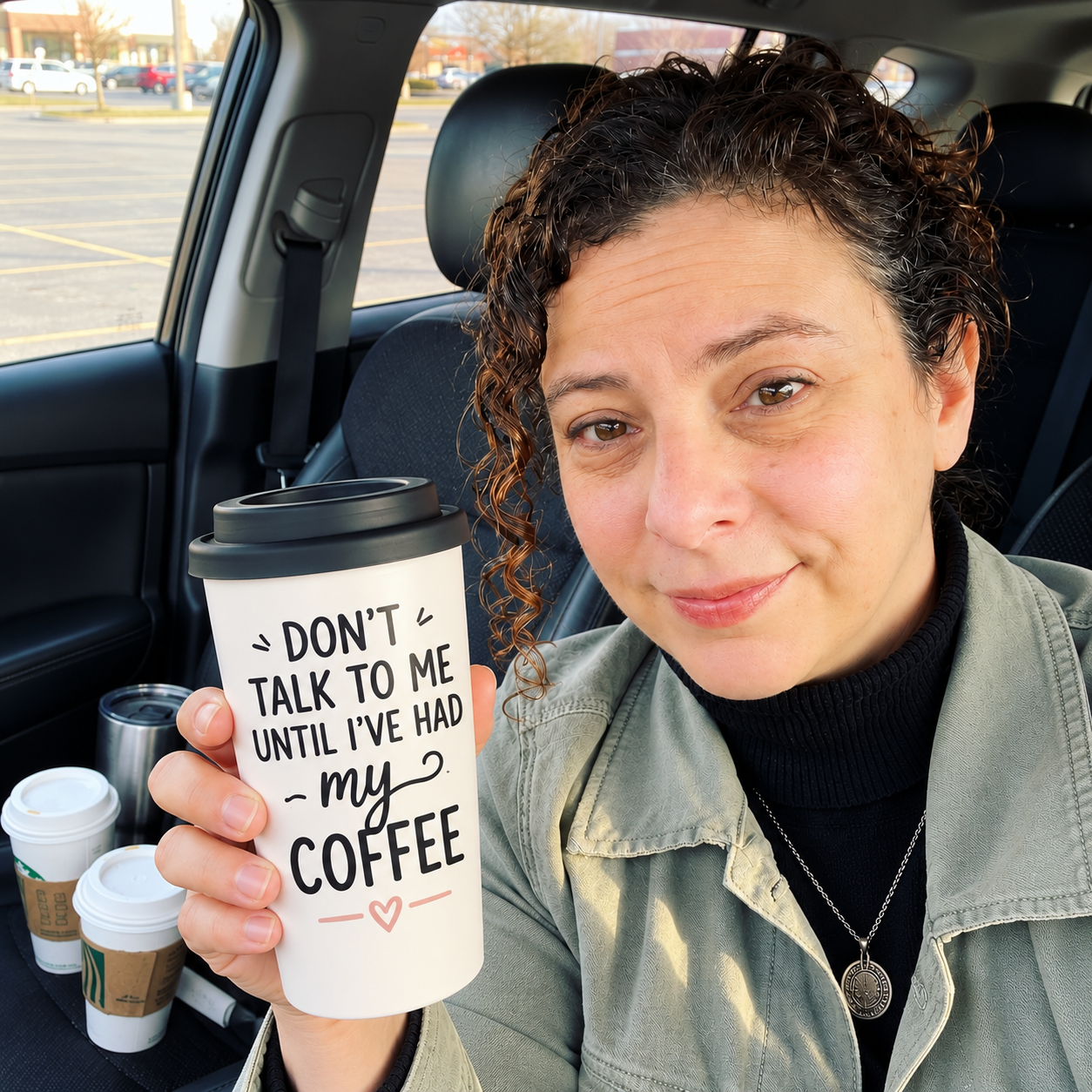
Lauren Mitchell
 Facebook ad: “Sleep Hygiene Wasn’t My Problem”
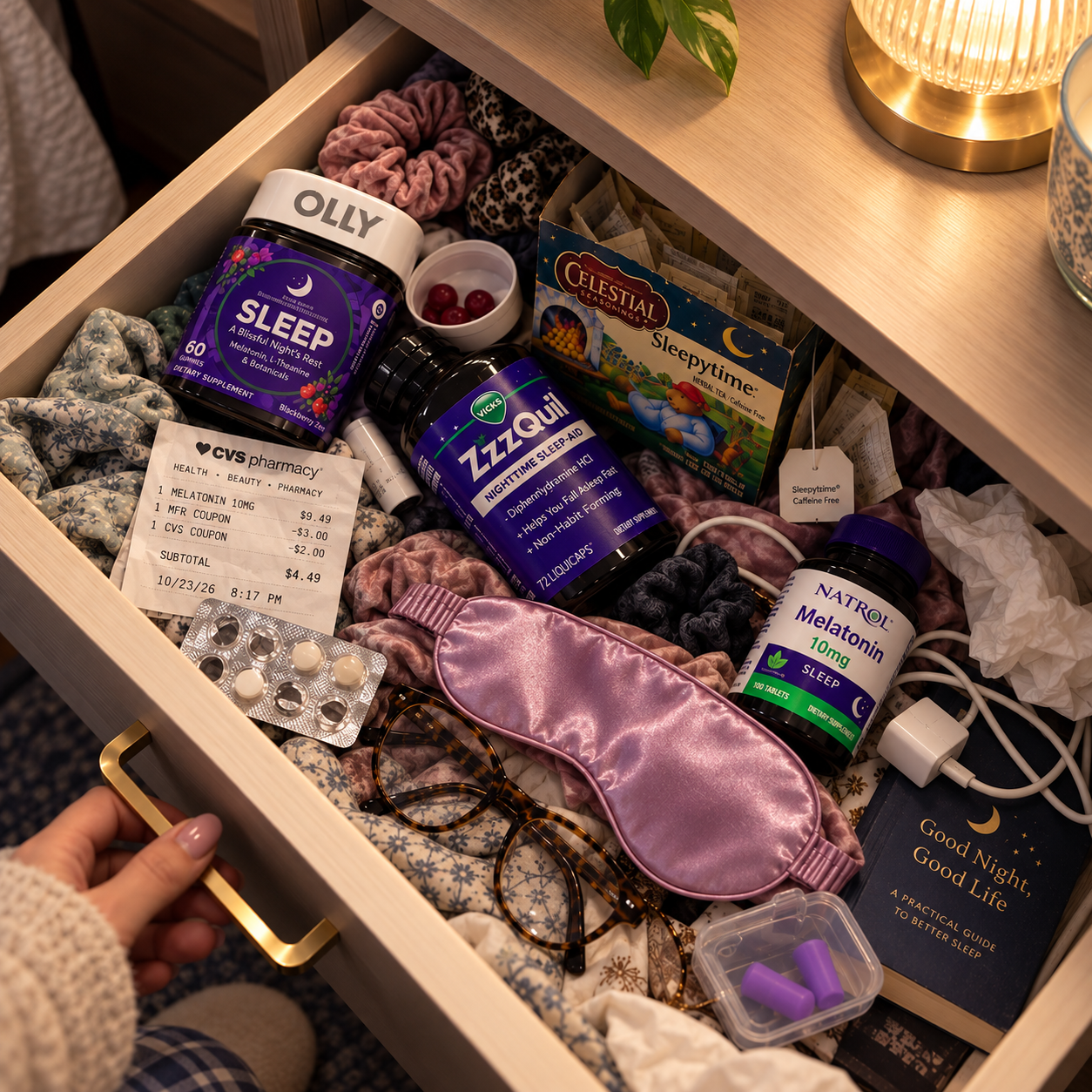
Ran for 4 days, from October 25 to October 29, 2026, the last day Crush saw it.
Run by Lauren Mitchell on Facebook. Crush is not the advertiser and does not verify its claims. See this ad in Meta's Ad Library(opens in a new tab)
Make your own version of this ad
Crush makes it, launches it in your own Meta ad account, scales the winners and pauses the losers.
About this ad
- Meta Ad Library ID
- 4430175067204076
- Platforms
- Facebook, Instagram, Audience Network, WhatsApp and Threads
- Relaunches
- 0
Ad text
I'd tried everything people tell you to do when you can't sleep. Earlier bedtime. Cooler bedroom. Magnesium. Calming tea. No phone before bed.My bedside table was starting to look ridiculous. And I was still waking up at 3am. Again. The frustrating part was that I could fall asleep just fine.It was getting back to sleep that I couldn't count on.I used to sleep like a rock. I'd get into bed, get comfortable, and that was that. I never needed a special routine or spent my evenings researching ways to sleep. Then sometime in my 40s, things started changing. Some nights I'd wake up feeling too warm. Other nights, I'd open my eyes for no obvious reason. And once I was awake, getting back to sleep could take forever. I remember one night in particular. I woke up feeling too warm, pushed the covers down, and turned onto my other side. A few minutes later, I was cold again, so I pulled them back up. Then I looked at the clock. 3:07 AM. I closed my eyes and tried to get comfortable. But now I was doing the math. If I fell asleep in the next ten minutes, I could still get a few decent hours. If I stayed awake until four, tomorrow was going to be rough. I told myself to stop thinking about it. Naturally, I checked the clock again. 3:46 AM. By then, my mind had found plenty to think about. Work. Things I needed to remember. Plans for the weekend. Nothing particularly urgent, but apparently everything needed my attention at three in the morning. I was exhausted, but my mind wouldn't leave me alone. And the more I thought about how little sleep I had left, the more frustrating it became. The next morning, I could feel the difference. I was tired and impatient. Little things that normally wouldn't bother me suddenly felt like too much. One morning, my husband asked me a perfectly normal question about our weekend plans, and I snapped at him. I apologized almost immediately. He said it was fine, but I still felt bad. I wasn't someone who normally got irritated over nothing. I just wanted to feel like myself again. At first, I thought I needed to be more consistent. So I changed my bedtime, made the bedroom cooler, put my phone away earlier, and gave myself more quiet time before bed. Then I started looking into supplements. I bought magnesium after reading about it online. I tried calming tea and listened to sleep podcasts. I even bought new pillows. I couldn't have told you what was wrong with the old ones, but I figured it was worth a try. Every time I found another suggestion, I'd think, maybe this is what I've been missing. Some of the changes were nice. But I was still waking up in the middle of the night. I tried melatonin, too. It wasn't something I wanted to keep reaching for, so I started looking at other options. Eventually, I got to the point where I was just sick of waking up in the middle of the night. One evening, I sat on the edge of my bed and looked at everything I'd accumulated trying to fix my sleep. The supplements. The books. The things I'd bought because someone online said they might help. I didn't even know which changes were helping and which weren't. I realized I was spending almost as much time thinking about sleep as I was trying to get it. I didn't want to buy another product just because its promises sounded good. I wanted to understand what I was dealing with and make a more considered decision about what to try next. Around that time, I was having coffee with a friend when we started talking about how tired we'd both been feeling. I mentioned that my sleep had become unpredictable. Some nights I'd wake up around three in the morning and struggle to get back to sleep. Other nights, I'd wake up feeling too warm. She mentioned she'd been reading about changes in sleep during perimenopause. I'd heard about hot flashes and other changes around menopause, of course. But I'd never really thought about how this stage of life might relate to the way I'd been sleeping. I didn't suddenly have an answer. But it made me curious about whether there was more to my sleep changes than my bedtime routine. That evening, I started reading about sleep changes during midlife. I came across discussions from other women describing something that sounded familiar: waking up in the middle of the night, feeling wide awake, and struggling to fall back asleep. Some had tried sleep hygiene routines and all sorts of other approaches, but they were still looking for answers. I found myself thinking about how much time I'd spent blaming my routine. Maybe I'd gone to bed too late. Maybe the room wasn't cool enough. Maybe I hadn't done enough to relax. But I could fall asleep without much trouble. It was what happened a few hours later that kept frustrating me. I began to understand that waking during the night can have different causes. It isn't necessarily a sign that you've done something wrong with your bedtime routine. That didn't tell me exactly why my own sleep had changed, and I didn't want to jump to conclusions. But it changed the questions I was asking. I wanted to understand what options were available for my particular situation. A few evenings later, I came across MoonlitStars. What caught my attention was that it was melatonin-free, but what made me look closer was the actual formula. It contained five ingredients: L-theanine, magnesium glycinate, valerian root, passionflower, and 5-HTP. I'd seen magnesium and valerian mentioned plenty of times during my search for sleep support, but I wanted to understand why these five ingredients had been brought together. One thing that caught my attention was L-theanine. I'd been thinking about my problem as trying to get sleepy, but that wasn't really what I struggled with at the beginning of the night. I could fall asleep. It was waking up at 3 AM, feeling wide awake, and having my mind start running through everything waiting for me the next day that frustrated me. So the idea of nighttime support centered around relaxation, rather than simply trying to make myself drowsy, was something I wanted to understand better. I also wanted to learn more about the magnesium glycinate, valerian root, and passionflower in the formula, and what the research could actually tell me about their intended uses. The 5-HTP was another ingredient I wanted to look into carefully, particularly because I knew it was important to understand the precautions and possible medication interactions. I wasn't assuming that five ingredients automatically meant better sleep, or that the combination would stop me waking up in the middle of the night. But it gave me something specific to consider. Before ordering, I checked the ingredient amounts, read the directions, and looked at the precautions, particularly around 5-HTP and medication interactions. I knew that being melatonin-free didn't automatically mean a product was right for me, and that five ingredients didn't guarantee better results. After checking the details and deciding it was appropriate for me, I felt comfortable giving MoonlitStars a try. I wasn't expecting much at first. I'd tried enough sleep products by then that I didn't want to get my hopes up over another one. I followed the directions and went to bed as usual. I still woke up during the night. But a few nights after I started using MoonlitStars, imagine noticing something different. I woke up, glanced at the clock, and saw 3:18 AM. Normally, this was where the whole routine started. I'd calculate how many hours I had left, start thinking about the next day, and end up lying there getting increasingly frustrated. That night, I remember getting comfortable again and eventually falling back asleep without spending what felt like forever watching the clock. I didn't think too much of it at first. One decent night didn't mean anything had changed. But as I continued using it, I paid attention to what happened when I woke up. On some nights, I still struggled to get back to sleep. On others, I found myself settling down again more easily. I wasn't suddenly sleeping perfectly, but the nights when I could get comfortable and drift off again felt different from the long stretches of watching the minutes tick by. And the following morning, I wasn't starting the day already frustrated about how much sleep I'd lost. I just wanted to wake up, get on with my day, and feel like myself again. I also wanted to know whether other women were dealing with the same thing. Imagine coming across a verified review from a woman in her early 50s who described a frustratingly familiar pattern. She could fall asleep without much trouble, but she'd wake up around three in the morning and struggle to get back to sleep. She'd tried changing her bedtime routine and had experimented with other sleep products, but she was still looking for an option that suited her. She explained that she'd decided to try MoonlitStars because she wanted to explore a melatonin-free formula. What stood out in her account was the way she described her experience over time. She didn't claim that every night suddenly became perfect. Instead, she described what she noticed on the nights she felt the product suited her, what remained difficult, and how she judged whether it was worth continuing. That kind of detail would have been more useful to me than another promise about sleeping perfectly. I wanted to understand what someone with a similar problem had actually experienced, rather than assume her results would be the same as mine. If you're tired of trying one sleep suggestion after another and still finding yourself awake at 3 AM, MoonlitStars is a melatonin-free option you can explore. It contains L-theanine, magnesium glycinate, valerian root, passionflower, and 5-HTP in a convenient nighttime gummy. You can review the formula, check the ingredient amounts and precautions, and decide whether it's appropriate for you. There's also a 30-day money-back guarantee, subject to the offer terms. MoonlitStars™ Melatonin-Free Sleep Gummies See the formula and 30-day guarantee.
Where the ad sends people
moonlitstars.com
Sleep Hygiene Wasn’t My Problem
Another Nighttime Option
Shop now: moonlitstars.com(opens in a new tab)