Healthy Dogs Insider
Healthy Dogs Insider Facebook ad: “Read If You Love Your Dog”
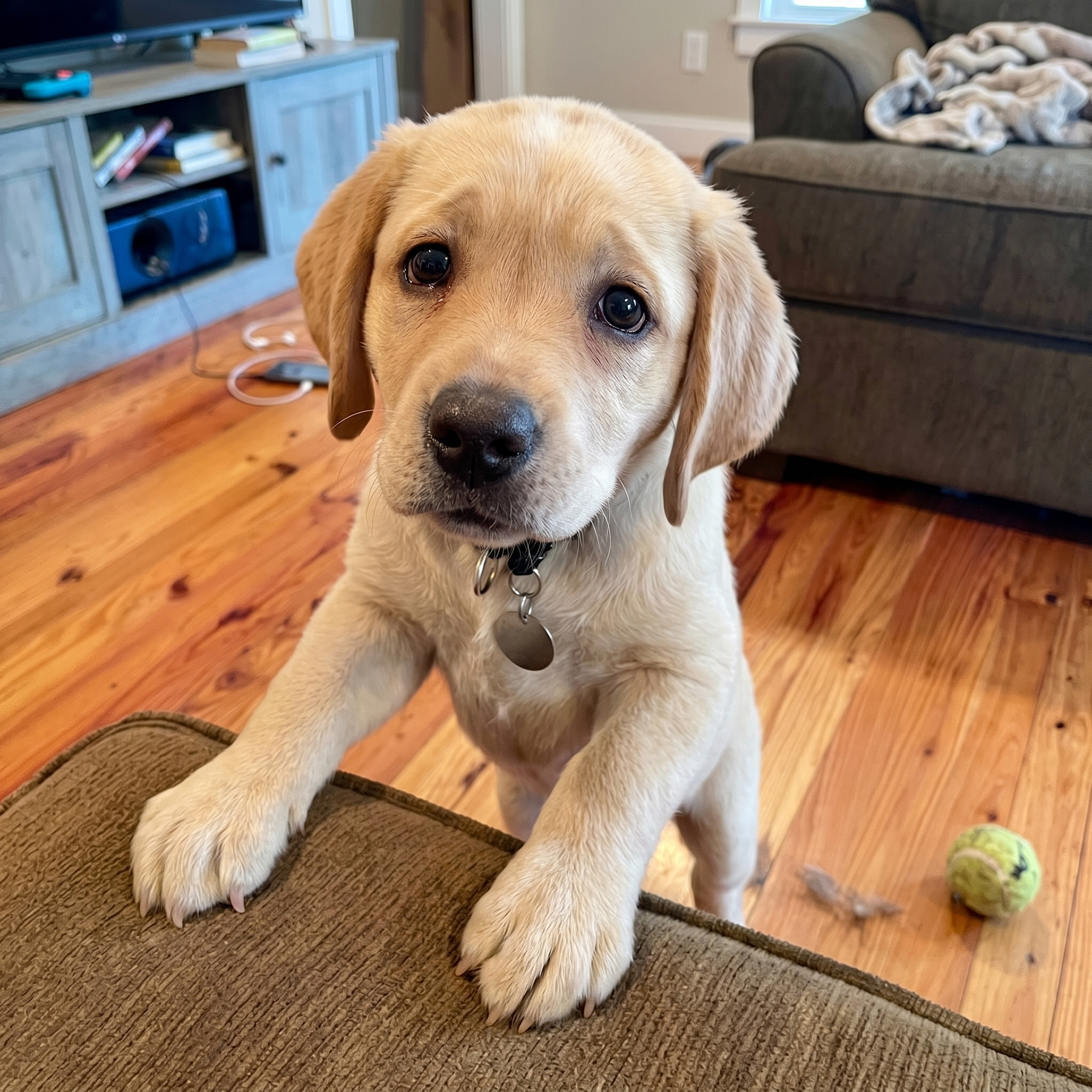
Ran for 7 days, from April 27 to May 4, 2026, the last day Crush saw it.
Run by Healthy Dogs Insider on Facebook. Crush is not the advertiser and does not verify its claims. See this ad in Meta's Ad Library(opens in a new tab)
Want an ad like this for your product?
Crush makes new ad images for your product from this ad: your logo, your product photo, your offer.
Trials from $19.95 USD, then $79.95 USD a month. Cancel anytime.
About this ad
- Meta Ad Library ID
- 4450269431929202
- Platforms
- Facebook, Instagram, Audience Network, Messenger and Threads
- Relaunches
- 0
Ad text
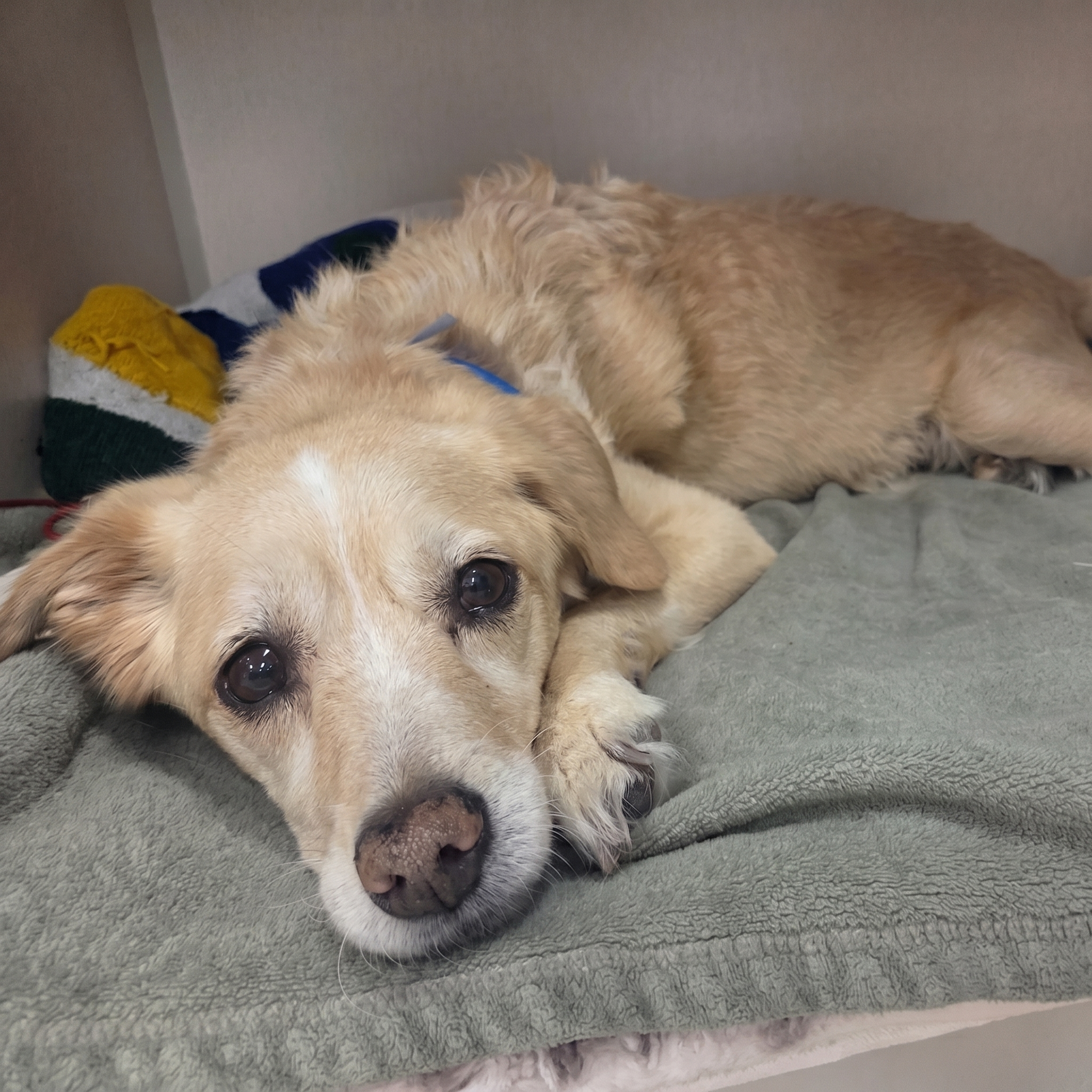
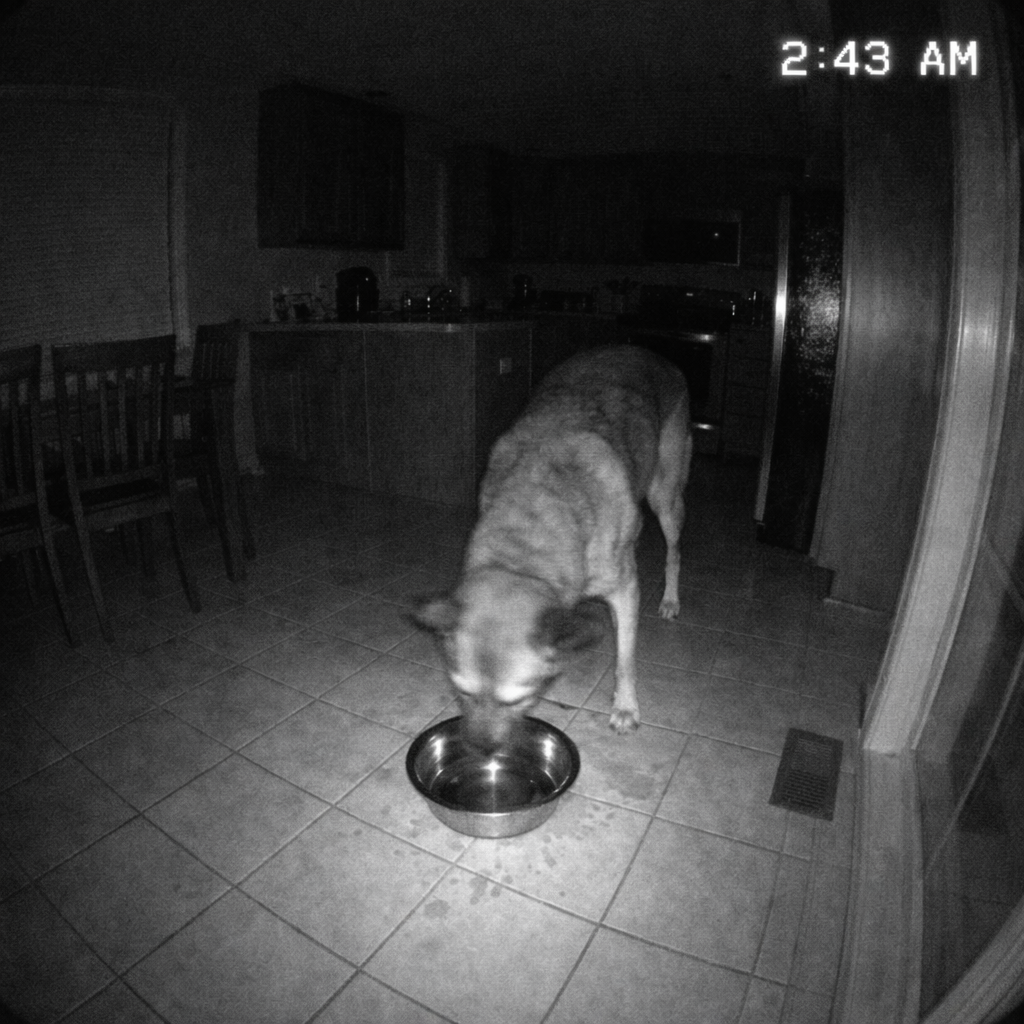
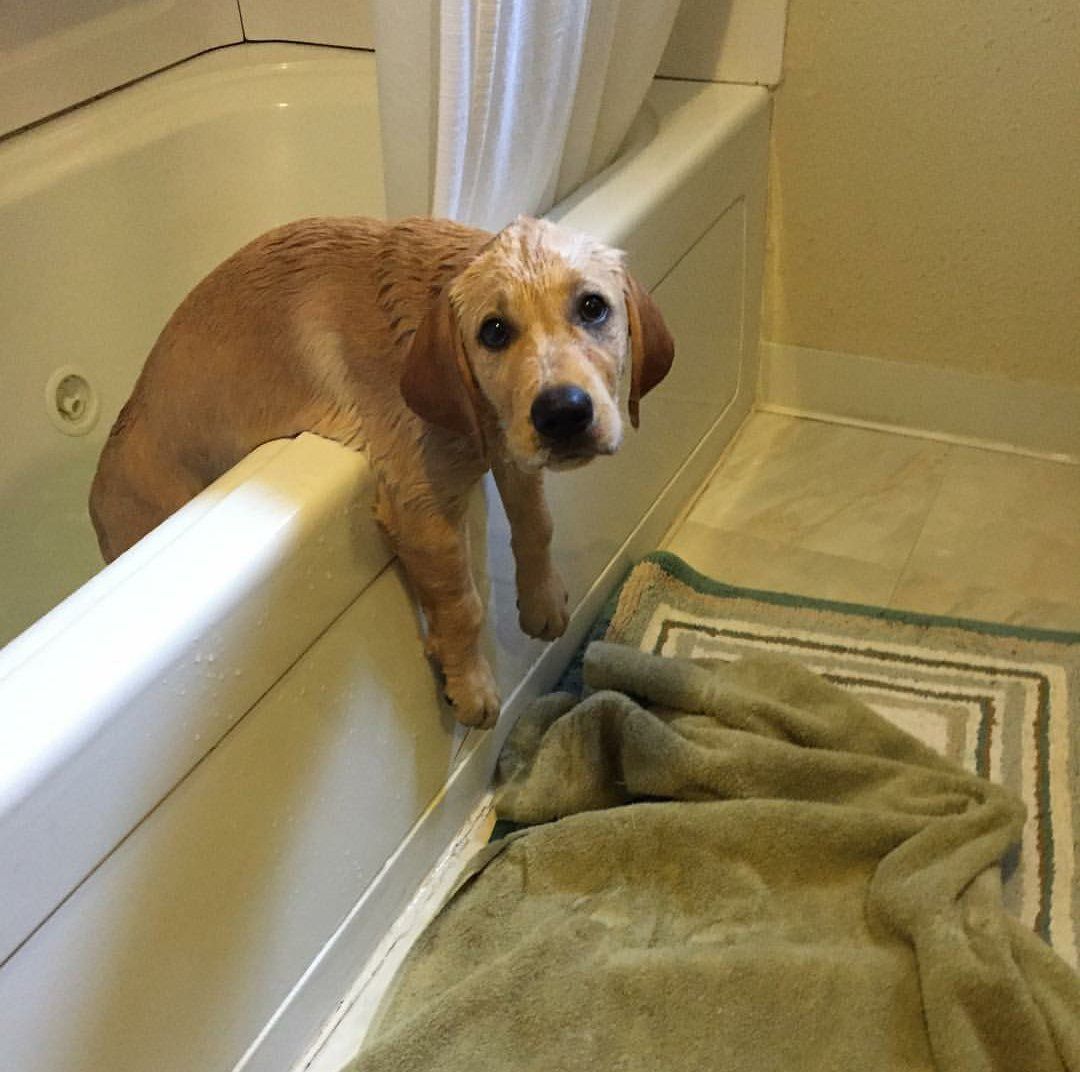
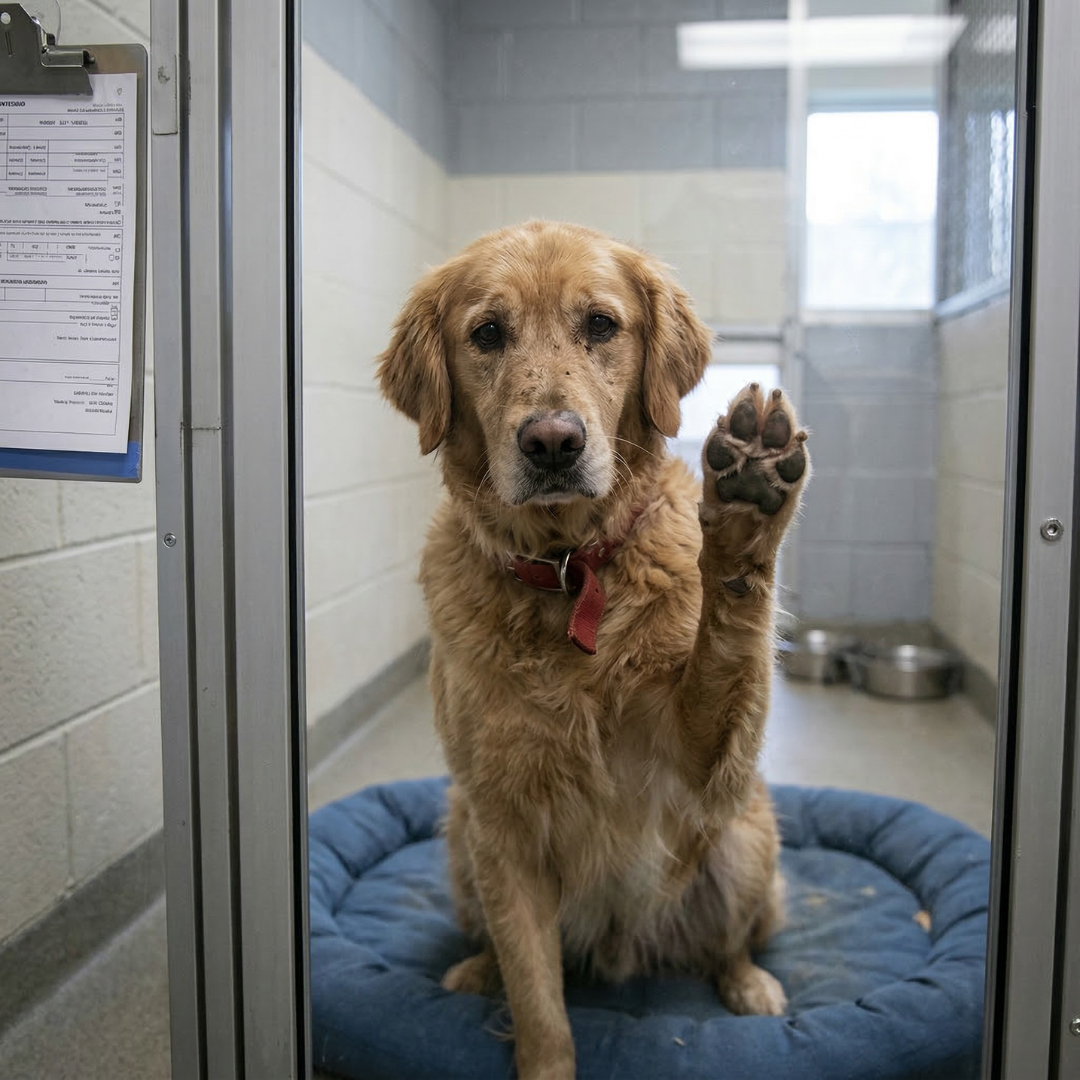
Please STOP washing your dog's bowl. I know that sounds insane but that slippery film you keep scrubbing off? My emergency vet told me it's been slowly destroying their kidneys. I'm Jennifer. 46. Seattle. Mom to an 8-year-old Labrador named Beau. I washed his bowl twice a day. Hot water. Dish soap. Scrubbed until it squeaked clean. I was the person who judged other dog owners for not doing this. I'd see a friend's dog bowl with that slippery film on the inside and think — how does someone let it get like that? My bowl never looked like that. I made sure of it. I also changed his water every morning and every night. Filtered water from the fridge — not tap. I'd read that tap water chlorine could affect dogs so I'd switched eight months earlier. Beau would walk over. Sniff the bowl. And walk away. I'd assumed he just wasn't a big drinker. Some dogs are like that. The vet said he was fine. His labs were normal. I'd asked specifically about hydration at his last two checkups. "He looks great for his age," she'd said. I believed her. Then on a Wednesday morning Beau wouldn't get up. Just lay there looking at me with eyes that were wrong somehow. Tired in a way I'd never seen before. By Wednesday night I was sitting in an emergency vet clinic watching him get IV fluids — and the vet turned her screen toward me. "Only 25% kidney function remaining," she said quietly. "This has been developing for years." I told her about the bowl washing. The twice daily changes. The filtered water. The checkups where everything was fine. She looked at me for a long moment. "I know," she said. "You did everything you knew to do." Something about the way she said it made my stomach drop. I drove home that night unable to cry yet. Beau was staying overnight for monitoring. I walked into my kitchen and stood in front of his bowl. Spotless. Squeaky clean. Just like always. I thought about every morning I'd stood at that sink scrubbing it. Feeling responsible. Feeling like the kind of dog owner who actually pays attention. I thought about that slippery film I'd always been so proud of removing. I'd never once asked what it actually was. I just knew it kept coming back. Every single day. No matter how hard I scrubbed. I'd assumed it was mineral deposits from the water. I'd assumed washing it away meant it was gone. I'd been wrong about both. The next morning I picked Beau up from the clinic and took him straight to the dog park. I needed air. He needed gentle movement. We both needed something that felt normal. I sat on the bench watching him move slowly around the perimeter. The woman next to me had a Vizsla — maybe 12 years old — moving like he was half that age. Bright eyes. Strong stride. I asked how old he was. "Twelve," she said. "Kidney disease. Diagnosed four years ago." I turned to look at her properly. "Four years and he moves like that?" She smiled. "I know. I couldn't believe it either when we got here." I told her about Beau. About Wednesday night. About the 25% kidney function. About the bowl I washed twice a day and the filtered water and the normal labs that apparently hadn't told the whole story. She listened to everything. Then she said something that stopped me completely. "Can I ask you something? When you wash his bowl — even right after you scrub it — does it still get that slippery feeling back within a day?" I stared at her. "Every single day," I said. She nodded slowly. "That's not mineral deposits." She explained it the way someone explains something they wish they'd known years earlier. That film — the one I'd been scrubbing off every day and watching come back — is biofilm. Bacterial colonies. They don't live on the surface of the bowl. They live inside microscopic scratches that form over time from normal use. Dog tags hitting the side. The scrubbing itself. Every bowl develops them — plastic, ceramic, stainless steel, doesn't matter. Invisible. Permanent. "When you wash the bowl you remove the surface layer," she said. "But the colonies are living below the surface where soap can't reach. Within hours of a fresh fill they've re-established completely. Your dog approaches what looks like a clean bowl of filtered water. But their nose — which is thousands of times more sensitive than ours — detects exactly what's living in the surface beneath it." I thought about every time Beau had walked over, sniffed, and turned away. Every time I'd assumed he just wasn't thirsty. "He wasn't being difficult," I said quietly. "No," she said. "He was detecting something real. And walking away to protect himself." She paused. "The scrubbing actually makes it worse over time. Every time you scrub you create new microscopic scratches. More surface area for colonies to colonize. The harder you clean the more places bacteria find to hide." I felt sick. Seven years of twice-daily washing. Seven years of creating more hiding places for the thing that was damaging his kidneys. "But I switched to filtered water eight months ago," I said. "That helped a little." She nodded. "It did. You removed the chlorine smell — Beau's nose noticed that. But filtered water poured into a scratched contaminated surface becomes contaminated again within hours. You improved what went in. You didn't fix what it was sitting in." I looked at her Vizsla moving around the park. "So what did you do?" I asked. She pulled out her phone and showed me a photo first. Her dog's bloodwork. Before and after numbers I'd just learned to read in the past 48 hours. Creatinine. BUN. The difference was significant. "Same vet," she said. "Same medication protocol. Just the water." She wrote a name on a piece of paper from her bag. WagWells. "Vet tech at the specialty hospital told me about it after my second emergency visit," she said. "It's the same filtration system they use for critical patients. Triple stage — mechanical filtration first, activated carbon for chemicals and heavy metals second, ion exchange resin eliminating bacterial toxins third. And the water stays continuously moving and oxygenated so biofilm never gets the chance to form in the first place. There's no still surface for colonies to establish in." I thought about Beau approaching his spotless bowl every morning. Sniffing it. Walking away. He'd been trying to tell me for years. And I'd been scrubbing harder. I ordered it that afternoon sitting in the car outside the dog park. It arrived a few days later. I set it up in Beau's usual spot and ran the water through all three filtration stages. He walked over immediately. Sniffed it. And drank. Not a cautious sniff and two reluctant laps. Real drinking. Long and sustained. The kind I realized I hadn't actually seen him do properly in years. He came back four times that first day. By day three something shifted in him. Hard to explain. Just more present. Less flat behind the eyes. By day six he brought me his ball. Eight weeks later I took him back for bloodwork. My vet pulled up his results and was quiet for longer than felt comfortable. "His creatinine dropped," she said. "And his BUN is down." "Is that good?" I asked. "Jennifer, kidney values don't improve," she said carefully. "They hold steady if we're managing well. Or they climb. They don't go down." She looked up at me. "What changed?" "His water fountain," I said. "Medical grade. Triple stage filtration." She sat back in her chair. "That actually makes complete sense. We use triple-filtered water for every critical patient in this hospital. We've known for years that sick animals drink significantly better when the water is genuinely purified." She paused. "I need to start telling my clients about this." Beau is eight years old. The damage from those years can't be completely undone. But he's stable. He's drinking every single day without me coaxing him, without me adding broth, without me standing at the sink at 6am scrubbing a bowl that looked clean but wasn't. He met me at the door this morning. He's asleep at my feet right now. And I keep thinking about every dog owner standing at their kitchen sink scrubbing their dog's bowl feeling responsible. Feeling like the good kind of dog owner. Not knowing that the scrubbing itself is creating more places for the thing damaging their dog's kidneys to hide. Not knowing that standard bloodwork doesn't detect kidney damage until 75% of function is already gone. By the time it shows on a panel — most of what's lost is permanent. The fountain is $74. It has a 30-day guarantee. Less than one emergency vet visit. Less than one bag of prescription kidney food. Nothing compared to sitting under fluorescent lights at 11pm watching your dog get IV fluids wondering what you missed. If you're washing your dog's bowl every day and they still won't drink — They're not being difficult. They're detecting something your soap never reached. I scrubbed Beau's bowl twice a day for seven years thinking I was protecting him. I wish someone had told me sooner that the scrubbing was never the problem. And it was never the solution. Get the fountain. See what they've been detecting. Because once kidney function is gone — you can't get it back. You can only stop losing more. Beau was supposed to be declining. Instead he's right here. Because a woman at a dog park finally explained what seven years of a squeaky clean bowl never could. Now I'm telling you.
Where the ad sends people
trywagwells.com
Read If You Love Your Dog
WagWells
See details: trywagwells.com(opens in a new tab)