Healthy Dogs Insider
Healthy Dogs Insider Facebook ad: “Please STOP thinking fresh water every day is…”
Ran for 18 days, from March 24 to April 11, 2026, the last day Crush saw it.
Run by Healthy Dogs Insider on Facebook. Crush is not the advertiser and does not verify its claims. See this ad in Meta's Ad Library(opens in a new tab)
Want an ad like this for your product?
Crush makes new ad images for your product from this ad: your logo, your product photo, your offer.
Trials from $19.95 USD, then $79.95 USD a month. Cancel anytime.
About this ad
- Meta Ad Library ID
- 969676675399302
- Platforms
- Facebook, Instagram, Audience Network, Messenger and Threads
- Relaunches
- 0
Ad text
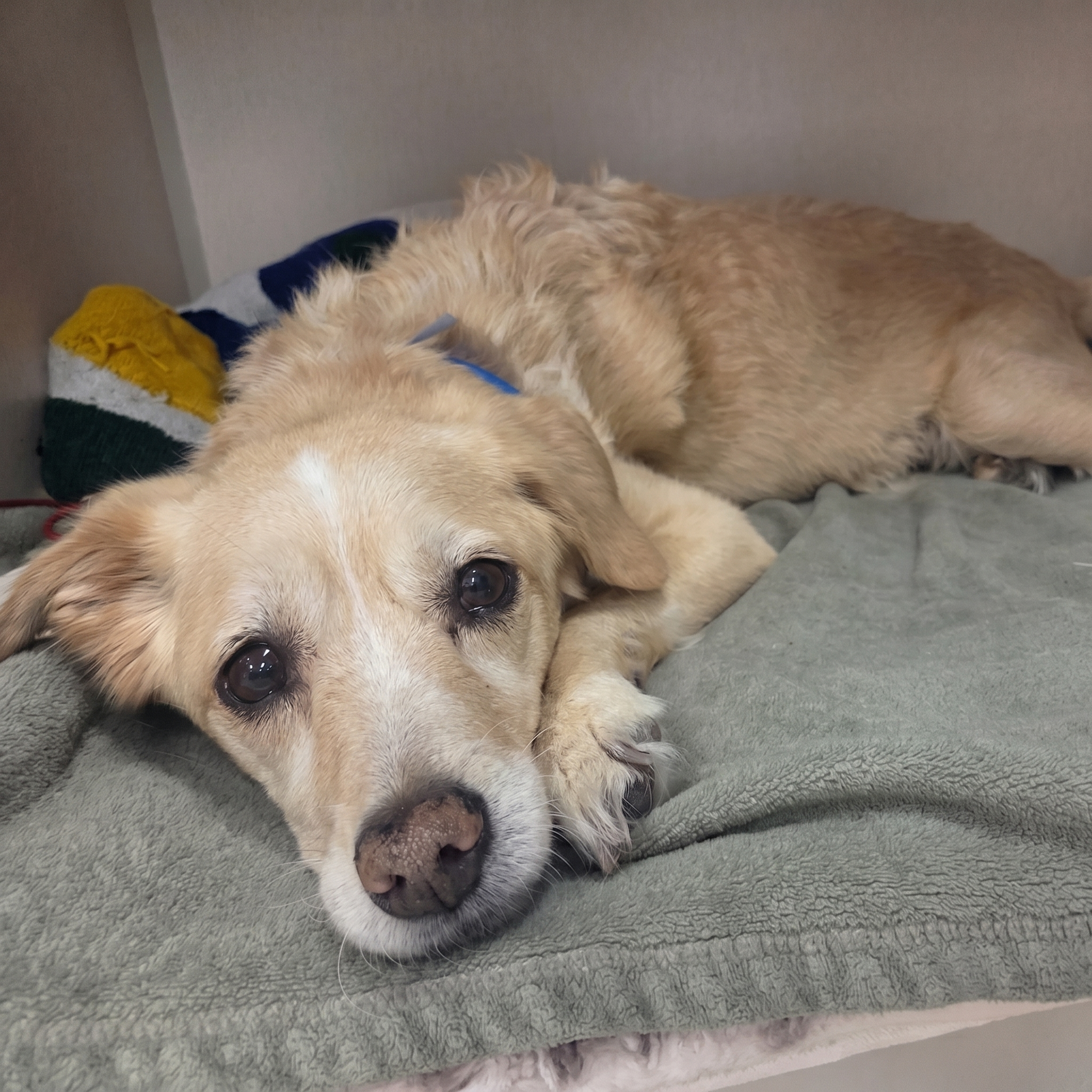
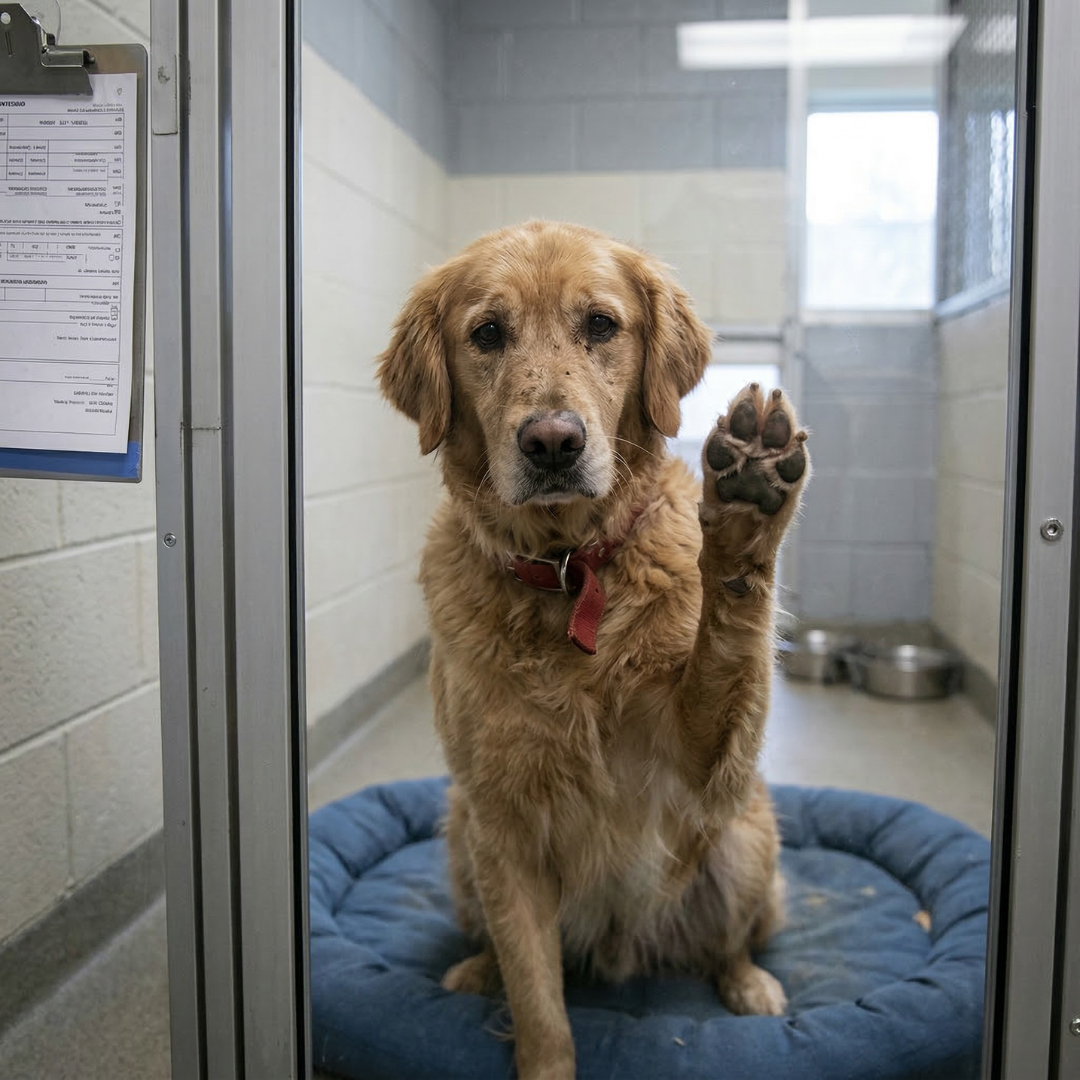
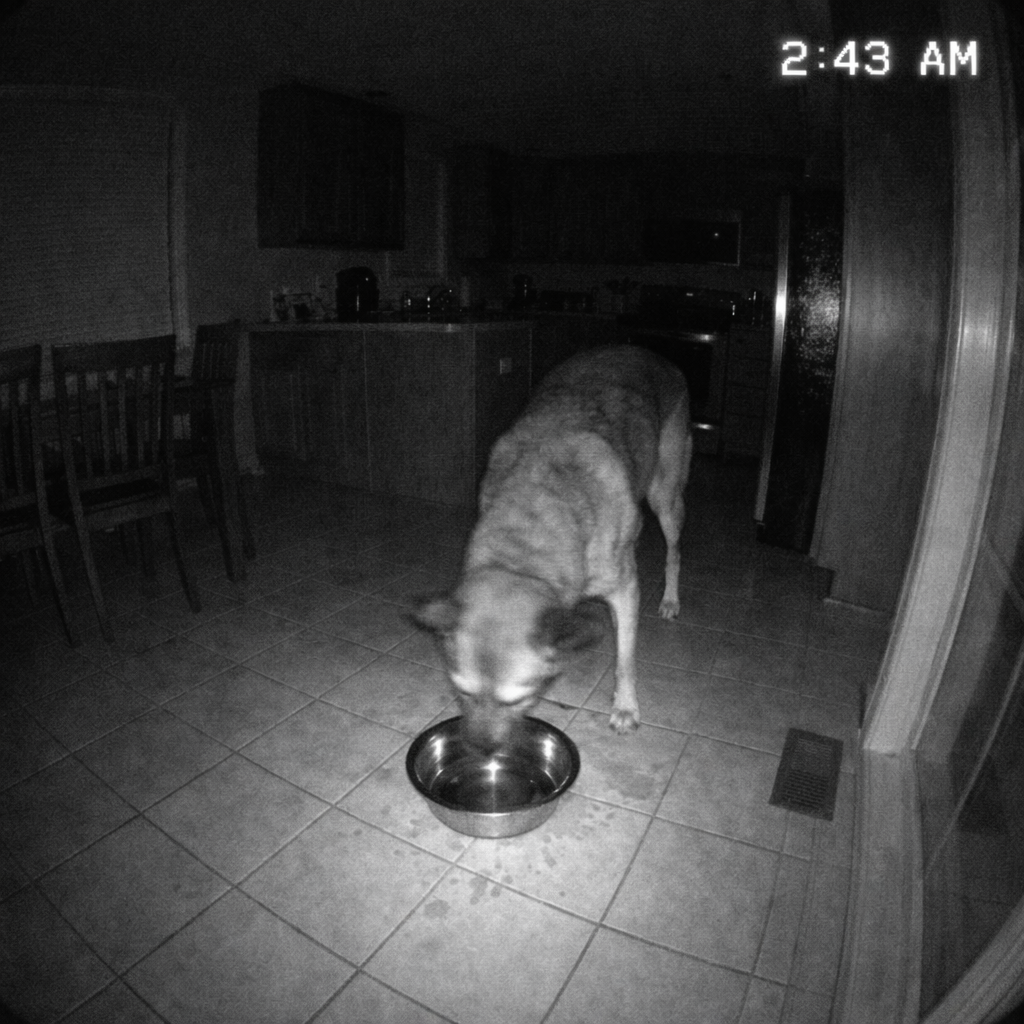
Please STOP thinking fresh water every day is protecting your dog's kidneys. Because every time your dog sniffs that bowl and walks away — they're not being picky. They're smelling something growing inside it that you can't. And it's been quietly destroying their kidneys for years. I'm Linda. 58. Phoenix. Mom to a 9-year-old Golden Retriever named Cooper. For two years I changed his water twice a day. Washed the bowl every morning. Added chicken broth when he wouldn't drink. Switched from plastic to ceramic to stainless steel. Bought two different fountains from Amazon. He'd walk over. Sniff it. And walk away. I called him picky. Stubborn. My lovely, stupid dog who'd rather drink from a puddle in the backyard than touch his clean bowl. The vet said he was fine. His labs were normal. I believed her. "Then I was sitting in an emergency vet clinic at 11pm watching Cooper get IV fluids. The vet turned her screen toward me and pointed at his numbers. 'Only 25% kidney function remaining,' she said quietly. 'The rest is already gone.'" I didn't understand how that was possible. She said his levels were bad. Worse than they should be for a dog his age. That we'd caught it but that the damage wasn't new. I drove home that night in silence. Cooper was asleep in the backseat and I kept looking at him in the rearview mirror thinking about every morning I'd proudly filled that bowl. Twice a day. Every single day. Feeling responsible. Feeling like a good dog mom. I didn't sleep that night. I sat at the kitchen table staring at his bowl at 2am. It looked clean. It always looked clean. I thought about the broth I'd added to get him to drink. The ceramic bowl I'd ordered after reading it was safer than plastic. The two fountains I'd bought and returned when he ignored them after a few days. I'd tried everything. And somehow none of it had been enough. The guilt was the worst part. Not the fear. Not even the vet bills. The guilt of realizing your dog had been trying to tell you something for two years and you called him stubborn. I started changing his water three times a day instead of two. I bought a third fountain — a nicer one this time, better reviews, more stars. He sniffed it. Walked away. I added more broth. He'd drink a little. Then stop. Nothing changed. Three weeks later I was back at the vet for Cooper's follow-up. Same waiting room. Same chairs. Same smell of antiseptic and anxiety. I sat down next to a woman — maybe 65 — with a Labrador who was moving like a puppy. Bright eyes. Tail hitting everyone within reach. Couldn't sit still. I asked how old he was. "Thirteen," she said. "Kidney disease. Four years now." I stared at her. "Four years with kidney disease and he looks like that?" She smiled. "I know. I couldn't believe it either." I told her about Cooper. About the emergency visit. About the guilt I hadn't been able to shake. About the three fountains and the broth and the twice-daily water changes that apparently hadn't done anything. "I even switched to filtered water," I said. "Figured if the water quality was the issue that would fix it." She nodded. "Did he drink a little more when you switched?" I thought about it. "Actually yes. A little bit more." "That's because you removed the chlorine smell," she said. "And that helped. But it only solved half the problem." She asked me one question. "When you wash his bowl — do you ever notice it gets that slippery film on the inside? Even right after you clean it?" I nodded immediately. I knew exactly what she meant. I'd scrubbed that film off a hundred times. "That's biofilm," she said. "Bacterial colonies. They live in the microscopic scratches inside every bowl — plastic, ceramic, stainless steel, doesn't matter. Every time a dog tag hits the side. Every time you wash it. Tiny scratches form. And bacteria find them within hours of a fresh fill." I felt something cold move through me. "You pour filtered water in every morning," she continued. "Clean water going in. But those colonies are already living in the surface. They're not going anywhere. By afternoon your dog isn't approaching clean filtered water. They're approaching a contaminated bowl. Didn't matter how pure the water was when you poured it — the bowl defeated it within hours." I sat with that for a moment. Two years of changing water. Three bowls. Filtered water. All of it undone within hours by something I couldn't see. "He wasn't being picky," I said quietly. "No," she said. "He was detecting exactly what was in there. Their noses are extraordinary. They smell what we can't. The filtered water removed the chlorine he was detecting — that's why he drank a little more. But the biofilm was still there. And he could still smell that." She paused. "The fountains you tried — the basic ones from Amazon — same problem. They move the water. But they don't clean it. The pump housing gets that same biofilm within days. Warm, wet, dark — perfect place for it to grow. Some of them actually concentrate it in the motor chamber. So you went from still contaminated water to moving contaminated water." I thought about the slime I'd scrubbed off those pump housings twice a week wondering why it kept coming back. I thought about how I'd felt so responsible switching to filtered water. How I'd told my husband it was finally sorted. How Cooper had still walked away. "So filtered water helps but it's not enough," I said. "It's not enough," she said. "Because you're still pouring it into the same contaminated surface. You need the water to stay clean after it's poured. Which means continuously moving, continuously filtered water that never stagnates long enough for colonies to establish. And filtration that actually eliminates bacterial toxins — not just removes chlorine taste." "So what did you do?" I asked. She reached into her bag and wrote a name down on a piece of paper. WagWells. "Vet tech at the specialty hospital told me about it after my third emergency visit," she said. "She said it's the same filtration system they use for critical patients in the ICU. Triple stage. Not a basic carbon filter — three full stages that eliminate bacterial toxins, heavy metals, the compounds that stress the kidneys. And the water stays moving and oxygenated continuously so biofilm never gets the chance to form in the first place." She showed me a photo on her phone. Her dog's bloodwork. Before and after. The difference in the numbers was not subtle. "Same vet," she said. "Same medication. Just the water." I ordered it that night. I told myself I was being irrational. Cooper's situation was serious. A fountain wasn't going to fix serious. But I thought about what she'd said. That his nose had been detecting something real. That every time he'd walked away he'd been trying to protect himself from something I couldn't smell. That I'd spent two years adding broth to mask the very thing he was warning me about. It arrived a few days later. I set it up in Cooper's usual spot. Ran the water through all three filtration stages. He walked over immediately. Sniffed it. And drank. Not his usual two careful laps before turning away. Real drinking. Long, sustained lapping. The kind I hadn't seen him do in years. He came back four times that first day. By day three his energy shifted. Subtle. But I noticed. By day seven he brought me a tennis ball. Six weeks later I took him back for bloodwork. My vet pulled up the results and stared at the screen for a long moment. "His creatinine dropped," she said slowly. "And his BUN is down." "Is that good?" I asked. "Linda, kidney values don't go down," she said. "They stay stable if we're lucky. Or they climb. They don't improve." She looked up at me. "What changed?" "His water fountain," I said. "Medical grade. Triple stage filtration." She sat back in her chair. "That actually makes sense. We use triple-filtered water for our critical patients. We've known for years that sick animals drink better when the water is purified." She paused. "I should be telling more of my clients about this." Cooper is nine years old. He's supposed to be declining. Instead he played fetch in the backyard yesterday. He slept at my feet last night. He's snoring softly on the couch behind me right now. The damage from those two years can't be completely undone. But he's stable. Improving. Drinking every single day without broth, without tricks, without me standing next to the bowl trying to coax him. And I keep thinking about every dog owner who changes their water every morning and feels responsible. Who bought a fountain and thought they solved it. Who heard "normal labs" and relaxed — not knowing that standard bloodwork doesn't show kidney damage until 75% of function is already gone. By the time it shows on a panel — most of what's lost is lost forever. The fountain is $74. It has a 30-day guarantee. That's less than one emergency vet visit. Less than one bag of prescription kidney food. Nothing compared to sitting under fluorescent lights at 11pm watching your dog get IV fluids wondering what you missed. If your dog sniffs their bowl and walks away — they're not being stubborn. They're trying to tell you something. I wish I'd listened two years earlier. Get the fountain. See what they've been detecting. Because once kidney function is gone — you can't get it back. You can only stop losing more. Cooper was supposed to be gone by now. Instead he's right here. Because a woman in a waiting room told me what I needed to know. Now I'm telling you.