Emma Wilson
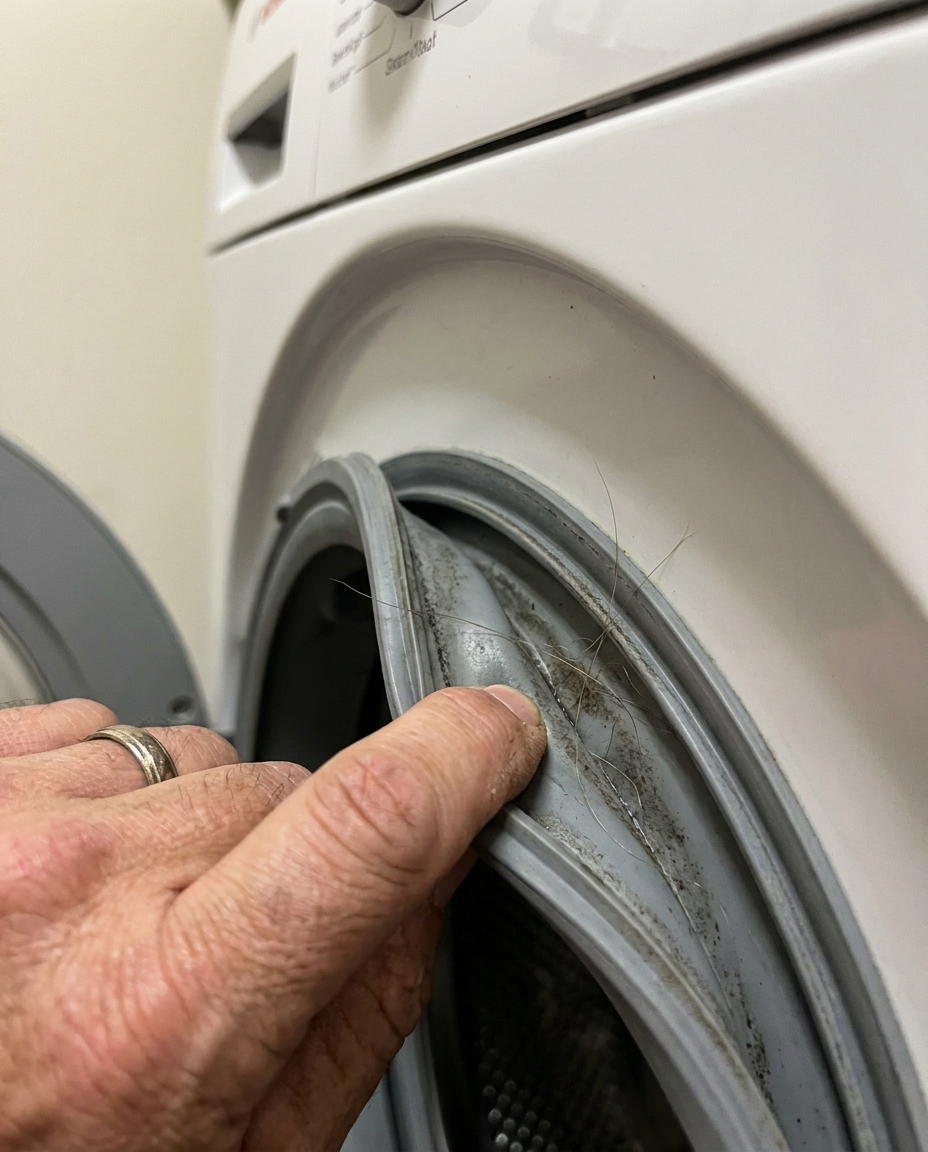
Emma Wilson Facebook ad: “If your washing still smells off after cleaning your…”
Ran for 16 days, from April 17 to May 3, 2026, the last day Crush saw it.
Run by Emma Wilson on Facebook. Crush is not the advertiser and does not verify its claims. See this ad in Meta's Ad Library(opens in a new tab)
Want an ad like this for your product?
Crush makes new ad images for your product from this ad: your logo, your product photo, your offer.
Trials from $19.95 USD, then $79.95 USD a month. Cancel anytime.
About this ad
- Meta Ad Library ID
- 4453632111539784
- Platforms
- Facebook, Instagram, Audience Network, Messenger and Threads
- Relaunches
- 0
- Niche
- Pets
Ad text
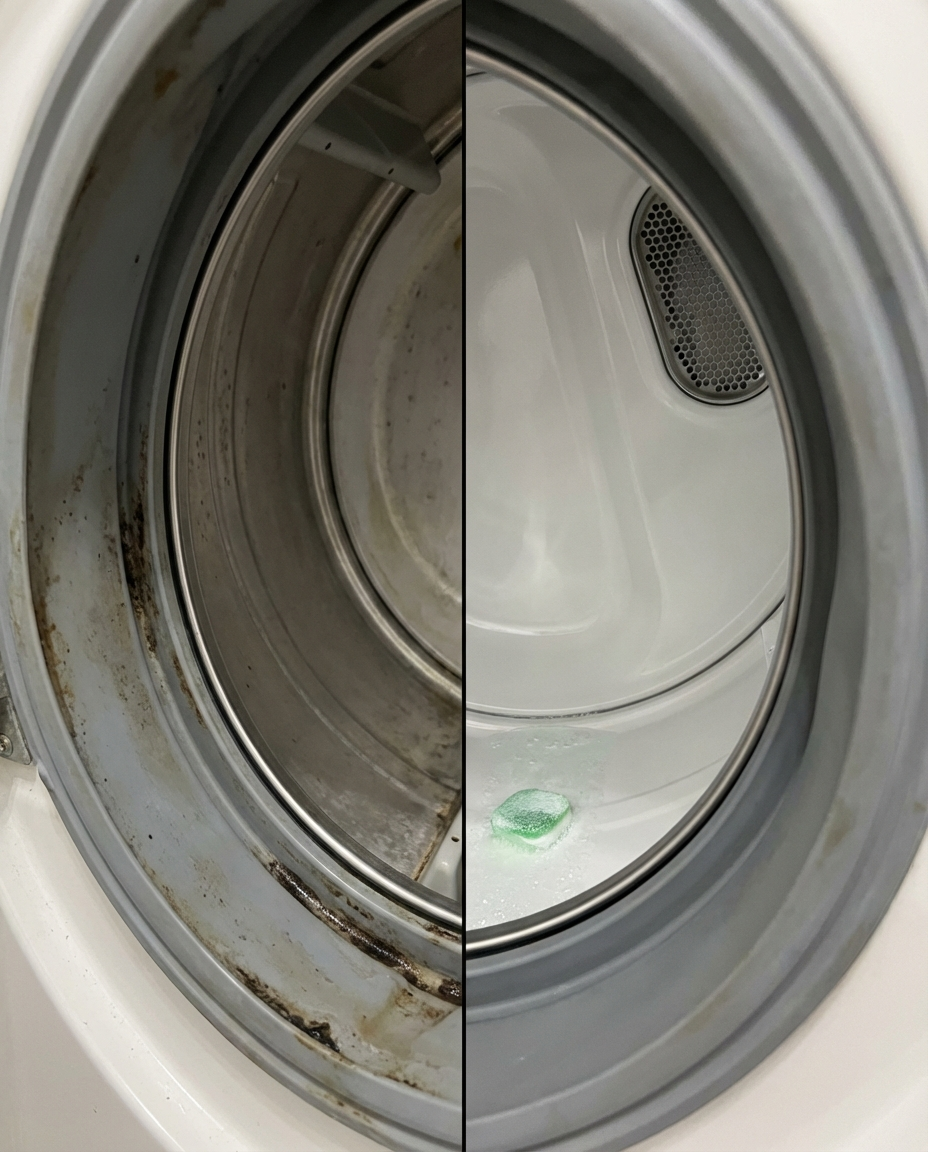
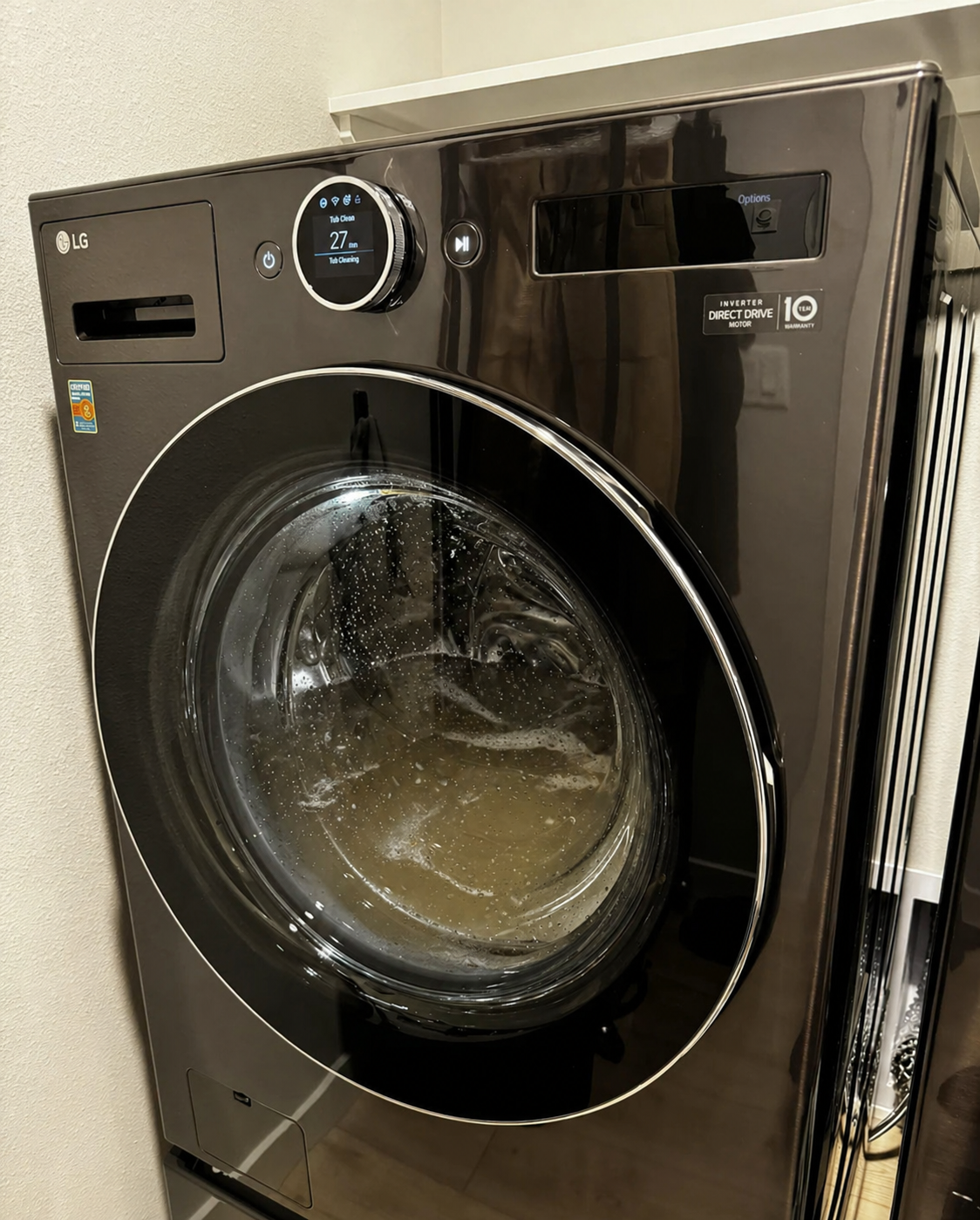
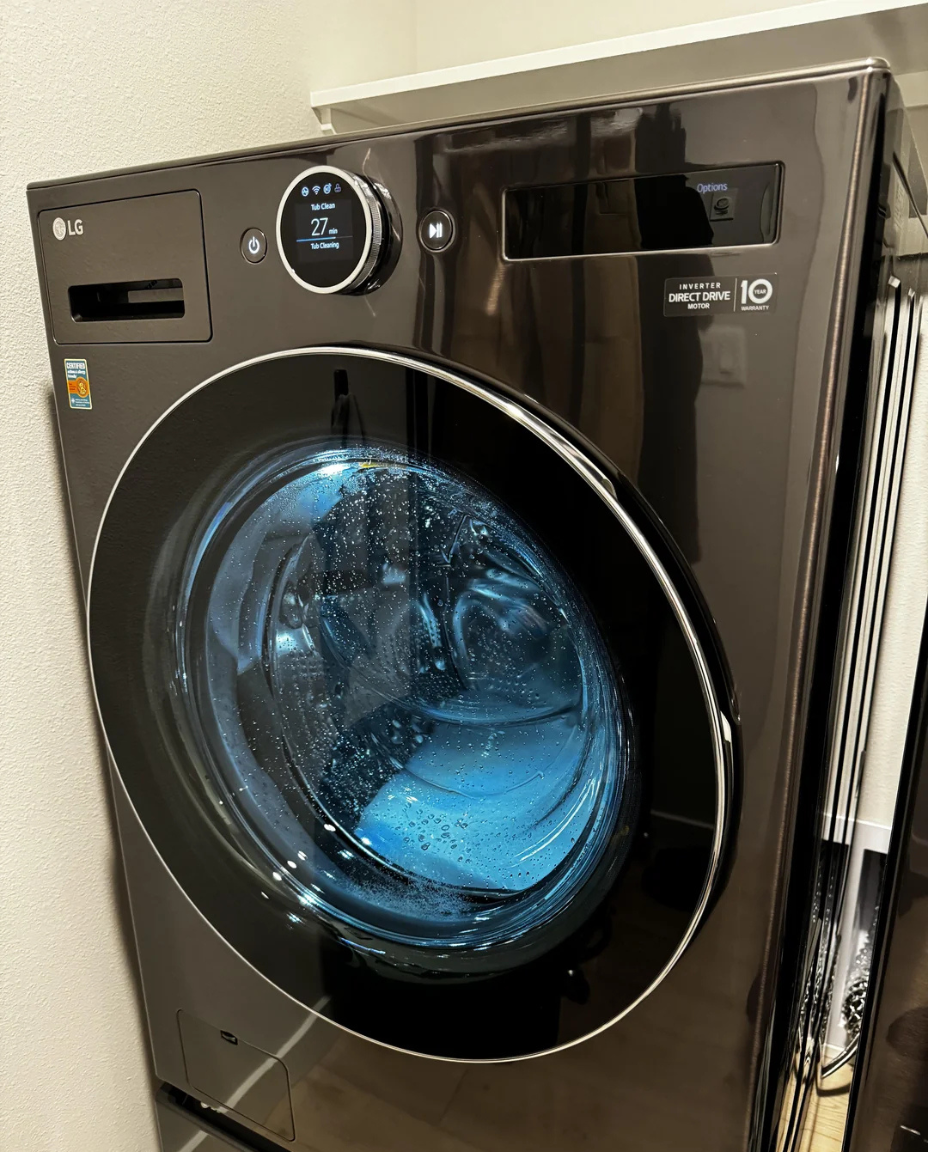
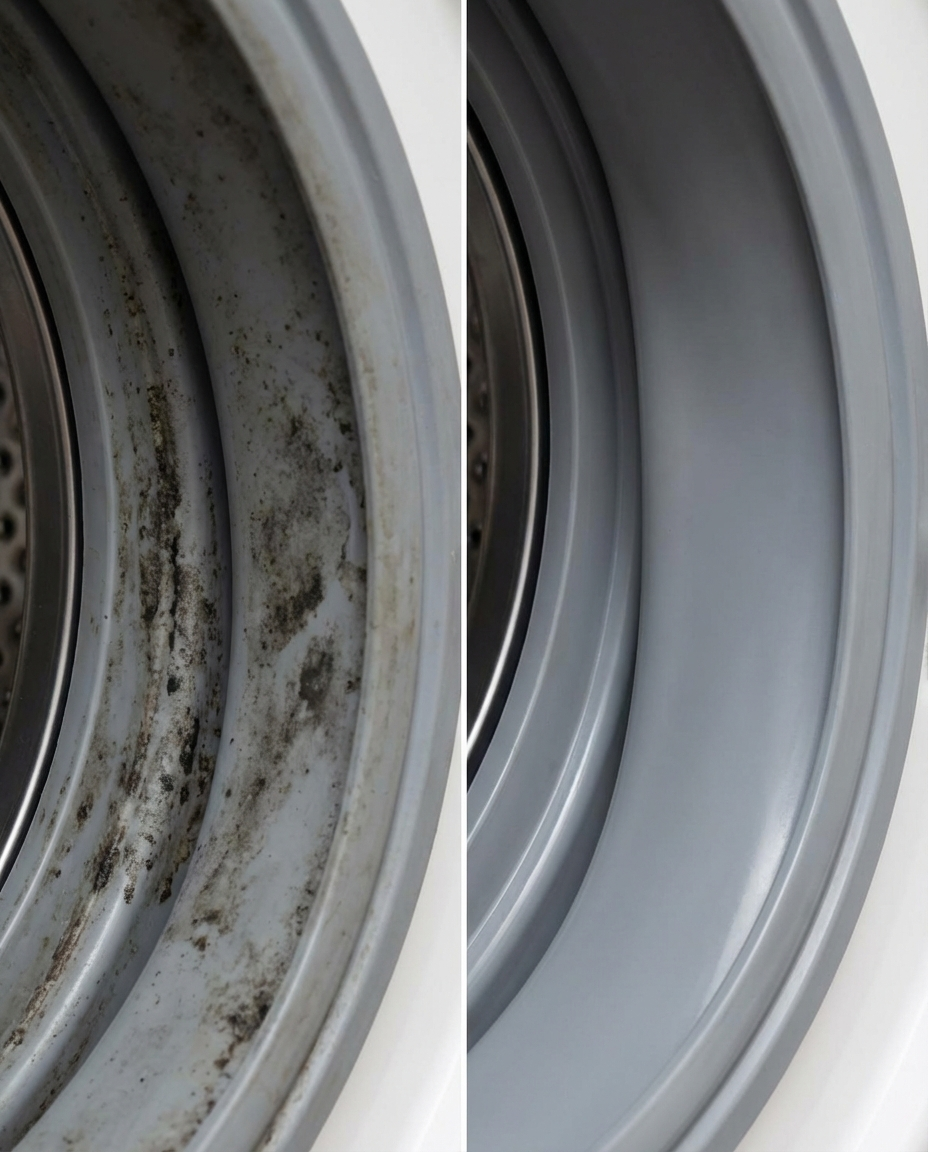
Nobody's going to tell you your washing machine is dirty. Because visually, it isn't. The drum looks white. There's no visible mould on the rubber seal. No obvious limescale. You ran a 90°C service wash last week. And your clothes still come out smelling faintly of damp dog. Not every time. Sometimes worse, sometimes barely there. Worse when it's been raining. Worse when the load sits in the drum for an extra hour before you get to it. You've already tried everything the internet recommends. Vinegar. Bicarbonate of soda. The self-clean cycle. Dr Beckmann. Calgon. Dettol tabs. A hotter wash. A different detergent altogether. The smell comes back. Usually within two or three days. And here's the contradiction worth sitting with, because the answer isn't what you'd expect. The problem isn't where you can see it. If it were the detergent, changing brands would fix it. It doesn't. If it were temperature, a 90°C cycle would have sorted it permanently. It didn't. If it were hard water, Calgon would be doing its job. Calgon works on limescale, not on smell. When an obvious fix doesn't work, it usually means the problem has been diagnosed wrong. The problem isn't on any surface. It's inside a structure you can't see, can't reach, and that rebuilds itself roughly every 72 hours. What that structure actually is. Bacteria don't sit inside your washing machine like dust on a shelf. They build something. It's called biofilm, and the technical word is a bit misleading, because it sounds like a thin film. In reality it's closer to architecture. A stratified physical structure that bacteria deliberately build to protect themselves from water, detergents, heat, and anything else you throw at them. The difference between biofilm and ordinary grime is the difference between dust on a table and paint on a wall. Dust, you wipe off. Paint needs something that attacks the structure itself. A 90°C wash, vinegar, bicarb, all of those wipe off dust. The biofilm is the paint. And it forms precisely where water doesn't normally reach: behind the drum, inside the rubber seal, in the detergent drawer, along the drain hoses. Every wash at a normal temperature doesn't remove it. It dampens it. Keeps it alive. Why it's a structurally different problem if you have a dog or a cat. Dog hair and cat hair aren't just a physical nuisance. When they go through a wash they break down. Wash temperatures, even high ones, don't destroy them. They fragment them into proteins (mostly keratin) and microscopic oils. Those proteins and oils integrate into the biofilm. Not on top — inside. They reinforce the structure from within. What you end up with is a biofilm denser, more stubborn, and noticeably more odorous than the version that forms in homes without animals. Every wash of the dog's blanket doesn't fix the problem. It feeds it. The biofilm in a pet household has a different chemical composition than the standard version. That's why generic products, engineered for limescale and detergent residue, don't work on this specific type of buildup. Not because they're bad products. Because they were designed for a different problem. Why standard tablets don't touch this specific buildup. Dr Beckmann Service-It. Calgon. Dettol Washing Machine Cleaner. Soda crystals. They all rely on active oxygen or anti-limescale agents as the main working ingredient. Active oxygen is genuinely effective on limescale, detergent residue, surface staining. It's the right tool for those jobs. It isn't designed to break down layered organic protein structures. Apply an oxidiser to a protein biofilm and you get exactly what hot water does to paint: it warms it, softens the outer layer, strips the topcoat. The underlying structure stays intact. Which is why the smell comes back a day or two later. The product hasn't stopped working. It just never reached the source. The mechanism that changes the logic of the problem. To break down a protein-lipid biofilm, the specific kind that forms in pet households, you need three enzymes working in sequence. Not one enzyme. Three of them, in a specific order. Amylase goes first. It attacks the scaffolding of the biofilm, the polysaccharide matrix that holds the whole deposit together. Without this step, the other enzymes can't get inside the structure. Protease activates next. With the outer shell weakened, protease dissolves animal proteins, keratin, skin flakes, sebum, organic residue. This is the enzyme that specifically handles the dog hair and cat hair problem. Lipase finishes the job. It strips out the greasy layer that odour-causing bacteria feed on. Without this step, even after clearing the existing biofilm, the conditions for a new one to grow stay in place. Break the chain anywhere and the problem stays. All three, in sequence, and the structure gets dismantled, not wiped, not masked, dismantled. No tablet currently sold at Tesco, Asda, Sainsbury's or Boots contains all three of these enzymes in a coordinated formulation. Why closed-system engineering is relevant here, and why this isn't a marketing metaphor. Modern energy-efficient washing machines use less water, lower temperatures, shorter cycles. The engineering result is a semi-enclosed system: persistent damp, poor airflow, very little water actually flushing through. That's exactly the kind of environment that had to be solved for closed-loop water systems on the International Space Station. Same sealed system, same damp, same stratified biofilm deposits resistant to conventional cleaning. The documentation on how biofilm behaves in closed-loop systems is public and peer-reviewed. Deposits in sealed environments are denser, more adherent, more resistant, measurably different from what forms in open systems. The multi-enzyme approach developed for those systems was adapted for domestic use. Not as an advertising angle. As the same engineering logic applied at a smaller scale. How it works in practice. One PrimeDrum tablet every two weeks. Empty drum. You don't need a special cycle. You don't need a high temperature. You don't need to add anything else. The tablet dissolves and releases the enzyme sequence in four phases: softening the biofilm, lifting the loosened material, reaching into the narrow compartments water usually skips, and chelating the minerals that anchor deposits to metal surfaces. It reaches the parts of the machine you physically can't. How you'll know it worked. The first cycle, the water comes out dark. That isn't a visual effect we've added. It's material that was in there, biofilm, protein residue, mineral deposits, being lifted out for the first time. The marker of success isn't a new or stronger fragrance. It's the absence of smell. Laundry that comes out neutral, not perfumed, not masked, neutral. That neutrality is the difference between a product that covers a symptom and a product that removes a cause. If this describes your situation, washing machine that looks clean, laundry that still smells of damp dog, and every traditional method already tried, PrimeDrum is currently the only product on the UK market with a full three-enzyme formulation designed specifically for households with dogs and cats. I'll leave the link below if you want to have a look. https://primedrum.com/pages/7-reasons-to-use-enzyme-cleaner-tabs P.S. There's a 60-day money-back guarantee on every box, if the smell hasn't gone after a couple of cycles, you send it back and pay nothing.
Where the ad sends people
primedrum.com
⚠️ If your washing still smells "off" after cleaning your machine... this explains why ☝️
PrimeDrum Naturally removes hidden dirt from your washing machine
Learn more: primedrum.com(opens in a new tab)