
Inactive· since May 29, 2026
- 46
- days it ran
- 0
- relaunches
- 19
- EU reach
Ad copy
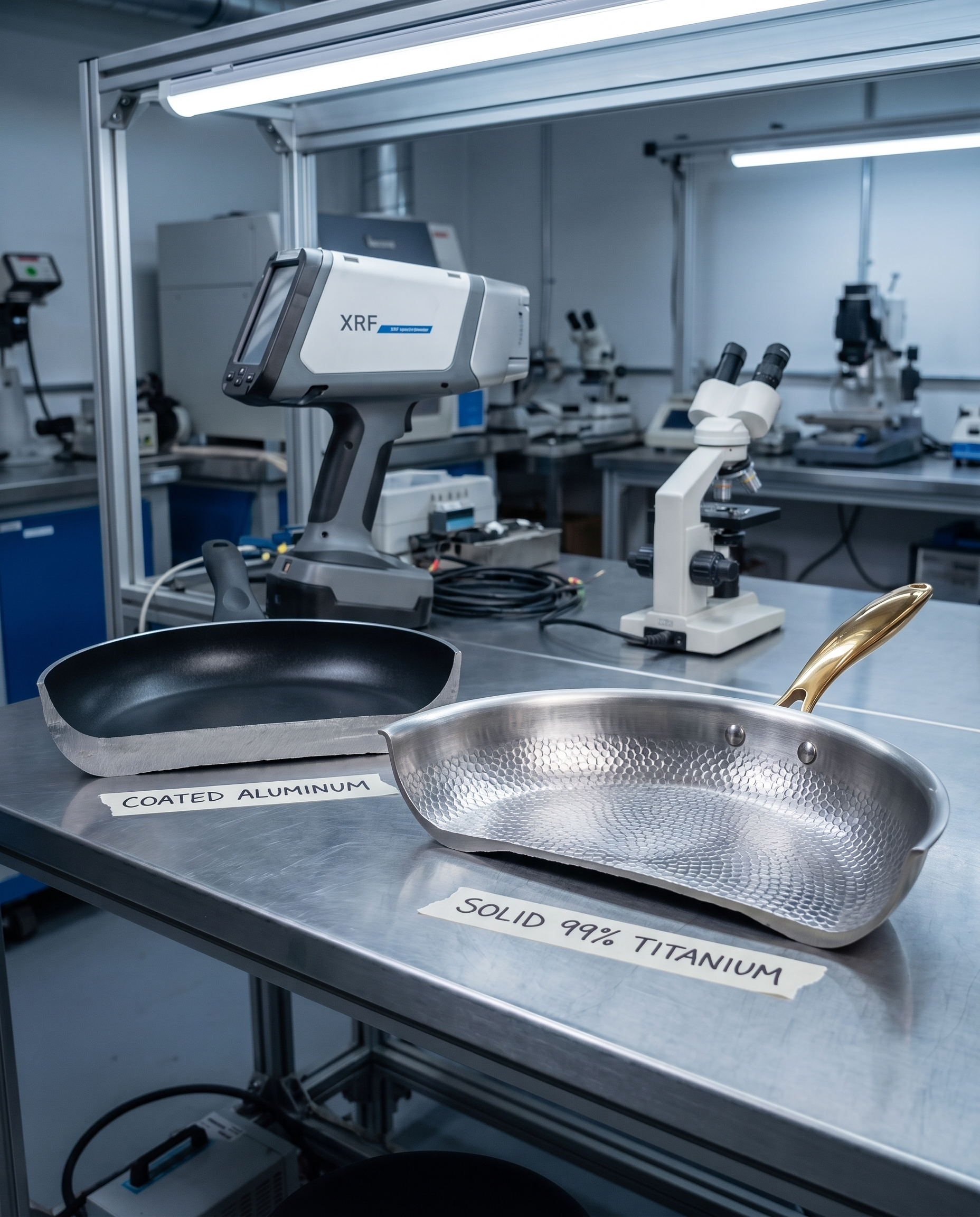
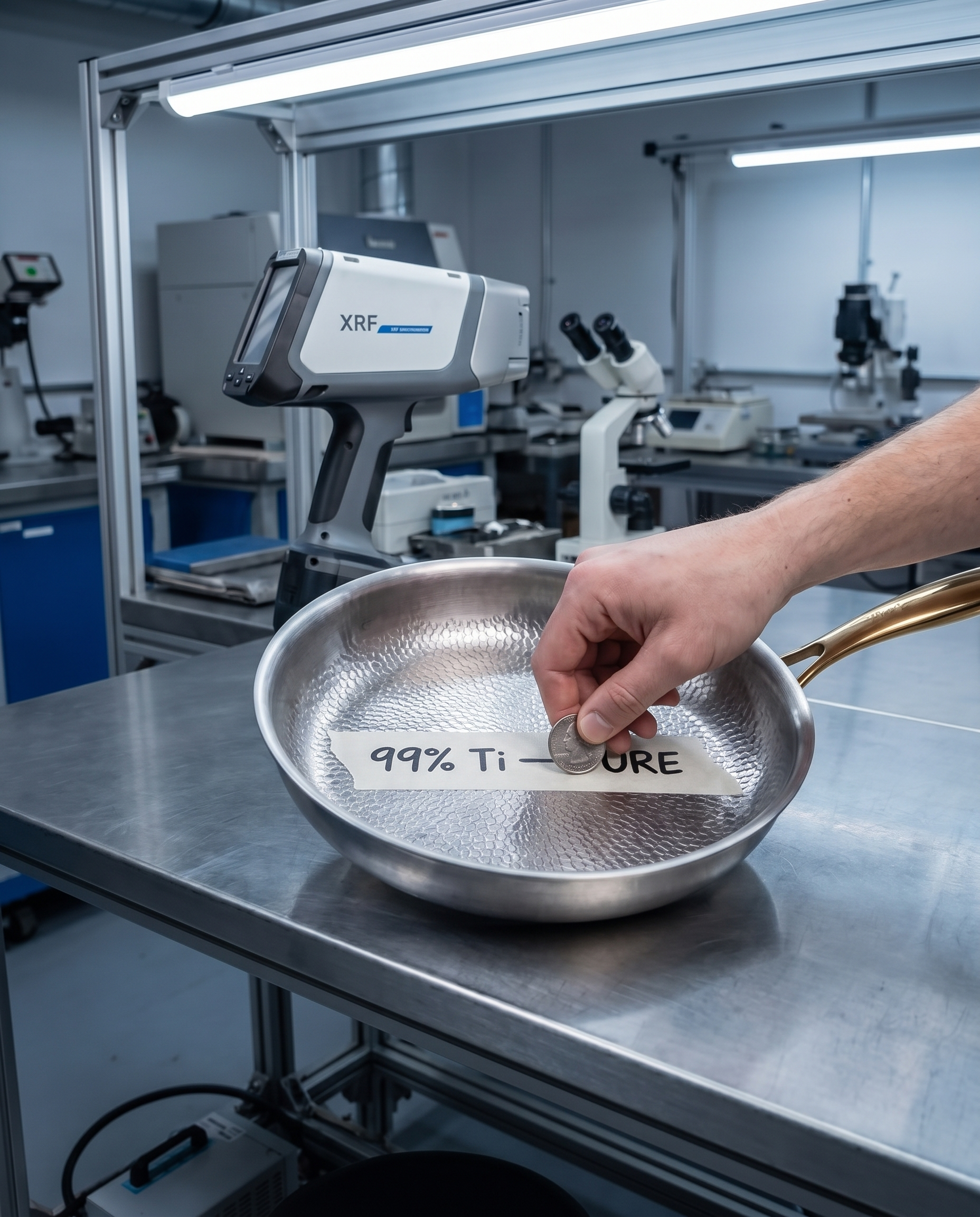
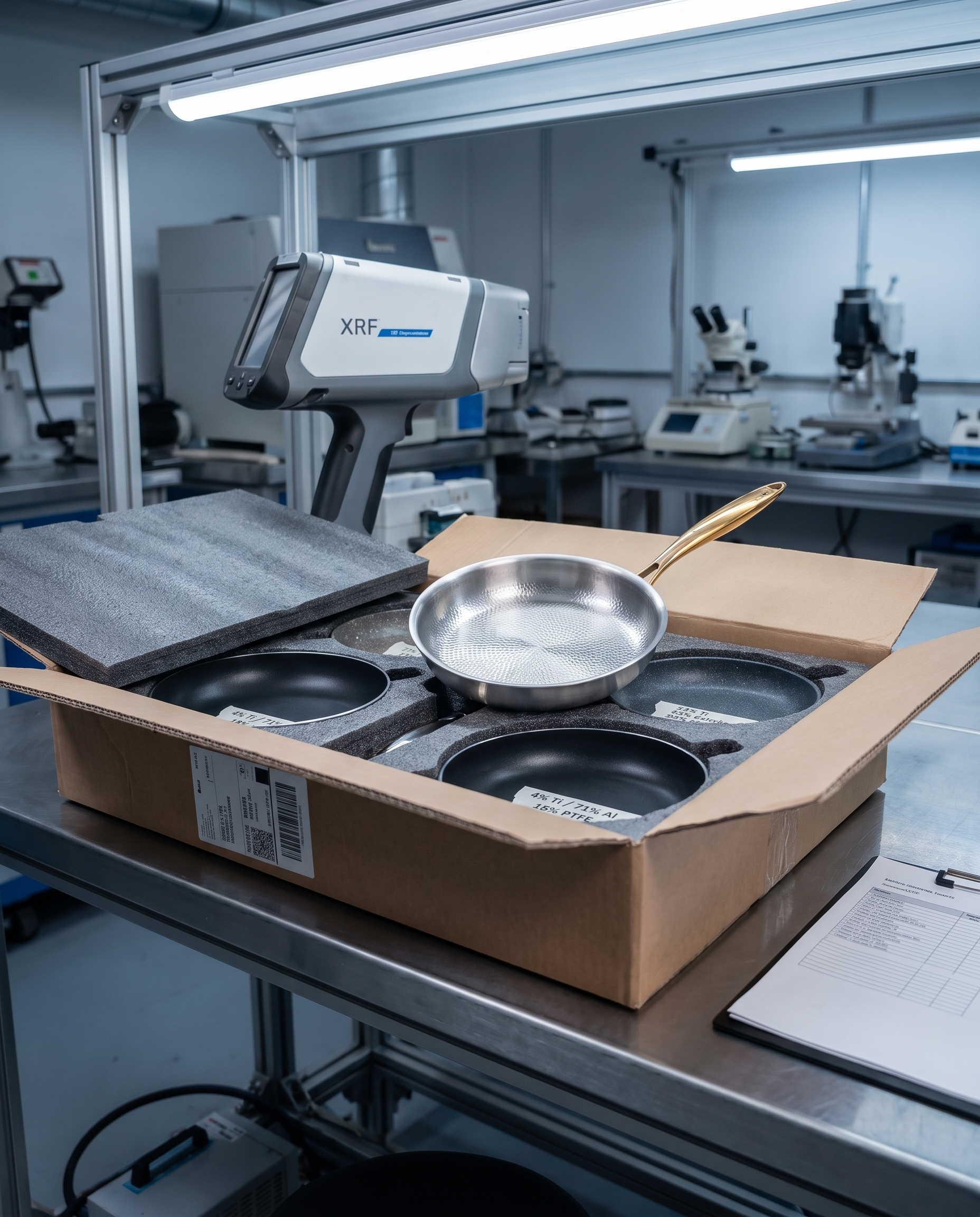
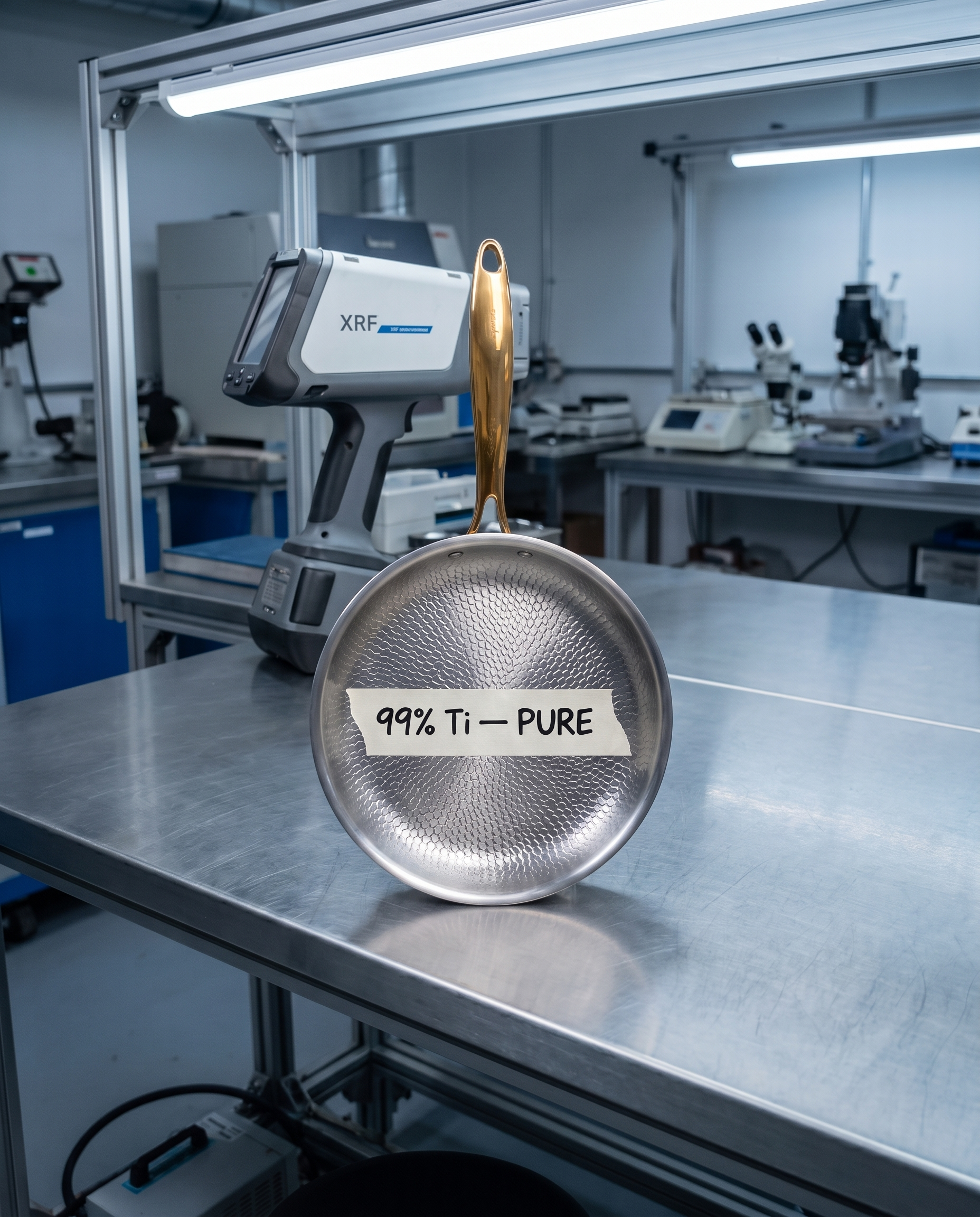
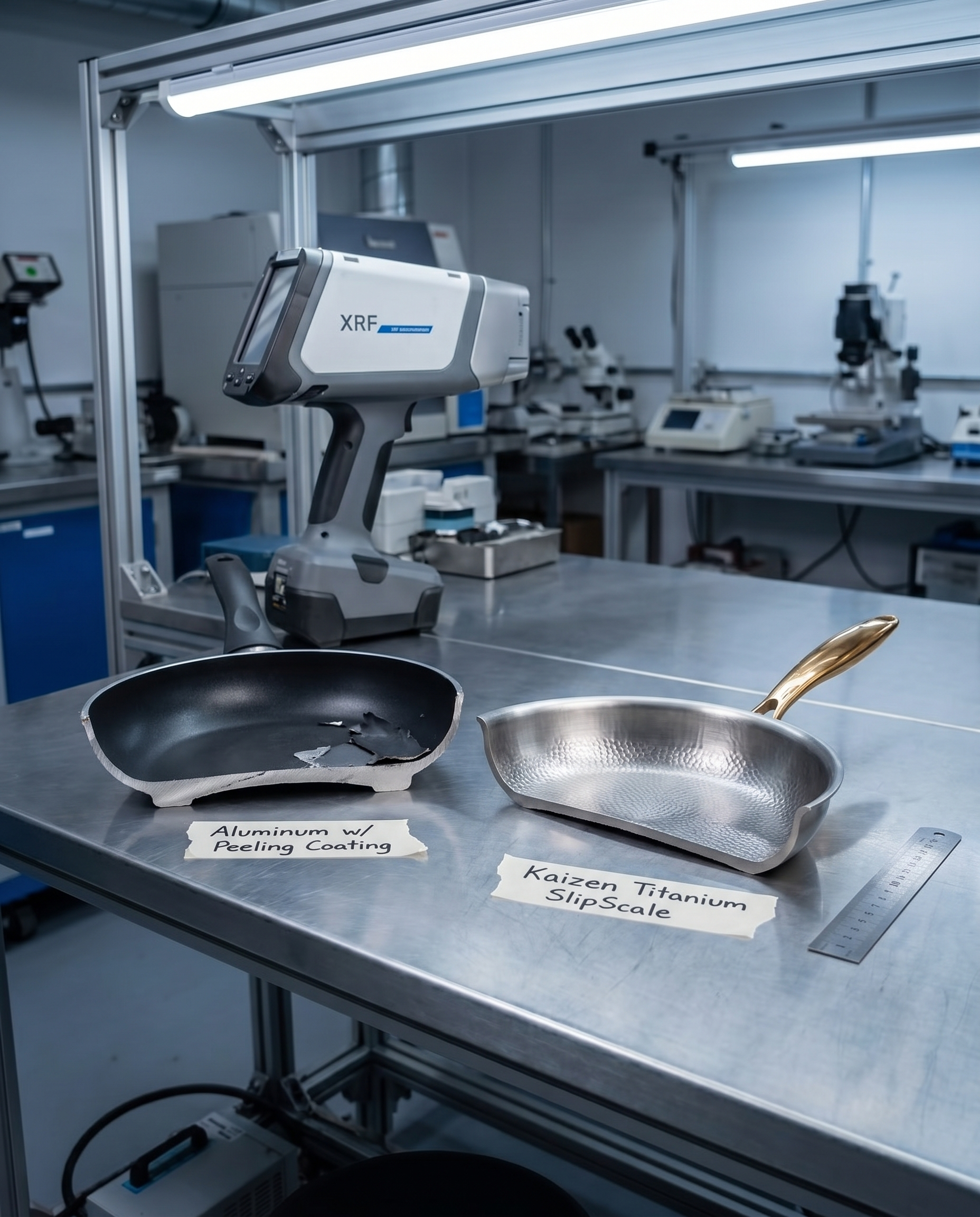
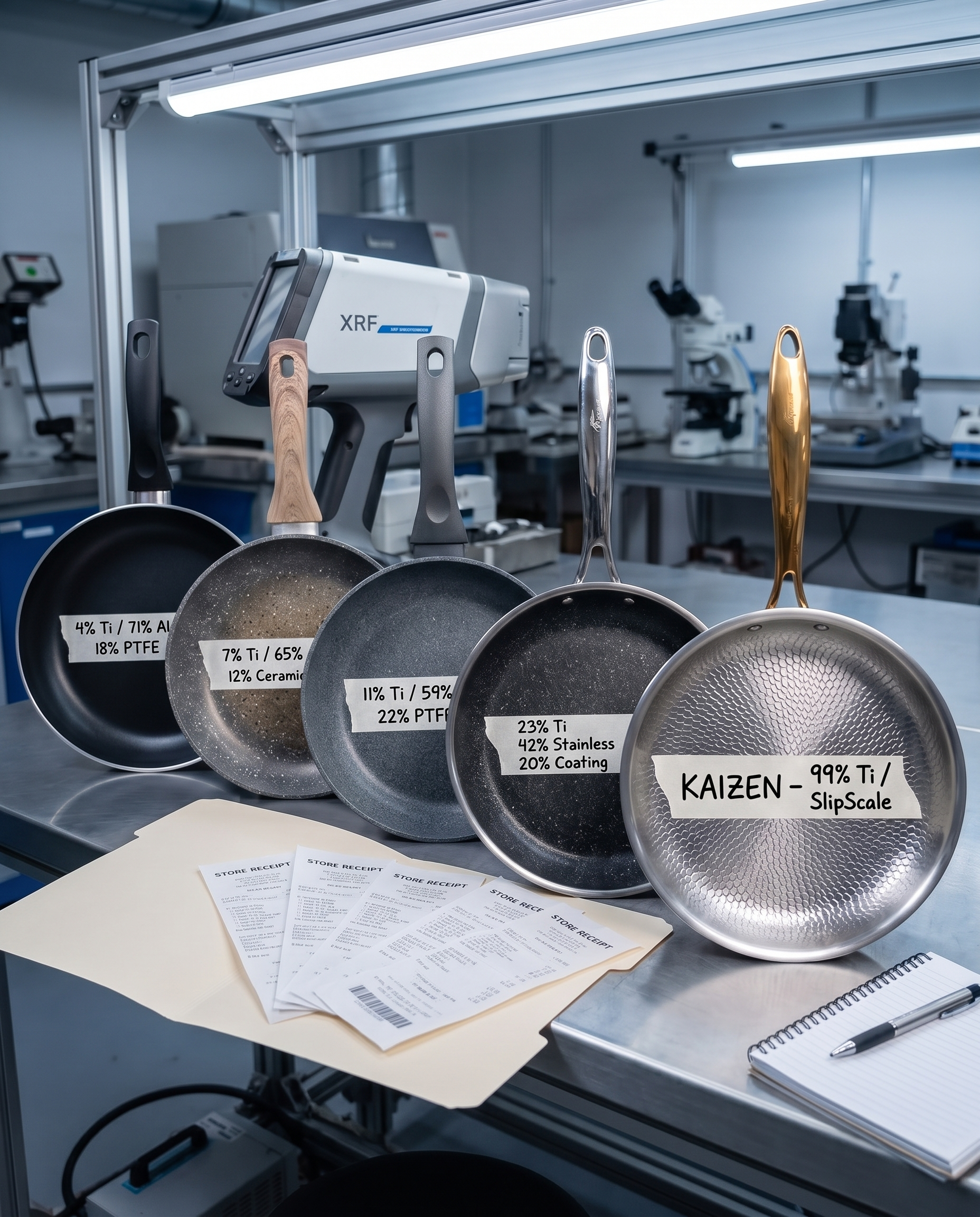
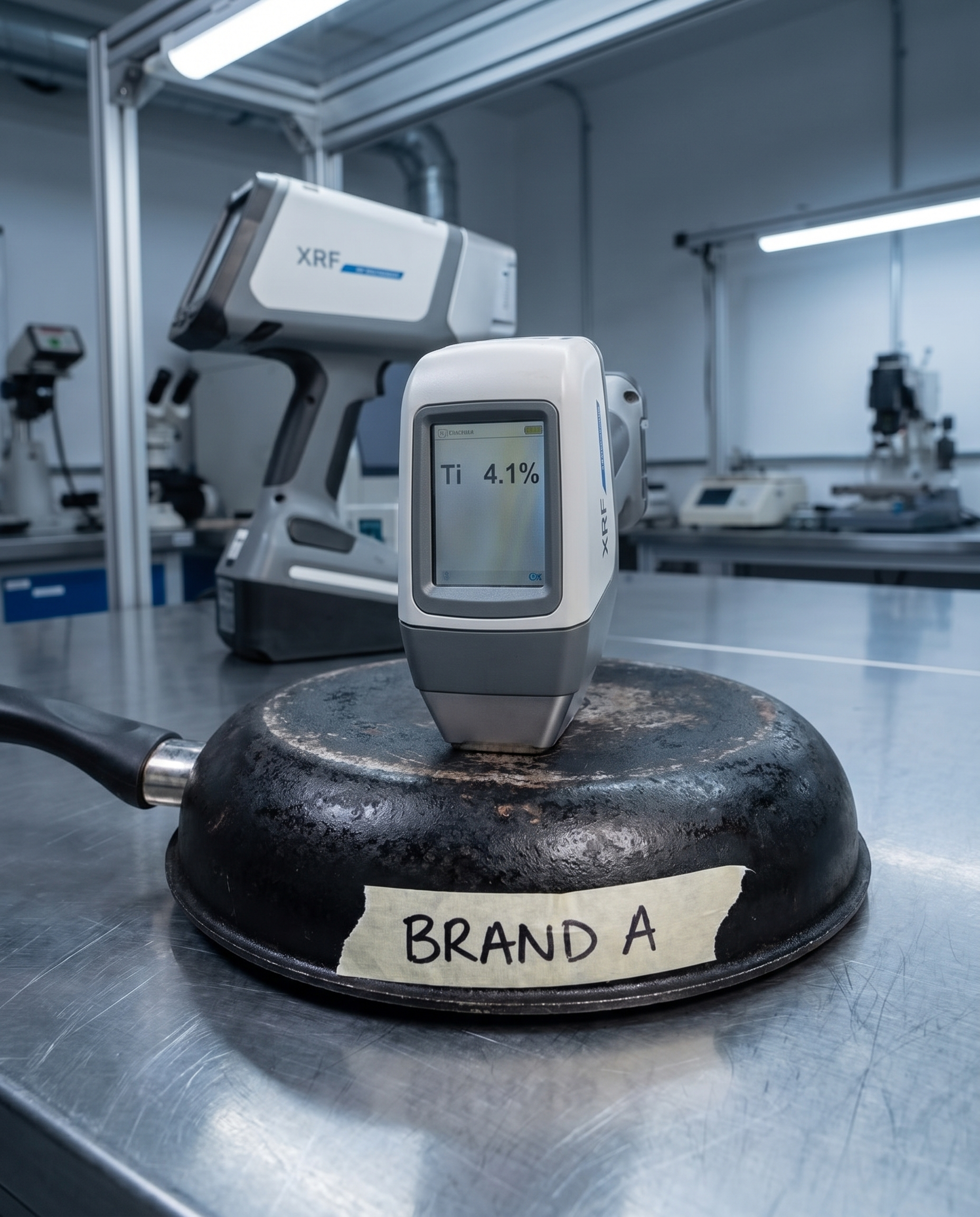
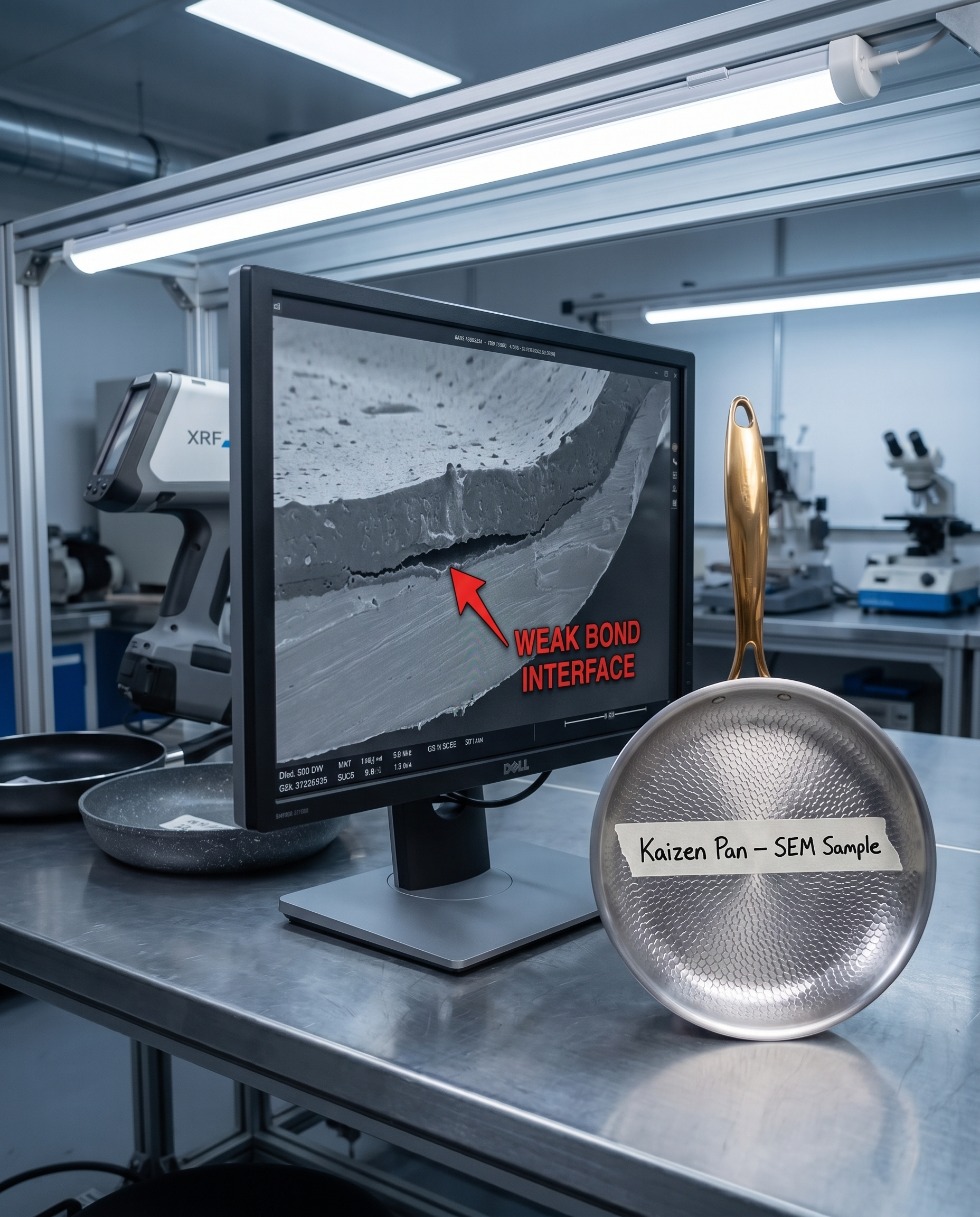
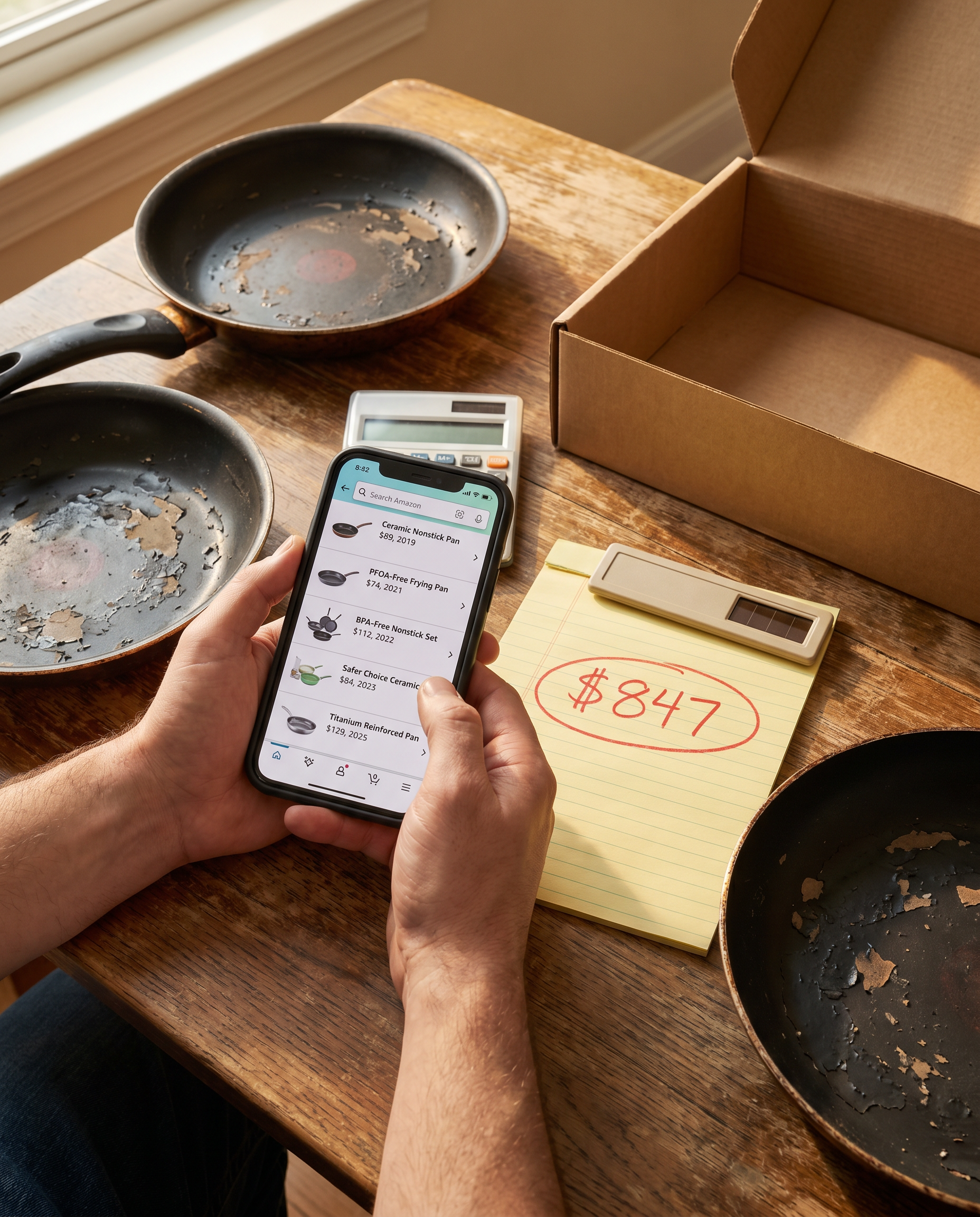
It started as a Saturday morning project that was supposed to take an hour. I had decided to clean out the kitchen drawer that held every receipt and warranty card I had ever shoved in there over a decade of married life. The drawer had two modes: closed, which was fine, and open, which was a paper avalanche I had been avoiding for eighteen months. My husband had finally given up asking me to deal with it and had started keeping the takeout menus in a different drawer. I made coffee, put on a podcast about a different woman's cluttered life, and pulled the drawer onto the kitchen table in one go. Halfway through sorting receipts by category I noticed how many of them were for the same kind of thing. Pans. Pan after pan after pan, going back to the spring my older son was born and I had decided to upgrade the chipped Calphalon set we had been using since the wedding. There was a receipt from a department store in Cleveland for a ceramic frying pan I had completely forgotten owning. There was a receipt from a Black Friday sale for a 'safer' nonstick I had bought two months pregnant with my younger daughter and never used more than ten times because it warped in the dishwasher on what turned out to be my first attempt to clean it. There were warranty cards stapled to receipts, three of them, all for the same brand, all dated within the same calendar year, all stamped DENIED in the same red ink. I pulled out my phone and opened my Amazon order history. I scrolled back to 2017, which was as far as the app would let me go. I started a list on a yellow legal pad. Every cookware purchase, every replacement, every 'PFAS-free upgrade' I had ever convinced myself was the last one I would need to make. I added the receipts from the drawer to the list. Then I added the receipts from a shoebox under my desk where I keep the paper receipts that never make it into the drawer. Then I added the Costco purchase history I downloaded from their website during a particularly thorough hour. By 11am I had eleven pans on the list across eight years. The total at the bottom of the page, circled twice in red ballpoint pen by the time I finished, was $847. The list is sitting in front of me as I write this. Brand A, $89, peeled at month nine, returned to the store for partial credit. Brand B, $74, replaced under warranty after a friend who works in customer service for that specific brand pulled a string for me on the inside. Brand C, $112, ceramic, warped from one dishwasher cycle, full loss. Brand D, $84, lasted eleven months before a coating chip ended up in the tomato sauce I had been simmering for my older son. Brand E, $129, 'titanium-reinforced,' lasted fourteen months before the coating in the center cooked away completely and I could see bare aluminum. Brand F, $340, viral hybrid, warranty denied at month nine for 'use of metal utensils' which I have never owned. Brand G, $94, 'forever pan,' warped in the dishwasher despite the manufacturer's care manual stating it was dishwasher safe. The list rolls on. Eleven pans. Every one of them in landfill. Every one of them had, at some point, shed flakes of coating into my family's food before I noticed and replaced it. I sat on the kitchen floor at 11:47am with the eleven pans of receipts spread around me and started doing the harder math. The math beyond the dollars. At my replacement rate (every 22 months on average), I would spend another $2,540 on pans across the next twenty-five years of cooking. I would generate enough discarded coated aluminum to fill a small bathtub. My kids would eat thousands more meals off coatings that the chemistry industry rebrands every regulatory cycle to stay ahead of FDA and EPA scrutiny. The math was not an inconvenience. It was a small horror. I had been a customer in a system that had been engineered, deliberately and across decades, to keep me as a customer forever. I tried to claim the 'lifetime warranty' on three of the eleven pans over the years. All three claims were denied with the same boilerplate sentence: 'wear consistent with normal use is excluded.' The legal teams at these brands long ago figured out that they could print the word lifetime on the box and exclude every possible failure mode in the fine print, and the FTC would not enforce because the FTC is under-resourced and cookware is a low-priority category. I confirmed this with two FTC enforcement attorneys before I wrote about it publicly. The agency is aware. The agency is under-resourced. The current enforcement standard for the word 'lifetime' in cookware warranties is, in practice, the cost of changing the marketing campaign, which the brands have determined is higher than the cost of paying the fine. Three of the brands on my list have had federal class action lawsuits filed against them in the last twenty-four months. The cases are public. The plaintiffs include a pediatric nurse, a chemistry PhD, two oncology patients, and one woman whose son's PFAS bloodwork came back four times the safe reference range with no other documented exposure source. The discovery process in these cases has already produced internal brand documents showing the manufacturers knew about the failure modes years before they reformulated. The reformulations were marketing responses, not chemistry corrections. The new coatings shed the same way. The label changes. The chemistry does not. What got me, sitting on the kitchen floor surrounded by eight years of broken pans and faded receipts, was that the cookware industry has built one of the most efficient recurring-revenue businesses in consumer goods without ever calling it a subscription. The category transitioned from one-pan-for-life to one-pan-per-year on a planned timetable between 1968 and 1985. The trade publications from that period use the phrase 'planned obsolescence' openly with regard to coating chemistry. The brands learned to engineer the failure mode and to write warranty fine print around it. They learned to spend more on marketing than on the metal because the marketing acquired the next replacement buyer. They learned to use the word 'lifetime' to mean the lifetime of the product as defined by the manufacturer, which in practice is roughly two years. The system has been running, profitably, for half a century. My eleven pans were the receipts. I started looking that afternoon for a category I could exit into. The answer turned out to be small and overlooked and almost entirely absent from the major retail aisle. A pan made from one single metal, edge to edge, with no coating layer to fail. No fluoropolymer. No ceramic-PTFE blend. No 'titanium-reinforced' aluminum. Just one metal, all the way through. The metal that hits the trifecta of biocompatible, lightweight, and rust-proof at consumer scale is pure titanium. Almost no consumer brand ships it actually pure. Most ship coated aluminum with the word titanium in the marketing. I sent five 'titanium' pans to a metallurgy lab in Texas to confirm. The lab invoice was $470. The results, in order of increasing actual titanium content: 4.1%, 7.0%, 11.3%, 22.7%, 99.1%. Four of the five 'titanium' pans on the market were coated aluminum sold under a regulatory loophole where the FTC threshold for the word titanium in cookware is, in practice, 'detectable presence.' One atom of titanium is enough. The one pan that came back as actually pure was the cheapest of the five at retail. The brand had the smallest marketing budget of the lot. No celebrity endorsement. No Costco roadshow staffing. No TikTok shop integration. The brand spends its margin on the metal and on publishing the lab certificate openly with every order. The pan ships with a printed XRF metallurgy report in the box, signed and stamped by the independent laboratory that ran the test. The warranty is one page of plain English. The brand is called Kaizen. My kitchen has two Kaizen pans now. The 12-inch classic and the deep saute. The cooking surface uses a permanent SlipScale micro-pattern pressed into the titanium itself, not a coating layer sprayed on top. Two years of daily use, scrubbed nightly, dishwasher cycles when I am lazy, the cooking surfaces look identical to the day they arrived. Nothing has shed because nothing is on top of the metal to shed. The handles are bronze-toned hardwood, balanced perfectly, and they do not get hot. My older son, who is nine now, can cook himself a grilled cheese without me supervising the burner. He calls the SlipScale pattern 'the snake skin' and he thinks it is the coolest thing in our kitchen. He may be right. I framed the yellow legal pad with the $847 total and pinned it to the bulletin board next to the new pans. Every time I am tempted to buy a kitchen gadget on an Instagram ad I look at the pad. It is the cheapest piece of art I have ever owned. The chef's full receipt audit of the cookware industry, with the regulatory timeline and the lawsuit history and the metallurgy data, is linked below. Read it before the next sale weekend.
Like this ad? Make it yours.
Crush rebuilds this exact creative around your product — your brand, your colors, your offer — in about a minute.