Health Insider
 Facebook ad: “The Reason You Feel Off Every Single Day”
Ran for 164 days, from May 25 to November 5, 2026, the last day Crush saw it.
Run by Health Insider on Facebook. Crush is not the advertiser and does not verify its claims. See this ad in Meta's Ad Library(opens in a new tab)
Make your own version of this ad
Crush makes it, launches it in your own Meta ad account, scales the winners and pauses the losers.
About this ad
- Meta Ad Library ID
- 4535564910062636
- Platforms
- Facebook, Instagram, Audience Network, Messenger and Threads
- Relaunches
- 0
Ad text
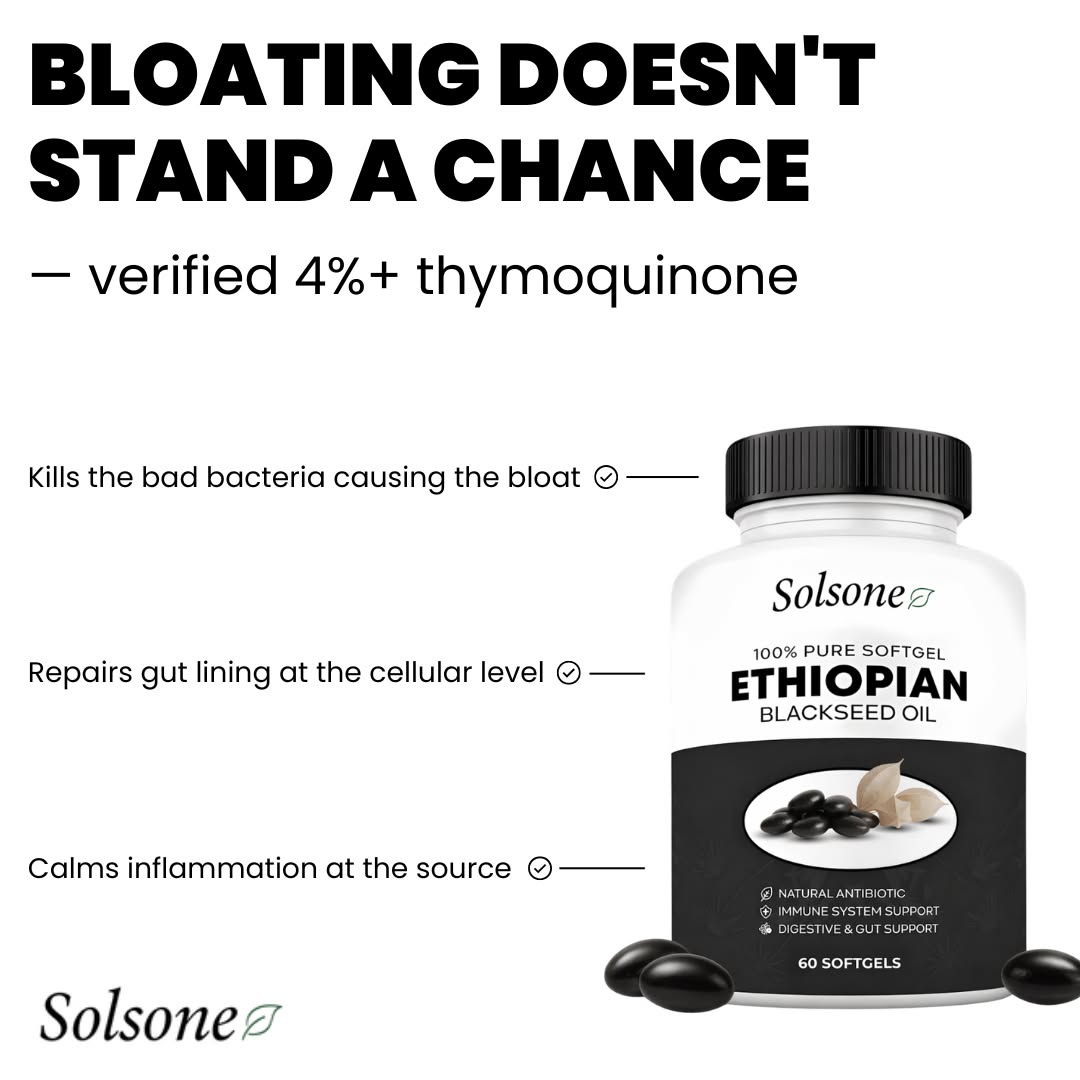
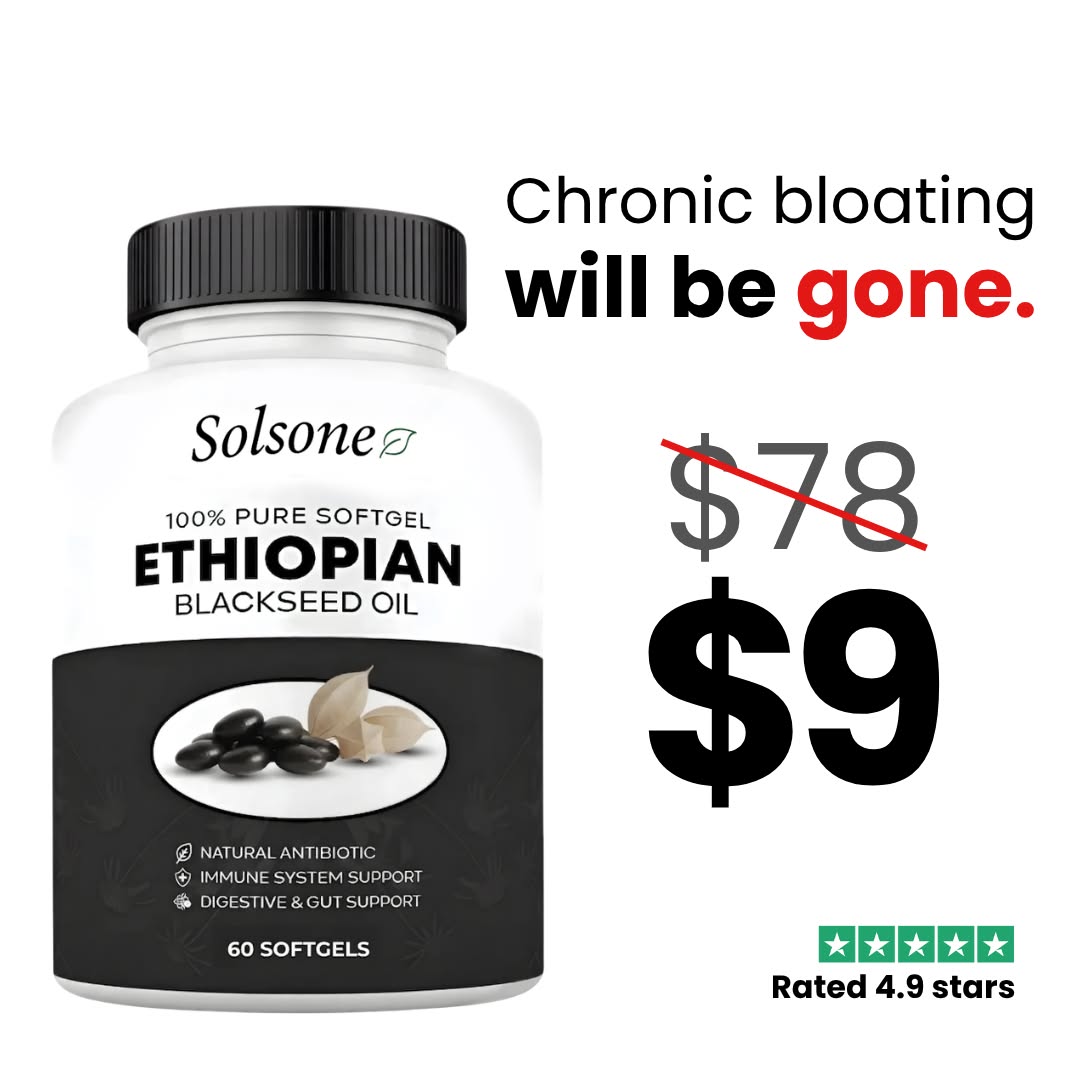
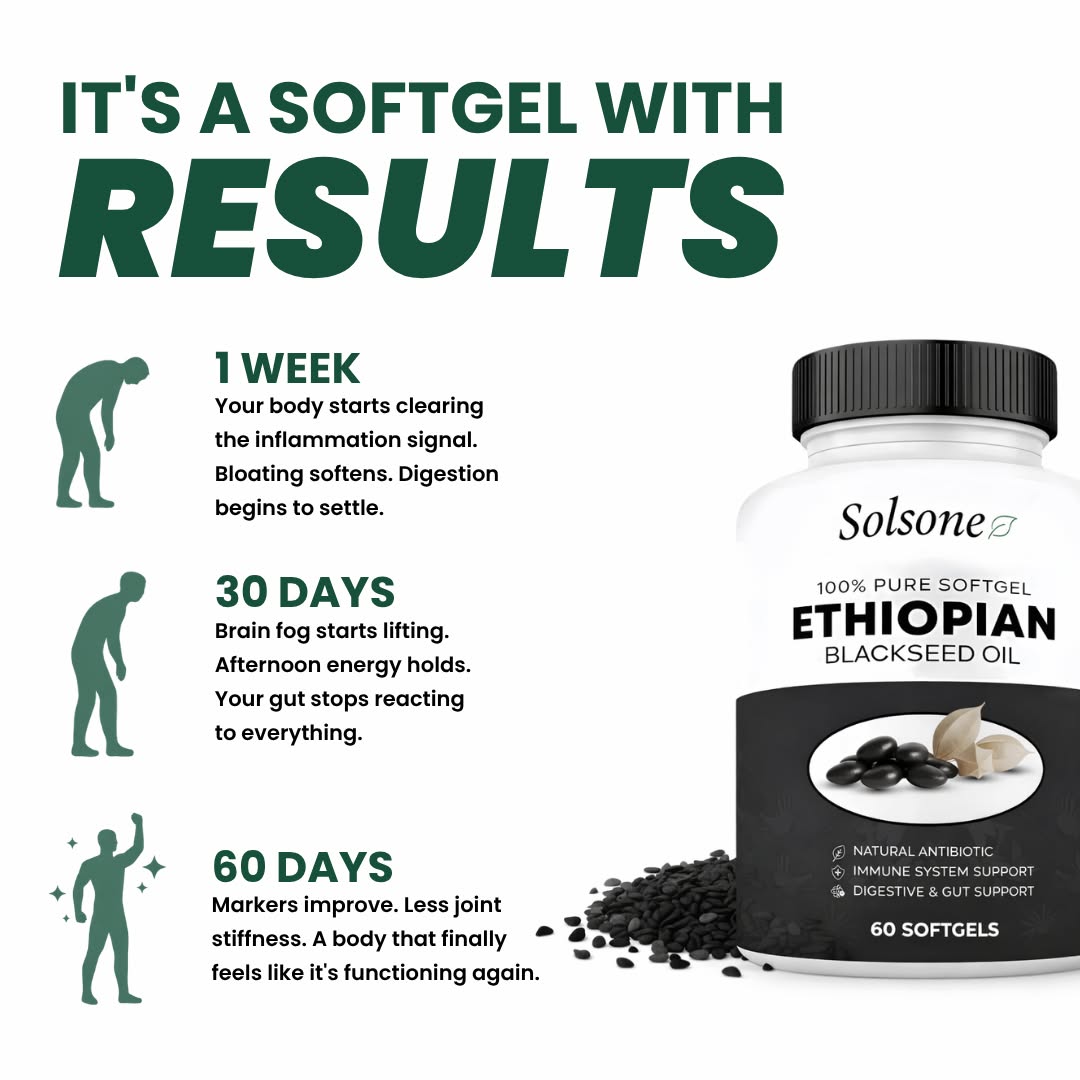
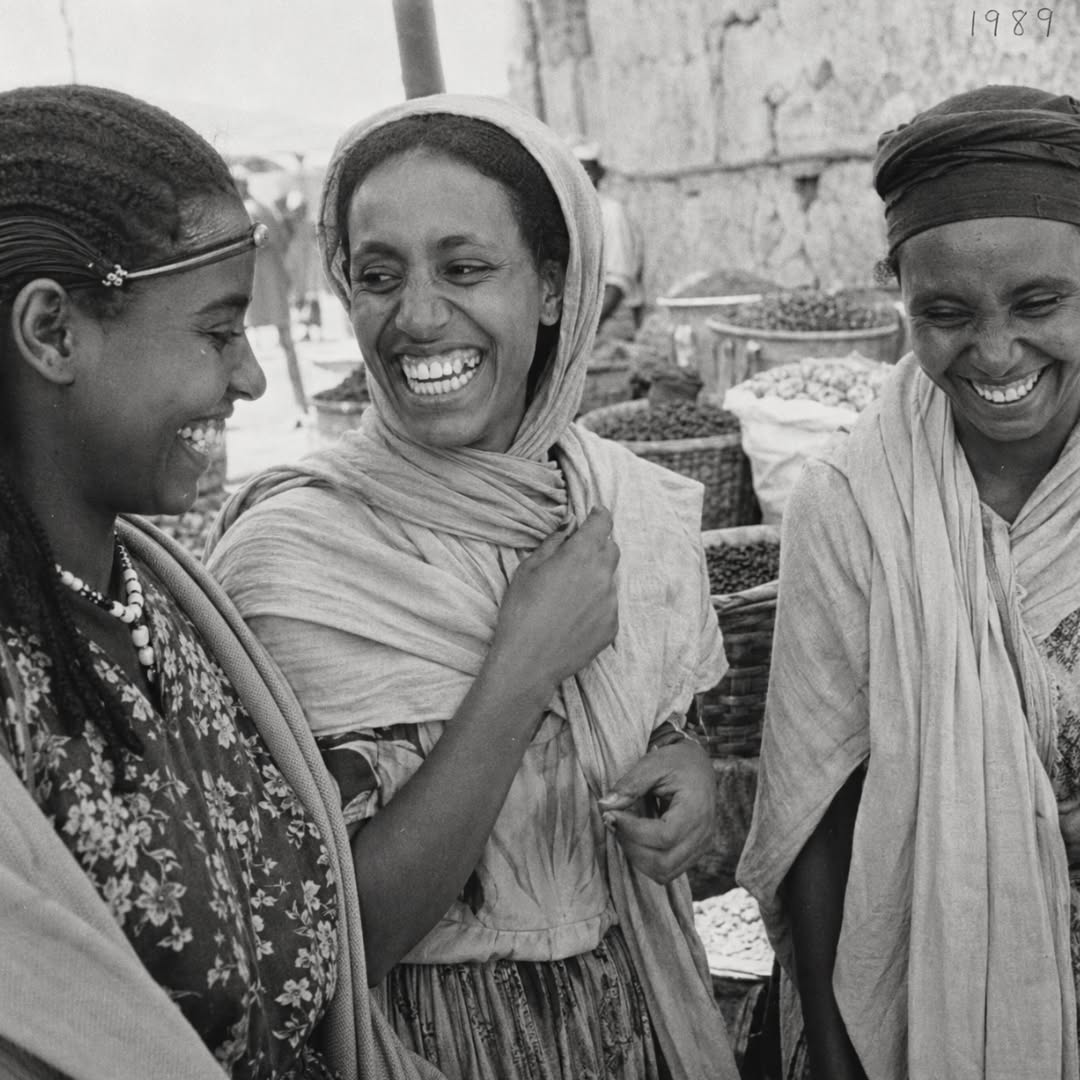
Before pharmaceutical companies existed, doctors prescribed plants for inflammation. The rural clinics in Ethiopia still do. I learned why on a flight from Frankfurt to Boston. I was on a 7-hour flight back from a conference. I'm a research scientist. Medical sociology, specifically how women's health complaints get categorized in primary care. I'd just spent four days listening to colleagues describe the menopause symptom cluster as "psychosomatic spillover" and "anxiety presentation." I was tired. I was also bloated and had been waking up at 3 AM every night for nine months. The woman next to me in business class was in her late 70s. Reading a journal article in fluorescent yellow highlighter. Her tray had three pages of handwritten notes on it. I asked what she was reading. She said a paper out of Cairo University on Nigella sativa and inflammatory cytokine modulation. Then she said are you a researcher. I told her my field. She told me hers. She had spent 41 years as an ethnopharmacologist. Field research in Ethiopia, Saudi Arabia, Sudan, and Yemen. Documentation of traditional plant medicine in places where the pharmacy was a person, not a building. She said where are you in menopause. I blinked. I said how could you tell. She said your eyes. The puffiness around them. You're inflamed. You've been inflamed for at least six months. Your sleep is broken. You're carrying water in your face. Your skin is decompressed in the way I see in women between 49 and 56 who haven't been treated. I said I'm 53. She said you want to know what every woman in the villages I worked in took for what you have. I said yes. She said you want to know why your American doctors haven't told you. I said yes. She said do you really want to know? Because once I tell you, you're going to be very angry at the medical system you work inside. I said tell me. She pulled out her phone. She showed me a photograph. It was from her fieldwork in 1989. Three women in a market in northern Ethiopia. Behind them, baskets of small black seeds. The women were laughing. She said this is in the highlands. 8,000 feet elevation. The plant they're selling is Nigella sativa. Black seed. They've been growing it in this region for 3,000 years. She said the seeds are mentioned in Avicenna's Canon of Medicine in 1025. They're described in Egyptian medical papyri from 1500 BC. They were found in Tutankhamun's burial chamber. The Prophet Muhammad reportedly said the black seed is a remedy for every disease except death. That's not an endorsement. That's a 1,400-year-old observation. She said and here's what's interesting from my data. The women in these villages who use it daily, in cold-pressed form, have measurably lower rates of inflammatory disease across the lifespan. We have epidemiological surveys. They sleep better. They have less of what we'd call functional gut disorders. Their menopausal symptom burden is significantly lighter than matched American cohorts. I said why has nobody published this in a journal I'd read. She said because there's no money in it. The active compound in black seed is called thymoquinone. It's a natural product. You can't patent it. Pharmaceutical companies don't fund trials of compounds they can't own. So the research that exists is mostly out of Saudi, Egyptian, and Iranian universities, in journals American doctors don't read. She said but the research is there. Over 1,700 peer-reviewed studies. A 2016 placebo-controlled trial in Phytotherapy Research showed thymoquinone significantly reduced inflammatory cytokines (TNF-alpha) within 8 weeks. A 2024 study in MDPI showed it disrupts bacterial biofilms by up to 83%. A 2016 paper from a Saudi research center showed it killed 96% of two protozoal species in vitro, better than the standard pharmaceutical drug. She said your American GI doctor doesn't know any of this. Your menopause specialist doesn't know any of this. The women in those Ethiopian villages have known it for three millennia. I said why has the pharmaceutical industry not figured out how to commercialize this. She said because they did try. In the 1990s. They couldn't isolate it into a patentable derivative that performed better than the whole compound. The whole-plant extract is what works. They couldn't make money on it. So they stopped. She said meanwhile, the global supplement market filled the vacuum with cheap, weak imitations. Most of what's sold in American health food stores is under 2% thymoquinone. The research uses 3 to 5%. Anything under 2% is essentially flavored oil. That's why your friends who've tried "black seed oil" from Amazon report nothing happens. I said is there a brand that's standardized to research-grade strength. She said yes. There's one I recommend to colleagues. They source from the Ethiopian highlands at 8,000 feet, which is where the plant produces the highest concentrations of thymoquinone. They standardize to 4% minimum. They publish the third-party lab results for every batch on their website. She said the brand is Solsone. She said most of my younger ethnopharmacology colleagues use it now. We compared notes at the European conference last year. About half the women in my field are on it. It's been a quiet conversation in my generation of researchers for about three years. She said within six months, half my women colleagues had switched to it. I said why haven't I heard of this. She said because you don't read the journals I do. And because Solsone does small-batch limited production from Ethiopian highland suppliers. They're often out of stock for weeks. You have to know about them before they're available. She said if you want to try it, order it now. They restock periodically. The next window will sell through quickly. I ordered it right there on the plane. 38,000 feet. Somewhere over Greenland. She watched me do it. She said you won't regret it. She said also you should expect the first three weeks to feel like nothing. Then around week four, your sleep will come back. Around week six, your face will look different. Around week three or four month, you'll realize you've been thinking more clearly. The clinical trial timelines match what I see in the field. The bottle arrived eight days later. I'm a researcher. I run self-experiments. I started a symptom journal the day before I took my first dose. Sleep latency, sleep duration, number of nighttime wake-ups, morning bloating on a 1-10 scale, afternoon fatigue, brain fog episodes per day, word-finding difficulty events. Two softgels with my morning coffee. Every day. Week 1: nothing measurable. As predicted. Week 2: sleep duration increased by 38 minutes on average. Wake-ups dropped from 1.4 per night to 0.7. Week 3: I slept until 5:50 AM for the first time in nine months. Recorded it. The 3:17 wake-up just didn't happen. It also didn't happen the next night. Or the next. Week 4: morning bloating on the 10-point scale dropped from a baseline 7 to a 3. Week 6: my dermatologist asked what I'd changed. She said my skin looked decompressed. The same word the ethnopharmacologist had used on the plane. Week 8: I was preparing a research presentation and realized I'd written it linearly. I hadn't lost the argument midway through and rebuilt it three times. It came out in one pass. I hadn't done that since I was 49. Week 12: I attended a six-hour grant review meeting and didn't crash mid-afternoon. I'd brought my afternoon coffee. I didn't drink it. I forgot to drink it. Month 4: my colleague Susan, who runs the longitudinal women's health study at our institution, stopped me in the corridor. She said Margaret. What are you on. I said why. She said because for nine months you looked tired and frankly puffy. And now you don't. And you're talking faster. I told her about Solsone. She wrote it down on her notepad. She said send me the lab results link. I sent it. She replied an hour later. The Certificate of Analysis is genuinely third-party. The thymoquinone content is what they say it is. You're correct to be on this. Here's what I learned at 38,000 feet from a 78-year-old woman with 41 years of fieldwork in places American medicine has stopped paying attention to. Before pharmaceutical companies existed, doctors used plants. They had to. Most of the materia medica in any 1840 medical textbook was botanical. Then in the 1940s and 1950s, the pharmaceutical industry as we know it took off. Patentable synthetics. Mass production. Marketing budgets. Drug detailing to physicians. Within thirty years, American medicine forgot the plants existed. The ethnopharmacologists never forgot. The women in the Ethiopian highlands never forgot. The Saudi and Egyptian research universities never forgot. The rest of us just stopped paying attention. I am a research scientist. I read the literature for a living. I had been bloated, sleep-deprived, and foggy for nine months and the woman next to me on a flight diagnosed me from across an armrest in seventeen seconds. Then she handed me three thousand years of evidence I hadn't been taught existed. The bottle is twenty-five dollars. I've spent more on medication copays in the last six months than I have on Solsone in the last year. But that's not why it matters. It matters because I learned something at 38,000 feet that changed how I think about my own field forever. You don't need a new pharmaceutical. You need the old plant. At the right concentration. Verified. The women in the Ethiopian villages know that. The ethnopharmacologists know that. The Saudi research universities have been publishing on it for decades. Now you know it too. Solsone. Verified 4%+ thymoquinone. Third-party lab tested in the USA. Published lab results per batch. Ethiopian highland sourced. 50,847 women have rated it 4.9 stars. Less than 2% have ever asked for a refund. 30-day money-back guarantee. Their batches sell through fast. If it's in stock when you click the link, that's the window. If it's gone, the next batch usually opens within ten days. The ethnopharmacologists don't wait. Neither should you. Tap here: 👉 https://thesolsone.com/products/ethiopian-black-seed-oil Margaret Clarke, PhD
Where the ad sends people
thesolsone.com
The Reason You Feel Off Every Single Day
Solsone
Learn more: thesolsone.com(opens in a new tab)