Menopause Support Group
 Facebook ad: “Natural Hormone Support Without HRT”
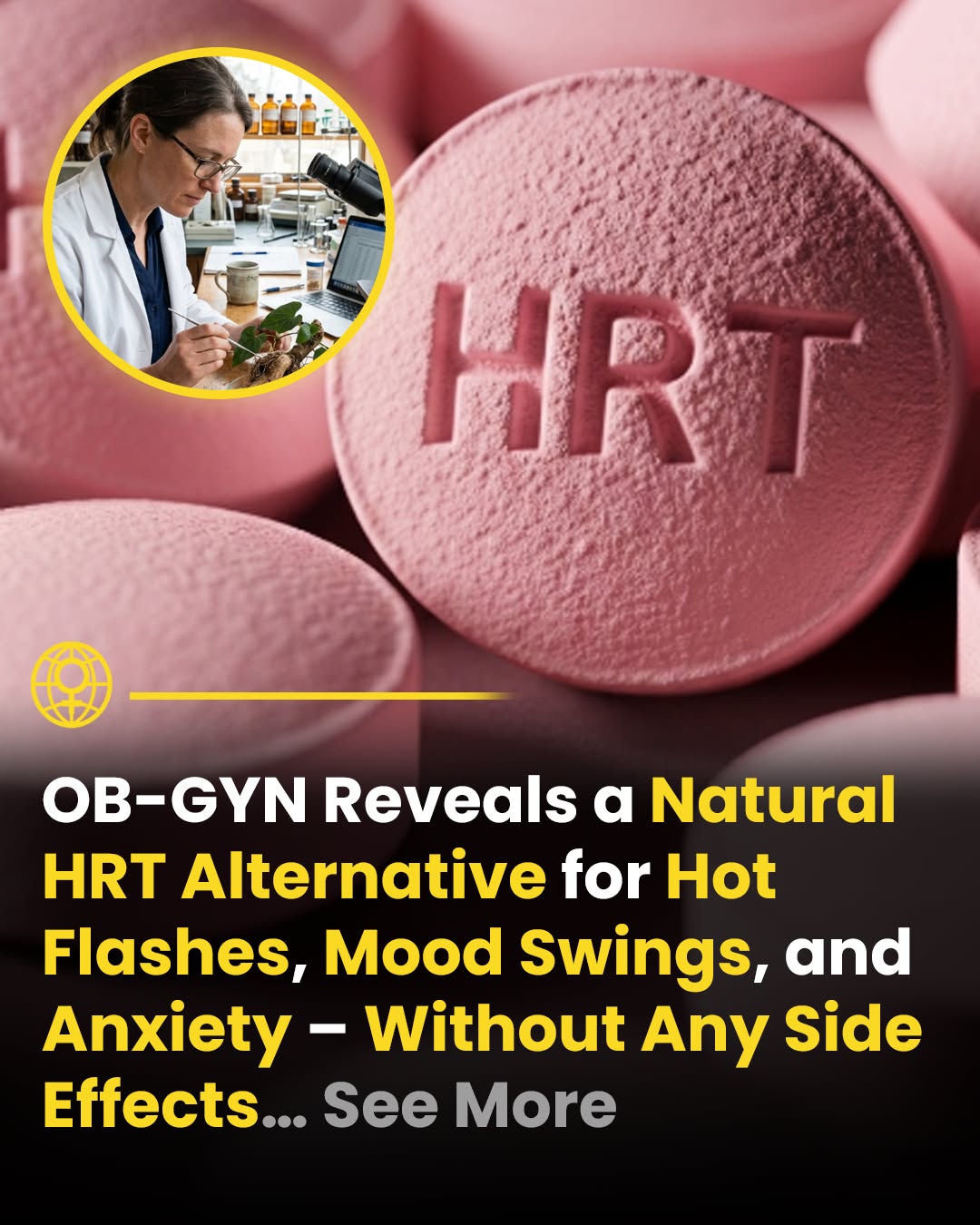
Ran for 37 days, from September 26 to November 2, 2026, the last day Crush saw it.
Run by Menopause Support Group on Facebook. Crush is not the advertiser and does not verify its claims. See this ad in Meta's Ad Library(opens in a new tab)
Make your own version of this ad
Crush makes it, launches it in your own Meta ad account, scales the winners and pauses the losers.
About this ad
- Meta Ad Library ID
- 4645228969134996
- Platforms
- Facebook, Instagram, Audience Network, WhatsApp and Threads
- Relaunches
- 0
Ad text
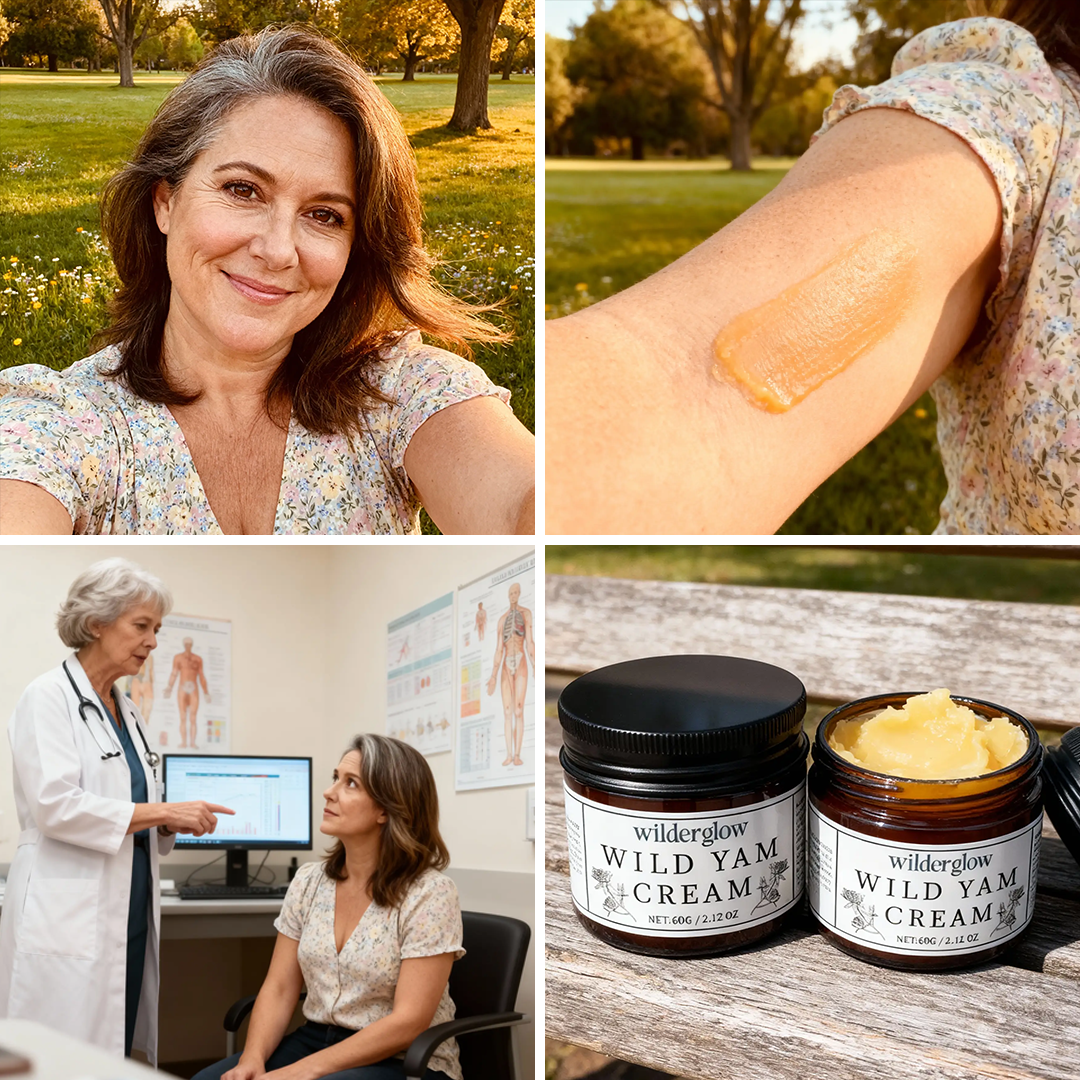
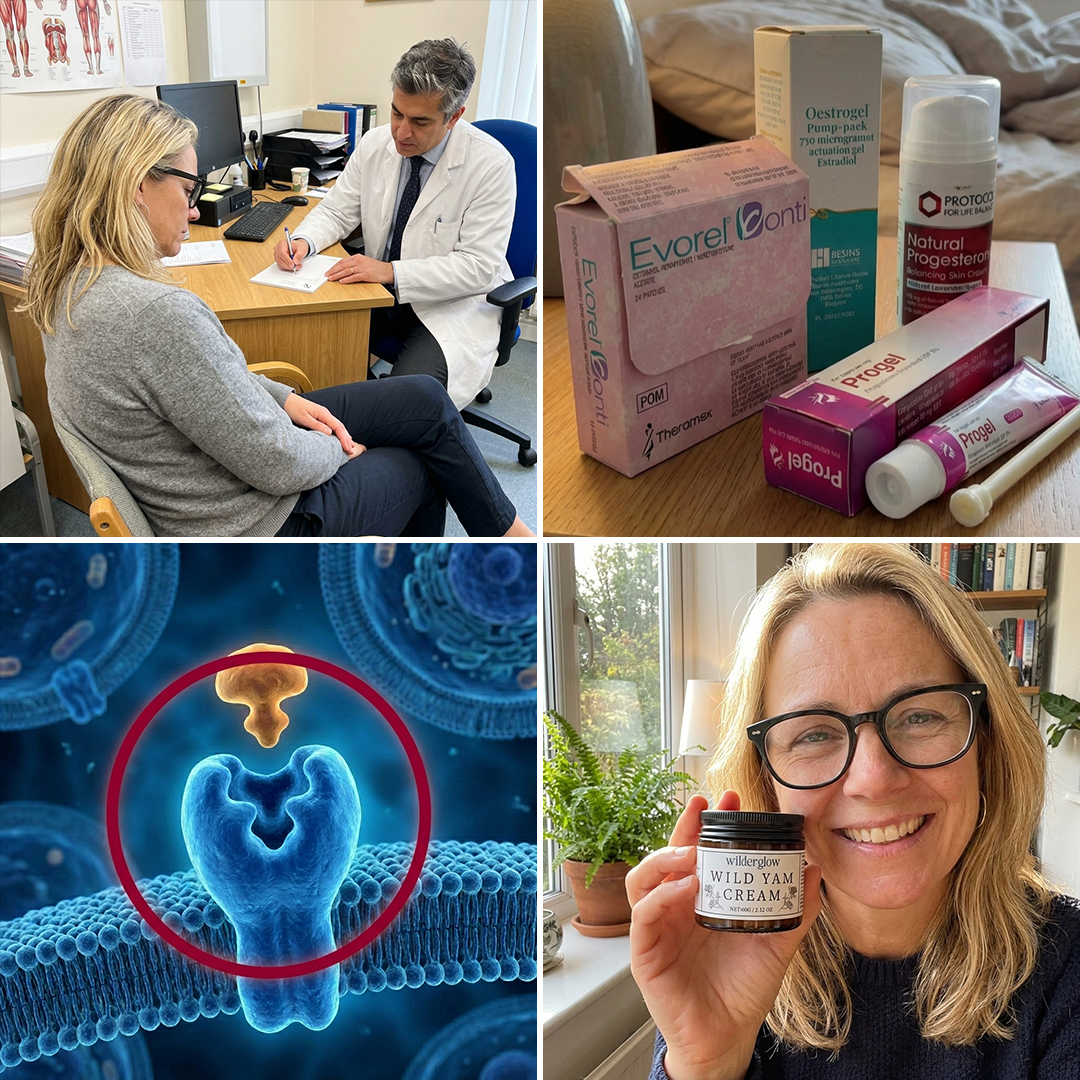
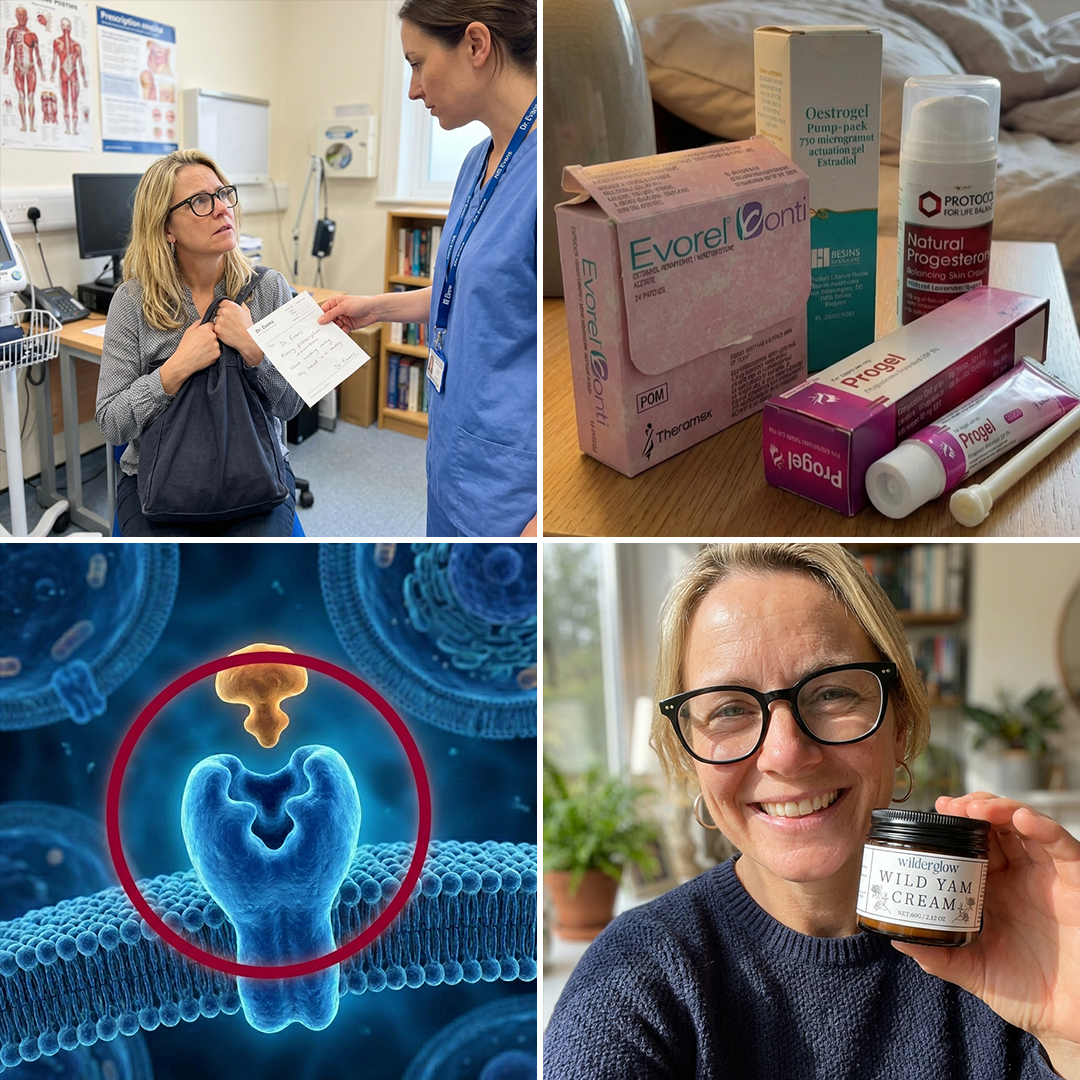
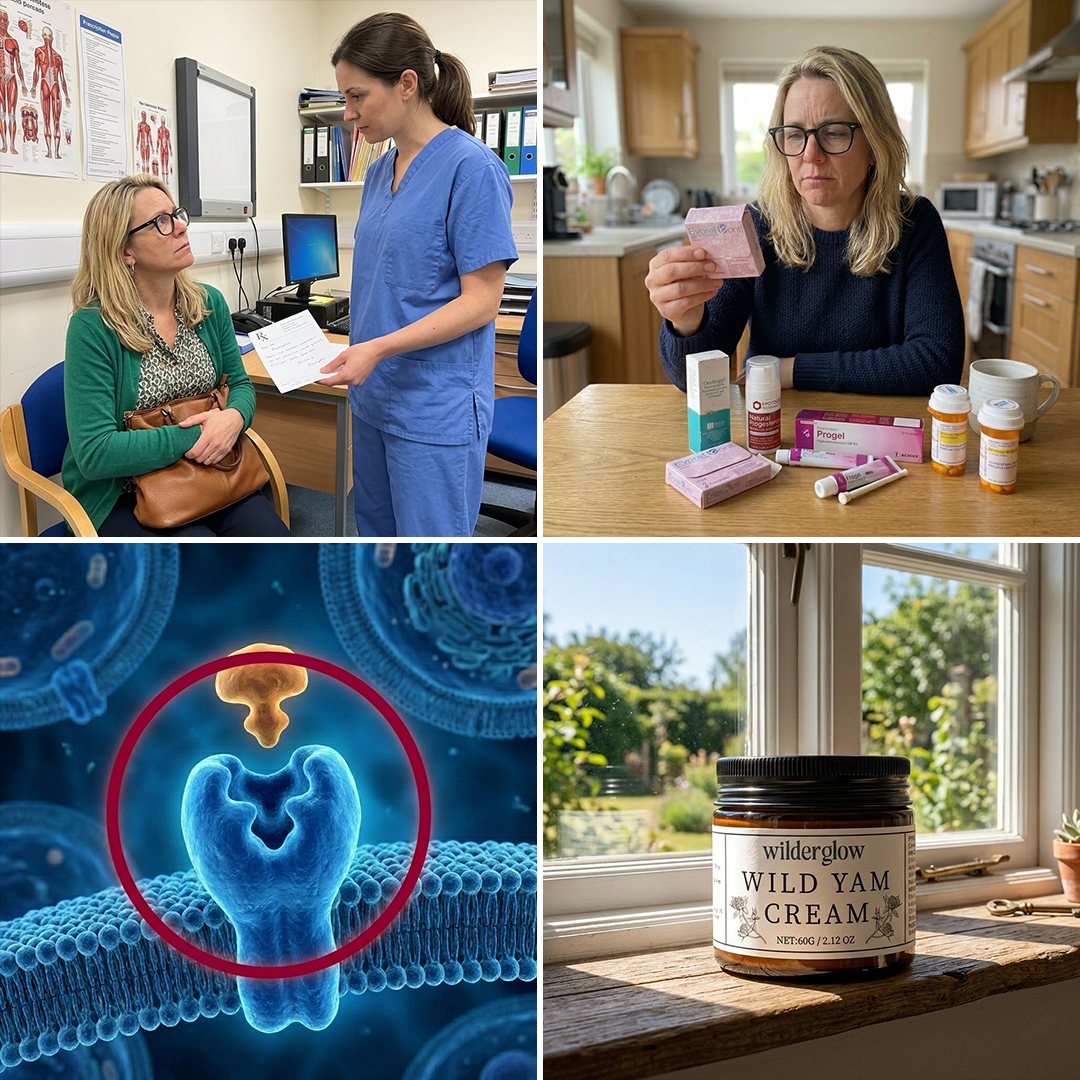
After 22 years as an OB-GYN, I finally had to admit the most uncomfortable truth of my career: the HRT I was trained to prescribe are often what's making my patients feel like they're losing their minds. Let me explain. But first, I need to describe something, and I want you to tell me if any of this sounds familiar. It's 3am. You're lying on top of the covers because they feel like a furnace, but the fan feels like ice. Your heart is racing for no reason you can explain. Your pillow is damp. Your nightshirt is damp. And you're staring at the ceiling thinking the same thing my patients have said to me in my office, sometimes through tears, for the last two decades. "I don't recognise myself anymore." You cry or feel numb at things you used to laugh at. You snapped at your husband yesterday because he didn’t take the bins out, and the rage that came out of you scared you both. You stood in the grocery aisle last week, holding something, and couldn't remember why you walked in. Your jeans don't fit the way they did six months ago, even though nothing about how you eat has changed. You've been told it's stress. You've been told it's anxiety. You've been told you're "too young" or "it's just getting older." And one doctor, bless him, handed you an antidepressant prescription and sent you home. If any part of that made your chest tighten, please keep reading. Because I wrote this for you, and what I'm about to share is something I wish every woman in her 40s and 50s knew. My name is Dr. L, and I spent more than two decades writing HRT prescriptions with total confidence. Estrogen patches. Progesterone capsules. Oestrogel. Utrogestan. Compounded bioidenticals. For the first few months, my patients would come back smiling. The flushes softened. The sweats eased. They'd tell me they finally slept through the night. And then, roughly 8 to 14 months later, almost on cue, the same women would come back to my office with a different look in their eyes. "Dr. L, it's not working like it used to." Their dose would get adjusted. Then adjusted again. Then the new symptoms started. Anxiety that came out of nowhere. Random itchiness they couldn't explain. Mood swings that felt chemical, like they were being driven by someone else. Depression that didn't feel like theirs. Weight around the middle that wouldn't move, no matter how they ate or how they trained. One patient of mine, a 54-year-old primary school teacher I'd known for nearly a decade, sat in my exam room last spring and said something that stopped me cold. "I think this medication is making me sicker than the menopause ever did." I went home that night and couldn't sleep. Because I knew she was right. Here's what nobody told her. Here's what nobody told me in medical school. Here comes the part that changed how I practice medicine. When you flood the body with synthetic hormones, day after day, month after month, your hormone receptors don't just keep happily accepting them forever. They get tired. Imagine you have a doorbell at the front of your house. For the first week, every time it rings, you jump up and answer it. Now imagine somebody stands on your porch and rings that bell every 30 seconds, all day, every day, for a year. What happens? You stop answering. You eventually put in earplugs. You start ignoring the bell completely. That is what synthetic HRT does to your hormone receptors over time. It's called receptor fatigue. And it's the hidden reason HRT stops working for so many women, even while their doctors keep pushing the dose higher and higher. The receptors aren't broken. They're exhausted. But that, honestly, is only half of what I wish I'd been taught. Here's the other half. For 22 years, I was told that menopause is an estrogen "deficiency." That the ovaries "fail," and our job is to replace what's missing. That framing is wrong, and it is quietly hurting a generation of women. Here's what's actually happening inside your body. As your ovaries naturally slow down in your 40s and 50s, there's supposed to be a beautiful, graceful handoff. Your adrenal glands, those two small glands sitting on top of your kidneys, are designed by nature to pick up where your ovaries are leaving off. They are meant to be the body's backup hormone production system for the entire second half of your life. But there's a problem that no one talks about. Most women enter perimenopause with adrenals that are already running on fumes. Decades of cortisol. Decades of stress. Decades of caring for everybody else first. Decades of bad sleep, caffeine to push through, wine to come down, then doing it all again tomorrow. By the time your ovaries try to hand the baton off, your adrenals have nothing left to catch it with. And that, right there, is where most of the symptoms come from. It isn't that your body has failed you. It's that a natural handoff never got the support it was designed to have. Which brought me, very reluctantly, to a different question. Not "how do I replace her hormones?" But "how do I support the production pathways her own body already has, so it can do what it was designed to do?" That question led me to a plant. A plant traditional midwives have used for well over a century, long before modern medicine started patenting things. It's called wild yam, or Dioscorea villosa. And it contains a naturally occurring compound called diosgenin. Now, here's where mainstream medicine consistently gets it wrong, and I want to be precise. Wild yam is NOT progesterone. Your body cannot magically turn diosgenin into a hormone on its own. Any doctor who tells you otherwise is mistaken. But that was never what diosgenin was meant to do. Let me explain it the way I explain it to my patients. Imagine your body is a bakery, and hormones are bread. Synthetic HRT is the factory truck that pulls up every morning and dumps pre-made loaves on the counter whether you need them or not. Your receptors sign for that shipment 700 days in a row, and eventually they stop answering the door. Diosgenin is different. Diosgenin is the flour. It's the raw building block your body can draw on to support its own natural hormone production pathways, through the adrenals, at the pace and rhythm your body is actually asking for. You're not forcing anything onto exhausted receptors. You're feeding the system that was designed to carry you through this chapter. And here's the quiet beauty of it. Building blocks don't cause receptor fatigue. Building blocks don't cause anxiety spikes. Building blocks don't cause random itchiness, or mood swings that feel chemical, or weight that clings on like a stranger. Because the body uses what it needs and simply leaves the rest. When I first started pointing my patients toward a whole-plant wild yam cream, the feedback was slow at first. Then it got loud. Week 3, women came back in and told me the 3am wake-ups had stopped. Week 6, women came back and told me they hadn't had a "demon toddler" rage episode since they started. Week 12, the phrase I kept hearing, over and over and over, was the same one. "I feel like myself again." If you've been in menopause for even six months, you know there is no more powerful sentence in the English language. The cream I now recommend to my patients is called WilderGlow. It's the only formula I've personally found that uses whole-plant Dioscorea villosa extract, not a lab-synthesised hormone derivative dressed up to look botanical. It contains no estrogen. No progesterone. No synthetic hormones of any kind. You apply a small amount to the inside of your forearm or inner thigh once a day. That's it. Because it's botanical support, not hormone replacement, it doesn't force the body into anything, it doesn't compete with receptors that are already tired, and for my patients who are currently on HRT or weaning off it, it has been something they can use alongside without the anxiety, itchiness, and mood chaos. Now, I want to be honest with you about something. I don't believe in one-size-fits-all, and I'm not going to pretend this is a magic bullet. For some women it doesn't click. For the majority of the ones I've pointed toward it, it has quietly become the most important thing in their medicine cabinet. The team behind WilderGlow does something I've almost never seen in this category. They offer a full 90-day money-back guarantee. You try it for three months, you watch how your own body responds, and if it isn't for you, they refund every penny. That isn't a gimmick. That's the sign of a company that knows what this cream does. One last thing you should know. Because WilderGlow uses whole-plant wild yam that is harvested in small, seasonal batches, not manufactured year-round in a pharmaceutical plant, there have been several stretches this year where they have quietly sold out of stock for weeks at a time. That's the nature of working with a real root instead of a lab. So if you've read this far, and something inside you is whispering "this is me, this is what I've been waiting for"... please don't sit on it for three weeks. Go check if there are still jars available from this season's harvest. Your daughters, your students, your team at work, your husband, they don't need a "new" version of you. They just need the woman you already are, the one who's been hiding behind the flushes and the fog and the 3am stares at the ceiling. She is still in there. She's just been waiting for the right door to open. PS. If you're currently on HRT or MHT and considering coming off, please have this conversation with your prescribing doctor. Many of my patients use WilderGlow in parallel with their existing plan, and taper under supervision. The 90-day guarantee gives you plenty of runway to see how your body responds, and if this season's batch runs out again before you decide, the waitlist can stretch for weeks.
Where the ad sends people
wilderglow.com
Natural Hormone Support Without HRT
The ‘Forbidden’ Swiss Protocol for Silencing ‘Hormonal Static’ and Reclaiming Your Life From Menopause
See details: wilderglow.com(opens in a new tab)