Dr. Sarah Bennett, DVM
 Facebook ad: “Read This If Your Dog Is Slowing Down”
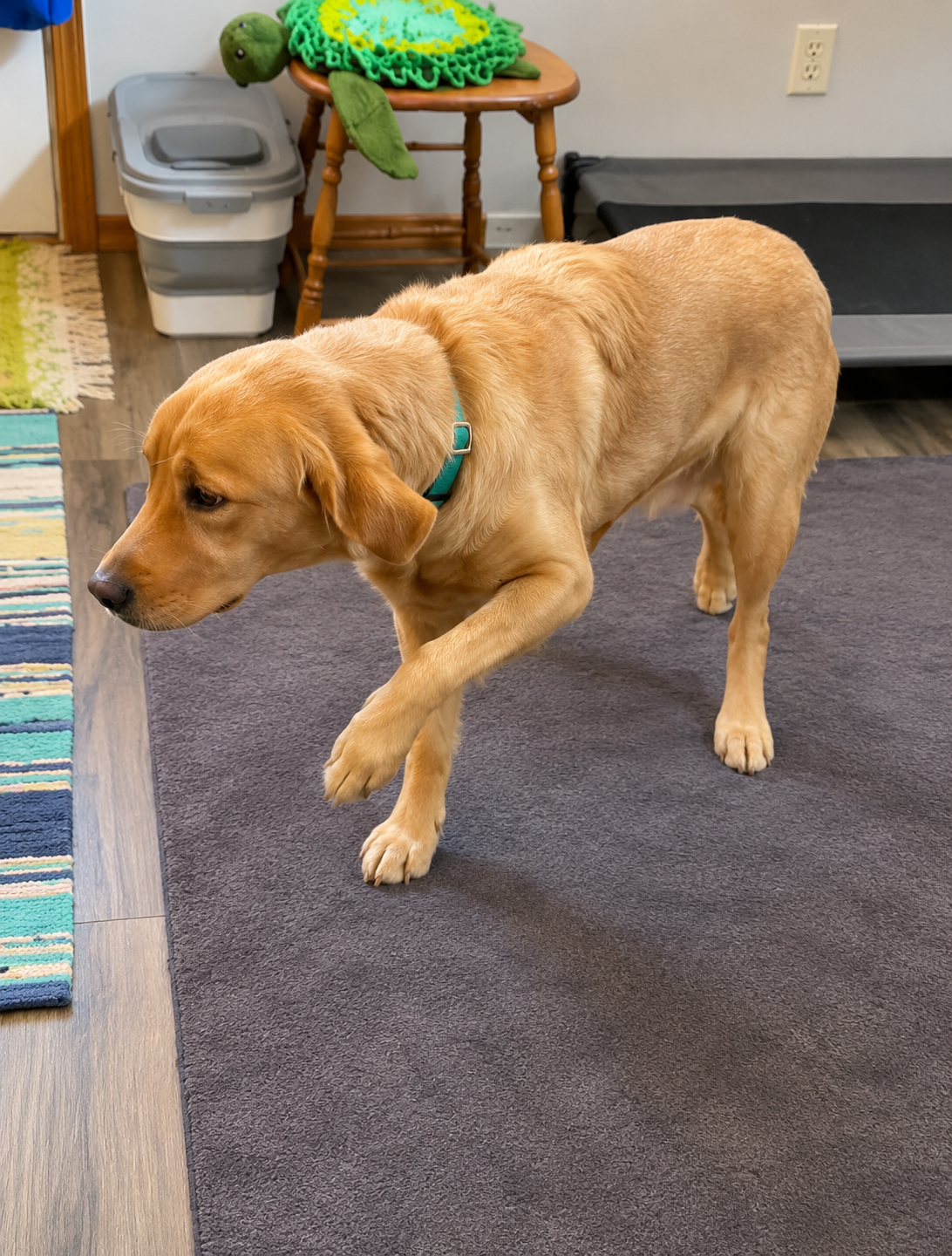
Ran for 2 days, from November 10 to November 12, 2026, the last day Crush saw it.
Run by Dr. Sarah Bennett, DVM on Facebook. Crush is not the advertiser and does not verify its claims. See this ad in Meta's Ad Library(opens in a new tab)
Make your own version of this ad
Crush makes it, launches it in your own Meta ad account, scales the winners and pauses the losers.
About this ad
- Meta Ad Library ID
- 4663287040580870
- Platforms
- Facebook, Instagram, Audience Network, WhatsApp and Threads
- Relaunches
- 0
Ad text
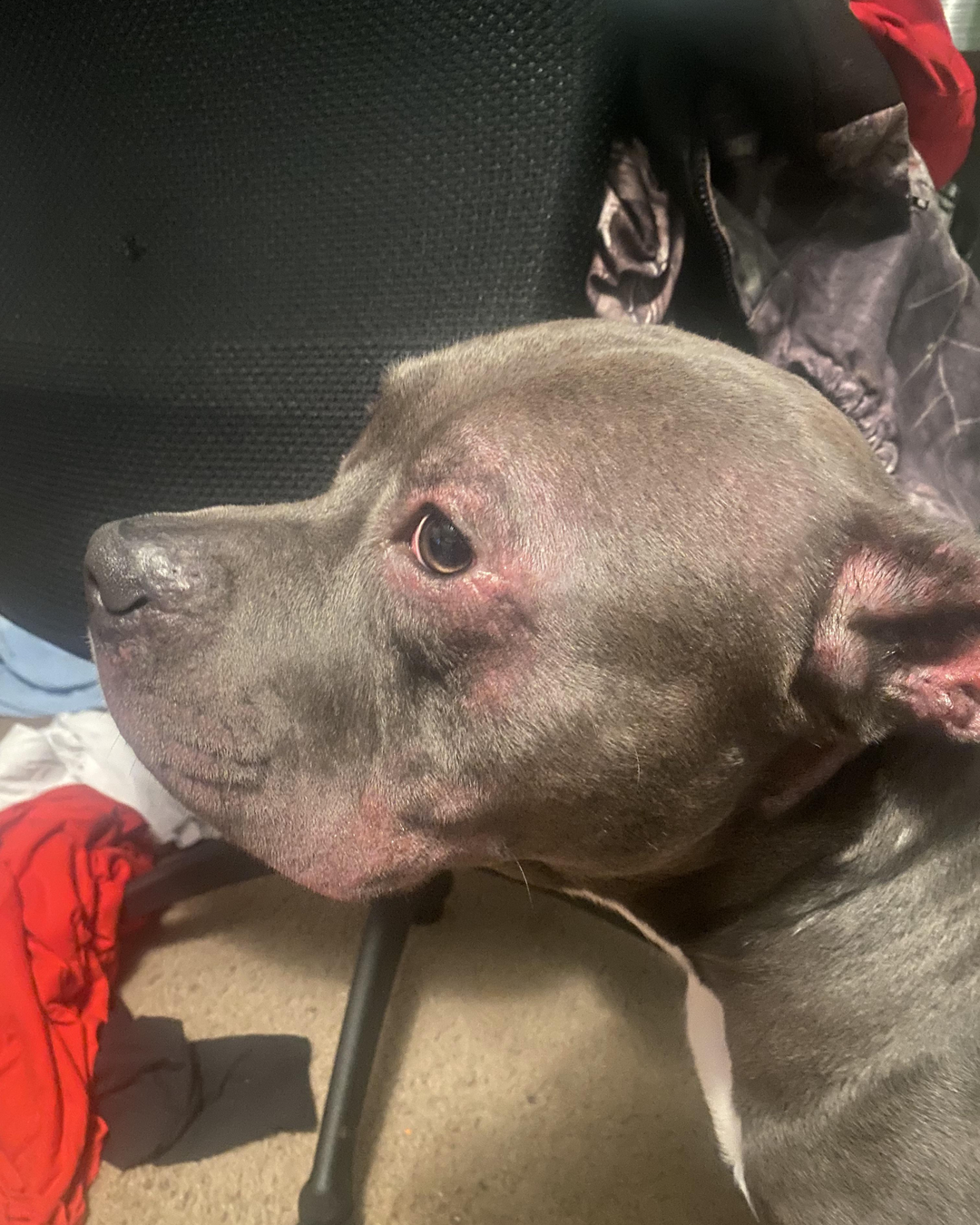
Your dog grunted when he stood up this morning. You watched. You told yourself it was age. That just cost him 3 years. That’s what you’re going to keep doing. For years. Watching the grunting. Watching the slow rising. Telling yourself it’s normal. “Dogs just slow down.” Until year 5 when the slow rising is every day and you start spending money. Different foods. Different brands. Premium joint chews. Glucosamine capsules. $300. $500. $800. Until year 7 when the X-rays come back and your vet says “severe osteoarthritis” and suddenly you’re spending $180 on Rimadyl refills and $250 on monthly Librela injections and $120 on Galliprant and none of it can reverse what’s already gone. Until year 9 when you’re in an emergency vet at 2am authorizing $4,000 in surgery for a dog whose cartilage is already gone. I’ve watched this exact timeline play out in over 500 dogs over 22 years. And it’s completely preventable. If you read this right now. My name is Dr. Sarah Bennett. I’m a veterinarian in Austin, Texas. I’ve been practicing for 22 years. In those 22 years, I have diagnosed joint failure in over 500 dogs. I have three dogs of my own. Luna, my Golden, is 12. Bear, my Lab, is 8. Nova, my Pit Bull, is 5. And I’m going to tell you something that’s going to sound impossible: None of my dogs have ever been on Rimadyl. Not occasionally. Not “a few bad days.” Not “just as needed.” Never. In 11 months of addressing what I’m about to tell you about, slow rising has stopped or dramatically decreased in nearly every dog I’ve recommended it to. Because I finally understand what the slow rising actually means. And it’s not aging. It’s not the food. It’s not the exercise. It’s the cartilage. Here’s what nobody is connecting for you. Every dog on earth loses cartilage faster than they rebuild it. A research team at Cornell Veterinary College spent 15 years proving this. Cartilage has no blood supply. It feeds entirely from the fluid around the joint. The cells that rebuild it — chondrocytes — need specific peptide forms to do their job. In humans the diet provides these peptides. In working wolves the raw diet provides them. In the modern dog diet those peptides are almost completely absent. Kibble is processed at temperatures that destroy them. Treats are decoration. From the day your puppy stops nursing, cartilage degrades faster than it rebuilds. Day after day. Year after year. Completely silent. The joint space narrows. The surfaces thin. Permanently. Now here’s the connection nobody is making. When the cartilage thins, bone touches bone with every step. The joint fluid loses its cushion. Inflammation kicks in. Pain signals fire. And the body does what bodies do when a joint is grinding and inflamed. The dog guards it. Compensates. Shifts weight. Rises slowly. Pauses at the stairs. Not because of aging. Not because of a bad play session. Not because of the floor. Because the cartilage can’t absorb impact anymore. Because the surfaces have been wearing since weaning. Because the peptides the chondrocytes were supposed to use to rebuild were never there. Your dog’s slow rising is not a muscle problem. It’s a cartilage problem that shows up in the muscles. And you’re treating the muscles and the pain while the cartilage keeps collapsing underneath. Every food switch you try is treating the wrong tissue. Every “joint support” chew is treating the wrong tissue. Every Rimadyl refill is quieting the pain signal while the cartilage keeps thinning underneath. The slow rising is the last symptom to appear. Not the first. By the time your dog is slow rising regularly, the cartilage has been eroding for years. The surfaces have been narrowing for years. The joint fluid has been losing hyaluronic acid for years. You just couldn’t see any of it until the grinding got bad enough to make your dog hesitate. That’s why the chews never work. You’re not treating the cause. You’re rearranging the surface while the foundation crumbles. Now let me tell you what I found that actually addresses the foundation. The chondrocytes can rebuild cartilage. They need three specific raw materials — in three specific forms. Hydrolyzed Collagen Peptides Types I & III at 800 milligrams. The structural scaffolding of cartilage. Pre-broken down to the molecular weight the chondrocytes actually use. Type II Collagen at 400 milligrams. The specific collagen that coats the ends of the bones inside the joint. The impact surface. The most expensive collagen type to source, which is why almost no product includes it at a therapeutic dose. MSM, Hyaluronic Acid, Vitamin C. The sulfur donor for inflammatory signaling. The viscous molecule the joint fluid is built from. The cofactor that activates the whole synthesis pathway. Three layers. Scaffolding. Impact surface. Fluid matrix. I evaluated every canine joint supplement on the market. 90% are baked chews. Glucosamine + chondroitin + maybe some Type I collagen. Manufactured at 300 to 400 degrees. That heat destroys the peptide bonds before the bag is even sealed. Nothing reaches the cartilage. Several are Type I only. One layer out of three. The chondrocytes get the scaffolding material but nothing to coat the impact surface and nothing to rebuild the fluid matrix. The joint still grinds. Fish oil capsules reduce the inflammatory signal. They do nothing to rebuild the cartilage. The grinding continues underneath the quieted pain. Then there are the Amazon “liquid collagen” products. Heat-processed. Denatured. The peptide bonds are destroyed by the time the bottle is sealed. Please don’t fall for the ones with glycerin and starch binders — your dog’s gut will fight the fillers before anything reaches the joint. There was only one that met all my requirements and third-party testing. Elora Liquid Collagen. The hydrolyzed peptides at 800mg. Type II at 400mg — a real therapeutic dose, not a trace. MSM, hyaluronic acid, vitamin C, L-glutamine, Bacillus coagulans probiotic. All three layers targeting the cartilage rebuild pathway directly. Cold-pressed liquid delivery. The peptide bonds stay intact. No heat destruction. No binder blockade in the gut. Third-party tested every batch. Zero fillers. Vet formulated. I put my own three dogs on it first. Luna is 12. Bear is 8. Nova is 5. None of them has ever been on Rimadyl. Not once. In 11 months. Perfect joint imaging across multiple panels. Luna is 12 and climbing on and off the couch like a 4-year-old. Bear is bringing me his ball at full pace. Nova is pulling me down the greenbelt like she’s two. Then I started recommending it to my patients. Over 100 dogs. 11 months. The pattern is consistent. Dogs that were struggling to stand in the morning: slow rising stopped or dramatically decreased within 4 to 6 weeks. Because the chondrocytes were getting their raw materials for the first time. The cartilage started rebuilding. The joint fluid thickened. Impact absorbed. Grinding slowed. The hesitation disappeared. Not because the food changed. Because the CARTILAGE changed. Dogs coming off Rimadyl at their primary vets’ recommendation. Dogs coming off monthly Librela. Values stabilizing. Multiple dogs showing measurable improvement on repeat imaging. In 22 years I never saw slow rising reverse from a joint intervention. Because I never used an intervention that addressed the actual cartilage mechanism. Everything I used before treated around it. This treats it directly. You have two choices: Choice #1: Do nothing. Keep watching the grunting. Keep telling yourself “dogs just slow down.” Keep switching foods. Spend $400 a month on premium joint chews that don’t work because the problem isn’t the food. Year 7-8: vet finds severe osteoarthritis. Monthly Librela injections. Daily Rimadyl. Year 9-10: emergency vet. $4,000 in surgery. Your dog never fully recovers. You spend $8,000 to $15,000 and still lose your dog at 10. Choice #2: Start real prevention today. Less than $1 a day. 1-3 droppers depending on his weight, over whatever food he already eats. The chondrocytes get what they’ve been missing since weaning. The cartilage rebuilds. The grinding slows. The slow rising stops. Imaging stays healthy. Your dog lives to 14. 15. Climbing on and off the couch. Pulling you down the walking trail. You save thousands in vet bills and gain years with your dog. It’s the easiest decision you’ll ever make. But you have to make it now. Not when the slow rising is every morning. Not when the vet says severe osteoarthritis. Not when you’re at the emergency vet at 2am. Now. While the cartilage still has thickness worth saving. This is what I give my dogs now. The actual mechanism to feed your dog’s cartilage and prevent the joint cascade. 👉 https://tryelora.co/products/elora-liquid-collagen I was skeptical at first too, but it’s third-party tested every batch, zero fillers, vet formulated using the actual chondrocyte research to help your dog live a longer healthier life. This is the actual preventative maintenance your dog’s joints need to thrive. Prevention costs less than $1 a day. Treatment costs $8,000 and usually fails. You watched your dog grunt and push off the floor this week. You moved on. Don’t move on. 👉 https://tryelora.co/products/elora-liquid-collagen P.S. “Dogs just slow down” does not exist. If your dog grunts when he stands up, his cartilage is thinning. The grunt is the cartilage telling you something. Stop watching it and start addressing why it’s happening. The slow rising is the warning. The starved cartilage is the cause. Elora is the answer. — Dr. Sarah Bennett, DVM
Where the ad sends people
tryelora.co
Read This If Your Dog Is Slowing Down 👆
Elora
Shop now: tryelora.co(opens in a new tab)