
Laura Bennett
Inactive· since Nov 11, 2025
- 145
- days it ran
- 0
- relaunches
Ad copy
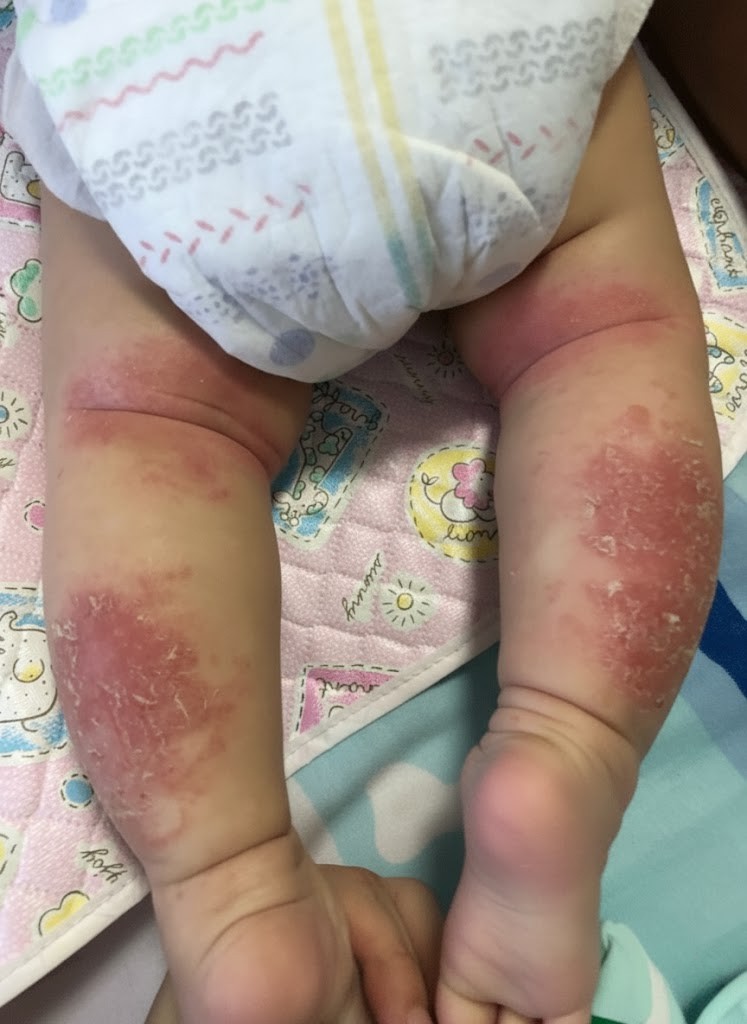
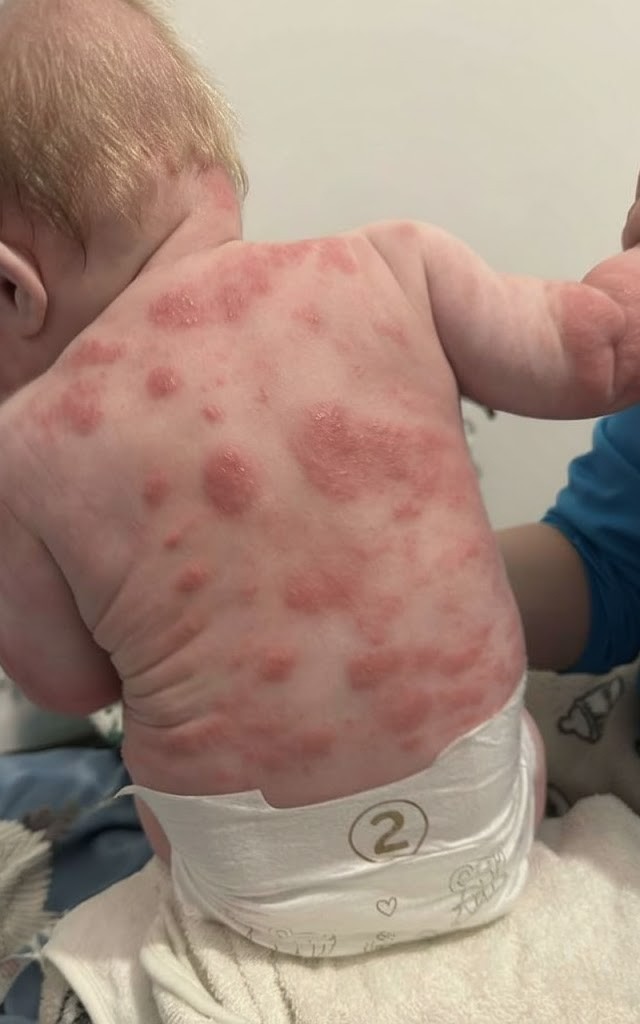
No one warned me what happens when you stop the steroid cream. The third dermatologist looked at my daughter's arms for thirty seconds before reaching for her prescription pad. I wanted to scream. Because we'd been here before. Twice. Dermatologist #1, four months ago: "Try hydrocortisone 1%, twice daily." It helped a little. Not enough. At the follow up six weeks later: "Let's go stronger. Triamcinolone 0.1%." It worked for two weeks, then, just like always, it stopped. Then I went to a different dermatologist. She told me, “We need to be more conservative. The last doctor was too aggressive. Let’s step back to a milder steroid and use it more sparingly.” So now I had two doctors telling me opposite things about the same child. “Use it twice a day.” “No, that’s too much. Use it sparingly.” “This steroid is too strong.” “No, you actually need something stronger.” “Keep it away from her face.” “Apply it wherever she flares.” I didn't know who to believe. So here I was with dermatologist #3, hoping maybe this one would have actual answers. She wrote the prescription and handed it to me. "What about figuring out what's causing the flare ups? The root cause of it?" I asked. She looked up from her computer. "With eczema, it could be anything. Food, environment, stress. You'd spend months doing elimination diets and allergy tests and probably not find anything definitive. Just manage the symptoms with the steroid cream." I drove home crying. I’d just spent $75 on that appointment, taken time off work, and waited two months to get in. For another prescription. Another tube of steroid cream to add to the growing collection in my bathroom cabinet. Hydrocortisone 1%. Didn't work well enough. Hydrocortisone 2.5%. Worked then stopped. Triamcinolone 0.1%. Too strong, the next doctor said. Desonide 0.05%. Current prescription. Not working great. And now this new one. A different strength of something I'd already tried. Five prescriptions in four months. And my daughter's eczema looked the same as when we started. Maybe worse. That night, after I put her to bed, I sat on the bathroom floor looking at all those tubes lined up on the counter. Each one represented hope. Money. Time. A doctor telling me "this will help." None of them did. Not for long. They worked for a week or two, then stopped, or we had to stop because of the warnings about prolonged use. And no one, not one single doctor, had ever explained to me why they stopped working. Or why we kept cycling through the same basic treatment with slightly different strengths. I felt stuck in the same cycle. Moving in circles. Getting nowhere. The worst part was feeling completely alone in this. My husband would say "just do what the doctor says." But which doctor? They all said different things. My mom would say "doctors know best." But if they knew best, why wasn't my daughter getting better? I started feeling crazy. Like maybe I was the problem. Maybe I was doing something wrong. Maybe I wasn’t applying the cream right. Or bathing her too much. Or the water was too hot. Or we needed different detergent. Or cut dairy. I'd tried all of those things. Nothing made a lasting difference. Two weeks later we had a different appointment, not for eczema, just her regular checkup with her pediatrician. Older guy, probably close to retirement. He'd been practicing for like thirty years. He noticed the eczema on her arms while doing the exam. "Still dealing with that?" "Yeah," I said. "We've been through three dermatologists and five different prescriptions." He looked at me over his glasses. "And?" “And nothing. They just give us steroid cream. It helps for a bit, then comes right back.” He nodded slowly. "That's the steroid trap. You're treating the inflammation but not what's causing it." I stared at him. "What do you mean?" He pulled out one of those anatomy diagrams, layers of skin. "Your daughter's skin barrier is damaged. Think of it like a brick wall with missing bricks. Things can get in that shouldn't." I nodded. I'd heard this before. "One of the main things that gets in is bacteria. Staph aureus, we call it staph. It's on everyone's skin normally, but when the barrier is broken, it spreads and multiplies like crazy." "Okay...” "That bacteria creates inflammation. It’s a major trigger for eczema flares. Your daughter’s body is reacting to the overgrowth. That’s the redness, the itching, the swelling." He pointed to the diagram. "Steroid creams work by suppressing inflammation. They're really good at it. That's why the eczema looks better when you use them." "But?" "But they don't do anything about the bacteria. So when you stop the steroid, the bacteria is still there. Still triggering inflammation. The eczema comes back because you never addressed the actual trigger." Something clicked in my brain. "So we're just suppressing her body's reaction to the bacteria over and over?" "Exactly. That's why you keep cycling through prescriptions. Each one works temporarily because it's suppressing the immune response. But none of them are treating the bacterial overgrowth, so the cycle continues." "Why has no one explained this to me before?" He shrugged. "Dermatologists are trained to manage symptoms. Steroids are the gold standard for managing eczema symptoms. They work fast, they work well. But they're not addressing the root cause in cases like your daughter's where bacteria is a major factor." I felt angry and relieved at the same time. Angry because I'd spent four months and hundreds of dollars cycling through prescriptions that were never going to solve the problem. Relieved because it wasn't me. I wasn't doing something wrong. The approach itself was incomplete. "So what do I do about the bacteria?" I asked. "Some people try diluted bleach baths, but with open scratches or broken skin, that can sting and cause more irritation. Some dermatologists prescribe antibiotic ointments, but you have to be careful with antibiotic resistance. Personally, I've seen good results with medical grade honey." "Honey?" I said. “Medical grade honey,” he explained. “It’s been used in hospitals for wound care for decades. It has natural antibacterial properties, and fights staph aureus specifically. And it’s anti-inflammatory at the same time. So you’re working on both the bacteria and the inflammation.” He wrote something on a piece of paper. "Look into products with medical grade honey and colloidal oatmeal. The oatmeal helps repair the skin barrier while the honey deals with the bacterial overgrowth." I took the paper, thanked him probably five times, and drove home in a daze. That night, I couldn't stop thinking about what he'd said. It explained everything. Why every prescription worked temporarily then failed. Why we kept cycling through the same treatments. Why no amount of moisturizing or avoiding flare up triggers made a lasting difference. We were treating the symptom, the inflammation, without treating the cause, the bacterial overgrowth. I started researching that night. Not "eczema creams" or "natural remedies." I searched "staph aureus eczema" and "medical grade honey antibacterial." And I found study after study. One showed that over 90% of eczema skin is colonized with staph aureus bacteria, compared to only 5% of healthy skin. Another showed that reducing bacterial overgrowth reduces inflammation, even without steroids. Another showed that medical grade honey reduces staph and calms inflammation at the same time. I must have read fifteen studies and articles that night. And for the first time in four months, I felt like I understood what was actually happening on my daughter's skin. Not just "eczema." Not just "inflammation." But a specific biological process where a damaged skin barrier lets bacteria in, the bacteria triggers inflammation, and her body reacts with what we see as eczema. Steroids suppress the reaction but don't eliminate the trigger. So the cycle continues. But now that I finally understood what was really happening, I couldn’t just stop there. I wanted to find something that fixed both problems, the bacteria underneath and the barrier on top. So I kept searching for hours, scrolling through studies and articles, determined to find something that made sense. Nearly every article I read that night pointed to the same product, called Beezema. Every single ingredient matched exactly what the pediatrician told me to look for, and what the studies said actually helped baby eczema. Medical grade honey: known for antibacterial activity against staph, anti inflammatory. Colloidal oatmeal: an FDA recognized skin protectant that helps repair the barrier. Beeswax: creates protective seal without clogging pores. All the ingredients lined up, and for once, I felt like I was on the right track. I ordered it that night. It arrived two days later. I was extremely skeptical and honestly a little hopeless, because at this point, I’d tried so many things that didn’t work. But this felt different. This wasn't just "moisturize better" or "another steroid strength." This was targeting the real problem, the bacterial overgrowth driving the inflammation. That first night, I applied it after her bath. The texture was different. Smooth, absorbed quickly. Smelled faintly sweet from the honey. I still used a tiny bit of the steroid cream on the worst patches, I wasn’t ready to stop it just yet, not after seeing how bad things got without it. But everywhere else, just Beezema. Next morning: her skin looked the same. Not better, not worse. I reminded myself this wasn't about suppressing symptoms in 24 hours. This was about breaking the cycle. Second night, same routine. Beezema everywhere, minimal steroid on the worst spots. Third morning: the areas where I'd only used Beezema looked calmer. The redness had faded. The rough, bumpy texture was smoother. That had never happened with any moisturizer I'd tried. By day seven, I stopped using the steroid completely. Just Beezema, twice daily. And I watched her skin continue to improve. Slowly. Not dramatically. But steadily. The redness faded to pink, then to normal skin tone. The rough patches smoothed out. The constant scratching decreased. By week three, her arms looked better than they had in six months. I remember staring at them, smooth pink skin instead of angry red patches, and feeling like I could finally breathe again. Not perfect. She still has eczema. She still gets small flare ups when she’s sick or stressed. But they calm down in a few days now, just by using Beezema. No steroid cream needed. No cycling through prescriptions. No appointments every six weeks to try something new. We've been using it for two months now. All those prescription tubes are still in my bathroom cabinet. I can't bring myself to throw them away yet. But we haven't touched them. I keep thinking about those four months on that same cycle, appointment after appointment, new tube after new tube, hope followed by the same disappointment. Five different prescriptions. Three dermatologists. Hundreds of dollars. Countless hours of worry. And not one of them ever explained to me what was actually happening. They just kept cycling me through different strengths of the same basic treatment. A treatment that suppresses symptoms without addressing the cause. I wish someone had explained it to me this simply: Eczema isn’t just dryness, it’s a damaged barrier that lets bacteria in. Steroid creams quiet the reaction, but they don’t remove what’s causing it. Medical grade honey works differently. It reduces bacteria, calms inflammation, and helps the barrier recover. That’s why it can work when steroids don’t. I’m sharing this because I know there are other parents going through the same endless loop I was trapped in. Cycling through dermatologists who give conflicting advice. Collecting prescription tubes that work temporarily then fail. Spending months and hundreds of dollars with no real progress. Feeling crazy because you're doing everything right and your child isn't getting better. I want you to know: you're not crazy. The system isn't set up to address root causes. It's set up to manage symptoms. And steroids are excellent at managing symptoms. They work fast. They work well. But if bacterial overgrowth is driving your child’s inflammation, which many studies link to eczema, then steroids alone won’t break the cycle. You'll just keep cycling through prescriptions. The cream I use is Beezema. It's specifically designed to address both the bacterial overgrowth and the inflammation at the same time. That’s why it helps break the cycle instead of just pausing it. Honestly, I didn’t expect it to work. But after everything we’d been through, I figured it was worth one last try. But mostly I just needed to share what I learned. Because if one more parent can finally break free from that endless cycle of prescriptions and false hope… If one more parent can stop wasting months and money on appointments that lead nowhere… If one more parent can finally understand what's actually happening so they can fix it themselves… That's worth putting this out there. You don't need another dermatologist appointment. You don't need another prescription. You need to treat the cause, not just the symptom. And once you do, everything changes.
Read this if you hate using steroid cream 👆
Beezema is the mama-created eczema cream made with medical-grade honey & oatmeal. Trusted by 1,000+ families for gentle, steroid-free relief.
SHOP NOWLike this ad? Make it yours.
Crush rebuilds this exact creative around your product — your brand, your colors, your offer — in about a minute.