
Active· since Jun 30, 2026
- 77
- days running
- 0
- relaunches
Ad copy
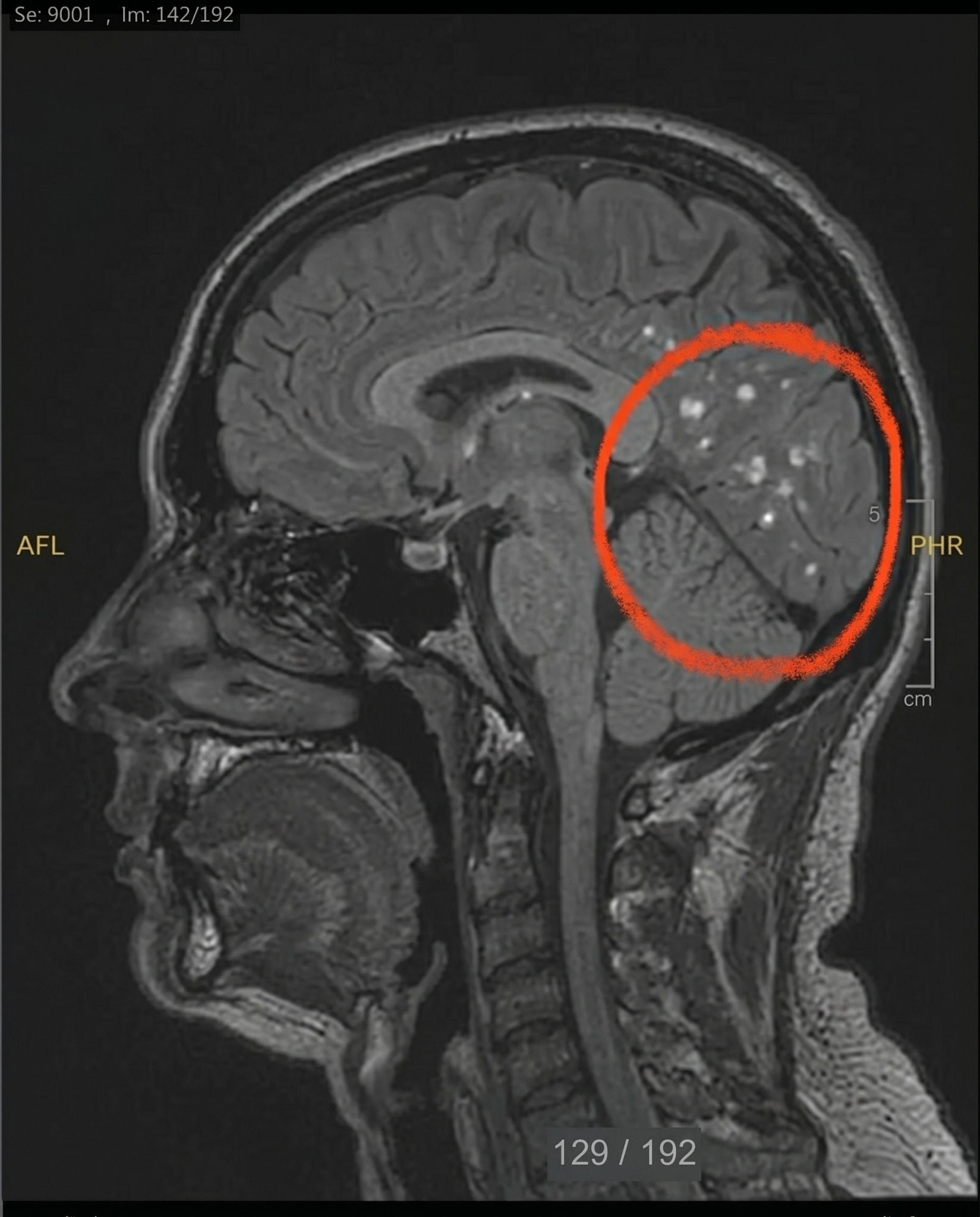
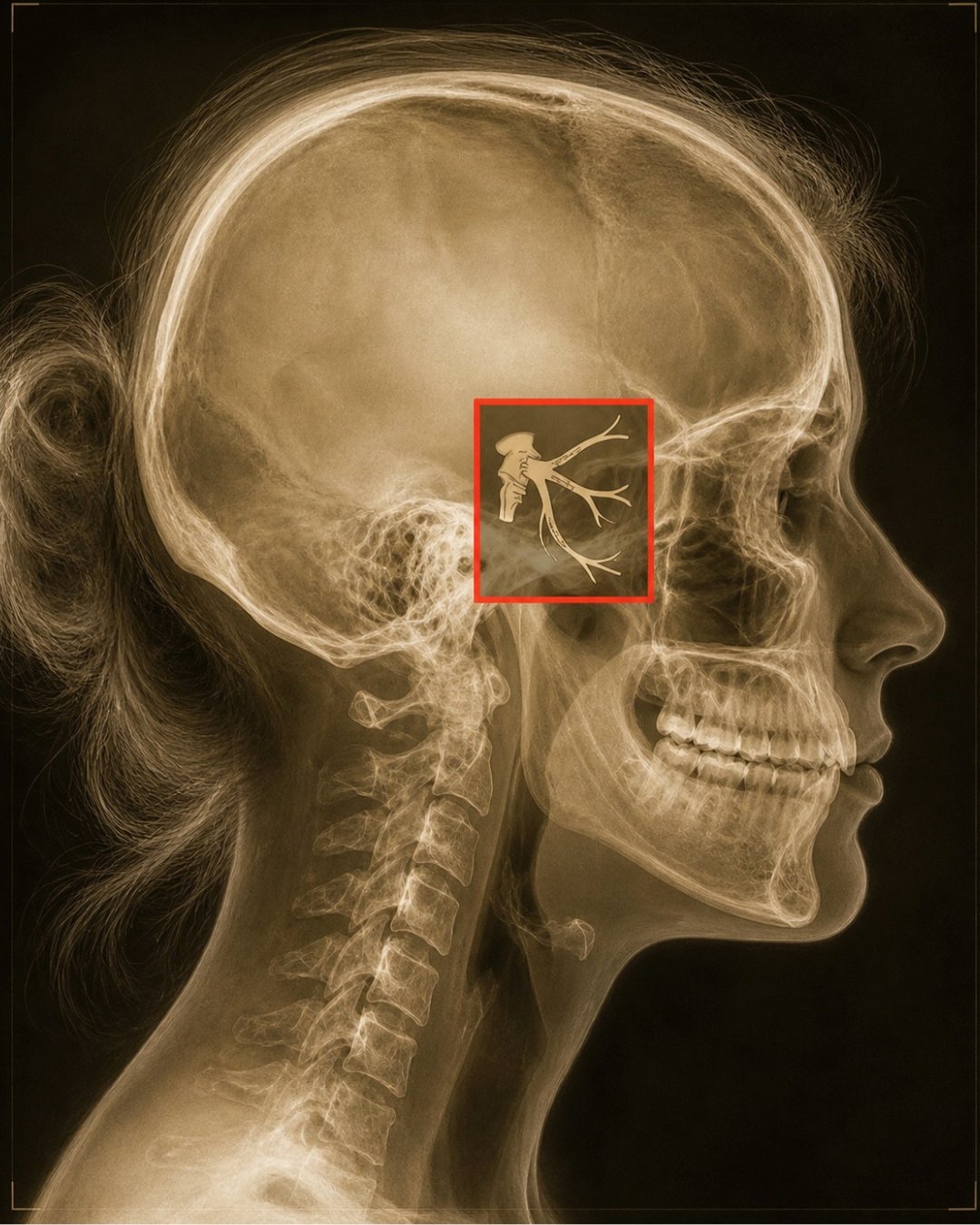
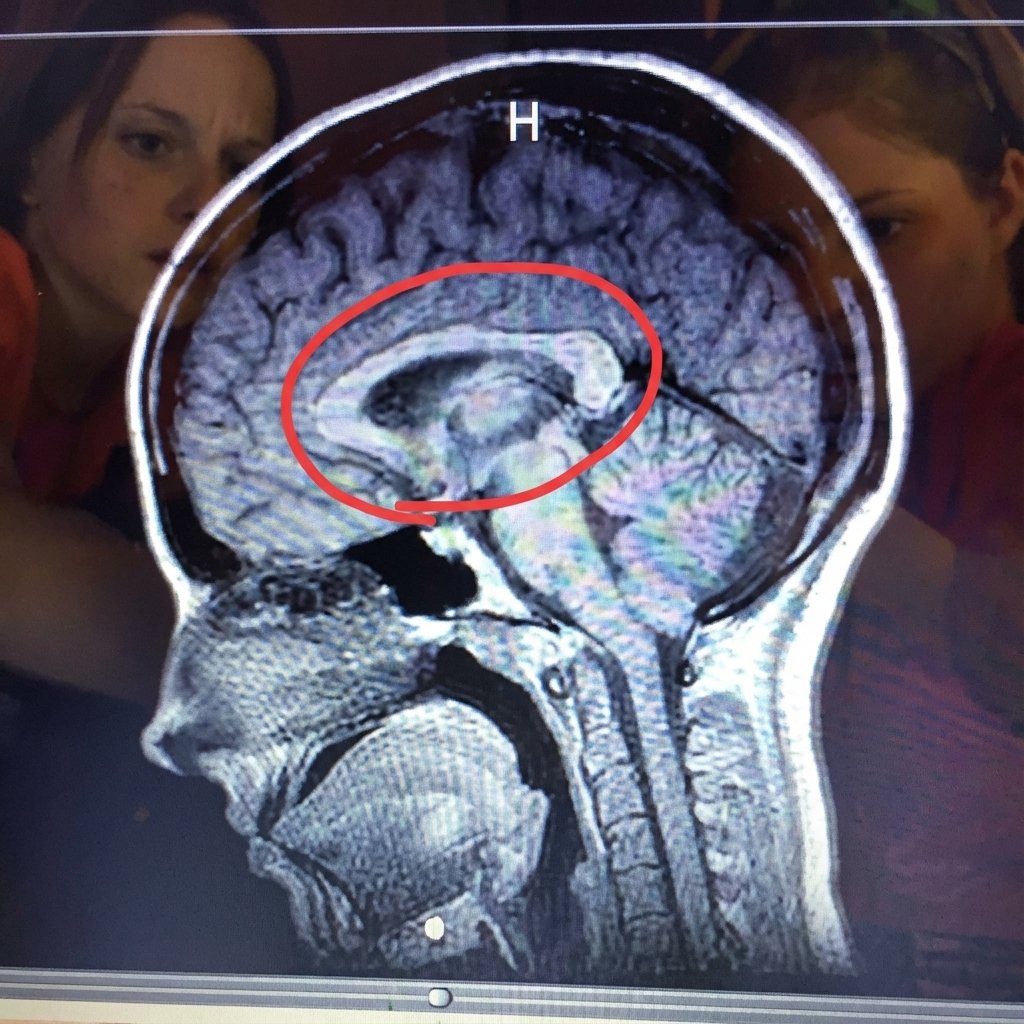
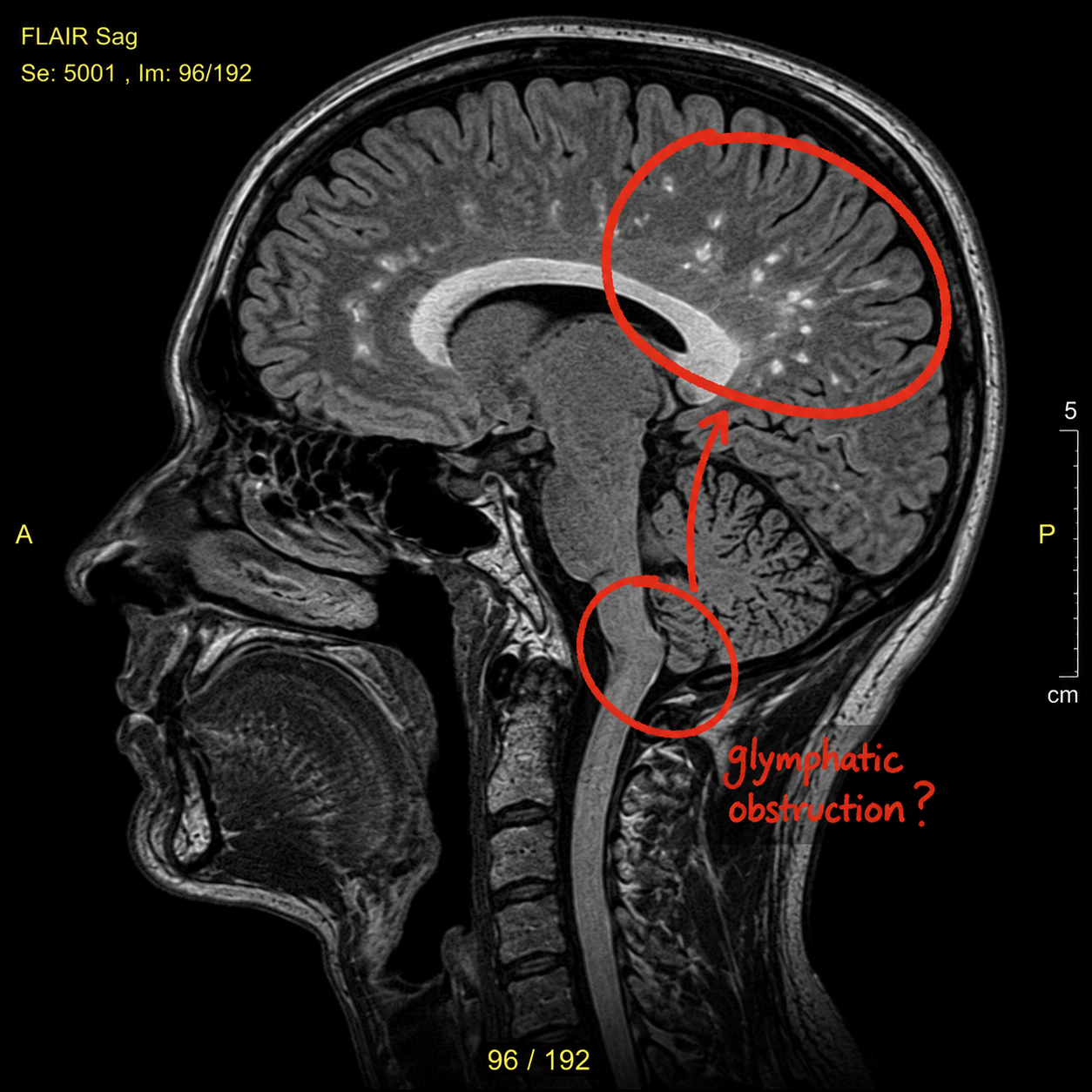
If you have hEDS, hypermobility, POTS, or any combination of "the Trifecta" — and your morning migraines started in your late 20s before anyone even connected them to your connective tissue — I need you to read this. Because your migraines are not a coincidence comorbidity. They are a direct mechanical consequence of the one structure your rheumatologist and your neurologist have never coordinated to examine. My name is Dr. Rebecca Hartwell. I am a cervical spine specialist. Twenty-one years of clinical practice. Stanford-trained. I have published on upper cervical instability in hypermobility spectrum disorders. I sit in the gap between your neurologist and your rheumatologist — the gap where the answer has been sitting for as long as you have had both diagnoses. I am writing this because I have watched the same pattern repeat for 21 years. A woman walks into my office with morning migraines and a connective tissue diagnosis. She has two care teams. She has two binders. She has $8,200 in treatments split across two specialties that have never coordinated on the one structure that explains both conditions. Nobody on either team has examined her cervical spine in the position it spends 8 hours in every night. Her name is Sarah. She is 47. hEDS diagnosed at 38 after 19 years of being told she was double-jointed. Beighton score 7 out of 9. POTS at 41 after a tilt-table at Mayo. MCAS suspected. The trifecta. Her morning migraines started at 28. A full decade before the hEDS diagnosis arrived. By the time the connective tissue diagnosis was in the chart, the migraines had already been coded as a separate problem for 10 years. Nobody went back. Nobody reconnected them. Two separate diagnostic codes. Two separate care teams. The same patient. The same joint nobody examined. When Sarah sat down in my office she had already seen 5 neurologists, 3 rheumatologists, and 2 geneticists across 19 years. Not one of them had ordered upright cervical imaging. Not one of them had examined C1-C2 while her head was in the position it spends 8 hours in every night. $8,200 on the neurology side alone. Five rounds of Botox at $500 each that wore off in 6 weeks instead of 12 — because hEDS bodies metabolize Botox in roughly half the time, which not one of her five neurologists had mentioned. A trigger diary. A low-histamine diet that ran 11 months. An Allay Lamp at $299. FL-41 lenses. A $480 functional medicine appointment that told her to cut nightshades. And then the rheumatology side. Compression stockings at $89 a pair. IV saline at $340 each. Low-dose naltrexone for suspected MCAS. A $440 specialty cardiologist who confirmed POTS but had no opinion on the migraines. Propranolol that helped the POTS and made the migraines worse — and nobody connected those two outcomes even though both specialists were treating the same patient. She sat in the parking lot for 40 minutes after the neurologist who said the preventive was good for weight loss too if that interested her. She told me she did not cry. She said it felt worse than crying. I have heard that sentence from hypermobile women more times than I can count. Here is what I see that neither specialty is trained to look for. The trigeminocervical complex is a nerve junction at the base of the skull where the cervical nerves from C1 through C3 share the same signaling pathway as the trigeminal nerve. They feed the same pain circuit. In a non-hEDS body, the ligaments holding the C1-C2 joint stable have an elastic limit that protects the joint from over-rotation during sleep. In an hEDS body, those ligaments are inherently lax. When the head settles on a regular pillow, the upper cervical joints rotate further than they should. The nerves are compressed for 8 hours every night. Not 8 minutes. 8 hours. By morning the trigeminocervical complex has been firing in continuous cycles for the entire sleep period. The patient is not waking up with a migraine. She is waking up at the end of one. And here is why it starts in the late 20s. The ligamentous laxity in hEDS is present from birth. But the compensatory muscle tone that holds the cervical spine in place despite the lax ligaments begins to decline in the mid to late 20s. The joints start drifting further during sleep. The compression window opens. The migraines begin. This is why hEDS migraines cluster in the late 20s and early 30s — not because of hormones, not because of stress, but because the muscular scaffolding that was compensating for the lax ligaments is no longer holding through 8 hours of sleep. The neurology team does not know this because they are not trained in connective tissue mechanics. The rheumatology team does not know this because they do not examine the cervical spine in sleep position. And because the migraines typically arrive a decade before the hEDS diagnosis, nobody goes back to reassess them through the connective tissue lens. That is not a medical decision. It is a billing decision. Separate diagnostic codes. Separate problem lists. Separate charts that are never read together. And the part that made me stop seeing patients for a day: the same compression is also restricting vertebral artery flow at the upper cervical junction. In an hEDS body, where the vertebral artery is already more vulnerable due to connective tissue laxity, this is the exact mechanism published literature has flagged for elevated stroke risk in hypermobile patients over 45. Botox does not address this. Botox paralyzes the muscles around the compression. In an hEDS body that metabolizes it in half the time, the relief lasts 6 weeks. The joint still drifts. The compression returns. The neurologist schedules the next round. Propranolol does not address this. It lowers heart rate for the POTS while doing nothing for the cervical compression driving the migraines. In many cases it worsens the migraines by reducing the cardiac output that was partially compensating for the restricted vertebral flow. Neither specialty is treating the root cause. Both are managing symptoms on opposite sides of the same joint. Sarah tried 3 cervical pillows in 8 months. A memory foam contour from Costco. A Tempur-Pedic ergonomic at $189. A buckwheat hull at $129. All three failed for the same reason every standard cervical pillow fails an hEDS body — they are engineered for an average cervical curve, not a hypermobile one. By 2 AM all three had collapsed. The compression resumed for the most damaging hours between 3 AM and 6 AM. I started working three years ago with a pillow engineered to hold C1 through C3 in sustained decompression through the full 8-hour sleep cycle. Not memory foam that collapses at 90 minutes. Adaptive fiber that holds the joint where lax ligaments cannot. Support at 4 AM, not just at 10 PM. The brand is Eloura. The pillow is the CerviSoft. $57.95. 90-night money back. Sarah was one of my first hEDS patients on it. The first night she felt the difference at C1 immediately. A specific holding at the base of her skull she had never felt from a pillow. Week 2 she made coffee and did not do the body scan first. She noticed three hours later that she had not done it. Week 4 her husband Jason said she had been weird that week. She asked what he meant. He said she had come down to dinner two nights in a row. Week 9 her follow-up PET-SPECT showed inflammation at C1 through C3 reduced by approximately 65 percent. The radiologist said he does not often see that kind of change without surgical intervention. He asked what she did. She told him about the pillow. He wrote it down. Migraine frequency from 14 mornings a month to 2. POTS morning head rush improved. IV saline stopped. Triptans stopped. Botox stopped. Body scan gone. One pillow addressed what two care teams could not coordinate to find in 19 years. It is not a cure for hEDS. Hypermobility is genetic. The connective tissue is what it is. It is not a replacement for current medications. It is not instant — the 90-night window exists because hEDS bodies take longer to remodel surrounding muscle tone. But the mechanism is mechanical. It cannot be patented. So it was never integrated into either protocol. Neither specialty will recommend it. Neither specialty recommended it to Sarah. The Eloura CerviSoft delivers the three simultaneous inputs the upper cervical region requires in a hypermobile body. C1 to C3 anatomical placement. 8-hour sustained alignment. Adaptive fiber that holds through the full sleep cycle. 90-night money back. If your mornings do not change, every dollar back. If you have hEDS, POTS, or MCAS — and your morning migraines started in your late 20s or early 30s, years before you had a diagnosis that explained why — the upper cervical joint is the structural common denominator. The joint that sits between two charts that have never been read together. Neither care team will examine it. I just did. P.S. Two care teams. One body. 19 years. The joint that explained both was sitting between them. Nobody touched it. Because the migraines arrived a decade before the diagnosis, nobody ever went back to connect them. Sarah's mother has hEDS. Same migraines. Same starting age. Same two care teams. She is in memory care in Tucson. The joint sat between her two charts for 22 years. Nobody touched it there either. The chain stopped with Sarah. It can stop with you too. You know now. — Dr. Rebecca Hartwell, MD Cervical Spine & Upper Cervical Instability Stanford-Trained · 21 Years Clinical Practice
Like this ad? Make it yours.
Crush rebuilds this exact creative around your product — your brand, your colors, your offer — in about a minute.